
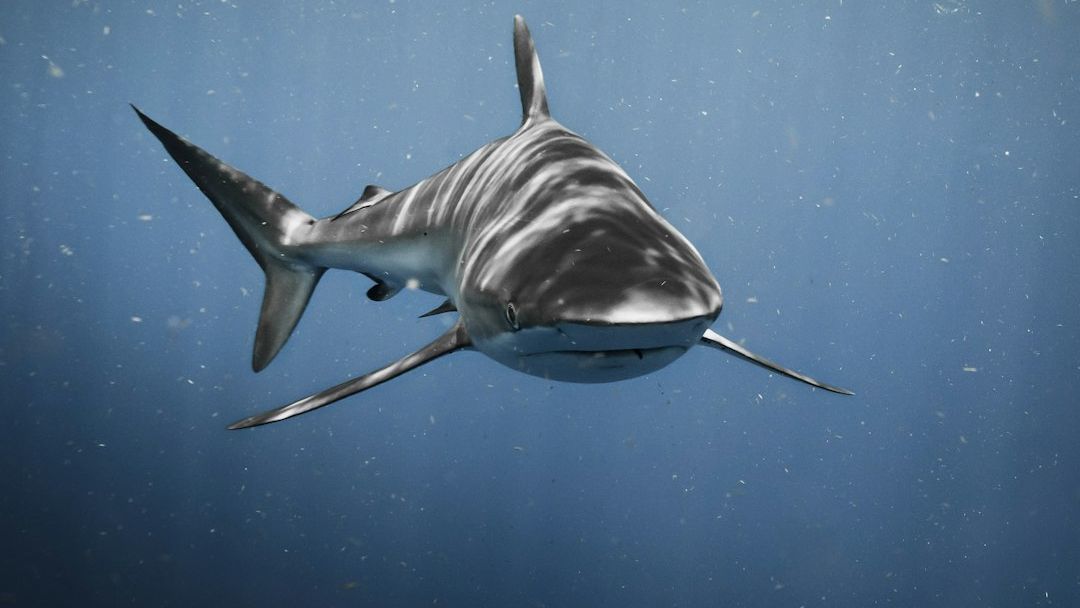
When you think about sharks, the mighty Mississippi probably isn’t the first place that comes to mind. Images of tropical ocean waters and coastal beaches are more typical. Yet something truly bizarre has been happening in America’s heartland, and it’s both fascinating and slightly unnerving. There’s one particular shark species with an extraordinary talent, and it’s using that skill to venture into places sharks simply shouldn’t be.
Most people would assume that freshwater rivers are safe havens from ocean predators. But the Mississippi River holds secrets that might make you think twice before taking that summer swim.
The Only Shark Built for Freshwater Adventures
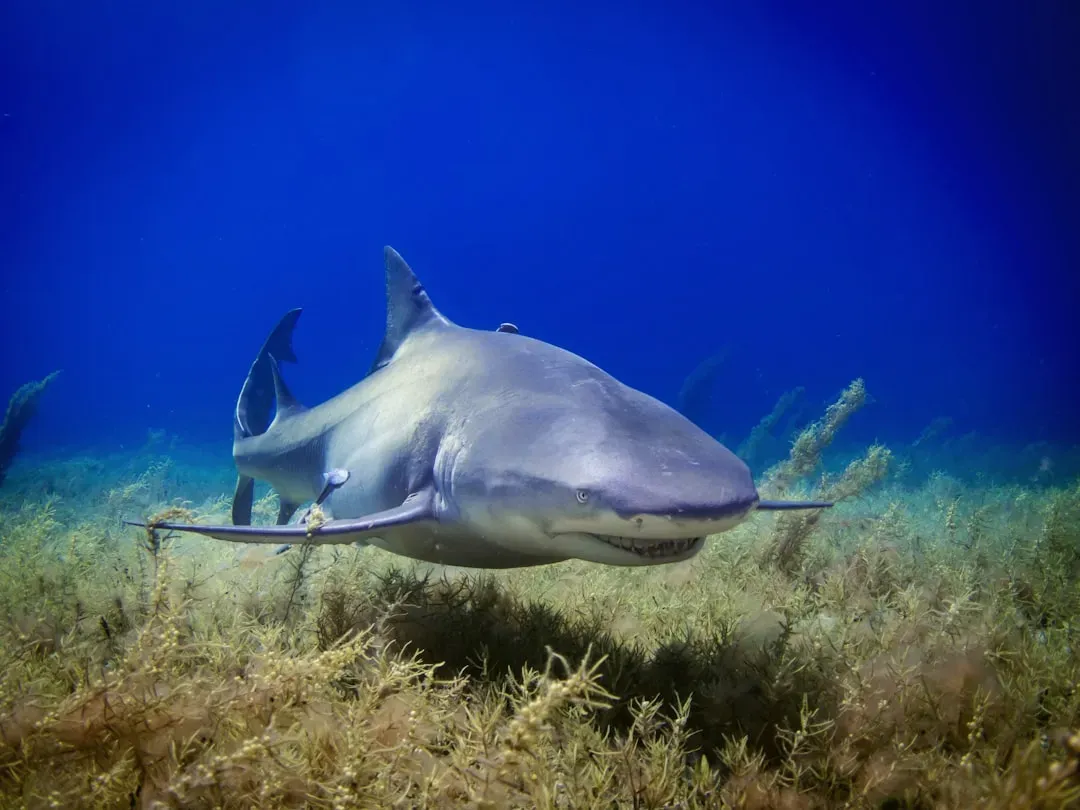
The bull shark is the only species of shark that regularly moves between saltwater and freshwater environments. While most sharks are confined to salty ocean waters, this particular species has developed something special. Think of bull sharks as the amphibious vehicles of the shark world.
Bull sharks have unique, specialized bodies that allow them to balance out the levels of salt in their bodies, essentially absorbing salt from their natural saltwater environments and recycling it through their bodies when they move into freshwater rivers and lakes. It’s an impressive biological feat that separates them from species like the great white shark. Their kidneys and gills have adapted in ways that let them handle dramatic salinity shifts without batting an eye.
A Stocky Predator With a Dangerous Reputation
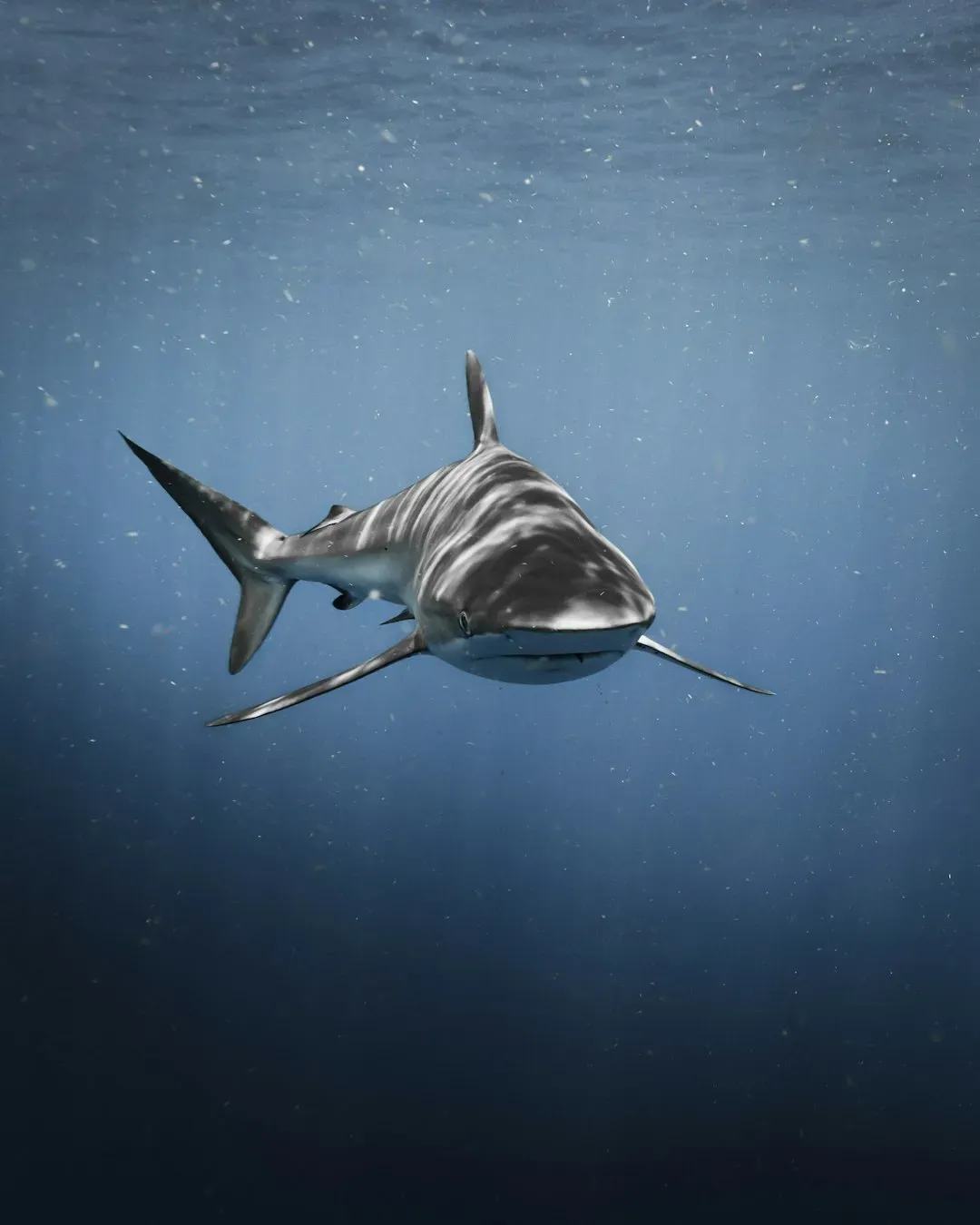
The name “bull shark” comes from the shark’s stocky shape, broad, flat snout, and aggressive, unpredictable behavior. These creatures aren’t sleek like some of their ocean cousins. They’re built like underwater bulldozers, which somehow makes them more intimidating.
Adult female bull sharks average 2.4 meters long and typically weigh 130 kilograms, whereas the slightly smaller adult male averages 2.25 meters and 95 kilograms. That’s a lot of predator to encounter in murky river water. These sharks prefer shallow environments, which unfortunately overlaps with exactly where humans love to wade and swim. Their small eyes and the silty conditions of rivers create a perfect recipe for misidentification, and that’s when trouble can happen.
The Journey Over a Thousand Miles Inland
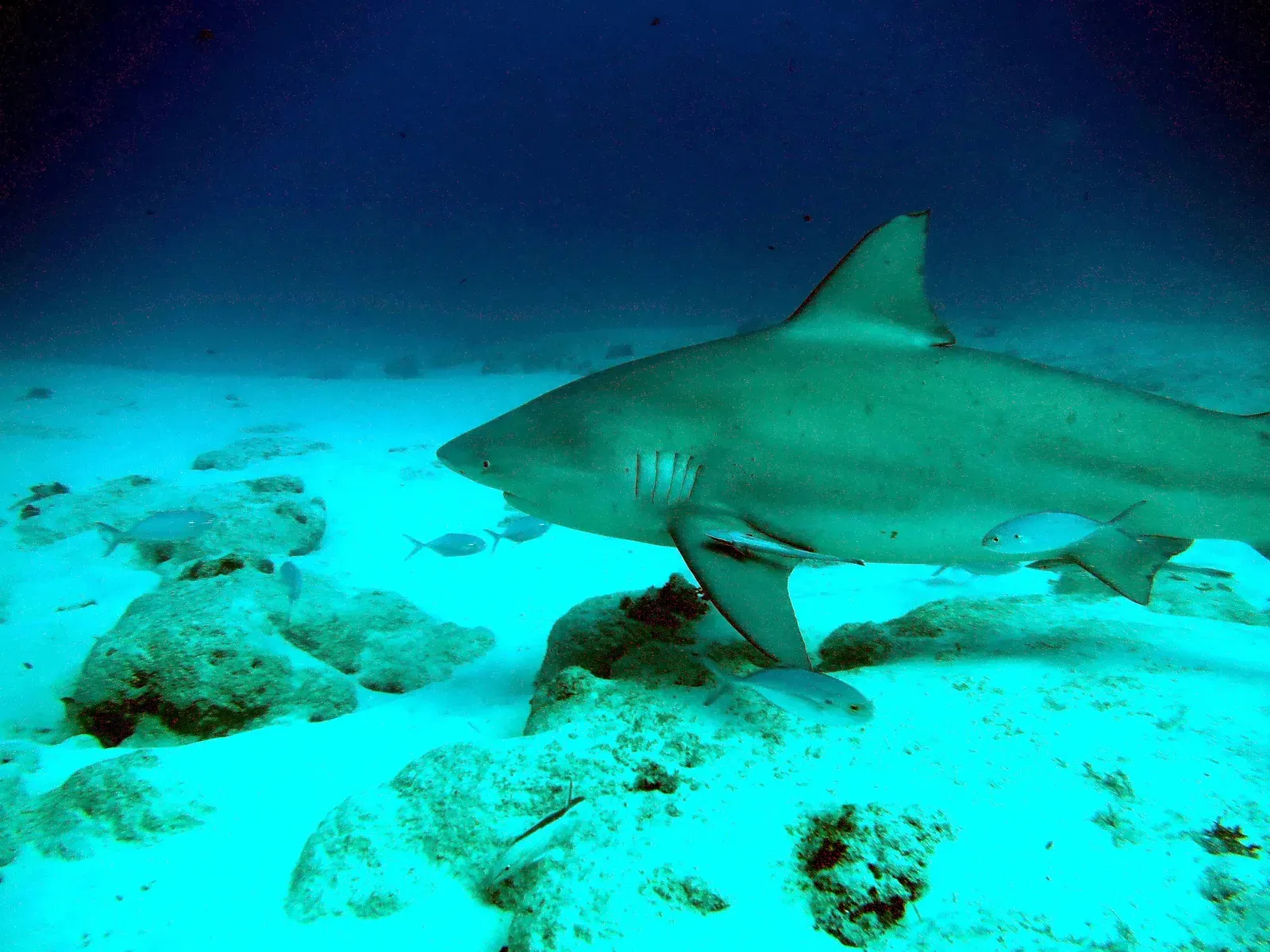
Here’s where things get truly wild. Researchers Ryan Shell and Nicholas Gardner officially confirmed that bull sharks travel more than 1,000 miles up the Mississippi River. Just picture that for a moment. A creature designed for saltwater swimming from the Gulf of Mexico all the way up to the Midwest.
Bull sharks have been known to travel up the Mississippi River as far as Alton, Illinois, about 1,100 kilometers from the ocean. These aren’t short weekend trips. We’re talking about marathon migrations through an entirely foreign environment. The water temperature of the Mississippi River would be far too cold for bull sharks in the winter, but they could easily travel here during the summer months when the water is warm.
Two Confirmed Sightings That Shocked Researchers
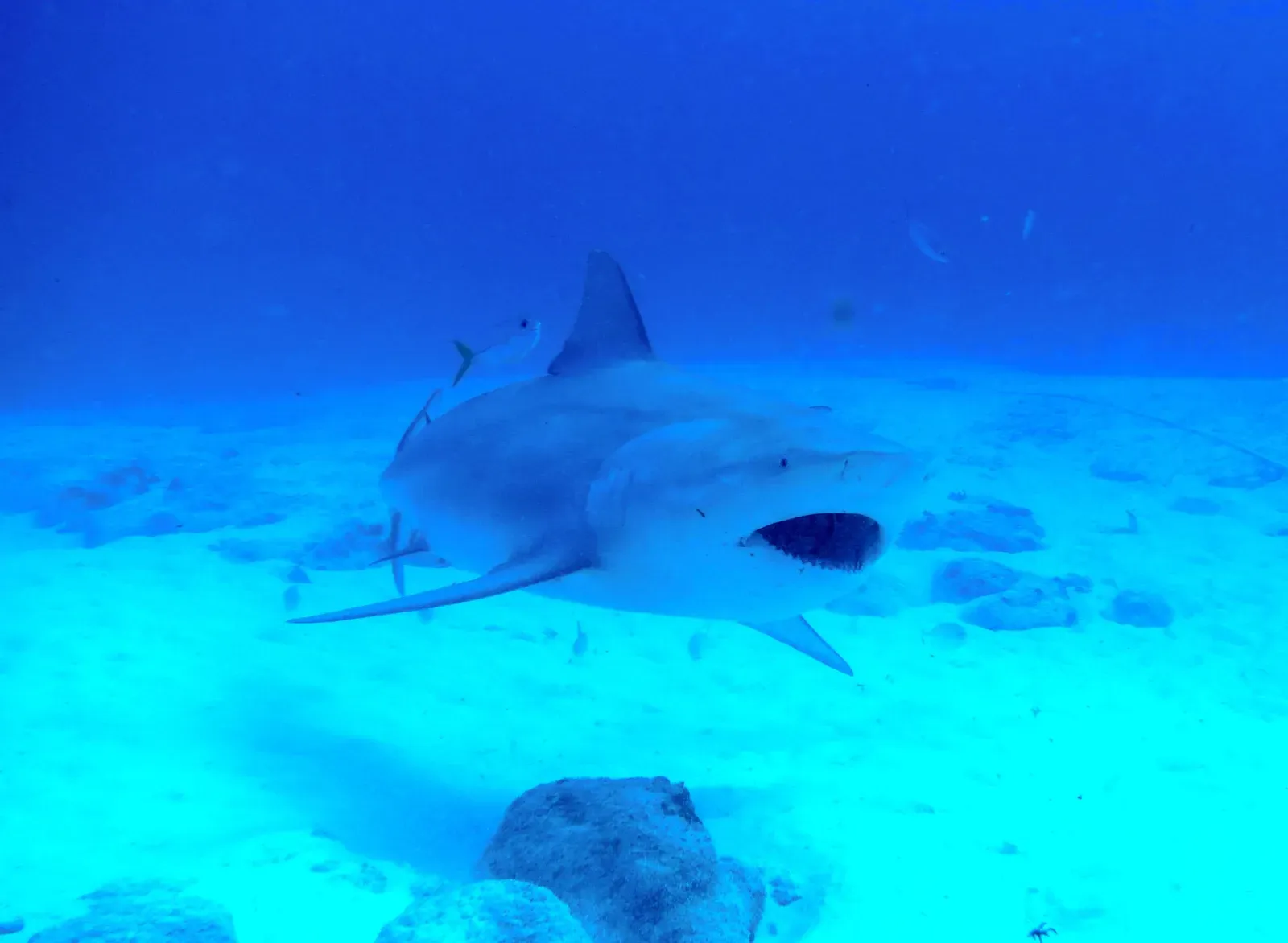
A fisherman’s tale from 1937 sparked researchers’ interest in bull sharks upstream after two fishermen caught a 5-foot, 84-pound bull shark in Alton, Illinois, just 24 miles outside of St. Louis. Imagine the surprise of those fishermen checking their traps and finding a shark staring back at them. The catch attracted crowds and made local headlines for days.
Nearly six decades later, history repeated itself. In 1995, a fisherman near Rush Island, Missouri caught another bull shark. Two separate incidents, separated by more than half a century, both involving sharks appearing hundreds of miles from their ocean home. The researchers who studied these cases were left with more questions than answers about what drives these predators so far inland.
Why Are Sharks Swimming to the Midwest
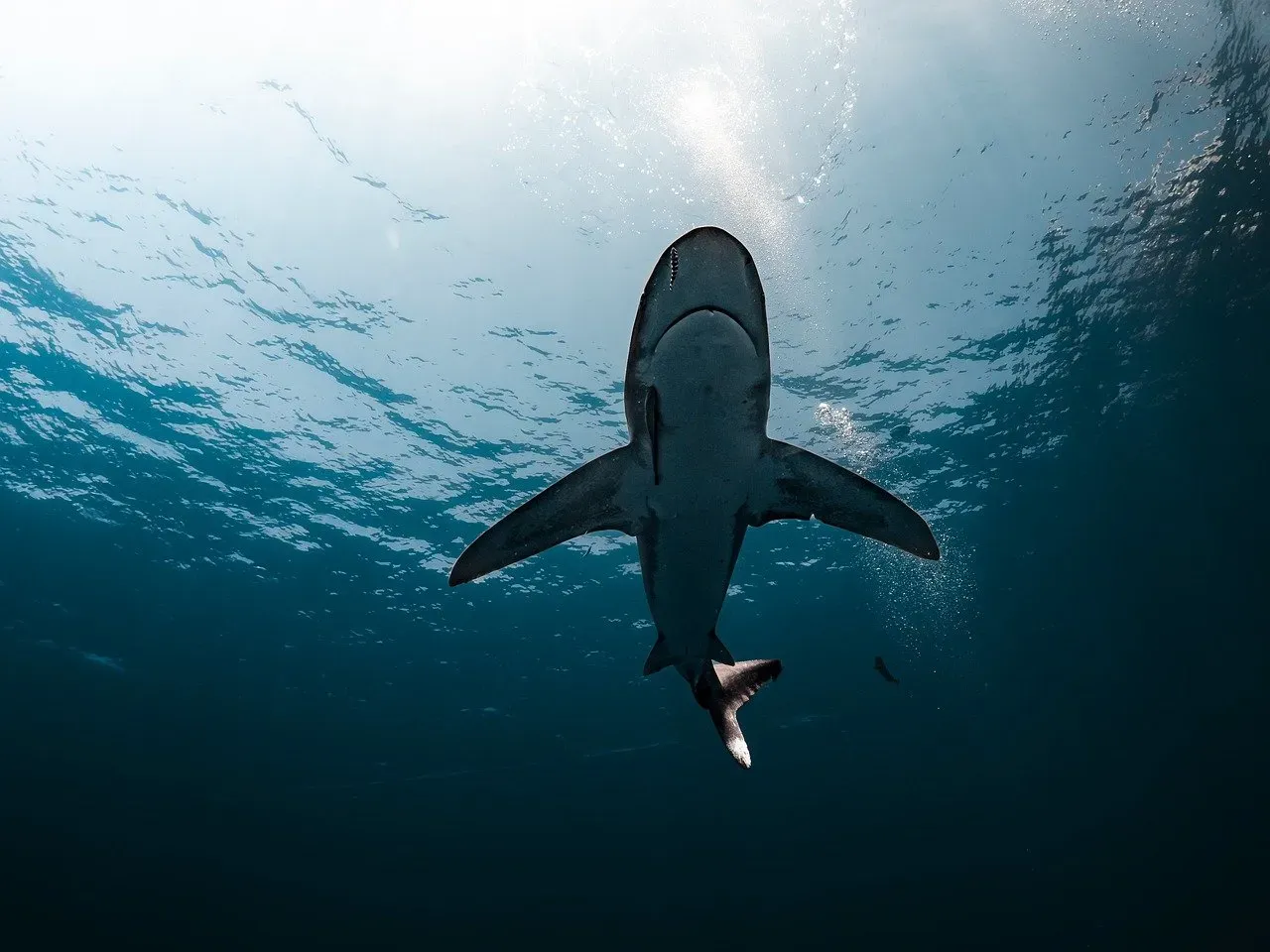
Scientists have developed theories about this mysterious behavior. One theory includes climate change and recent strong hurricanes that have contaminated areas near the shore, allowing the sharks to migrate further north to less polluted waters. It’s possible they’re simply seeking better conditions or following food sources.
Researchers determined three hypotheses could describe the bull shark sightings: first, that far upstream travel became a new behavior for the species around 1 million years ago, with the bull shark’s ability to survive in freshwater being novel but also evolutionary. Perhaps these sharks are still evolving, still testing the boundaries of what their bodies can handle. The fossil record doesn’t show evidence of this behavior in ancient times, making it potentially a relatively recent adaptation.
Should You Worry About Swimming in the River
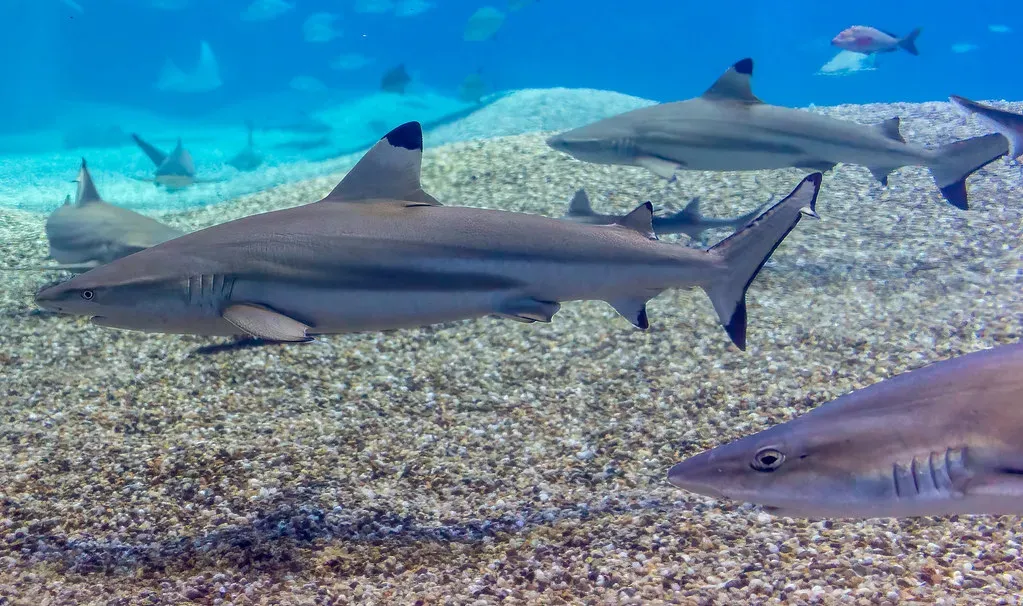
Let’s be real here. The chances of encountering a bull shark in the Mississippi are incredibly slim. Excluding the 1937 and 1995 discoveries, no other known bull shark sightings have been confirmed in the Mississippi River basin north of Louisiana. Two confirmed incidents over nearly a century isn’t exactly an epidemic.
Bull sharks do not actively hunt humans, and it seems likely that shark attacks on humans are due to misidentification. These creatures aren’t lurking in rivers waiting to attack swimmers. They’re hunting fish, navigating unfamiliar territory, and probably just as confused about being in freshwater as we are about finding them there. Still, knowing they’ve made the journey at least twice makes you pause before wading into those murky waters, doesn’t it?
Conclusion
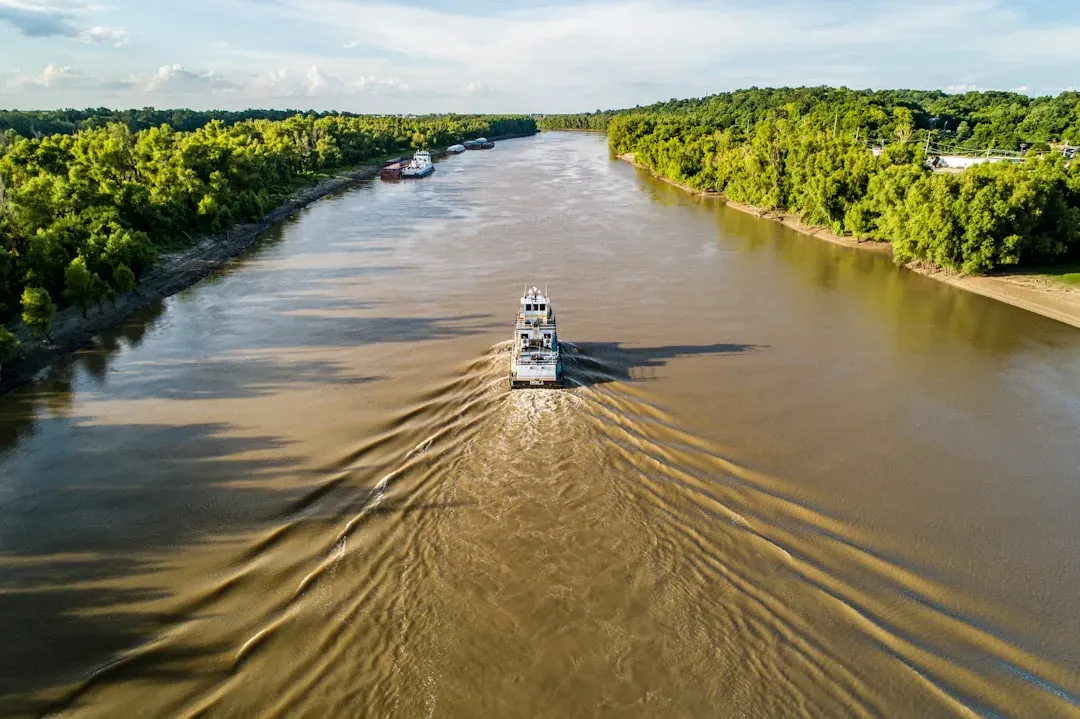
The Mississippi River continues to guard its mysteries, and bull sharks remain one of the most intriguing. These remarkable creatures have shown they possess the biological tools to venture far beyond their typical ocean habitats, pushing into freshwater territories that seem impossible for marine predators. Whether their appearances in the upper Mississippi are rare anomalies or evidence of a longer pattern of cryptic movement, we’re still learning about these adaptable animals.
What makes this story captivating isn’t just the shock value of sharks in unexpected places. It’s what it reveals about nature’s resilience and adaptability in a changing world. Did this change how you think about river swimming? What would you do if you heard about a shark sighting near your local waterway?
