

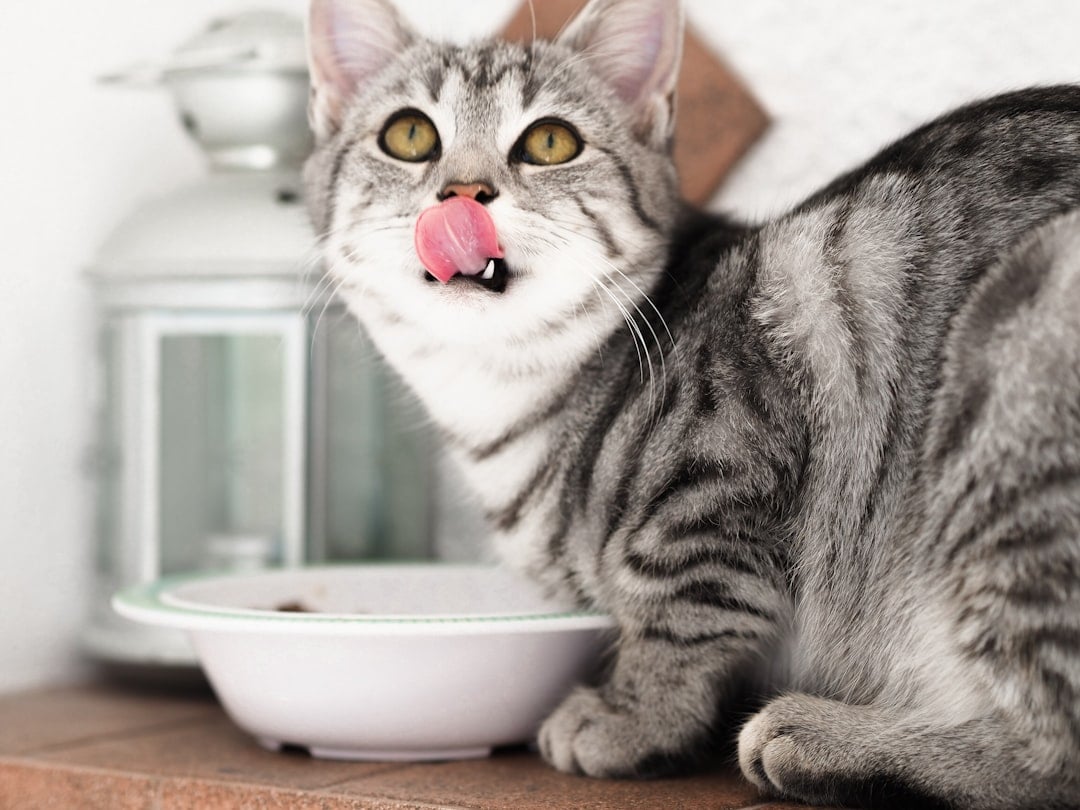
Feline Urinary Issues Demand Proactive Prevention (Image Credits: Unsplash)
Grain-free wet cat food emerges as a targeted dietary choice that bolsters urinary health by delivering essential moisture and nutrient balance tailored to feline needs.
Feline Urinary Issues Demand Proactive Prevention
Urinary tract problems strike cats of all ages and breeds, ranging from infections to blockages that pose serious threats if ignored.[1]
Feline lower urinary tract disease, crystal formation, urinary tract infections, idiopathic cystitis, and urethral blockages represent the primary concerns. Owners often spot early warnings such as frequent litter box visits with minimal output, straining during urination, blood in urine, inappropriate elimination, excessive genital licking, lethargy, or vomiting. These symptoms overlap, complicating self-diagnosis. Veterinary intervention proves essential for acute cases, yet diet plays a pivotal role in averting crises.
Pet owners increasingly turn to specialized nutrition to sidestep emergency visits and promote long-term wellness.
High Moisture Content Drives Urinary Protection
Wet cat food formulations carry 70-80% moisture, starkly contrasting the 10% in dry kibble, which fundamentally transforms urinary dynamics.[1]
This elevated water level dilutes urine, lowering mineral concentrations that foster crystal and stone development. It also prompts more frequent urination to flush the tract naturally. Cats, descendants of desert dwellers, often neglect drinking from bowls, heightening dehydration risks on dry diets alone. Grain-free wet options embed hydration directly into meals, supporting kidney efficiency in waste filtration.
| Feature | Grain-Free Wet Food | Typical Dry Kibble |
|---|---|---|
| Moisture Level | 70-80% | ~10% |
| Urine Dilution Effect | High | Low |
| Dehydration Risk | Reduced | Increased |
Such advantages mimic the hydrating prey cats consumed in the wild.
Superior Proteins and Ingredients Optimize pH Balance
Grain-free recipes prioritize animal-based proteins like chicken, turkey, or fish, eschewing grains such as corn, wheat, or soy to align with cats’ carnivorous biology.[1]
These proteins sustain a slightly acidic urinary pH, deterring bacterial proliferation and certain crystals. Targeted additives amplify protection: cranberries hinder bacterial adhesion to tract walls, while blueberries and omega-3 fatty acids from fish oils curb inflammation. Taurine bolsters heart and urinary function, and controlled mineral levels – like low ash – minimize stone risks. Prebiotics and probiotics enhance gut-immune links, indirectly aiding the urinary system.
- High-quality animal proteins as primary ingredients
- Cranberries and blueberries for anti-inflammatory effects
- Omega fatty acids to soothe irritation
- Balanced taurine and low-ash minerals
- Non-grain carbs from sources like peas or sweet potatoes
Steer clear of artificial preservatives, excessive plant proteins, sugars, or high-mineral fillers that could exacerbate issues.
Seamless Integration and Holistic Strategies
Switching to grain-free wet food requires a measured approach to avoid digestive upset.
- Days 1-3: Blend 25% new food with 75% current diet.
- Days 4-6: Equal 50-50 mix.
- Days 7-9: 75% new, 25% old.
- Day 10+: Full transition.
Warm portions slightly, experiment with proteins, or use wide dishes for picky eaters. Beyond diet, a robust plan incorporates multiple fresh water stations or fountains, routine vet exams, stress mitigation via pheromone aids, weight monitoring through play, and daily litter scooping – one box per cat plus one extra.[1]
Key Takeaways:
- Prioritize moisture-rich wet food to dilute urine and flush the tract.
- Select grain-free options with cranberries, omegas, and pH-balancing proteins.
- Combine diet with hydration access, vet care, and stress reduction for optimal results.
Grain-free wet cat food stands as a cornerstone of urinary resilience, empowering cats to thrive without the shadow of tract disorders. Consult your veterinarian to customize this approach, particularly for cats with prior conditions. What steps have you taken for your cat’s urinary health? Tell us in the comments.

- Urban Coyotes Show Remarkable Adaptability, Learning to Thrive in City Environments - July 22, 2026
- Beavers Are Nature’s Engineers, Creating Vital Habitats for Other Wildlife Species - July 21, 2026
- The Recovery of the California Condor Offers Hope for Other Critically Endangered Birds - July 21, 2026