
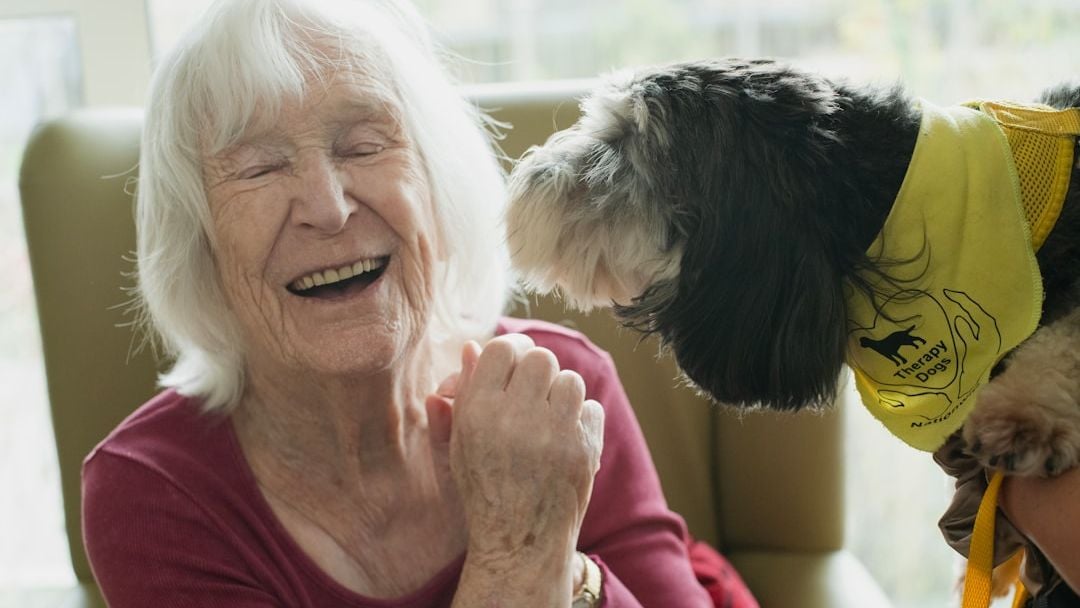
There is something almost quietly miraculous about watching an older adult walk through a door and immediately gravitating toward a specific dog in a room full of them. No hesitation, no scanning the crowd. Just a direct, wordless pull toward one particular animal. Most people chalk it up to personal taste or habit, but the reality is far more layered and, honestly, far more fascinating than that.
Science, psychology, and decades of real-world observation are now painting a picture that goes well beyond “seniors love small dogs.” The reasons older adults form unusually deep bonds with certain breeds are rooted in biology, memory, life history, and some genuinely surprising neurological truths. Let’s dive in.
The Invisible Chemistry: Oxytocin and Breed-Specific Responses
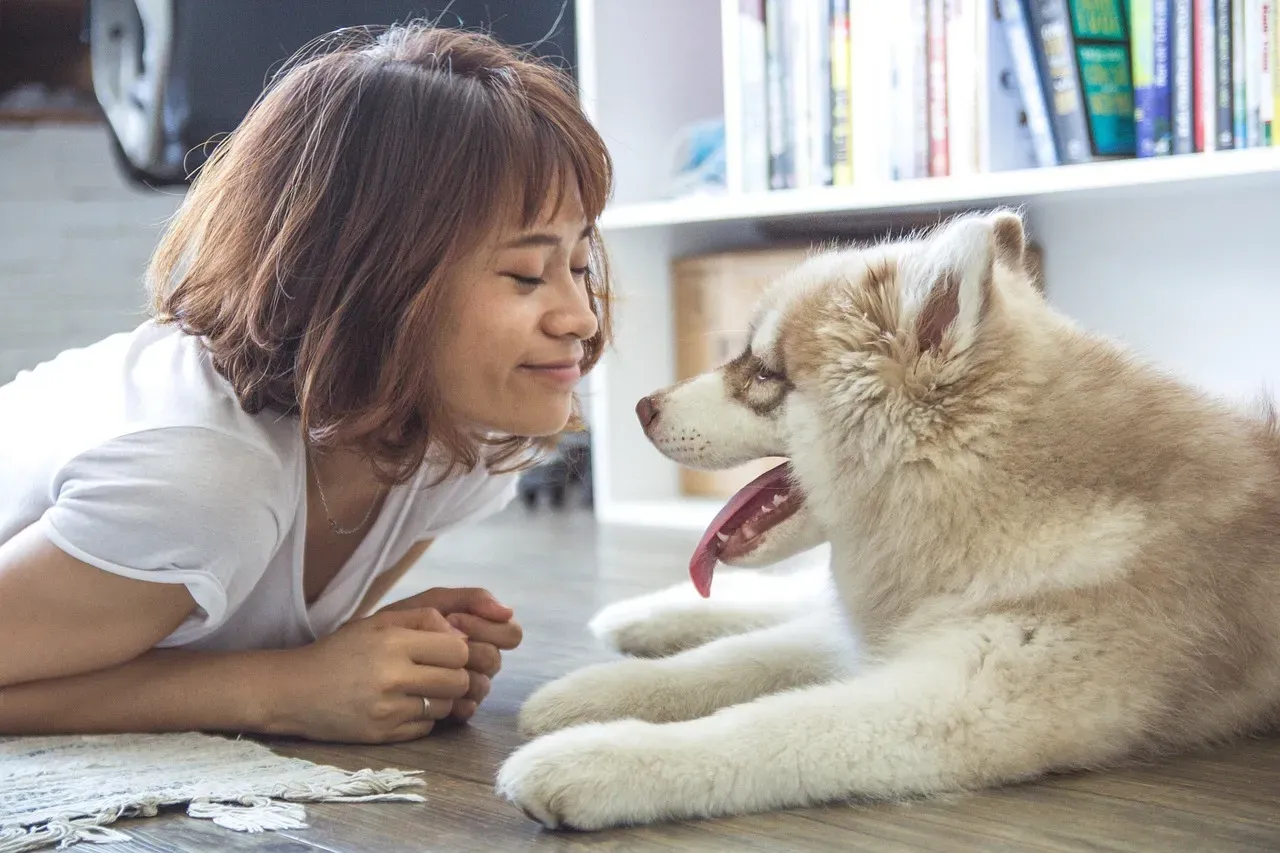
Here’s the thing most people miss entirely. Not every dog triggers the same hormonal response in the brain. The simple act of petting a dog can release oxytocin, often called the “bonding hormone,” which helps reduce stress, anxiety, and even depression. That part is widely known. What’s less discussed is that certain breeds, particularly those bred specifically for human companionship over centuries, tend to sustain that response through gentler, more consistent behavior.
Oxytocin plays a pivotal role in social bonding across many species, including dogs and humans. This hormone is released during positive social interactions and is associated with feelings of trust, affection, and bonding. For older adults, whose stress systems may already be more sensitive, a calm and responsive dog breed can create a feedback loop of comfort that feels almost addictive.
Other neurotransmitters like dopamine and serotonin also play significant roles in canine affection. Dopamine is associated with pleasure and reward, while serotonin is linked to mood regulation and feelings of well-being. When dogs interact positively with their human companions, these neurotransmitter systems are activated, creating feelings of happiness and contentment. The breed matters because certain dogs are simply more consistent, more gentle, and more tuned in to human emotional cues than others.
The Loneliness Factor: Why Certain Breeds Fill a Unique Emotional Void
Loneliness in older adults is not just a feeling. It is a physiological condition with measurable consequences. Many elderly people simply are not able to establish new social contacts and the subsequent strong bonds when trying to compensate for the loss of their partners or the transition to retirement. However, they long for an intimate and loving companionship. A pet can be such a companion.
Loneliness is a common issue among older adults, especially for those who live alone or are separated from family members. Pets provide unconditional love, loyalty, and affection, filling the void of companionship and offering a consistent source of comfort. This is where breed selection becomes almost poignant. Think of it like choosing a musical instrument to fill a quiet house. A Shih Tzu’s calm warmth does something entirely different to a room than a Border Collie’s restless energy.
Human-animal interaction may provide social support for older adults, thus reducing the risk of loneliness. Breeds that are naturally affectionate and inclined toward closeness, rather than independence, satisfy this need in a way a more aloof dog simply cannot.
Shared Pace: When a Dog’s Energy Level Mirrors an Older Adult’s Own Rhythm
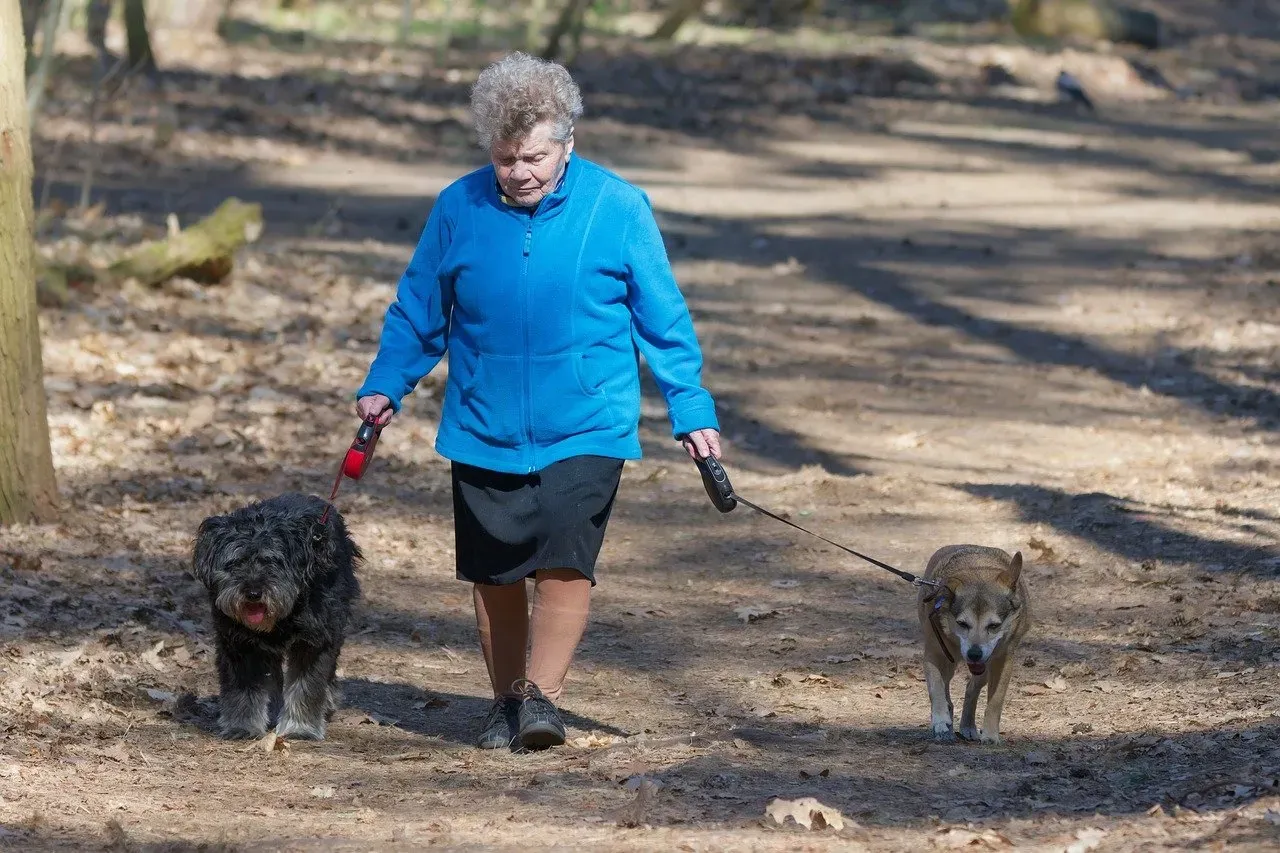
I think this is one of the most underappreciated reasons on this entire list. Compatibility isn’t just about personality. It’s about pace. Puppies can be energetic and require lots of care, both physically and emotionally. Because older dogs have a lower energy level, they can often offer the right amount of energy level and physical activity requirements to not only match senior citizens but benefit them. Walks don’t need to be as long or as vigorous; both will get beneficial amounts of exercise at a good pace.
Choosing the right dogs for seniors involves considering factors such as grooming needs, temperament, energy levels, and trainability. Some breeds are low-maintenance and calm, making them perfect for individuals with limited mobility, while others suit more active lifestyles. Understanding these differences helps seniors find a companion that suits their routine and energy level.
There is a beautiful synchronicity that happens when a calm Cavalier King Charles Spaniel settles onto the couch beside a retired schoolteacher who has no interest in running marathons. The bond deepens not despite the quietness, but because of it. Two beings moving through the world at the same gentle speed.
The Power of Purpose: Breeds That Make Seniors Feel Genuinely Needed
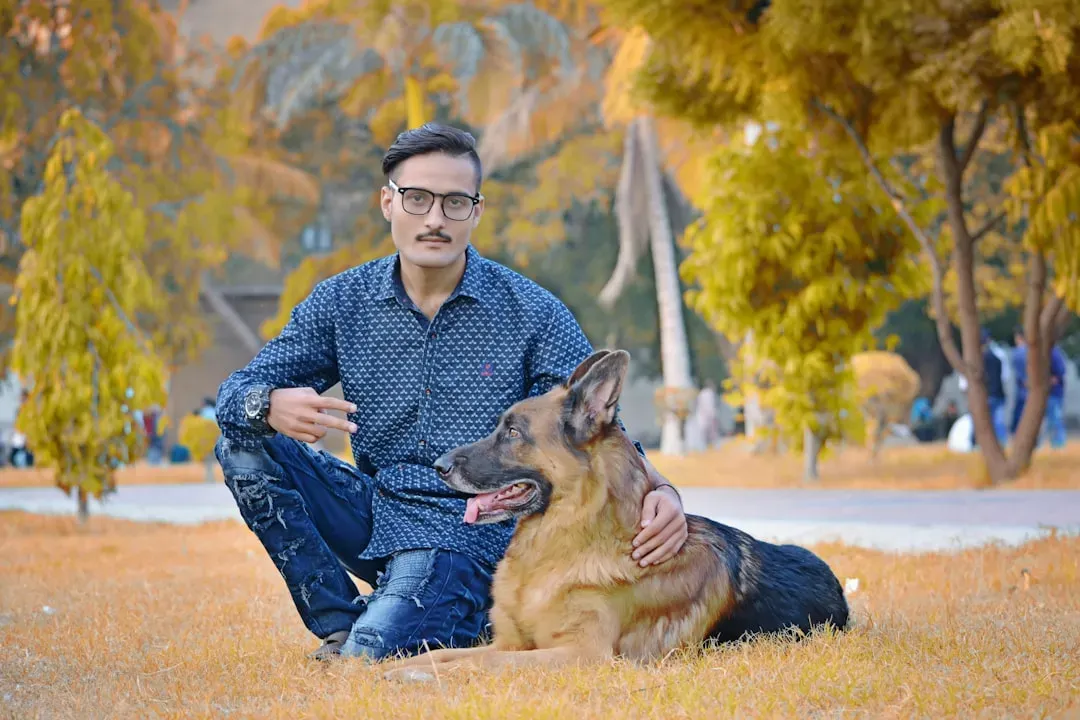
Retirement, as lovely as it sounds, can quietly erode a person’s sense of purpose. It’s harder to say for sure exactly when that starts, but research suggests it happens faster than most expect. Dogs offer older humans an opportunity to nurture and feel needed, to provide a purpose, structure, and routine for daily life, to enhance feelings of security, to give and receive affection, and to maintain older adults’ ability to care for themselves.
Caring for a pet gives seniors a sense of purpose, which can be particularly beneficial after retirement or the loss of a spouse. Having a routine of feeding, grooming, and walking a pet can add structure to daily life. For many seniors, pets provide a reason to get out of bed and stay active, as they feel a responsibility to care for their animal.
Breeds that are openly dependent and expressive in their need for care, like Pugs, Maltese dogs, or Bichon Frises, create powerful feelings of being truly essential to another living creature. That emotional dynamic is genuinely healing for older adults navigating a chapter of life where roles can feel suddenly undefined.
Cognitive Stimulation: How Certain Breeds Keep Aging Minds Sharper
Here is where the science gets genuinely surprising. Pet ownership is associated with slower cognitive decline in older adults, and while this association is not dependent on their age group, it does differ depending on the specific pet species owned. Not all pets are created equal in this regard, and within dog breeds, the variation is meaningful.
The tasks required to care for a pet may force older adults to attend to some, while inhibiting other stimuli, thus providing additional use and practice in this cognitive domain. Attention switching requires that you quickly shift your focus between multiple processes, another function that may be used more in activities related to caring for a dog or dog walking. In general, caring for a pet mandates the ability to direct one’s focus externally and thereby limits the time available for cognitively draining perseveration, worry, and rumination.
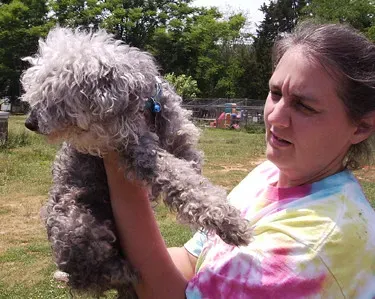
Intelligent and interactive breeds like Poodles tend to deepen this effect. Poodles have a knack for picking up on subtle changes in your mood or routine and responding accordingly. If you’re feeling down, they’ll be there, offering quiet companionship. If you’re up for a bit of fun, they’ll be bouncing around, ready to play. That constant, responsive engagement keeps an older adult mentally present in a way that a passive companion simply never could.
Grief Mirroring: Emotionally Attuned Breeds and the Processing of Loss
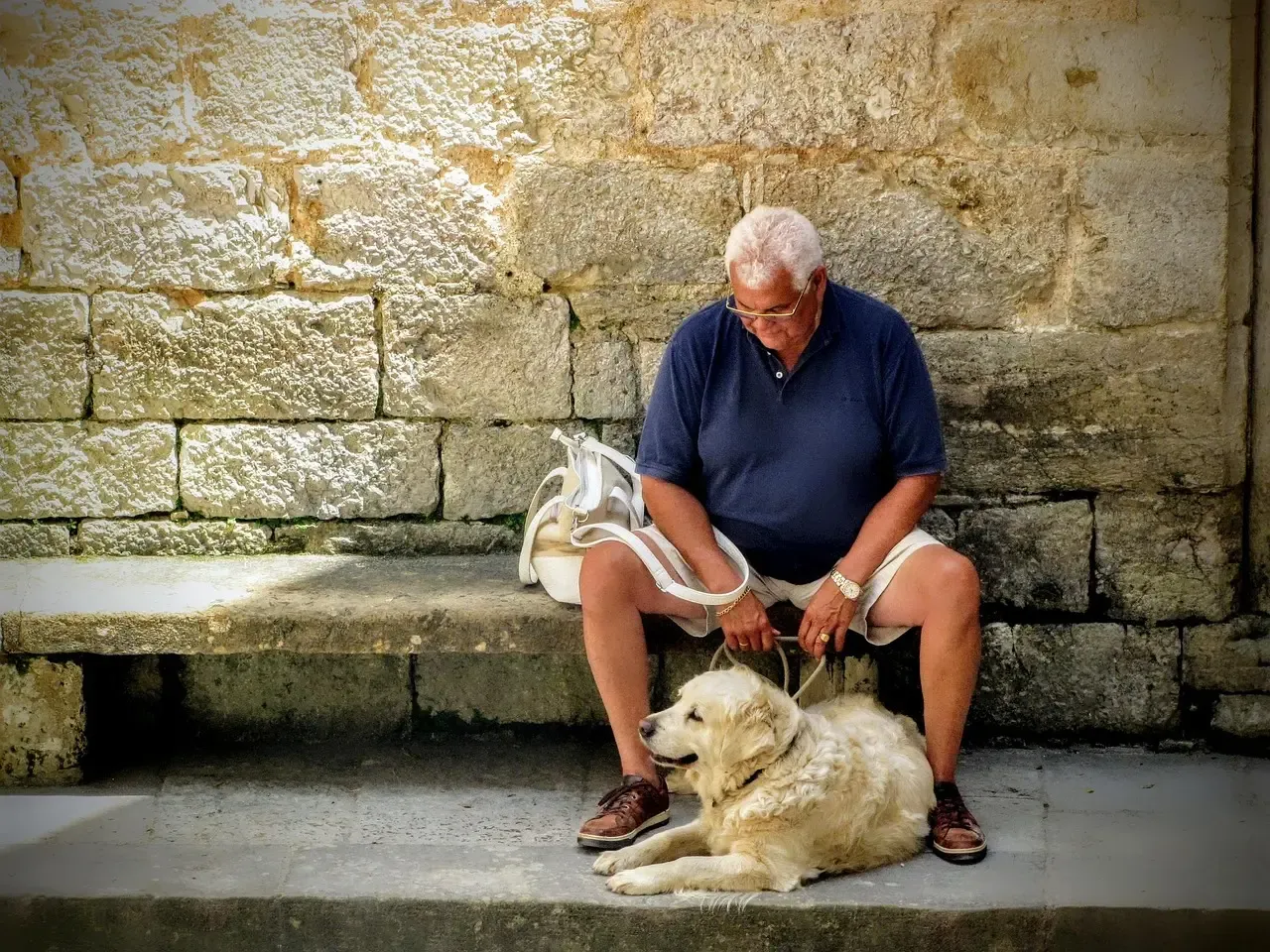
Older adults often carry disproportionate grief, the loss of a spouse, friends, siblings, and sometimes even adult children. The weight of that accumulated loss is rarely fully understood by younger generations. Certain dog breeds possess an almost uncanny ability to mirror and absorb that emotional state, and this is one of the most compelling and unusual bonding triggers.
Dogs can help alleviate negative feelings, including depression, grief, or anxiety, providing a calming presence that softens the emotional challenges many seniors face. What is particularly interesting is that this is not uniform across all breeds. Dogs that are naturally emotionally sensitive, like the Cavalier King Charles Spaniel or the Golden Retriever, tend to “sit with” grief rather than try to pull the person out of it, which is exactly what many older adults need.
Dachshunds are incredibly attuned to their owners’ emotions. They seem to understand when you’re feeling down and need a little extra comfort. They’re more than willing to provide it, curling up in your lap and offering silent support. This is not performance. It is emotional intelligence in its most instinctive form, and for a grieving older adult, it lands like nothing else can.
Routine as a Love Language: Why Structure-Loving Breeds Bond So Deeply
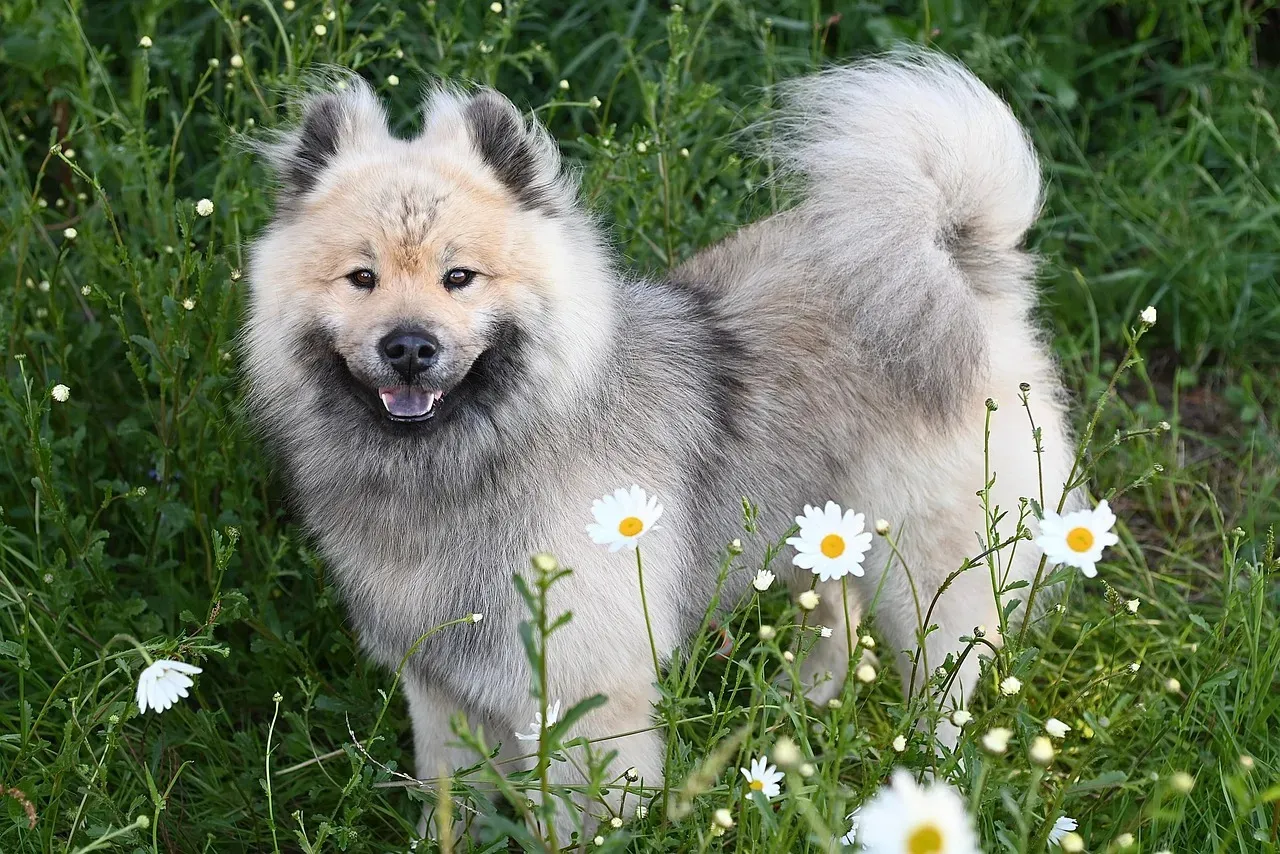
Let’s be real. Routine is not boring to an older adult. It is security. It is meaning compressed into a daily schedule. Predictable daily anchors, such as a morning walk, feeding, grooming, and a bedtime routine, make your presence meaningful and build links between cues and calm states. Small rituals like a brief pre-walk heel practice or a consistent feeding ritual create repeated positive pairings.
Regular grooming can add structure to a senior’s routine and enhance bonding. Breeds that actively thrive on predictable schedules, that wait at the door at the same time every morning and communicate clearly when their routine is disrupted, become deeply intertwined with an older person’s daily sense of order.
Predictability is love in a dog’s language. Walks, meals, quiet time together, keeping the cadence. When a Shih Tzu or a Maltese visibly organizes its entire day around its owner’s movements, that mirroring creates a bond that is almost impossible to replicate with a more independent breed.
The Social Bridge: Breeds That Attract Community and Combat Isolation
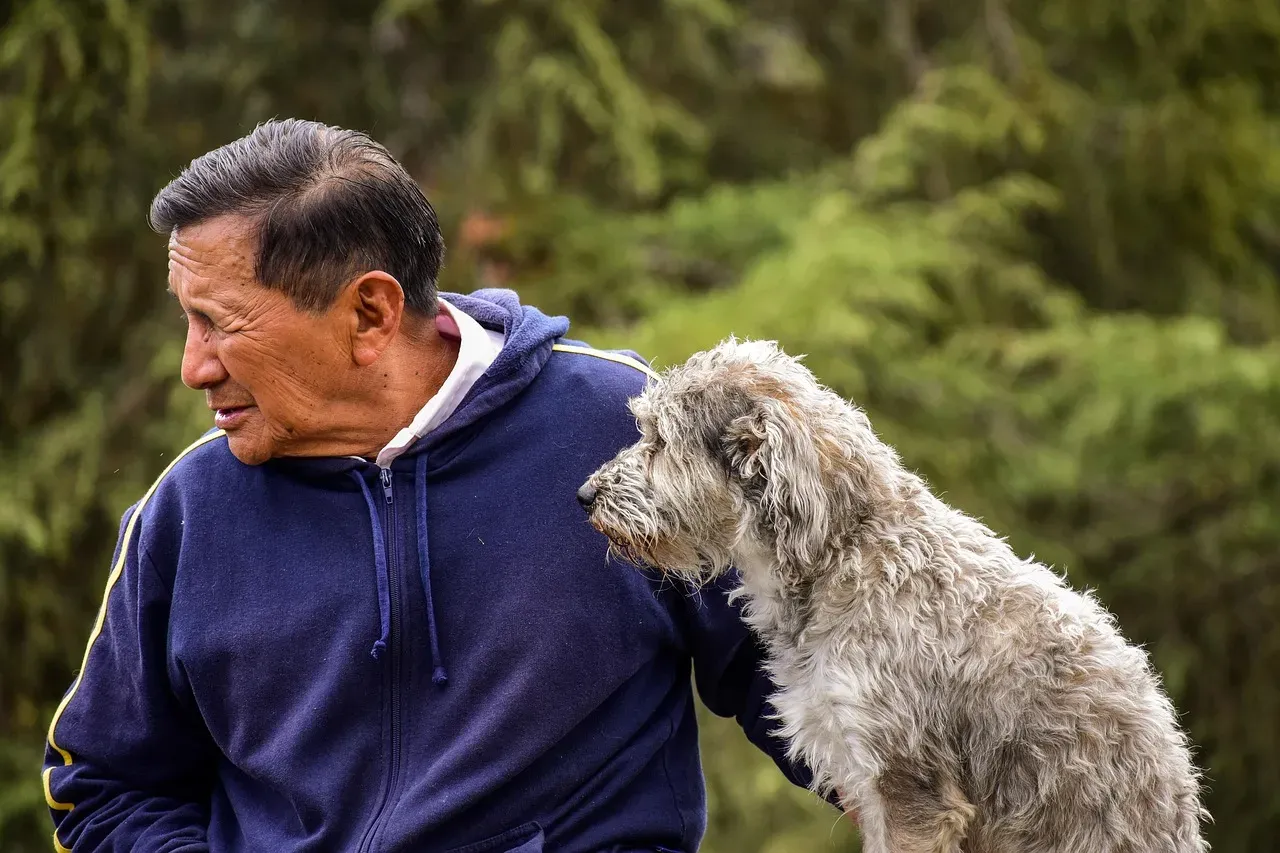
Isolation is one of the most dangerous health risks for older adults, arguably as damaging as smoking. The right dog breed doesn’t just sit with you at home. It takes you out into the world and makes you approachable. Dog owners often strike up conversations with fellow pet owners during walks, at the dog park, or even at pet-friendly cafes. This shared interest creates an easy way to connect with others, combatting feelings of isolation and fostering new friendships.
Along with the other health benefits of having a dog, seniors with dogs typically have more built-in opportunities to meet and connect with new people. Whether they take their dog with them on a hiking trail, to the dog park, or just around the neighborhood, they’re out and about, engaging with others and with life.
Friendly, visually appealing breeds like Golden Retrievers, Pugs, and Corgis act as social magnets. Strangers stop, smile, and start conversations. For an older adult who might otherwise go days without meaningful human interaction, this is not a small thing. It is everything.
The Attachment Science: How Older Adults Form Bonds That Mirror Parent-Child Attachment
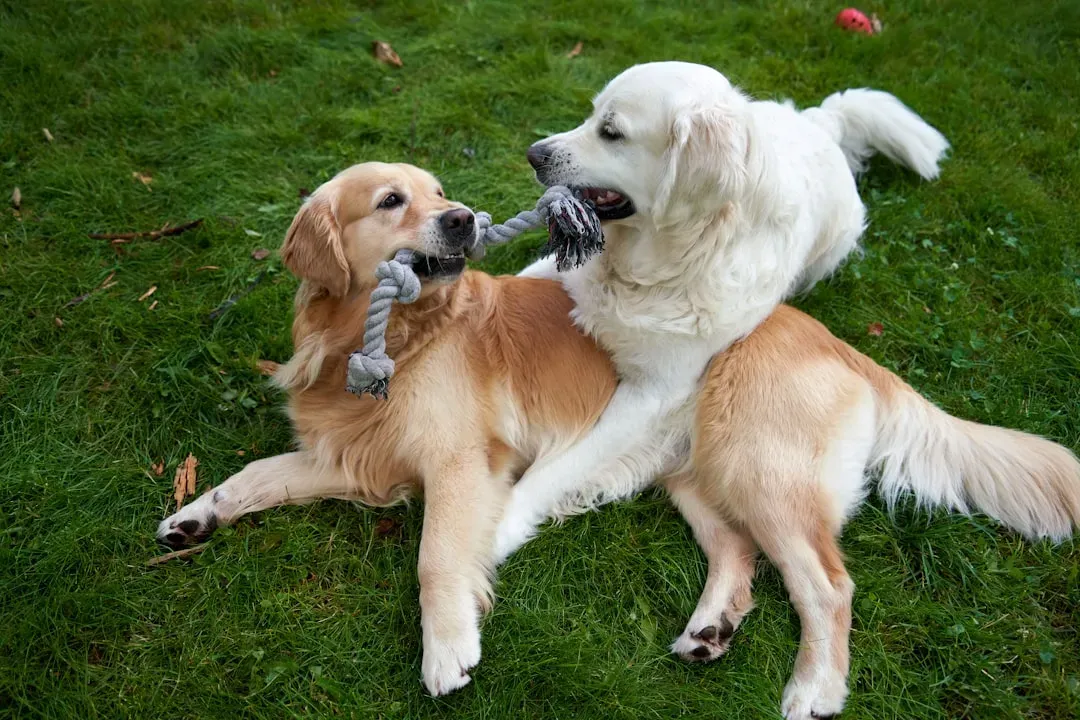
The dog-human dyad is believed to involve attachment bonds similar to those that characterize human caregiver-infant relationships. Dogs have shown behaviors indicative of an attachment relationship, defined according to Bowlby. One such behavior is proximity seeking, where the animal will seek out the attachment figure as a means of coping with stress.
For older adults who may have finished raising their own children decades ago, certain dog breeds reignite that nurturing, caregiving relationship in a profoundly satisfying way. Attachment theory may help us to better understand the bond that older adults form with their pets, and social support theory may help us to understand how and for whom pets may serve as alternate support figures when older adults lose key support figures such as spouses.
Breeds that actively seek proximity, follow their owners from room to room, and show visible distress when separated, are essentially activating ancient attachment wiring in the human brain. Attachment is a close, emotional relationship between two individuals. Attachment is a strong, enduring emotional connection that elicits grief when it’s severed. Attachment relationships promote a sense of security and safety, beyond simple familiarity.
Memory, Identity, and the Surprising Role of Breed Familiarity
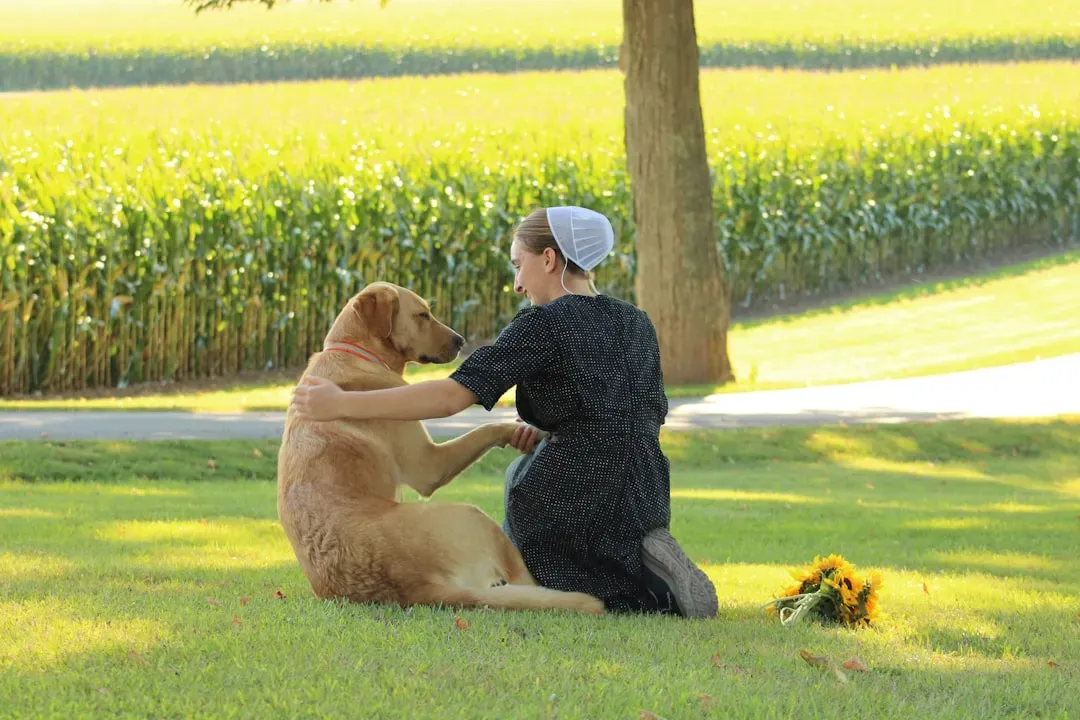
There is one more reason that almost never gets discussed, and honestly I find it the most quietly moving of all. Many older adults bond most powerfully with breeds that echo a dog from their past. A Cocker Spaniel that looks like the one they had at twenty-five. A Beagle that smells faintly like the dog their late husband once loved. Breed familiarity is a deeply personal trigger rooted in autobiographical memory.
Some seniors with conditions such as dementia or Alzheimer’s have been shown to benefit greatly from the companionship of a pet. Animals can help trigger memories, provide emotional comfort, and reduce agitation. The calming effect of pet interaction can often soothe agitation and anxiety in patients with dementia, improving their quality of life.
Statements made during ethnographic interviews, such as “My dog means everything to me,” show the huge importance of pets and the confidence that is placed in them. The absence or insufficiency of emotional or intimate social relationships is projected onto the pet or the dog. When a familiar breed carries the sensory echo of a beloved past companion, the bond that forms is not new. It is a continuation of something that never really ended.
Conclusion
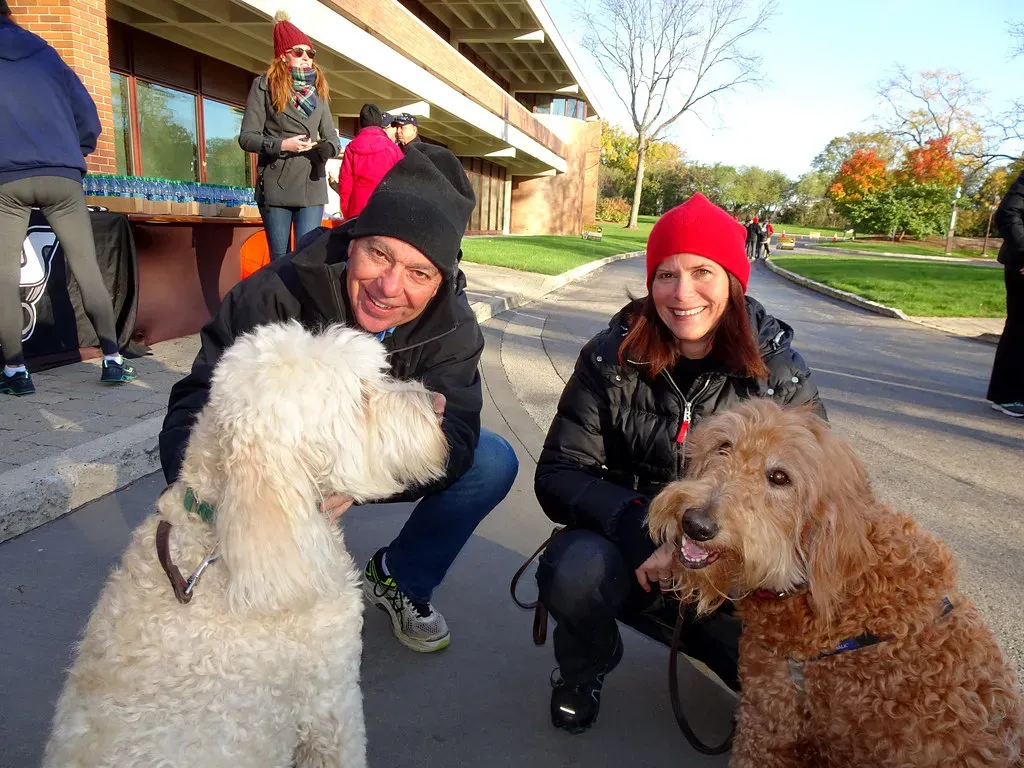
What becomes clear when you look at all of this together is that the bond between older adults and certain dog breeds is never really just about the dog. It is about loneliness and longing, about purpose and pace, about the brain chemistry of comfort and the architecture of a life well lived. Pet ownership is associated with slower cognitive decline in older adults, and these effects are present in dog and cat owners as opposed to those owning birds and fish. These findings may stimulate future investigation into the potential mechanisms driving these effects, via an in-depth exploration of the cognitive and social stimulation associated with dog ownership.
Choosing the best dogs for seniors is a meaningful decision. It’s about finding a loyal companion who brings daily joy, comfort, and companionship. A dog can gently add structure to life, encourage light activity, and offer emotional support. The right breed doesn’t just fit a lifestyle. It completes something.
The next time you see an older person walking a small, unhurried dog through a quiet neighborhood, know that you might be witnessing one of the most sophisticated emotional partnerships in human nature. It just happens to involve a wagging tail. Which of these reasons surprised you the most? Tell us in the comments below.
