

Empathy and Emotional Depth (Image Credits: Unsplash)
Farm animals reveal layers of complexity through their behaviors, challenging views of them as mere livestock.
Empathy and Emotional Depth
Chickens demonstrate a basic form of empathy known as emotional contagion. A mother hen grows distressed when she sees or hears her chicks in trouble, mirroring responses seen in humans and other social animals.[1]
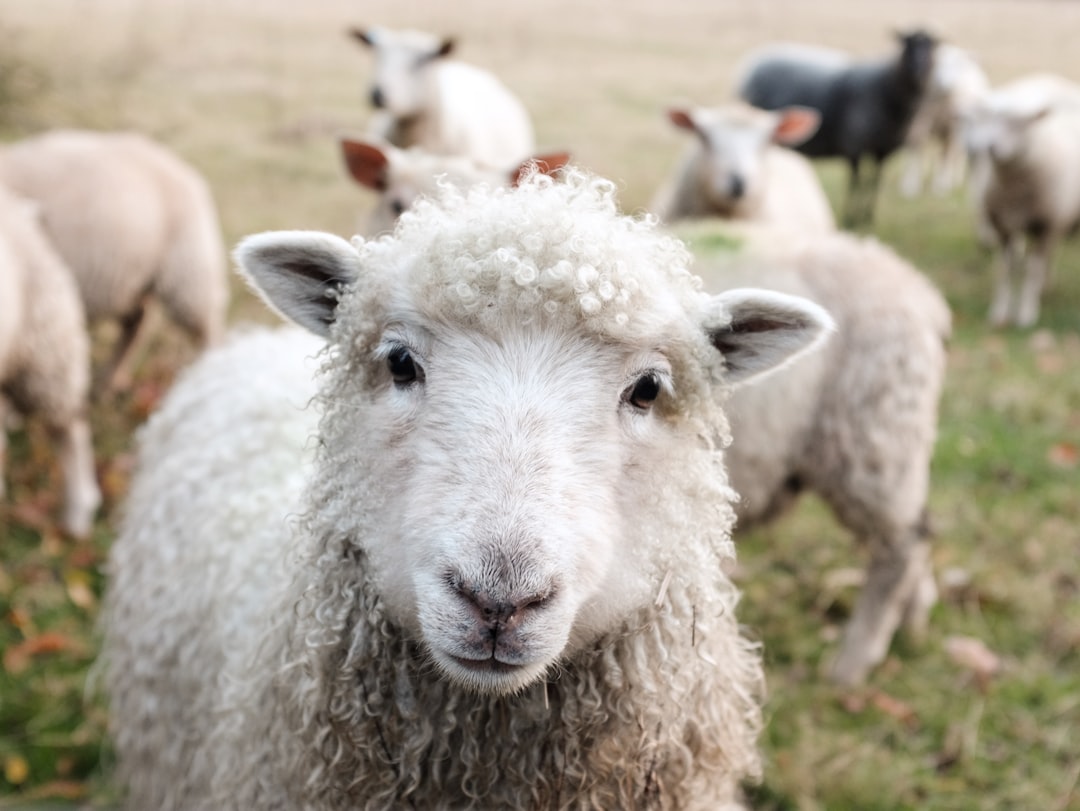
Sheep also pick up on facial expressions from their peers. They show a clear preference for joyful faces and can even identify human faces, including those from photographs of strangers.
Cows display cognitive biases shaped by their moods. Positive experiences lead some to approach challenges optimistically, while stress fosters caution in others.
Creative Forms of Communication
Mother pigs strengthen bonds with their young through special vocalizations during nursing. These gentle songs help soothe and connect with their piglets.
Ducks develop distinct calls based on their surroundings. Those in quiet rural settings produce softer, drawn-out quacks, whereas urban ducks raise their volume to cut through city clamor.[1]
Goats turn to humans for assistance when puzzles stump them. They first check if a person watches, then direct their gaze to signal the need for help.
Turkeys shift the colors on their head skin to express inner states. Males flush redder during mating displays or rival clashes.
Adaptations for Survival and Joy
Pigs lack sweat glands, so they seek mud baths to shield their skin from sunburn and stay cool. Sanctuaries often apply sunscreen for extra protection. The saying “sweating like a pig” actually describes cooling pig iron, not the animals themselves.
Chickens grasp the flow of time and draw on past events to predict what comes next. They practice restraint when a bigger reward looms ahead.
Cows thrive on play when conditions suit them. They dash, jump, and kick up heels alone or with toys, especially alongside friends and ample food. Welfare dips, like early weaning, curb this lively side.[1]
Paths to Compassionate Change
Organizations dedicated to farm animals have rescued thousands and pushed for better policies over decades. One effort began in 1986 with a single sheep named Hilda, sparking a worldwide push for humane treatment.
Visitors to rescue sites witness these traits firsthand, fostering greater understanding and support for ethical practices.
Key Takeaways
- Farm animals like chickens and sheep feel and respond to others’ emotions, much like companion pets.
- Behaviors such as singing pigs and color-changing turkeys highlight their rich communication skills.
- Supporting sanctuaries amplifies individual actions into broader advocacy for animal welfare.
These insights underscore the sentience of farm animals and the value of compassionate care. What surprises you most about their abilities? Share in the comments below.

- Urban Coyotes Show Remarkable Adaptability, Learning to Thrive in City Environments - July 22, 2026
- Beavers Are Nature’s Engineers, Creating Vital Habitats for Other Wildlife Species - July 21, 2026
- The Recovery of the California Condor Offers Hope for Other Critically Endangered Birds - July 21, 2026