
Most dog owners have been there. You’re snacking on something in the kitchen, your dog tilts their head and gives you that look, and you wonder – can they actually have some of this? The truth is, your pantry might be hiding some genuinely powerful health boosters for your furry best friend.
Although many human foods are unsafe for dogs, a surprising number are perfectly fine for dogs to eat and even beneficial for your pup. The challenge is knowing which ones truly make the cut and which ones to avoid entirely. Some of the answers might genuinely catch you off guard. Let’s dive in.
1. Blueberries: The Tiny Superfood Your Dog Will Love

Here’s something most people don’t know – blueberries are basically a superfood for dogs, not just humans. Rich in antioxidants and essential nutrients like vitamin C and vitamin K, blueberries are a healthy snack for dogs. That’s a seriously impressive resume for something the size of a marble.
Blueberries are a tasty treat for humans and dogs alike, and they are a rich source of vitamins and antioxidants like vitamins C, K and A, which may reduce the likelihood of diseases, disorders and age-related issues. Think of them like tiny little health capsules.
They’re also bite-sized, so they work well as training treats. Like any fiber-rich food, however, blueberries can upset your dog’s digestion if they’re not used to them, so it’s best to offer a few at a time to see how your dog handles them. Start slow, stay consistent.
2. Pumpkin: Nature’s Gut Fix for Dogs

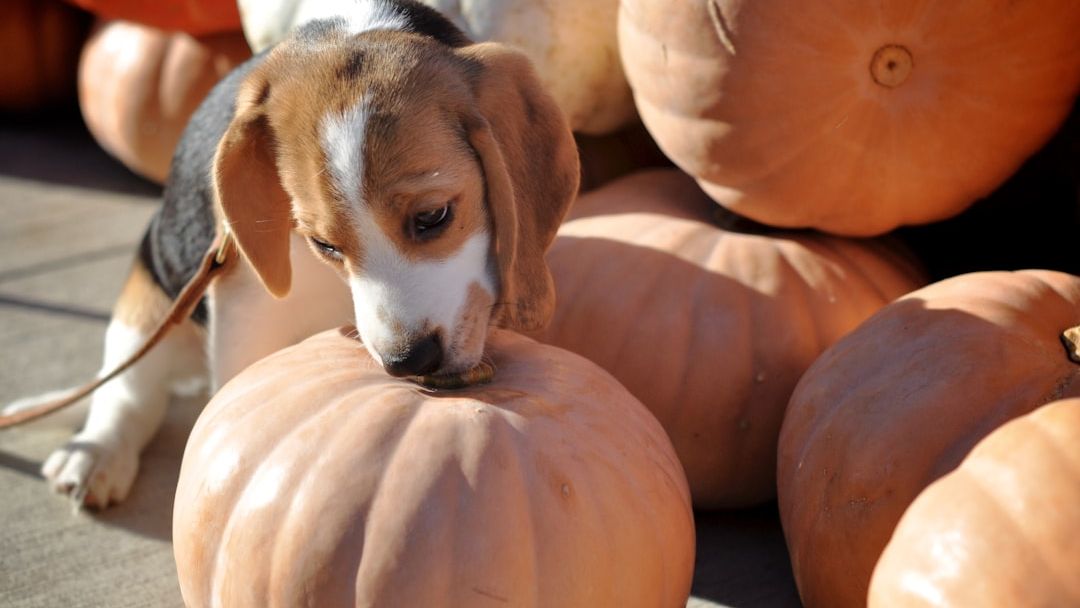
Pumpkin is a dog-safe, antioxidant-rich food containing many health-promoting nutrients that can help with everything from a shinier coat to better eyesight to improved digestion. Honestly, that’s a lot of work for a humble gourd.
Pumpkin is rich in nutritional value – vitamins A, C and E, plus minerals like iron and potassium – and has high soluble fiber content, making it great for your dog’s digestion and helping with tummy issues like diarrhea or constipation. It’s high in prebiotics too, which support the digestive tract.
Pumpkin is low in calories and can be an excellent addition to your dog’s regular food. Always make sure that if you are buying canned pumpkin it is pure pumpkin, not pumpkin pie filling with dangerous additives. That last part is critical – the wrong can could cause real harm.
3. Salmon: The Omega-3 Powerhouse Your Pup Deserves
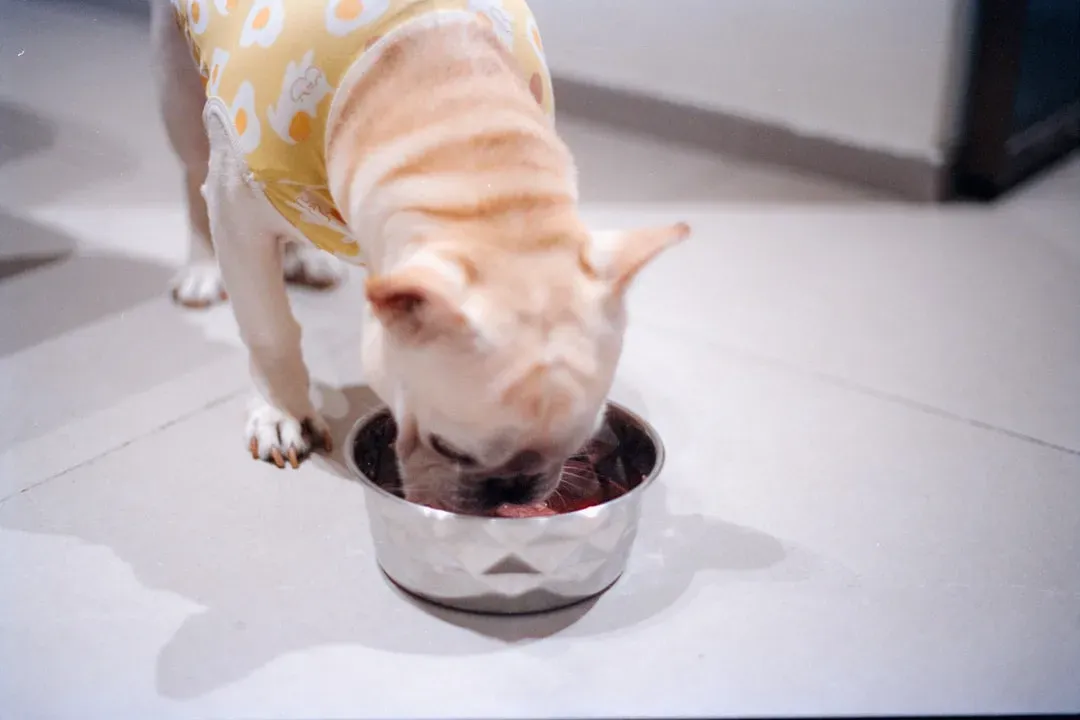
If you’re a fan of salmon for your own health, here’s good news – your dog can benefit too. Fully cooked salmon is an excellent source of protein, good fats, and amino acids. It promotes joint and brain health and gives a dog’s immune system a nice boost. That’s a triple win in one meal.
Salmon is a great source of omega-3 fatty acids, which are known to reduce inflammation and may help keep your dog’s skin and fur healthy. You might actually notice the difference in your dog’s coat after a few weeks. It’s almost like a natural grooming supplement.
One important rule though: raw or undercooked salmon contains parasites that can make dogs very sick, causing vomiting, diarrhea, dehydration, and in extreme cases even death. Be sure to cook salmon all the way through and the parasites should cook out. Always cook it fully – no exceptions.
4. Carrots: The Crunchy Dental Hero

I know it sounds too simple, but carrots might be one of the most underrated treats you can give your dog. Carrots are a healthful food for dogs. Chewing on carrots can help remove plaque from their teeth and promote good dental health. Carrots are also a good source of vitamin A, which is beneficial for a dog’s immune system, skin, and coat.
Cold or frozen carrots can also be helpful for teething puppies, giving them something to chew on and easing discomfort. It’s basically a natural chew toy that’s also nutritious. Not bad at all.
Dogs can enjoy carrots – they are crunchy, which can help clean teeth and provide essential nutrients. Just make sure to cut them into small pieces to prevent choking. Simple, affordable, and surprisingly powerful.
5. Eggs: The Protein Bomb You’re Probably Already Buying

Eggs are one of those foods that feel almost too obvious to mention, yet many dog owners still hesitate to share them. Eggs are a nutrient-dense food that works well as a dog treat or as a portion of your pup’s regular daily diet. They’re a great source of highly digestible protein, fatty acids and vitamin A.
Whether hard boiled or scrambled, cooked eggs can be a good treat to share with your canine buddy. Eggs made it to this list of healthy people food that dogs can eat because eggs are a great source of protein, vitamin D, selenium, and riboflavin. That’s a seriously well-rounded nutritional package.
Only feed plain cooked eggs to dogs – that means no oil, butter, salt or other additives. And don’t exceed one egg a week. Keep it simple, keep it plain, and your dog gets all the benefits without the unnecessary extras.
6. Watermelon: The Hydrating Summer Treat

This one genuinely surprises people, especially because watermelon is so sweet. Watermelon fruit on its own is a very healthy treat for dogs, as it is low in calories and packed with nutrients, such as vitamin A and vitamin C. Think of it as a hydrating health snack on a hot afternoon.
Watermelon is also a great snack to give your dog on a hot day, as it is mostly water. Freeze some watermelon cubes for an even better doggy cool-down. That frozen cube idea is genuinely genius and your dog will love you for it.
Watermelon is safe for dogs to eat, but it is important to remove all the seeds first, as these can block the intestines. Chewing on the rind can also cause an upset stomach. Seeds out, rind off – then serve freely.
7. Peanut Butter: The Classic Favorite With Real Benefits
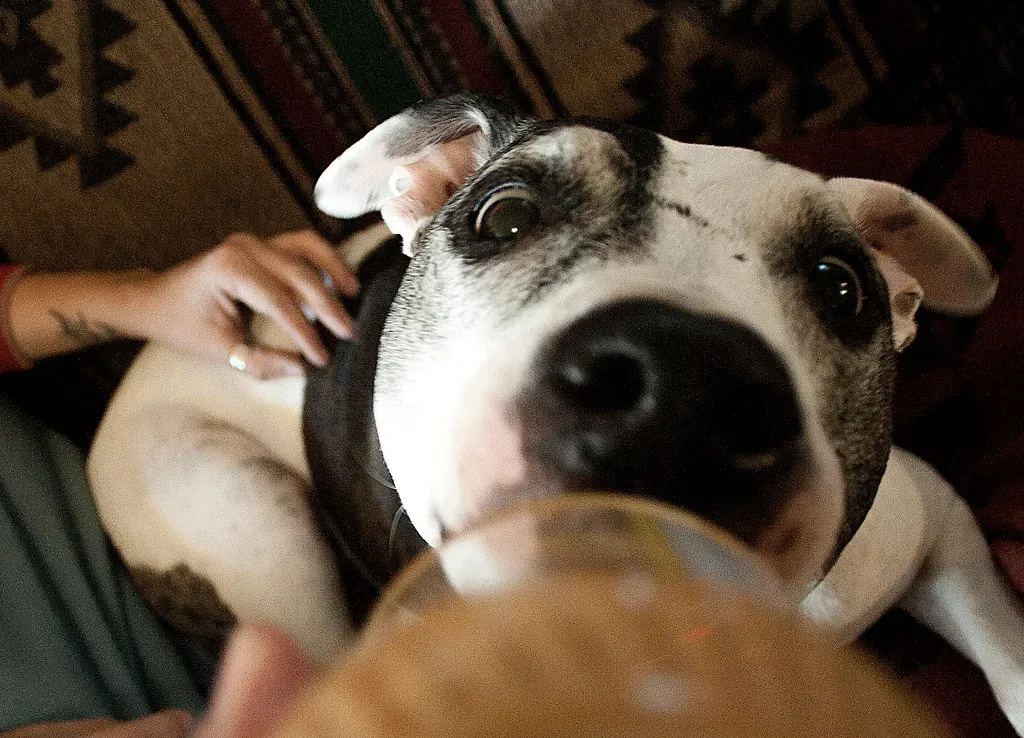
Let’s be real – every dog on the planet goes crazy for peanut butter. The good news is it’s not just a guilty pleasure. Unsalted peanut butter with no added sugar or sweeteners is safe for dogs to eat in moderation. Peanut butter contains many beneficial elements, including vitamins E and B, niacin, healthy fats, and protein.
Peanut butter has the added benefits of vitamins B and E, as well as fiber, all of which are good for cardiovascular and digestive health. That’s actually impressive for something your dog would eat straight off a spoon.
Here’s the critical part though: xylitol is highly toxic to dogs. It can cause low blood sugar and liver failure in dogs. Always make sure that the peanut butter doesn’t contain xylitol, a sugar substitute that is toxic to dogs. Always check the label – every single time.
8. Green Beans: The Guilt-Free Snack for Chunkier Pups
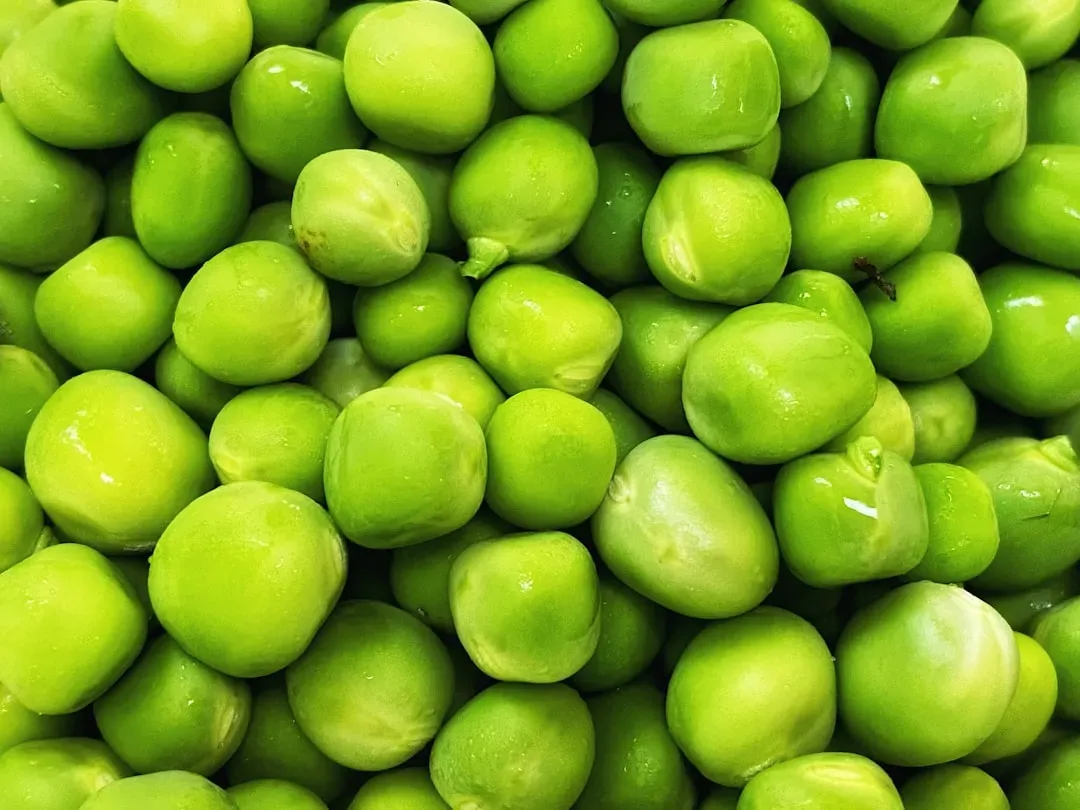
Green beans don’t get nearly enough attention in the dog-food conversation. Green beans are the full package – they’re a great source of fiber, omega-3 fatty acids, vitamins A, C and K, folic acid, magnesium, calcium, iron and potassium. In fact, green beans are so healthy for dogs that some people make them a sizable portion of their pup’s daily food regimen.
Green beans are one of the best foods for overweight dogs because they are low in calories and fat. This veggie is also a good source of fiber and vitamin C. You can feed your dog cooked green beans or give them frozen beans for a crunchy snack.
The rule is the same as with most dog-friendly vegetables: both raw and cooked green beans can be a healthy and low-calorie treat packed with vitamins, minerals and fiber. Just make sure they are unseasoned and plain without salt, garlic, butter or onions. Plain is always best.
9. Sardines and Anchovies: The Tiny Fish With Enormous Benefits
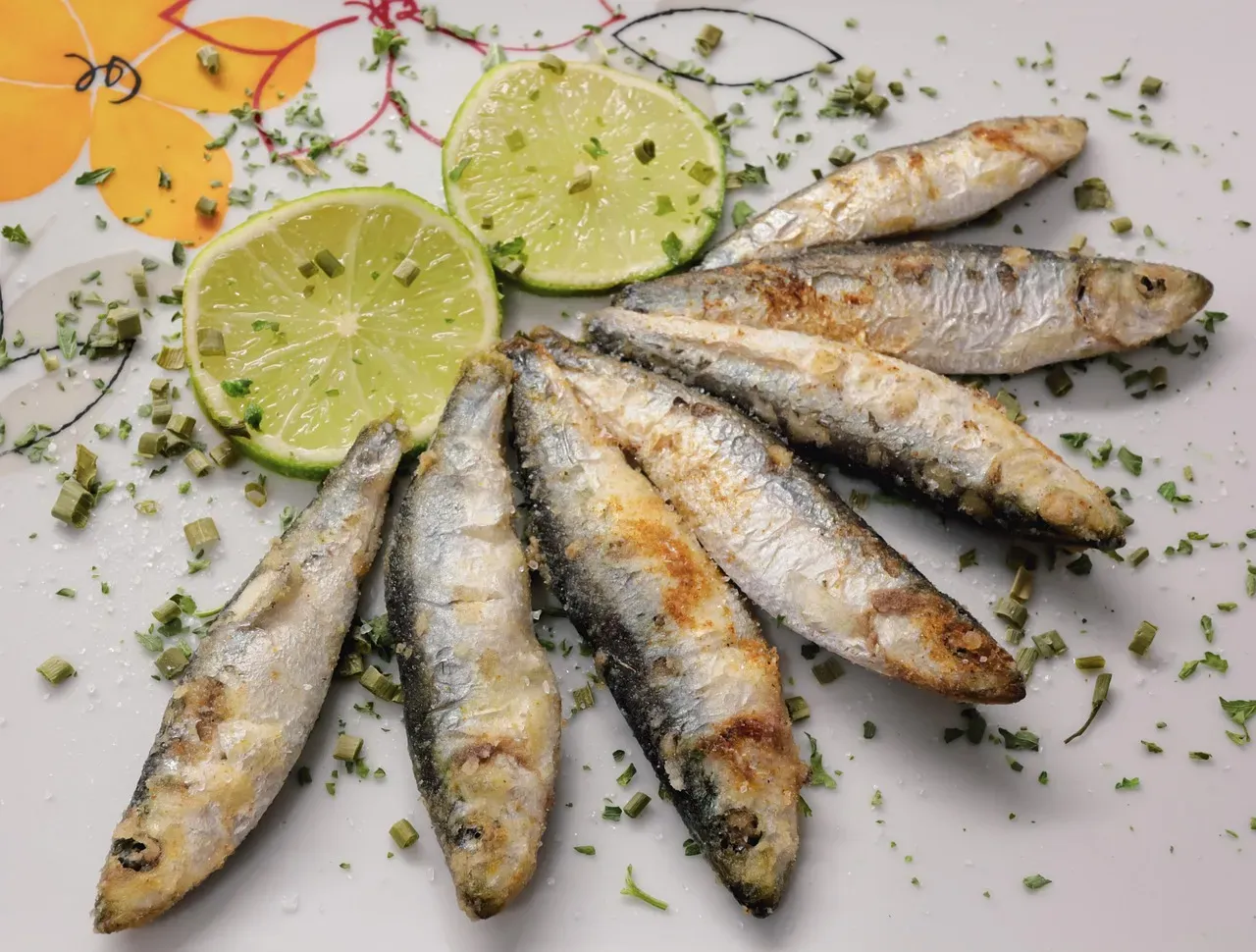
This one genuinely raises eyebrows. Most people would never think of dropping a sardine into their dog’s bowl, but honestly – maybe they should. Anchovies and sardines are little fish that offer dogs huge health benefits. These fish provide high levels of healthy omega-3 fatty acids including EPA and DHA, which can improve the quality and condition of your dog’s coat and skin, as well as support heart, brain, and joint health.
They’re also a great source of calcium, which supports your dog’s bone and joint health, and they provide a range of minerals and trace minerals, including natural forms of zinc, as well as vitamins B12, D, E, and K. It’s hard to name another single food that packs this much value.
Anchovies and sardines are a source of high-quality protein that’s sustainable and low mercury since they’re lower on the food chain than bigger fish. Look for wild-caught canned anchovies and sardines that are packed in water rather than oil, with no added salt. It’s a small but important distinction when choosing the right can.
10. Mango: The Tropical Treat That’s More Than Just Sweet

Mango feels indulgent, tropical, and almost too luxurious to share with your dog. Yet here we are. Sweet and juicy, mango is high in fiber, proteins, antioxidants and minerals that benefit your dog’s health. Small amounts of mango may also help alleviate an upset tummy, diarrhea and constipation.
Mango is high in fiber and vitamins A, B6, C and E, making it a fantastic sweet treat for humans and dogs alike. That’s a remarkable vitamin lineup for a single piece of fruit. Think of it as a dog-friendly multivitamin that actually tastes incredible.
Always remove the pit and peel, as both could make your dog sick. Additionally, too much mango could cause stomach issues, so this is one item to give in moderation. A few pieces as an occasional reward is the perfect approach here.
A Few Golden Rules Before You Start Sharing
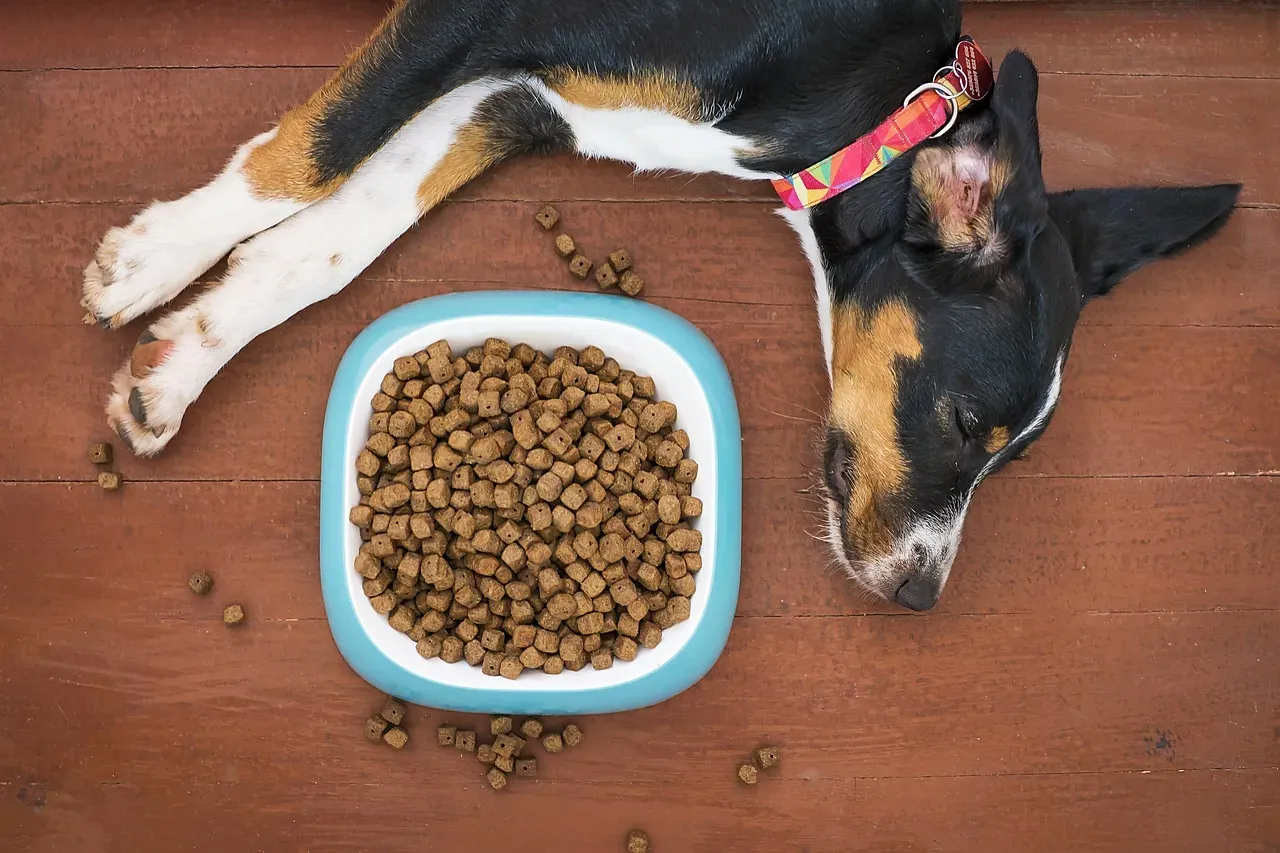
Before you start raiding the kitchen for dog treats, there are some important ground rules. Give your dogs these foods as treats in small or moderate amounts. Treats should only make up about 10% of your dog’s diet, even if the treats are mostly from this list. Moderation is everything.
Some dogs have food allergies, and the most common ones are triggered by different types of proteins. For this reason, it’s always best to try new treats in small amounts. Go slow and watch for any unusual reactions after each new food introduction.
Regardless of how healthy it is, dog-safe human food should only be offered as a supplement to a balanced diet. These foods are incredible additions, but they’re not a replacement for complete, balanced dog nutrition. Your vet is always your best resource when in doubt.
Conclusion
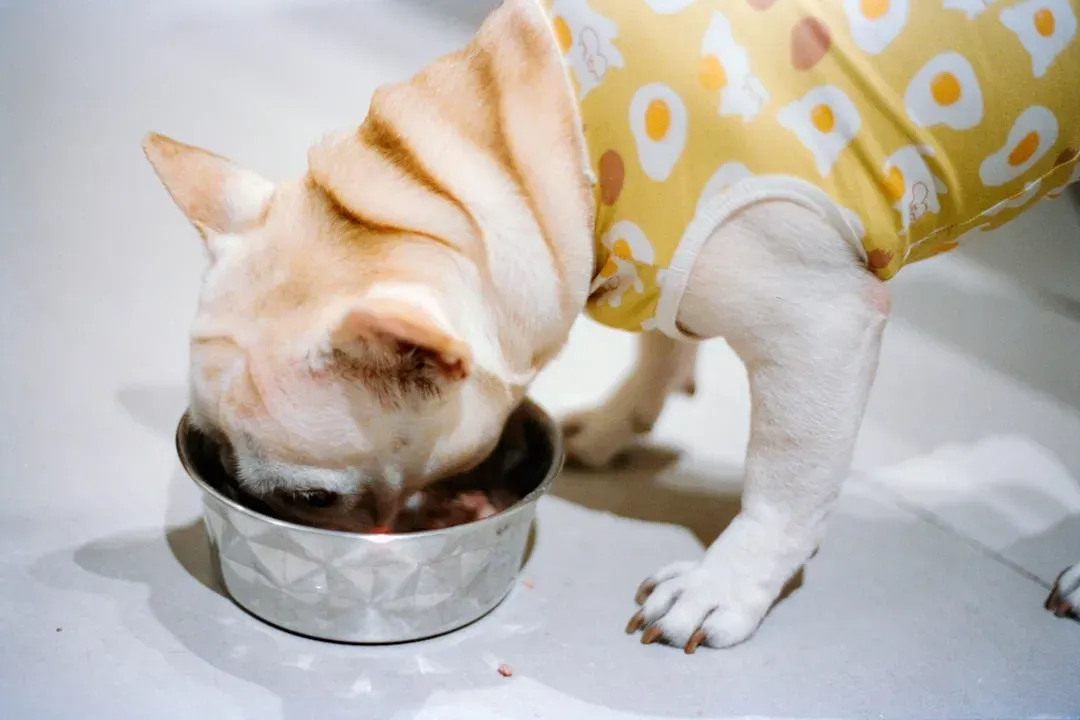
Who would have guessed that your fruit bowl and kitchen shelf could double as a doggy health store? From the humble carrot to the mighty sardine, nature has quietly packed some remarkable nutritional gifts into foods that many of us overlook for our pets.
The key takeaway is this: variety, moderation, and preparation matter more than most people realize. A plain, properly cooked piece of salmon is a health gift. Toss it in butter and seasoning, and it becomes a problem. The food itself is rarely the issue – it’s how you serve it.
Your dog trusts you completely with every bite they take. That’s a pretty powerful reason to get curious, stay informed, and maybe share a blueberry or two the next time you’re snacking. What would you have guessed was on this list before reading it? Let us know in the comments!

- Elephants Communicate With Each Other Using Sounds We Cannot Hear - July 26, 2026
- 10 Surprising Foods That Are Actually Good For Your Dog’s Health - July 26, 2026
- Which Dog Breed Fits Your Zodiac Sign’s Emotional Needs Best? - July 26, 2026