
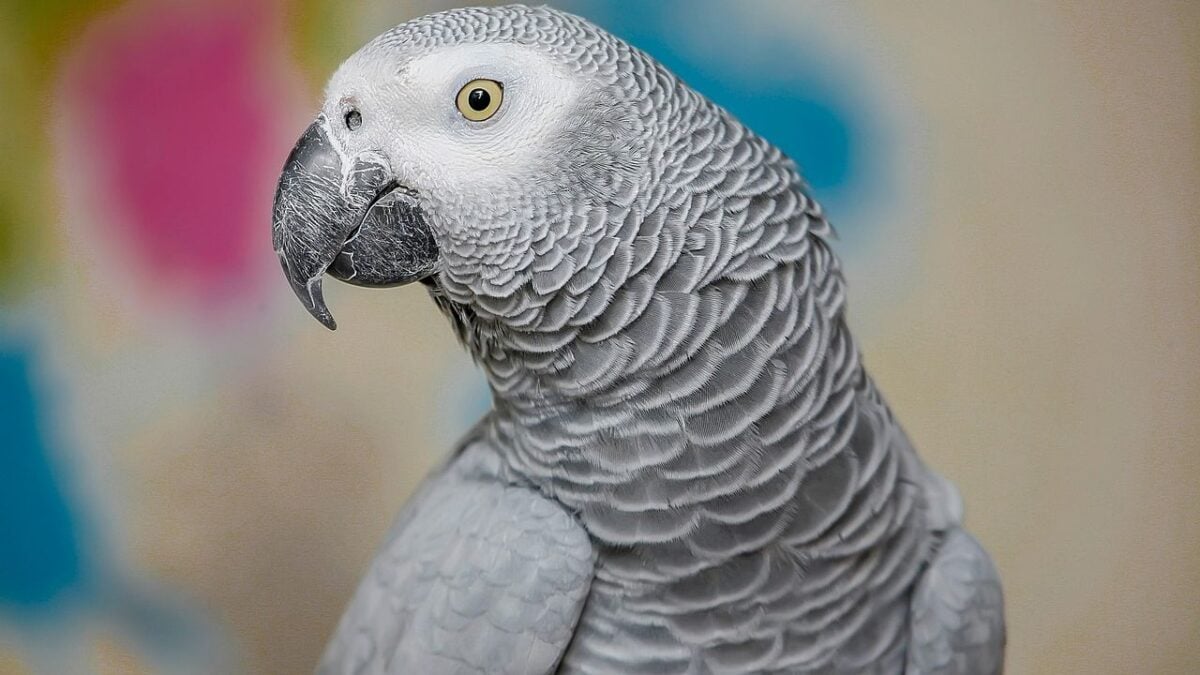
We tend to think of intelligence as a distinctly human affair. Maybe we stretch to include chimps or dolphins. Birds? Not so much. The phrase “bird brain” has been used as an insult for decades, which is honestly a little embarrassing for us now that science has caught up with reality.
The truth is, some birds are doing things that would stop most people cold if they witnessed it firsthand. We’re talking about creatures that plan for the future, recognize themselves in mirrors, craft their own tools, and even manipulate other animals with deliberate deception. It sounds like science fiction. It really isn’t. Let’s dive in.
1. Crafting Tools From Raw Materials
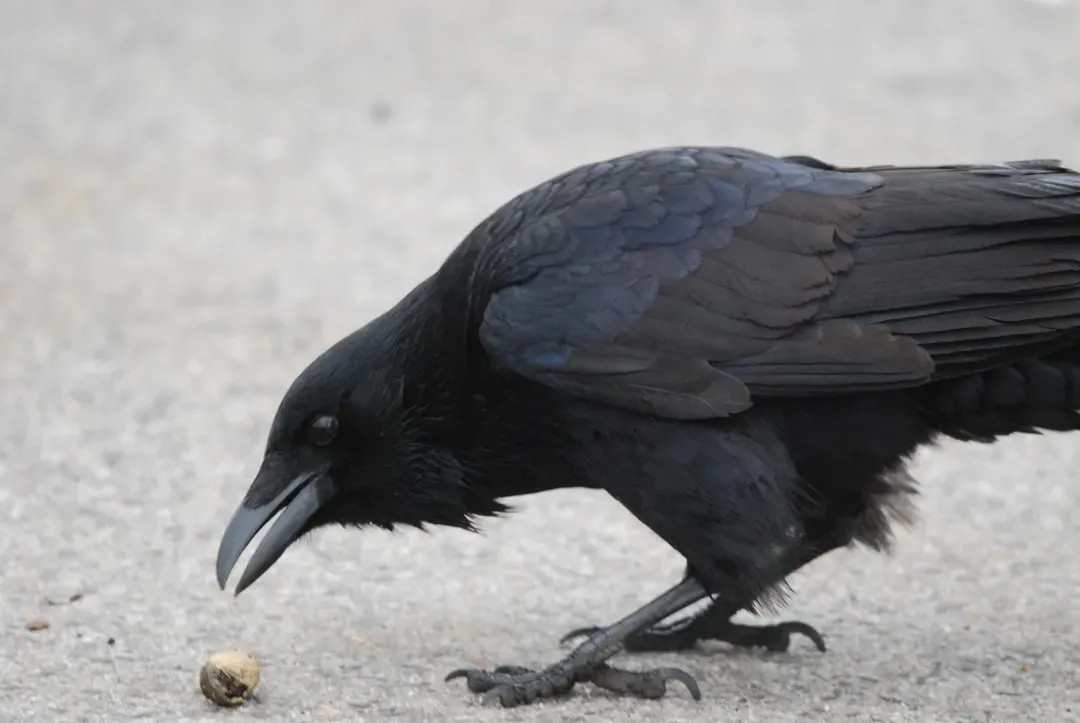
The New Caledonian crow is perhaps the most famous tool-using bird in the world. Native to the forests of New Caledonia in the South Pacific, these crows have been observed crafting tools from sticks and leaves to extract insects from crevices – a behavior once thought exclusive to primates. Think about that for a second. A bird, making tools. On purpose.
They not only select the right materials for tool-making but also improve their designs over time. In more recent studies, New Caledonian crows have exhibited meta-tool use, using one tool to retrieve another. That’s not just survival instinct. That’s planning.
These amazing crows do not do this with just any old stick. They seek out a particular type of plant stem with which to make their tools. They are even able to identify and use the stems after humans have disguised them by attaching leaves from another plant. In other words, they’re choosing the right tool for the right job.
2. Planning Ahead for the Future
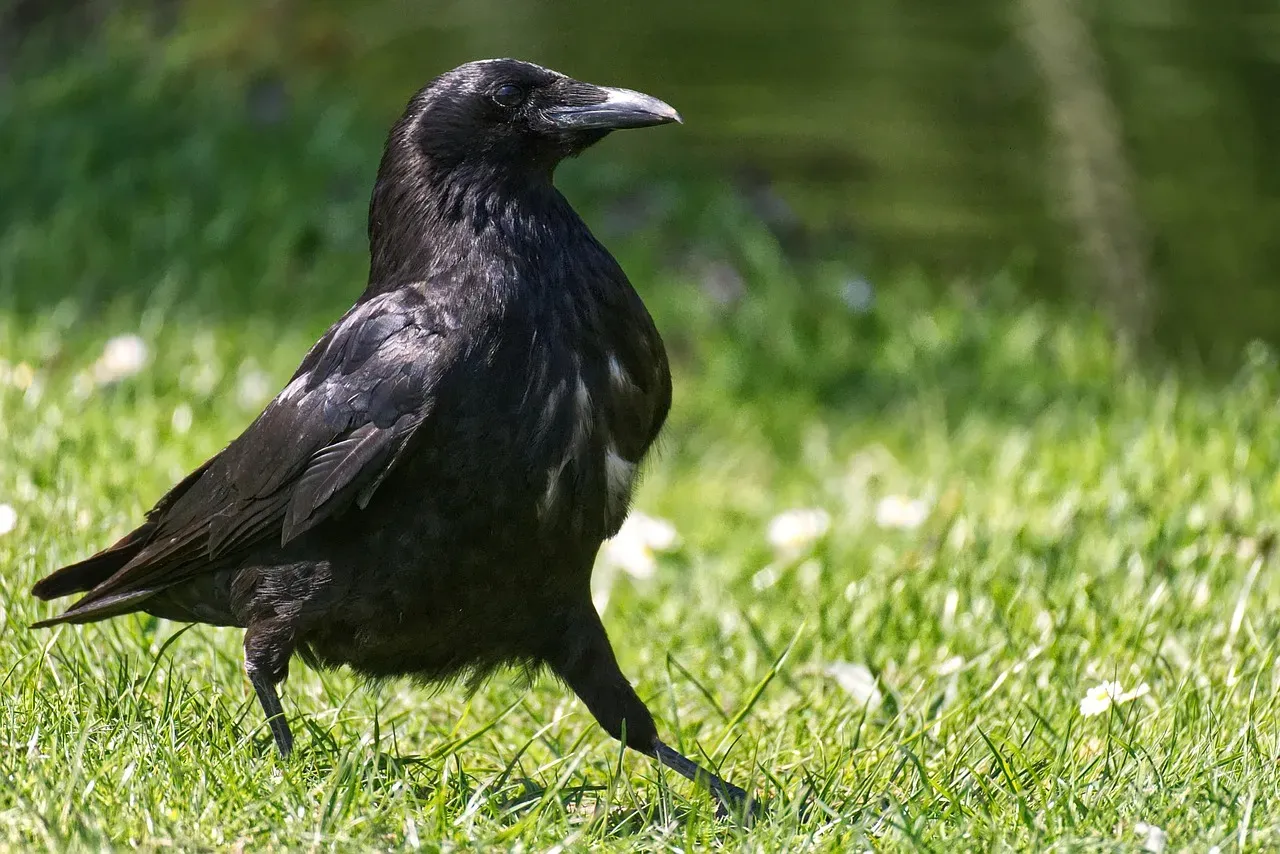
Studies have shown that ravens can plan for future events, a trait once believed to be uniquely human. In one experiment, ravens were observed selecting tools they would need later, even when a more immediate reward was available. This demonstrated their ability to delay gratification and think ahead.
Ravens plan for different kinds of future events. They will refuse an immediately available small reward and instead select a tool or a token. The next day they either use the tool or barter the token to obtain a larger reward. Honestly, some humans struggle with that level of impulse control.
Recent research has shown they’re more technically successful in planning ahead than 4-year-old children. I know it sounds crazy, but that’s exactly what the science says.
3. Recognizing Individual Human Faces
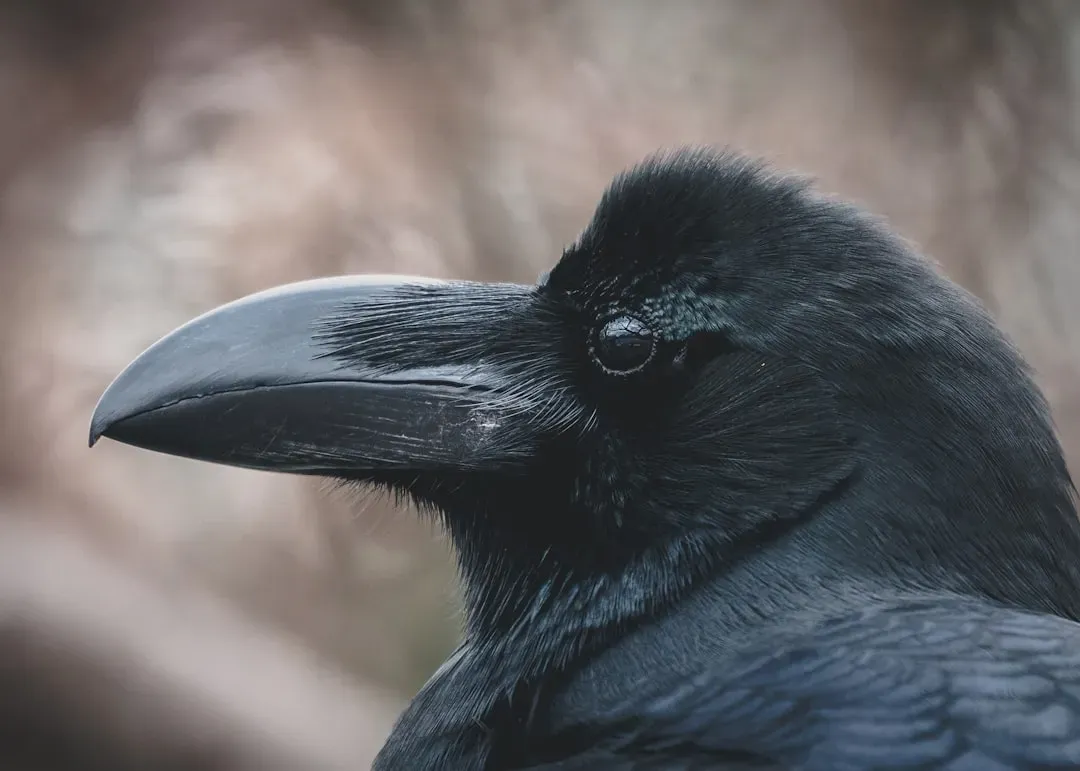
Crows can recognize human faces, understand causality, and even make their own tools to retrieve food. Face recognition might seem minor until you realize what it actually means: the bird is building a mental model of you specifically, not just “human equals threat.”
Almost universally, the crows responded by scolding the people – and even alerting other crows in the vicinity. When the researchers returned weeks later wearing the same masks, but empty-handed, the crows continued to harass them and were wary of the area for days after.
Think of it like this: if you wore the same Halloween mask for a year and a crow had once seen you near something alarming, it would still remember your face. That’s not instinct. That’s a grudge. And they pass that information along to their flock too, which makes it even more remarkable.
4. Passing the Mirror Self-Recognition Test
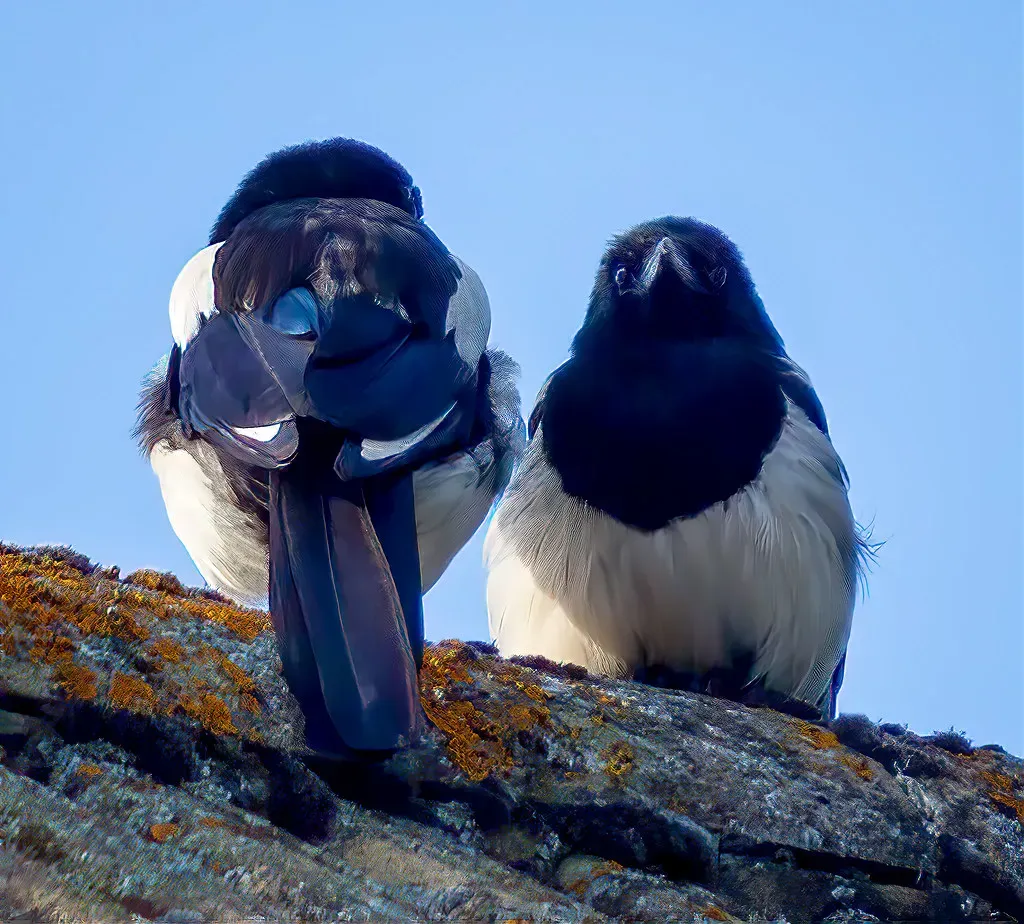
The Eurasian magpie is one of the few non-mammalian species to demonstrate self-awareness, having passed the mirror test – an experiment designed to assess an animal’s ability to recognize itself in a reflection. In this test, magpies were marked with a colored spot visible only in a mirror. The birds attempted to remove the mark, indicating they recognized the reflection as themselves rather than another bird. This places them among a select group of animals, including great apes, dolphins, and elephants, capable of such self-recognition.
This is very important because prior to this research, self-recognition was thought to be limited to mammals with a neocortex. Birds do not have a neocortex. This finding suggests that self-recognition, a complex cognitive ability, can occur in species with different brain structures than those of mammals.
5. Deliberately Deceiving Other Birds
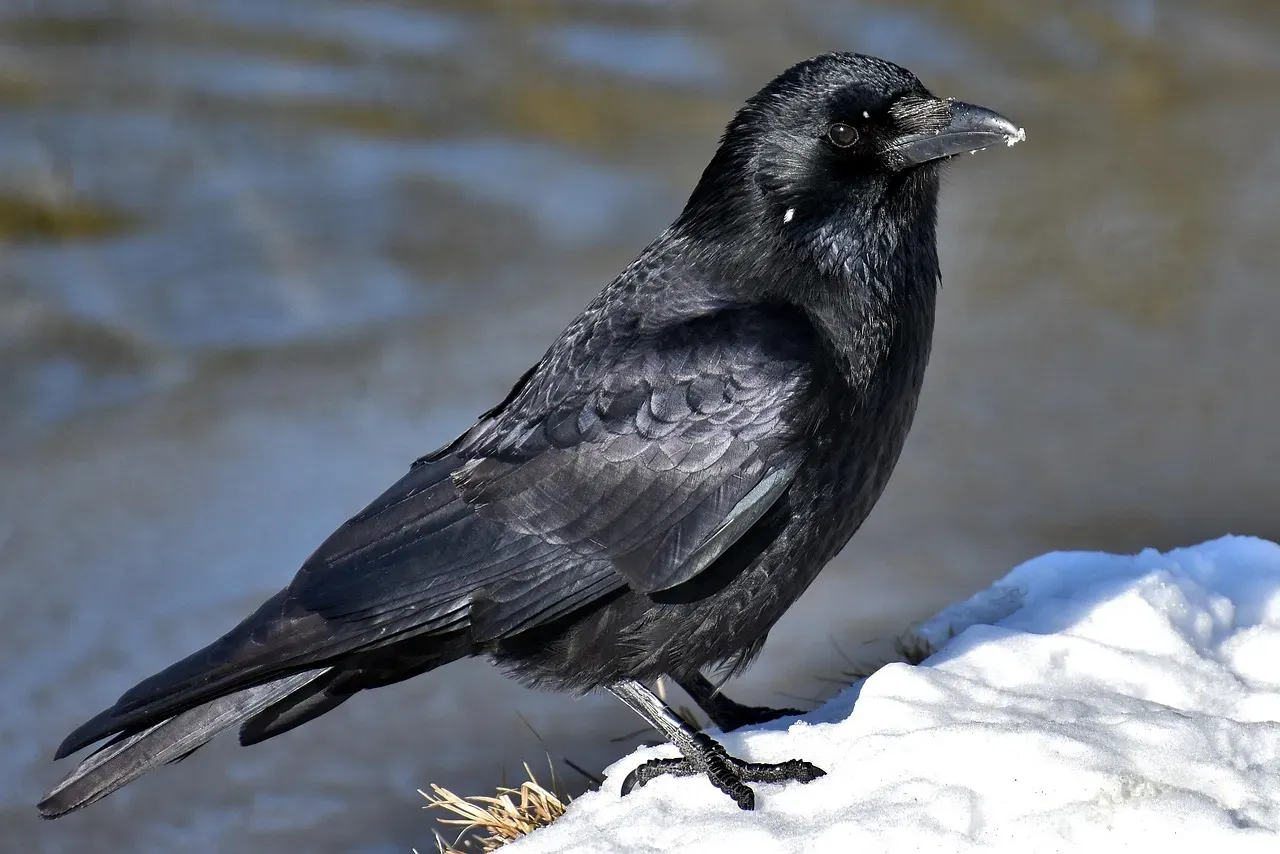
Ravens exhibit social intelligence through deceptive behaviors. When they cache food, ravens often feign hiding it in one location to mislead other birds that are watching, only to actually conceal it in a different spot when they think no one is observing. This behavior reflects an understanding of the intentions of others, a concept known as “theory of mind,” which is uncommon outside of humans and primates.
Magpies are known to engage in deceptive tactics, such as pretending to hide food in one location while actually concealing it elsewhere to mislead potential thieves. Let’s be real: lying requires a mental model of what another creature believes. These birds have that. Wild.
Ravens can recognize when another animal or bird is watching them and adjust their behavior accordingly. For example, if a raven hides food and notices another bird observing, it might move the food to a new location once the observer leaves. This level of awareness demonstrates advanced social intelligence.
6. Understanding Abstract Concepts Like “Same” and “Different”
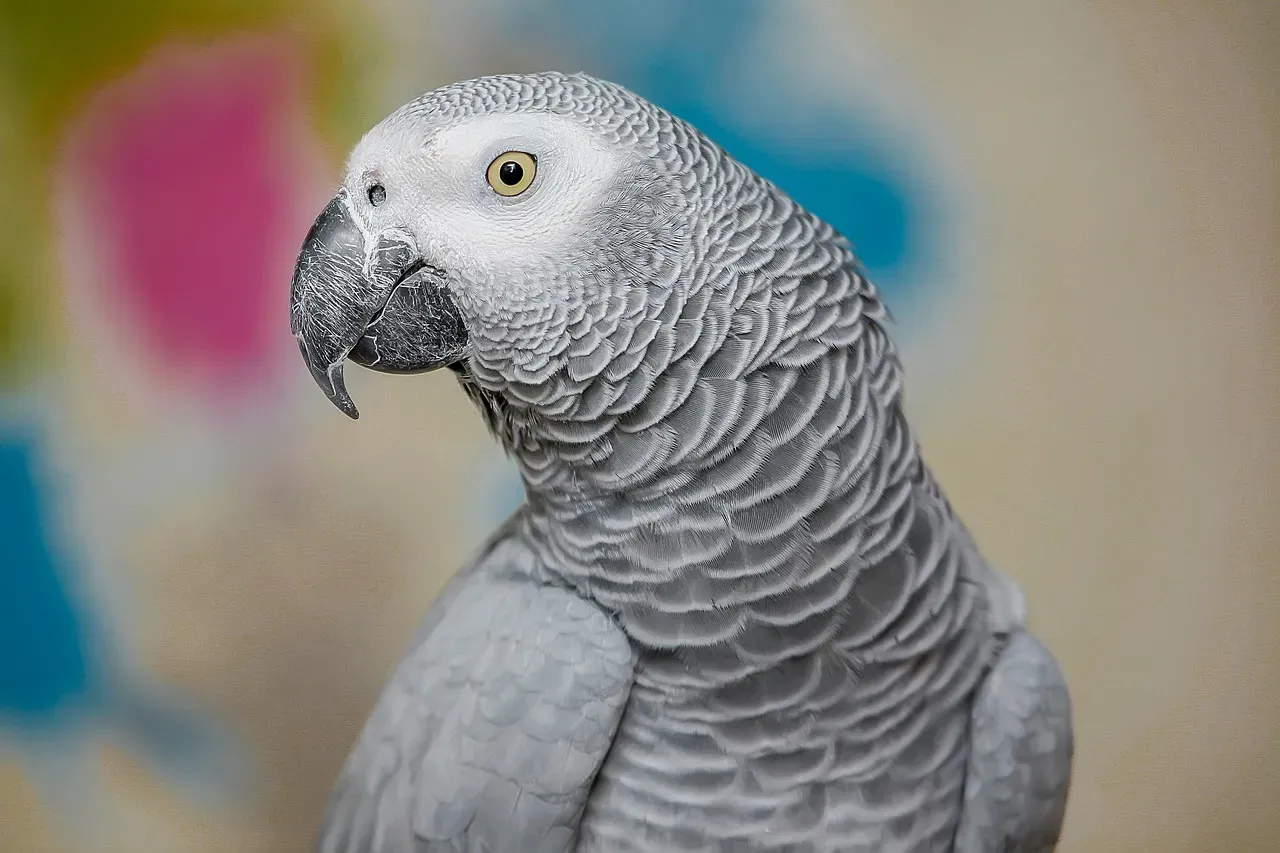
One famous African grey, Alex, showed he could understand abstract concepts like “same” and “different,” a trait shared with few non-mammalian species. This is the kind of mental flexibility you’d expect from a toddler, not a bird roughly the size of a shoe.
Research shows African Greys can understand complex ideas like “same” and “different.” This is a rare ability in the animal world. It required years of careful study before the scientific community truly accepted how deep this cognitive ability went.
Before he died prematurely in 2007, Alex mastered roughly a hundred words, could use them in context, and even grasped the concepts of same, different, and zero. Zero. An abstract numerical concept. From a bird. That should genuinely give you pause.
7. Using Traffic Lights to Crack Nuts
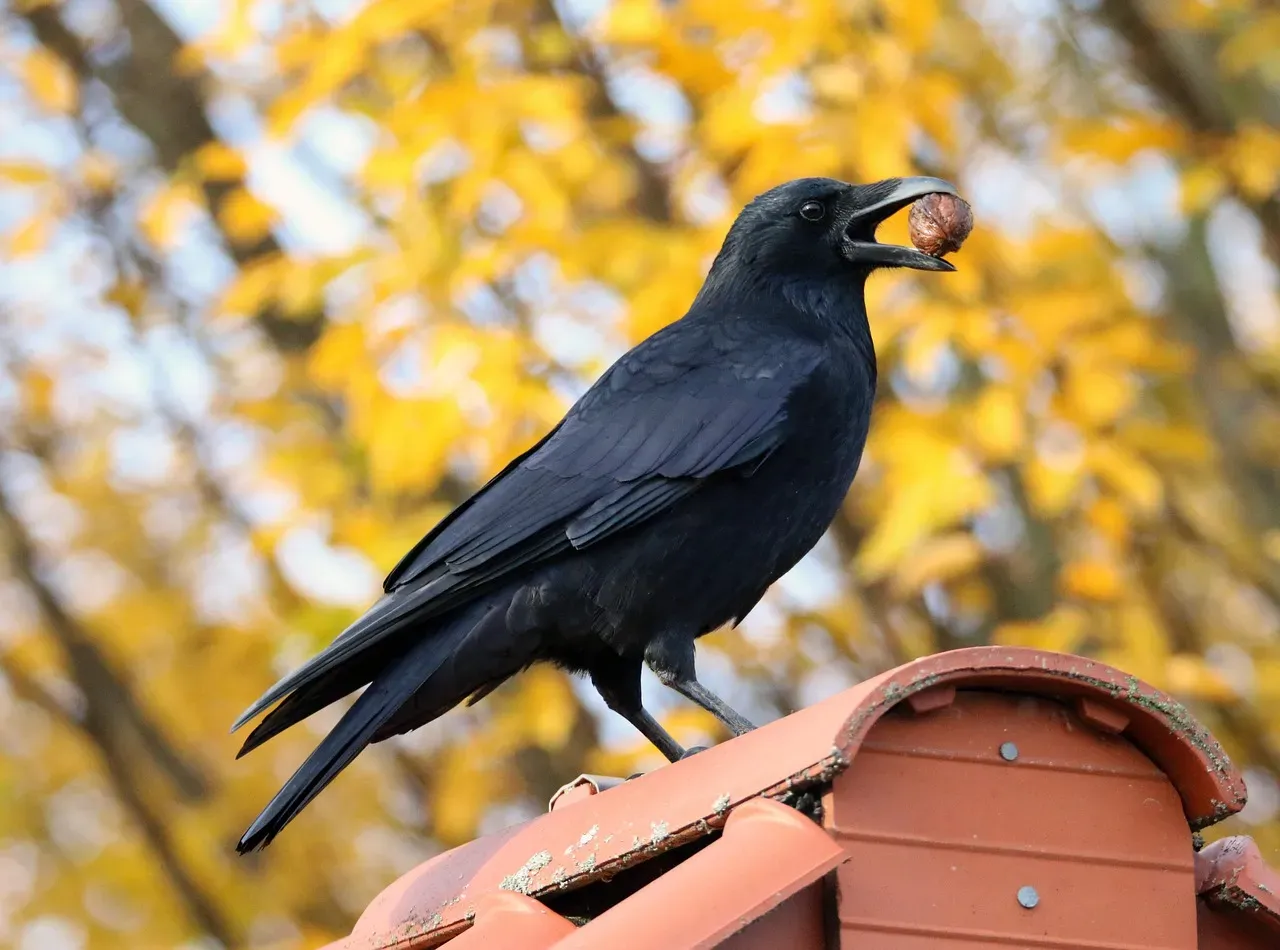
This one deserves its own movie. Carrion crows in urban Japan and American crows in the United States have innovated a technique to crack hard-shelled nuts by dropping them onto crosswalks and letting them be run over and cracked by cars. They then retrieve the cracked nuts when the cars are stopped at the red light.
In Japan, Carrion Crows drop hard-to-crush nuts on the roadway at intersections so that moving traffic will crush them open. That may not seem so spectacular, but the crows also wait for the traffic light to change to red and then walk out in front of the stopped traffic.
These birds figured out traffic light cycles. On their own. Without any training or human intervention. I think that’s genuinely more impressive than a lot of things I learned in school.
8. Solving Multi-Step Puzzles
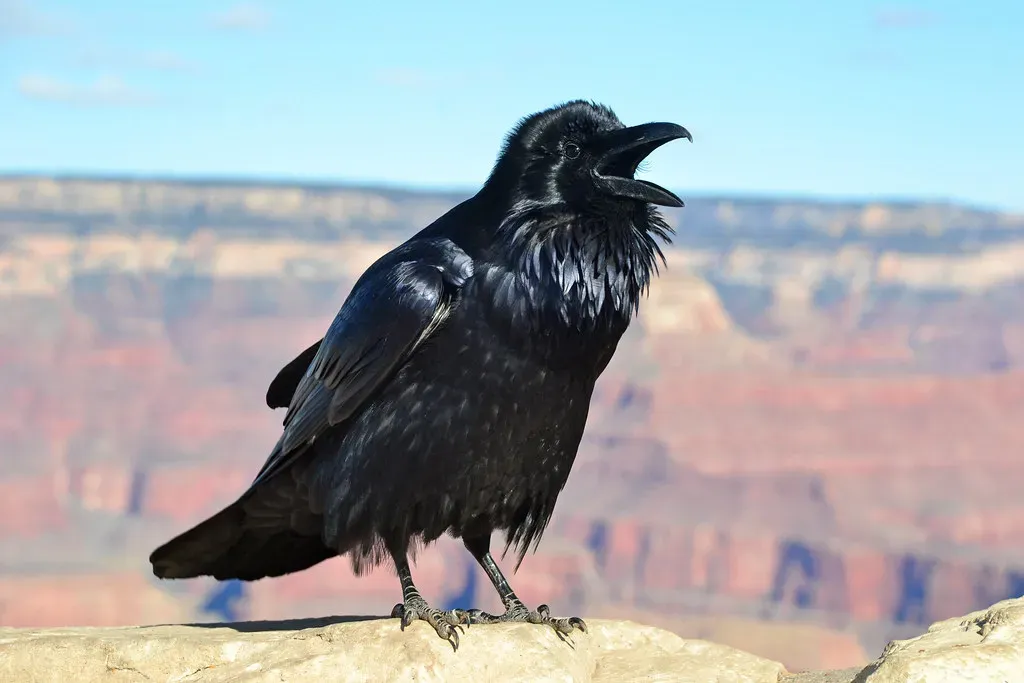
In 2014, a New Caledonian crow named “007” by researchers from the University of Auckland in New Zealand solved an eight-step puzzle to get to some piece of food. Eight steps. Sequentially. Without stopping to figure it out mid-task.
Research indicates that New Caledonian crows can tackle puzzles that involve multiple steps to obtain food, similar to human logic puzzles. In one experiment, crows utilized a series of tools to reach their food, demonstrating an understanding of the necessary sequence to achieve their goal. This behavior highlights their advanced cognitive abilities, as the birds not only remembered each step but also adapted to new tools and circumstances.
It’s a bit like asking someone to solve a puzzle blindfolded, using only tools they’ve never seen before. These birds don’t just stumble through it either. They approach it with something that genuinely looks like methodical reasoning.
9. Episodic-Like Memory: Remembering What, Where, and When
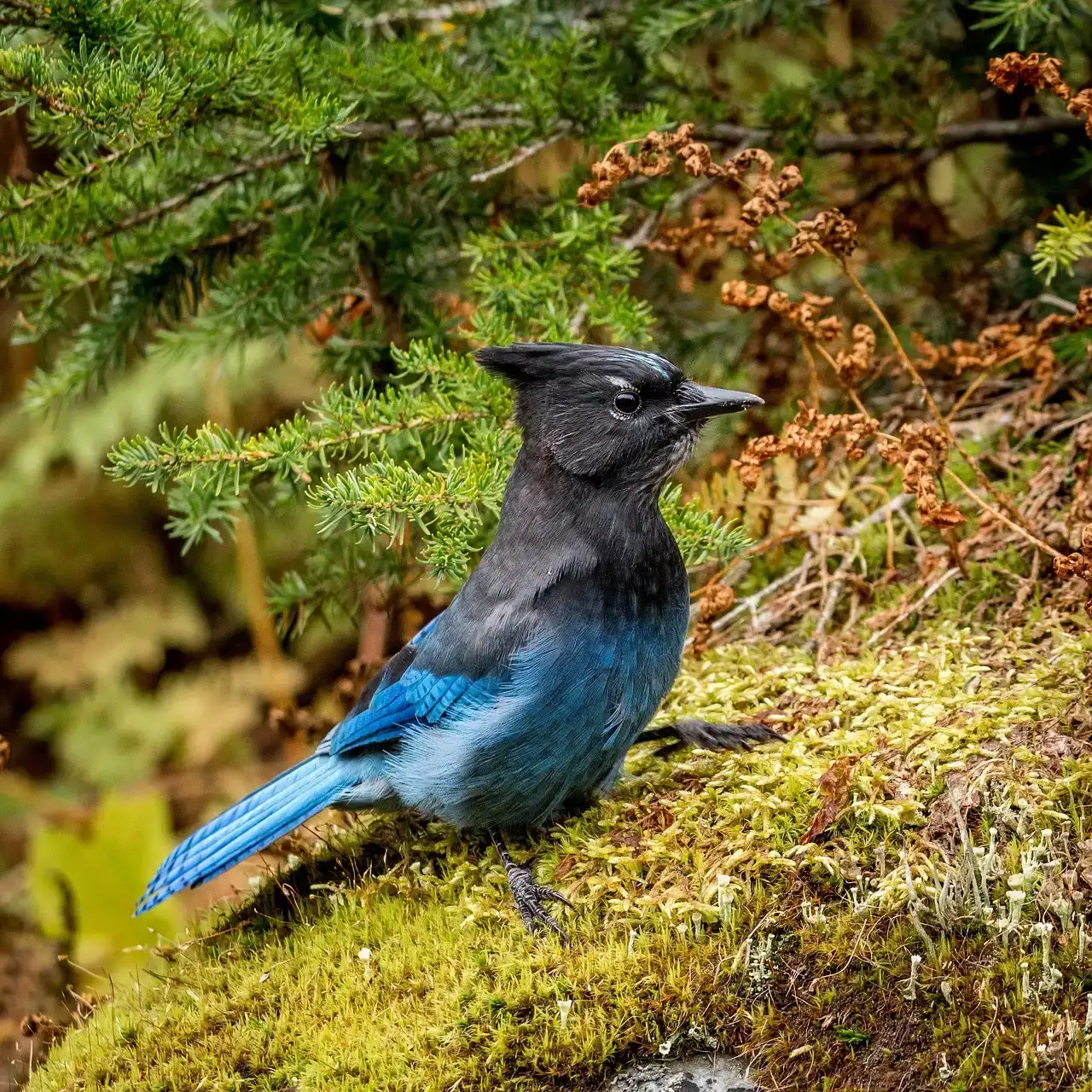
Research indicates that jays may also possess episodic-like memory, meaning they can remember “what,” “where,” and “when” they cached their food. This allows them to recall not only the location but also the type of food and how long it’s been stored. This is very important when dealing with perishable food items.
Research into jays has provided insights into their episodic memory and future planning capabilities. Experiments demonstrate that jays rely on episodic-like memories of what they cached where and when, and adapt their caching strategy to anticipated future needs.
Imagine remembering exactly where you hid every single snack you’ve ever stored, and knowing precisely how fresh each one still is. Jays do this across hundreds of different hiding spots. Their spatial memory is, put simply, extraordinary.
10. Social Learning and Cultural Spread of Behaviors
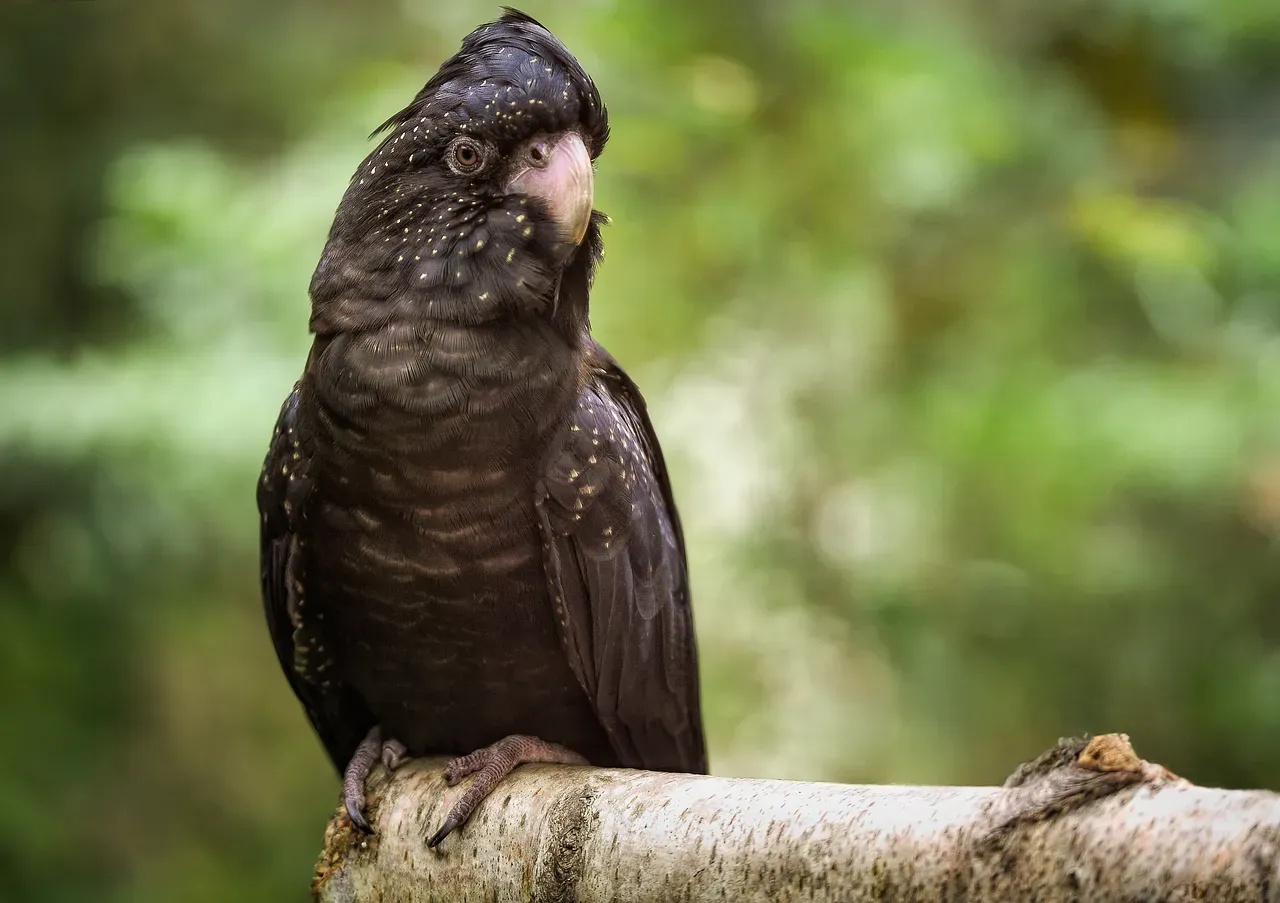
Studies on cockatoos have highlighted their exceptional learning ability and social intelligence. Scientists have proven that cockatoos learn the unique skill of how to lift garbage bin lids to gather food from each other, confirming that these birds spread this novel behavior through social learning.
Perhaps most iconic is parrots’ linguistic ability – different flocks even have different dialects. Like in humans, these dialects shift and change over time as different populations separate or mingle. Some researchers postulate these linguistic shifts reflect cultural shifts, especially in response to habitat threats.
The idea that birds maintain cultures – with behaviors and even dialects that evolve across generations – is something we’re only beginning to truly appreciate. It’s not just survival. It’s community, tradition, and shared knowledge passed down like folklore.
11. Vocal Mimicry Used as a Tactical Weapon
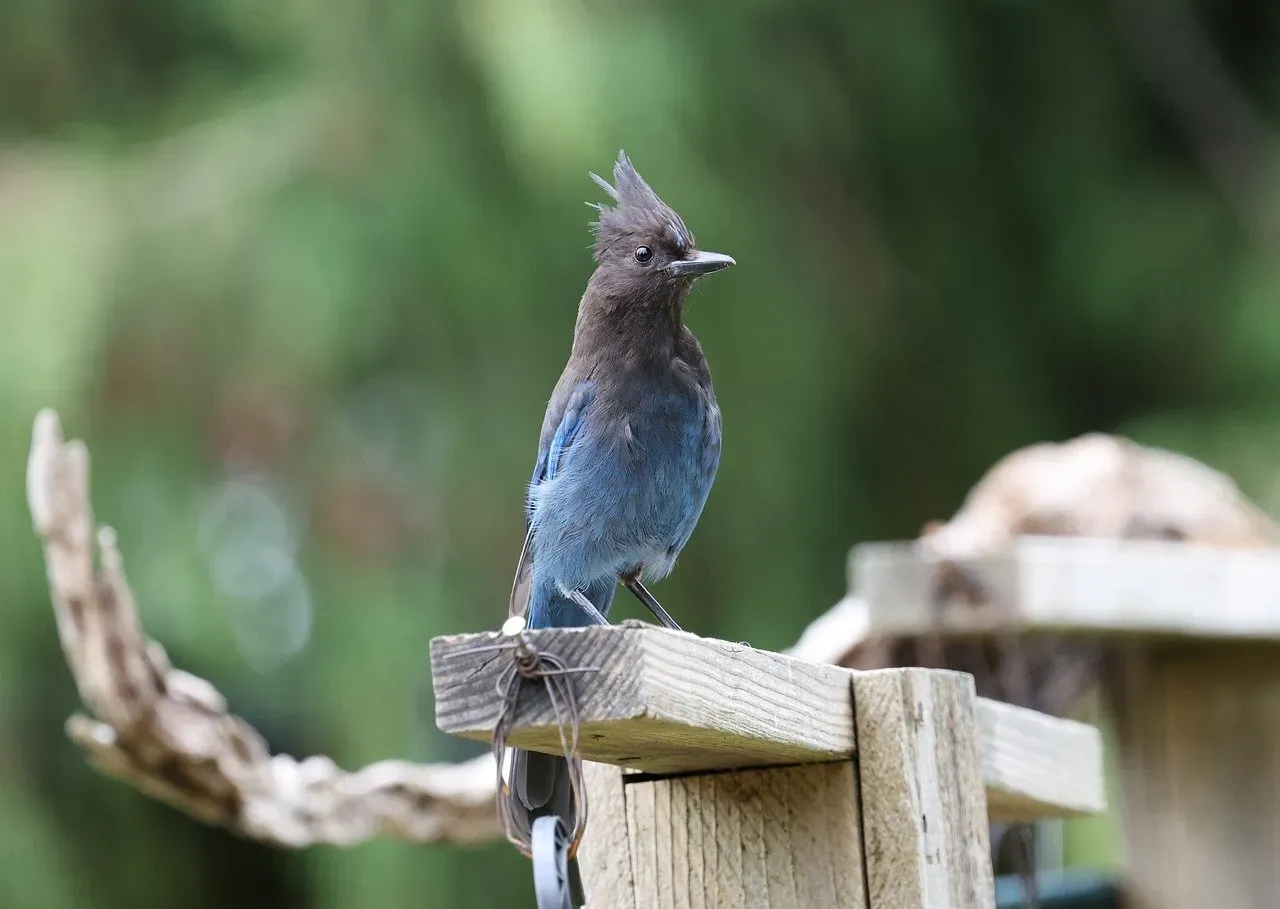
The blue jay can mimic the calls of some hawk species. These calls may inform other jays that a hawk is around, or may be used to deceive other species into believing a hawk is present, demonstrating their advanced cognitive abilities.
Mockingbirds are astonishing in their ability to learn and mimic foreign noises. They get their name, of course, from the ease with which they can deliver the songs of shrikes, blackbirds, orioles, killdeer, jays, hawks, and even frogs. Using someone else’s voice to send your enemies running is a brilliant tactical move, however you look at it.
Steller’s jays mimic many wild birds, as well as chickens, squirrels, cats, and dogs. Blue jays expertly imitate red-shouldered hawks. Mimicry at this level isn’t just party tricks. It’s weaponized acoustic intelligence.
12. Cooperative Hunting Strategies
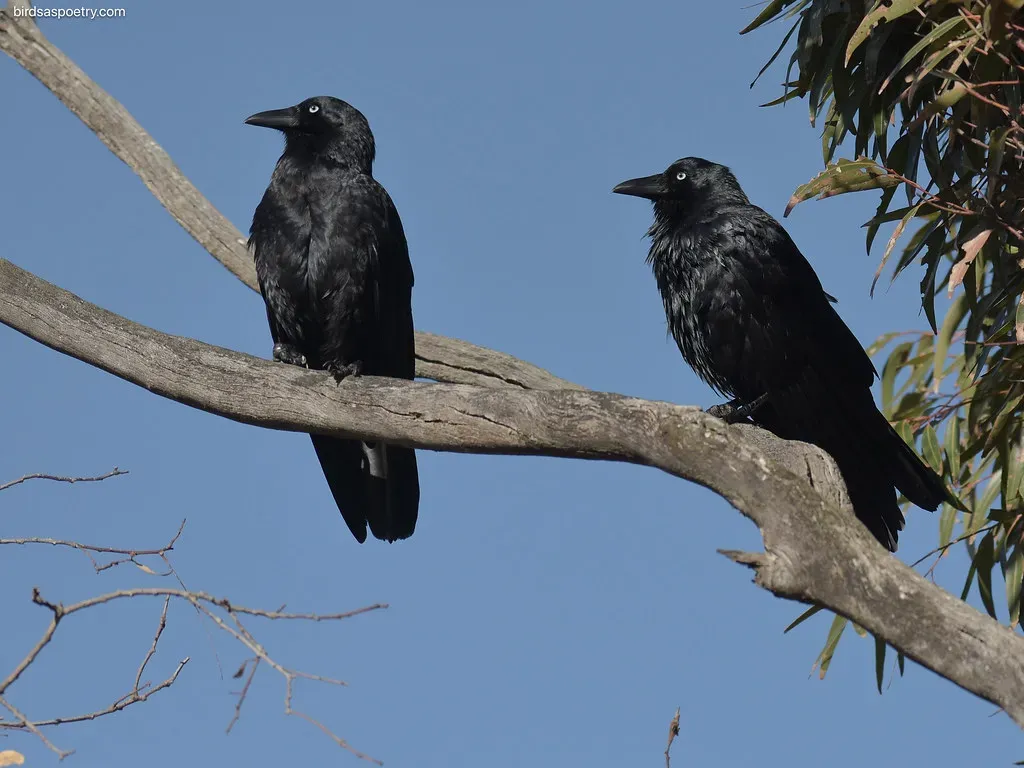
Ravens are only minutely less intelligent than crows. They’re cooperative hunters who often work in pairs – one to distract a bird or mammal parent and the other to grab the bird’s egg or newborn offspring. Coordinated teamwork that requires both birds to understand and execute their specific role. That’s not accident. That’s strategy.
Ravens often follow the sounds of hunters’ gunshots. They have learned that such noises mean the possibility of scavenging the remains of the game after field dressing. Using human activity as a hunting cue is an extraordinary example of adaptive intelligence operating in real time.
It’s hard not to respect the sheer opportunism here. Ravens have essentially inserted themselves into human hunting culture as uninvited but remarkably effective partners. And we didn’t even teach them to do it.
13. Using Bait to Fish
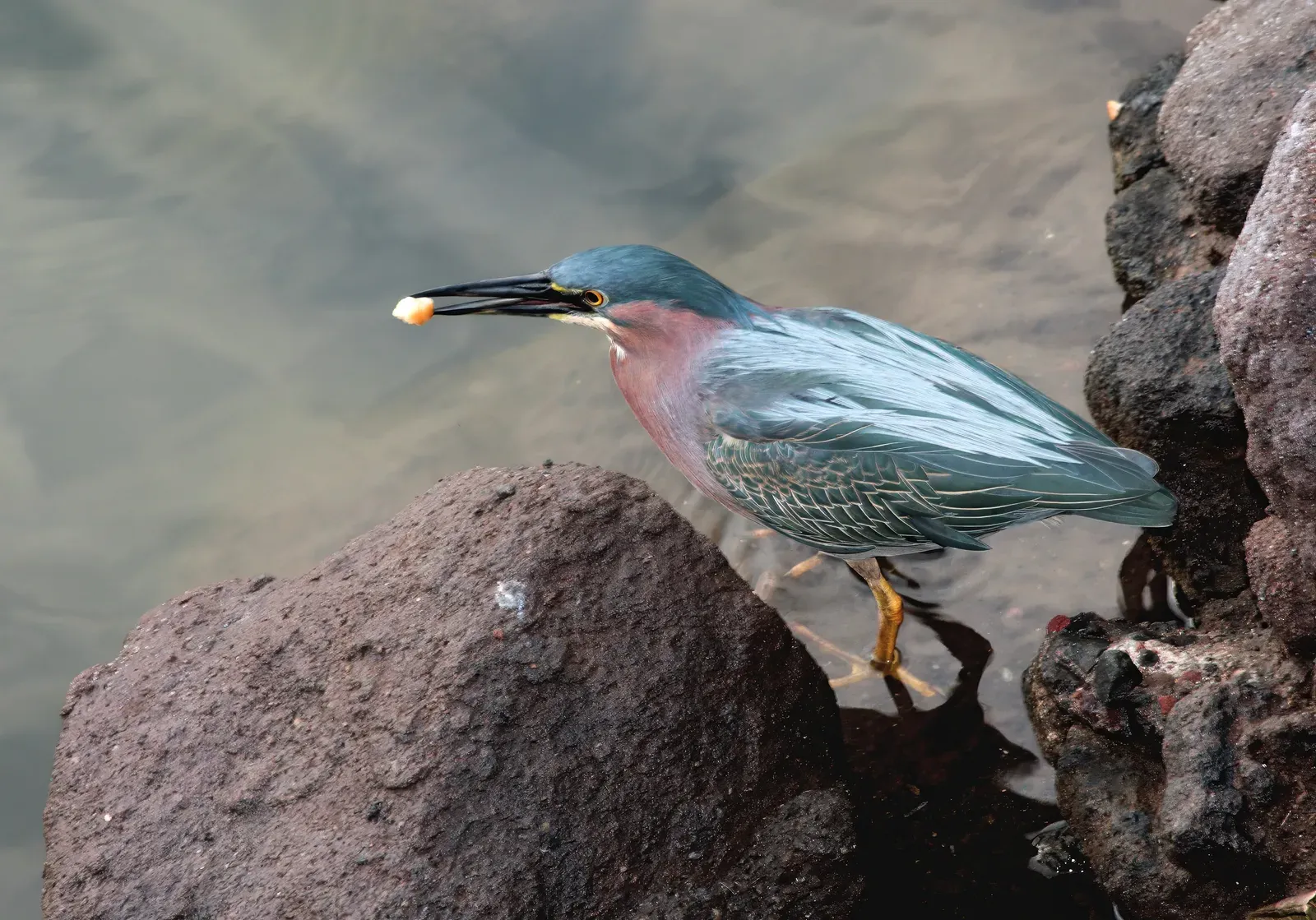
The green heron stands out for its use of bait, like twigs or insects, to lure fish – a rare example of tool use in non-corvid species. This is a bird that has independently arrived at the idea that you can trick your food into coming to you rather than chasing it. That’s a conceptual leap worth celebrating.
Another interesting case involves green herons, which have been observed using bait to catch fish. The bird places an object on the water’s surface, waits, and then strikes when a curious fish approaches. It’s patient, calculated, and completely self-taught.
Think about what goes into this. The bird needs to understand that fish are attracted to floating objects, that placing the bait will cause a predictable fish response, and that waiting is more effective than rushing. That’s a chain of causative logic most people wouldn’t expect from any bird species.
14. Counting and Understanding the Concept of Zero
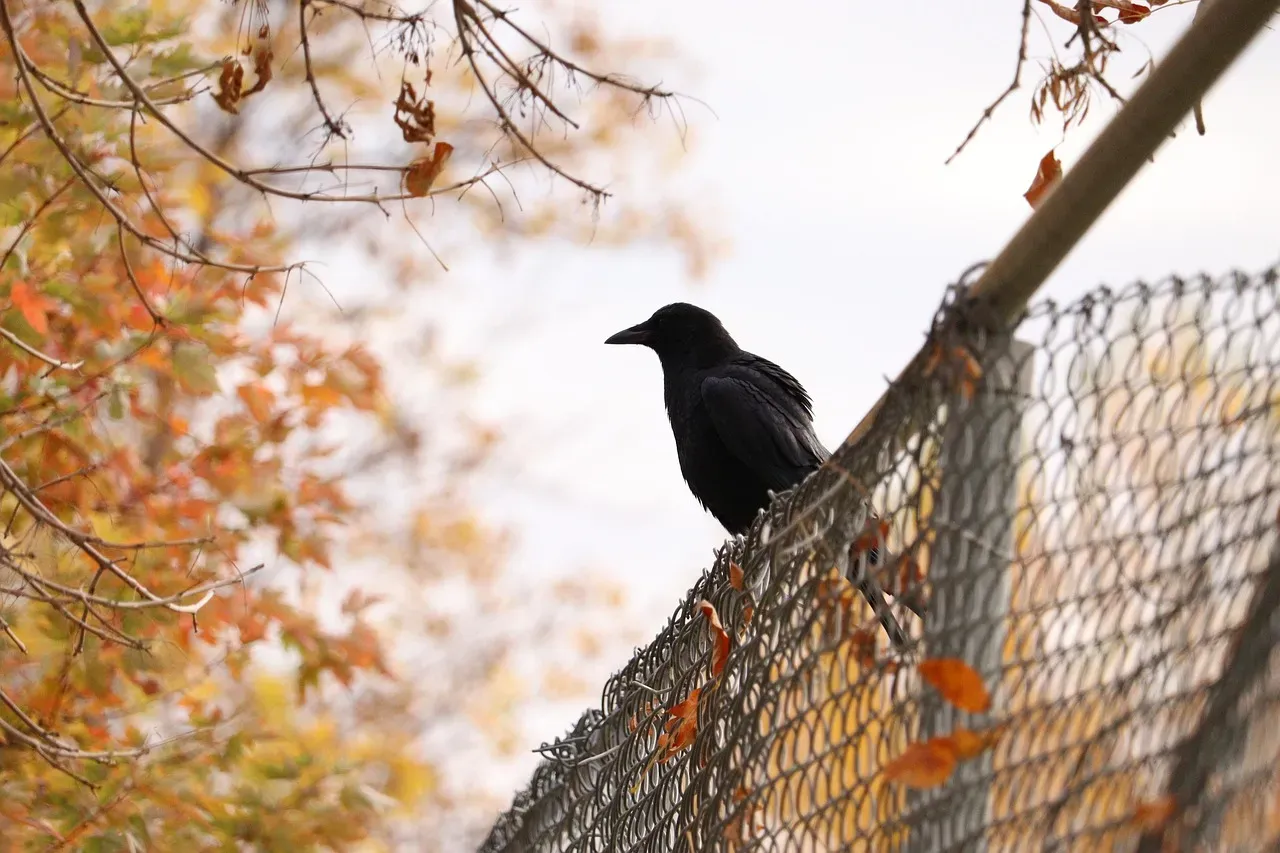
Crows can reason, understand causality and the concept of zero, vocally count up to four, remember human faces, and make customized tools. Zero is not an easy concept. Historically, entire human civilizations went centuries without formally recognizing it. Crows apparently got there on their own.
Counting has traditionally been considered an ability that shows intelligence. Anecdotal evidence from the 1960s has suggested that crows can count up to three. More recent neuroscience has pushed that boundary even further, revealing neurons in crow brains that respond specifically to numerical quantities.
Here’s the thing: the ability to grasp “nothing” as a distinct quantity is considered a mark of abstract cognitive development. It’s something young children take time to learn. Crows appear to get there through their own form of natural reasoning. That is simultaneously humbling and a little unsettling.
15. Cognitive Flexibility – Changing Strategies When One Approach Fails
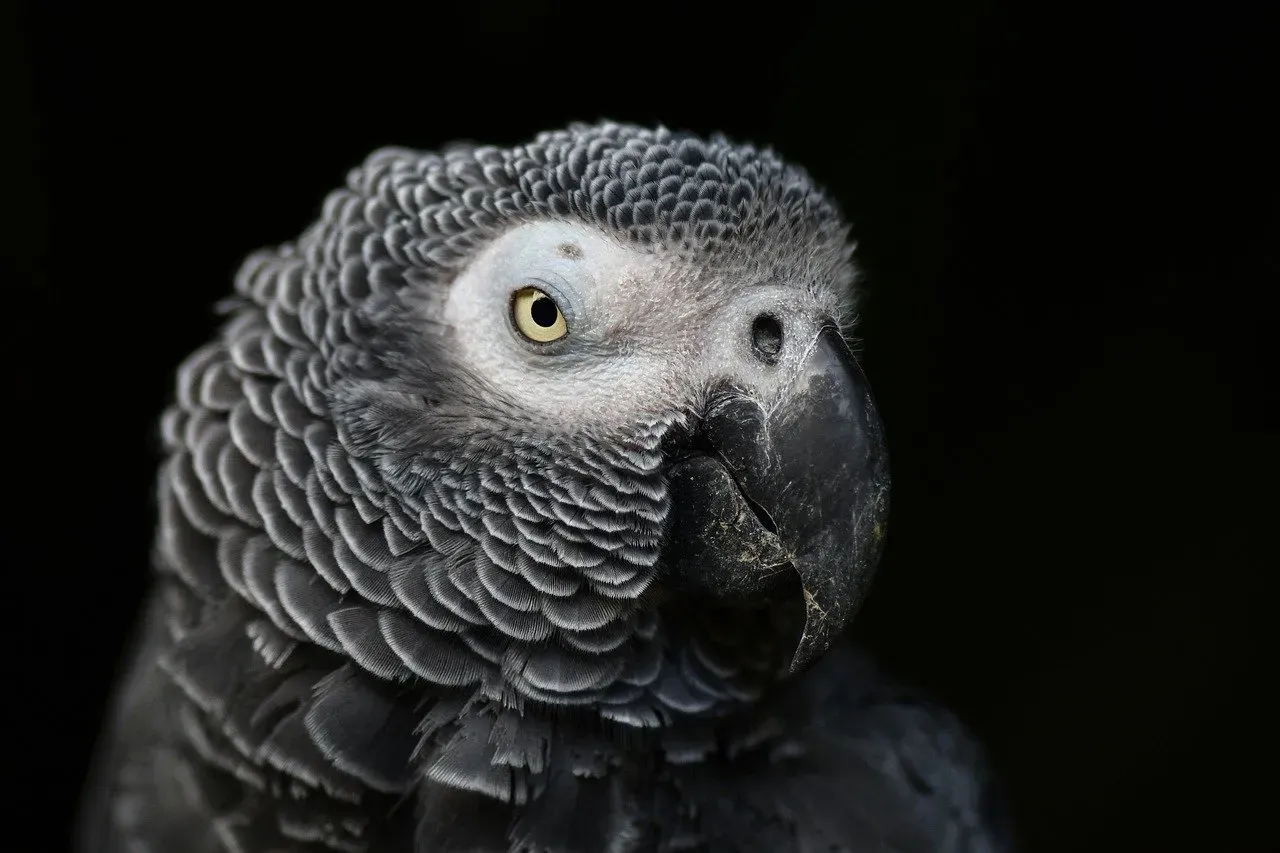
African grey parrots show cognitive flexibility, which means they can change tactics if one approach doesn’t work. That’s a sign of advanced cognitive abilities, much like what we see in great apes. Most animals, when a strategy fails, simply repeat it harder. True cognitive flexibility, the ability to genuinely switch approaches, is rarer than you’d think.
Kea parrots can solve logical puzzles and even work together to achieve a goal. When faced with complex problems, they have shown that they can improvise and change their approach until they succeed. There’s something almost admirable about watching an animal refuse to give up and actively recalibrate its thinking instead.
Kea are incredibly curious birds, constantly exploring their surroundings and investigating new objects. They exhibit a strong tendency towards “neophilia,” meaning they are attracted to novelty. This curiosity drives them to learn and adapt. Curiosity, it turns out, may be one of the most important foundations of intelligence in any species – including our own.
Conclusion: The Sky Is Smarter Than We Thought
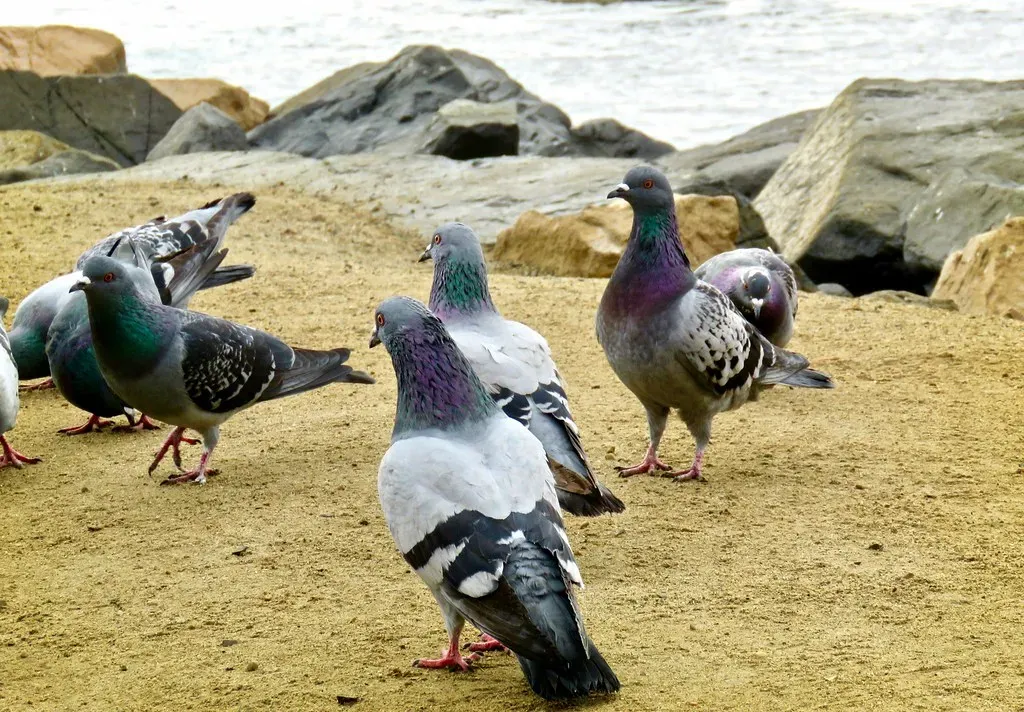
It’s genuinely hard not to feel a little humbled after all of this. Bird intelligence continues to challenge our understanding of animal cognition, revealing that complex thought is not limited to mammals. Through a combination of behavioral studies and neurological research, scientists are uncovering the remarkable mental abilities of our feathered friends.
Corvids and parrots with brains of 5 to 20 grams show cognitive properties similar to those of great apes like chimpanzees, which have brains of about 400 grams. Size, it seems, really isn’t everything when it comes to the mind.
Next time a crow gives you a long, measured stare from a fence post, maybe take a moment before you look away. There’s a very real chance it’s already assessed you, filed your face away for future reference, and decided exactly how it feels about you. The birds were never the simple creatures we assumed. We just weren’t paying close enough attention. What would you have guessed?

- How Pet Pigs Excel at Human Interaction, Almost as Much as Dogs - July 27, 2026
- 10 Ways Your Horse Reads Your Emotions Better Than You Realize - July 27, 2026
- Your Dog’s Bark Might Be Telling You These 5 Unexpected Things - July 27, 2026