
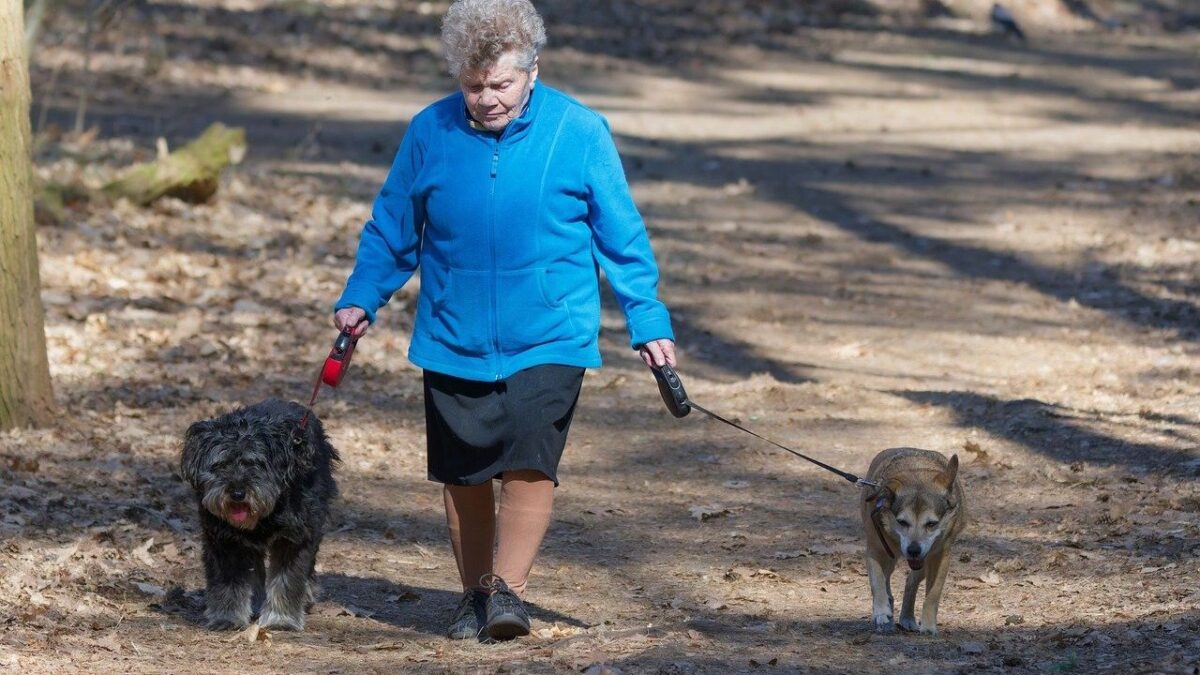
There is something quietly profound about watching a dog grow old. The muzzle turns grey, the morning stretches get longer, and those puppy zoomies become something more like a dignified trot. But here’s the thing – a dog’s senior years can be some of the richest, most tender years you share together, if you know how to support them well.
As dogs grow older, their needs evolve, just like humans. Senior dogs may slow down, sleep more, or experience joint stiffness, but with the right care, they can still enjoy vibrant, fulfilling lives. The challenge is knowing what actually makes a difference, and what’s just noise. So, let’s get into it.
1. Schedule Vet Visits Twice a Year, No Exceptions
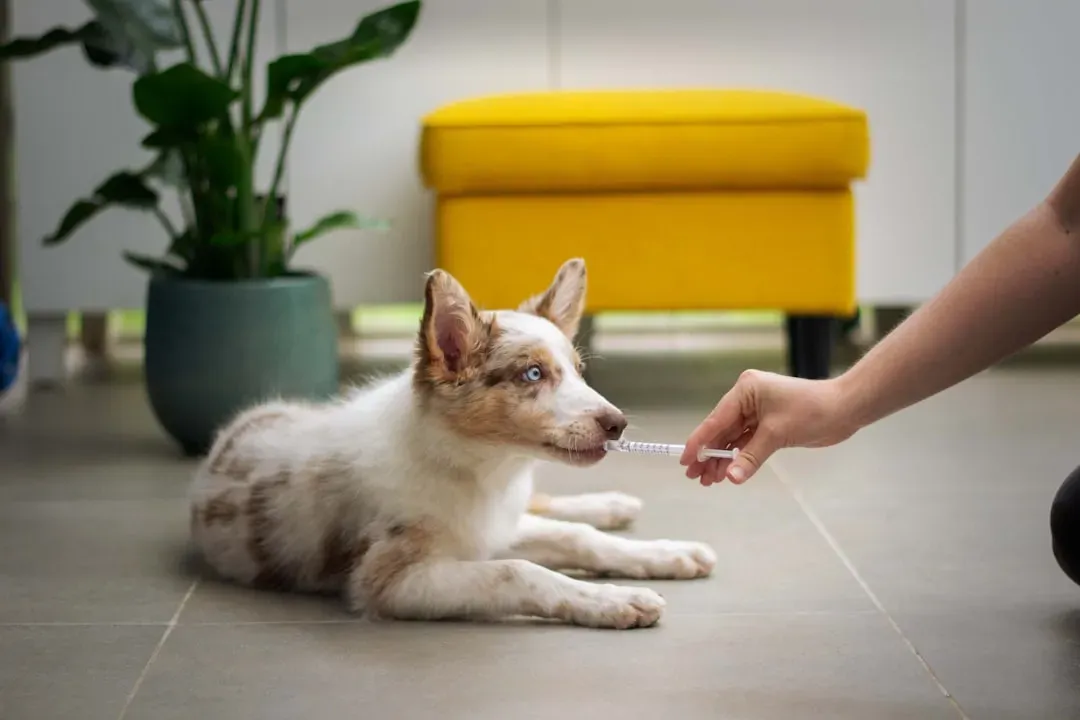
Honestly, this one surprises people. Most dog owners think once a year is plenty. It isn’t, not anymore.
Senior pets, specifically dogs older than seven years, should be examined by their veterinarian every six months. This includes visibly healthy pets. Pets age faster than humans, so regular visits help detect issues early.
Think about it this way: one calendar year for a senior dog is like several human years flying by. A lot can change in that time. Regular vet visits and lab testing often allow you to catch health issues before they become clinically obvious, meaning they’re easier and less expensive to treat, offering a better prognosis for your dog.
Your pet’s senior care visit will include a nose-to-tail physical exam, dental assessment, and nutritional consultation. Thyroid testing and blood pressure measurement are also part of the picture, since high blood pressure is common in senior pets. That’s a lot of ground covered in a single appointment – and every bit of it matters.
Senior dogs are more prone to age-related conditions such as arthritis, diabetes, heart disease, and dental problems. Frequent wellness exams allow your veterinarian to detect changes early, update vaccinations, and recommend lifestyle adjustments.
2. Upgrade Their Nutrition for an Aging Body
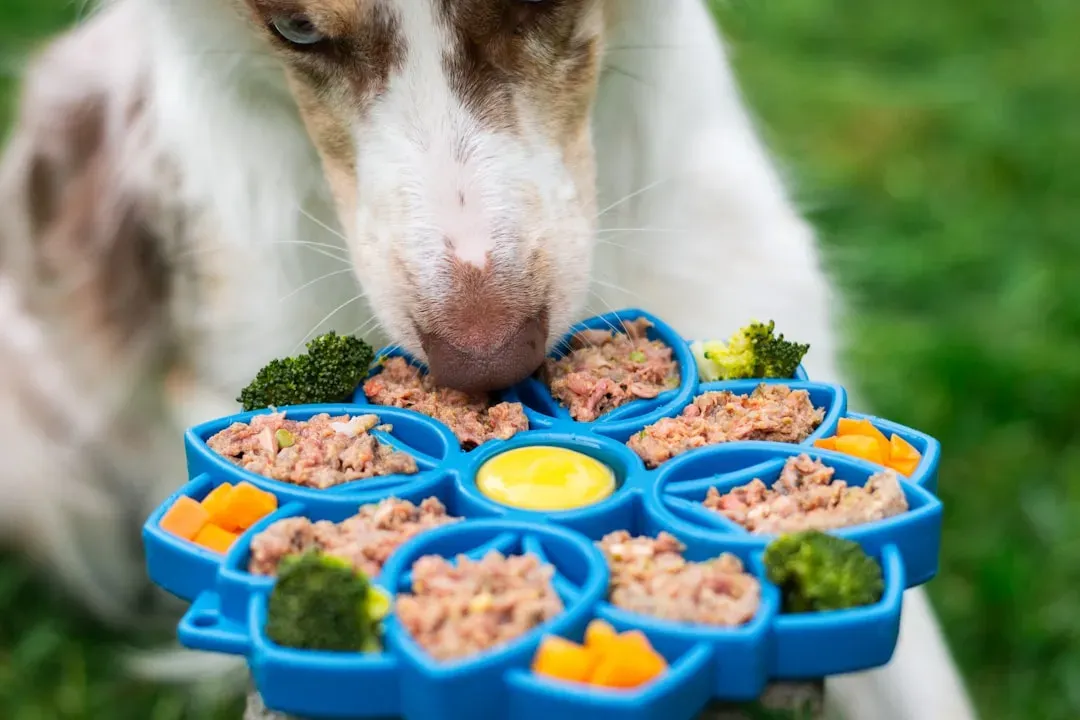
Food is medicine. You’ve heard it said about humans, and it’s just as true for a 10-year-old Labrador as it is for a 70-year-old person. What your dog ate at age two is probably not what they need at age nine.
Senior dogs often need fewer calories but more nutrients to maintain muscle and support joint health. Talk to your vet about switching to a senior-specific formula.
Choose a high-quality senior dog food that’s lower in calories but rich in nutrients like fiber, antioxidants, and omega-3 fatty acids. These nutrients help with joint function, heart health, and digestion. It’s a small swap that pays enormous dividends over time.
Weight management is also a huge piece of this puzzle. Extra pounds put unnecessary strain on joints and organs. Maintaining a healthy weight minimizes the risk of arthritis, diabetes, and cardiovascular disease. Avoid free-feeding; instead, feed controlled portions twice a day to manage metabolism and prevent obesity. It’s not about being rigid, it’s about being smart.
3. Keep Them Moving With Gentle, Low-Impact Exercise
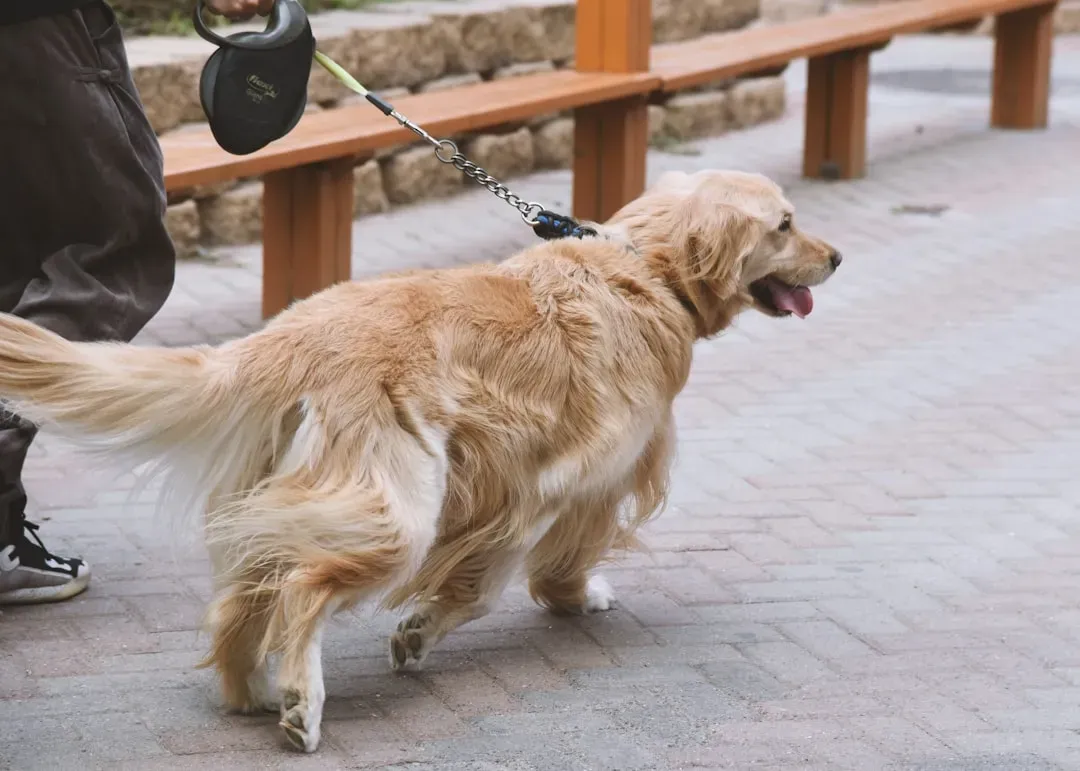
Here’s a mistake well-meaning owners make all the time: they see their dog slowing down and assume rest is what they need most. In reality, stopping exercise altogether can accelerate decline faster than almost anything else.
While it is natural for older dogs to become less active, it is important to make sure they still get some age-appropriate exercise. Exercise can help minimize loss of muscle and strength, decrease weight gain and obesity, and can help with joint pain and stiffness.
When considering exercise options for senior dogs, prioritize activities that are gentle on their joints and encourage movement without overexertion. Short, frequent walks are an excellent choice, allowing your dog to enjoy the outdoors at a comfortable pace. Swimming is another low-impact exercise that helps maintain muscle strength and cardiovascular health while minimizing joint stress.
Instead of taking one 30 to 40-minute walk per day, try walking 15 to 20 minutes twice a day. That simple split keeps energy expenditure manageable while still delivering all the benefits. Even short periods of movement promote better circulation and a happier mood. Be sure to watch for signs of fatigue and adjust the intensity to suit your pet’s ability.
4. Create a Comfortable, Safe Home Environment
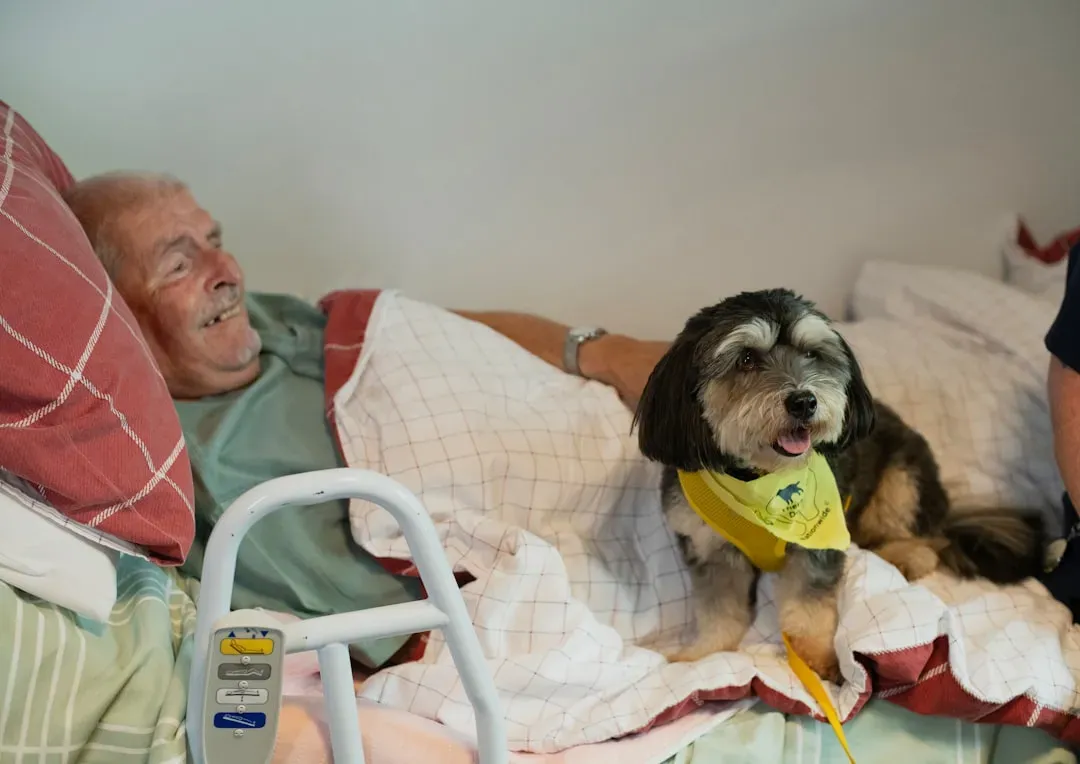
Your home, which was once perfectly set up for a spry young pup, might quietly be working against your senior dog now. Slippery floors, high furniture, and steep stairs can turn an ordinary Tuesday into an injury risk.
Simple home adjustments can make daily life easier for older dogs. If you have hardwood or tile floors, add non-slip rugs to help prevent slipping. Ramps or pet stairs can make furniture and vehicles easier to access, and an orthopedic bed can provide comfort for joints and muscles.
Older dogs need extra rest, so provide a quiet, cozy space where they can relax without disturbances. Orthopedic or memory foam beds help cushion joints and regulate body temperature. Keep their sleeping area clean, warm, and easily accessible, especially if they struggle with stairs.
Pets with poor eyesight or even blindness can still get around well as long as they are familiar with their surroundings. If your pet’s eyesight is failing, avoid rearranging or adding furniture or other items that could become obstacles. Think of it like keeping the layout of a familiar map intact. Your dog has it memorized, and changing it creates real confusion and distress.
5. Stimulate Their Mind Every Single Day
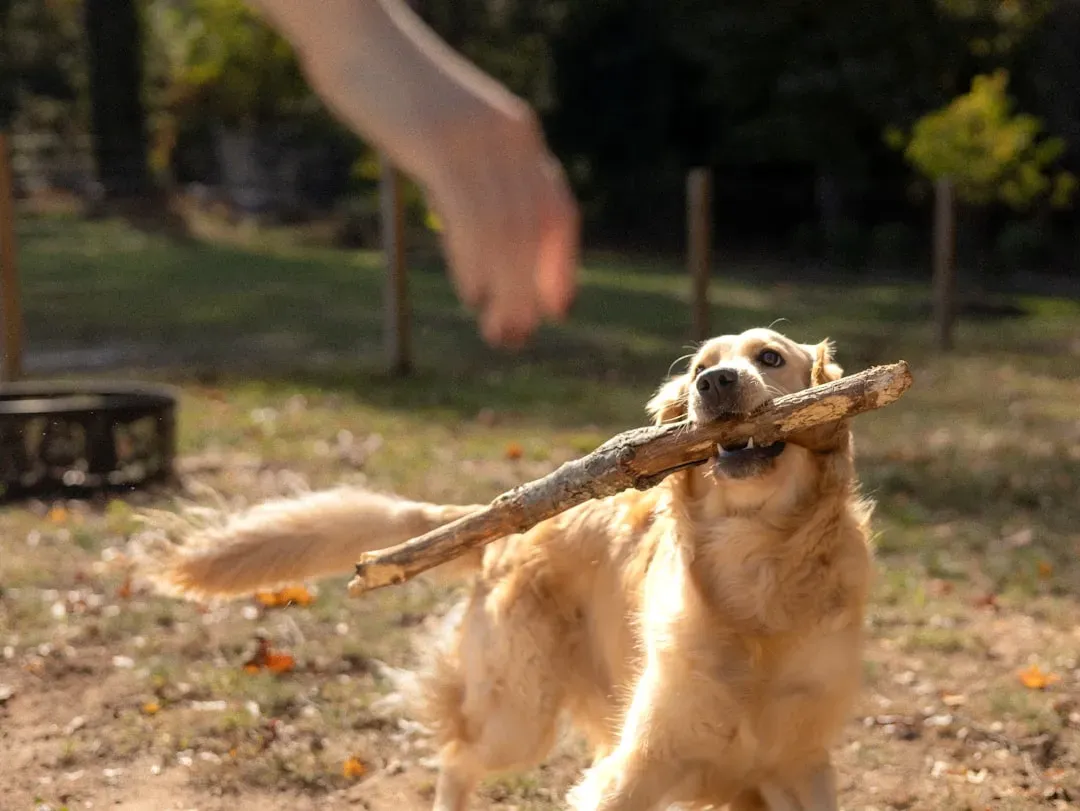
Physical health gets most of the attention, but cognitive health? That’s the quiet area where a lot of senior dogs start to struggle. I think of it like this: a dog’s brain is like a muscle, and if you stop exercising it, it atrophies too.
Providing mental stimulation for senior dogs is essential to keeping their minds sharp and preventing cognitive decline. Engage them in activities that challenge their problem-solving abilities and encourage curiosity.
Look for treat-dispensing puzzle toys or hide small pieces of kibble in safe, easy-to-navigate areas around the home. Offer items that carry enticing scents, like soft blankets or plush toys, so the dog can investigate them. Gentle sniff-and-search games challenge cognitive function and foster engagement without putting undue stress on joints.
Keeping your dog’s brain active is just as important as physical exercise. Puzzle toys, scent games, and new tricks keep cognitive functions sharp and prevent boredom. Interactive play strengthens your bond and encourages curiosity. Even a daily change of scenery, like a new walking route, can offer fresh mental stimulation. Small, consistent moments of engagement add up to something profound over months and years.
6. Stay on Top of Dental Health and Grooming
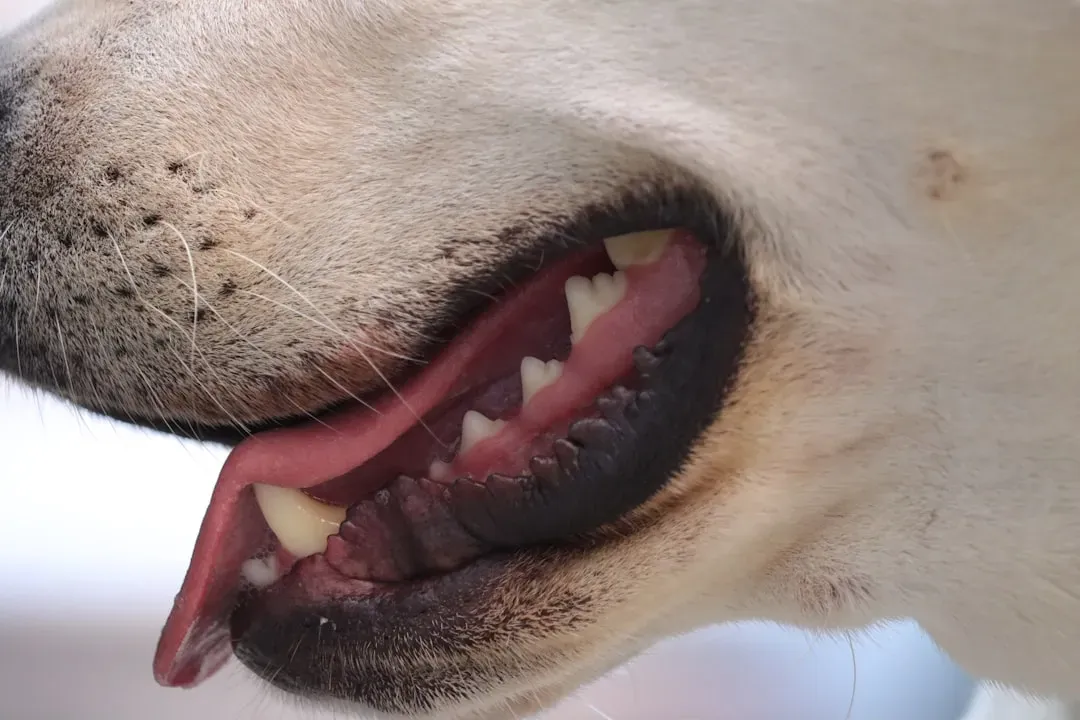
Let’s be real: dental care is the most overlooked part of senior dog ownership. It’s not glamorous. It’s not as emotionally obvious as a long walk or an extra cuddle. Yet it may be one of the highest-impact things you can do.
Older dogs are still prone to dental and periodontal disease, so dental care remains extremely important as they age. Left untreated, it can lead to gum inflammation, tooth loss, or infections that affect overall health.
If possible, brush your dog’s teeth regularly using a soft brush and vet-approved toothpaste. Even with daily brushing, professional cleanings and dental chews are recommended to help maintain good oral health. It sounds like a lot, but once it becomes part of the routine, it takes less than two minutes a day.
Grooming matters too, and not just for appearances. Grooming routines for senior dogs require special attention to ensure their comfort and health. Regular grooming is essential as older dogs often have drier skin and may be more prone to matting and skin issues. Check your pet’s nails regularly, as if they get too long it may make it harder for them to get around, particularly on hard surfaces. It’s all connected in ways most people don’t realize until something goes wrong.
7. Give Them Routine, Companionship, and Emotional Security
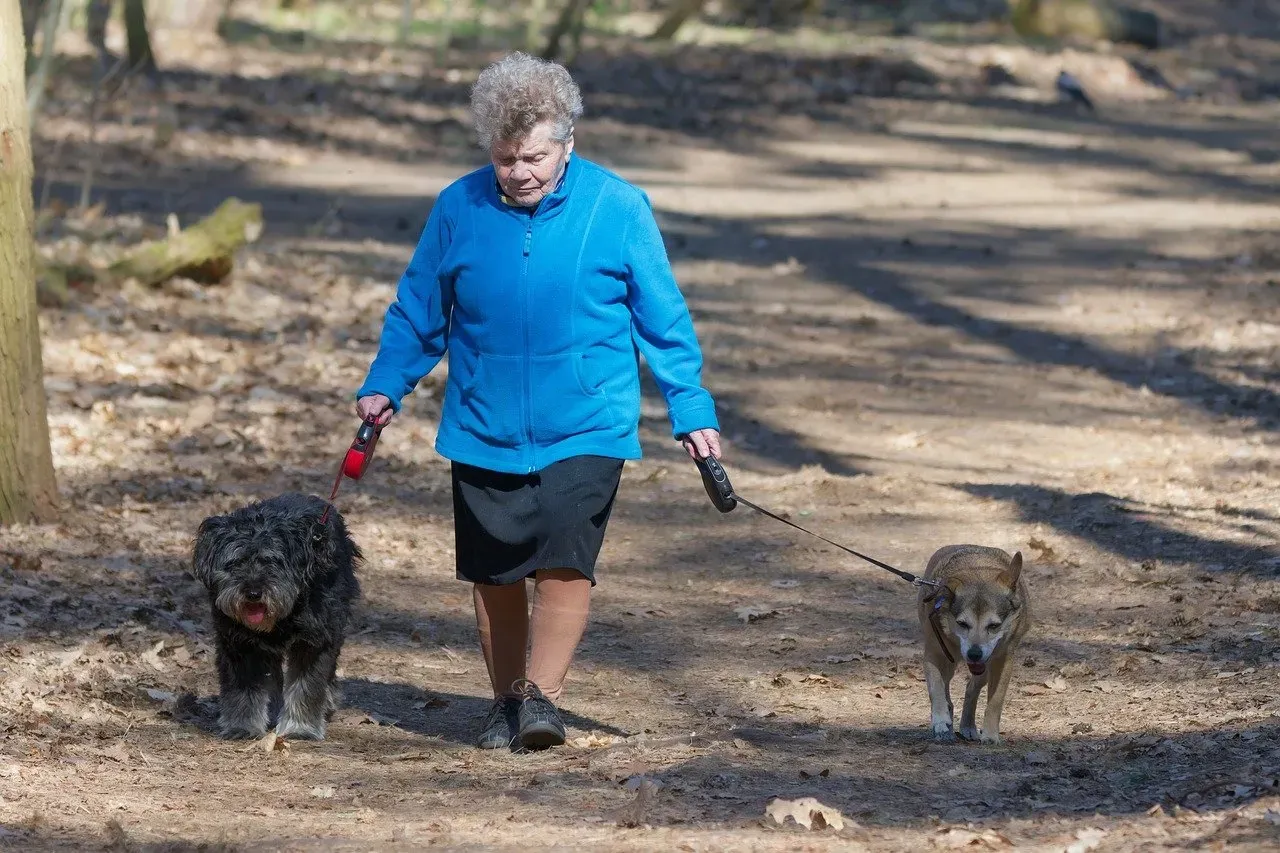
This last one might be the most underrated of them all, and honestly, it costs nothing. Senior dogs don’t just need medical care and physical support. They need to feel safe, loved, and like the world around them makes sense.
All dogs thrive on routine, but none more so than senior dogs. Particularly as their cognition begins to decline, predictability in their day-to-day life is incredibly important. It’s very comforting for them to get up, be fed, go for walks and enjoy playtime at similar times each day.
Dogs that appear to be slowing down still want your love and affection. Continue to engage with your dog through gentle play, petting, and verbal interaction. While senior dogs’ energy levels may decrease, their need for companionship remains.
Although they may not play as vigorously as they once did, senior dogs still benefit from sniffing, interacting and relaxing with dogs of a similar temperament and energy level. Social connection, human and canine alike, genuinely shapes their emotional wellbeing. Small changes in their food, exercise, environment and care can make a huge difference to their quality and length of life. Don’t underestimate the power of simply being present with them.
Conclusion: Every Golden Day Counts
Caring for a senior dog isn’t about slowing down together. It’s about shifting how you show up. The long hikes might get shorter. The fetch sessions might turn into gentle sniff walks. That’s okay. More than okay, actually.
What matters is that you stay curious about their needs, stay consistent with their care, and stay connected to the dog in front of you, not the dog they used to be. The grey muzzle, the slower pace, the longer naps – those aren’t signs that the best days are behind you. They’re an invitation to love differently, and maybe more deeply.
Think about it: what small change could you make this week that your senior dog would genuinely thank you for? Sometimes, all it takes is one good decision to give them more good years.

- Elephants Communicate With Each Other Using Sounds We Cannot Hear - July 26, 2026
- 10 Surprising Foods That Are Actually Good For Your Dog’s Health - July 26, 2026
- Which Dog Breed Fits Your Zodiac Sign’s Emotional Needs Best? - July 26, 2026