
There’s something deeply moving about the bond between humans and animals. We tend to think of ourselves as the caretakers, the protectors, the ones in charge. But history keeps proving us wrong in the most breathtaking ways. Time and time again, when disaster has struck and the odds were impossible, it has been an animal that stepped in, acted without hesitation, and changed the outcome entirely.
Honestly, some of these stories are so astonishing you’ll wonder how they haven’t been turned into blockbuster films already. From the trenches of World War I to open oceans and earthquake rubble, animals have risen to the occasion in ways that defy everything we thought we knew about instinct, intelligence, and loyalty. Let’s dive in.
Cher Ami the Carrier Pigeon: A One-Pound Hero Who Stopped a War
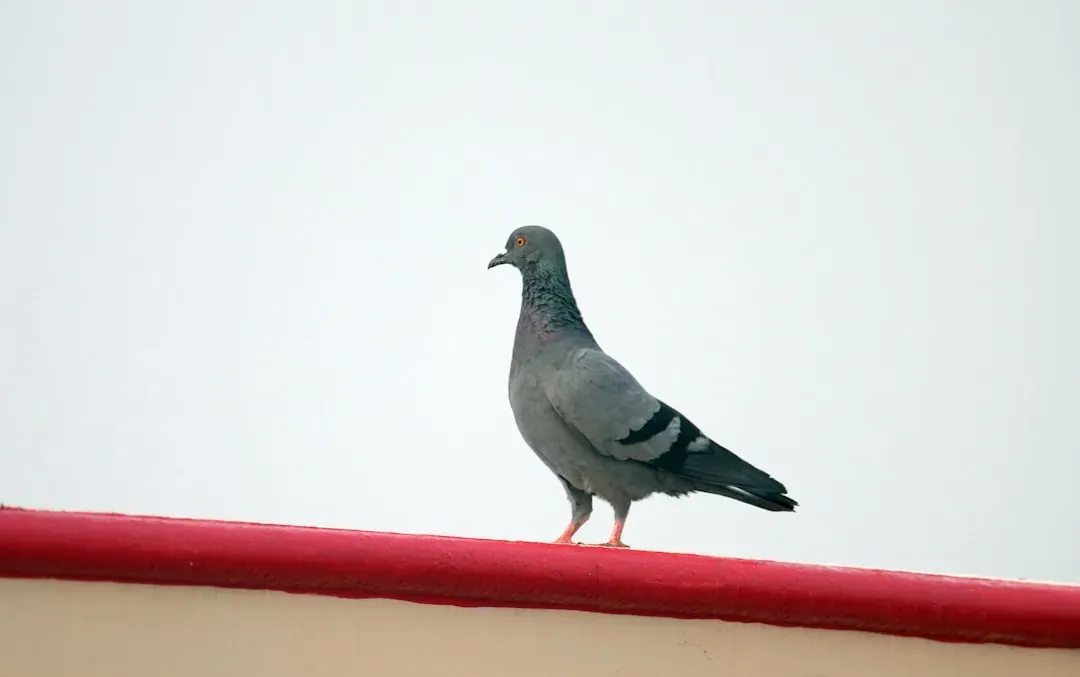
I think this is one of the most jaw-dropping stories in all of military history. Deep within a thick French forest in October 1918, roughly 550 men from the U.S. Army’s 77th Division pushed forward with orders to hold their position and advance. Commanded by Major Charles Whittlesey, these soldiers soon found themselves completely surrounded by German forces, cut off from reinforcements, food, and water.
The friendly fire killed approximately 30 soldiers and wounded dozens more. With radio communication useless and men dying by the minute, one last hope remained. Through pain, blood, and brutal skies, Cher Ami traveled 25 miles in just over 25 minutes. When she reached headquarters, she was barely alive, but the message remained attached to what was left of her leg.
Army medics were able to save Cher Ami, but he lost his right leg and was permanently blinded. Due to Cher Ami’s trip, the bombardment on the Lost Battalion stopped and 194 men safely returned to American lines. For this extraordinary act of courage, the French government awarded Cher Ami the Croix de Guerre with palm. A bird weighing barely more than a pound. A single mission. Nearly 200 lives saved.
Dogs and the Earthquake Rubble: Noses That Beat Every Machine
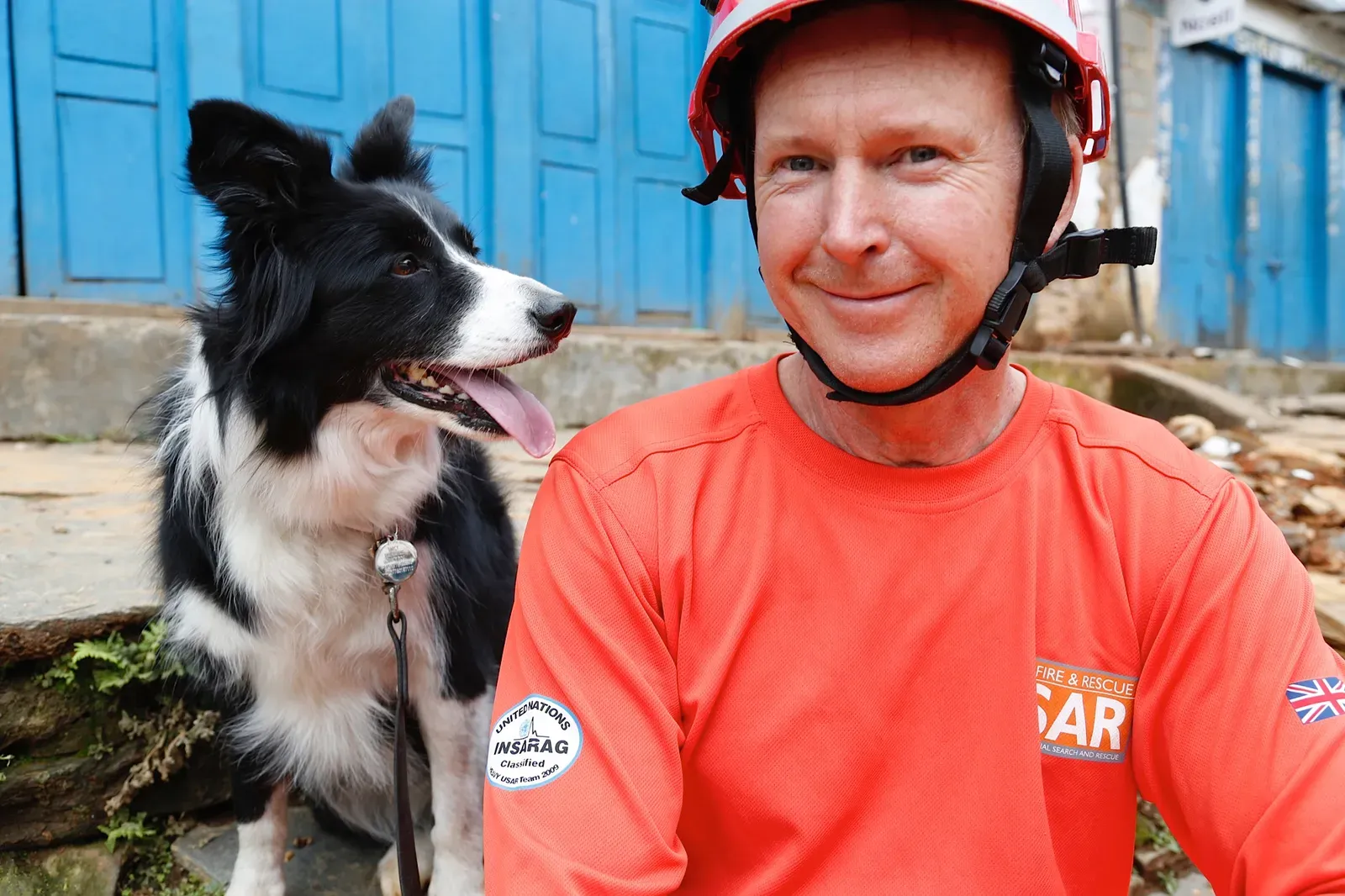
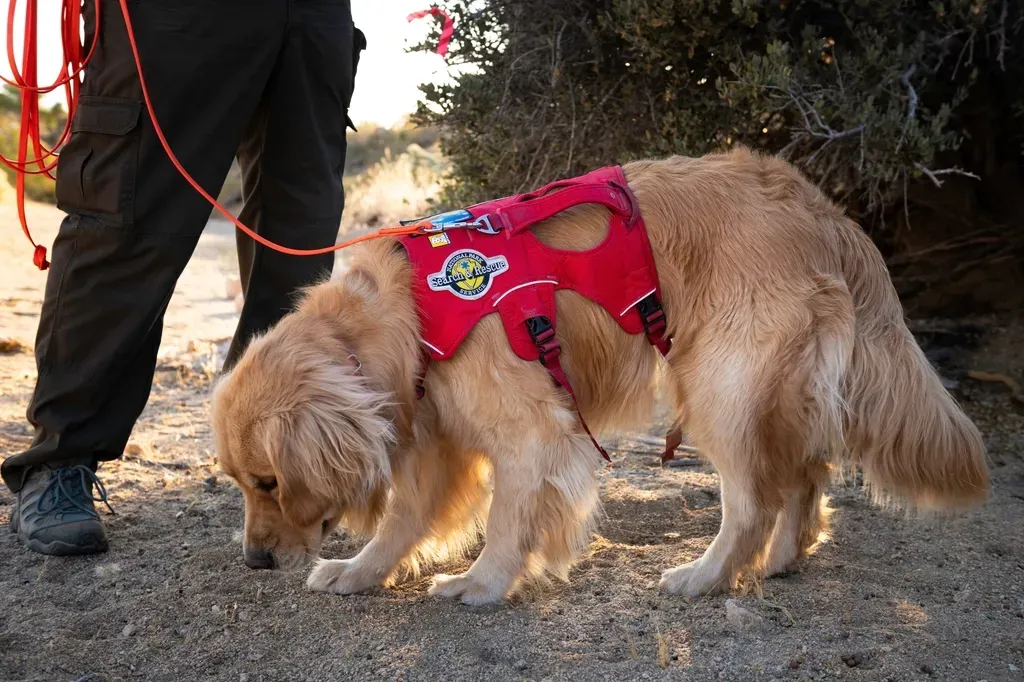
Here’s the thing about search and rescue dogs that most people simply don’t appreciate: no technology we have created even comes close to what they can do. Dogs play a crucial role in disaster rescue, as seen in recent search and rescue missions following the earthquake in Turkey. These four-legged heroes can climb, dig and run much faster than even the best human rescuer, and have a sense of smell that is 100,000 times as powerful.
Think about that for a moment. One hundred thousand times more powerful. That’s not a slight advantage. That’s a completely different universe of capability. One study estimated that roughly seven in ten searches carried out after a disaster are carried out by dogs.
The use of dogs in search and rescue operations can be traced back to ancient civilizations, where they were initially employed for hunting purposes. Over time, their remarkable sense of smell and tracking abilities were recognized and harnessed for life-saving purposes. In the 17th century, monks at the Great St Bernard Hospice developed the St Bernard breed. Initially kept as guard dogs, they began to take up a search and rescue role, locating travellers through thick snow, with the first written record occurring in 1690. For more than 250 years, dogs rescued travellers in this alpine pass. The most famous of all, Barry, saved more than 40 lives between 1800 and his death in 1814.
Dolphins: The Ocean’s Unlikely Lifeguards
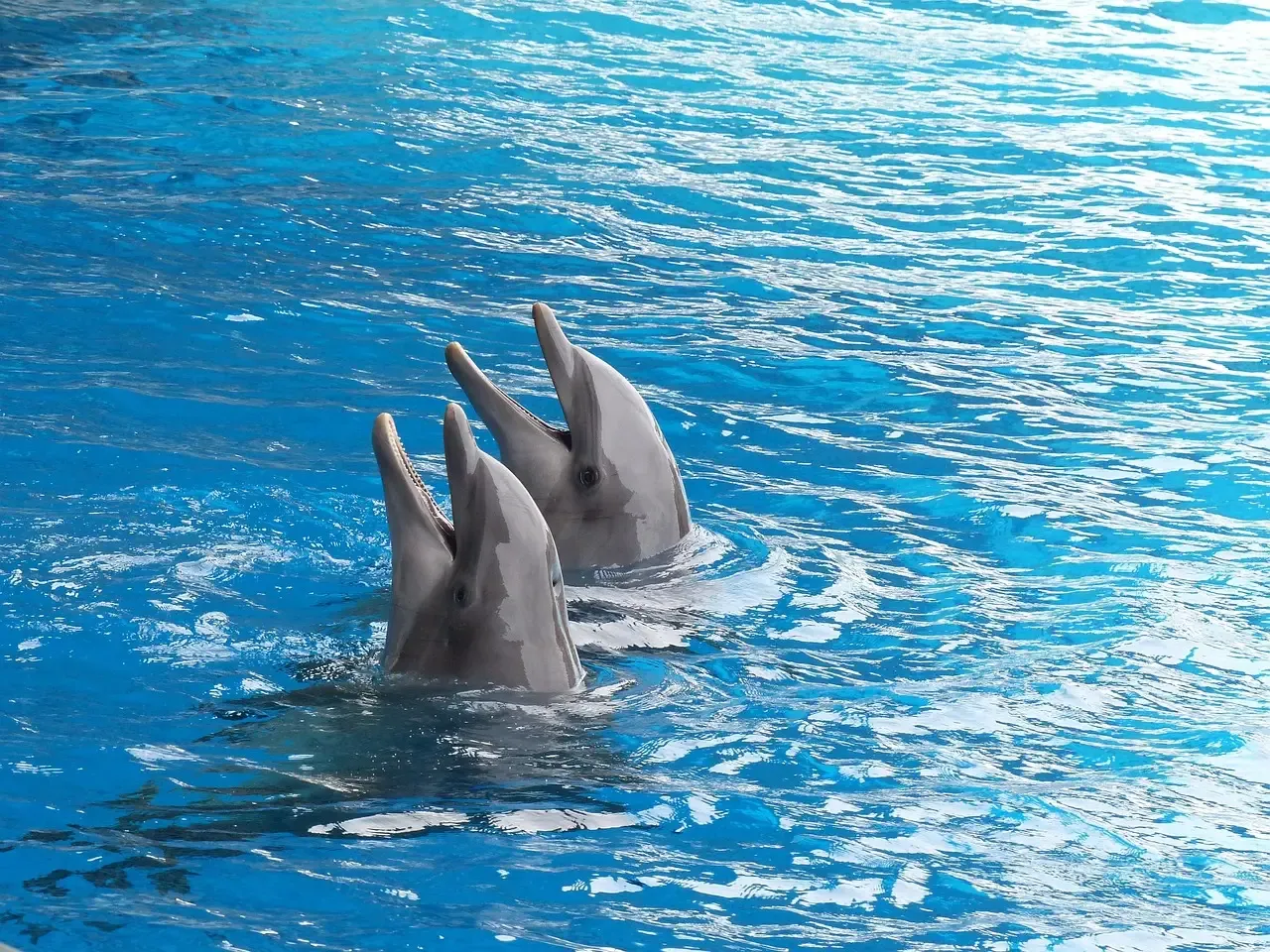
Dating back to Ancient Greece, there are dozens of claims of dolphins rescuing people from sharks, helping drowning sailors, and guiding boats through rough waters. It’s not just ancient mythology either. It’s still happening all the time.
One of the most remarkable modern stories involves a group of swimmers off New Zealand. Rob Howes, a British-born lifeguard, had gone swimming with his daughter and two of her friends off Ocean Beach near Whangarei when dolphins suddenly appeared. At first he thought the mammals were being playful, but he soon realized the danger the swimmers were in. The dolphins started to herd the group together by doing tight circles around them. When he tried to drift away, two of the bigger dolphins herded him back, just as he spotted a three-metre great white shark heading toward him.
Thanks to its sense of echolocation, a dolphin can hear the heartbeat and realize when a person is helpless. It is at that moment when they act as they would do it with a mate. Remarkable, and honestly still not fully understood by science. The reasons behind dolphins’ tendency to rescue humans are still not fully understood, but many theories have been put forward. Regardless of the reason, the fact remains that dolphins have repeatedly demonstrated their willingness to help humans in need.
Lulu the Pig Who Lay Down in Traffic to Save Her Owner
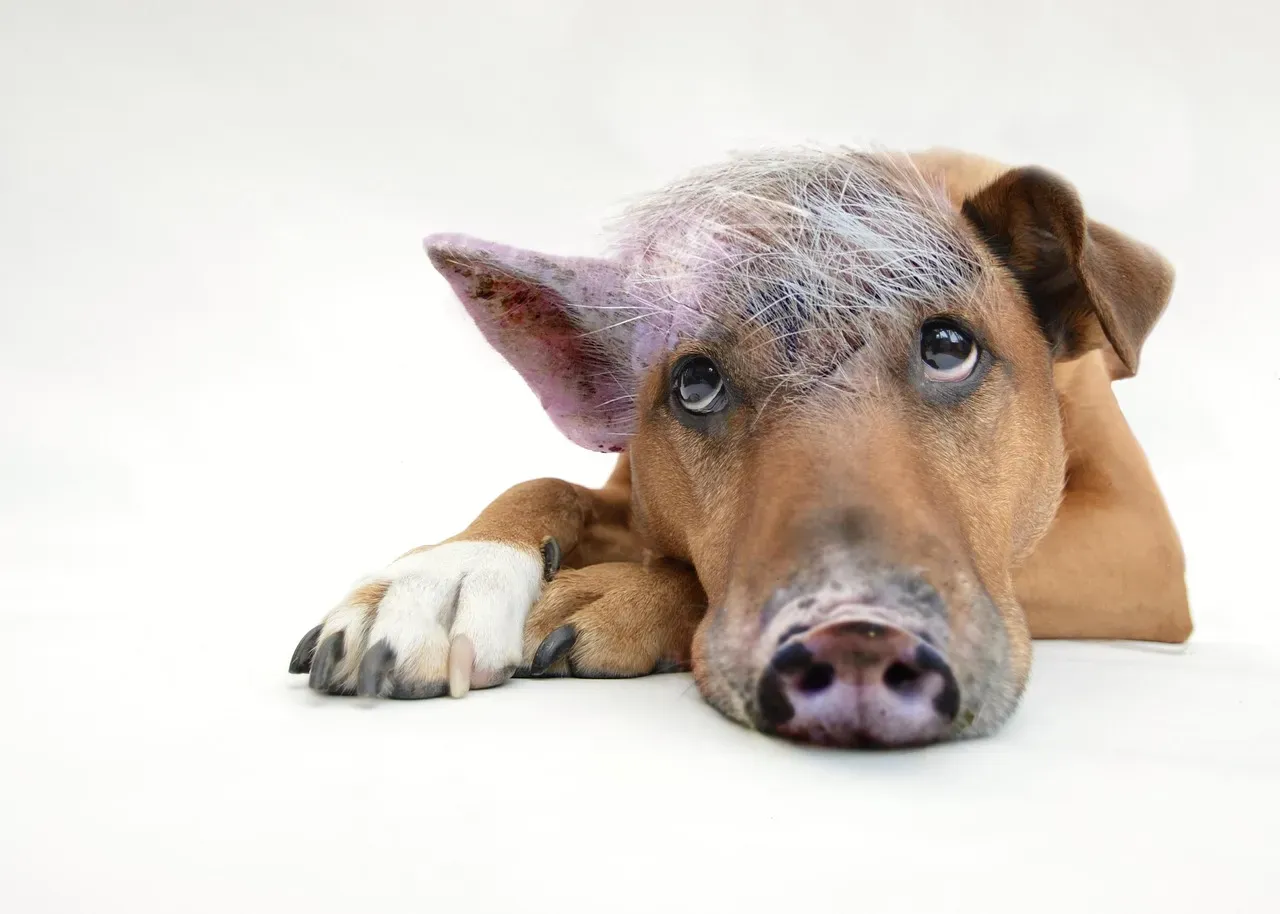
Let’s be real. When people list animals that could save your life in a medical emergency, pigs are probably not the first creature that comes to mind. Yet this story is one for the ages. When Jo Ann Altsman suffered a heart attack in her home, her faithful companion pig, Lulu, immediately knew something was wrong. After trying in vain to help Jo Ann up, she ran outside and stood in the road, oinking until finally one driver stopped to see why the pig was so distressed. Lulu led the man to Jo Ann, and thankfully an ambulance was called before it was too late.
Lulu squeezed her 150-pound body through the dog door, cutting her stomach as she shoved herself through. She somehow opened the fence gate, walked into the road, and lay down in the middle of traffic. Finally a good Samaritan stopped to check on her. She quickly led him back to Altsman, and he called for help.
Doctors who performed Altsman’s open-heart surgery told her that she wouldn’t have lived another 15 minutes. A pig. Lying in traffic. For her human. I know it sounds crazy, but that kind of loyalty is extraordinary by any measure.
An Elephant Who Sensed the 2004 Tsunami Before Any Warning System Did
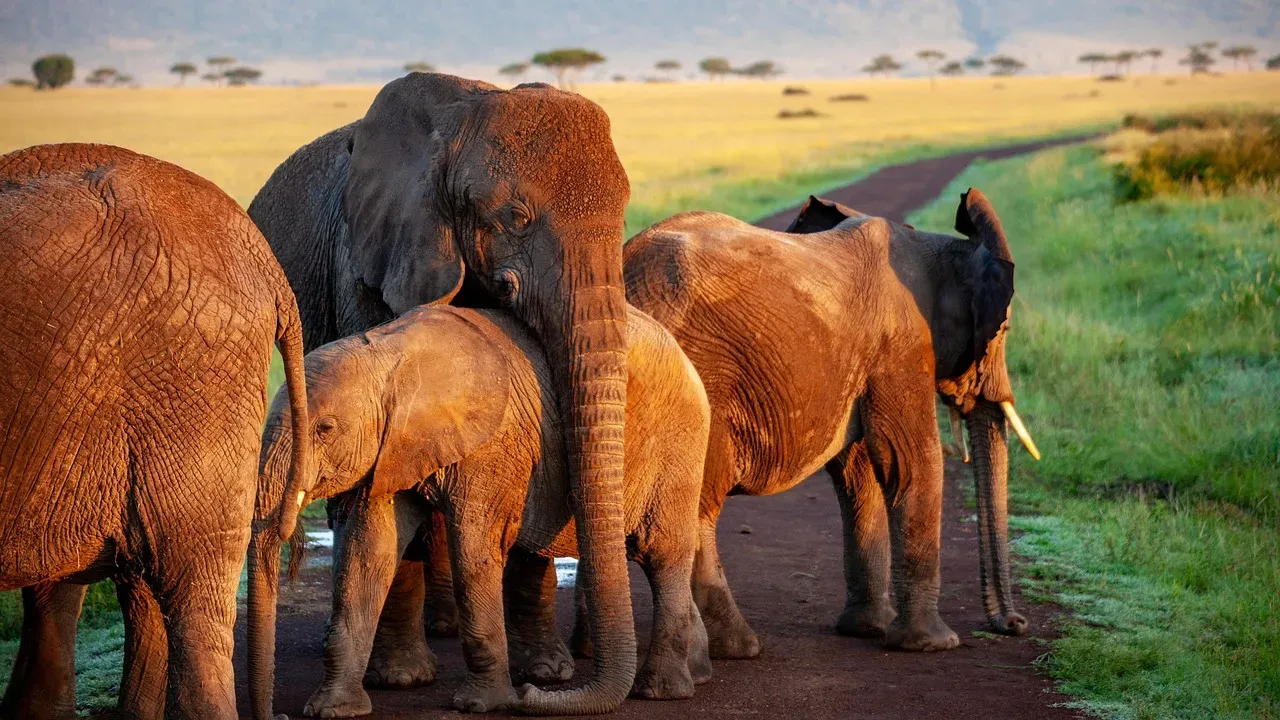
Animals detecting natural disasters before they happen is one of those phenomena science is still trying to fully explain. The 2004 Indian Ocean tsunami is one of the most tragic and devastating events in modern history, killing hundreds of thousands of people. Yet in at least one documented case, an animal sensed what no instrument could. During the 2004 tsunami that devastated parts of Southeast Asia, an elephant named Ning Nong sensed the upcoming danger and fled inland, carrying a young girl named Amber Mason from the beach he was on. Many animals are believed to sense seismic shifts long before humans, and Ning Nong’s instincts helped prevent Amber from becoming one of the countless casualties of that tragic day.
The idea that animals might perceive infrasound, ground vibrations, or pressure changes that are invisible to human senses is both humbling and fascinating. It’s like they carry a biological early warning system that we spent billions trying to replicate with technology. Throughout history, animals have saved human lives in unexpected ways, demonstrating incredible courage and compassion. These heroic acts often go unnoticed, but animals repeatedly prove they are capable of more than just companionship.
Three Lions Who Guarded an Abducted Girl in Ethiopia
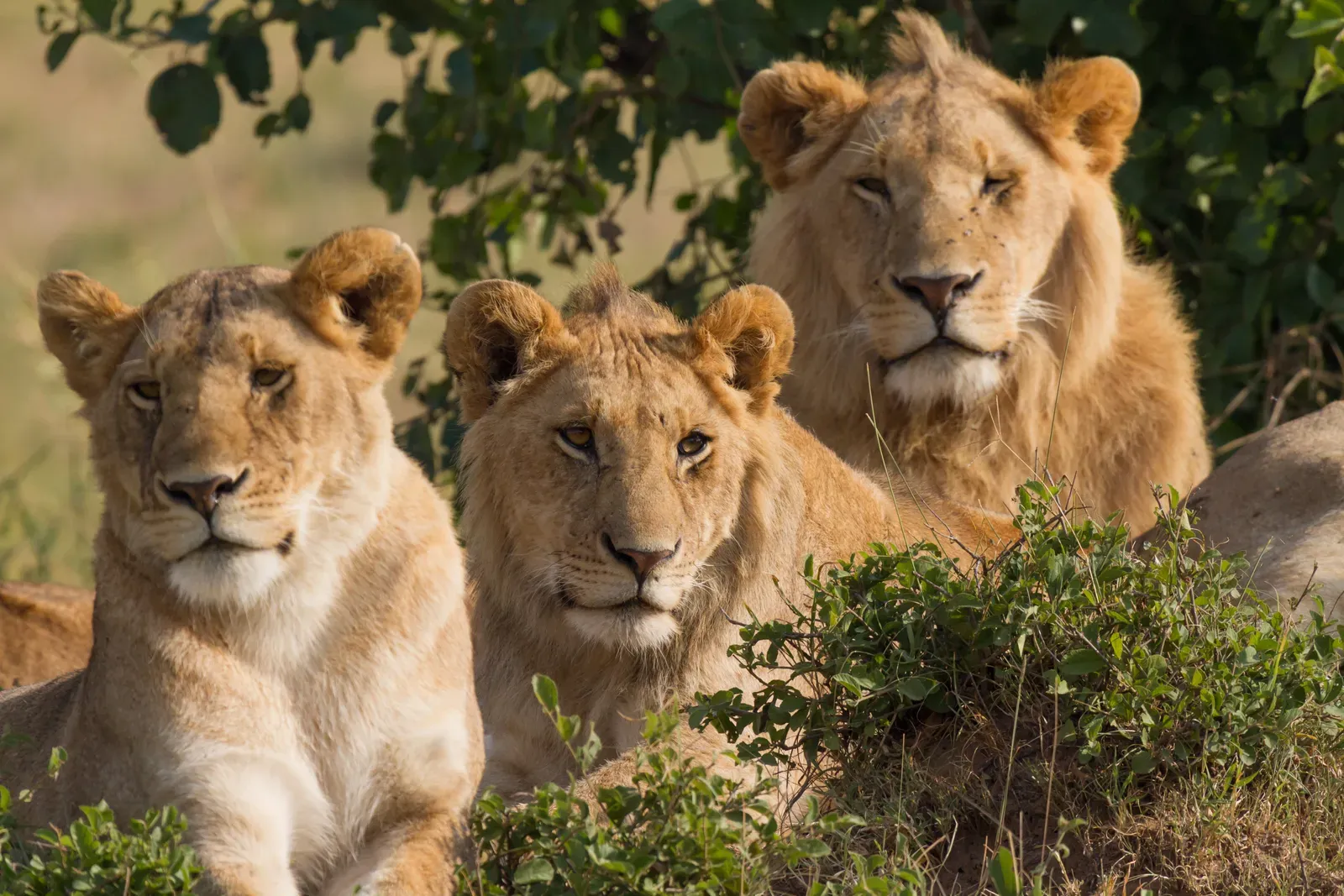
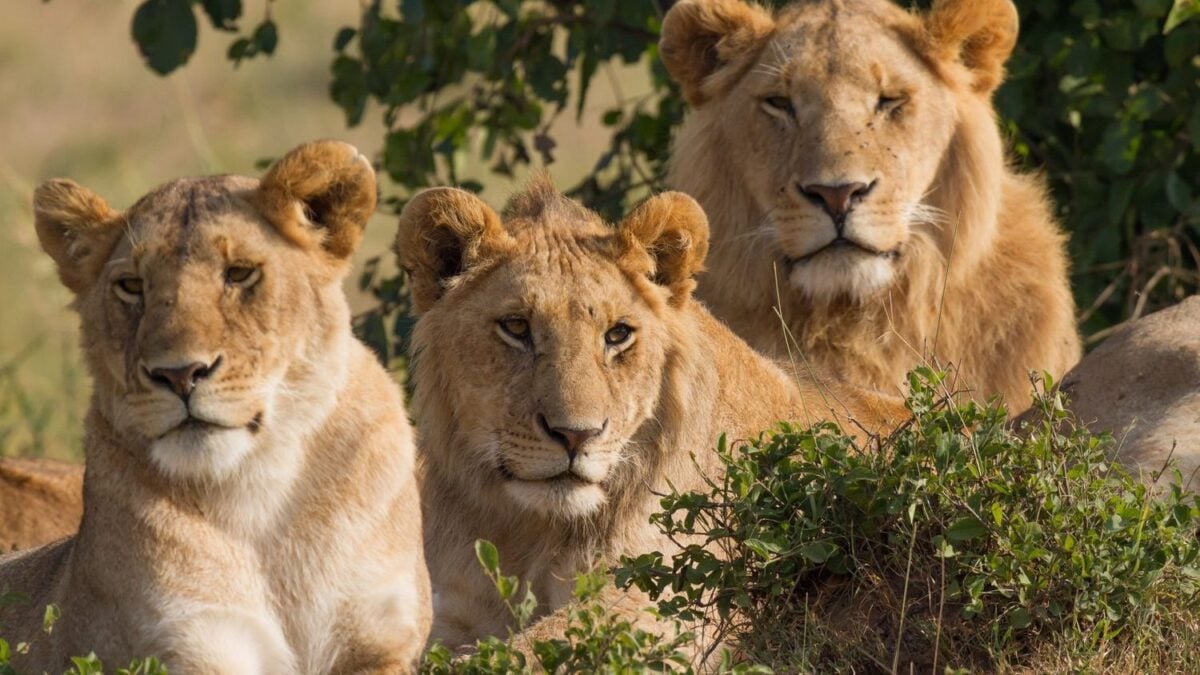
This one is almost impossible to believe. Yet it is documented. In 2005, a 12-year-old Ethiopian girl was abducted by men trying to force her into marriage. While searching for her in the wild a week later, police officers were stunned to find that three lions had chased her captors away and were now standing guard over the girl.
In June 2005, a twelve-year-old girl was snatched by four men in rural south-west Ethiopia as she made her way home from school. The lions, wild and unpredictable by nature, chose not to harm her. They stayed, circling and protecting, until help arrived. It’s hard to say for sure what motivated them. Was it her crying, which some suggested may have sounded like a cub’s distress call? Was it something else entirely?
Whatever the explanation, the result was clear. A child was alive because of three lions. Wild lions. The kind we typically think of as danger, not salvation. This story continues to challenge everything we assume about predatory animals and their relationship to human vulnerability.
Beavers Who Saved a Freezing Boy from Death in the Wild
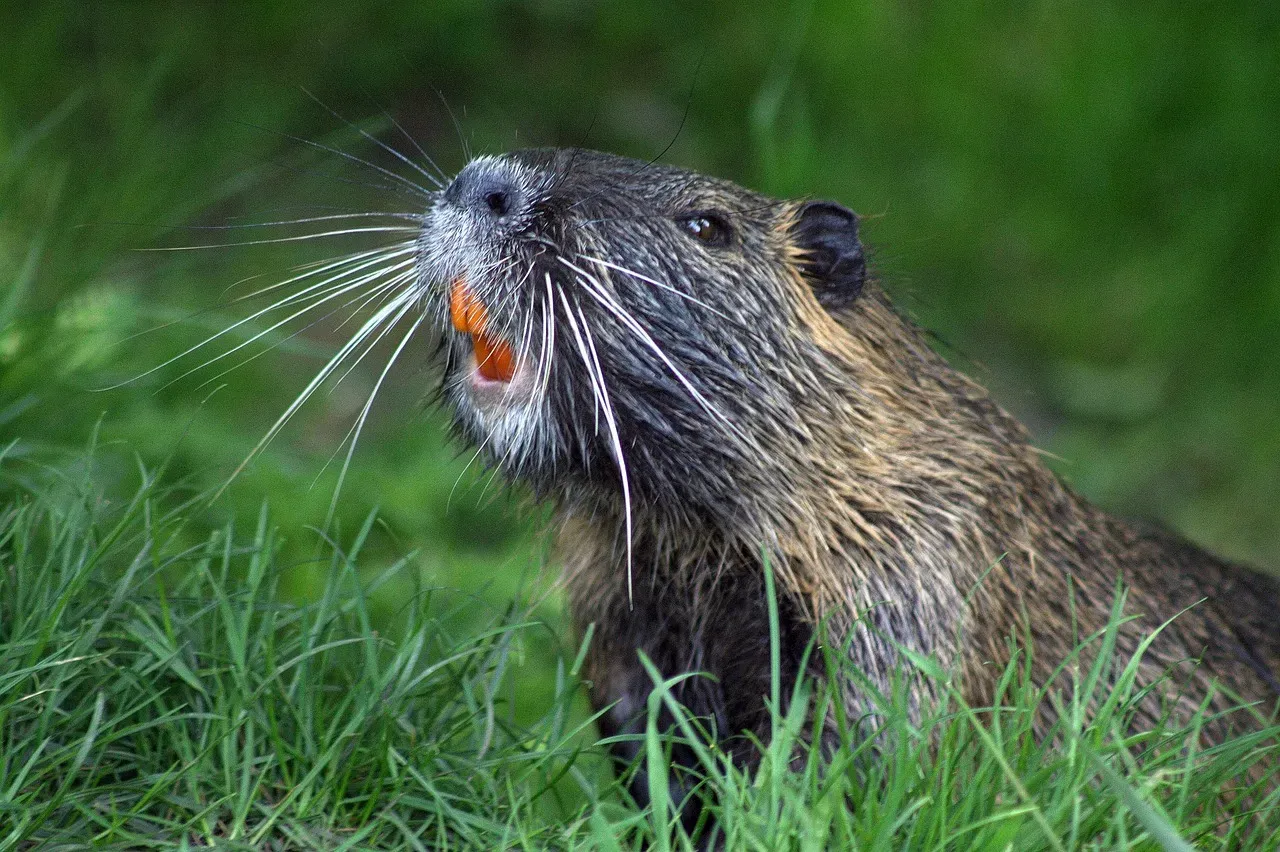
Sometimes the smallest, most unexpected animals become the most important ones in the room. Or in this case, the forest. A young boy in Ontario, Canada was camping with his parents and decided to stay on land while they boated. Tragically, the boat tipped over and the boy watched as his parents drowned. Sobbing, he tried walking toward a town. But as darkness crept in, he knew that he would have to sleep on the cold, damp ground.
As he lay on the ground, traumatized by his ordeal, he felt a warm, furry body press up against him. Thinking it was a dog, he fell asleep. On waking up the next morning, he found three wild beavers snuggled up against him. They had saved him from freezing to death overnight when temperatures had dipped below zero.
Wild beavers. Animals with no relationship to this child whatsoever. No training, no reward, no domestication. Just an instinct, perhaps a shared mammalian warmth, that kept a traumatized boy alive through a freezing night. It’s a quiet miracle, and it absolutely deserves more attention than it gets.
Dogs Alerting Families to Fire: The Unsung Heroes of Home Disasters
Of all the ways dogs protect us, this one plays out in homes around the world far more often than most people realize. Dianne Busscher was woken up at 4:45 a.m. by the cries of the family cat, Oreo, coming from the garage. She went downstairs to see what the fuss was about. What she saw was smoke and flames. She quickly grabbed the cat and rushed back inside to wake up her husband and their five children. The fire destroyed the garage and a bedroom. None of the family was harmed thanks to the cat’s cries.
Dogs, too, have a legendary record here. In 2008, a German Shepherd named Hero saved his owner from a fire by alerting him to danger. Despite the flames, Hero stayed by his owner’s side, guiding him toward the exit, which likely saved the man’s life. Tragically, Hero perished in the fire, but his incredible sacrifice left a lasting legacy of loyalty and bravery.
When Kelsey’s owner slipped and fell in the snow in the Michigan wilderness and broke his neck, Kelsey the golden retriever laid on top of her owner for 19 hours while trying to get the attention of anyone nearby. Eventually someone came upon them and helped save her owner. Nineteen hours. Of warmth, of vigilance, of refusal to abandon. No human could ask for more loyalty than that.
Conclusion: Nature’s First Responders
There’s a reason these stories stay with us long after we first hear them. They tap into something deep, a reminder that the line between species is far thinner than we like to believe. A pig in traffic. A pigeon through enemy fire. A dolphin circling a drowning child. Three lions guarding a frightened girl in the dark.
The bond between humans and animals is truly extraordinary. Throughout history, animals have saved human lives in unexpected ways, demonstrating incredible courage and compassion. These heroic acts often go unnoticed, but animals repeatedly prove they are capable of more than just companionship. Their loyalty extends far beyond simple friendship, with animals stepping in to protect humans in times of need.
Every one of these stories is a quiet argument for treating the animal world with more respect, more wonder, and perhaps a little more humility. We didn’t earn these rescues. We didn’t deserve them. They happened anyway. So here’s a thought worth sitting with: if animals can show up for us in our darkest moments without hesitation, what does that say about how we should show up for them?
What would you have guessed if someone had told you a pig in traffic would one day save a human life?

- 8 Incredible Ways Animals Have Helped Humans in Times of Crisis - July 28, 2026
- Why America’s Biggest River Could Dry Up by 2050 - July 28, 2026
- 6 Common Plants That Are Essential for Backyard Wildlife - July 28, 2026