

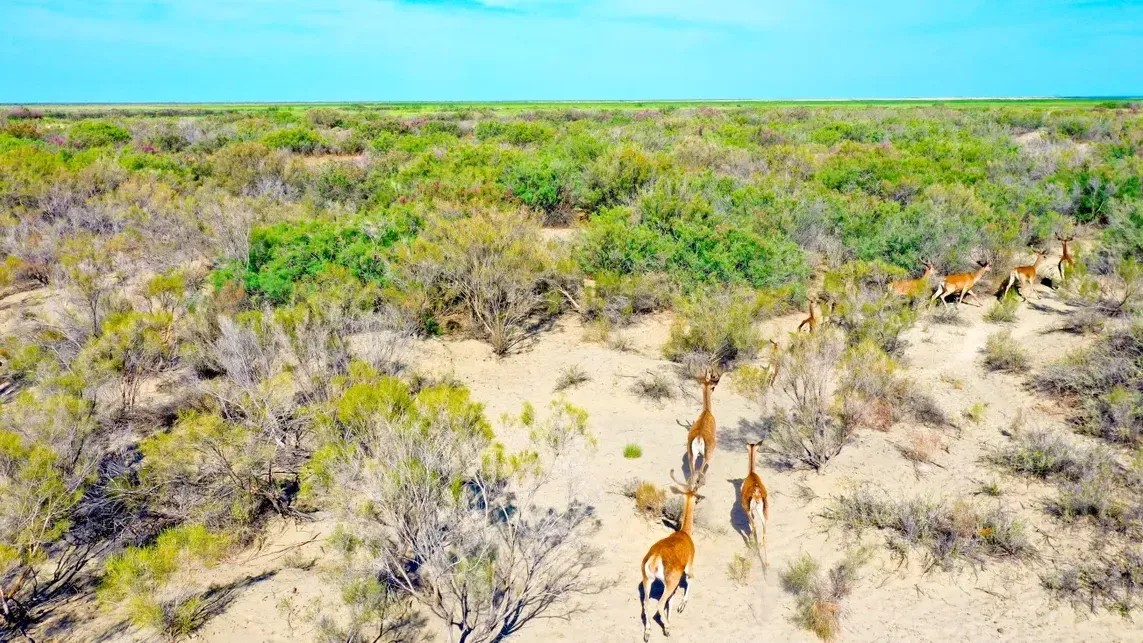
There’s something almost mythical about the idea of tigers roaming the vast steppes and wetlands of Central Asia. For most people, tigers conjure images of dense Indian jungles or Southeast Asian rainforests – not the sweeping landscapes of Kazakhstan. Yet that’s exactly where one of the most ambitious wildlife restoration projects on the planet is quietly unfolding.
This isn’t just a conservation story. It’s a story about reversing a century of ecological damage, one tree at a time. The scale is staggering, the ambition is bold, and honestly, the whole thing feels a little like science fiction brought to life. Let’s dive in.
The Caspian Tiger Once Ruled These Lands
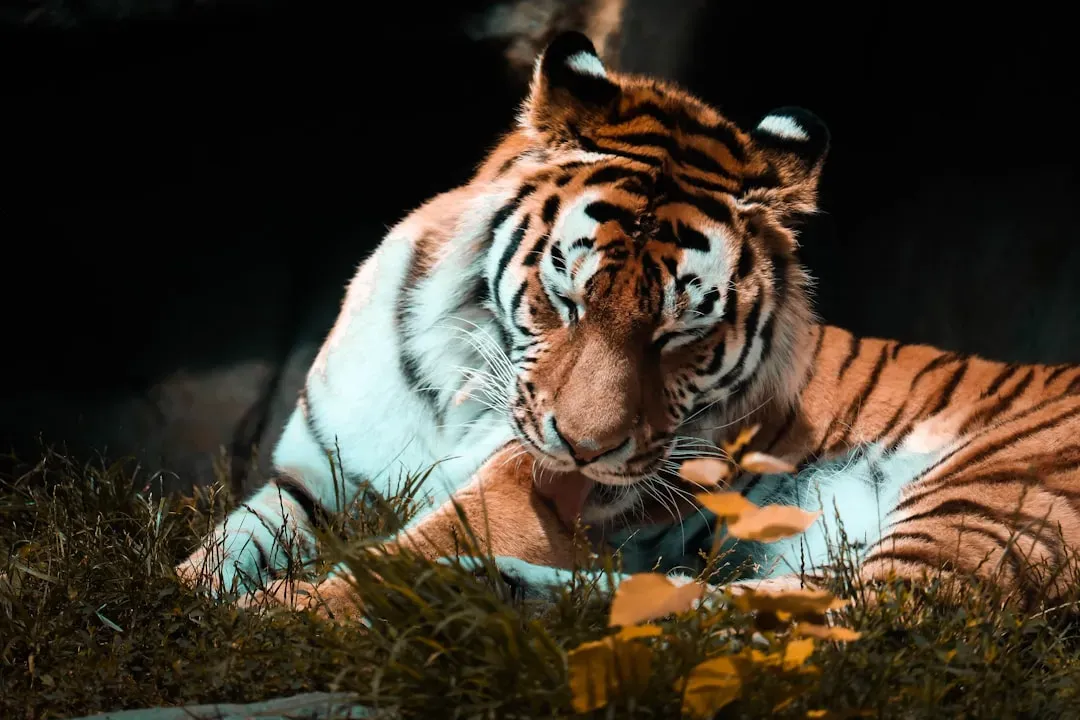
Here’s something most people don’t know: tigers used to be native to Central Asia. The Caspian tiger, a now-extinct subspecies, once prowled the dense tugai forests along the rivers and wetlands of Kazakhstan, Iran, and surrounding regions. These were powerful, large animals – not so different from the Amur tiger of the Russian Far East – and they thrived in riverine ecosystems for thousands of years.
The last confirmed Caspian tiger sightings occurred in the mid-twentieth century. Hunting, habitat destruction, and the systematic extermination of prey species wiped them out completely. It’s one of those extinction stories that doesn’t get nearly enough attention, and honestly, it should haunt us.
What’s remarkable is that scientists believe the genetic gap left by the Caspian tiger can actually be filled. DNA analysis has shown that the Amur tiger, also known as the Siberian tiger, is the closest living relative to the extinct Caspian subspecies. That discovery opened a door that conservationists are now sprinting through.
Kazakhstan’s Masterplan to Restore an Entire Ecosystem
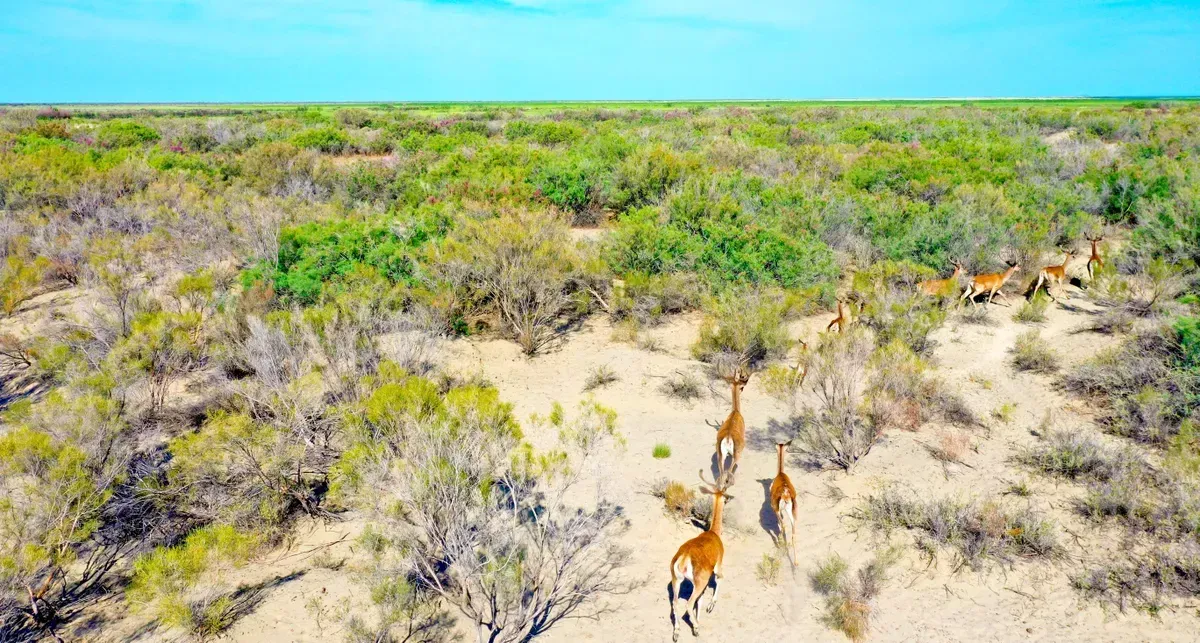
The project is centered around the Ili River delta and the surrounding Balkhash region in southern Kazakhstan. This area was once prime Caspian tiger territory, rich with tugai forest – a specialized type of dense, riparian woodland that grows along Central Asian rivers. The problem is that much of this forest was stripped away over decades of Soviet-era agriculture and water diversion.
Kazakhstan’s government, working alongside the World Wildlife Fund and other conservation partners, launched a sweeping plan to restore this habitat before any tigers are introduced. The logic is simple but important: you can’t release tigers into a barren landscape. You need prey, you need cover, and you need a functioning ecosystem. Planting trees is where that process begins.
Tens of thousands of trees have already been planted as part of this effort, with projections aiming for even larger numbers in the coming years. The goal is to rebuild enough tugai forest to eventually support a self-sustaining tiger population. It sounds like an enormous undertaking – because it is.
Why Trees Are the Foundation of the Entire Plan
Think of it like renovating a house before you move in. You wouldn’t furnish a building with no walls or roof. In the same way, tigers can’t be released into a habitat that lacks the structural complexity they need to hunt, shelter, and raise cubs. Trees are the walls of this ecological house.
Tugai forest is particularly important here. It’s a dense, layered habitat featuring poplar trees, willows, and thick undergrowth that thrives near water sources. This kind of vegetation supports the entire food web, from insects and birds all the way up to large mammals like wild boar and deer – the very prey species that tigers depend on.
The tree-planting initiative is therefore not just symbolic. Each sapling represents a calculated investment in a specific ecological outcome. It’s painstaking, slow, and requires enormous patience. But conservation biology has shown time and again that habitat restoration is the non-negotiable foundation of any successful species reintroduction.
What Tigers Will Actually Be Released and When
The plan calls for the eventual introduction of Amur tigers into the restored habitat, given their close genetic relationship to the extinct Caspian subspecies. These animals would be carefully selected and, over multiple generations, are expected to adapt to their new Central Asian environment.
Conservationists are realistic about the timeline. Initial estimates suggest it could take fifteen years or more before tigers are actually released into the wild in Kazakhstan. The habitat needs to reach a sufficient level of maturity first, and prey populations must be robust enough to sustain large predators without collapsing.
It’s a long game. Honestly, that kind of multigenerational thinking is rare in conservation circles, where funding cycles and political priorities shift constantly. The commitment Kazakhstan has shown to playing the long game here is one of the more quietly inspiring things happening in wildlife conservation right now.
The Scale of the Planting Effort Is Hard to Wrap Your Head Around
Let’s be real: when people hear “tree planting,” they often imagine a feel-good weekend activity with volunteers and shovels. What’s happening in Kazakhstan is categorically different. Tens of thousands of trees are being planted across a carefully selected landscape, coordinated with hydrological management and prey species reintroduction simultaneously.
The effort requires coordinating water flow from the Ili River to ensure that replanted tugai areas receive adequate moisture. Without that, the saplings simply won’t survive the harsh Central Asian climate, which swings between brutal winters and scorching summers. It’s not just about planting – it’s about engineering an entire ecological corridor.
Species like wild boar, roe deer, and Bactrian deer are also being reintroduced alongside the vegetation work, building the prey base from the ground up. Every element of the ecosystem is being carefully layered back into place. Think of it as ecological origami – intricate, deliberate, and requiring extraordinary precision.
Local Communities and the Human Side of This Story
Any conservation project of this scale lives or dies on local support. Kazakhstan’s government has worked to involve surrounding communities in the planning process, recognizing that tiger reintroduction could affect livestock herders and farmers in the region. It’s hard to say for sure how smoothly that integration has gone in every area, but the intent appears genuinely collaborative.
The economic angle matters too. Successful wildlife reintroduction programs, like the famous wolf reintroduction in Yellowstone, have shown that restored ecosystems can generate significant ecotourism revenue. Kazakhstan appears to be banking on a similar outcome – transforming a degraded wetland region into a globally recognized wildlife destination.
There’s something deeply human about that ambition. People want to live somewhere meaningful, somewhere that history chose. Bringing tigers back to Central Asia wouldn’t just restore an ecosystem. It would restore a piece of a landscape’s identity that’s been missing for nearly a century.
What This Means for Global Conservation Efforts
Kazakhstan’s tiger reintroduction project is being watched closely by conservationists around the world, and for good reason. If it succeeds, it would represent one of the most significant large carnivore reintroductions in history – comparable in ambition to efforts to restore wolves in Europe or condors in North America, but arguably even more complex.
The project also sends a powerful signal that extinction doesn’t have to be the final word. With enough political will, scientific rigor, and long-term commitment, it’s possible to reverse some of the ecological damage that the twentieth century inflicted on the natural world. That’s not a small thing to say. I think it genuinely changes how we think about what’s possible.
Tigers now exist in perhaps a dozen countries. Adding Kazakhstan to that map – and doing so not by protecting a remnant population but by literally rebuilding an ecosystem from scratch – would be extraordinary. The trees being planted today are small, quiet, and easy to overlook. In a few decades, they might be the walls of a forest where tigers once again leave their footprints in Central Asian soil.
A Restoration Worth Rooting For
It would be easy to be cynical about a project this ambitious. Conservation efforts have failed before, promises have gone unfulfilled, and funding has dried up. Those concerns are real. Yet something about Kazakhstan’s approach – the methodical habitat restoration, the scientific grounding in Amur tiger genetics, the decades-long timeline – feels more serious than the average headline-grabbing announcement.
The world has lost so much wildlife in the past hundred years that stories of genuine restoration feel almost radical. What Kazakhstan is attempting here isn’t just a feel-good gesture. It’s a full-scale ecological resurrection project, rooted in science, backed by government commitment, and built one tree at a time.
If it works, it won’t just be a win for tigers. It’ll be proof that humans can choose differently. That we can look at a landscape we damaged and decide to make it whole again. And maybe that’s the most important takeaway of all – not just that tigers might return to Kazakhstan, but that we’re finally beginning to believe that kind of comeback is possible.
What do you think – is this the kind of long-term conservation thinking we need more of? Drop your thoughts in the comments.

- Urban Coyotes Show Remarkable Adaptability, Learning to Thrive in City Environments - July 22, 2026
- Beavers Are Nature’s Engineers, Creating Vital Habitats for Other Wildlife Species - July 21, 2026
- The Recovery of the California Condor Offers Hope for Other Critically Endangered Birds - July 21, 2026