
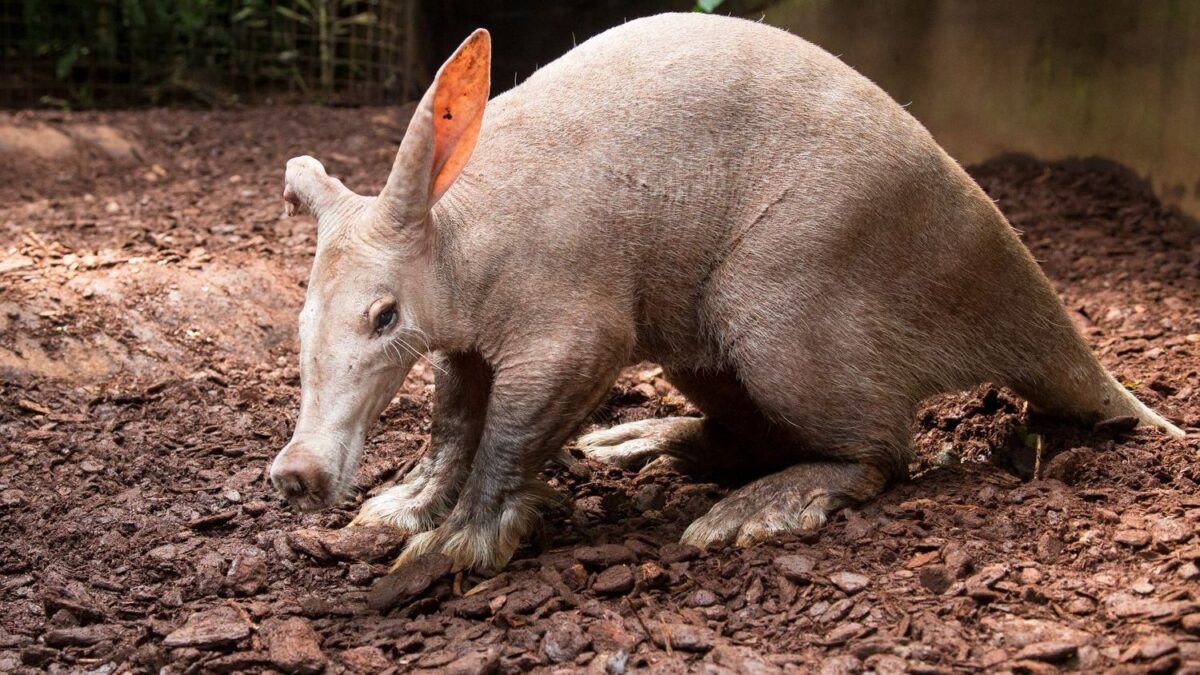
Most people can name Africa’s Big Five without blinking. But ask someone about the animal that quietly engineers the landscape every single night, carving tunnels through the earth while the continent sleeps, and you’ll likely get a blank stare. That’s the aardvark for you – utterly overlooked, almost mythically elusive, and honestly one of the most fascinating creatures on the planet.
This curious and nocturnal mammal, native to sub-Saharan Africa, is one of the most fascinating creatures on the planet, yet it is often overshadowed by iconic African wildlife like lions and elephants, despite playing a crucial role in maintaining balance in its ecosystem. There is so much going on beneath the surface – literally. Let’s dive in.
1. Its Name Literally Means “Earth Pig”
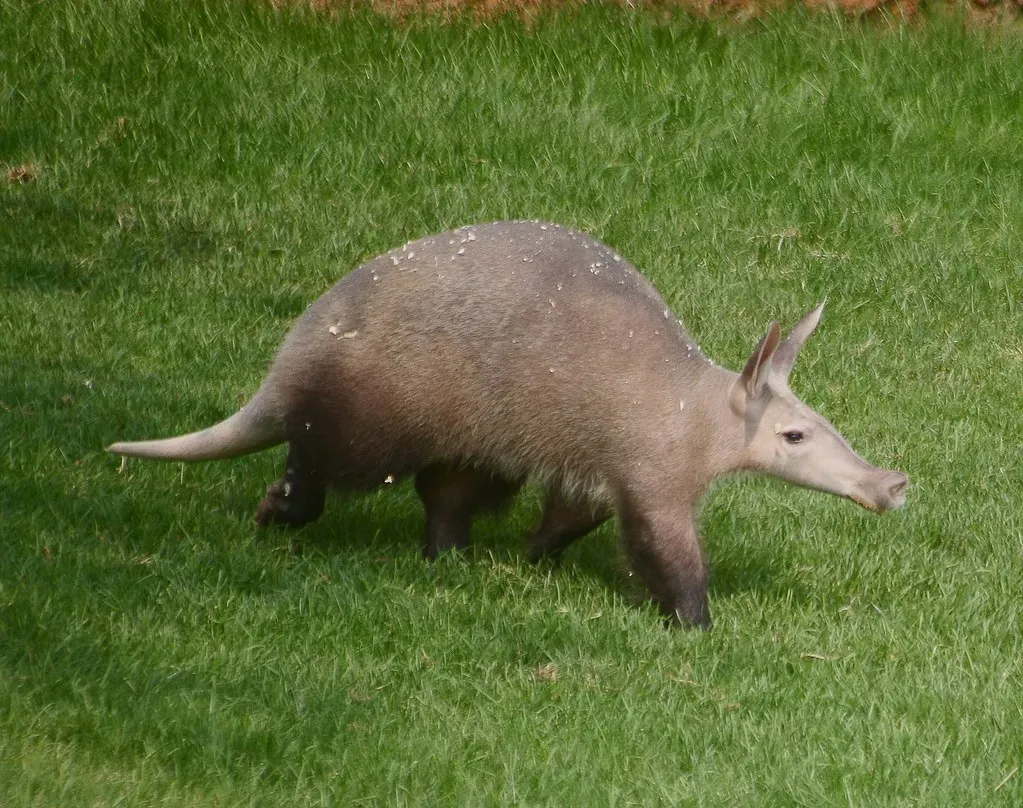
The name aardvark comes from Afrikaans and means “earth pig” or “ground pig,” with “aarde” meaning earth and “vark” meaning pig or young pig, a nod to its burrowing habits. Honestly, it’s a pretty fitting name for an animal that seems to be perpetually trying to disappear into the ground.
The aardvark is not closely related to the pig at all. It is also not closely related to the South American anteater, despite sharing some characteristics and a superficial resemblance – those similarities are simply the outcome of convergent evolution. Nature, it turns out, has a sense of humor.
2. It Is the Last of Its Kind – An Evolutionary Loner
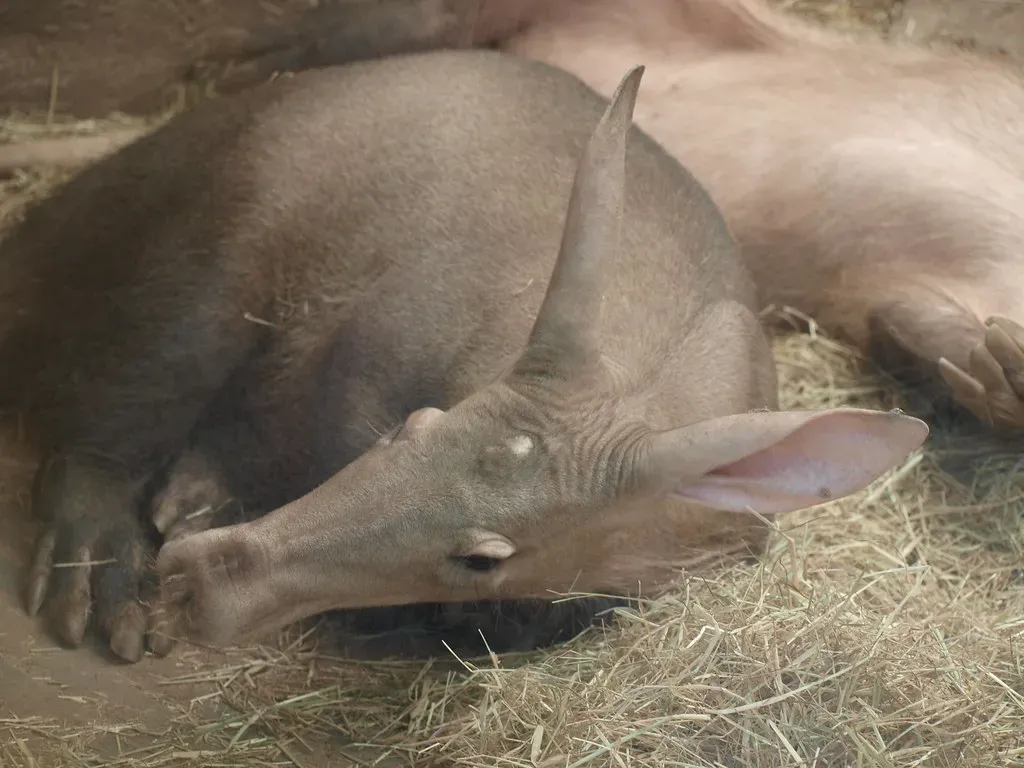
The aardvark is the only surviving member of its order, Tubulidentata, which makes it an evolutionary relic. Its lineage dates back over 55 million years, making it one of the oldest mammals still alive today, and unlike other species that evolve into new forms or go extinct, aardvarks have remained largely unchanged for millions of years.
The aardvark is the only living member of its family Orycteropodidae, and fossil clues suggest that there are 14 different species in the aardvark family that all went extinct. Think about that. An entire order of animals, wiped out – and one single species is still here, digging away in the African night.
3. Its Teeth Are Unlike Any Other Mammal’s on Earth
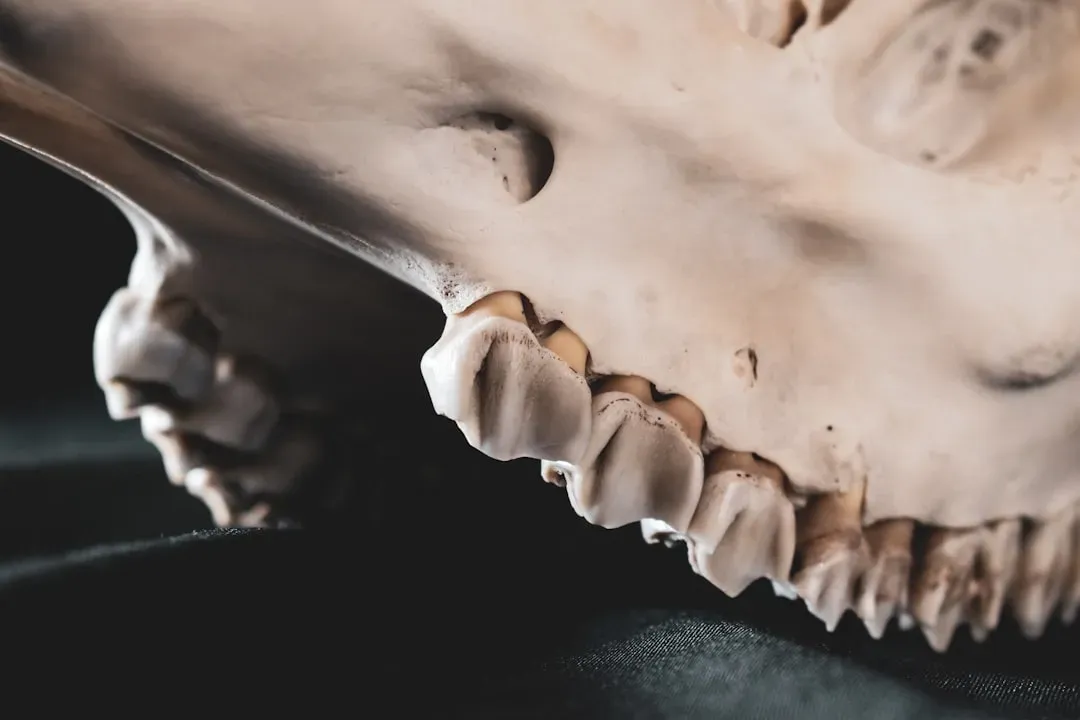
Unlike most mammals, aardvarks do not possess incisors or canines in adulthood. Their molars and premolars are unique, lacking enamel and consisting of numerous hexagonal, prism-like tubes of dentine, hence the name Tubulidentata. These teeth are continuously growing and are worn down by the gritty soil and insects in their diet – a dental structure that is a hallmark of their ancient lineage and sets them apart from all other mammals.
It’s a bit like having teeth made of compacted drinking straws. The name of the aardvark’s order, Tubulidentata, comes directly from these tubule-style teeth. Strange? Absolutely. Effective? Clearly, given they’ve been doing the job for tens of millions of years.
4. It Is More Closely Related to Elephants Than to Pigs
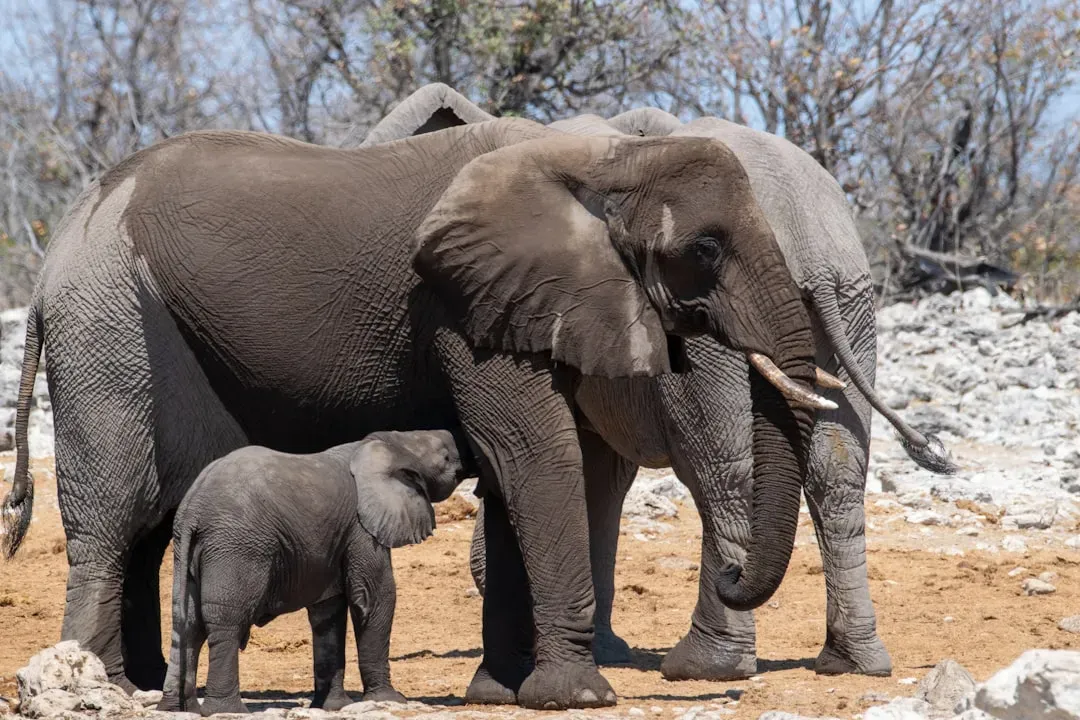
The aardvark is an afrotherian, a clade that also includes elephants, manatees, and hyraxes. That’s a jaw-dropping family tree. The creature that looks like a long-nosed pig is essentially a distant cousin of the largest land animal alive.
Although aardvarks look like anteaters, they are actually related to elephants, hyraxes, and dugongs and manatees – all belonging to a group of primitive ungulates called uranotherians. It’s one of those facts that makes you reconsider how much you can trust appearances. In the animal kingdom, looks can be very, very deceiving.
5. It Can Dig a Hole Faster Than You Can Grab a Shovel
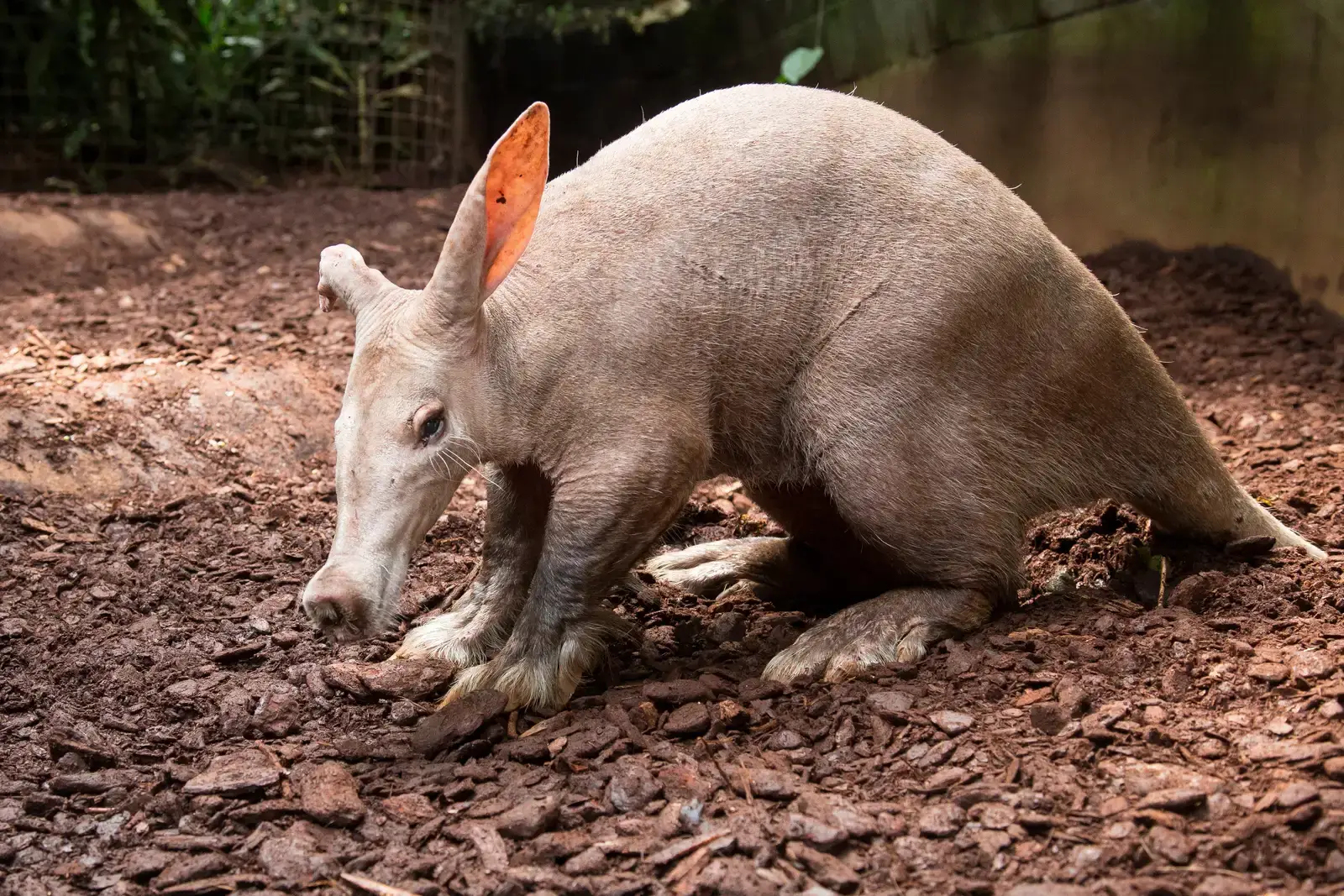
Aardvarks use their large front claws to dig holes at a rate of 2 feet in just 15 seconds, so they can quickly get to their favorite meal: termites and ants. That is frankly astonishing. Most humans can’t dig 2 feet in 15 minutes with proper equipment, let alone 15 seconds.
The odd, arched silhouette of the aardvark is caused by its hind legs being longer than its front, which gives them a stronger stance when digging. This adaptation, combined with their formidable claws and muscular forelimbs, allows the aardvark to dig a hole 2 feet deep in just 30 seconds – much faster than a human with a shovel. Nature’s own excavator, working the night shift.
6. Its Nose Is a Superpower – With Record-Breaking Olfactory Gear
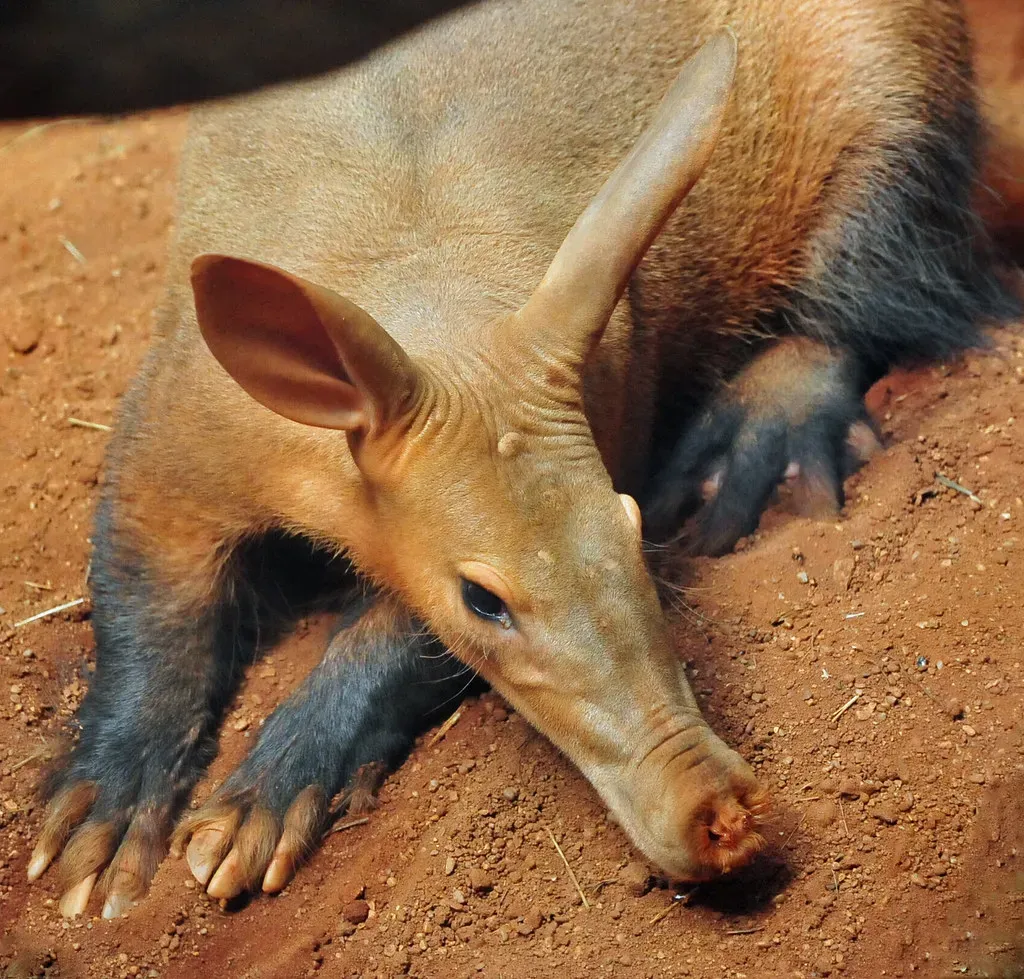
Aardvarks have the highest number of olfactory turbinate bones of any mammal on the planet. An aardvark has about 9 to 11 of these specialized bones, which help support the olfactory bulb in the brain where smells are processed. This larger-than-average olfactory system allows the aardvark to track tiny creatures like ants and termites from far away.
They have been observed swinging their heads back and forth close to the ground, much like a metal detector, to pick up a scent. Imagine having a nose so powerful it functions like precision navigation equipment. Aardvarks can also close their nostrils entirely to keep out dust and insects while digging – a neat trick that makes the whole operation far less messy.
7. It Can Eat 50,000 Insects in a Single Night
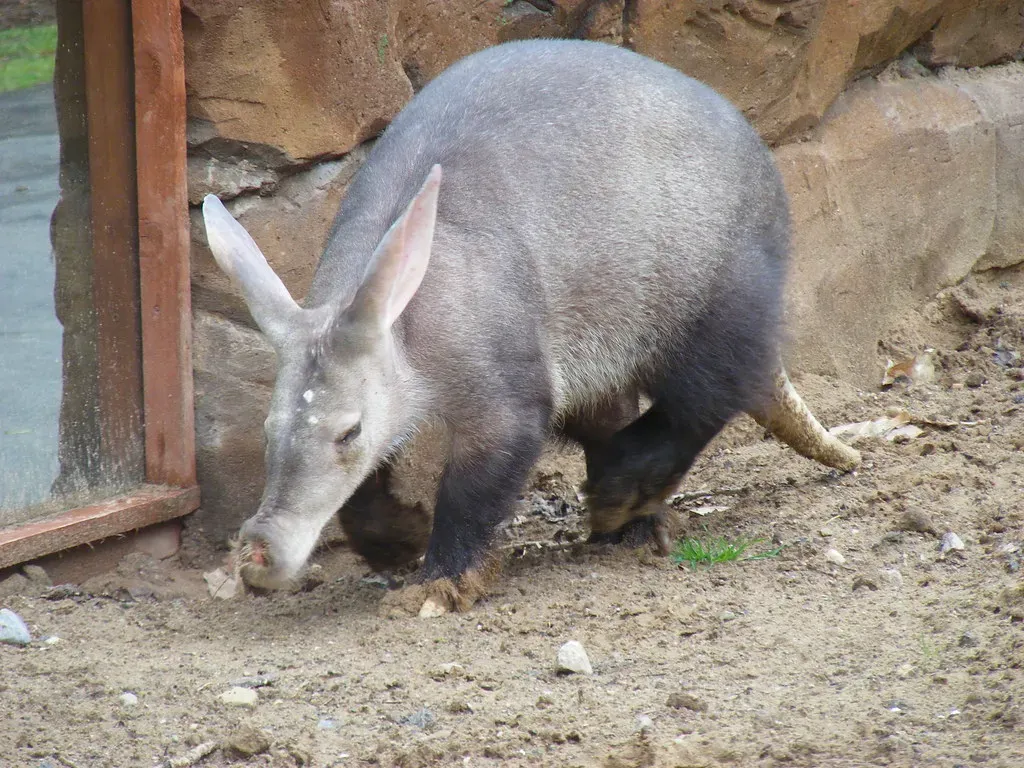
With a long, sticky tongue measuring up to 30 centimeters, aardvarks can efficiently scoop up thousands of insects in one night and can consume over 50,000 insects in a single feeding session. Let that number sink in for a second. Fifty thousand. In one night.
Aardvarks swallow their food whole, without chewing it. Instead, the food is ground up in a muscular area of the lower stomach. They also rarely drink water and receive most of their moisture from the insects they eat. They are, in every sense, a perfectly sealed insect-processing machine.
8. Abandoned Aardvark Burrows Become Homes for Dozens of Other Species
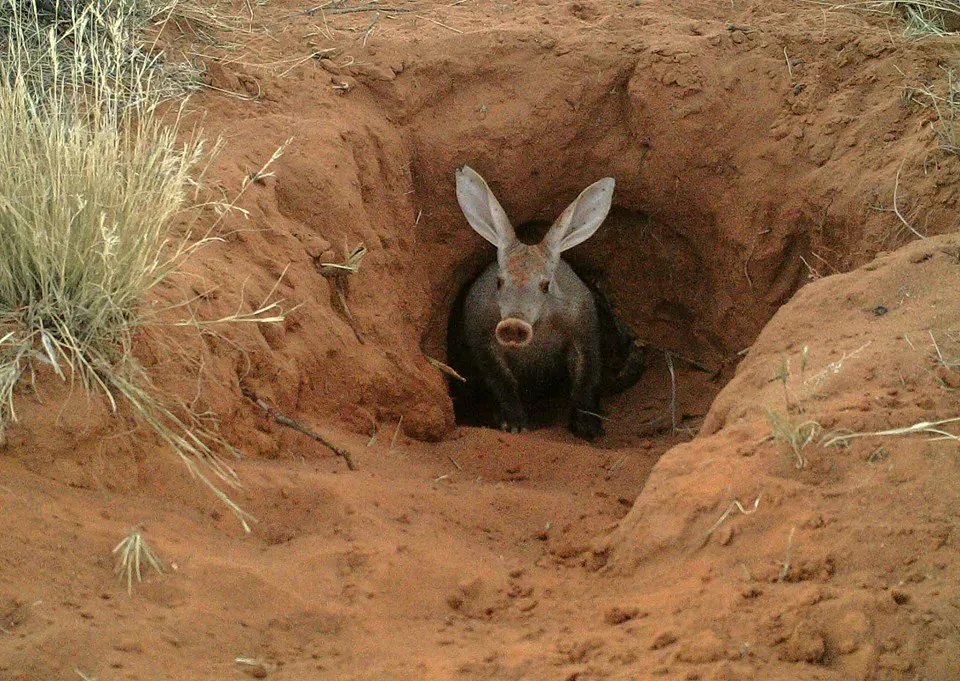
Aardvark holes provide shelter for at least 17 mammal species. The burrows provide refuges for carnivores of several sizes, including hyenas and leopards, and are also used by herbivores up to the size of steenbok and warthogs. This is one of those ecological ripple effects that rarely gets the attention it deserves.
Once abandoned, these well-constructed burrows, which can have many entrances, are recycled by other animals, including reptiles, amphibians, mammals, and birds. Aardvarks are considered a keystone species, meaning they are very important for the health of their entire ecosystem. Pull the aardvark out of the picture, and entire communities of animals lose their housing.
9. It Has a Secret Symbiotic Relationship With an Underground Fruit
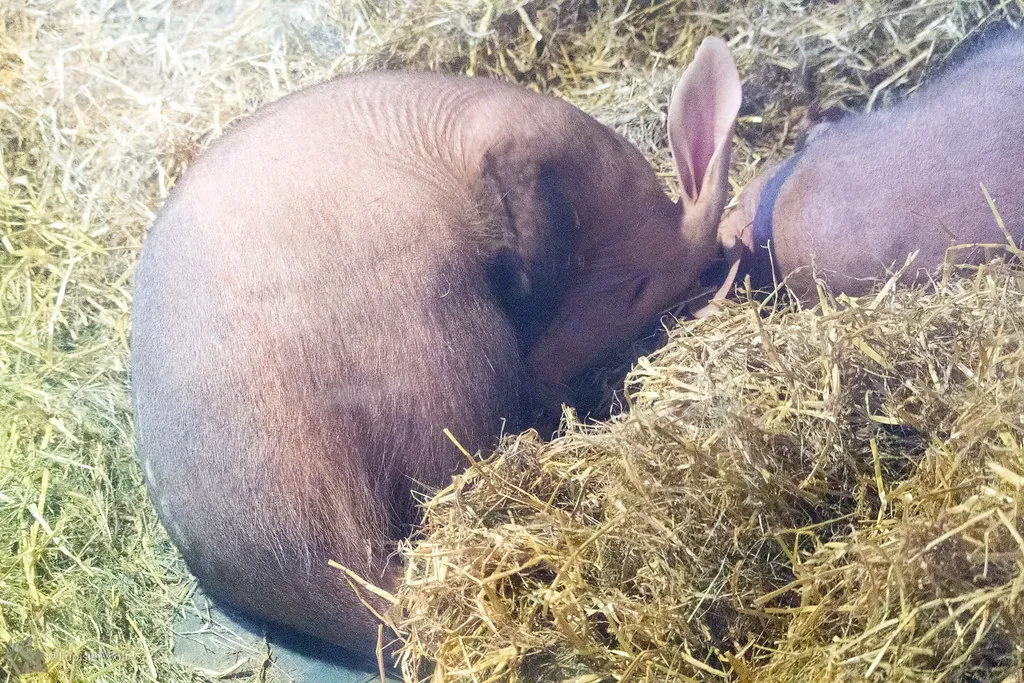
Here’s the one that really gets me. The only fruit eaten by aardvarks is the aardvark cucumber. The cucumber and the aardvark have a symbiotic relationship – aardvarks eat the subterranean fruit and then defecate the seeds near their burrows, which then grow rapidly due to the loose soil and fertile nature of the area. The time spent in the intestine of the aardvark helps the fertility of the seed, while the fruit provides needed moisture for the aardvark.
This plant grows and ripens underground, and aardvarks are the only creatures known to eat these water-rich cucumbers. They deposit the seeds in their droppings, giving them the nutrients they need to germinate. In this way, the cucumber is entirely dependent on the aardvark for its survival. Two species, one underground deal. It’s the kind of quiet, beautiful partnership that exists completely out of sight.
Conclusion: Africa’s Most Underrated Night Shift Worker
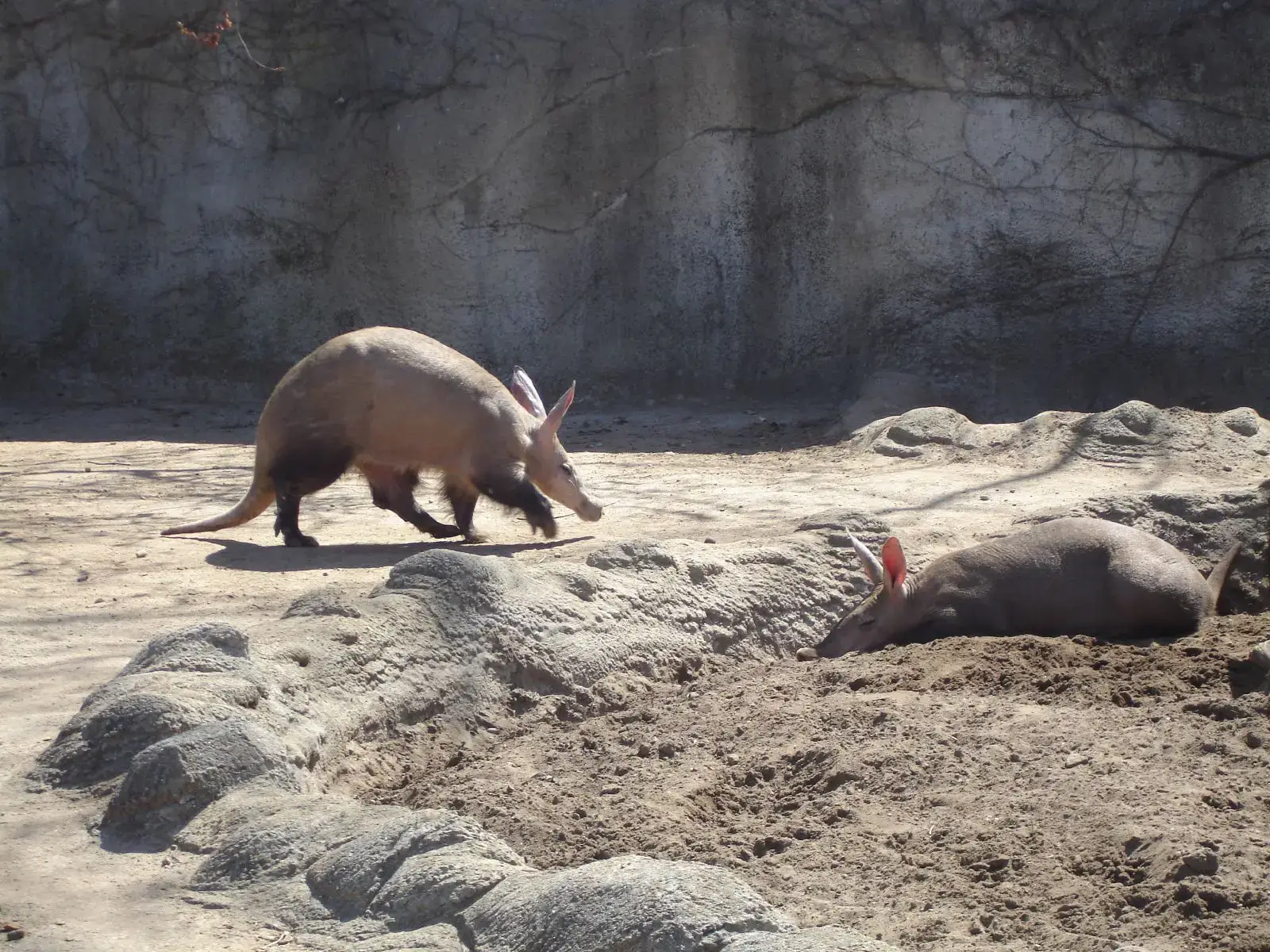
The aardvark doesn’t roar. It doesn’t charge. It won’t make the highlight reel on a safari documentary. Yet this ancient, solitary, tunnel-digging insect-demolisher is quietly holding ecosystems together one burrow at a time. It feeds tens of thousands of insects each night, provides shelter for entire communities of animals, and shares an underground friendship with a fruit that can’t survive without it.
Hardly ever seen, although the evidence of its nightly activities is all around, the aardvark has achieved near mythical status. I think that’s actually earned. There’s something deeply admirable about an animal that has survived virtually unchanged for over 55 million years by just… quietly doing its thing in the dark. The next time someone talks about Africa’s most important animals, maybe it’s time to mention the one that never gets the spotlight. What would you have guessed?

- 9 Curious Facts About the Aardvark: The Nighttime Tunnel Specialist - August 1, 2026
- 10 Happiest Cities in The World in 2025 - August 1, 2026
- 12 Ways to Create a Wildlife-Friendly Garden That Attracts Beautiful Creatures - August 1, 2026