
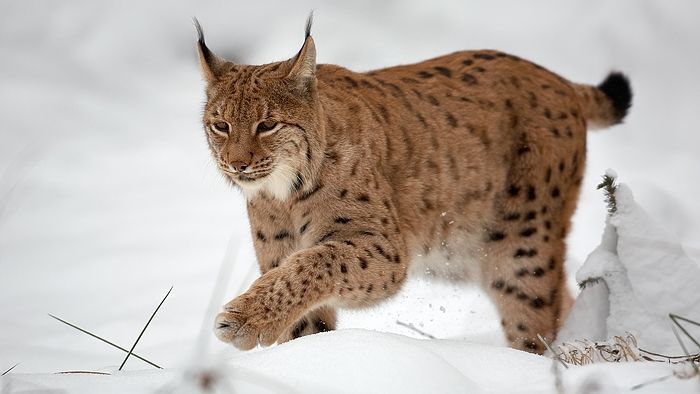
There’s something magnetic about America’s wild cats. Maybe it’s the mystery. Maybe it’s the way they seem to exist on a completely different frequency than the rest of the animal kingdom – silent, purposeful, and utterly unbothered by the world around them. Wild cats share many of the same personality traits as our domestic cats, and as wild animals go, they are among the most difficult to find and observe.
Here’s the thing, though. These animals aren’t just fascinating creatures to admire on nature documentaries. They also happen to mirror some deeply human qualities – passion, patience, adaptability, and emotional depth – in ways that feel almost uncanny. Matching them to the four elemental personality types of Fire, Earth, Air, and Water is, honestly, a lot more accurate than you might expect. So let’s dive in.
The Ancient Framework: Why the Four Elements Still Matter
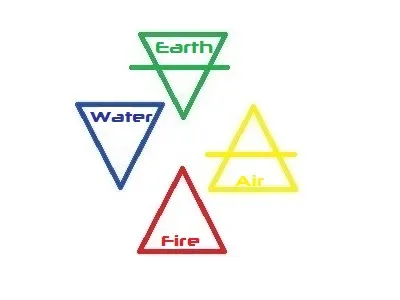
The ancient concept of four elements – Earth, Air, Fire, and Water – has found its way into modern personality typing systems, offering unique insights into human traits and behaviors by drawing parallels between elemental qualities and individual characteristics.
Fire, Earth, Air, and Water are more than poetic categories. They represent the fundamental energies that shape personality, relationships, and the way we move through life.
Think of it like a compass rose for the soul. Each direction pulls differently. Each element has its own flavor, its own strengths, its own blind spots. And when you lay those traits over America’s wild cats? The parallels are surprisingly striking.
America’s Wild Cats: Who’s Actually Out There?
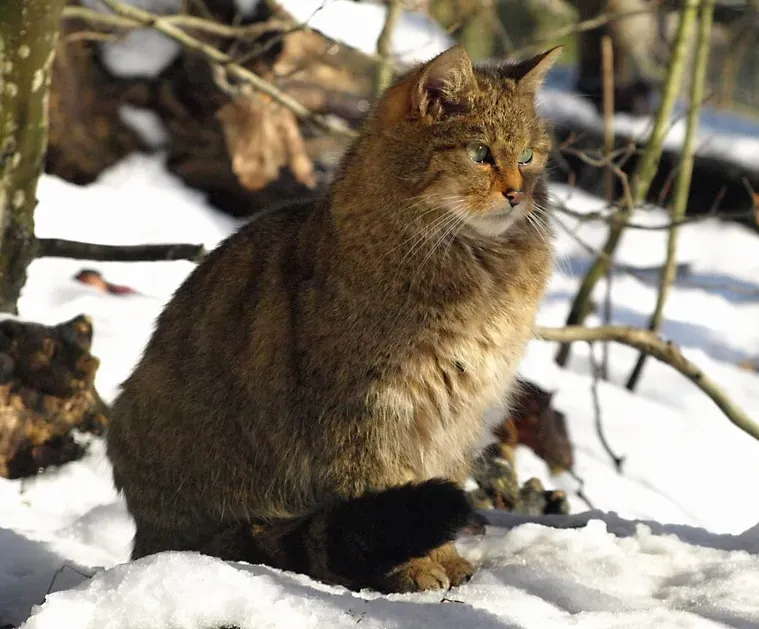
Before we start matching personalities, it’s worth knowing exactly which players are on the field. There are seven species of wild cats native to North America: the bobcat, Canada lynx, puma (also known as the mountain lion or cougar), margay, ocelot, jaguarundi, and jaguar.
Of the seven North American wild cat species, only the bobcat, puma, and Canada lynx are found in significant numbers in the United States and Canada. The others, like the ocelot and jaguarundi, cling to the southern edges of the continent, rare and increasingly threatened.
Big cats are complicated animals, big personalities with intense needs. They are not interchangeable. Each species has carved out its own ecological niche, its own survival strategy – and each one, I’d argue, has its own personality type.
Fire Element: The Mountain Lion (Cougar / Puma)
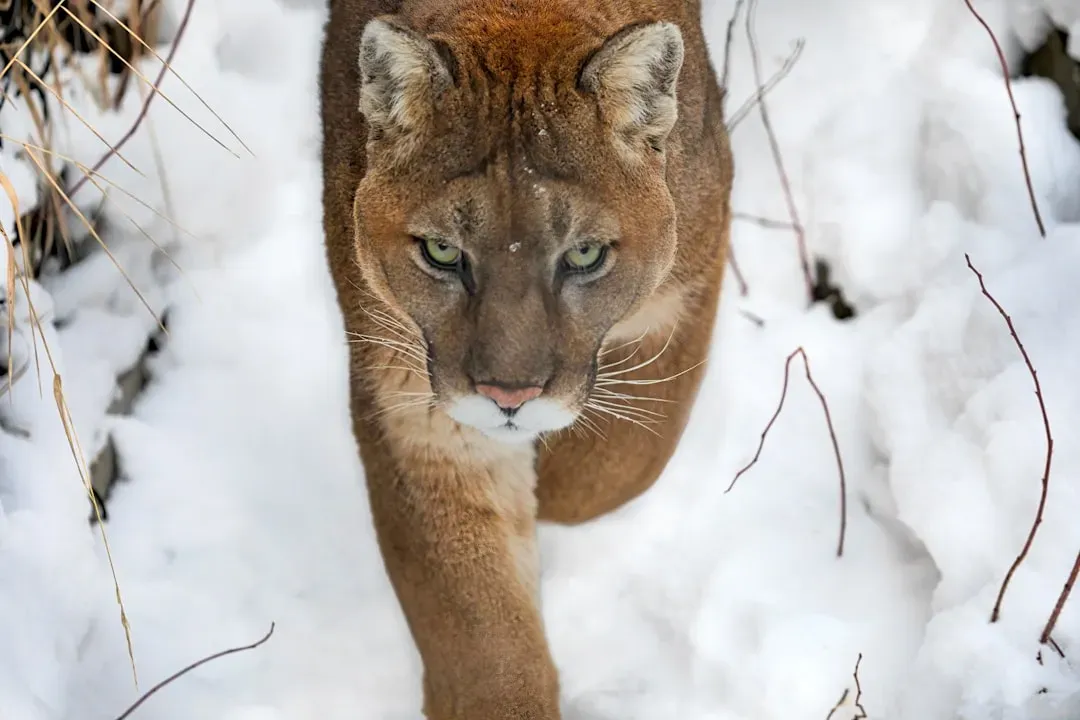
If you lead with fire, you don’t wait for permission. You move first, claim the ground, and deal with the consequences later. Fire signs are passionate, exciting, and powerful – you might even say these personalities have “fiery” qualities: warm, bold, courageous, and positive.
Sound like anyone you know from the wild? The mountain lion is a sleek, powerful feline native to diverse habitats across the Americas, cloaked in soft, tawny-beige fur that seamlessly blends with rocky hillsides and forests – these stealthy predators move silently through their territory.
Mountain lions are the most wide-ranging cat species in the world and are found as far north as Canada and as far south as Chile. Solitary cats, mountain lions are highly adaptable to situations and environments, and this adaptability has enabled them to survive across much of their original range in the Americas.
The fire personality doesn’t just survive. It dominates its domain. The mountain lion is a master of territorial protocol, with a home range that can encompass an expansive land stretching up to hundreds of square miles. Raw ambition, a vast territory, and the drive to conquer it all – that is Fire, incarnate.
Fire in Action: How the Mountain Lion Hunts
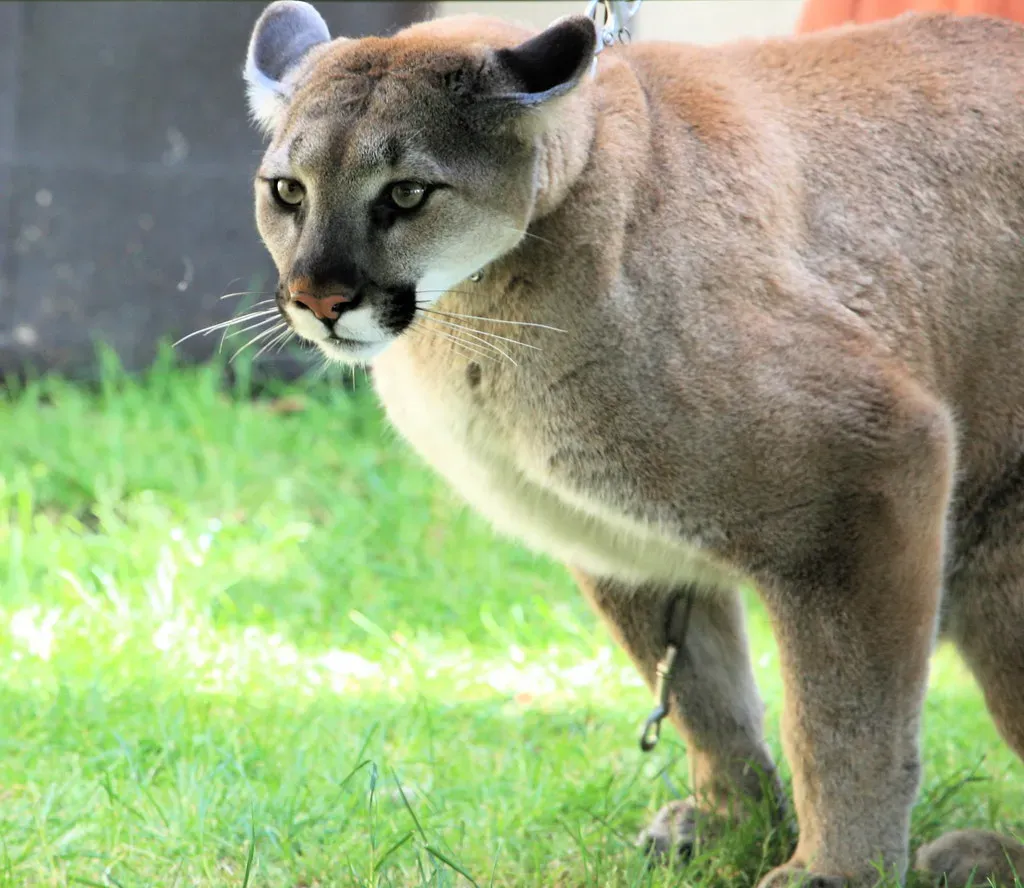
Fire personalities are action-oriented. They don’t overthink. They strike when the moment is right, and they strike hard. Cougars rely on short bursts of speed to ambush their prey, and a cougar may stalk an animal for an hour or more before making its move.
Their powerful hind legs enable them to jump as far as 40 to 45 feet – roughly 12 to 13 meters. That’s like leaping over a city bus. Twice. The mountain lion never halfheartedly attempts anything.
Unlike other large cats such as lions or tigers, mountain lions cannot roar. Instead, they produce sounds such as growls, hisses, and purrs, similar to smaller cat species. Honestly, fire types don’t always need to be loudest in the room. They make their presence known other ways.
Earth Element: The Bobcat
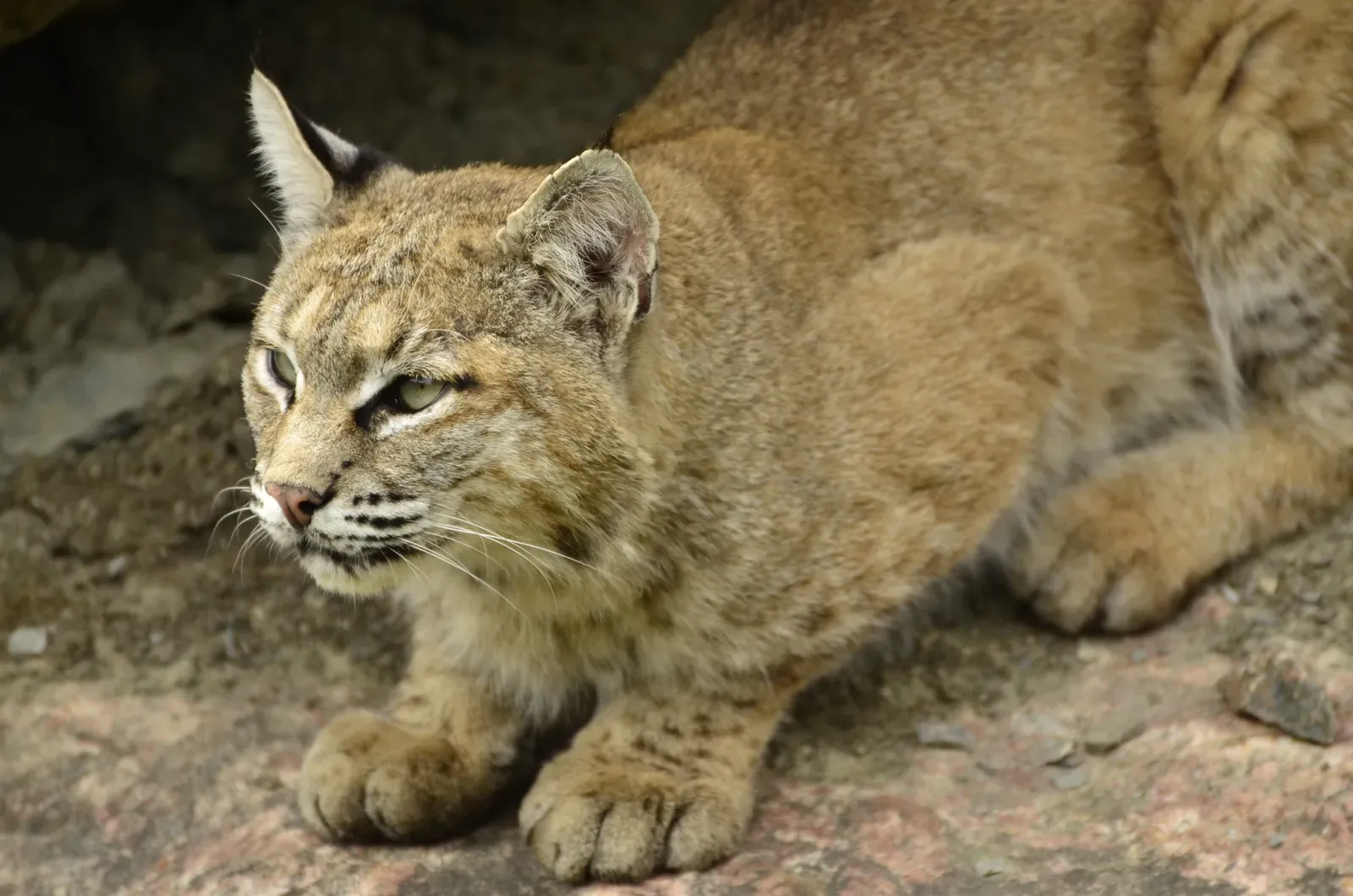
Earth personalities are grounded, practical, and reliable. They excel in creating stability and order in their environments and focus on tangible results with a strong work ethic. They are, in short, built to last.
Three species are quite common in the United States and Canada: the bobcat, the mountain lion, and the Canadian lynx. Of these, the bobcat is the most widespread and abundant, living throughout the United States and Mexico in areas as variable as rocky desert high country, forested river valleys, and deep northwoods forests.
The bobcat is the Earth element made flesh. It doesn’t seek glory. It doesn’t roam unnecessarily. It masters its terrain and stays put. Maintaining an area large enough to support kittens with ample prey and cover requires bobcats to live territorial, solitary lives. Though a male will tolerate a female within a home range, bobcats are fiercely solitary and communicate territory boundaries using scat, urine markings, and repeated scratching on trees.
The bobcat is an excellent climber and sprinter, capable of reaching speeds of up to 30mph, and it preys on a variety of small and medium-small vertebrates, with cottontails being its most common prey. Methodical, consistent, reliable. Classic Earth.
Earth Grounded: Why the Bobcat Thrives Everywhere
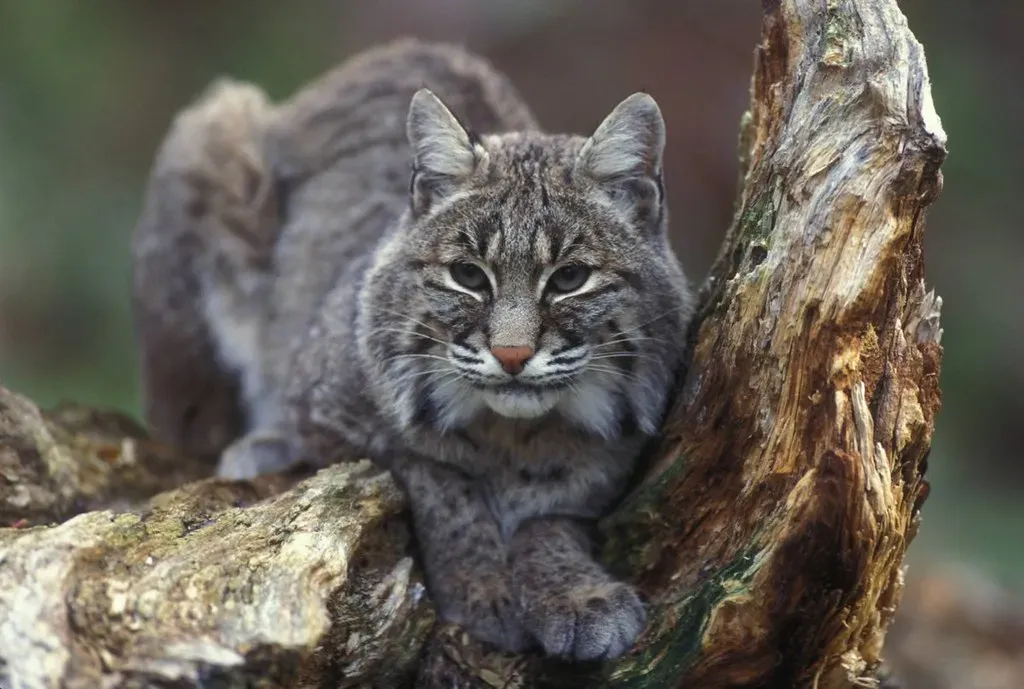
Earth is stability, structure, and devotion to what is tangible. People with strong earth energy are practical, reliable, and deeply connected to the material world. They find comfort in routines, traditions, and building things that last.
The bobcat is practically the living embodiment of that description. The bobcat can be found in all parts of the United States except for certain parts of the Midwest. The bobcat can live in forests, deserts, mountains, swamps, and farmland.
No other wild cat in North America matches that geographic stubbornness. The bobcat doesn’t need the most exciting terrain or the most dramatic setting. It just needs what works. While bobcats are quite common within an expansive North American range, they are very wary and seldom seen. They tend to fare better in areas with abundant wild country that provide a mix of habitats. Quiet, consistent, unseen. Earth energy at its finest.
Air Element: The Canada Lynx
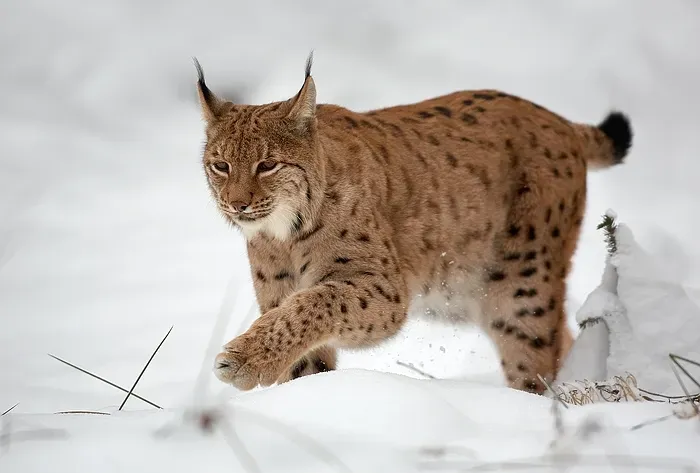
Air personalities are the freethinkers. Air signs live in their heads and love to explore ideas, connect with others, and stay informed. They often enjoy socializing, reading, and expressing themselves. Now, applying that to a wild cat is a little tricky – but the Canada lynx pulls it off in its own fascinating way.
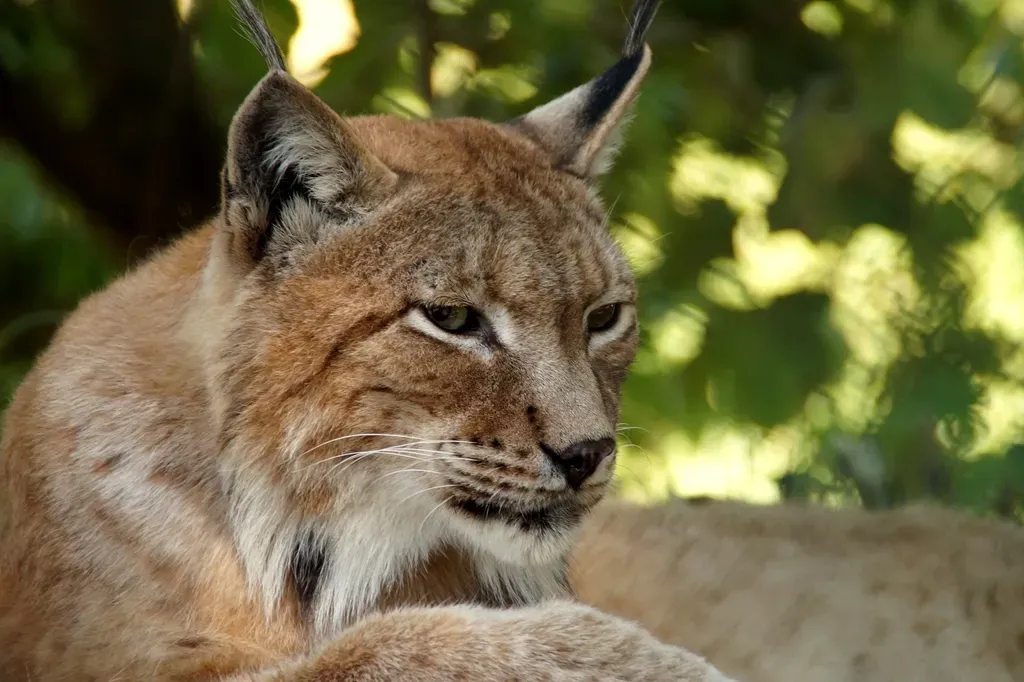
The Canada lynx is the wild cat of lightness and movement. The Canada lynx has long ear tufts, a short, bobbed tail with a completely black tip, large paws, and long hind legs. It is found mostly only in northern states along the Canadian border or in mountainous regions.
Spotting a lynx for the first time, many people report having first mistaken it for a wolf. Unlike bobcats, lynx have very long legs and big feet. From a distance, a family of lynx will give the general appearance of a wolf pack. There’s something ethereal and shape-shifting about that quality – almost as if the lynx defies easy categorization. Very Air-like, honestly.
Air in Motion: The Lynx’s Fluid Adaptation
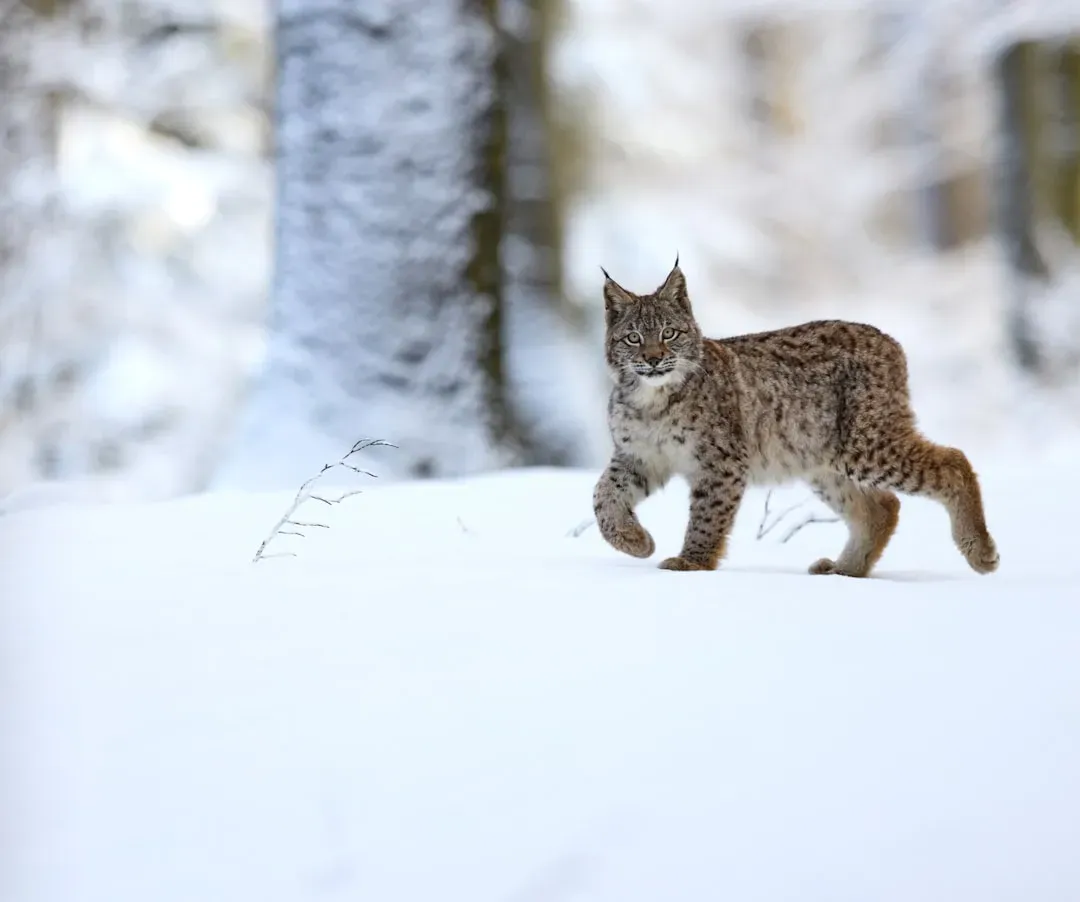
Unlike the bobcat, the lynx is more uniformly gray, has huge feet, and has a black tip on a shorter tail. If you are close enough to see the long tufts atop each ear, you are truly lucky.
Those oversized, snowshoe-like paws are pure Air element magic. They allow the lynx to move across surfaces that would stop other animals cold – literally. These cats have relatively long legs and large webbed and furred paws that act like snowshoes, allowing them to walk on top of the snow.
The Canada lynx makes sounds similar to those of a domestic cat: it can purr, meow, hiss, growl, and shriek. Vocal, communicative, and expressive across a range of modes. Air is the element of the mind, which is why air-type personalities always have the most brilliant ideas of all. They are social animals who love to surround themselves with stimulation and exchange – by nature very talkative and friendly.
Water Element: The Ocelot
Water is the astrological element of emotions, feelings, and sensitivity. Water types are reserved, emotional, and have great intuition. Their sensitivity is magical – they feel emotions in a very deep, fully involved way.
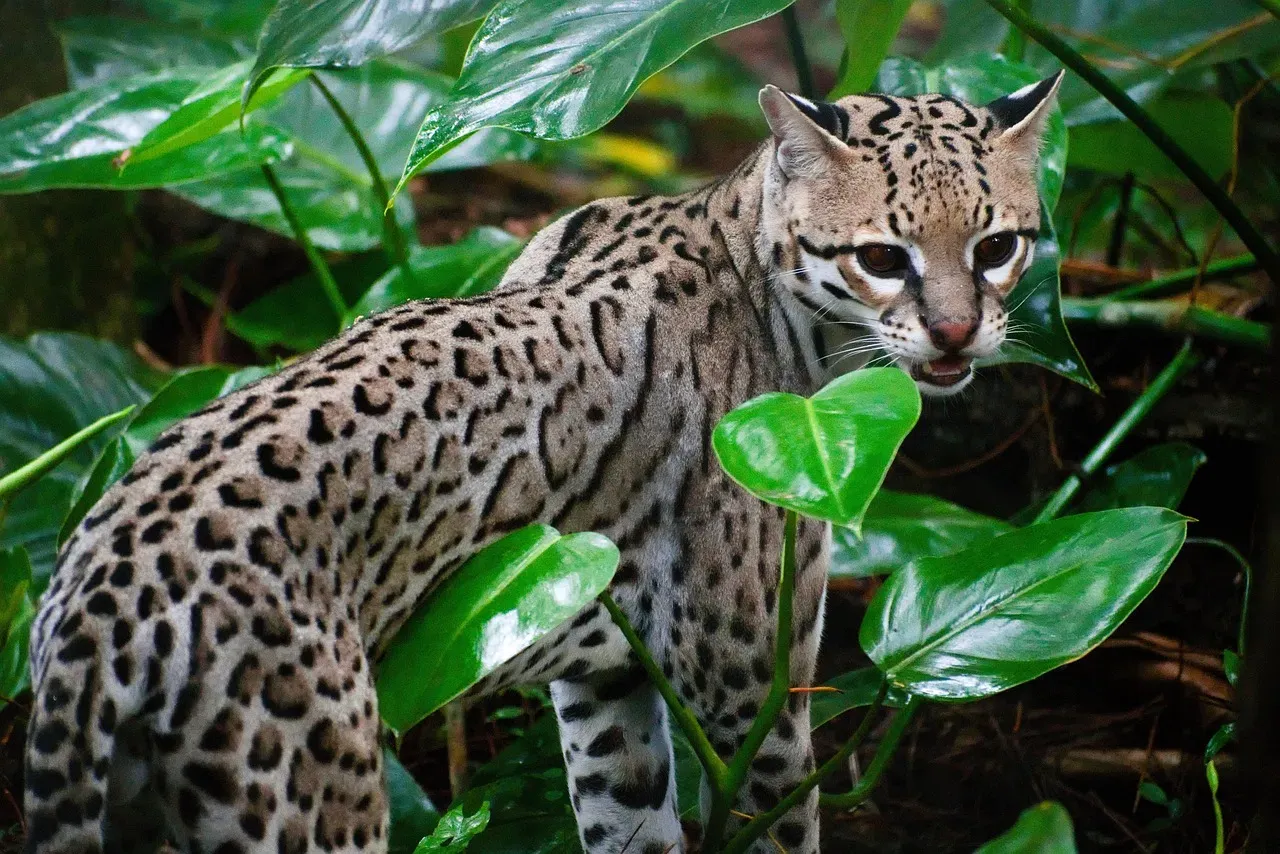
Enter the ocelot. This cat is the Water element wearing the world’s most stunning coat. The ocelot is one of the most beautiful wild cats in the world. This medium-size cat can weigh up to 33 pounds and grows to about three and a half feet long. It has a stunning, thick coat with dark spots that make it look like a miniature leopard.
Ocelots are primarily solitary, nocturnal predators, with activity peaks at dawn and dusk. They move through the darkness, guided by instinct and intuition rather than brute force or brazen courage. Sound familiar? Water personalities navigate life in exactly the same way – feeling their way through, trusting the current.
Water’s Depth: The Ocelot’s Mysterious Nature
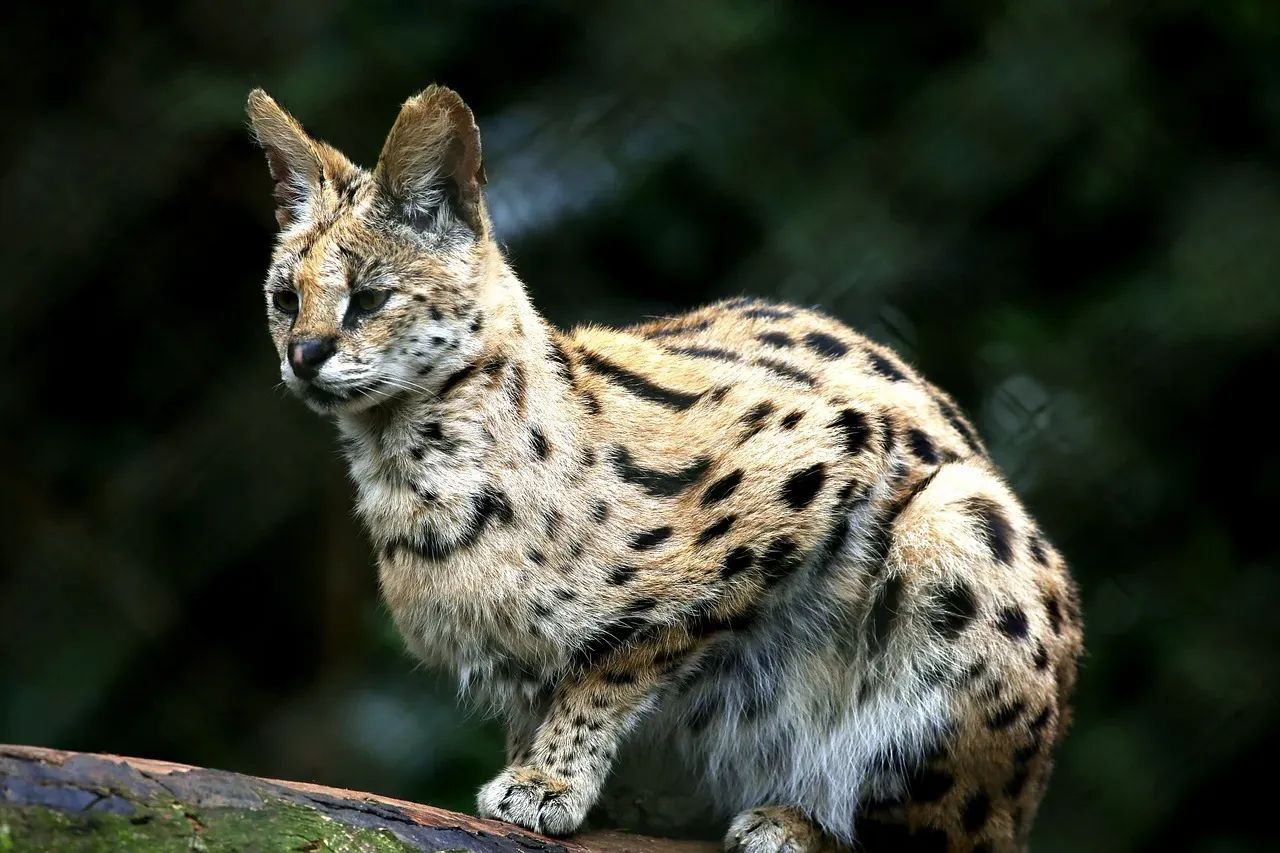
The ocelot is a small wild cat that inhabits parts of Mexico, Central America, and the southern United States. Ocelots are most commonly found in tropical and subtropical forests, but they also live in savannas and dry forests.
Like all Water types, the ocelot is drawn to layered, complex environments. These wild cats are excellent swimmers, climbers, and runners, making them almost perfect predators. Water element people don’t just do one thing well – they have hidden depths that reveal themselves in layers, over time, to those who earn their trust.
Ocelots alter their hunting patterns according to the amount of moonlight, shifting to hunt in more densely vegetated areas when moonlight is brighter. Adapting to the rhythms of light, shadow, and environment. That is Water personified – flowing, responsive, and tuned into something unseen by others.
The Jaguarundi: A Wild Card Across All Elements
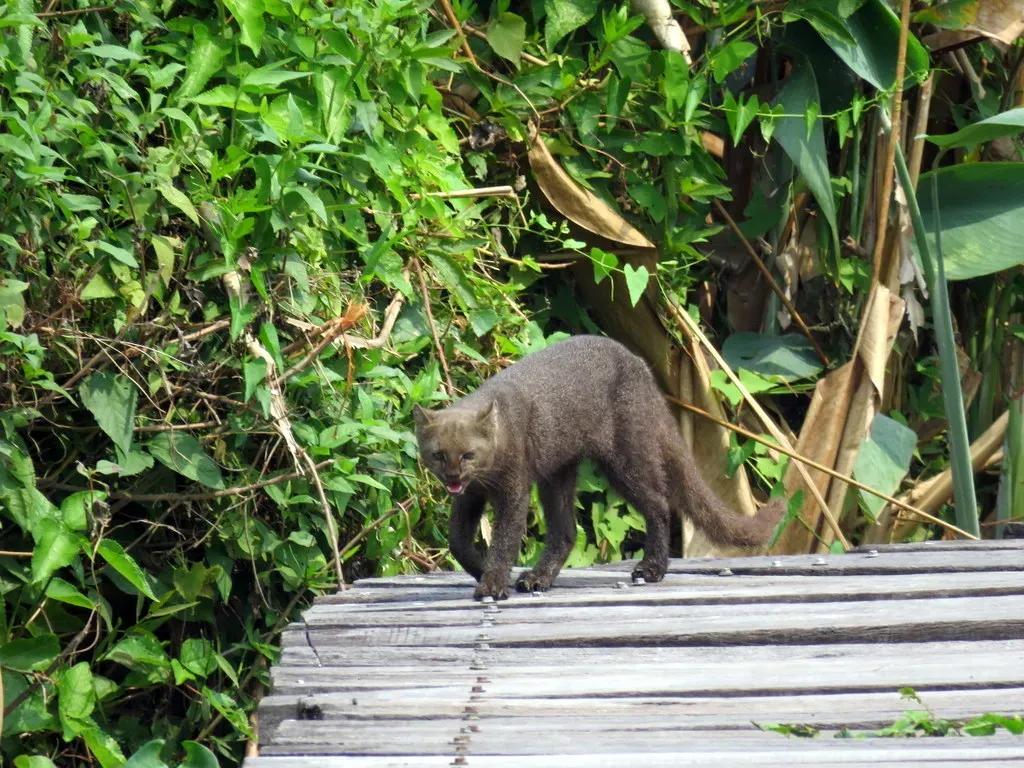
Let’s be real. Not everyone fits neatly into one box. Some of us are a little fire, a little water, and mostly chaotic. That’s the jaguarundi. This cat breaks rules for breakfast. Secretive and alert, the jaguarundi is typically solitary or forms pairs in the wild. Unlike other sympatric cats such as the ocelot, the jaguarundi is more active during the day and hunts mainly during daytime and evening hours.
Jaguarundis possess a distinctive appearance that sets them apart from other wild cats. Their elongated bodies and short legs give them a weasel-like silhouette. This unique body structure aids in their agility, allowing them to navigate through dense underbrush and climb trees with ease.
Jaguarundis are also very good swimmers. They are quite vocal, with at least 13 different calls having been recorded, including a purr, scream, whistle, chatter, yap, and a chirp like a bird. A cat that swims, climbs, vocalizes in over a dozen ways, and hunts by day? It’s practically all four elements running in one compact, wiry body.
Conservation: Why These Elemental Cats Need Our Attention
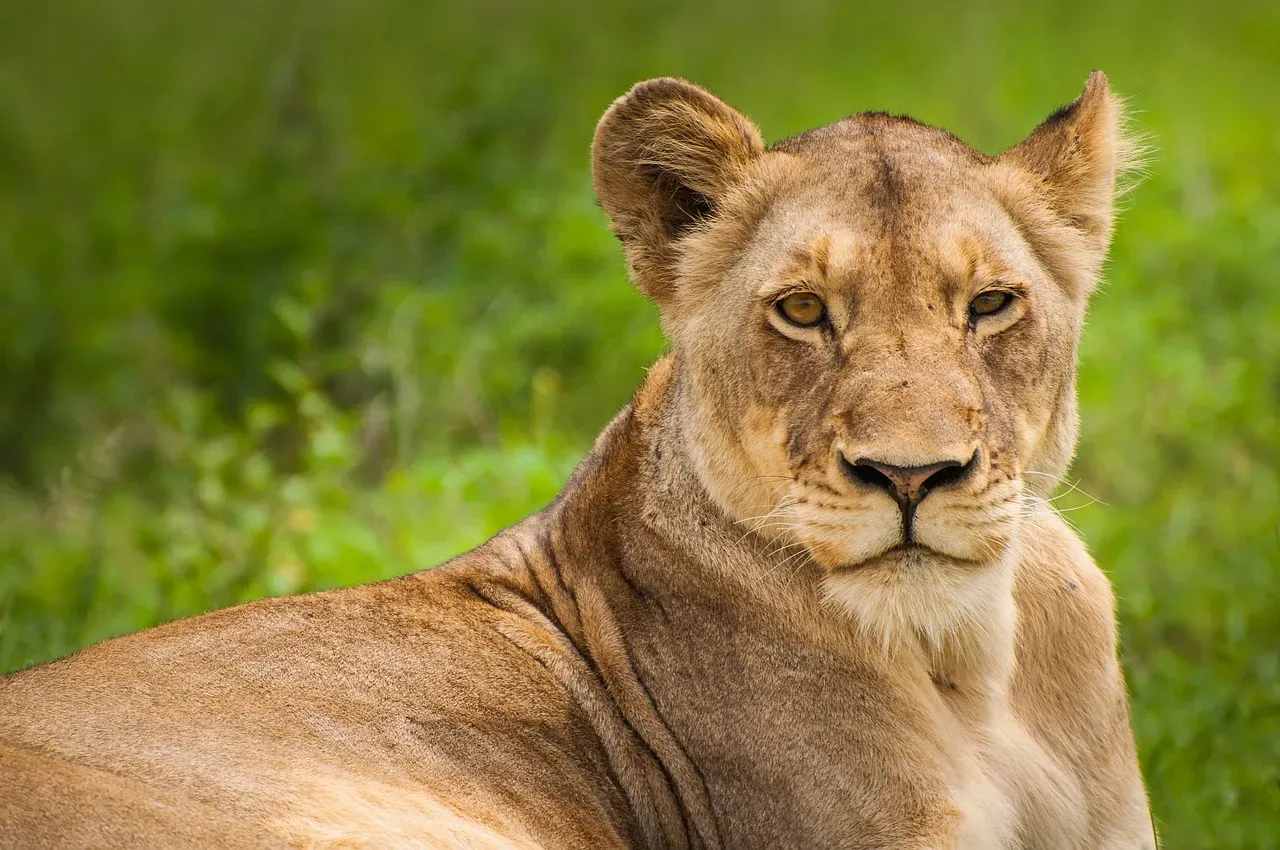
It’s hard to talk about these cats without acknowledging the very real threat they face. Wild cats face numerous threats today, primarily from habitat loss and illegal poaching. The illicit wildlife trade puts immense pressure on their populations, leading many species to be placed on the Red List of Threatened Species.
Mountain lions are now only found in 15 western states, and the genetically isolated Florida panther remains in the East – a result of bounty hunts in the early 1900s, trophy hunting, poaching, and severe habitat loss and fragmentation.
Both ocelots and jaguarundis face significant challenges from habitat loss and fragmentation. Ocelots have experienced severe population decline due to historical fur trade and current habitat destruction, while jaguarundis struggle with increasing urbanization and agricultural expansion across their range. To lose these animals would be to lose something elemental – literally.
Finding Your Wild Cat Match: A Reflection
The four elements remind us that balance is essential. Fire teaches us to act, Earth shows us how to build, Air helps us think, and Water helps us feel. Together, they form the complete cycle of human experience.
If you’re bold, ambitious, and territorial about your goals, you’re the mountain lion. If you’re steady, reliable, and quietly unstoppable across all terrains, you’re the bobcat. If you’re light on your feet, intellectually curious, and hard to pin down, the Canada lynx is yours. If you’re intuitive, emotionally rich, and drawn to the hidden and mysterious, the ocelot is your spirit cat.
Attractive, solitary, creative, and curious, wild cat types are quite happy to observe the world from a distance. The wild cat never takes the conventional route and prefers to explore life from off the beaten track, relying heavily on instincts and powers of observation to navigate the world. Honestly? That sounds like all of us on a good day.
Conclusion: Your Element Lives in the Wild

America’s wild cats are not just animals. They are mirrors. Each one reflects a version of us – the parts we lead with, the parts we hide, and the parts we’re still discovering. The mountain lion burns. The bobcat endures. The lynx dances. The ocelot feels. The jaguarundi refuses to be categorized at all.
When wild cats thrive, the entire ecosystem flourishes. Their presence is a sign of a healthy environment, and when they decline, it can trigger a chain reaction that disrupts the entire food chain. In other words, these cats don’t just represent our inner energies. They hold the whole system together.
I think the most profound thing about this exercise isn’t finding which cat matches your personality. It’s realizing how deeply connected we are to these animals – and how urgently they need us to remember that. Which wild cat do you feel most drawn to – and does it match the element you’d choose for yourself? Tell us in the comments.

- Which American Wild Cat Matches Your Element: Fire, Earth, Air, or Water? - August 2, 2026
- 14 Things Hummingbirds Do the Week Before They Disappear for Winter – Most Gardeners Never Catch It - August 2, 2026
- 7 Unique Facts About Arizona - August 2, 2026