
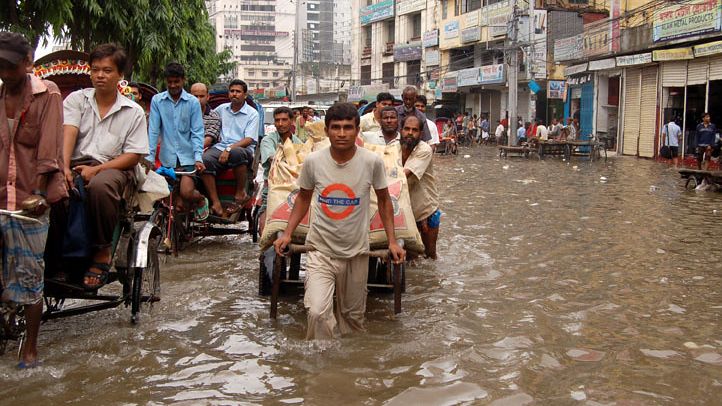
Most people picture a dramatic Hollywood moment when they think of cities swallowed by the sea. A slow, creeping tide. Streets turning into rivers. But here is the uncomfortable truth: the crisis is already unfolding, quietly and relentlessly, in cities that rarely make the front page. Some of these places are booming metropolises. Others are ancient port cities with millions of people going about their daily lives, completely unaware of just how precarious their future really is.
According to sea level rise projections, nearly one billion people will be exposed to much greater risks of flooding by mid-century. That number is hard to wrap your head around. Honestly, it should stop you cold. The cities on this list aren’t just coastal curiosities. They are places where the ground is literally sinking, where tides roll in on sunny days, and where entire neighborhoods face the very real prospect of vanishing. Let’s dive in.
1. Jakarta, Indonesia – The City That Is Already Below the Sea
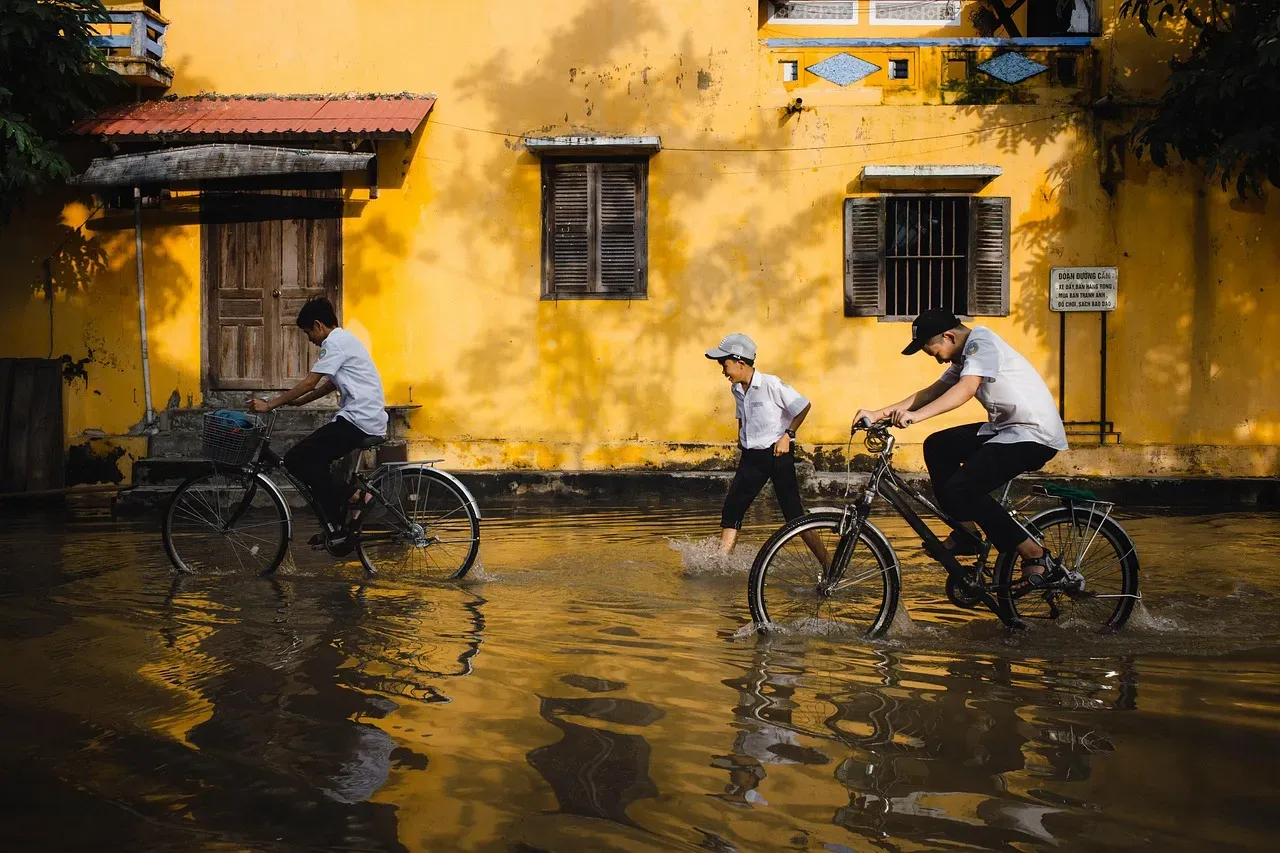
No list like this can start anywhere else. Jakarta is, without exaggeration, one of the most alarming urban crises on the planet right now. Jakarta’s coastline is now visibly sinking below sea level, with ocean waters at Pantai Mutiara in North Jakarta standing higher than the surrounding land, held back only by a coastal embankment. Without these barriers, seawater would flow inland.
The National Research and Innovation Agency of Indonesia says parts of Jakarta are sinking by 10 to 30 centimeters every year, driven by natural soil compaction and decades-long overuse of groundwater. The subsidence rate is among the fastest of any major city in the world.
Excessive groundwater drainage is making Jakarta sink about 5 to 10 centimetres each year, roughly 130 times faster than sea level rise. The dangerous combination of rising waters and sinking land means Jakarta will likely be partly submerged by 2050. The Indonesian government has even proposed spending tens of billions of dollars to relocate the capital entirely. Think about that for a moment.
2. Bangkok, Thailand – A Third of the City Could Disappear
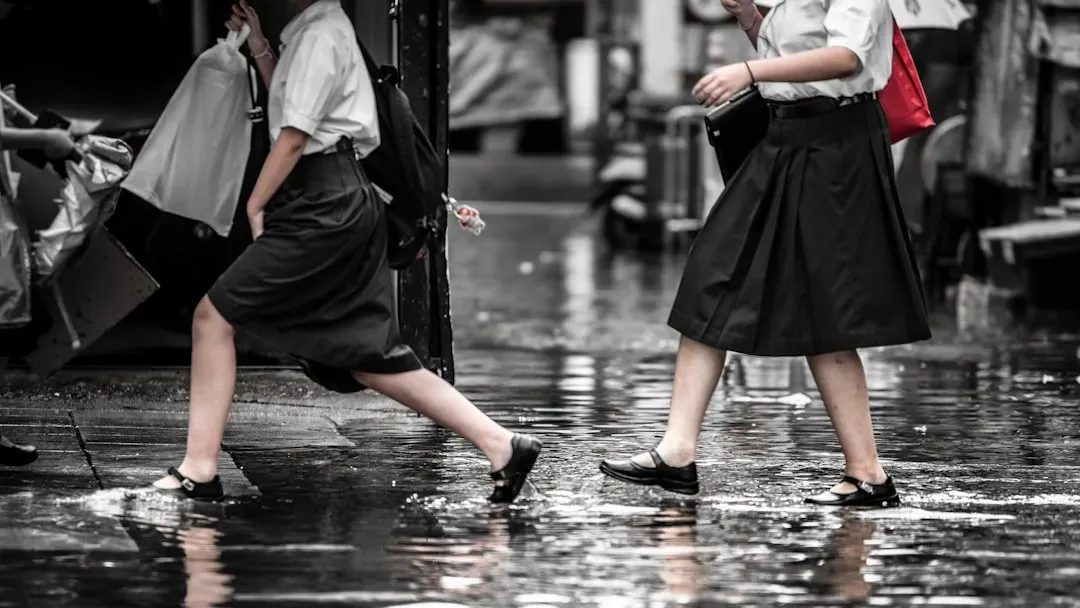
The 2050 Climate Change Index ranked the Thai capital of Bangkok as the world’s most vulnerable city to sea level rises. That ranking deserves serious attention. Bangkok is a vibrant, sprawling mega-city of over ten million people, and it is sinking fast.
The low-lying city has an average elevation of just 1.5 metres above sea level and is already paying the price for this climate change-induced phenomenon. Following the deadly floods of 2011, a fifth of the city was reportedly underwater.
Combined with a predicted increase in the frequency of extreme weather events and storm surges, this could see a third of the city under water by 2050, according to World Bank figures. Subsidence, the land sinking due to groundwater extraction or soil compaction, has been a major worsening factor in Bangkok’s case. Let’s be real: that is a genuinely terrifying outlook for one of Southeast Asia’s most beloved cities.
3. Dhaka, Bangladesh – Climate Refugees Already on the Move
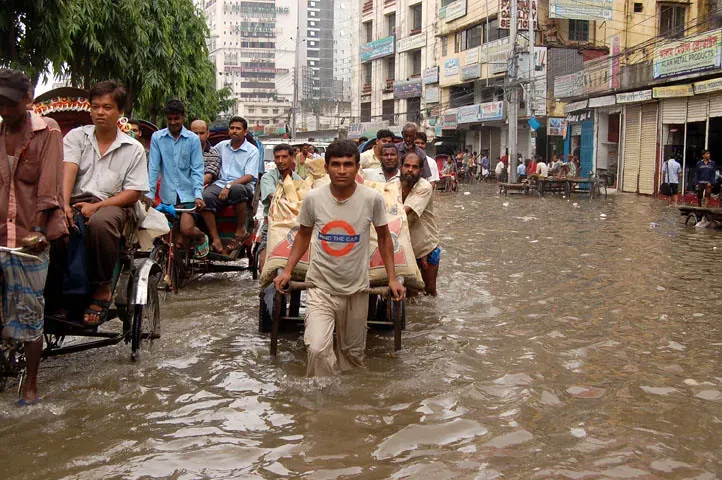
Dhaka, the most populous city of Bangladesh, sits on the Ganges River Delta, a massive wetland spilling into the Bay of Bengal. Severe flooding events are becoming more frequent and water sources are contaminated. The added pressure of sea level rise will force the people of Dhaka to adapt, putting more financial burden on a country with few resources.
Dhaka holds 47,500 people per square kilometer, and up to 400,000 more people arrive in the city every year. Many of those arrivals are climate migrants, fleeing already-flooded rural areas. While Dhaka is seen as an option for many who are displaced by climate events, it is also faced with flooding itself. A staggering 40% of the city was submerged in 2004, which created havoc in a city of 14 million.
By 2050, Bangladesh is projected to lose roughly one sixth of its territory due to rising sea levels, resulting in the loss of nearly a third of the country’s agricultural land. People fleeing the countryside are running toward a city that faces its own existential water crisis. There is something deeply tragic about that.
4. Ho Chi Minh City, Vietnam – Nature’s Defenses Are Already Gone
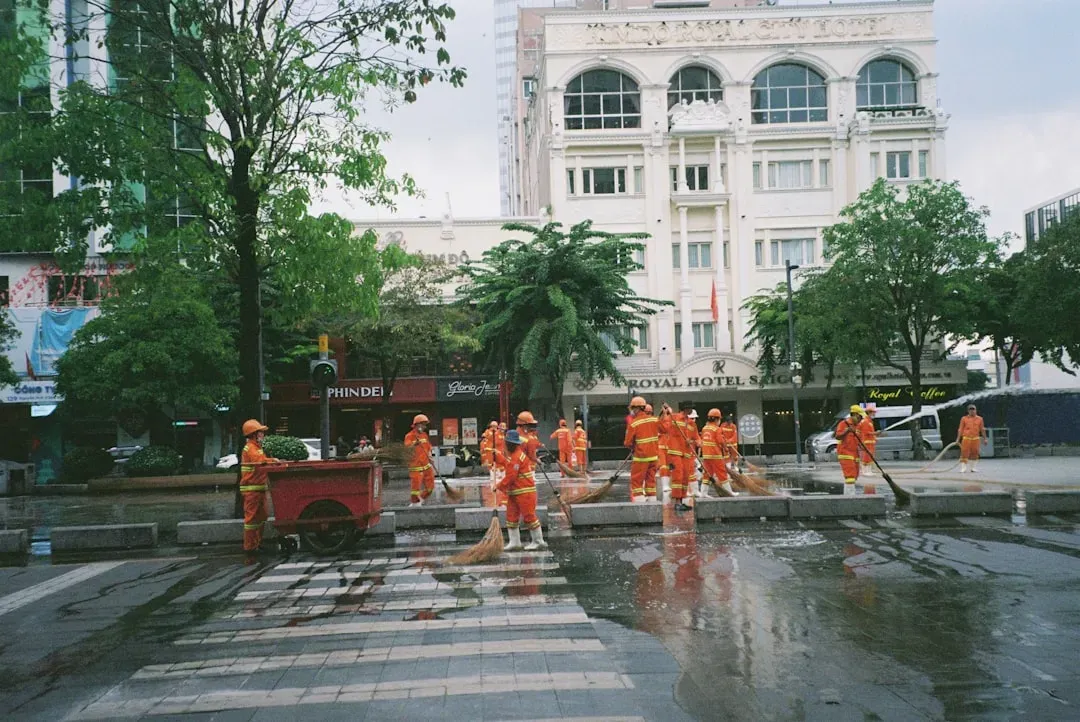
A combination of high tides, heavy rains, overflow in the Saigon and Dong Nai rivers, and land subsidence due to rapid groundwater extraction puts Ho Chi Minh City high on the list of the world’s most vulnerable cities. Nearly 45% of the city is located less than one metre above sea level and recurrent floods are an ordinary occurrence.
Tide-draining swamps that once protected areas most at risk of flooding have slowly been filled up to build housing, leading to record-breaking river tides that not only cost millions of dollars in damage but also put the lives of hundreds of thousands of people at risk.
Located along the Saigon River, Ho Chi Minh City is affected by river overflows, heavy rainfall, and rising sea levels. Rapid urban expansion has reduced natural water absorption areas, increasing flood severity. As global temperatures rise, sea levels are estimated to rise by more than one metre and nearly 20% of Ho Chi Minh City’s area will be flooded by 2100. A city of over nine million people, and almost a fifth of it could be underwater.
5. Manila, Philippines – Sinking Seven Times Faster Than the Ocean Rises
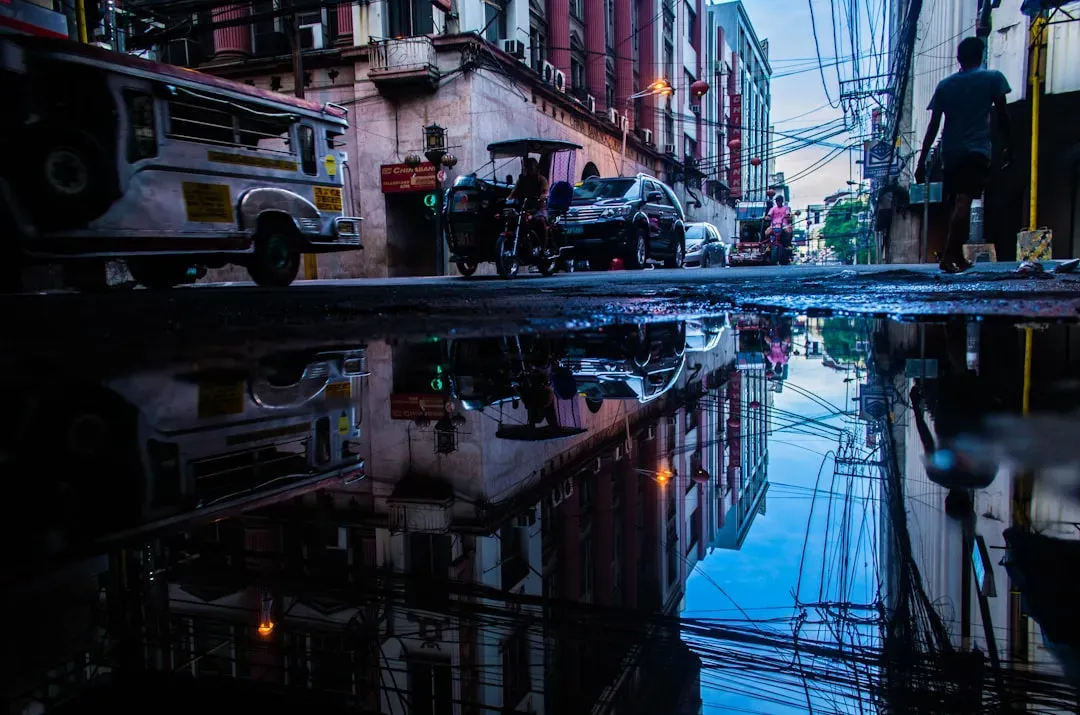
Sea level rise projections indicate that climate change will only amplify the threats of material damage and population displacement that Manila’s floods already present. A recent study shows that the capital city is already sinking at an alarming rate of 0.2 metres per year, seven times faster than the global rate of sea level rise.
Seven times faster. That is not a typo. It means that even if global warming were somehow paused tomorrow, Manila would still be in serious trouble. If this trend continues, almost the entire population of Manila will be displaced by the end of the current century.
It is hard to say for sure how quickly the international community will respond to this, but right now Manila sits at the intersection of typhoon risk, land subsidence, and ocean rise. It is a triple threat. The Philippines has been one of the world’s most disaster-hit nations for years already, and Manila remains the exposed nerve at the center of it all.
6. Kolkata, India – Monsoon City on the Edge
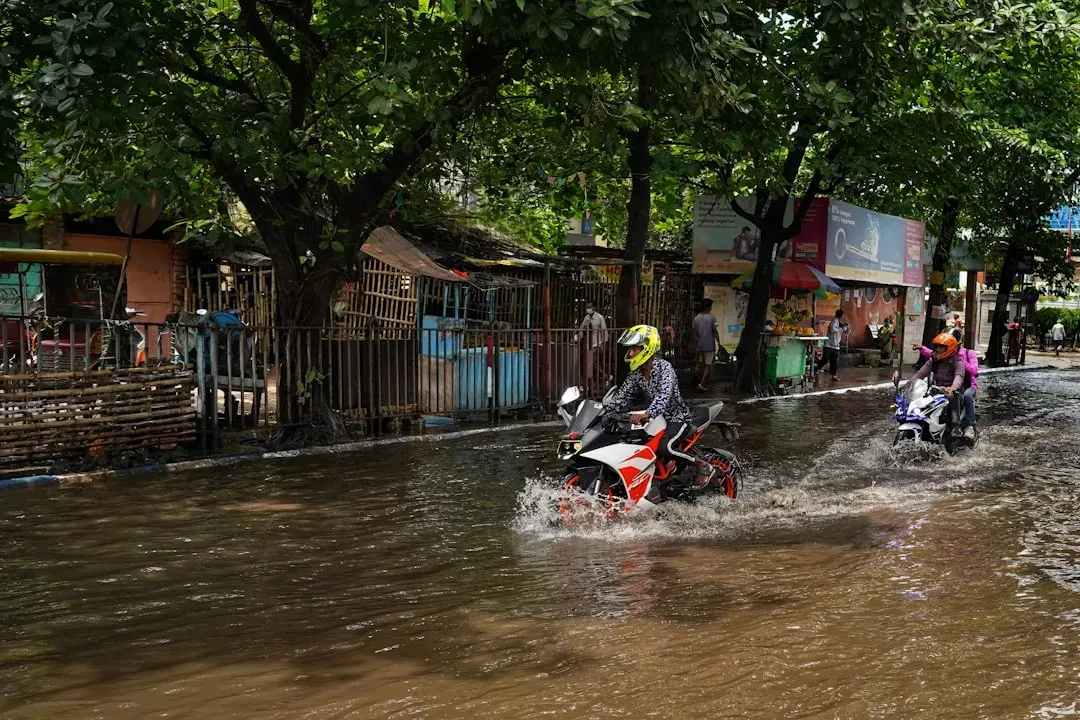
Monsoon flooding is already a regular occurrence in Kolkata, the capital of India’s West Bengal province, which is home to nearly 15 million people. Parts of the city are currently only 1.5 metres above sea level, putting its future in serious peril as sea levels continue to rise and climate change intensifies annual rainfall.
Kolkata is among the cities with the highest number of people at risk from coastal inundation, with between 11 and 14 million residents exposed. That is essentially the entire population of the greater metropolitan area. Kolkata isn’t just fighting sea level rise. It’s fighting it with an aging urban infrastructure and limited financial capacity for large-scale adaptation.
Among the hardest hit areas globally will be tropical and sub-tropical river deltas, broad fans of sediment and waterways where rivers meet the sea. Because such deltas are often the sites of port cities, large human populations are exposed to significantly higher risk. Kolkata sits right in that zone, perched on the Ganges Delta, one of the world’s most flood-prone regions.
7. New Orleans, USA – Already Half Below the Waterline
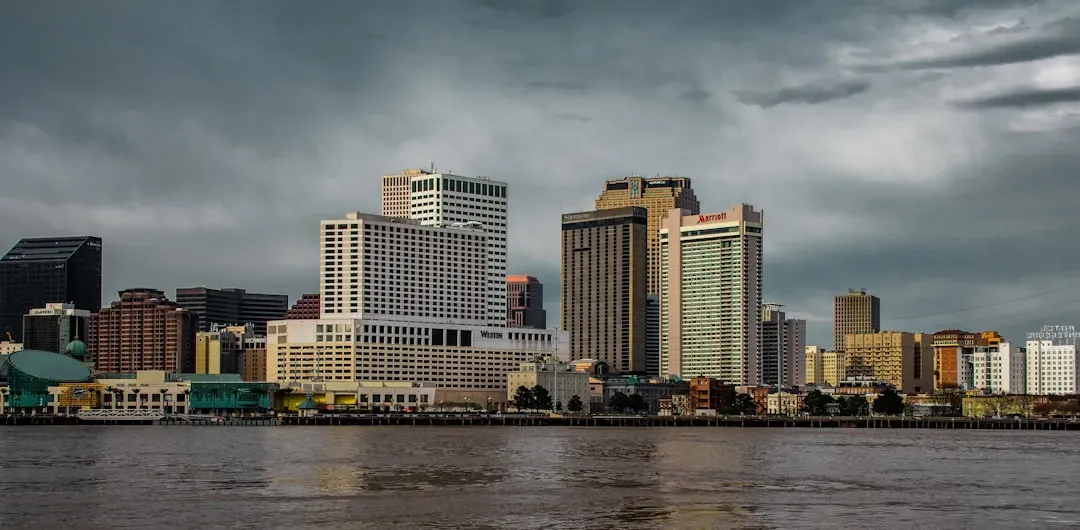
Most Americans know Hurricane Katrina. Fewer know that New Orleans never really escaped the fundamental geographic problem Katrina exposed so brutally. New Orleans is sinking. The devastating effects of extreme weather on a low-lying coastal city were cruelly demonstrated by Hurricane Katrina, which unleashed deadly floods in 2005. Roughly half of the city is already below sea level.
The risk comes not only from rising sea levels due to ice-melt and the expansion of ocean water as it warms, but also from increasing storm surges and high-tide flooding. Storm surges are amplified by sea-level rise, causing them to hit higher water levels and allowing the surges to reach farther inland.
For cities with large areas at or below mean sea level, flooding can be catastrophic as they can be permanently flooded, as illustrated in New Orleans in 2005. The city has invested heavily in its levee system since Katrina. Yet experts remain divided on whether those defenses are enough. It is one of those situations where the engineering is remarkable but the underlying geography still wins in the long run.
8. Dar es Salaam, Tanzania – Africa’s Hidden Flood Crisis
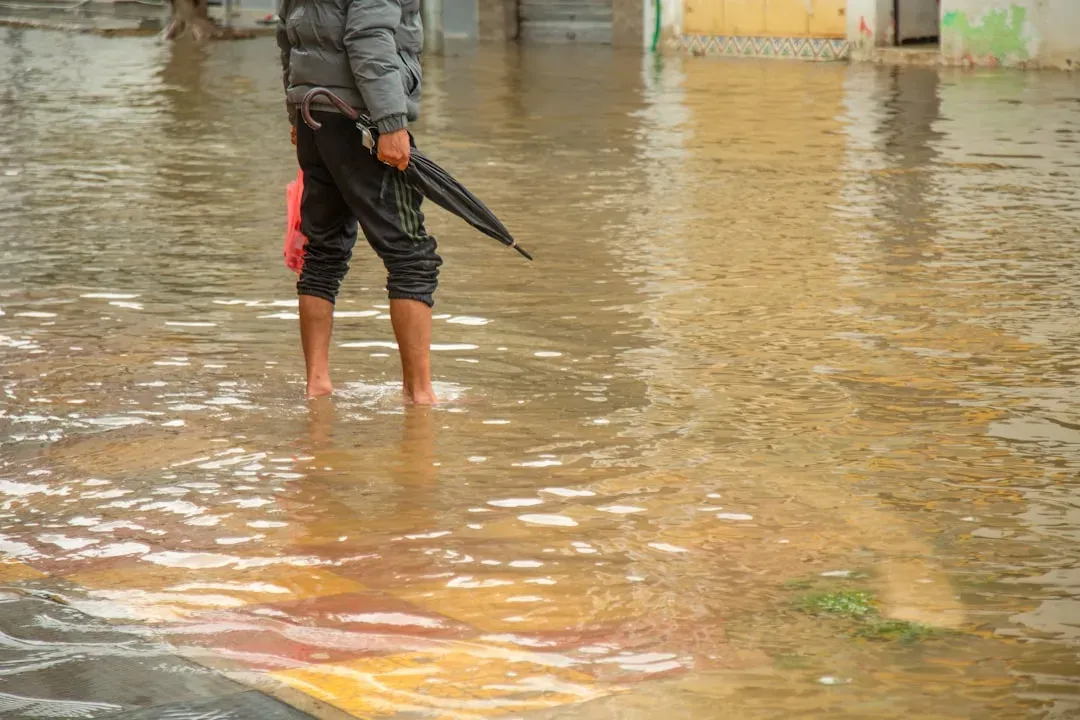
This one surprises most people. Africa rarely enters the conversation about rising seas, yet Dar es Salaam is facing a climate crisis that is both urgent and deeply underfunded. An estimated 8% of the city already lies below sea level, putting over 143,000 people at risk from coastal inundation. Extremely rapid population growth of over 5% a year means that unplanned informal settlements are expanding directly into flood-prone areas, where poor residents are highly susceptible to climate impacts.
Residents’ vulnerability is heightened by inadequate storm water drainage, sewage, and piping systems that result in public health hazards during floods. Think of it like building a house on a flood plain because that’s the only land you can afford, and then the plumbing doesn’t work when the waters rise. That is the daily reality for hundreds of thousands of people here.
Dar es Salaam’s informal settlements, poor drainage systems, and coastal erosion make it highly vulnerable. Sea level rise threatens homes, infrastructure, and vital economic areas along the coast. Tanzania is not generating headlines about this, but the quiet scale of the threat is genuinely alarming.
9. Savannah, USA – Once-in-a-Century Floods, Every Single Year
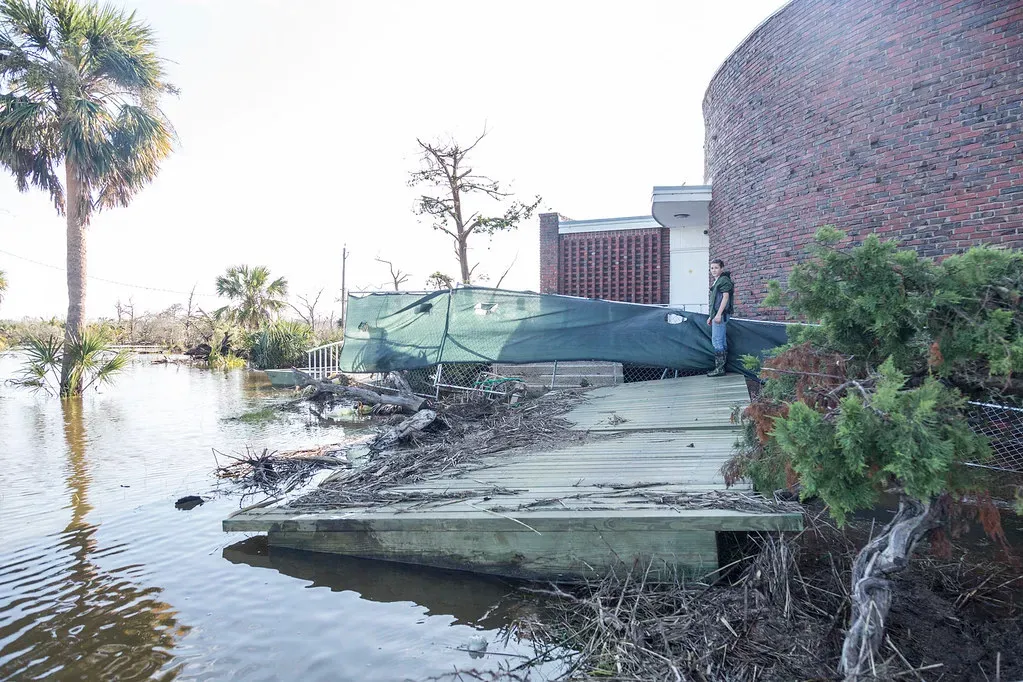
Most people think of Miami or New York when they think of American sea-level risk. But Savannah, Georgia, is quietly one of the most alarming case studies in the entire country. It is a sign of the escalating threat from climate change that Savannah is forecast to experience what were once-in-a-century floods every year by 2050. Situated between two rivers, the city is already vulnerable to three-metre-high “king tides” along its shoreline.
Tidelines have climbed higher along U.S. coasts in recent decades, exposing cities on the Gulf and east coasts to higher flood risks, sometimes even on sunny days. Seas are rising faster now, pushing storm surges higher and farther into places where coastal flood risks used to be much lower.
Savannah is a beautiful, historic city with a booming tourism industry. Ironically, it is exactly the kind of low-lying, river-flanked place that climate scientists would put at the top of a risk list. Cities on the US East Coast are witnessing sea level rise that is two to three times faster than the global average. That acceleration is not slowing down. It is speeding up.
10. Basra, Iraq – The Ancient City the Sea Is Slowly Reclaiming
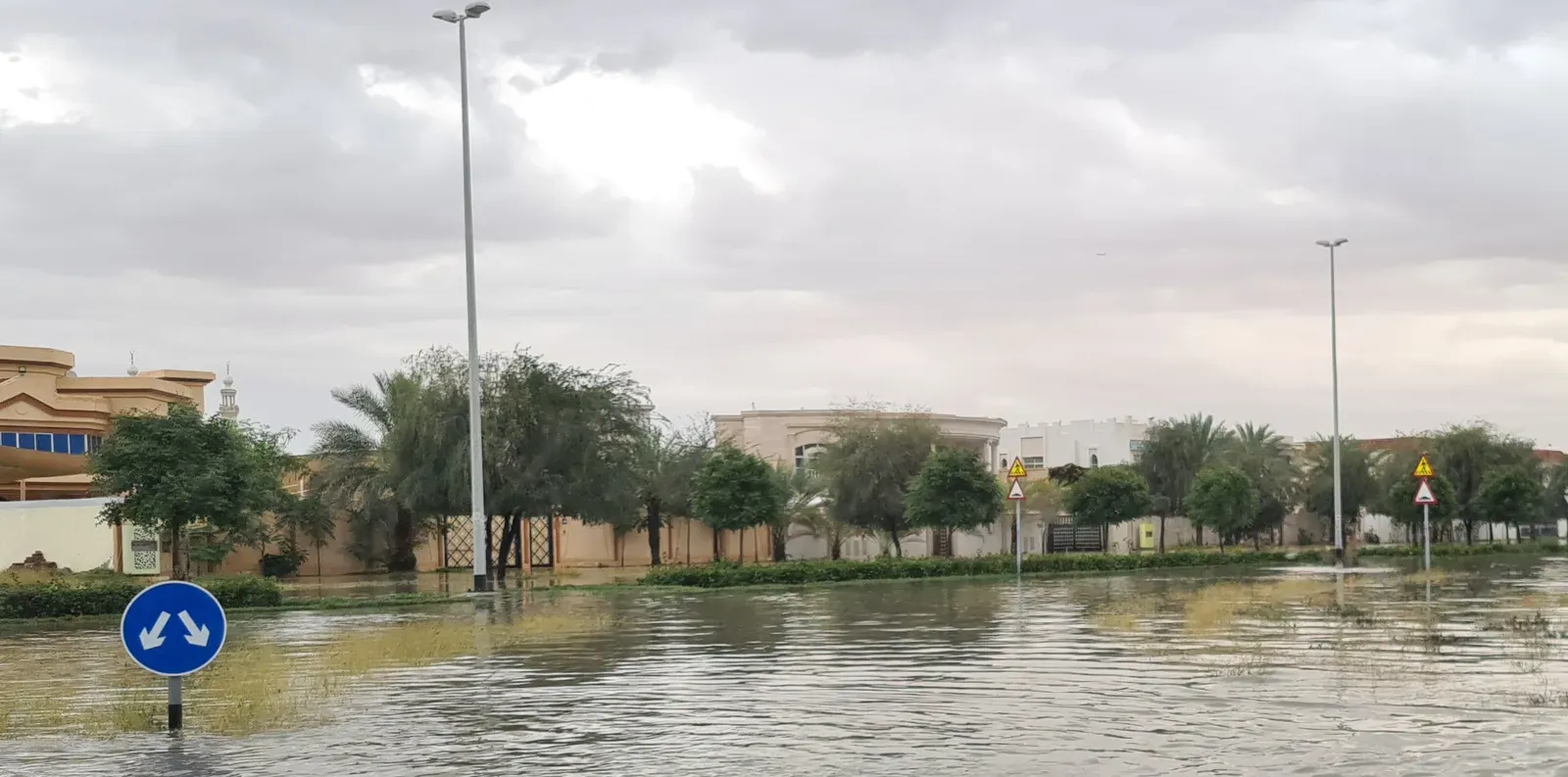
Iraq’s port city of Basra was once known as the Venice of the East thanks to its freshwater canals. Unfortunately, those same features also make the low-lying city vulnerable to flooding, especially as the canals have become clogged with refuse as a result of recent conflicts.
Basra is a city that most Western audiences associate with war rather than climate crisis. Yet its exposure to sea level rise in the Persian Gulf, combined with decades of neglected infrastructure, places it in a uniquely dangerous position. Flooding here doesn’t just displace people. It contaminates water supplies and destroys agricultural land in a region already under massive stress.
Rising sea levels pose multiple risks, not only the flooding of coastal towns but also damage to sites that store certain hazards, as well as possible contamination of drinking water sources. A recent survey found there are roughly 5,500 sites that store, emit, or handle sewage, trash, oil, gas, and other hazards that could face coastal flooding by 2100. In Basra, many of those hazardous sites are oil industry infrastructure. The overlap of climate risk and industrial pollution here is a ticking clock.
Conclusion – The Water Doesn’t Wait for Permission
What connects all ten of these cities is something more unsettling than geography. Even though variations in geography leave certain cities acutely exposed to sea level rise and coastal flooding, a city’s level of climate risk is intensified by socio-economic circumstances and the built environment’s shape and form. In other words, the poorest and most vulnerable people almost always pay the highest price.
The total urban population at risk from sea level rise, if emissions don’t go down, could number over 800 million people, living in 570 cities, by 2050. That is not a distant future scenario. That is within the lifetime of children alive today. Estimates suggest that the global economic costs to cities from rising seas and inland flooding could amount to roughly one trillion dollars by mid-century.
The cities on this list are not doomed by fate. They are at risk because of decisions: decisions about emissions, groundwater extraction, urban planning, and the willingness to take science seriously before the seawater is already at the door. I think the most powerful thing about this list isn’t the scale of the danger. It’s the fact that almost all of it was preventable.
So here’s the question worth sitting with: if you lived in one of these cities, would you stay? And if you wouldn’t, what does that say about the millions who have no choice?
