
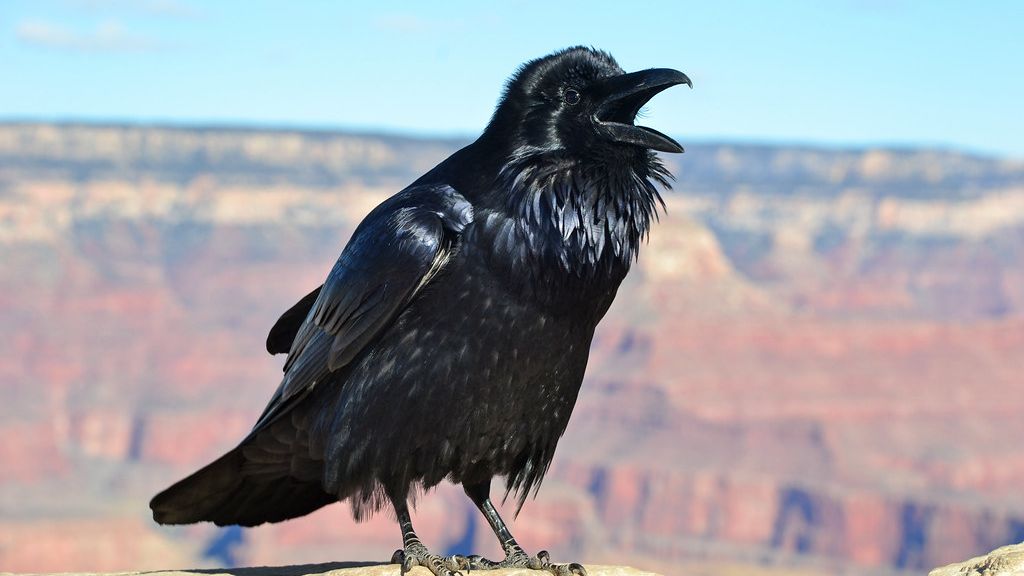
Most of us grew up hearing the phrase “bird brain” thrown around as an insult. It was shorthand for stupidity, for a mind too small and simple to matter. Honestly, it’s one of science’s most satisfying reversals that this idea has been dismantled, piece by piece, by decades of research revealing something genuinely astonishing: some birds are not just smart. They are, in certain measurable ways, on par with primates.
As the field of animal neuroscience advances, researchers have documented an increasingly large number of species across the animal kingdom displaying ingenuity, problem-solving, and emotional depth on a level far greater than previously realized. The birds leading that charge? You might be surprised by just how deep this goes. Let’s dive in.
The Crow That Thinks Like an Engineer
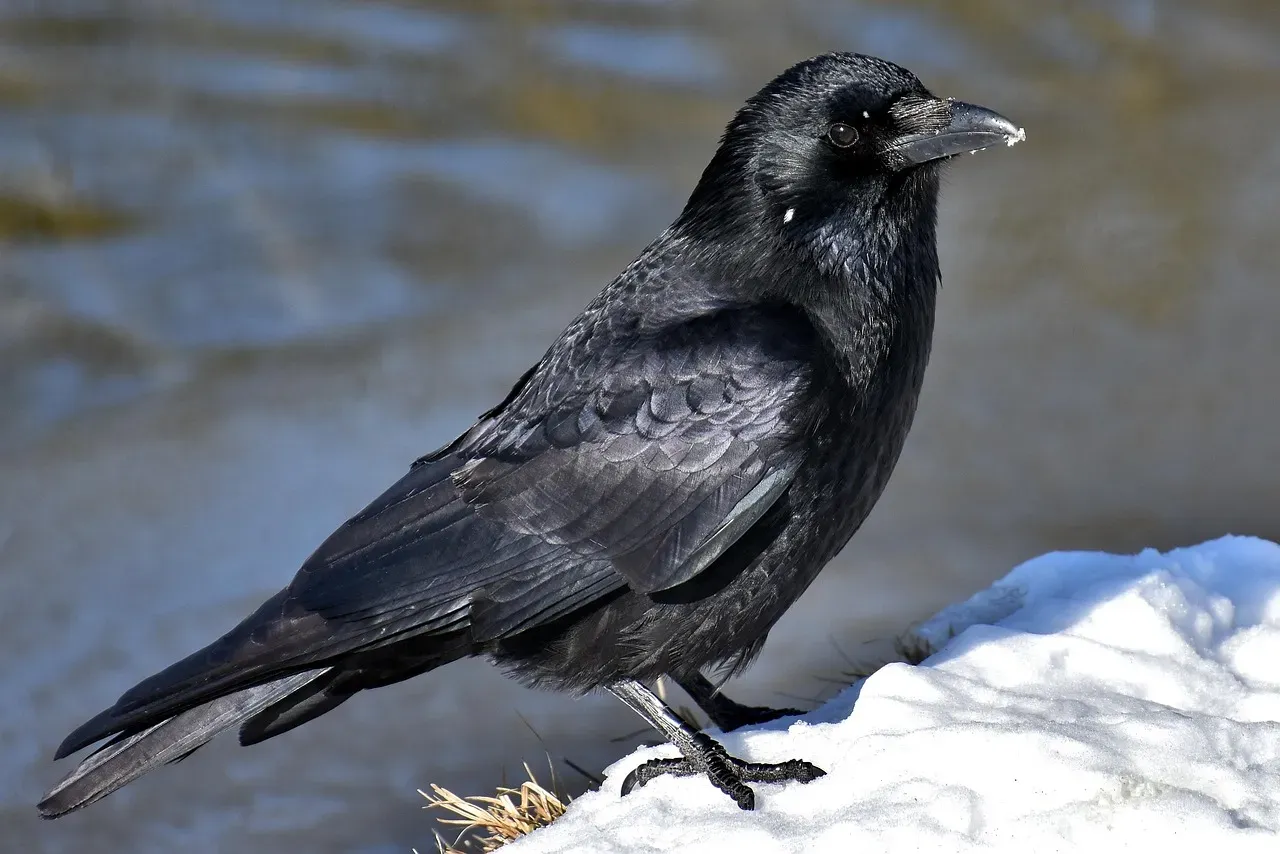
Here’s the thing about New Caledonian crows: they don’t just use tools. They manufacture them. There’s a real difference, and it’s a huge one. Think about it like the difference between picking up a rock off the ground and sitting down to craft a hammer. That’s essentially what these birds are doing.
In more recent studies, New Caledonian crows have exhibited meta-tool use, using one tool to retrieve another, and have demonstrated causal reasoning in experiments like the Aesop’s Fable test, where they raised water levels with stones to access floating food. That is not instinct. That is reasoning.
A New Caledonian crow named 007 solved an eight-step puzzle without even watching a human do it first. The bird had learned the different steps individually, but it also applied its cognitive to make those steps in the correct order to achieve its goal.
Some crows have even been observed using a tool to get another tool, which they then use to access food. That’s called meta-tool use, and it places these birds alongside nonhuman animals like chimpanzees in terms of mental muscle. When a crow outsmarts a chimpanzee, it’s time to reconsider everything we thought we knew about intelligence.
Ravens Plan for the Future – Better Than Some Primates
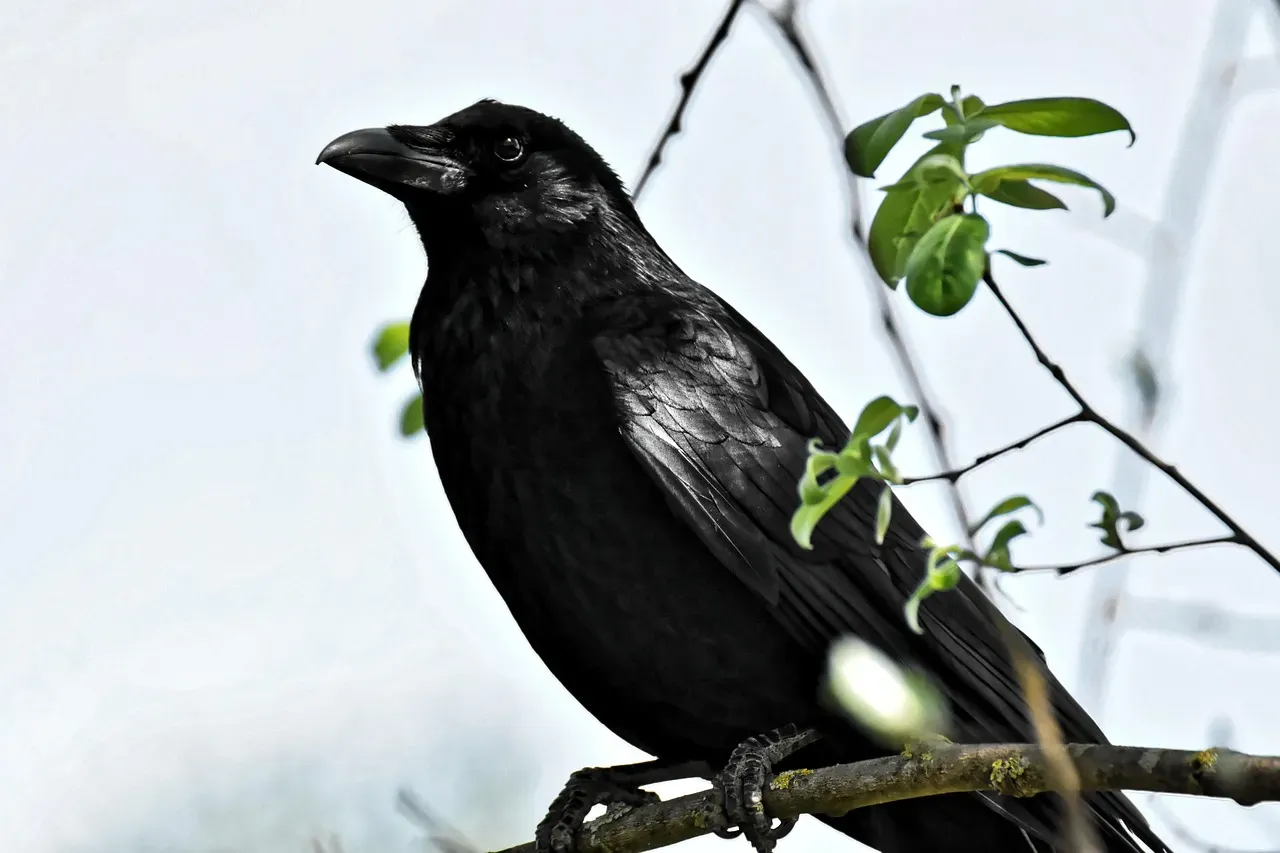
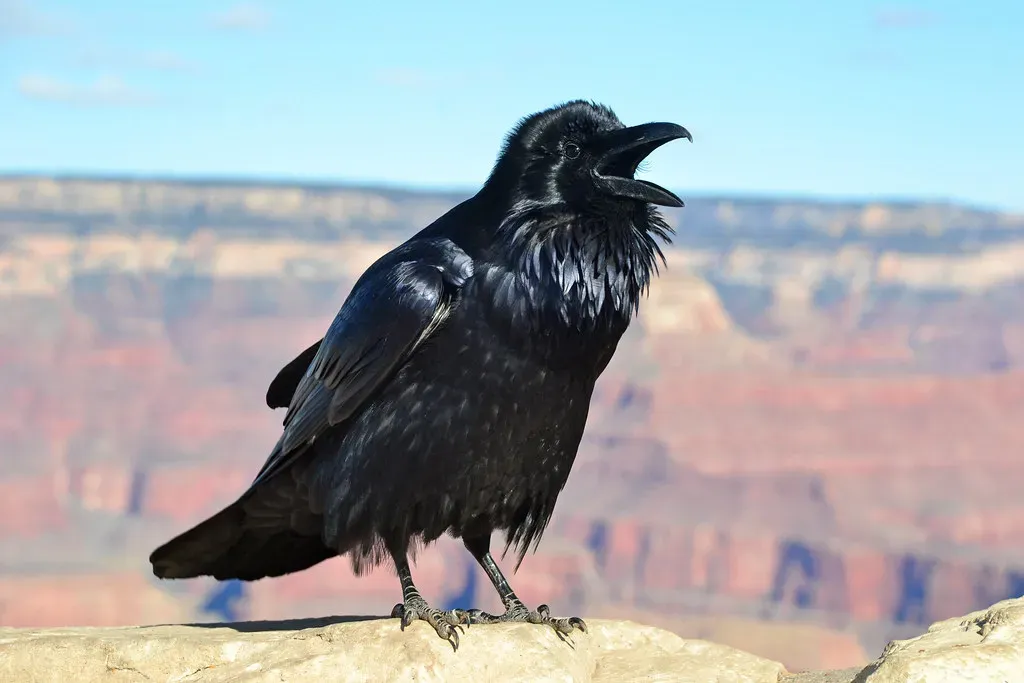
If crows are the engineers of the bird world, ravens are the strategists. I think what makes ravens truly remarkable is not just what they can do in the moment, but what they can do across time. Planning ahead requires holding a future scenario in your mind and working backward to solve it. That’s sophisticated thinking by any measure.
Scientists previously believed future-planning behaviors were unique to hominids because no other animals, including monkeys, were thought to have such abstract thinking skills. Now, research may challenge that long-held notion: ravens are just as good as us at pre-planning tasks.
In one experiment repeated with a 17-hour delay before returning a task box to the ravens, the birds were successful nearly 90 percent of the time. The delay didn’t confuse them. They simply remembered, planned, and executed. Flawlessly.
Ravens also exhibit social intelligence through deceptive behaviors. When they cache food, ravens often feign hiding it in one location to mislead other birds that are watching, only to actually conceal it in a different spot when they think no one is observing. This behavior reflects an understanding of the intentions of others, a concept known as “theory of mind,” which is uncommon outside of humans and primates. That level of social cunning is, frankly, a little unsettling in the best possible way.
The African Grey Parrot and the Language of Understanding
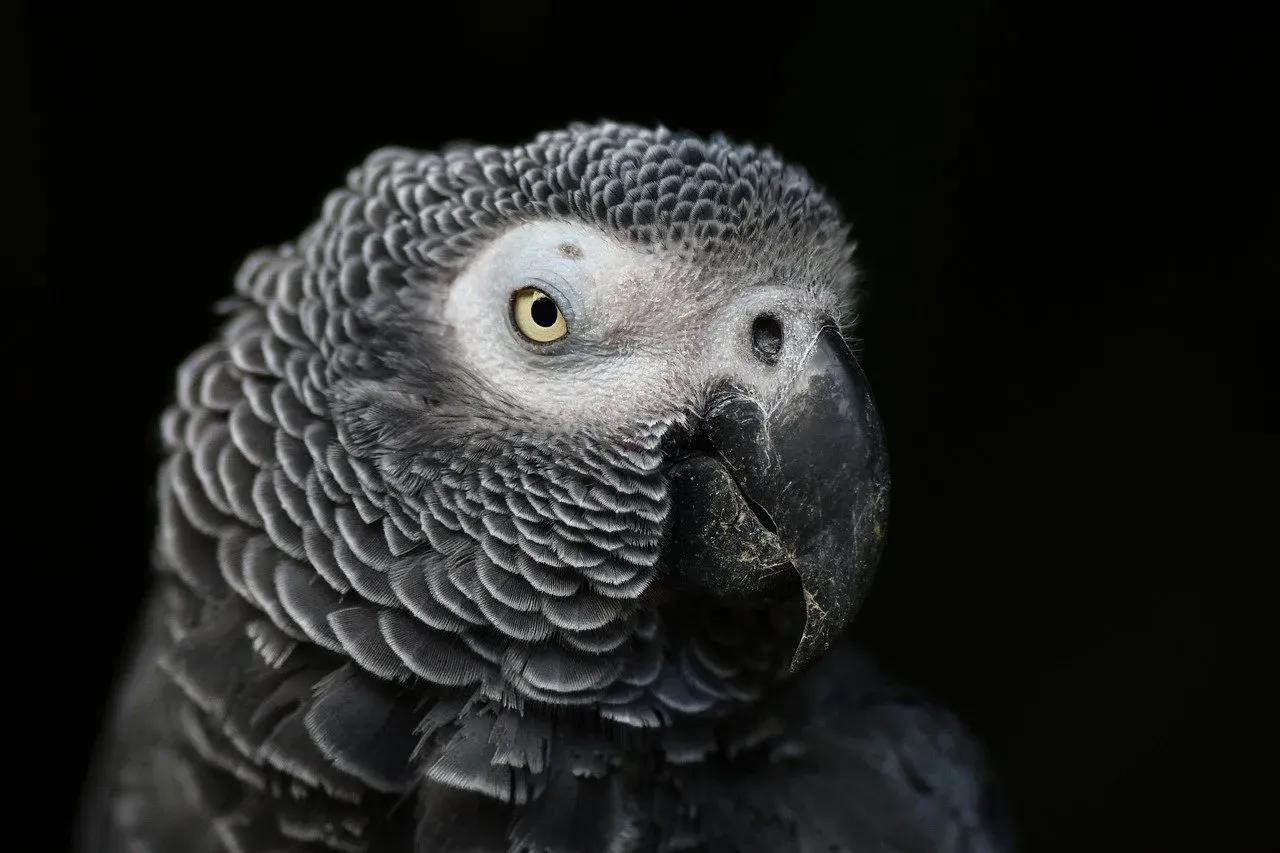
Parrots get dismissed as mimics. Party tricks in feathers. It’s a reputation that is wildly unfair, and the science has been dismantling it for years. African grey parrots are adept at solving problems. Renowned for their exceptional learning cap, they can link objects with colors, shapes, and even names. Studies have revealed that African greys can solve puzzles and make decisions based on anticipated rewards, illustrating their memory and planning skills.
Research shows African grey parrots can understand basic concepts such as numbers, shapes, and colors. One notable African grey parrot named Alex was studied for his cognitive and demonstrated the ability to use words in context, indicating comprehension rather than mere imitation.
These parrots also show cognitive flexibility, which means they can change tactics if one approach doesn’t work. That’s a sign of advanced cognitive , much like what we see in great apes. The difference between a parrot that says “hello” and one that understands what “hello” means is enormous. And Alex belonged firmly in the second category.
Species of parrots like the African Grey will readily help others to obtain food without requiring reciprocation. Altruism without expectation of reward. Sound familiar? It should.
The Brain Behind the Beak: How Avian Intelligence Actually Works
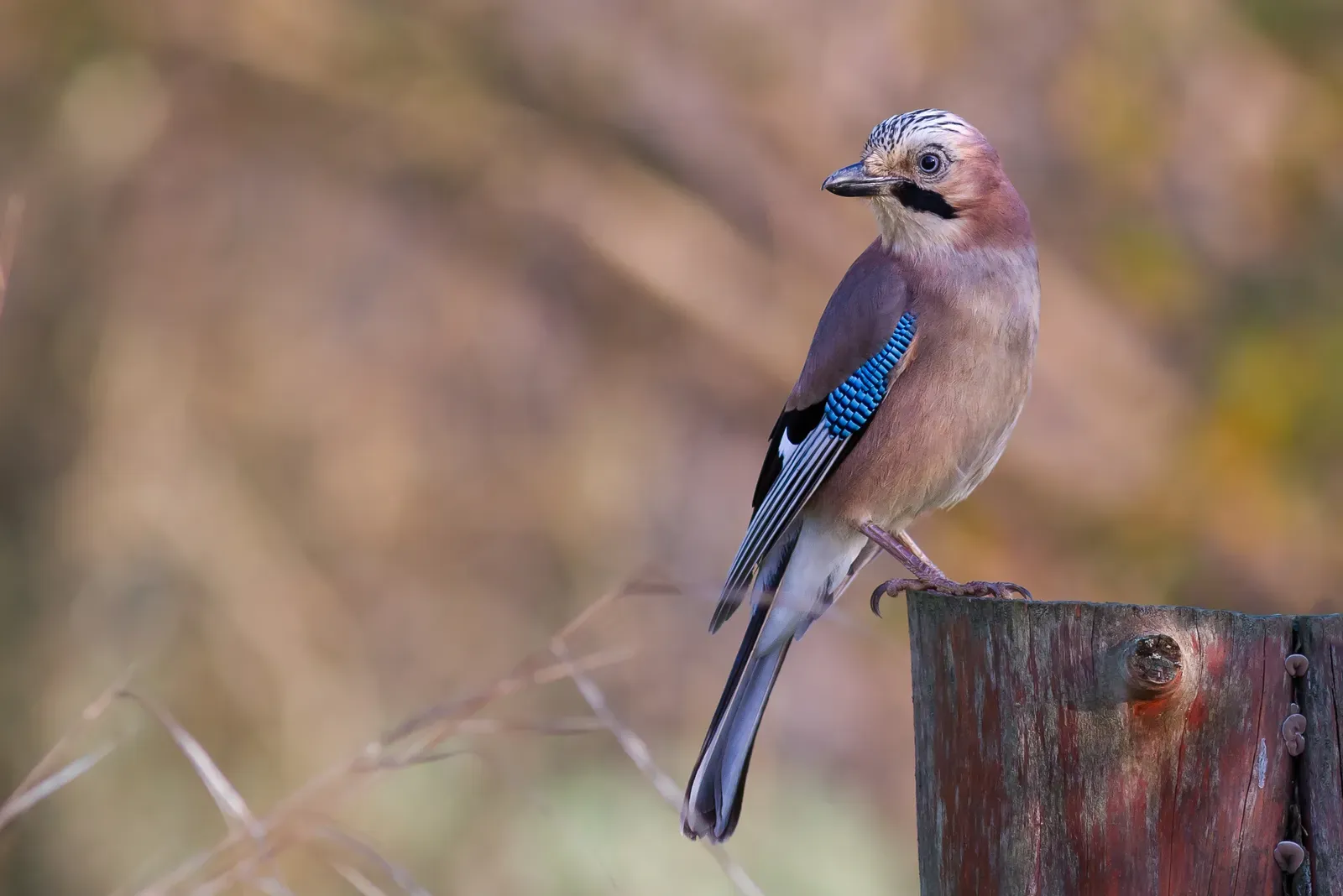
For a long time, scientists assumed that because bird brains were structured differently from mammal brains, they must be inferior. It was a logical-sounding assumption that turned out to be completely wrong. The architecture of a brain matters far less than what it can do.
In general, birds have relatively large brains compared to their head size. Furthermore, bird brains have two-to-four times the neuron packing density of mammal brains, for higher overall efficiency. Think of it like comparing a sprawling old office building to a sleek, compact modern one. Smaller footprint, more output.
Corvids and parrots, which have forebrains relatively the same size as apes, live in complex social groups and have a long developmental period before becoming independent, and have demonstrated ape-like intelligence. Evolution found a different path to the same destination.
Large-scale analyses have shown that innovativeness reduces extinction risk, increases colonization success, and is associated with increased brain size and pallial neuron numbers. In other words, being clever isn’t just impressive. For birds, it is quite literally a survival advantage. The smarter they are, the better their odds of making it through a changing world.
Hidden Geniuses: The Unexpected Birds That Surprise Scientists
Crows and parrots dominate the headlines, and rightly so. Still, some of the most exciting recent discoveries involve species that nobody had on their radar. Though corvids and parrots get most of the credit for being brainy, there are “sleeper birds out there” that we haven’t fully appreciated. Great-tailed grackles, for instance, belong to the same family as blackbirds and orioles, a group not often considered particularly smart.
When presented with classic tests given to crows and ravens, great-tailed grackles passed with flying colors. The grackles were given puzzles containing food as a prize. Not only did they learn to solve the problem, when the rules of the puzzle changed, the birds nimbly adapted their strategies. Each grackle approached the puzzle in a different way, demonstrating individual styles of thinking. Individual styles of thinking. In birds. That’s genuinely remarkable.
Among other standouts, the Clark’s nutcracker hides over 30,000 pinyon pine seeds across thousands of sites each autumn to prepare for winter. Remarkably, these birds can recover their cached seeds even nine months later. Their secret lies in sophisticated spatial memory, navigating using stable, vertical landmarks such as trees and rocks. This strategy reveals not just memory, but foresight and an ecological intelligence finely tuned to survival.
Striated caracaras endemic to the Falkland Islands show curiosity and neophilia similar to notoriously neophilic kea parrots and face similar socio-ecological pressures to corvids and parrots. Science keeps finding intelligence in places it wasn’t looking. Which raises an honest question: how many more “ordinary” birds are quietly solving problems that we’ve simply never thought to test?
Conclusion: The Sky Is Full of Thinkers
It turns out the sky isn’t just full of beautiful creatures. It’s full of thinkers, planners, deceivers, and toolmakers. Birds have been quietly demonstrating forms of intelligence that challenge our most human-centric assumptions about what it means to have a mind.
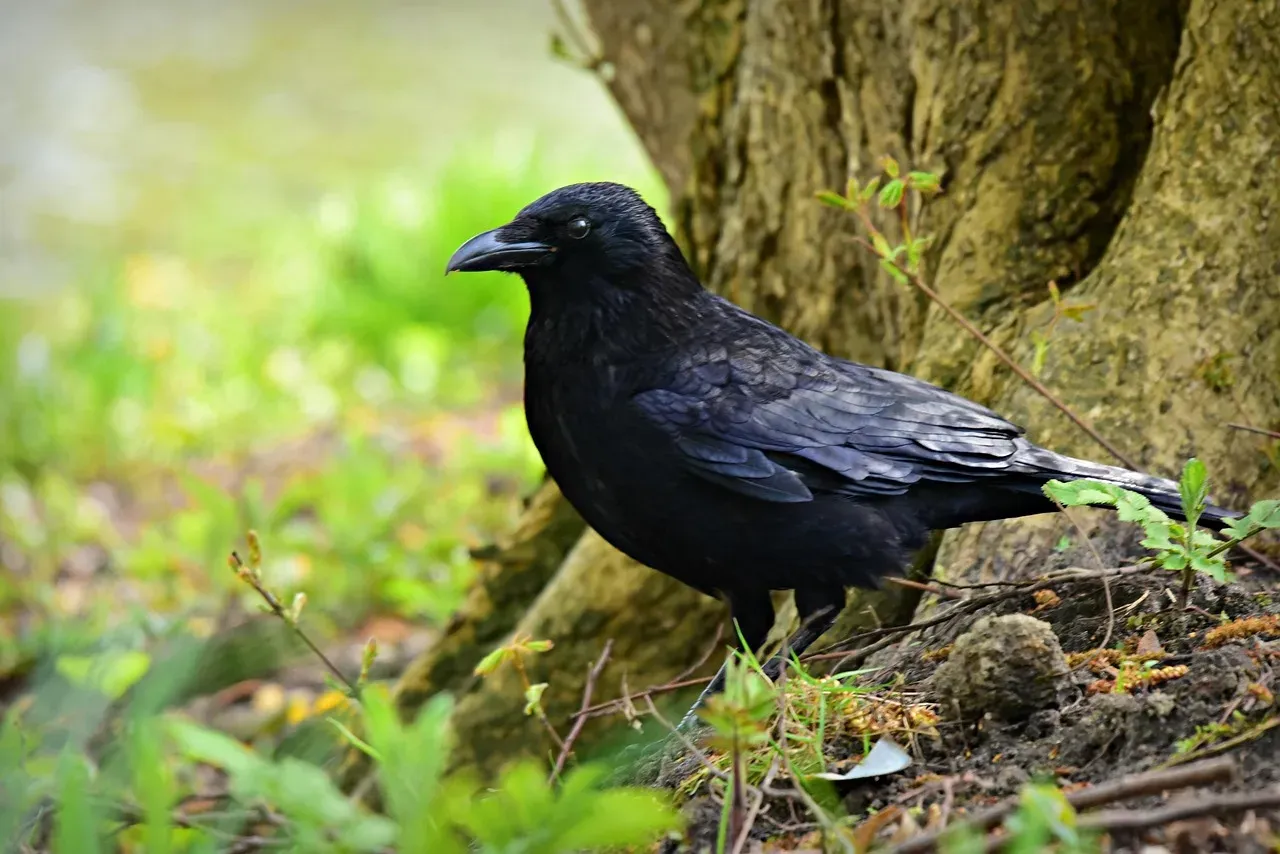
Crows and other corvids exhibit remarkable intelligence, including tool use, problem-solving, memory, and even social awareness, challenging long-held assumptions that such cognitive are exclusive to humans or primates. Scientific research shows that these birds understand cause and effect, plan for the future, and adapt their behavior based on context, environment, and who’s watching.
The deeper science looks, the more it finds. And maybe that’s the real lesson here. Intelligence didn’t evolve just once, in one lineage, pointing toward us. It evolved many times, in many forms, including in animals that weigh less than a cup of coffee. The next time a crow lands near you and tilts its head, know that it’s probably sizing you up just as carefully as you’re watching it.
What would you have guessed – that a bird could outplan a primate? Tell us what you think in the comments.
