
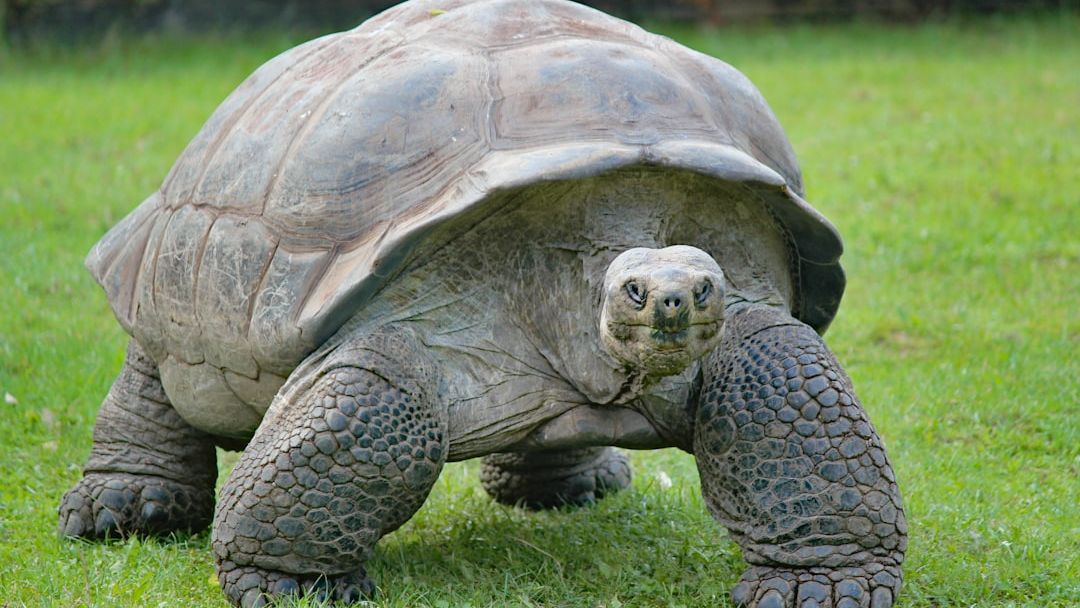
There is something almost poetic about the fact that a tortoise named Jonathan, plodding quietly on the island of Saint Helena, has been alive since before the invention of the telephone. While most of us are racing through decades, certain animals are barely getting started at the century mark. It raises a genuinely fascinating question: what on earth are they doing differently?
The science of animal longevity has exploded in recent years, with researchers uncovering hidden layers of genetics, metabolism, and cellular biology that explain these extraordinary lifespans. Some of the answers are surprising. Some are downright humbling. Let’s dive in.
1. Superior DNA Repair Mechanisms
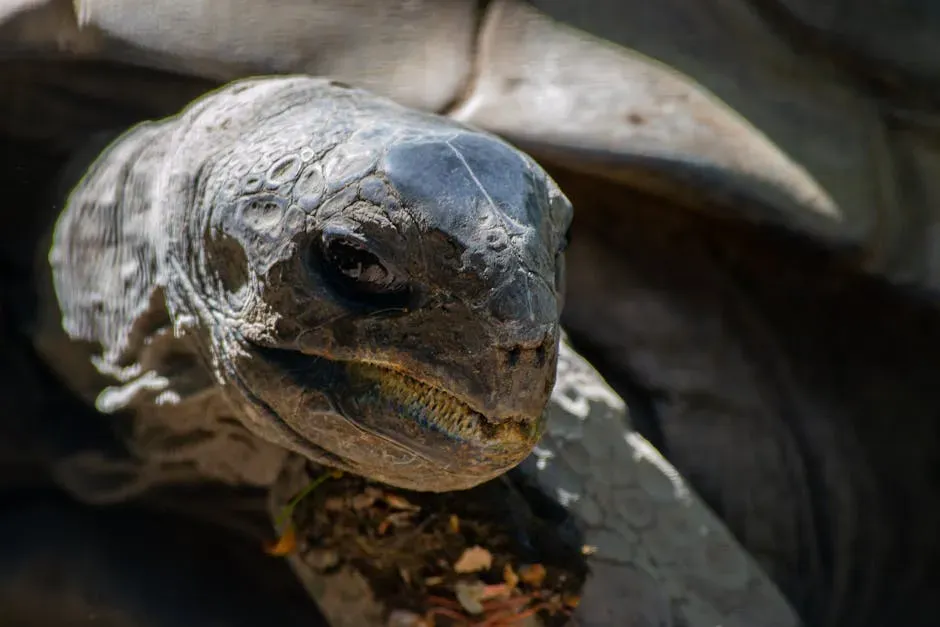
Here’s the thing about living for centuries: your DNA takes a beating. Every cell division, every environmental stressor, every microscopic mistake adds up. So it makes sense that the longest-lived animals have evolved extraordinarily powerful ways to fix that damage.
Naked mole rats, for example, have very high levels of a type of hyaluronan, a connective-tissue component that may help protect DNA from damage, and in 2025, researchers pinpointed an enzyme that gives these creatures enhanced DNA repair ability.
Bowhead whale cells contain a protein remarkably good at healing breaks in DNA, and when added to human cells in the lab, it increased those cells’ ability to manage damage. Think of it like having a world-class repair crew on standby, 24 hours a day, for two hundred years straight.
2. Remarkably Slow Metabolisms
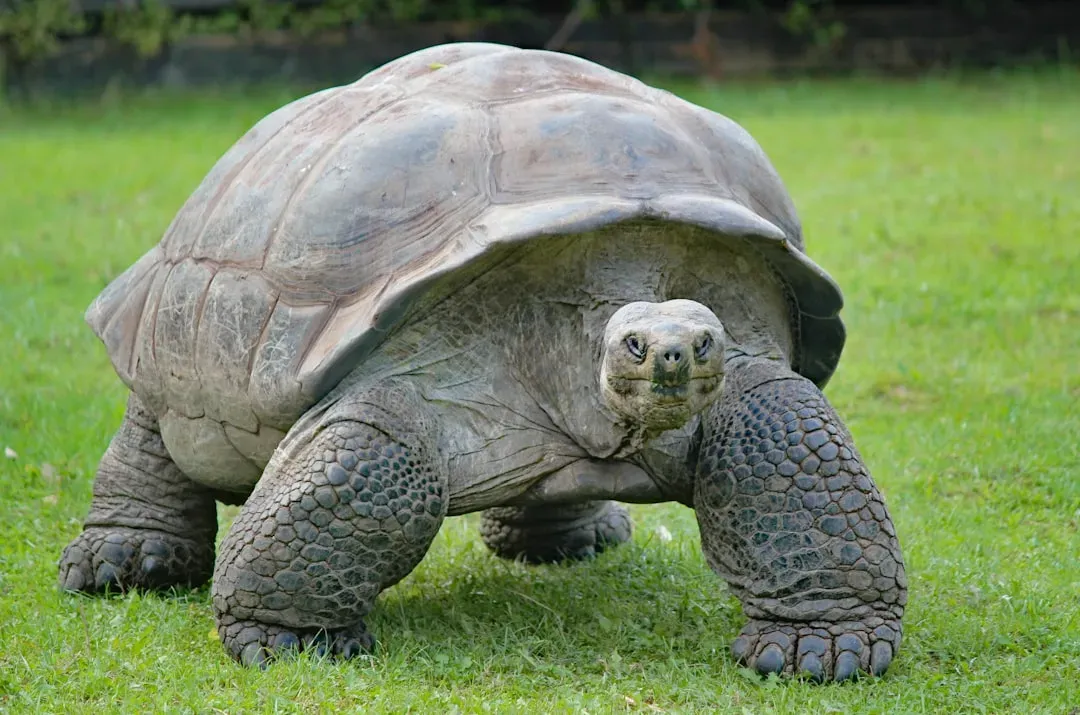
I know it sounds crazy, but living slowly really does seem to help you live longer. Metabolism, the engine of life, burns fuel and produces waste. The faster it burns, the more cellular damage accumulates over time.
Metabolism plays a key role in lifespan. Animals with faster metabolisms tend to live shorter lives. A hummingbird, for instance, lives just a few years despite incredible energy efficiency, with a heart beating over a thousand times per minute. By contrast, a Galápagos tortoise has a slow, deliberate metabolism and can .
Most mammals get about one billion heartbeats in their lifetime. Small animals have fast heart rates and short lives, while larger animals have slow hearts and long existences. It is, in a way, like comparing a sports car engine to a diesel locomotive. One blazes fast and burns out. The other just keeps going.
3. Exceptional Cancer Resistance

Living for centuries while constantly dividing cells sounds like a recipe for cancer. Yet some of the world’s oldest animals seem to be shielded from it entirely. This is one of the most jaw-dropping discoveries in longevity science.
Researchers reason that if animals can live for a long time, they may be fending off mutations that can lead to cancer. In one study of 800 naked mole rats, not a single one had developed cancer, compared to scientists’ estimates that as many as half of all humans eventually develop the disease.
Marine biologists have never once found a malignant tumor on a bowhead whale. They appear to be immune to cancer entirely. For an animal the size of a school bus, that is nothing short of extraordinary. Honestly, understanding this mechanism alone could transform human medicine.
4. The Power of Telomere Maintenance
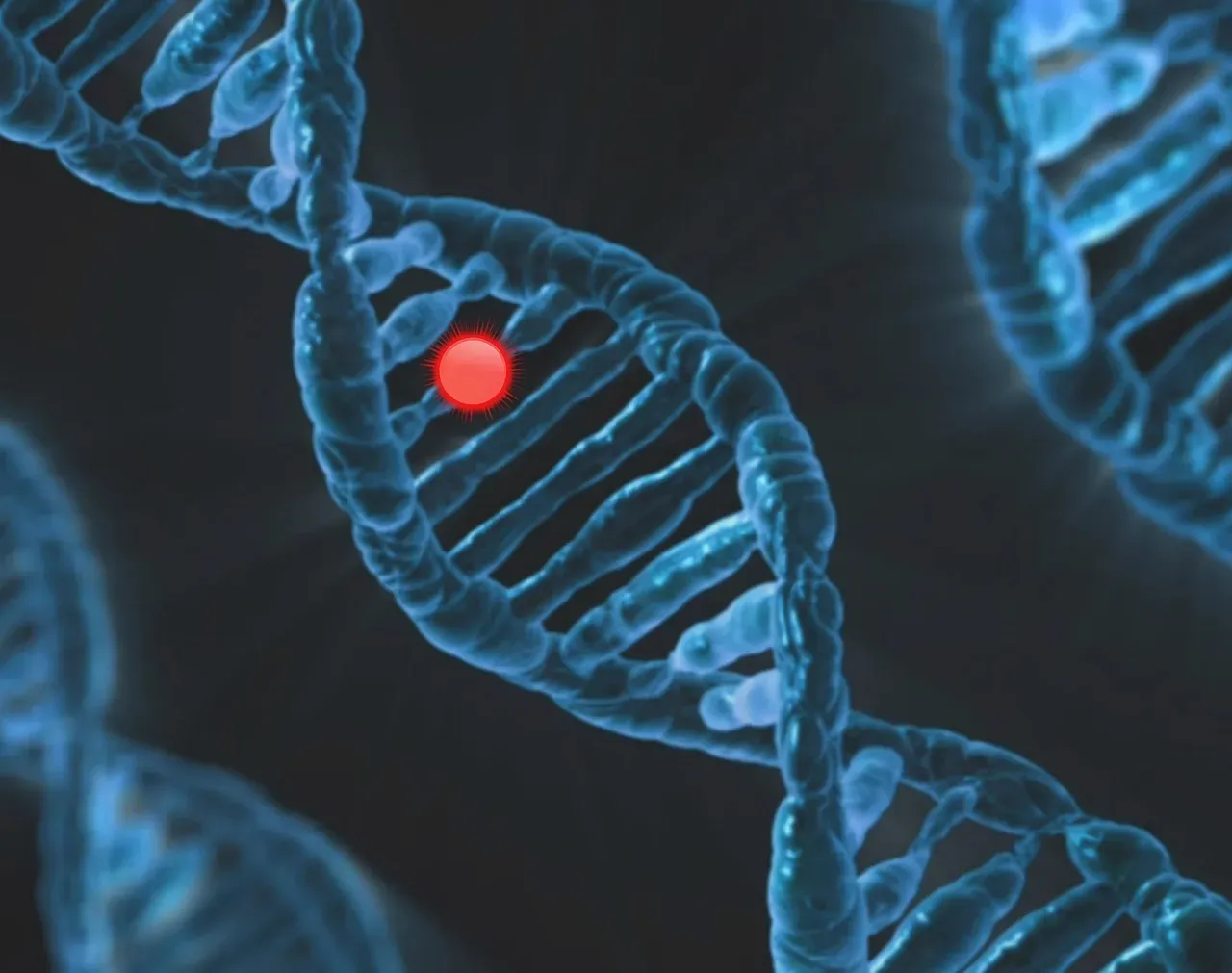
Telomeres are a bit like the plastic tips at the end of shoelaces. They protect the ends of chromosomes and keep genetic information intact. Every time a cell divides, those tips get a little shorter. When they run out, the cell stops working properly.
Telomeres, the protective caps at the ends of chromosomes, play a crucial role in cellular aging. In many animals, telomeres shorten with each cell division, eventually triggering cell death or dysfunction. Yet in some long-lived species, telomere shortening is slowed or counteracted by enzymes like telomerase. Remarkably, some birds and reptiles maintain telomere length well into old age, potentially contributing to their longevity.
It is the difference between a well-maintained shoelace that stays intact for decades and one that starts fraying after a year. Long-lived animals seem to have found a way to keep those tips intact almost indefinitely.
5. Cold and Stable Environments
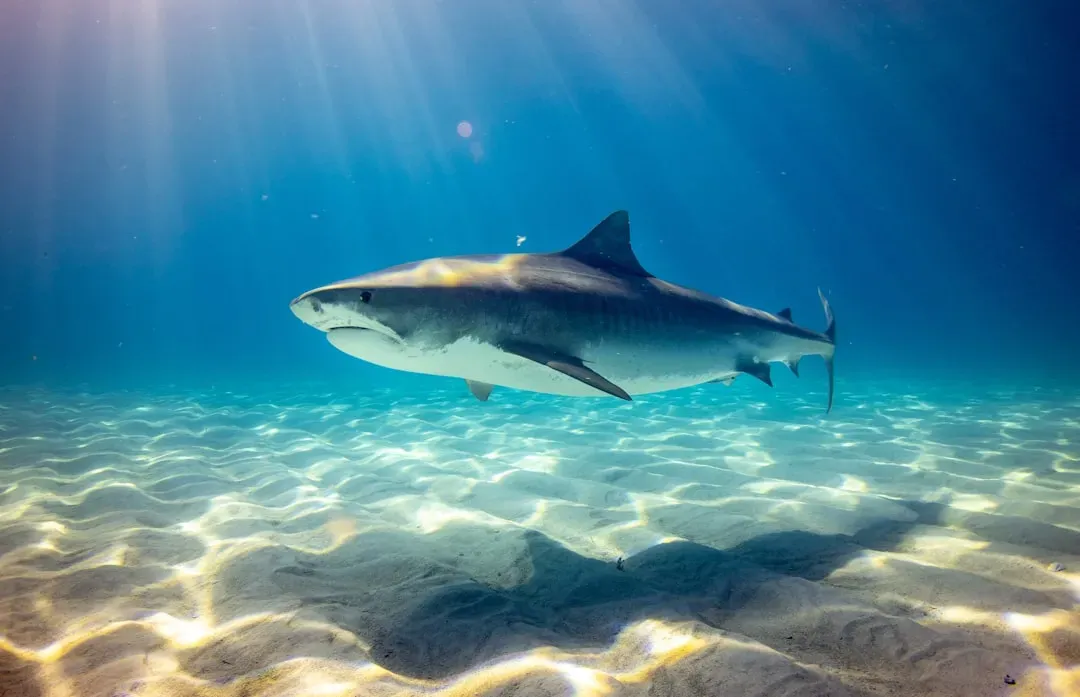
Geography plays a bigger role in longevity than most people realize. The deep ocean, icy Arctic waters, and frigid caves create conditions that, somewhat counterintuitively, are absolutely ideal for living an extremely long time.
One of the most intriguing examples of extreme longevity is the Greenland shark. Living in the frigid depths of the Arctic and North Atlantic, this slow-moving predator can live for over 400 years. Its secret lies in a combination of cold, stable environments, an extremely slow metabolism, and a low rate of predation. The shark reaches sexual maturity at around 150 years, and the cold environment slows its metabolic processes to a crawl, reducing cellular damage and the accumulation of errors over time.
Cold temperatures, darkness, and stable environments minimize cellular damage and oxidative stress, making these creatures biological time capsules from a world long gone. It is a sobering thought. These sharks were already ancient when the American Revolution began.
6. A Hidden Layer of Genetic Control: Alternative Splicing
Scientists have long focused on which genes an animal has. But cutting-edge research is now revealing that how those genes are used may matter just as much, perhaps even more.
Alternative splicing is a natural process where a single gene can produce multiple versions of mRNA, and therefore different proteins, by including or skipping certain genetic segments. It increases biological diversity without adding new genes, allowing organisms to adapt and function in more complex ways.
Lifespan-linked splicing is genetically programmed and tightly controlled by RNA-binding proteins, rather than being a byproduct of aging. This suggests that longer-lived species may have evolved molecular programs that optimize splicing for longevity, allowing active modification of lifespan regulation in response to environmental influences. In other words, it is not just the ingredients in the recipe. It is knowing exactly when to add each one.
7. Fewer Offspring, More Longevity
This one challenges everything we instinctively assume about survival. You might think that reproducing more would be a sign of biological vitality. But for many long-lived species, the opposite is actually true.
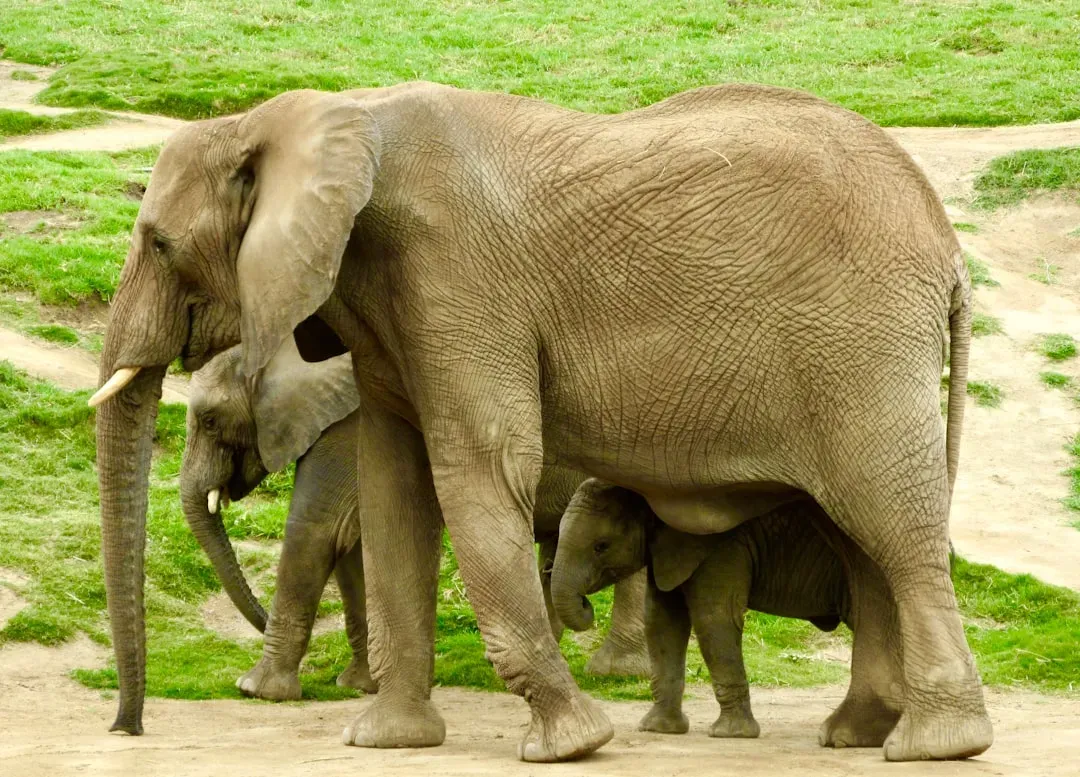
Animals across the natural world age at dramatically different rates. A female elephant can live as long as 80 years, yet she produces only a small number of calves over her lifetime. By contrast, a mouse may survive just a few years but is capable of producing dozens of offspring. Evolutionary biology explains this contrast through a basic principle: energy is limited, and species must divide it between reproduction and maintaining their bodies.
Species that follow this strategy, like elephants, whales, and sharks, tend to have fewer offspring, invest more in each one, and live longer lives. It’s a slow and steady approach to life, in stark contrast to species like rabbits or frogs, which reproduce quickly and die young. Nature, it turns out, does not offer a free lunch.
8. Biological Immortality and Cellular Regeneration
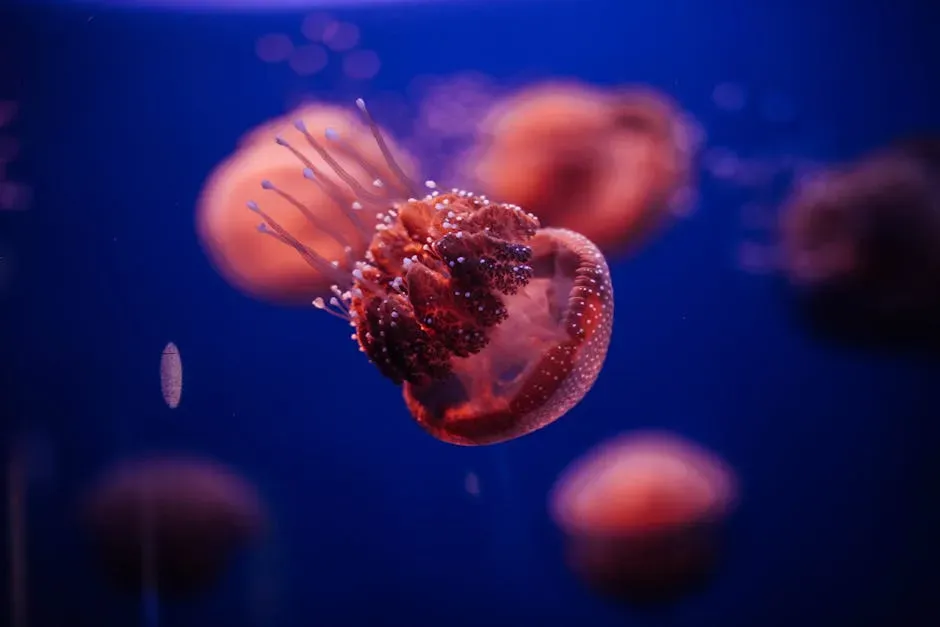
Some animals take longevity to a level that sounds like science fiction. A small number of species have effectively solved the aging problem through the ability to regenerate or reverse their own life cycle altogether.
The immortal jellyfish is a tiny jellyfish species that can potentially live forever. It can transform its adult cells into juvenile cells through a process called transdifferentiation, which effectively resets its life cycle, theoretically enabling it to bypass death due to old age.
Hydra, a group of small invertebrates, are largely made up of stem cells which continually regenerate through duplication or cloning, so these animals don’t deteriorate as they get older. They do die under natural conditions because of threats such as predators and disease, but without these external dangers, they could keep regenerating forever. It is the closest thing to true immortality that nature has produced, and it is real.
9. Protection from Predators and Low Ecological Stress
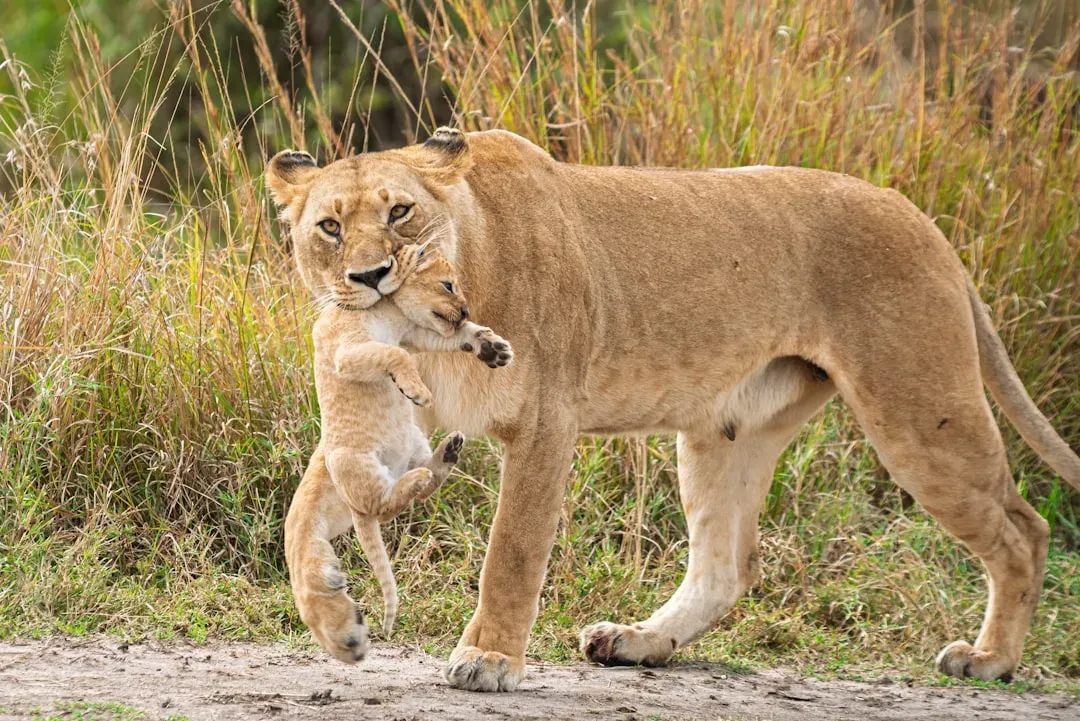
Let’s be real: it is very hard to live to 200 if something is trying to eat you. One of the most underappreciated reasons why certain animals live extraordinarily long lives is simply that they have very few natural threats.
Longevity is not something there’s direct evolutionary selection for. In the wild, most animals don’t die of old age. Predators eliminate them before cancer or heart disease ever become a problem. So when a species finds itself sheltered from predation, evolution is suddenly free to invest in longer, healthier bodies.
Factors such as balanced nutrition, high physical activity, and, in birds, predator evasion through flight, contribute to their longevity. Birds are relatively long-lived in the animal kingdom, averaging two to three times the lifespan of mammals of the same size, and this longevity might be related to birds’ ability to fly, which built strong muscles and efficient oxygen processing while also allowing them to escape potentially lethal situations.
10. Extraordinary Body Size and Genetic Architecture
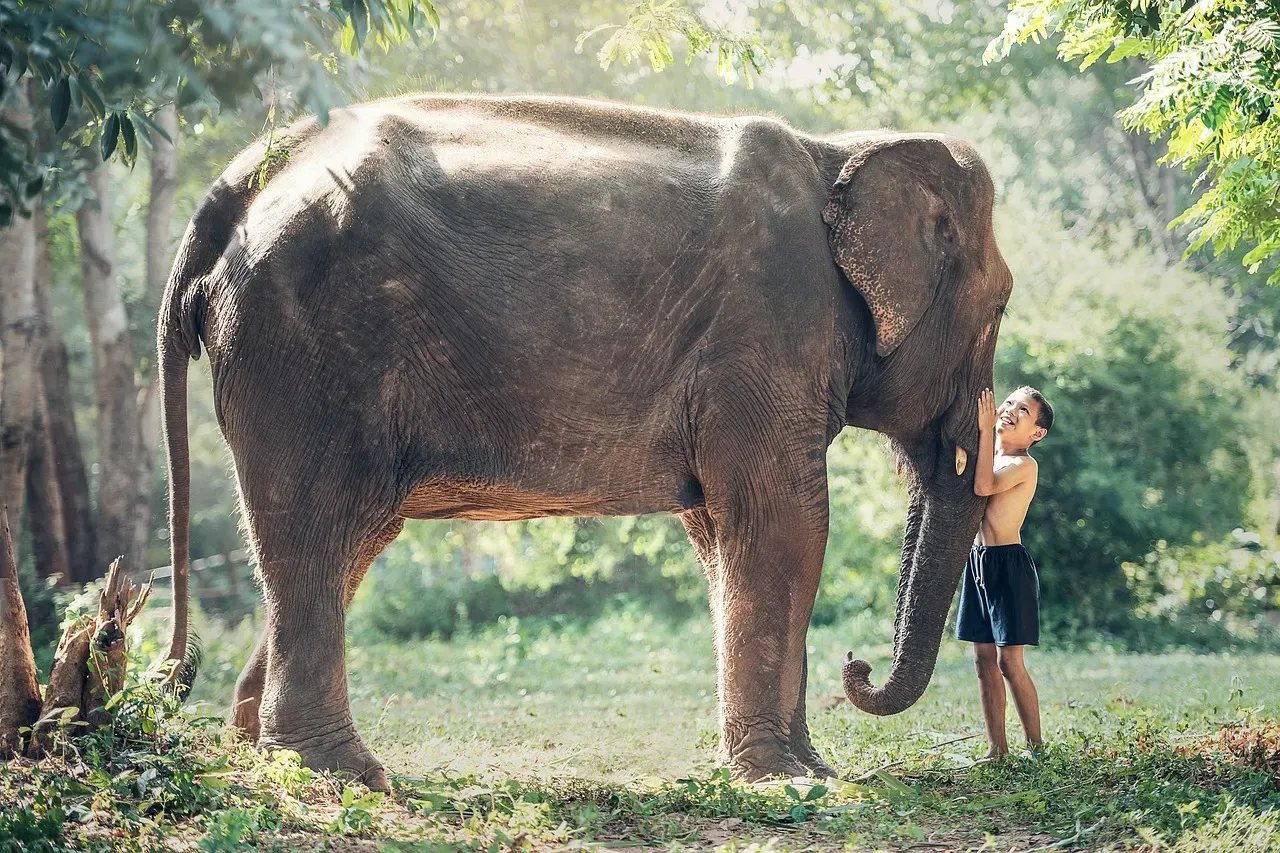
Size matters more than you might think. Across the animal kingdom, there is a consistent pattern: bigger bodies tend to come with longer lives. It is not a perfect rule, but it holds remarkably often.
Larger species tend to have longer lifespans. This correlation is thought to be due to the fact that larger animals have slower metabolic rates and fewer natural predators. Species with a lower basal metabolic rate generally live longer.
In September 2024, an international team sequenced the Greenland shark’s very large genome, a genetic code of 6.5 billion base pairs, twice as long as the human genome. Greenland sharks boast high numbers of repetitive or duplicate genes. That genetic complexity may be part of what makes them so remarkably resilient. Scientists also found genetic calling cards for longevity in rockfish, including DNA repair pathways that may help ward off cancers, and a longer lifespan allows the rockfish to grow larger and produce more young.
Conclusion: Nature’s Blueprint for a Long Life
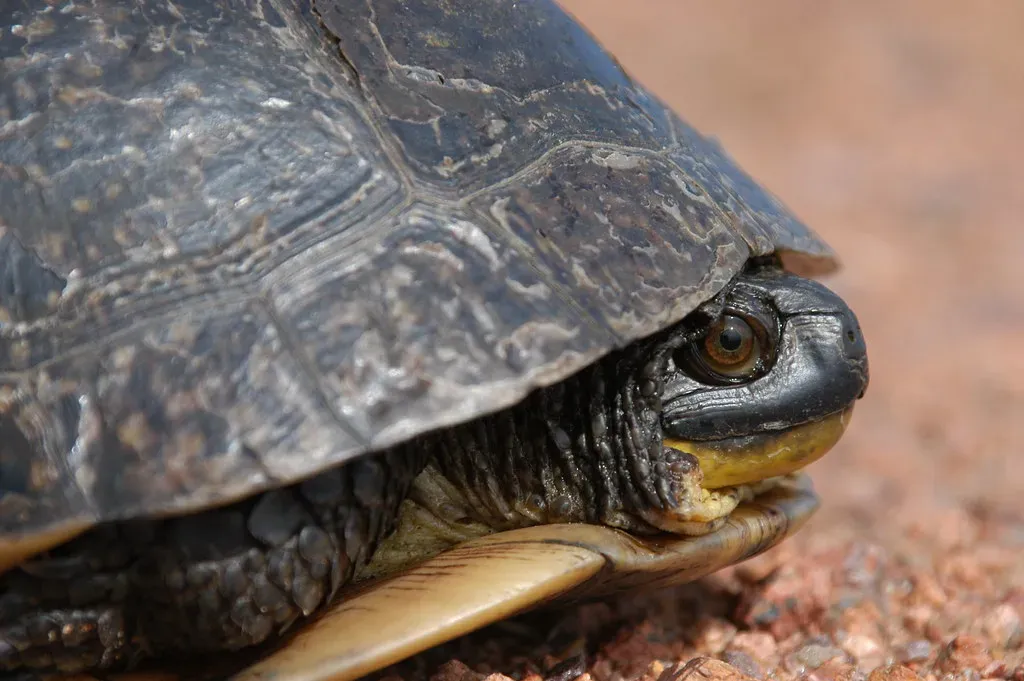
What does all of this tell us? Honestly, it tells us that aging is not the inevitable force we once assumed it was. It is shaped, guided, and in some cases almost entirely overridden by genetics, environment, metabolism, and evolutionary strategy.
The animals that live past 100 years are not simply getting lucky. They have been fine-tuned by millions of years of natural selection into biological masterpieces of endurance. Long-lived animals such as naked mole rats, elephants, bats, whales, and hibernating squirrels offer powerful models to explore the natural mechanisms of longevity, and their unique adaptations provide valuable insights into delaying age-related decline and improving lifespans across species.
The deeper we look into these creatures, the more humbling it becomes. A 400-year-old shark, a tortoise that outlived every empire of its era, a jellyfish that simply starts over when things get tough. Nature has been running longevity experiments for far longer than we have. Perhaps the most important question is: are we paying close enough attention? What do you think about it? Tell us in the comments.

- 12 Surprising Facts About Reindeer - July 30, 2026
- 10 Common Bird Feeder Mistakes That Could Harm Your Backyard Visitors - July 30, 2026
- How Beavers Are Naturally Restoring Wetlands and Preventing Flooding - July 30, 2026