

There is something quietly heartbreaking about watching a dog sniff the empty bed where their companion once slept. They circle it. They pause. They look up at you as if asking a question you cannot answer. For millions of pet owners worldwide, scenes like this feel unmistakably like grief. Yet for a long time, scientists were reluctant to call it that.
The question of whether dogs truly mourn is no longer just a conversation between heartbroken pet owners. It has entered serious scientific territory, with researchers around the world studying canine behavior after loss, measuring emotional responses, and drawing some genuinely surprising conclusions. What they found might change the way you think about your dog forever. Let’s dive in.
What the Science Actually Says

Honestly, the science here is more compelling than most people realize. There is a long history of anecdotal reports by owners about dogs grieving over the loss of a companion, yet for a long time very few scientific data had been published documenting grief-like behavioral reactions in domestic dogs. That started to change in a big way.
A quantitative analysis of grief-related responses in both dogs and owners was conducted using the validated online Mourning Dog Questionnaire, with the survey completed by 426 adults who had owned at least two dogs, one of whom died while the other was still alive. The results were striking.
Researchers found nearly ninety percent of dogs that experienced the death of another canine companion living in the same house showed signs of grief. In the months following their buddy’s death, dogs were less playful and more fearful. They also had reduced appetites and sought more attention from their owners.
Dogs do form emotional bonds which may include companion animals in their household, and hence removing that companion can be expected to cause behavioral changes which certainly overlap those behaviors that we normally interpret as being grief and mourning. Think of it like this: imagine your best friend and daily lunch partner simply disappearing one day with zero explanation. You would feel the absence profoundly, even without fully understanding why.
The Telltale Signs of a Grieving Dog

So what does dog grief actually look like? It is not always dramatic, and that is part of what makes it so easy to miss or misinterpret.
When a dog loses a companion, whether animal or human, they grieve and react to the changes in their life. Dogs alter their behavior when they mourn, much like people do. They may become depressed and listless.
The most common behaviors reported by pet owners were attention-seeking, noted in a large majority of cases; playing less; a decline in activity; sleeping more; increased fearfulness; eating less; and increased vocalization like barking and whining.
Pets who have lost an animal companion may sometimes want to lie in their friend’s spot. Dogs who have lost their human companion may even wander around the home looking for that person. It is genuinely heartbreaking to watch and, I think, impossible to dismiss as “just routine disruption.”
About sixty-three percent of dogs exhibited changes in vocal patterns, with some vocalizing more while others were quieter than they were before their loss. The silence can be just as telling as the whimpering.
Does the Relationship Quality Matter?
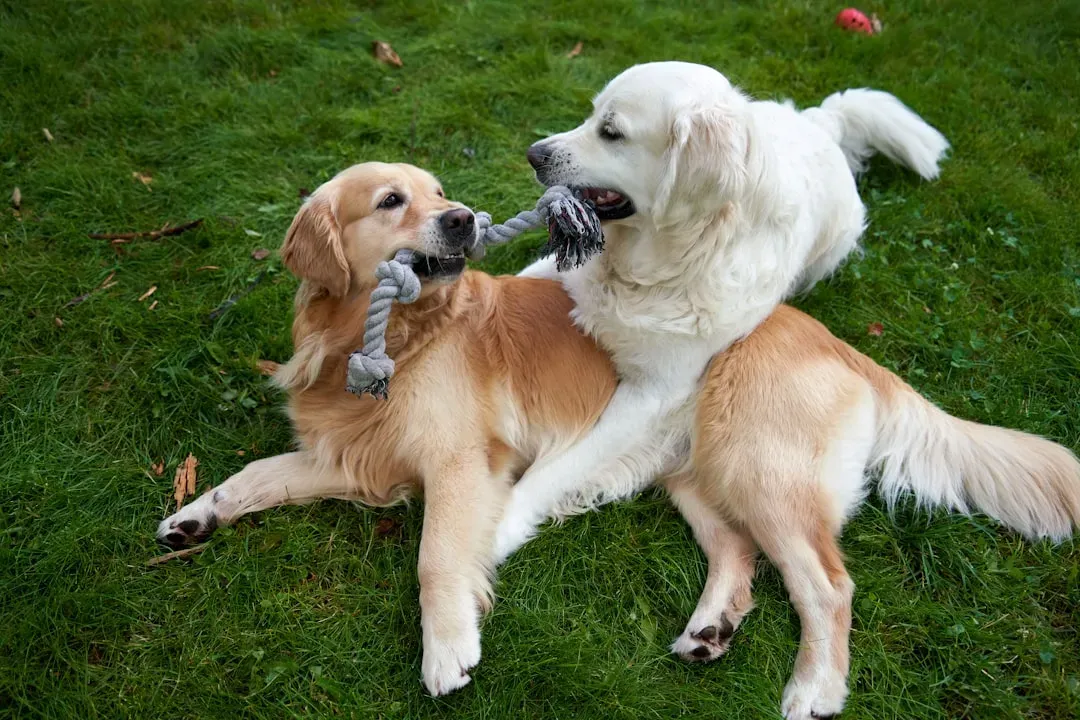
Here is the thing: not every dog grieves the same way, and not every dog grieves at all. The depth of the bond between the two animals appears to be everything.
Signs of mourning were stronger in dogs that had an amicable relationship and shared food with the deceased. Shared meals, it turns out, are a surprisingly powerful indicator of closeness. Think about how intimate the act of sharing food actually is, even in the animal world.
By contrast, the time the two dogs had spent together had no effect on the behaviors of the surviving dog. This is a fascinating and counterintuitive finding. A dog who lived alongside another for a decade but maintained a distant relationship may grieve far less than a dog who spent just one year as a truly bonded companion. It is the quality of connection, not the quantity of time.
Dogs that were strongly bonded are more likely to show noticeable behavioral changes, while dogs that had a neutral relationship may show little reaction at all. Some dogs, interestingly, even seem to perk up after a companion’s passing, simply because they suddenly receive more attention from their human owners.
Of those participants who noticed a negative behavior change in their surviving dog, about a third said it lasted between two and six months after the death of their companion, while roughly a quarter said it lasted over six months.
The Owner’s Grief: A Hidden Factor

There is a deeply layered twist to this story that most people do not see coming. A dog’s grief is not just about the lost companion. It is also about you.
A surviving dog may perceive a potential threat deriving from a companion dog’s death and seek the owner’s help to deal with this situation; if the owner is angry or grieving, they may be less able to give the dog the help they are seeking, resulting in increased anxiety and fear in the dog.
Dogs pick up on our mood, odors, facial expressions, and even read our postures. They read differences in us and can feed off our own feelings, including sadness and grief. Your dog is essentially watching you for cues about how to feel. It is a little like a child who looks to a parent’s face to determine whether a situation is scary or safe.
One of the most surprising findings was that a surviving dog was more likely to eat less if their pet parent was also displaying signs of grief. In other words, your emotional state at home can directly affect whether your dog eats. That is a profound level of emotional mirroring. It is hard to say for sure where one species’ grief ends and the other’s begins.
Importantly, owner-dog attachment and humanization of pets did not correlate with reported canine behavioral changes after a conspecific died, indicating that the owner is not simply projecting grief onto their dog based on their own sentiments. The dog’s responses are real.
How to Support a Grieving Dog

Once you recognize that your dog is genuinely struggling after a loss, the question becomes: what do you actually do? The answers are more nuanced than you might expect.
The short answer is that dogs do not understand death the way humans do, but they absolutely recognize that something important has changed. Working with that reality, rather than against it, is the key.
If the surviving dog is allowed to sniff the body, many appear calmer afterward. This is not closure in a human sense, but it likely helps the dog recognize that the companion is no longer responsive. Many veterinarians and behaviorists now recommend allowing this when possible. It may reduce prolonged searching behavior later on.
If your dog’s grief is due to the loss of a canine companion, do not rush to find a replacement. Give your dog time to grieve and adjust to the loss. Introduction of a new dog may add more stress to an already stressful situation.
While the intensity, signs, and length of time that dogs grieve may vary, the best thing you can do is give them extra love and attention and be patient as they navigate their loss. Maintain routines. Keep walks consistent. Offer comfort without overwhelming them. Dogs, much like people, simply need time and presence to heal.
Conclusion

The evidence, at this point, is compelling enough to take seriously. Dogs do experience something that looks unmistakably like grief, something rooted in deep emotional bonds, social disruption, and a felt sense of absence, even if they do not possess our abstract understanding of death. Dogs live in a sensory-rich world, guided by smell, sound, and routine. When a companion dies, those signals vanish. They may not understand death the way we do, but they feel the absence, deeply.
What makes this topic so moving is the quiet dignity of it all. A dog does not announce their sadness with words. They simply stop eating as much, sleep a little longer, and press closer to you. Their grief is honest, uncomplicated, and entirely real.
The next time you see a dog lying still in a spot that used to belong to another, pause for a moment. Something genuine is happening there. What does it change about how we should care for the animals who share our lives and our losses? Tell us your thoughts in the comments.

- 10 Worst US Cities for Major Earthquakes - June 23, 2026
- The Biggest Single Snowstorm to Hit New York City - June 23, 2026
- 7 Facts About Grand Lake O’ the Cherokees - June 23, 2026