
Human civilization, in its oldest forms, stretches back roughly 5,000 to 6,000 years. That sounds like a long time until you realize that some creatures alive on this planet today were born before the Roman Empire, before the Egyptian pyramids, and in one jaw-dropping case, possibly before the last Ice Age ended. Nature has quietly been harboring creatures that make our entire recorded history look like a brief footnote.
These animals didn’t need medicine, innovation, or technology to outlast generations of humans. They just kept living. Some barely move. Some barely eat. A few have even managed to sidestep the very concept of biological death. What’s their secret? Let’s dive in and find out.
1. The Immortal Jellyfish (Turritopsis dohrnii): Nature’s Ultimate Cheat Code
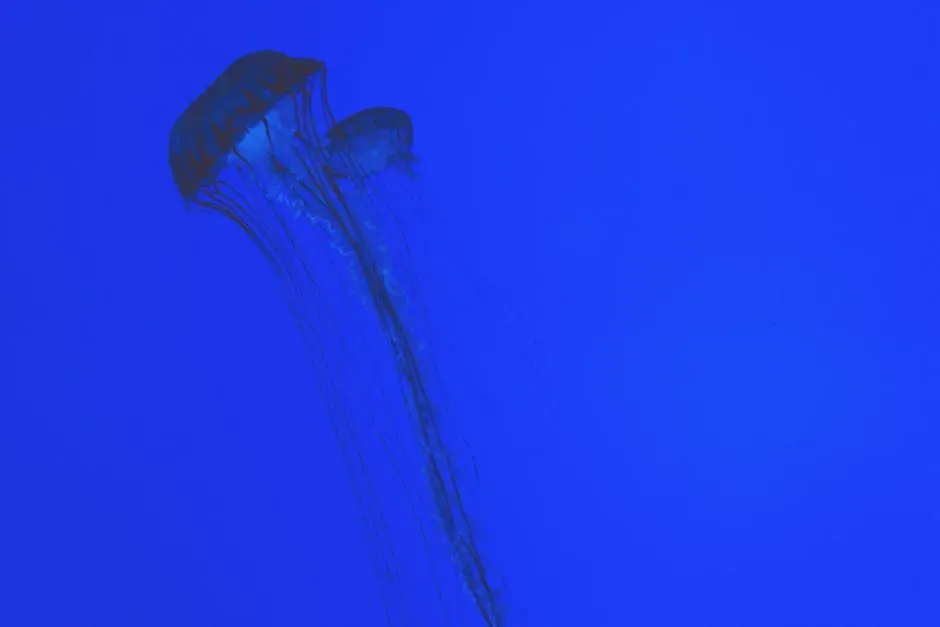
Let’s be real, if any creature deserves the top spot on this list, it’s the one that can literally reverse its own aging. The immortal jellyfish, known scientifically as Turritopsis dohrnii, has the ability to bypass death altogether, making it potentially biologically immortal. That is not a metaphor. That is an actual biological process scientists have studied and confirmed.
When exposed to environmental stress, physical injury, sickness, or old age, the jellyfish can revert to its polyp stage by forming a new polyp colony, doing so through a cellular process called transdifferentiation, which transforms fully differentiated adult cells into entirely new types of cells. Think of it like hitting the reset button on life itself. You wouldn’t be able to do that if you stubbed your toe, but this tiny creature does it when things get tough.
Theoretically, this cycle can repeat indefinitely, making the jellyfish biologically immortal, though in practice, individual jellyfish can still die. In nature, most are likely to fall victim to predation or disease before they ever get the chance to revert. So yes, immortality comes with a catch, as it always does. Still, the capability of biological immortality with no maximum lifespan makes Turritopsis dohrnii one of the most important targets of biological aging and pharmaceutical research today.
2. The Greenland Shark: A Living Legend Beneath the Arctic Ice
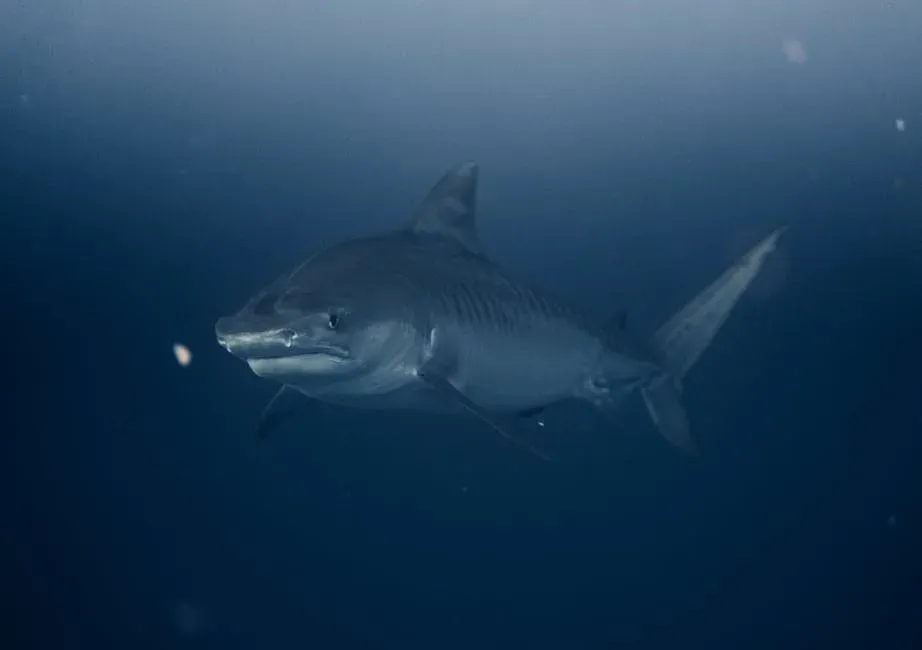
Greenland sharks have the longest lifespan of any known vertebrate, estimated to be between 250 and 500 years. Just sit with that for a moment. There could be a shark swimming in the Arctic Ocean right now that was already an adult when Shakespeare was writing his plays.
One study found the largest shark examined, a five-meter female, was estimated to be between 272 and 512 years old. Scientists figured this out by radiocarbon dating proteins in the shark’s eye lenses, proteins that form before birth and remain intact for life. These sharks reach sexual maturity around 150 years of age, and their pups are born alive after an estimated gestation period of 8 to 18 years. Honestly, waiting 150 years just to reproduce is the most extreme patience test in the natural world.
One major theory explaining their extraordinary lifespan is that the Greenland shark has a very slow metabolism, an adaptation to the deep, cold waters it inhabits. This enigmatic creature continues to intrigue scientists, who in 2024 sequenced the shark’s genome and identified multiple copies of genes that regulate inflammation and assist with DNA repair. The ocean, it turns out, is full of secrets.
3. The Ocean Quahog Clam: A 507-Year-Old Named Ming
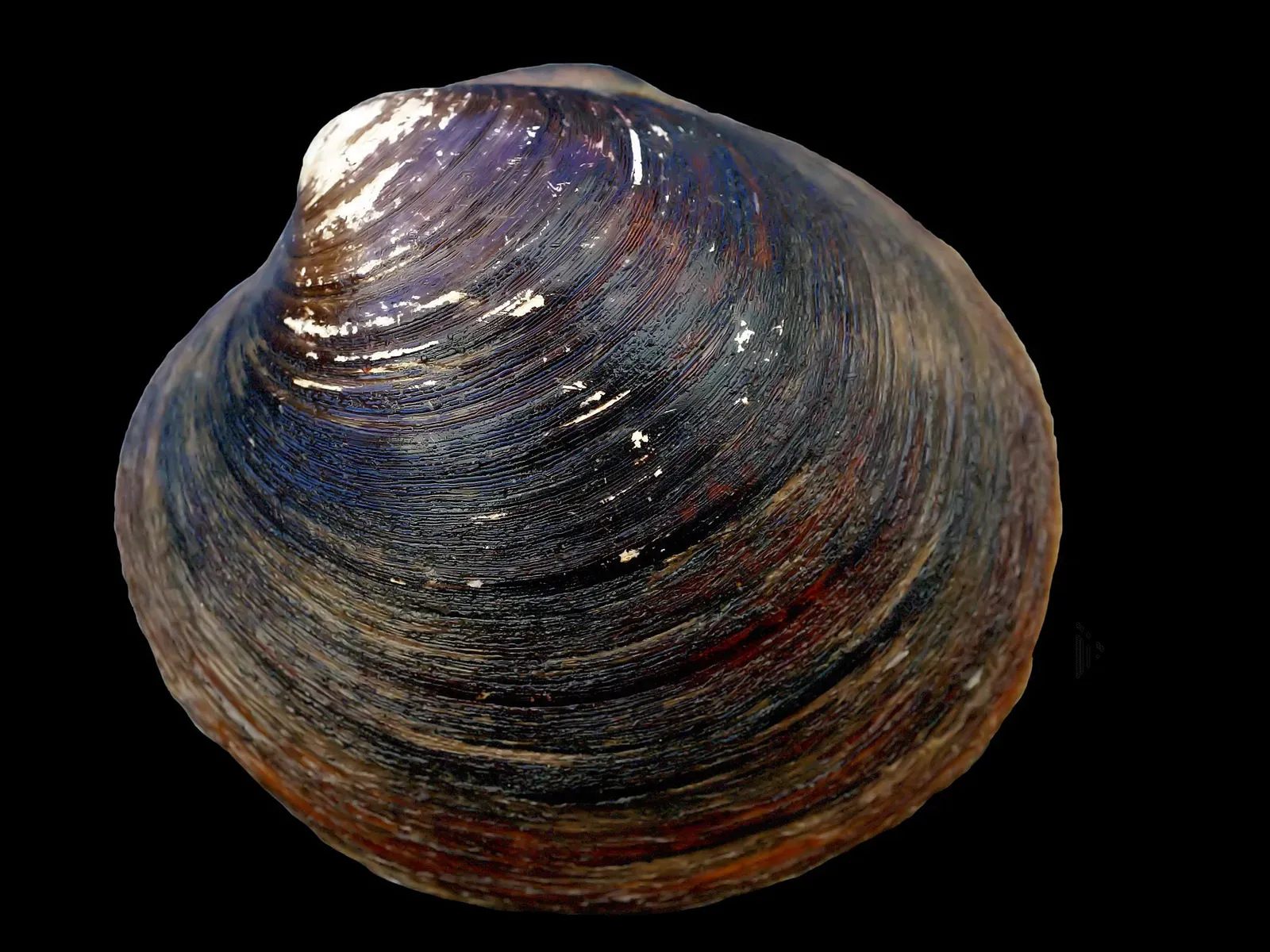
Here’s a creature that quietly holds one of the most extraordinary records in the natural world. The longest-lived non-colonial animal ever discovered is a quahog clam, Arctica islandica, which was dredged by researchers from Bangor University’s School of Ocean Sciences off the northern coast of Iceland in 2006. When scientists analyzed its shell rings, the results were staggering.
The individual, nicknamed Ming, holds the Guinness World Record for the oldest non-colonial animal ever discovered. Ming was found in the waters off Iceland in 2006, and through carbon dating of its shell, scientists determined it was around 507 years old at discovery, meaning it was born around the year 1499. The clam was named Ming because its life dated back to China’s Ming Dynasty, and tragically, in order to determine its age, researchers opened its shell, which ended up killing it. It was only later that they realized how extraordinary their specimen truly was.
The ocean quahog’s longevity is due to its slow metabolic rate and ability to protect itself from environmental stressors, such as cold temperatures and low oxygen levels, which reduce cellular damage over time. Scientists suspect there are clams out there even older than Ming, still undiscovered beneath the sea. That thought alone is enough to keep a marine biologist up at night.
4. Glass Sponges: Born Before the End of the Last Ice Age
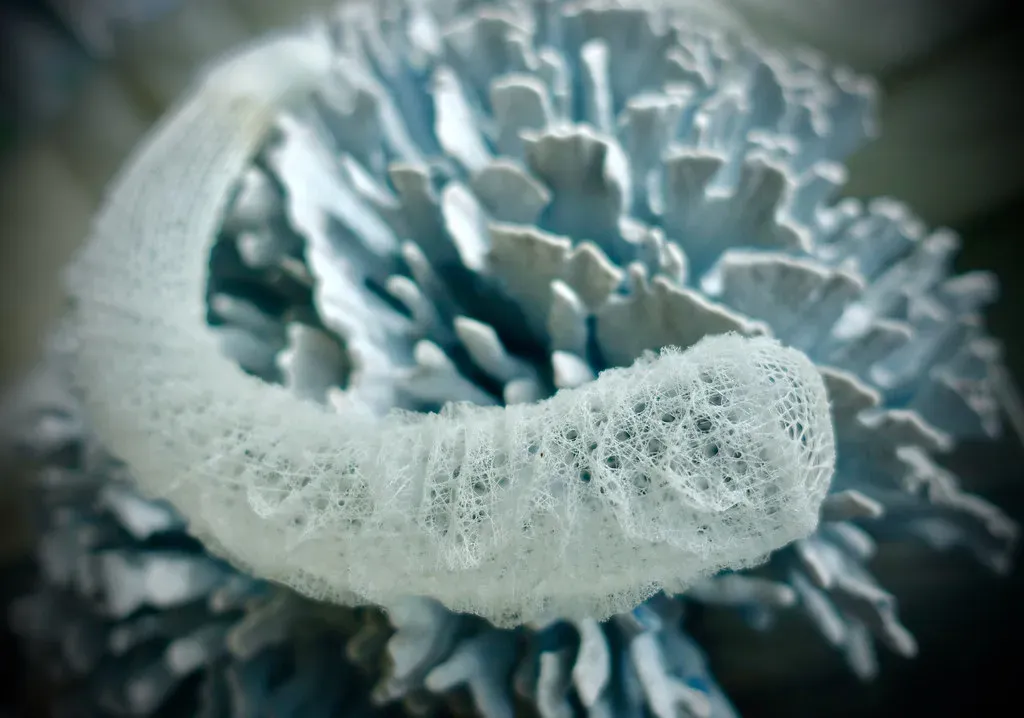
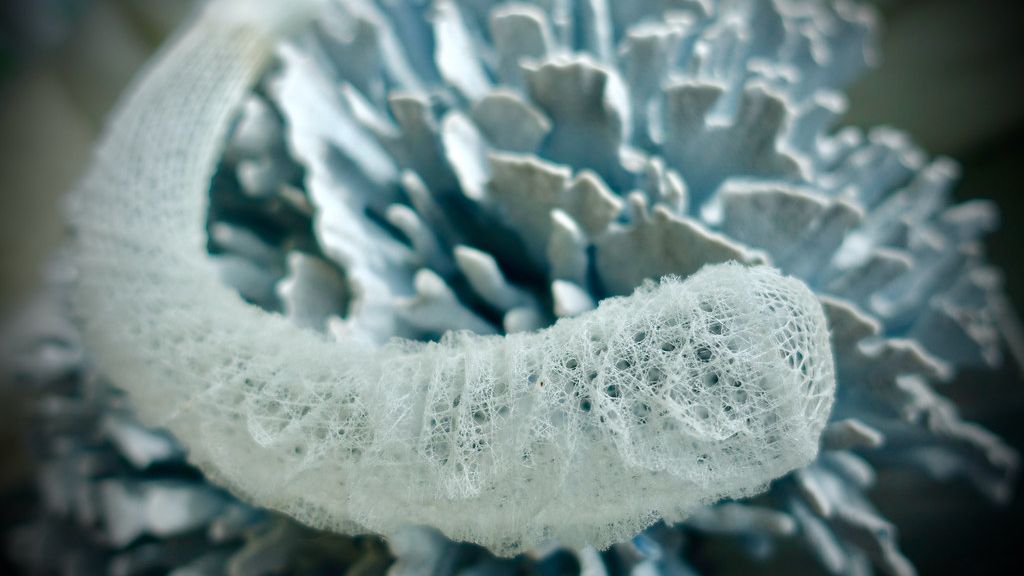
Most people see a sea sponge and think, “Nice loofah.” In reality, these creatures are ancient beyond comprehension. Glass sponges are among the longest-living sponges on Earth, and a study published in Chemical Geology estimated that a glass sponge of the species Monorhaphis chuni was about 11,000 years old. That means this creature was alive when mammoths still roamed the Earth.
Through analyzing the glass-like silica structures these sponges build, scientists have identified some specimens as being over 11,000 years old. One specimen from the South China Sea has been estimated at 17,000 years old, meaning it was born during the last Ice Age. We’re not talking about hundreds of years here. We’re talking about a lifespan that overlaps with the very dawn of human agriculture and settlement. Glass sponges first evolved some 650 million years ago, before the dinosaurs, and scientists thought they were long extinct until an entire reef was discovered on a deep ocean floor in Canada in 1987.
5. Black Coral: Alive When Ancient Egypt Was Young
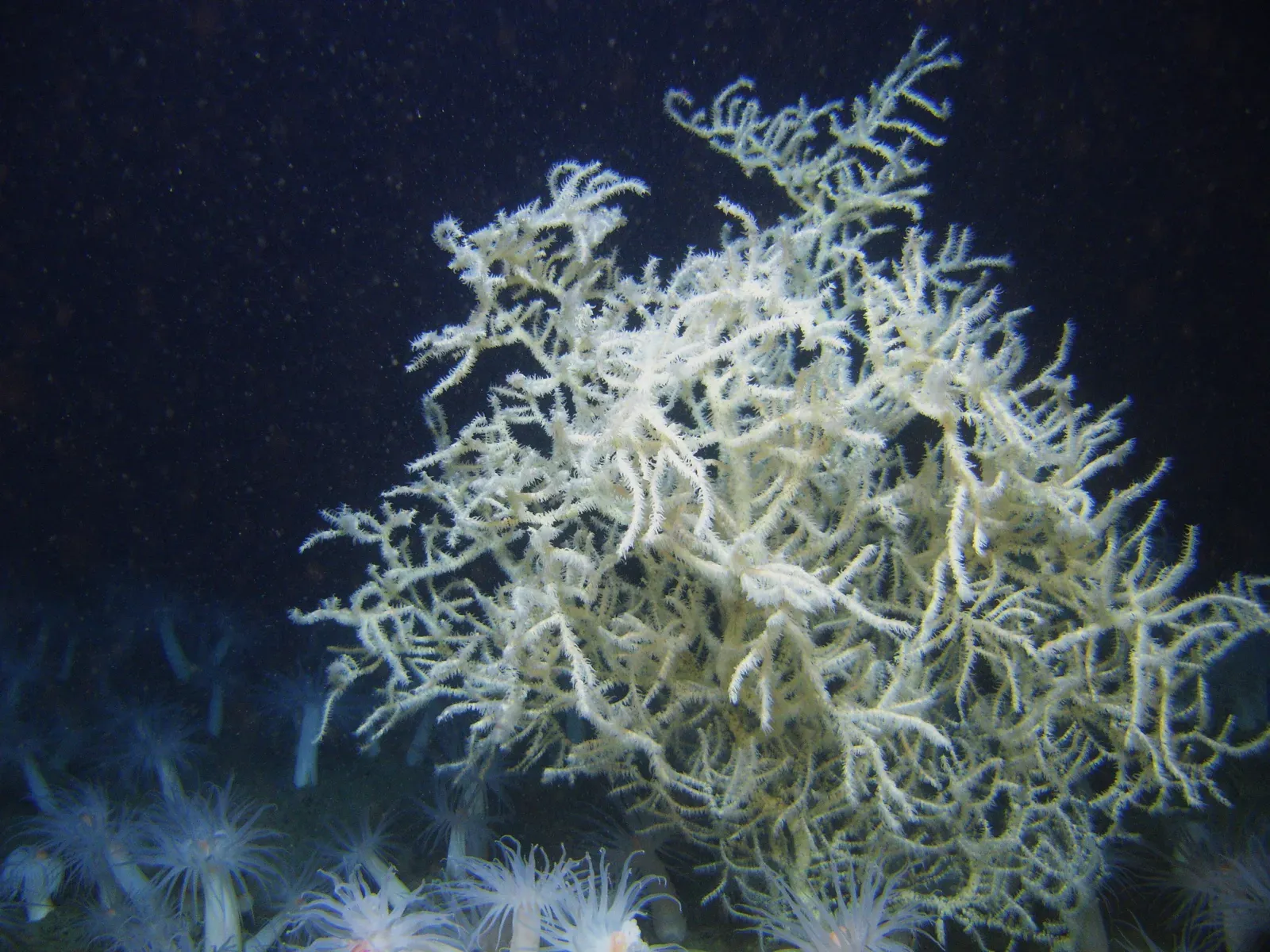
Coral might not look like an animal to most people, but make no mistake. Corals are actually made up of the exoskeletons of invertebrates called polyps, which continually multiply and replace themselves by creating genetically identical copies, causing the coral structure to grow bigger and bigger over time. It’s a slow, continuous process that can span thousands of years.
Some coral species can live up to 5,000 years, with two of the oldest found in the deep ocean near Hawaii. A gold coral was estimated to be about 2,740 years old, and a black coral was estimated to be about 4,270 years old, which means it was alive during the Old Kingdom of Ancient Egypt. Think about that. While ancient Egyptians were building the pyramids, this coral was already growing on the ocean floor. Rising ocean temperatures are causing coral bleaching, one of the biggest threats to these ancient organisms, making marine conservation more essential than ever.
6. The Giant Barrel Sponge: The Redwood of the Reef
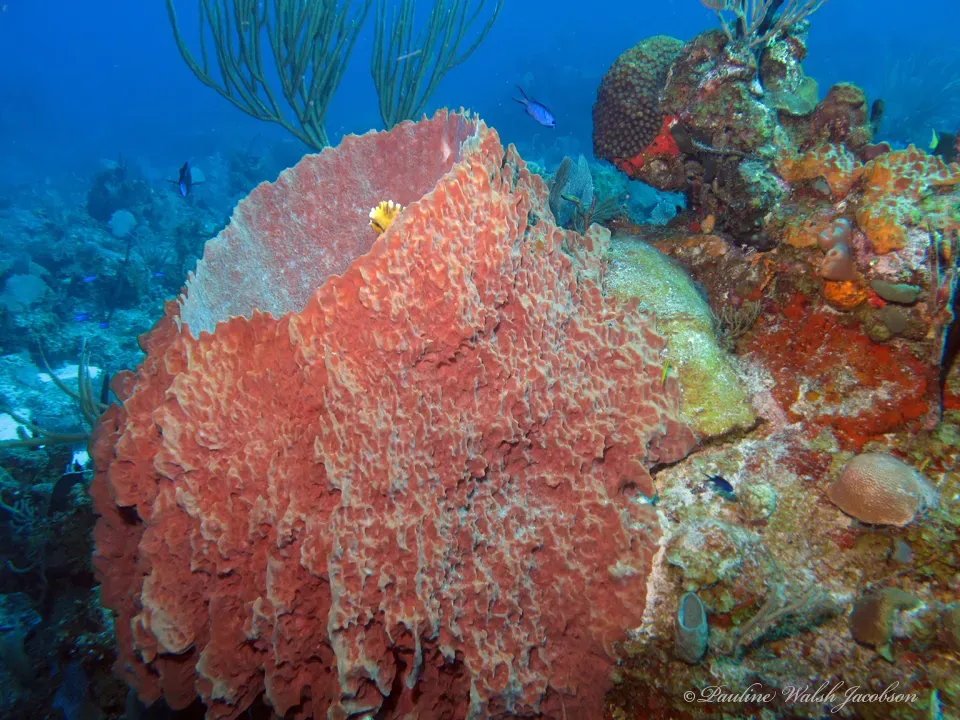
There’s a reason this species earned the nickname “the redwood of the reef.” The giant barrel sponge is found in the Caribbean Sea, and researchers estimate that some individuals found near Key Largo, Florida, may be over 2,300 years old, meaning they began their lives during the time of the Roman Empire. That is an astonishing lifespan for something that essentially just sits there and filters water.
This species is called the redwood of the reef because of its large size and long lifespan, and it plays an important role in increasing habitat complexity and filtering seawater in its ecosystem. Living on coral reefs, giant barrel sponges face the same threats as corals themselves. Human activity like fishing and trawling impacts their survival, and warming ocean temperatures are doing serious damage. It would be a genuine tragedy for a species that’s survived for over two millennia to be taken out by modern carelessness.
7. The Bowhead Whale: The Longest-Living Mammal on Earth
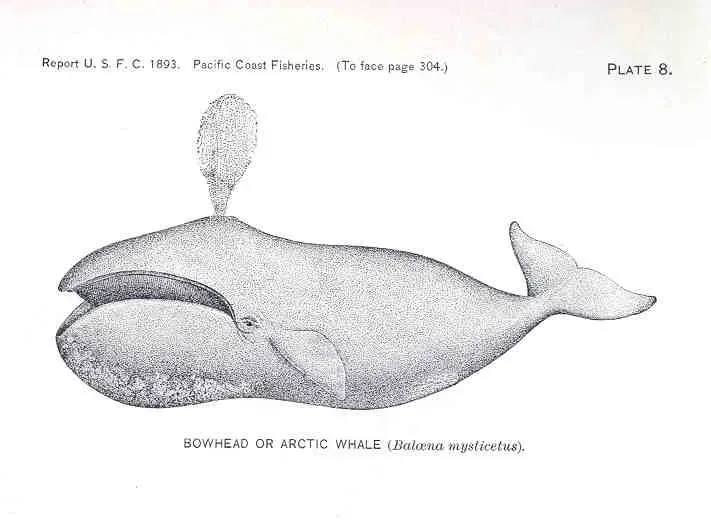
Among mammals, including us, the bowhead whale reigns supreme in the longevity department. The longest-living mammal is the bowhead whale, which lives over 200 years. It inhabits frigid arctic waters and gets its name from a massive, pointed head designed to break through thick sea ice. The bowhead measures 65 feet long and weighs up to 100 tons. It’s essentially a living armored vehicle that never ages out.
Remarkably, the remains of a harpoon dating back 115 years was found lodged in the shoulder bone of a bowhead caught in Alaska, confirming that individual was alive well over a century. Bowhead whales have a slow metabolism and live in the cold, nutrient-rich waters of the Arctic and sub-Arctic regions. Their large size and thick blubber provide insulation and protection from harsh environments, and their ability to repair DNA damage and maintain healthy cells contributes to their remarkable longevity. Scientists have also noted that malignant tumors have never been found in a bowhead whale, suggesting a powerful resistance to cancer that researchers are only beginning to understand.
8. Jonathan the Tortoise: The Oldest Living Land Animal
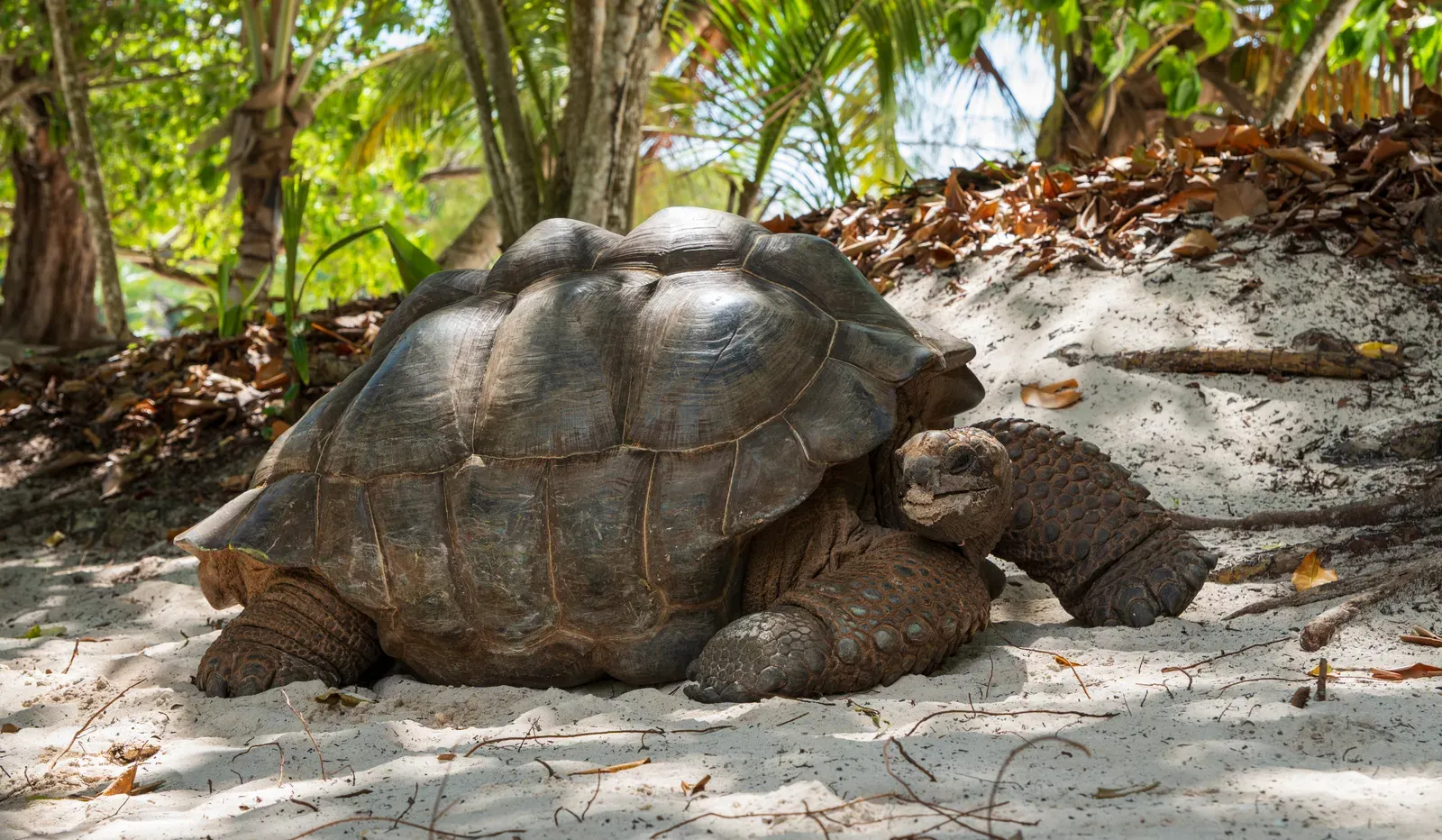
If you want a land-based creature with an almost unbelievable life story, meet Jonathan. Jonathan’s age is estimated to be 193 as of 2026, making him the oldest known living land animal. He resides on the island of Saint Helena, a British Overseas Territory in the South Atlantic Ocean. This tortoise has literally outlived entire empires.
His age is considered an estimate because he was already “fully mature” when brought to Saint Helena in 1882, and fully mature means at least 50 years old, giving him a hatching date no later than 1832. Giant tortoises like Jonathan never stop growing and never stop reproducing, which means they effectively do not age in the traditional sense. He has met multiple British monarchs, survived two World Wars, and is still going strong today. You genuinely could not write a more extraordinary biography for a reptile.
9. Deep-Sea Tubeworms: The Quiet Giants of the Ocean Floor
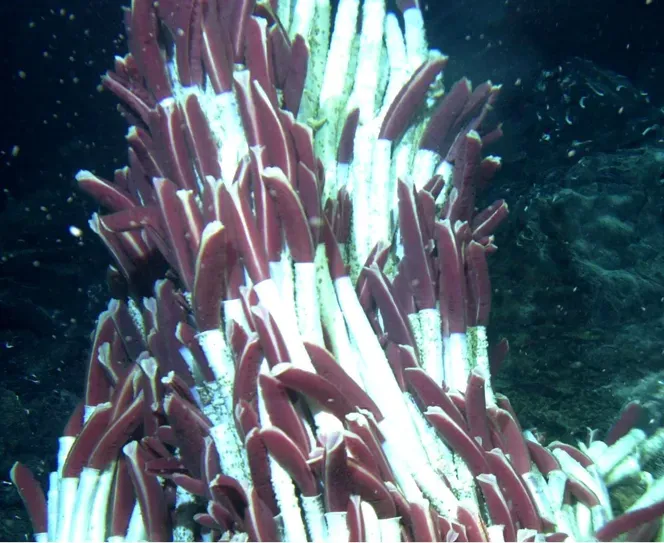
Tubeworms don’t exactly make headlines. They’re not glamorous. They don’t even have mouths. Yet these strange, tube-dwelling invertebrates are among the most long-lived animals in the known world. Scientists are particularly fascinated by cold seep tubeworms, which display extraordinary longevity and can reach ages in the hundreds of years. Found in the deepest parts of the Gulf of Mexico around cold seep fissures, they have no digestive systems and through a symbiotic relationship with bacteria in their bodies extract energy directly from chemical seeps.
Tubeworms living on the ocean floor in the Gulf of Mexico have lifespans estimated between 200 and 300 years old. Scientists aren’t entirely sure why tubeworms can live so long. It may have to do with the unique way they extract energy without a digestive system, or it may be that natural selection eliminated shorter-living individuals because they couldn’t survive long enough to reproduce in their harsh deep-sea environment. In other words, nature may have accidentally engineered near-immortality out of necessity.
10. The Red Sea Urchin: A Prickly Survivor of the Centuries
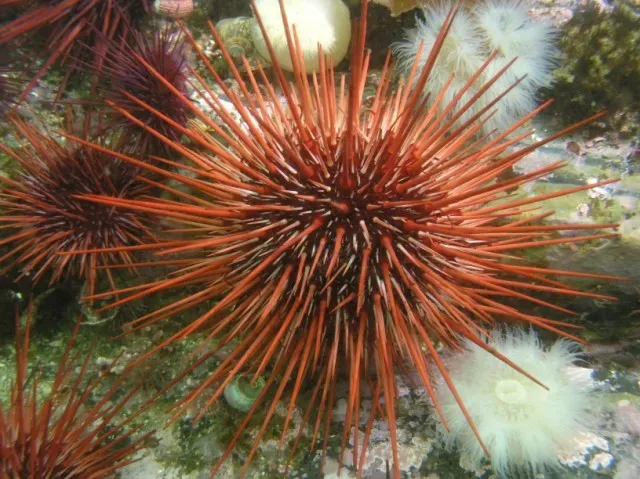
Most people who’ve stepped on a sea urchin barefoot know them primarily as a painful nuisance. What far fewer people know is that they’re also extraordinarily long-lived. Found along the Pacific Ocean coast of North America, the red sea urchin is a long-lived marine species known for its spiny exterior and its ability to live for more than 200 years. Scientists assess the urchin’s longevity by analyzing growth rings, similar to those found in tree trunks.
Larger species tend to have longer lifespans, a correlation thought to be tied to the fact that larger animals have slower metabolic rates and fewer natural predators. Species with a lower basal metabolic rate generally live longer, as a slower metabolism reduces the production of free radicals and oxidative damage, contributing to a slower aging process. The red sea urchin is a masterclass in this principle. Slow down, stay quiet, and outlast everything around you. It’s honestly not a bad strategy.
11. The Antarctic Glass Sponge: A Creature Older Than Most Human History
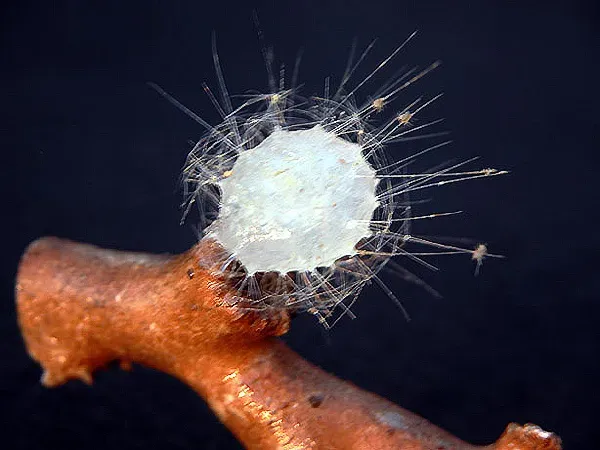
Perhaps the most astonishing entry on this entire list, the Antarctic glass sponge operates at the absolute extreme edge of biological time. The Antarctic glass sponge is a deep-sea organism with a skeleton made of silica, forming intricate, glass-like structures, and these sponges are believed to be the oldest living marine organisms, with estimates suggesting some could be over 10,000 years old. For context, the first human cities were being built around that time.
The Antarctic sponge Cinachyra antarctica has an extremely slow growth rate in the low temperatures of the Southern Ocean, and one specimen has been estimated to be 1,550 years old. That is already older than most nations on Earth. While it’s difficult to assess how many glass sponges remain in the ocean, glass sponge reefs are being damaged by human activities, facing serious threats from bottom trawling and deep-sea mining. Ocean warming and acidification are two other serious issues endangering the survival of this long-lasting species. The oldest living things on Earth, and we’re only just beginning to appreciate them before they’re gone.
Conclusion: What Nature Is Quietly Telling Us
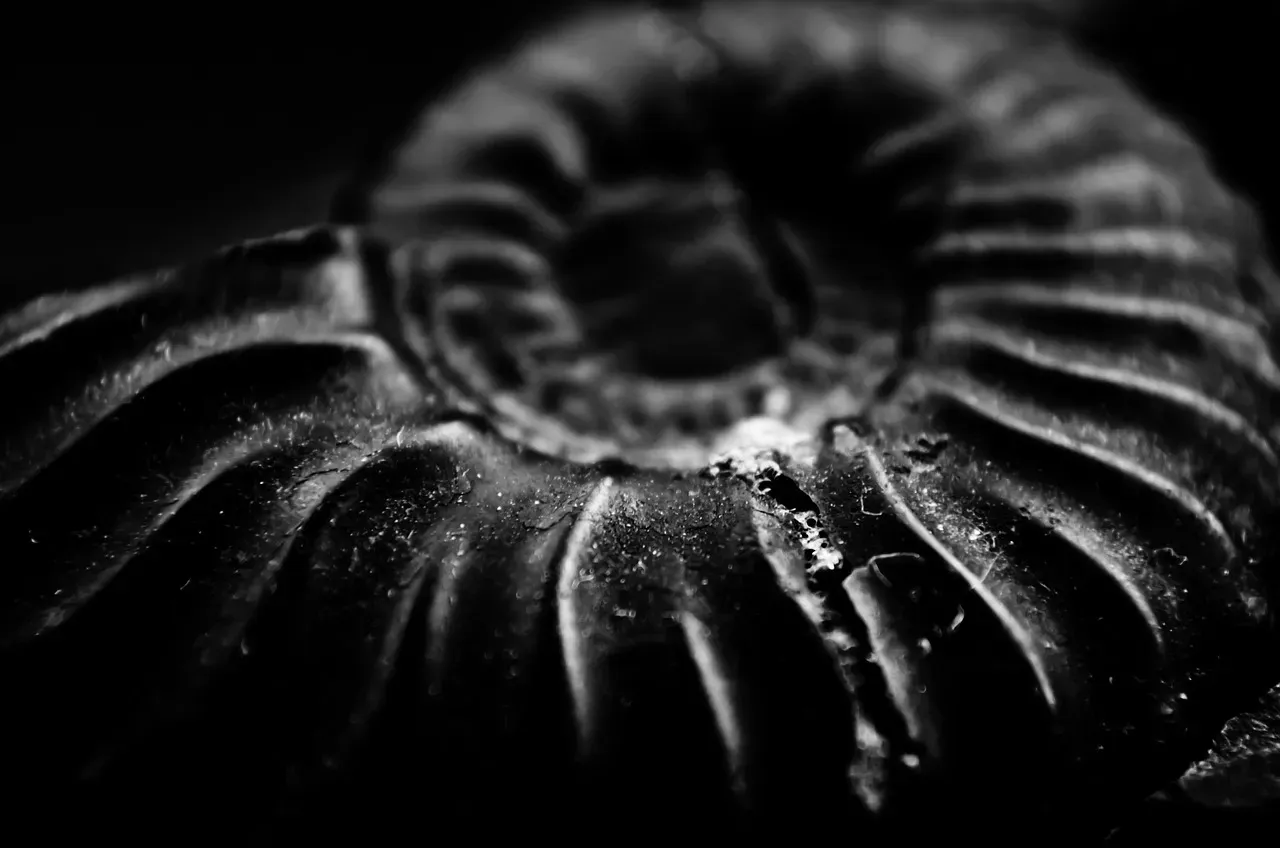
There’s something both humbling and exhilarating about this list. Human beings have accomplished remarkable things in a few thousand years, but on the timescale of a glass sponge or a Greenland shark, our entire civilization is barely a footnote. The longest-living animals are equipped with traits to hold off, and sometimes even stop or reverse, the aging process. While humans may have an absolute limit of around 150 years, this is just a blink of an eye compared with the centuries and millennia that some animals live through.
What’s fascinating is that many of these creatures share common traits: slow metabolisms, cold environments, extraordinary DNA repair capabilities, and in some cases, an almost radical lack of activity. Speed and urgency, it turns out, aren’t always winning strategies. By studying these long-lived animals, scientists hope to uncover the secrets of their extended lifespans and apply these insights to promote healthy aging in humans.
The more we learn about these ancient survivors, the more we realize that the ocean floor, in particular, is essentially a living time capsule. Some of these creatures have witnessed events we can only read about in history books. And most of them will never know it. What does it say about us that the oldest things alive on Earth are also the quietest? Something worth thinking about.

- 12 Surprising Facts About Reindeer - July 30, 2026
- 10 Common Bird Feeder Mistakes That Could Harm Your Backyard Visitors - July 30, 2026
- How Beavers Are Naturally Restoring Wetlands and Preventing Flooding - July 30, 2026