

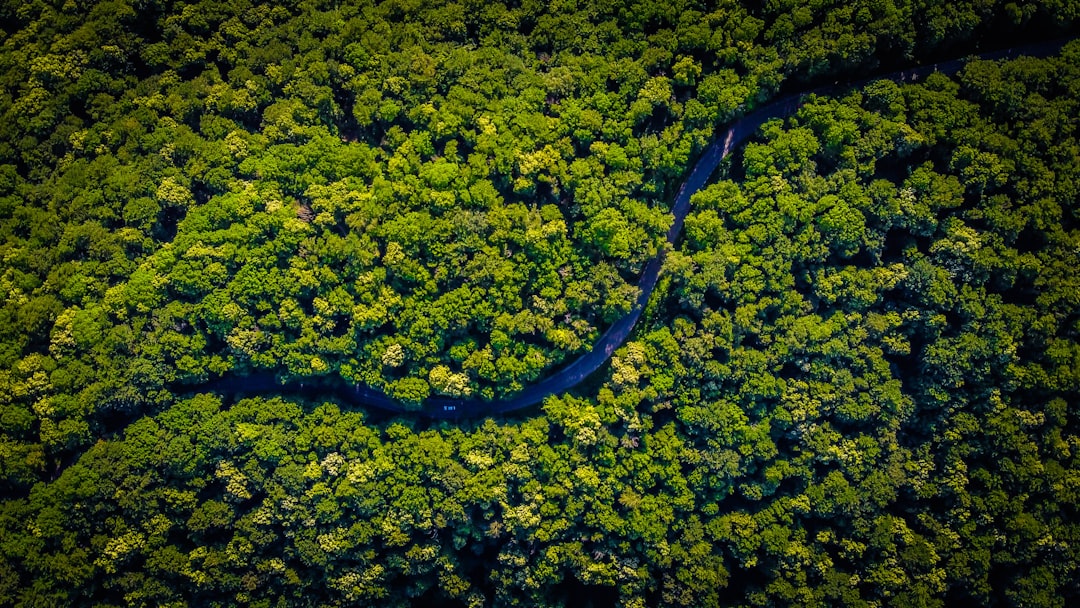
Expansive Analysis Uncovers Insects’ Heat Vulnerability (Image Credits: Unsplash)
Amazon Basin – Researchers revealed that escalating temperatures driven by global warming threaten critical thermal limits for nearly half of the region’s insect species.
Expansive Analysis Uncovers Insects’ Heat Vulnerability
A team of scientists examined the thermal tolerance of more than 2,000 insect species across tropical landscapes. They collected field data in 2022 and 2023 from sites in East Africa and South America, spanning cool mountain forests to scorching lowland savannas.[1][2]
DNA barcoding identified species such as moths, flies, and beetles, while genomic sequencing probed protein stability under heat. The work, published in Nature, highlighted striking differences in heat endurance among insect groups.[3]
Lowland tropical insects showed minimal ability to adjust their heat tolerance to match environmental shifts. Higher-elevation species displayed some short-term acclimatization, but many lowland dwellers lacked this flexibility.[1]
Proteins Hold the Key to Limited Adaptation
Genomic insights explained the constraints: heat tolerance tied closely to protein structures that resist denaturation at high temperatures. These traits proved highly conserved across insect evolutionary lineages, resisting rapid evolutionary change.[2]
“These properties are relatively conserved in the evolutionary family tree of insects and can only be changed to a limited extent,” noted Dr. Marcell K. Peters, an animal ecologist at the University of Bremen.[3]
Dr. Kim L. Holzmann from Julius-Maximilians-Universität Würzburg added, “While species at higher altitudes can increase their heat tolerance, at least in the short term, many lowland species largely lack this ability.”[1]
Such biological rigidity means tropical insects operate near their upper thermal thresholds already, leaving little buffer against further warming.
Alarming Outlook for Amazon Biodiversity Hotspot
Projections indicated severe risks for the Amazon, home to unparalleled insect diversity. Continued unabated warming could expose up to half of local species to life-threatening heat stress levels.[1][2]
“If global ecosystems continue to warm unabated, expected future temperatures will lead to critical heat stress for up to half of the insect species there,” Holzmann warned.[1]
Insects comprise about 70 percent of all known animal species, with the majority concentrated in tropical zones like the Amazon. Their potential decline signals broader biodiversity peril.
Cascading Threats to Amazon Ecosystems
Insects underpin vital ecological processes in the rainforest. Pollinators sustain plant reproduction, decomposers recycle nutrients, and predators regulate populations.[3]
- Bees and other pollinators enable fruit and seed production for countless plants and vertebrates.
- Termites and beetles break down dead matter, maintaining soil fertility.
- Carnivorous insects control herbivore outbreaks, preserving vegetation balance.
- Many serve as prey for birds, bats, and amphibians higher in the food web.
- Overall, their roles amplify through food chains and nutrient cycles.
Disruptions from heat-stressed populations could ripple outward, jeopardizing the Amazon’s resilience. Peters emphasized, “Rising temperatures could have a massive impact on insect populations, especially in regions with the world’s highest biodiversity.”[2]
Key Takeaways:
- Over 2,000 tropical insect species showed limited heat acclimatization, especially lowlanders.
- Genomic factors lock in thermal traits, hindering quick adaptation to warming.
- Amazon faces risks to half its insects, endangering pollination, decomposition, and predation.
This study underscores the urgency of curbing emissions to safeguard tropical life. Insects’ plight serves as an early warning for the fragility of biodiverse ecosystems amid climate shifts. What steps should prioritize insect conservation in the Amazon? Share your thoughts in the comments.

- Urban Coyotes Show Remarkable Adaptability, Learning to Thrive in City Environments - July 22, 2026
- Beavers Are Nature’s Engineers, Creating Vital Habitats for Other Wildlife Species - July 21, 2026
- The Recovery of the California Condor Offers Hope for Other Critically Endangered Birds - July 21, 2026