

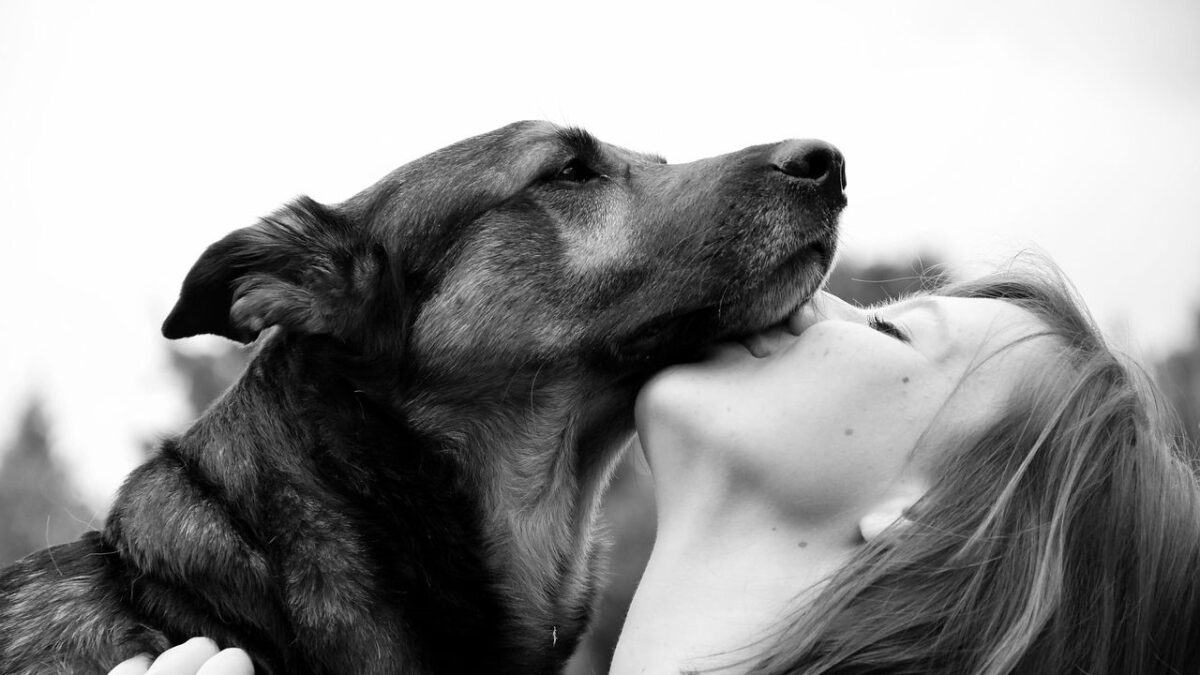
Picture this: you’re having a rough day, slumping on the couch with a sigh. Suddenly, your dog nudges in close, head on your lap, eyes full of quiet concern. It’s moments like these that make you wonder if they truly get you.
Science backs up that gut feeling. Dogs pick up on our vibes in ways that feel almost magical. Let’s dive into the twelve astonishing methods they use to sense your mood and react right back.[1][2]
1. Decoding Your Facial Expressions
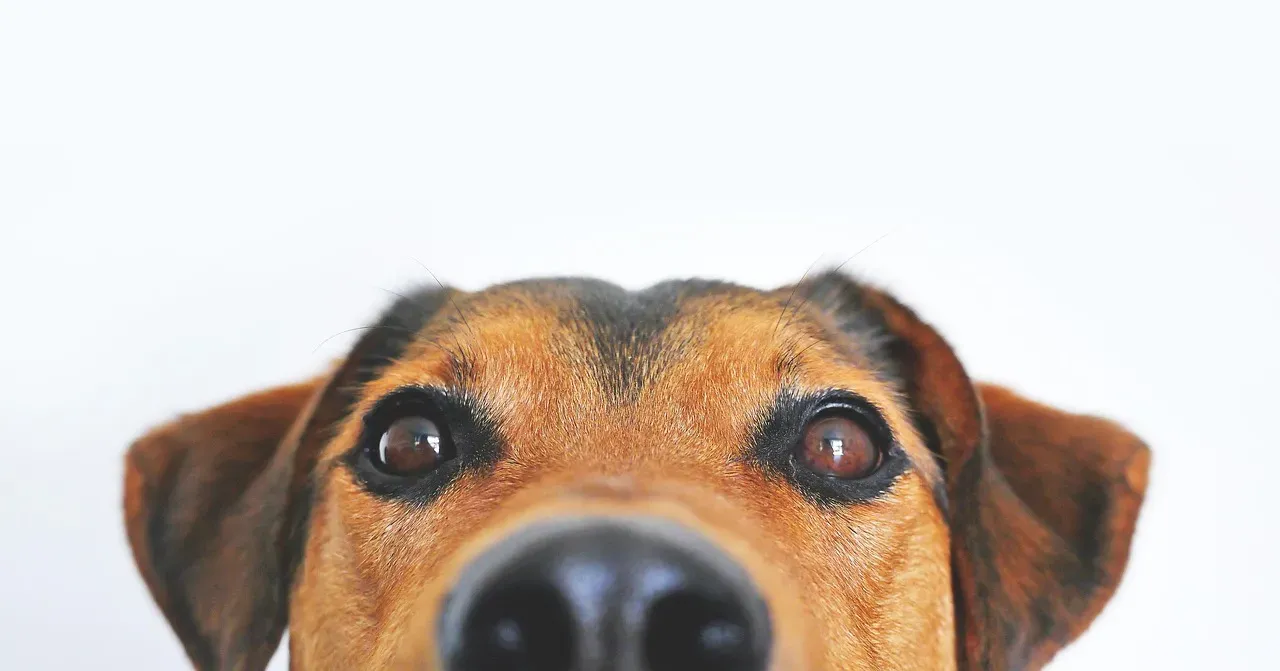
Dogs lock eyes on our faces like pros. They spot a smile from a frown in seconds, lingering longer on happy ones. This lets them mirror joy with wagging tails or caution with a tilted head.[3]
Honestly, it’s wild how they zero in on eyes and mouths. Subtle eyebrow lifts or lip curls? They catch them all. Your pup adjusts playfulness or comfort based on that quick read.
2. Tuning Into Your Tone of Voice
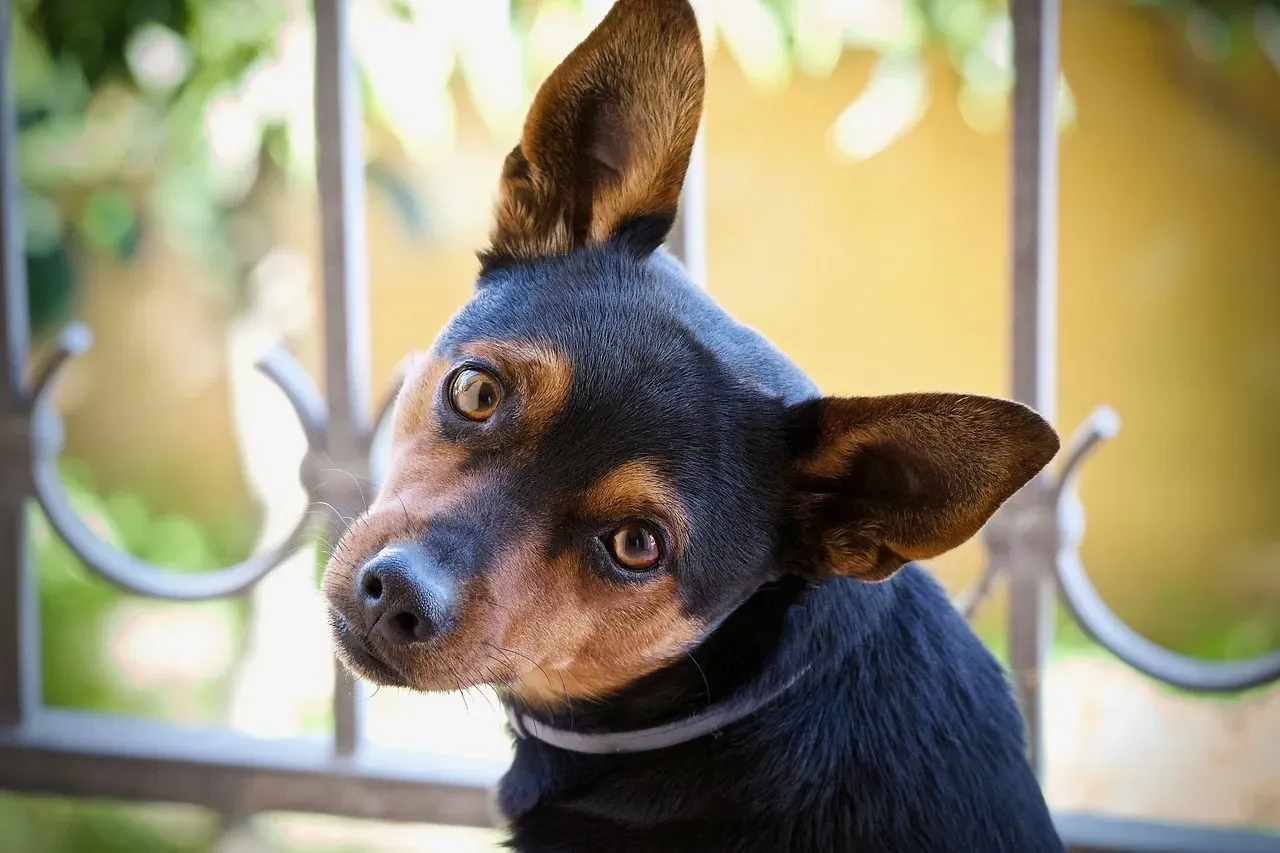
That cheerful lilt in your voice? Your dog perks up instantly. Harsh tones make them shrink back, while soft ones draw them near for pets. They process pitch and volume like emotional radar.[2][4]
High pitches signal fun; low growls mean back off. I’ve seen my own dog transform from chill to excited just from my upbeat “good boy.” It’s their way of syncing with your vibe.
They even tilt heads to fine-tune the sound. No wonder commands land better in happy voices.
3. Reading Your Body Language
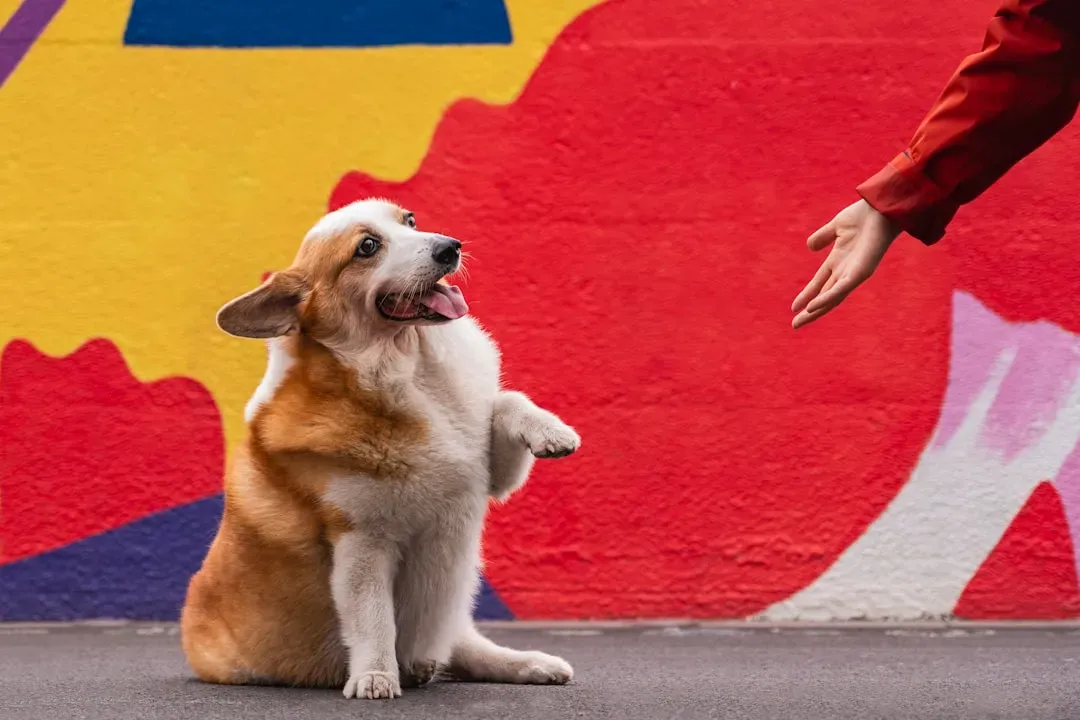
Tense shoulders or slouched posture? Dogs notice right away. Relaxed arms invite play; stiff ones prompt wary steps. They read our gestures like an open book.[5]
Open stances scream welcome. Closed off? They give space. This instinct helps them respond with cuddles or distance as needed.
Quick twitches signal nerves. Your pup might lean in to steady you then.
4. Sniffing Out Stress Hormones
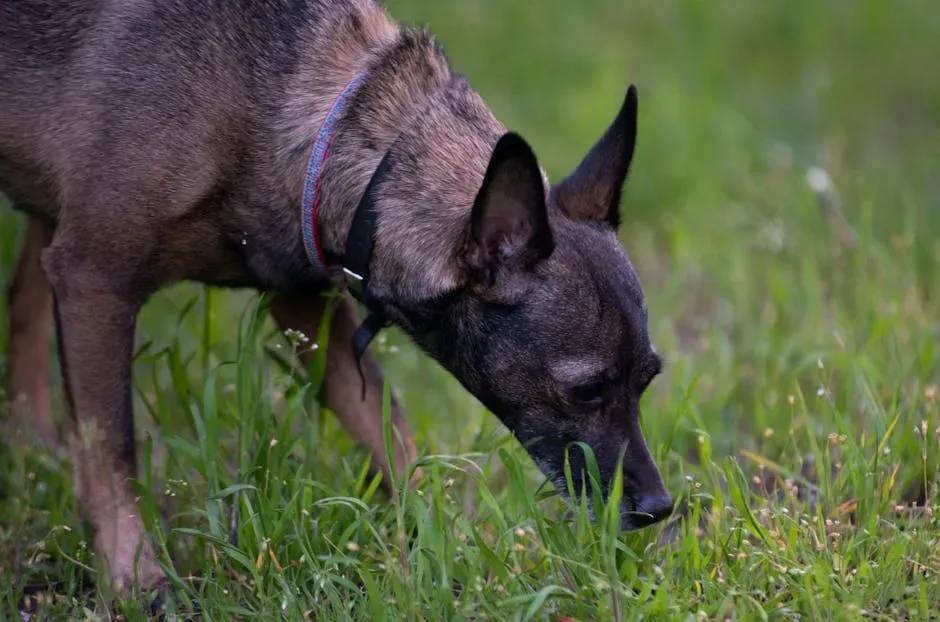
Cortisol spikes from stress? Dogs smell it clear as day. Their noses detect those chemical shifts, triggering concern or caution. Recent studies show it even sways their choices.[6]
They might nuzzle closer, offering calm. Or pace if your anxiety amps them up too.
5. Detecting Emotional Scents in Sweat

Sweat changes with fear or joy. Dogs differentiate “happy” from “scared” odors perfectly. Heart rates rise with fear smells; they seek you out more.[7][1]
Stranger sweat tests prove it. They ignore others, sticking to you for reassurance. Pretty empathetic stuff.
Your scent shifts moods for them too. They respond in kind, almost like a feedback loop.
6. Gauging Your Eye Contact

Soft gazes build trust fast. Stares feel threatening, so they avert. Gentle looks? Expect tail wags and leans.[5]
Oxytocin flows with mutual peeks. Your calm eyes invite closeness; avoidance signals upset.
7. Sensing Your Energy Levels

High energy buzzes them up for romps. Low vibes draw quiet companionship. They match your pace effortlessly.[5]
Agitated? They get alert. Mellow? Snoozes beside you. It’s like they feel your inner rhythm.
Let’s be real, this keeps homes harmonious.
8. Reacting to Your Touch
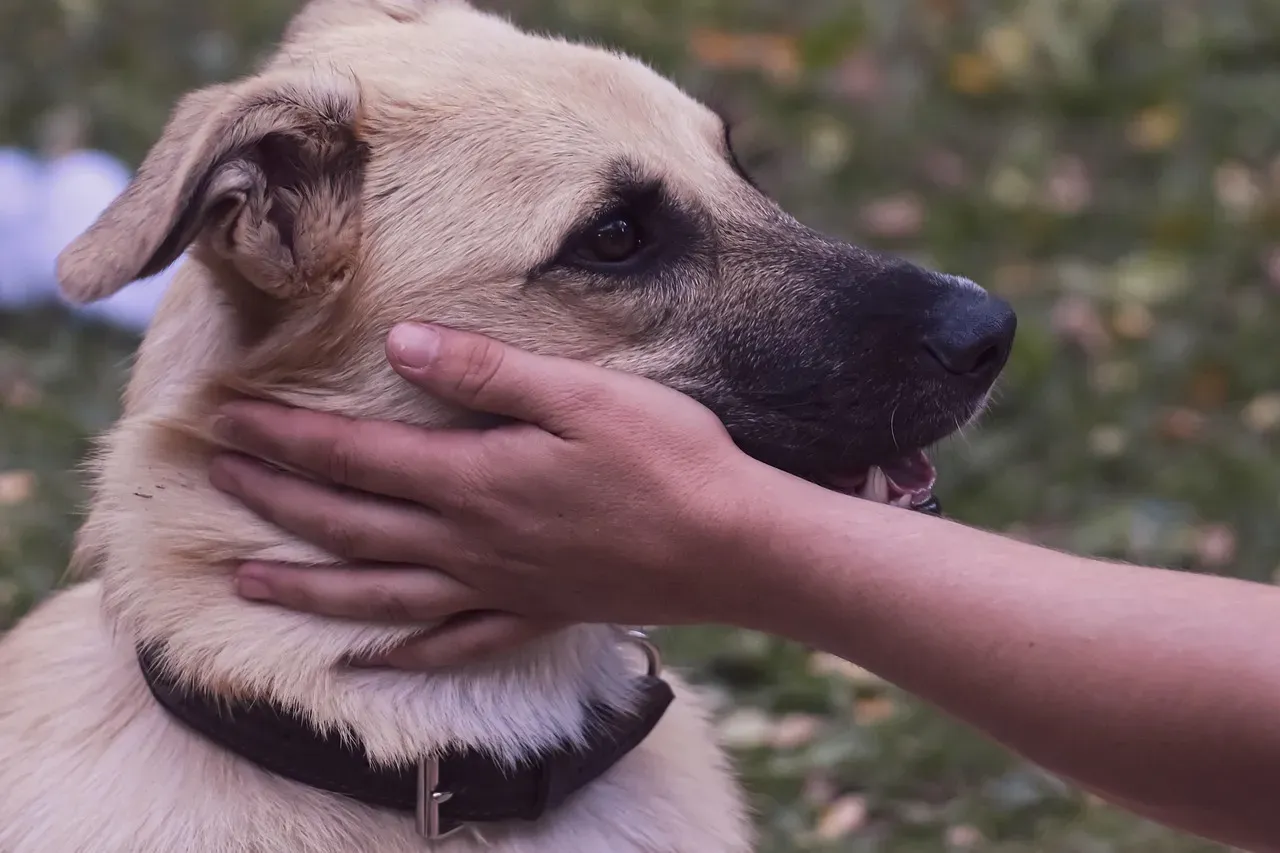
Gentle strokes relax them fully. Rough pats? Ears back, body tense. They sense intent through feel.[5]
Your mood shows in pressure. Loving? They melt. Frustrated? They pull away wisely.
9. Noticing Changes in Your Movement
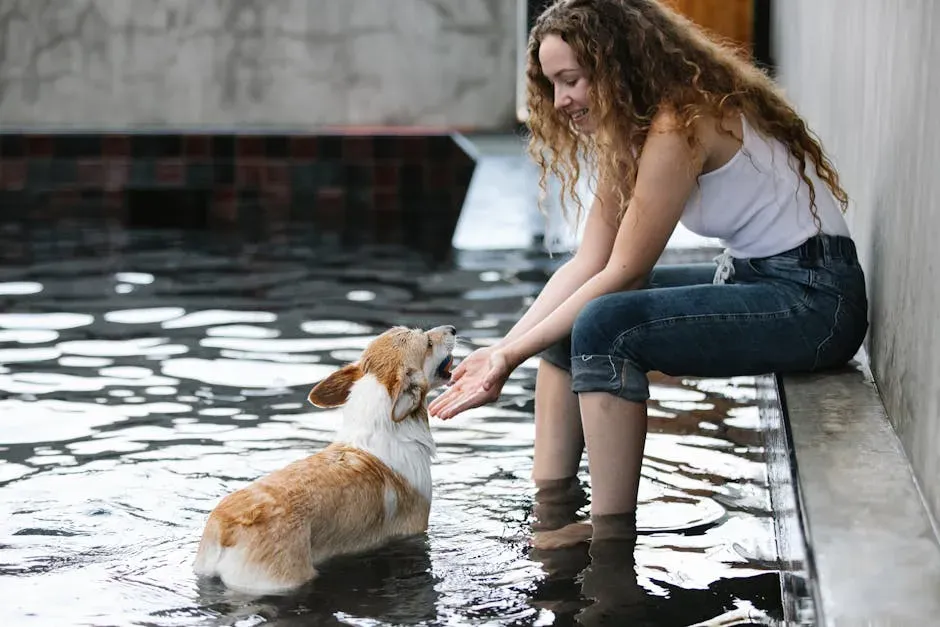
Slow shuffles mean down days; they curl up nearby. Brisk strides spark chases. Speed tells all.[1]
Pacing mirrors your stress. Sudden stops? They check in. Fluid motion invites tag-alongs.
It’s subtle, but spot-on every time.
10. Picking Up on Behavioral Cues
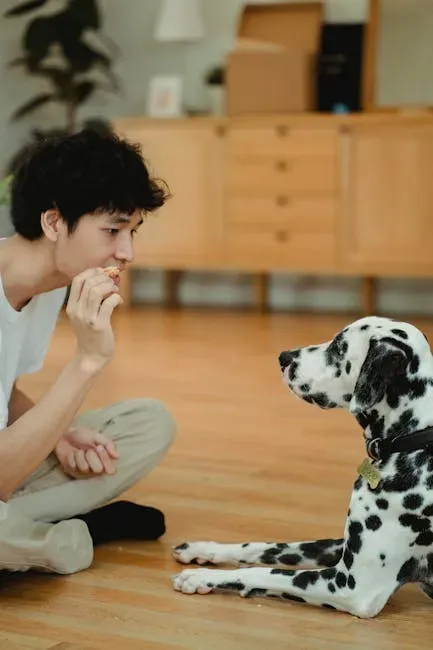
Routines shift with moods. Dogs spot deviations, adjusting loyalty. Erratic actions raise hackles.[5]
Consistent calm earns devotion. Wild swings? They stay vigilant. Patterns guide their reactions.
11. Mirroring Your Emotions Empathically
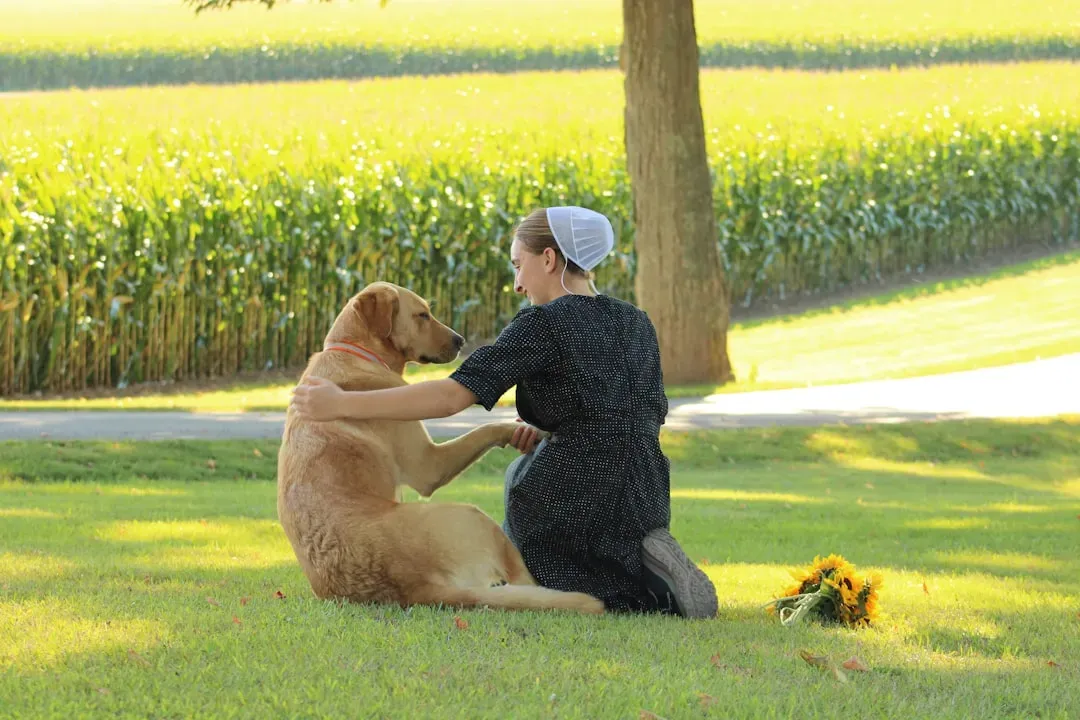
Sad? They nuzzle or fetch toys. Happy? Zoomies ensue. This back-and-forth strengthens bonds.[4]
Studies show heart rates sync up. Your distress calls their comfort. Pure companionship magic.
They even guard during lows.
12. Learning from Past Experiences
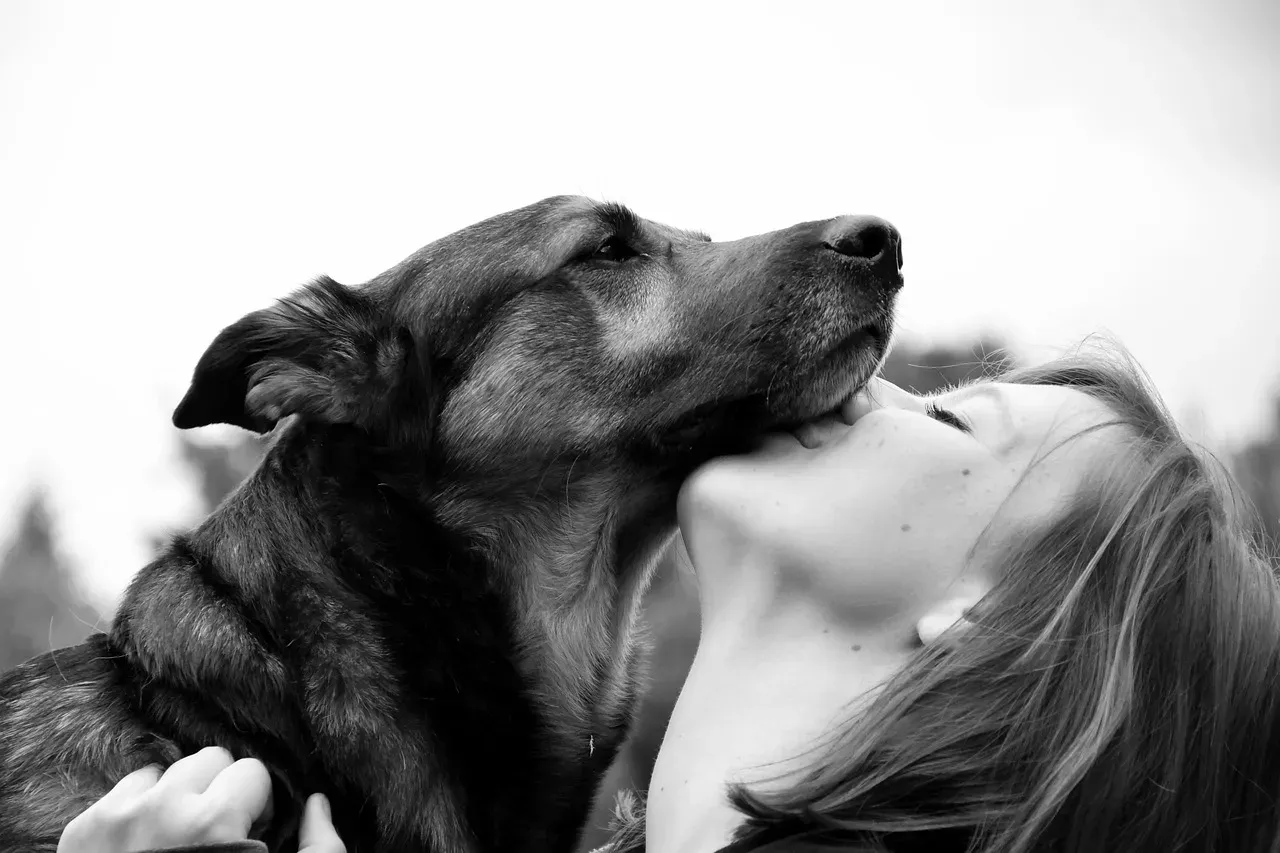
History shapes responses. Kind days build eager greetings. Tough ones teach caution. They remember your patterns deeply.[5]
Over time, trust grows or wanes. Your consistent moods predict their loyalty. It’s a lifelong read.
Final Thoughts
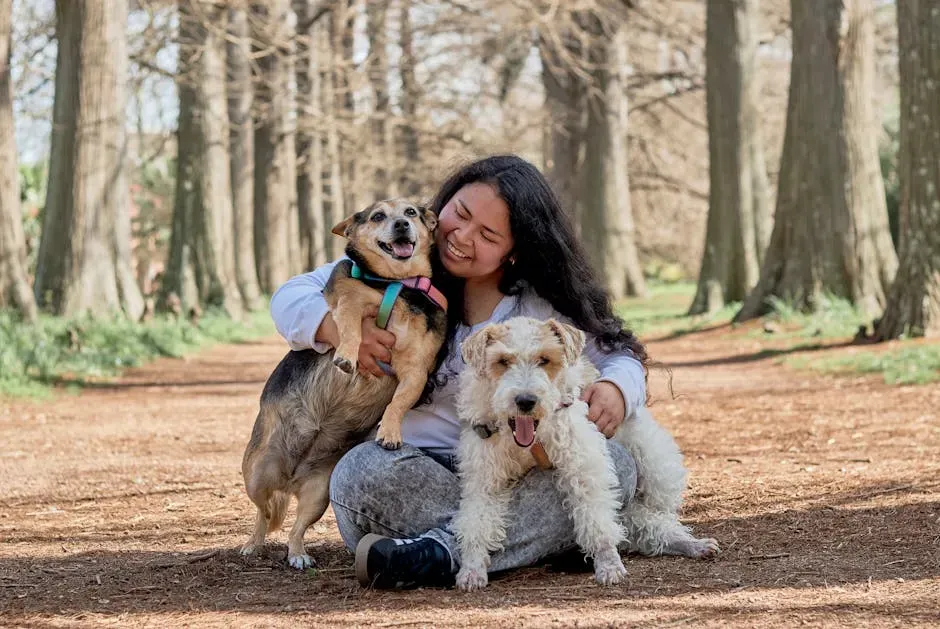
Your dog isn’t just sensing moods; they’re woven into your emotional world. This deep connection explains why they feel like family. Next time they react, know it’s real science at play.
What surprises you most about your pup’s intuition? Share in the comments below.

Tara enjoys writing about marine animals like whales, sharks, dolphins and nudibranchs.
Please send any feedback to feedback@animalsaroundtheglobe.com
- Nocturnal Animals of America - July 19, 2026
- 5 Sounds To Scare Snakes Away - July 18, 2026
- 10 Animals with an Additional Sixth Sense Beyond The Traditional Five - July 18, 2026