
We tend to think of architecture as a distinctly human achievement. Skyscrapers, cathedrals, suspension bridges – all proof of our genius, right? Well, here’s a humbling thought: long before we ever picked up a hammer, the animal kingdom was already full of extraordinary builders crafting structures of breathtaking complexity, precision, and purpose.
Some of these creations serve as shelter. Others are built purely to seduce a mate. A few are so geometrically perfect they could pass for the work of a trained engineer. What’s remarkable is that none of these creatures attended a single class, read a blueprint, or watched a tutorial. Every bit of it is pure instinct – and honestly, it makes you wonder just how “advanced” we really are. Let’s dive in.
1. The Bowerbird: Nature’s Most Obsessive Interior Decorator
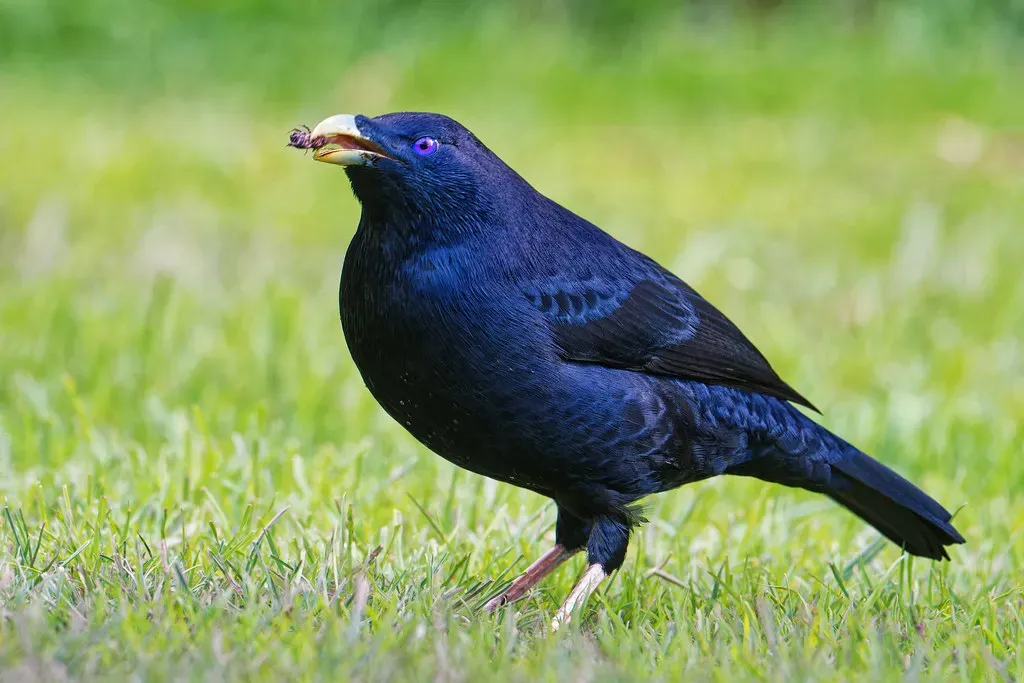
If you’ve never heard of the bowerbird, prepare to have your mind quietly rearranged. The most notable characteristic of bowerbirds is their extraordinarily complex courtship and mating behaviour, where males build a bower to attract mates. Crucially, this bower is not a nest. It’s something closer to an art installation.
Male bowerbirds construct elaborate structures known as bowers, designed solely to impress potential mates. Think of it like a bachelor putting every ounce of effort into decorating his apartment before a first date – except the bowerbird actually has taste.
Males collect a dazzling array of objects to adorn their bowers, ranging from natural items like flowers, shells, stones, leaves, feathers, and berries to human-made trinkets such as bottle caps, coins, and pieces of glass and plastic. Satin bowerbirds are particularly famous for their obsession with the colour blue, gathering items like blue flowers, straws, and even pen caps. The curation is deliberate, not random.
Some satin bowerbirds mix plant material with saliva to make a “paint” they spread over their bower walls. Competition for bower decorations is fierce, and male bowerbirds will steal desirable trinkets from other bowers to improve their own. So yes, bowerbirds are also petty thieves with excellent aesthetic judgment.
2. Termites: The Tiny Creatures Behind Towering Skyscrapers
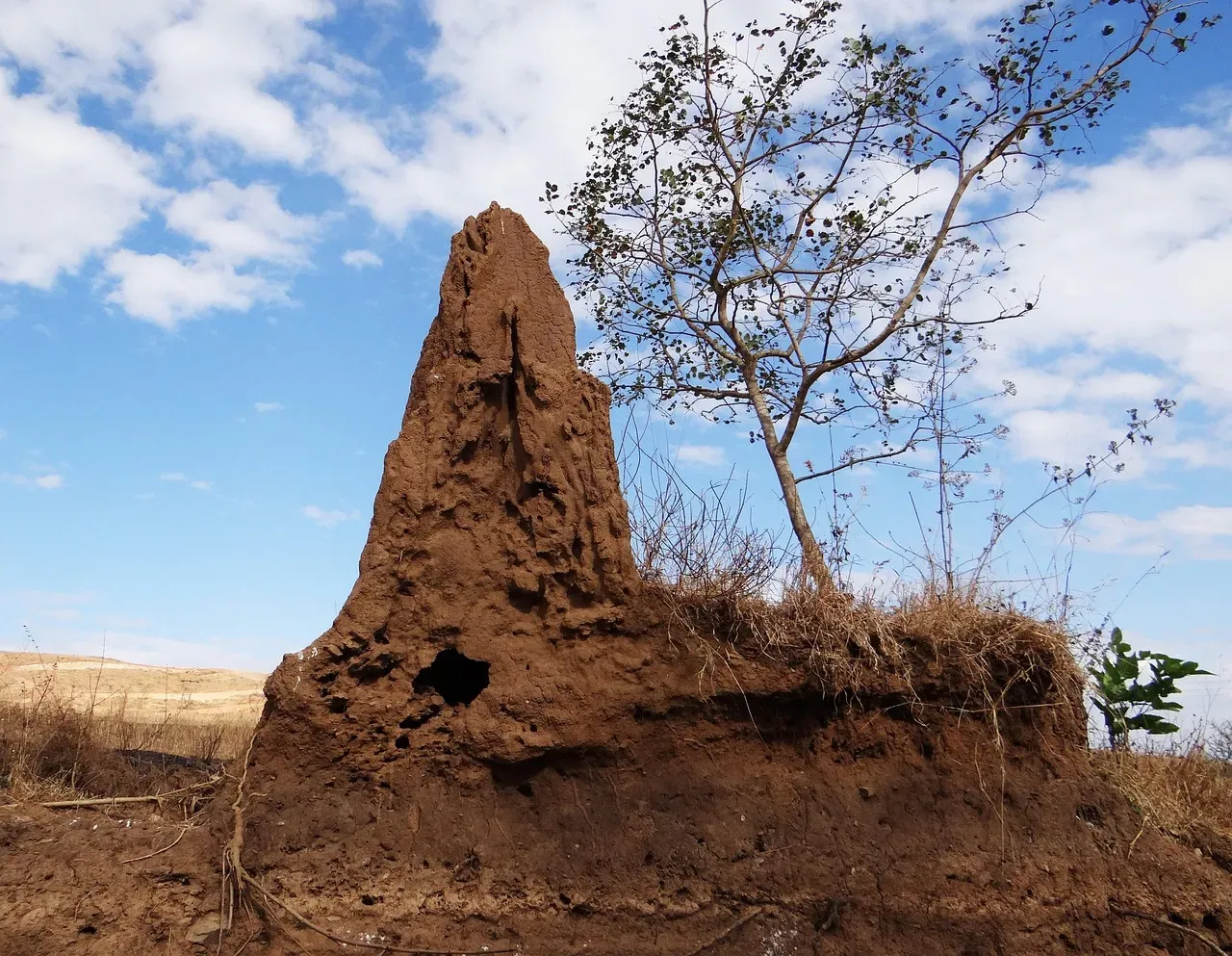
Some species of termites, particularly those in the African savannas, build towering, complex mounds that are among the most impressive natural structures in the animal kingdom. These mounds can reach heights of up to 30 feet and can cover vast areas. Inside, they are a sophisticated network of tunnels and chambers that serve as both shelter and climate control.
The mounds are designed with intricate ventilation systems that regulate temperature and humidity, ensuring the termites’ survival in the hot and dry conditions of their environment. The construction materials used – mostly mud, saliva, and feces – are incredibly durable, and the mounds have been known to stand for decades, if not longer. Honestly, that’s a better track record than some modern buildings.
By aerating the soil and recycling nutrients, termites enhance the fertility of their environment, benefiting plants and other animals. Some termite species even farm fungi within their mounds, showcasing advanced resource management. A climate-controlled apartment block with its own farm inside. Not bad for a creature the size of a grain of rice.
3. Beavers: The Engineers Who Reshape Entire Landscapes
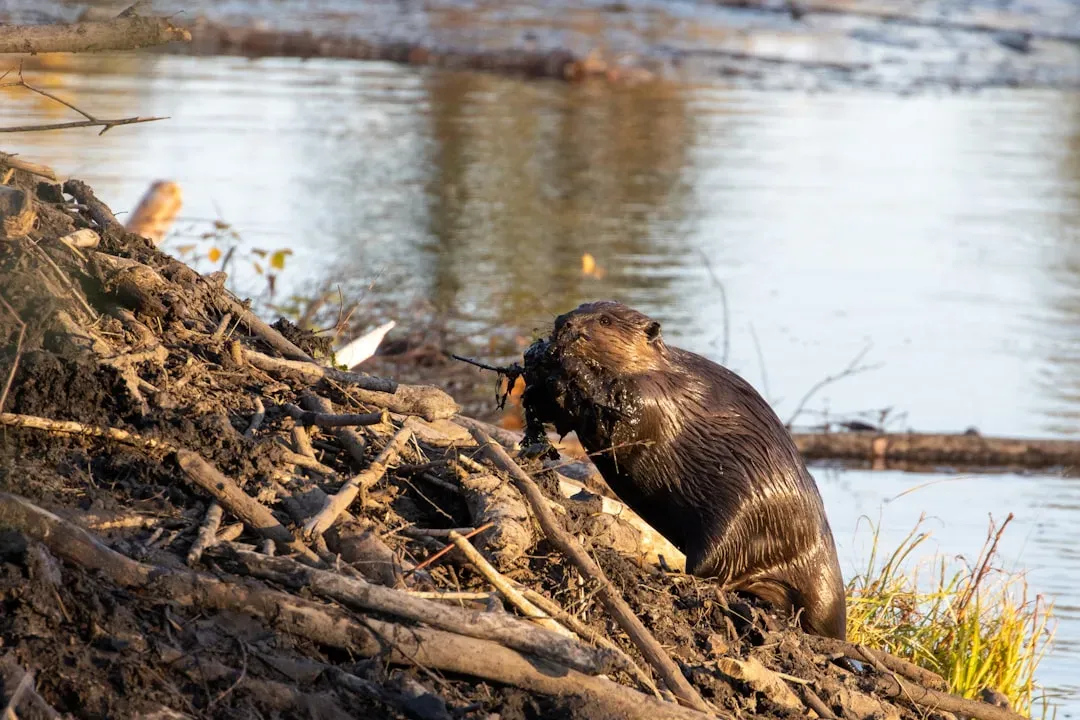
Beavers are nature’s engineers, reshaping entire ecosystems with their powerful teeth and an almost obsessive drive to build dams. There’s something almost admirable about an animal that just decides a river needs to be somewhere else and then simply makes it happen.
The scale of what beavers can achieve is genuinely staggering. In northern Alberta’s Wood Buffalo National Park, beavers have constructed a dam that is as long as the Burj Khalifa is tall. From end-to-end, the structure spans 800 metres, which is equivalent to eight football fields. This is not a small endeavor. This is civilization-level construction.
The structure was discovered not by people, but by a passing satellite which spotted it in 2007. Subsequent satellite images provided by NASA were able to confirm that it did not exist before 1980, which means the dam could be up to 45 years old. And the effects go way beyond the dam itself. Beaver dams have been shown to be beneficial to frog and toad populations, likely because they provide protected areas for larvae to mature in warmer, well-oxygenated water.
4. The Sociable Weaver: Builder of the World’s Greatest Apartment Block
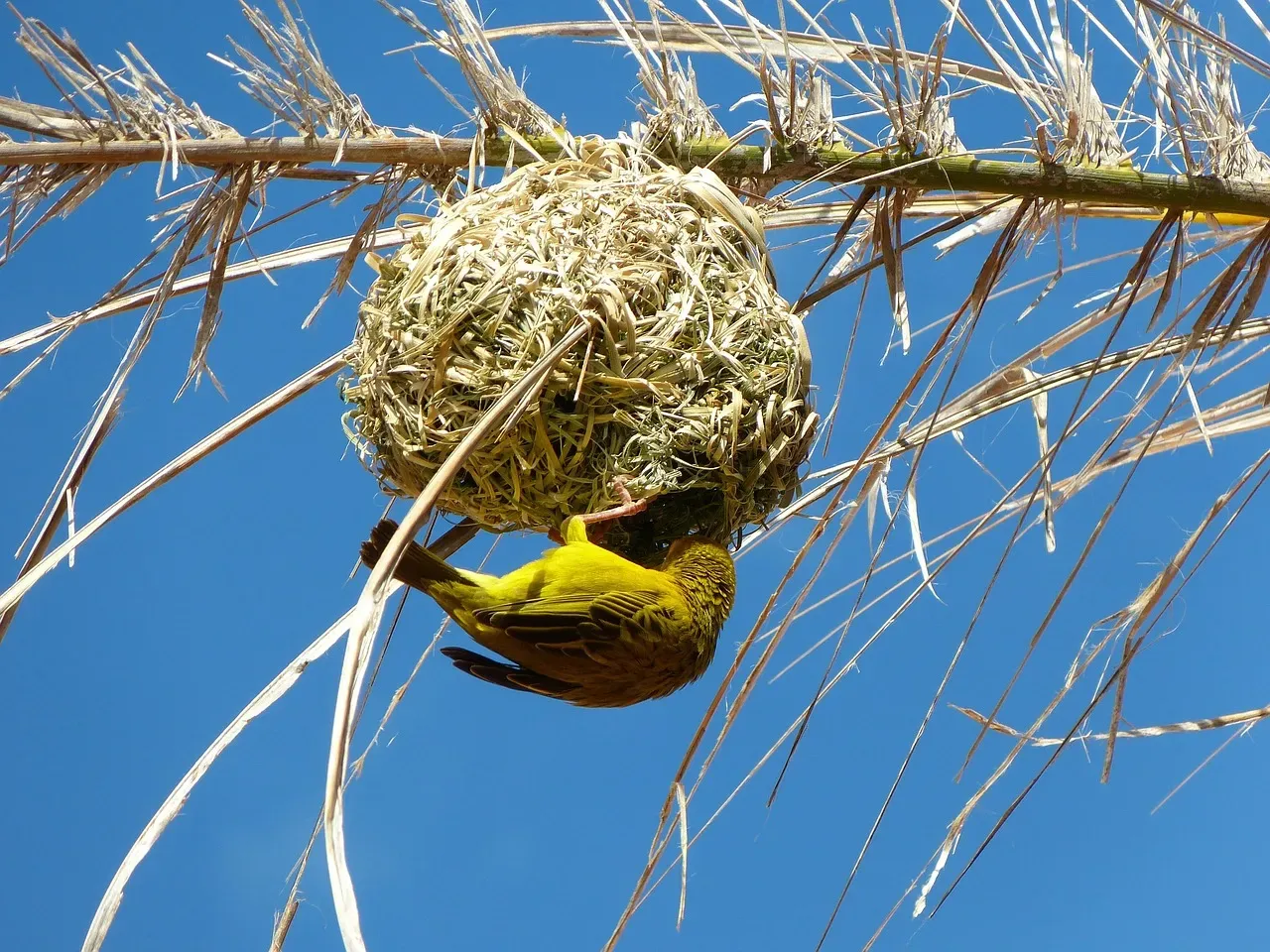
Most birds build a tidy little nest and call it a day. The sociable weaver of southern Africa took one look at that idea and said: no. The biggest bird nest in the world is a collaborative effort, constructed and maintained by a single species, the sociable weaver from southern Africa.
Constructed in trees and sometimes around telegraph poles, each structure can be up to six metres across. Each block can contain hundreds of nesting chambers, and up to 500 birds. That is not a nest. That is a full-on housing complex.
The nests are highly structured and provide birds with a more advantageous temperature relative to the outside. The central chambers retain heat and are used for nighttime roosting. Inside temperatures in occupied chambers have been found to vary over a range of only 7–8 °C while outside temperatures varied far more dramatically. Natural climate control, built with dried grass. Large nesting colonies can be active across many generations, sometimes over 199 years.
5. The Japanese Pufferfish: Underwater Crop Circles and the World’s Most Dedicated Romantic
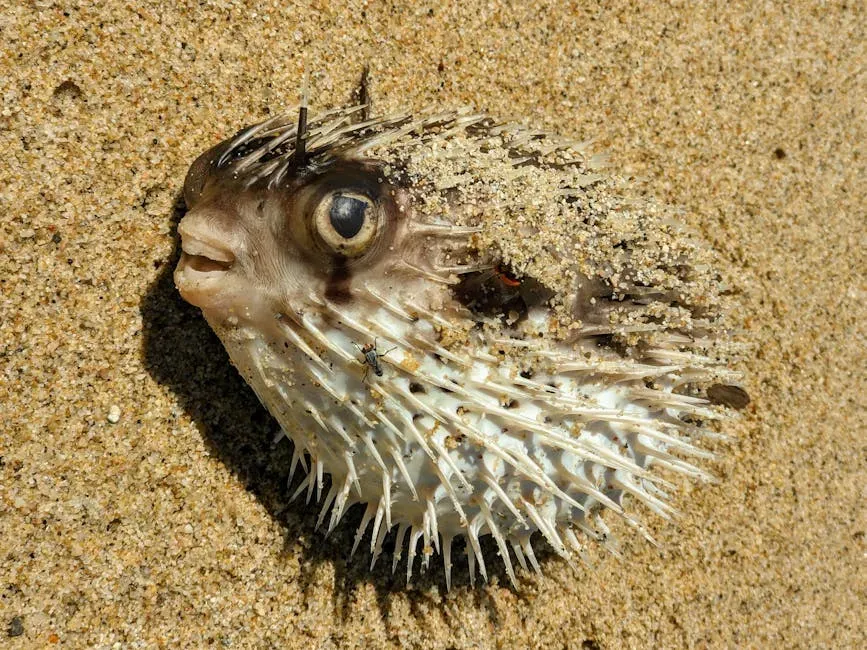
Here’s one that sounds made up but absolutely is not. In 1995, divers first noticed a group of bizarre sandy “crop circles” on the seabed around Amami Oshima Island, southwest Japan. It took decades for scientists to identify the marine artists behind them and why they were building such geometrically precise structures every year.
These were the impressive work of a small male pufferfish, around 10 cm long, belonging to the genus Torquigener, who painstakingly used their fins as tools to construct these underwater megastructures in an effort to attract a female and to engineer a safe, calm environment for eggs to develop. A fish roughly the size of your hand builds a structure the size of a small car. Let that sink in.
It takes about seven to nine days for the pufferfish to construct the circles. For a finishing touch, the male gathers up pieces of dead coral and seashells to decorate his seabed creation. The speed of water was slowed by nearly a quarter in the center, where the eggs are laid. Form, function, and romance – all in one sandy masterpiece.
6. Weaver Birds: The Avian World’s Master Weavers
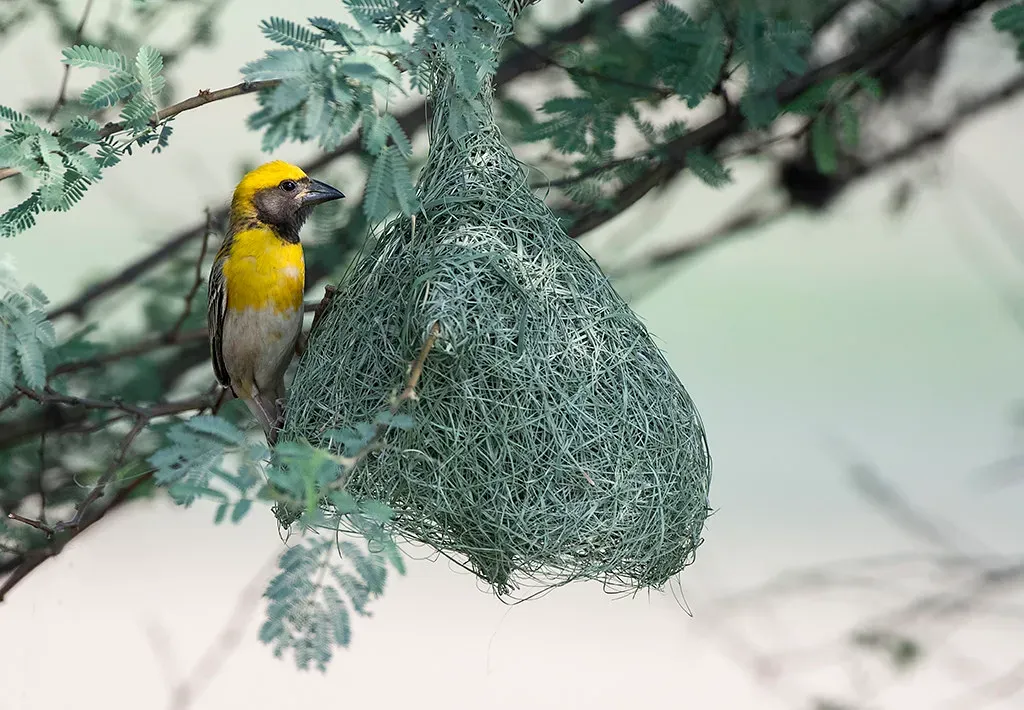
Weaver birds are the ultimate nest architects, crafting intricately woven nests that dangle from tree branches. These birds use grass, twigs, and plant fibers, twisting and knotting them together with remarkable skill. Watching one work is a bit like watching a craftsperson at a loom – except the craftsperson has a beak and no hands.
Woven with long strips of paddy leaves, palm leaves, and grasses, the males use their beaks to strip the material, interlace them together, and knot at the end. It can take up to 500 trips and around 18 days to complete the nest. That is a serious time commitment for any creature.
Nest-building in weaver birds is not just about creating a home, but also serves as a display of the male’s fitness and skills. Females inspect the nests and choose mates based on the quality of their construction. Their weaving techniques are so advanced that researchers have compared them to human textile-making skills. High praise from the species that invented fashion.
7. Army Ants: The Living Bridge Builders
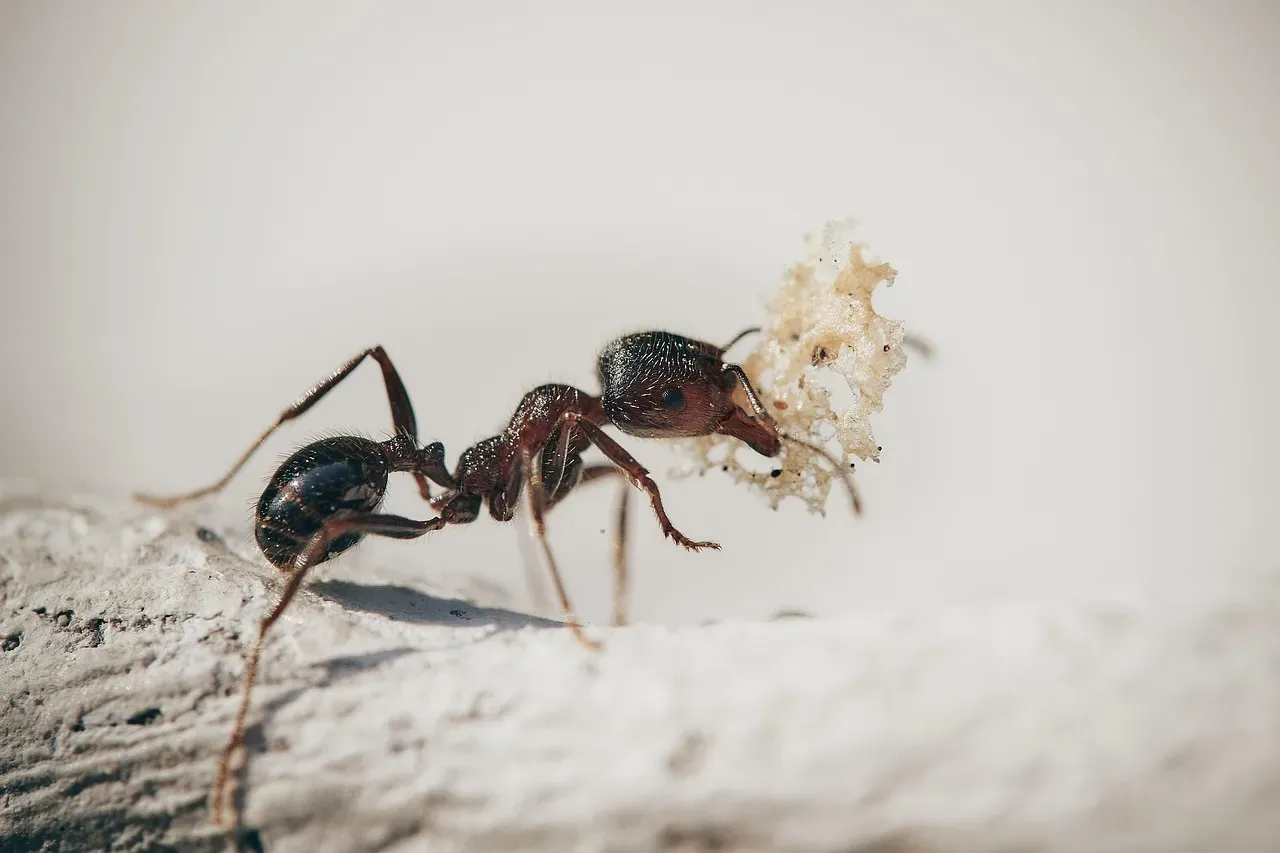
Most architects build with wood, steel, or stone. Army ants build with themselves. Army ants in huge raiding columns will deploy their own bodies to form living bridges so fellow workers can cross gaps quickly. It is one of the most bizarre and brilliant construction techniques in the entire natural world.
A bridge consists of up to 50 ants and a colony may have 40 or 50 bridges in use at any time. Myrmecologists at the New Jersey Institute of Technology’s Swarm Lab have worked out a simple rule governing this behaviour. Ants only stay in a bridge if they feel sufficient numbers of other ants scurrying over their backs.
The logic is ruthlessly efficient. To justify investing that much labour, the shortcut has to be popular. If fewer ants cross, forming a bridge isn’t worth the effort – it’s better for the colony if these ants go around the obstacle the long way. Real-time cost-benefit analysis. Performed by insects. Without a spreadsheet.
8. Leafcutter Ants: Underground Cities With Farms Included
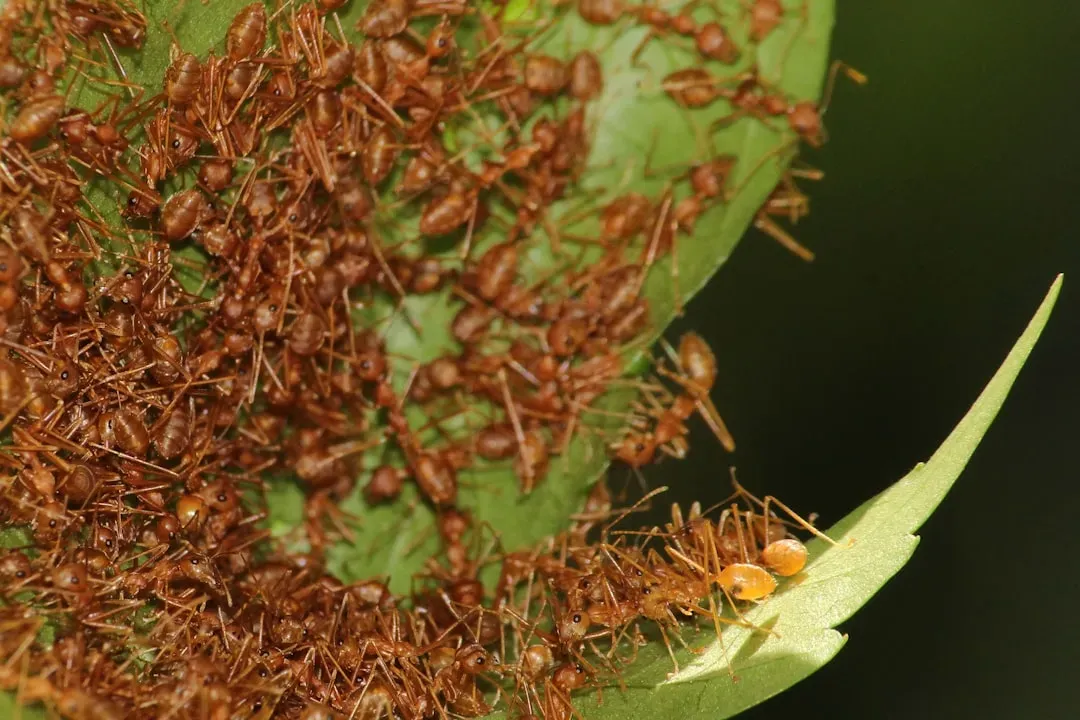
If army ants are the bridge engineers, leafcutter ants are the urban planners. Ants’ underground nests are some of the most sophisticated homes in the animal kingdom. Some species, like leafcutter ants, build intricate tunnel networks that include nurseries, food storage rooms, and even “garbage dumps” to manage waste.
Ventilation systems regulate airflow, preventing mold and excess heat. Certain ants farm their own food, growing fungi underground to sustain their colony. The farming operation alone is staggering to think about. These creatures have been practicing agriculture for millions of years longer than humans have.
Some of the largest ant colonies in the world stretch over 3,700 miles across multiple countries – a true supercolony. I think it’s fair to say that at this scale, we’re no longer talking about a nest. We’re talking about a civilization.
9. The Caddisfly: Earth’s Oldest Known Animal Architect
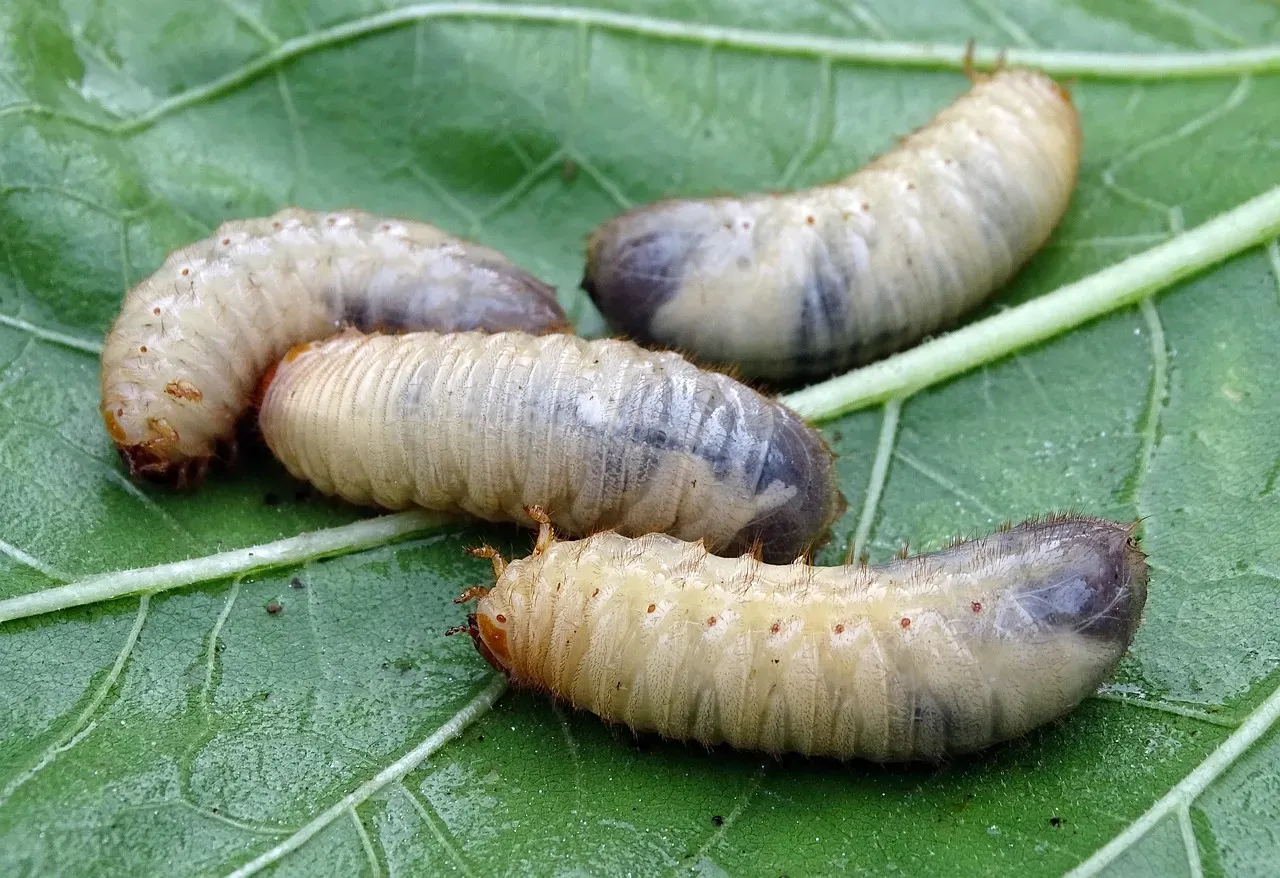
This one deserves more attention than it typically gets. Caddisflies could potentially be the first animal architects. Fossils of the elegant little cases built by their aquatic larvae have been dated to the Early Jurassic, and possibly earlier, well before social insects or birds appeared on Earth.
Caddisfly larvae are like weird underwater caterpillars that frequent the bottom of streams and ponds, and many fabricate tubes no thicker than a pencil in which to live. Assembled from grains of sand, fragments of twig or leaf, snail shells and any other debris to hand, the cases protect the soft-bodied larvae from the turbulence of the water current and from predators such as fish.
The larvae wriggle out and build new cases as they grow – most will make five in one or two years – before finally leaving the water as short-lived winged adults. French artist Hubert Duprat famously gave larvae gold leaf and pieces of gemstone, with which they created beautiful gilded tubes. Tiny jewelers. Working since the Jurassic.
10. Orb-Weaver Spiders: Geometric Silk Architects
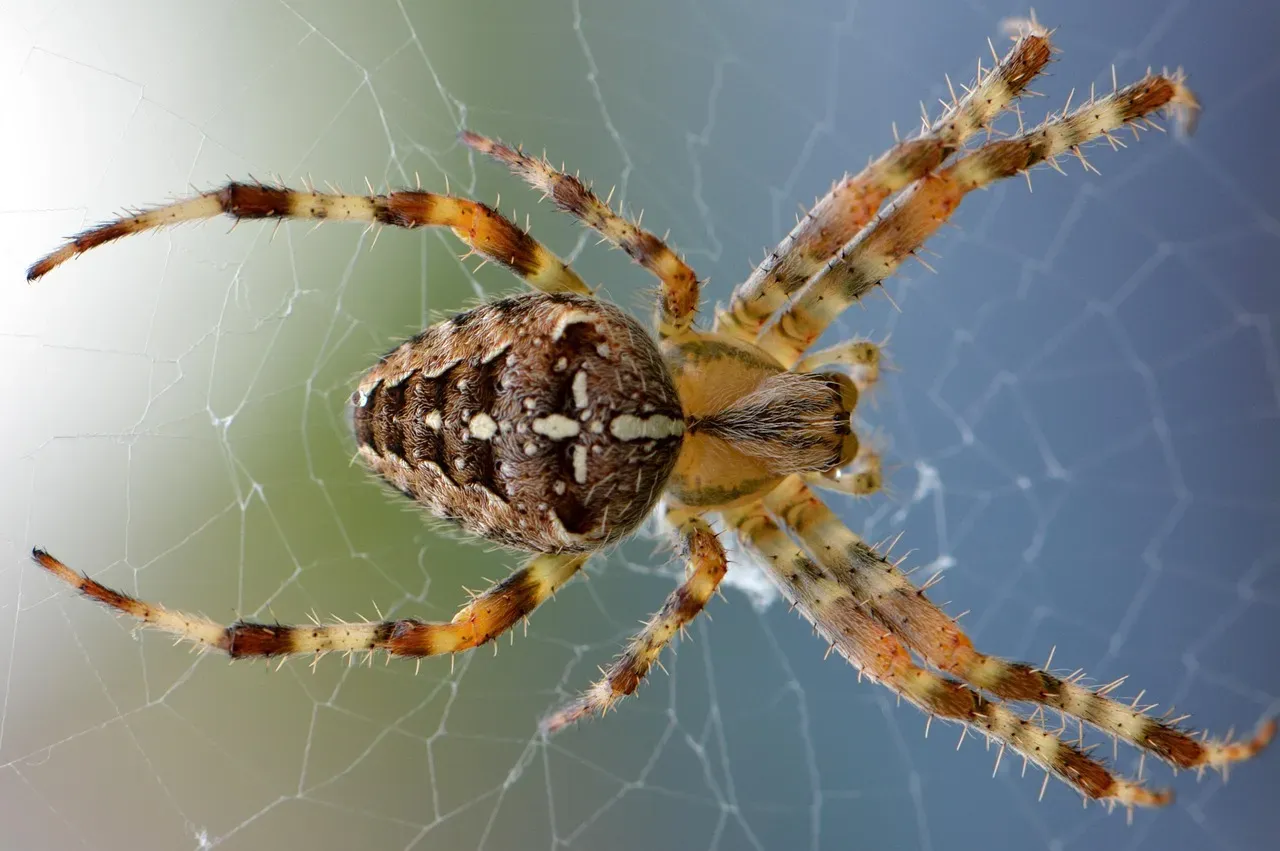
There’s a reason spider webs show up in art, poetry, and science textbooks. They’re just that impressive. Spiders produce silk from specialized glands and use it to construct webs with incredible precision. The orb-weaver spider’s web is one of the most well-known examples of spider architecture. These webs are characterized by their radial symmetry and are meticulously constructed to trap flying insects.
The silk strands are not only sticky but also elastic, allowing them to capture and retain prey without breaking. Some species, such as the golden orb-weaver, create webs that are so strong they can even catch large insects like moths and beetles. The engineering here is genuinely remarkable – a material that is both flexible and incredibly strong.
Scientists are even studying spider silk for medical and engineering advancements, including stronger synthetic materials and biodegradable sutures. Something spun by a spider in a garden hedge is now inspiring next-generation materials science. That feels like a satisfying full circle.
11. Coral Polyps: The Builders of Earth’s Greatest Living Structure
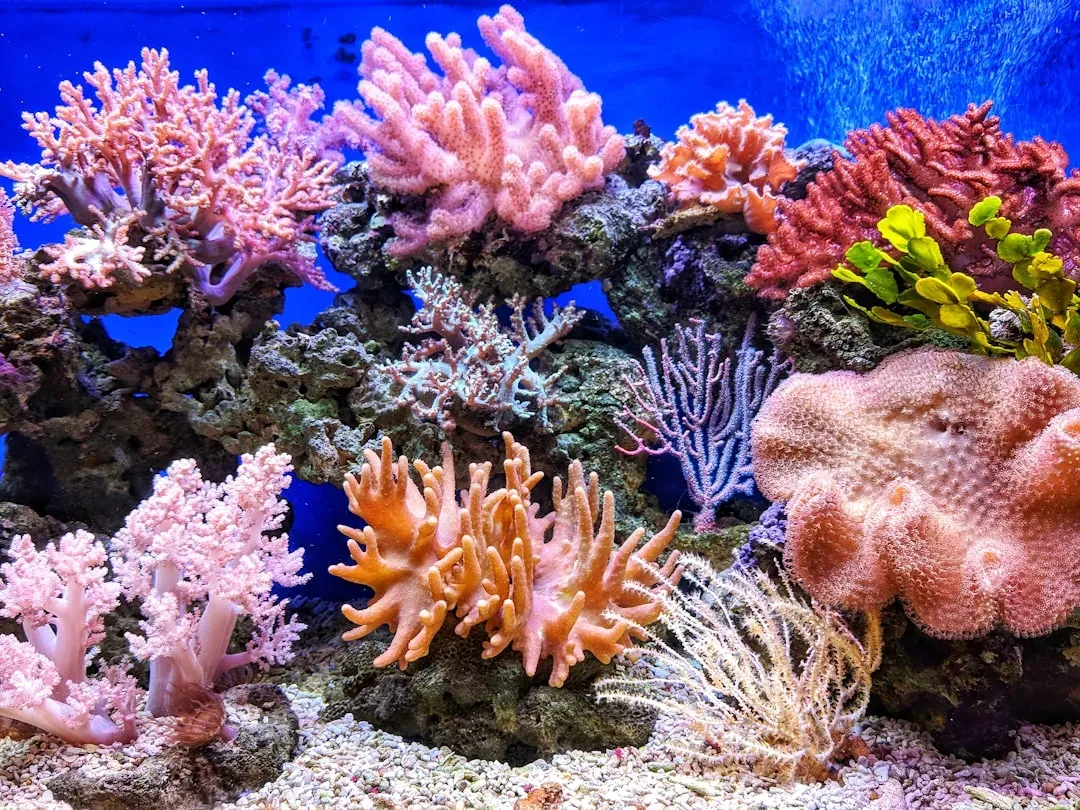
Here is a builder so small you can barely see it with the naked eye, yet its collective output is visible from space. Coral reefs are some of the most breathtaking natural structures on Earth, built by tiny animals called coral polyps. These creatures secrete calcium carbonate, forming rock-like structures that become the foundation of massive coral reefs.
Over time, as generations of polyps live and die, they create massive reef structures. The Great Barrier Reef, visible from space, is a testament to the collective efforts of these tiny creatures over millions of years. Think of it like this: each polyp is about the size of a grain of rice, and together they built the largest living structure on the entire planet. If that doesn’t give you pause, I honestly don’t know what will.
Coral reefs support incredible biodiversity while protecting coastlines from erosion. The structure serves as home, nursery, and food source for roughly a quarter of all marine species. One tiny builder, one unimaginably vast result.
12. The Ovenbird: A Mud Mason With a Talent for Spirals
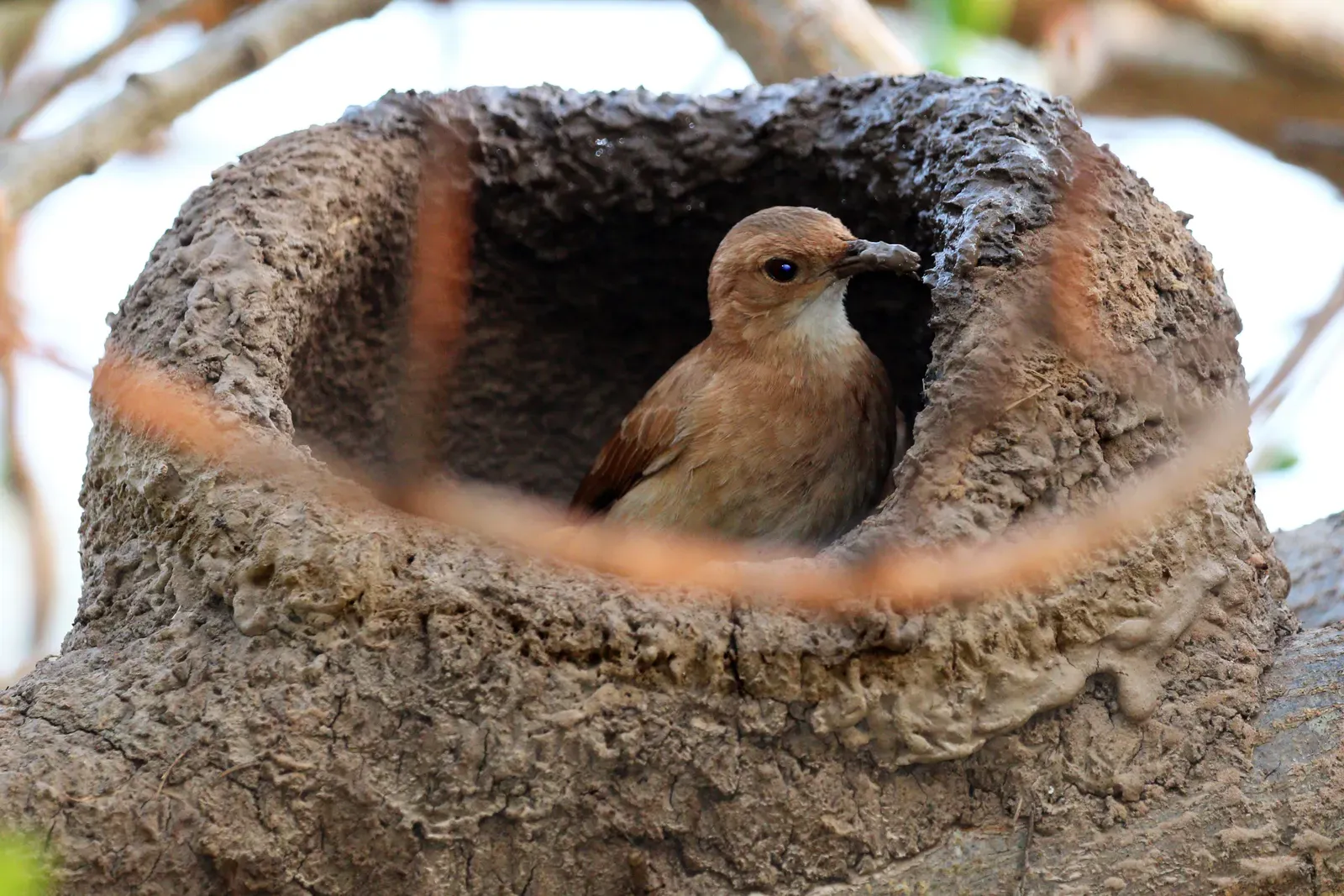
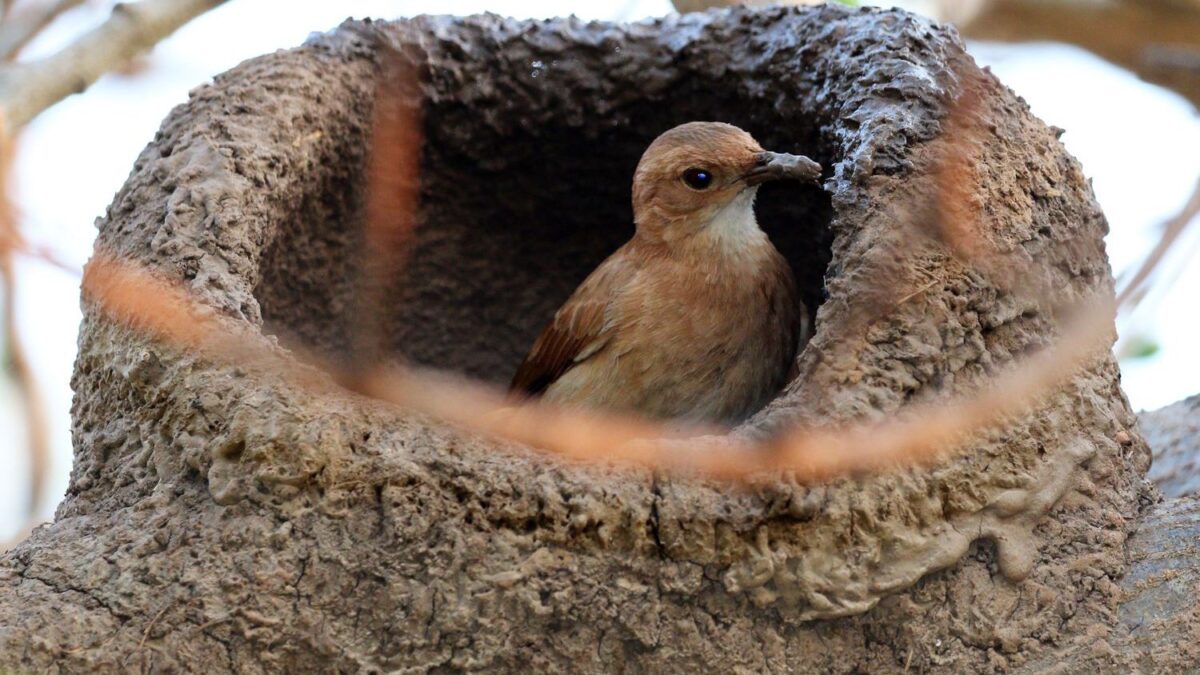
The ovenbird of South America rounds out this list with a construction method that is almost sculptural. The structures, composed of thousands of mud pellets, resemble the shape and color of rudimentary clay ovens and are often stacked one on top of another. Their semi-closed structure helps protect the ovenbirds from predators, and once the breeding pair who originally inhabited the nest are gone, other birds of different species often take over the safe and comfortable real estate.
The nests of ovenbirds consist of thick, curved walls which spiral towards a central chamber. The innermost chamber, where the eggs are laid by the female, is protected by a wall with a small opening, just wide enough for the ovenbirds to fit through. A built-in security door, essentially. Designed from scratch, using only beak and instinct.
It’s hard not to feel a kind of deep respect for this small bird, methodically plastering mud layer by layer into a structure that works perfectly, lasts remarkably long, and gets repurposed by other creatures when the original tenants leave. Sustainable architecture, with feathers. It’s been doing this long before “green building” was a thing.
Conclusion: Nature Got There First
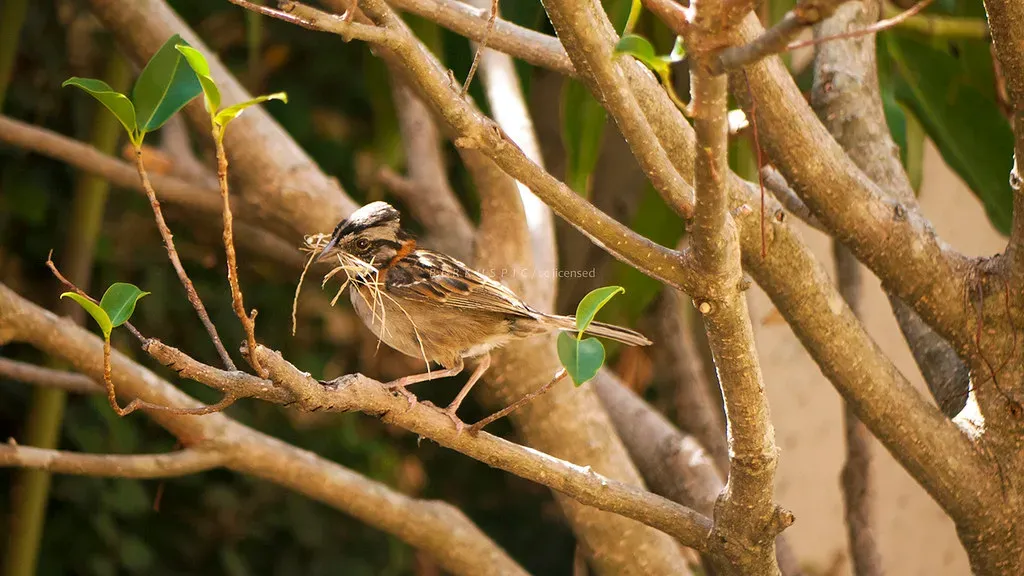
What connects all twelve of these remarkable creatures is something that goes beyond instinct. What makes these constructions even more impressive is that they are crafted with instinctive precision, passed down through generations of evolutionary refinement. These are not accidents. They are perfected techniques, honed over millions of years of trial, error, and survival.
From beaver dams that control water flow to termite mounds that regulate temperature, animals have developed brilliant construction techniques that often surpass human engineering in efficiency and sustainability. As scientists continue to study these animal architects, their designs are influencing real-world technology – from self-cooling buildings inspired by termite mounds to stronger materials mimicking spider silk.
The animal kingdom has been building longer, smarter, and in many ways more sustainably than we have. Next time you pass a spider’s web glittering in the morning light, or spot a termite mound rising from the African earth, take a moment. You’re looking at architecture that has stood the test of time in ways most human structures never will. Which of these twelve builders surprised you most? Drop your thoughts in the comments below.

- The Most Suitable Small Pet For You According to Your Zodiac Sign - July 15, 2026
- The Spirit Animals That Represent Each Zodiac Sign’s Shadow Side - July 15, 2026
- How to Develop Trust and Strengthen Your Bond With Your Horse - July 15, 2026