

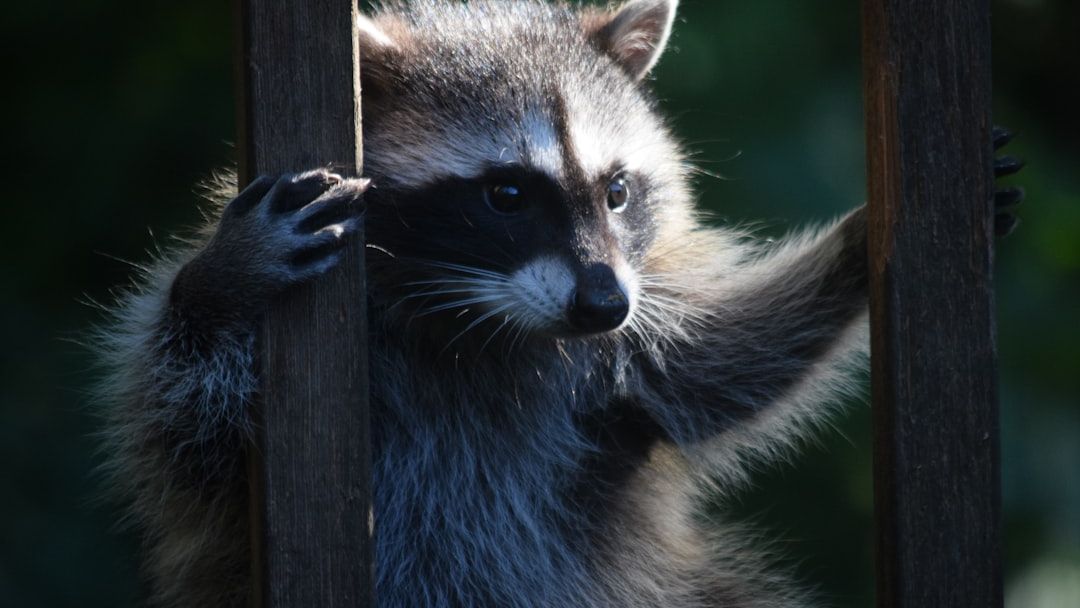
If you’ve ever watched a raccoon dig through a trash can with the focused intensity of someone trying to defuse a bomb, you probably already suspected these animals were smarter than we give them credit for. Turns out, the science is starting to back that gut feeling up in a seriously surprising way.
Recent research has revealed something remarkable about raccoon behavior, and it goes well beyond their reputation as clever urban scavengers. What scientists are discovering about how raccoons engage with challenges is reshaping our understanding of animal cognition. Let’s dive in.
The Study That Started the Conversation
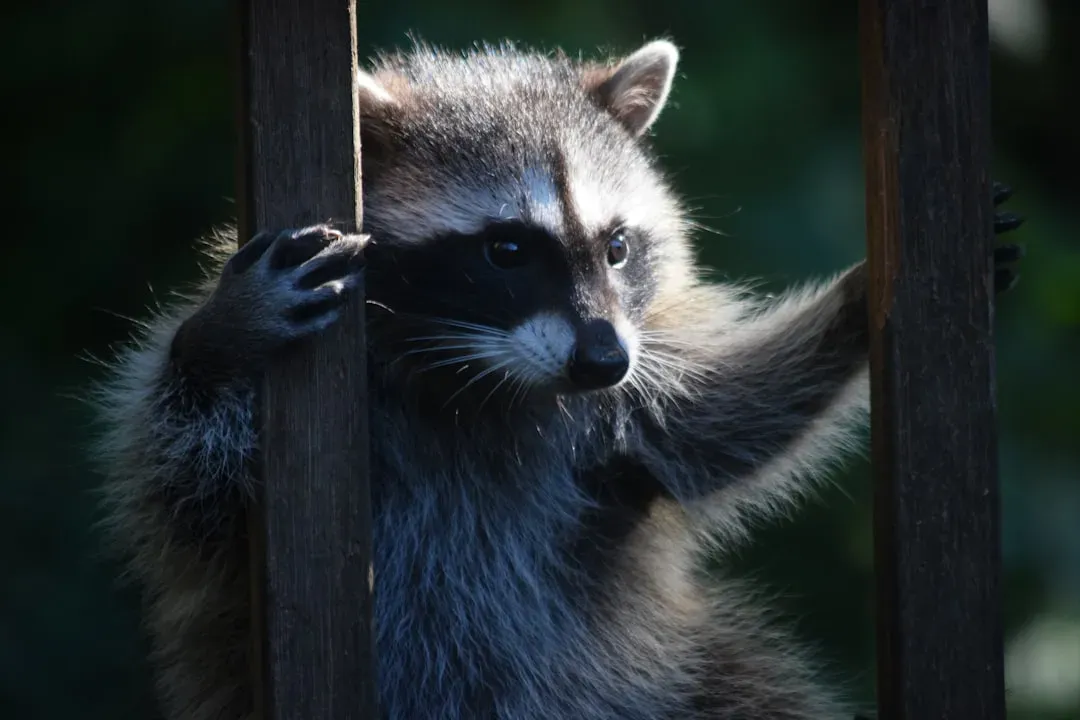
Researchers at a North American university set out to investigate whether raccoons would voluntarily engage with puzzles even when there was no food reward attached. What they found stunned them. The raccoons didn’t just tolerate the puzzles. They actively sought them out, returning to interact with the devices long after the treats were gone.
This wasn’t a small sample or a quick experiment. The study involved multiple raccoons over an extended period, and the consistency of the behavior was hard to ignore. The animals were engaging with the puzzles in a way that looked, honestly, a lot like play. That’s a concept researchers don’t apply lightly when studying wildlife.
What “Puzzle-Solving for Fun” Actually Means
Here’s the thing about animal cognition research: scientists are extremely careful about attributing human-like motivations to animals. The word “fun” in this context isn’t just casual language. It points to something called intrinsic motivation, the idea that an animal pursues an activity purely because the activity itself is rewarding.
Most animals in research settings are motivated by food, survival, or social rewards. When a raccoon continues to manipulate, explore, and interact with a puzzle after the food incentive is removed, that’s genuinely unusual. It suggests a level of cognitive engagement that goes beyond basic survival wiring. Some researchers are now using the term “contrafreeloading” to describe similar behaviors, where animals prefer to work for rewards even when free food is available.
Raccoon Intelligence Is More Layered Than We Imagined
Raccoons have always been known for their dexterous paws and their uncanny ability to open containers. But there’s a difference between problem-solving out of necessity and problem-solving out of curiosity. The new findings suggest raccoons might occupy a unique cognitive space, somewhere between highly adaptive survivors and genuinely curious minds.
What makes this particularly interesting is that raccoons are not domesticated or socially trained the way dogs or primates are in research settings. They arrive at these behaviors through their own neural architecture. That’s a huge deal. It means their intelligence evolved independently in a direction that values exploration, and that kind of convergent cognitive evolution is rare and scientifically fascinating.
How the Puzzles Were Designed and What They Revealed
The puzzles used in the study weren’t random toys. They were carefully engineered to test specific cognitive abilities, including memory, sequential reasoning, and the ability to learn from previous attempts. Think of it like a series of mental hurdles, each one slightly harder than the last.
What emerged from the data was that raccoons not only remembered how they had solved puzzles before but also adapted their approach when the puzzle was changed. They weren’t just pattern-repeating. They were genuinely problem-solving in the moment, updating their strategy based on new information. That kind of flexible thinking is a cognitive marker researchers usually associate with much larger-brained species.
The Broader Implications for Animal Welfare
If raccoons seek out cognitive challenges for their own sake, that raises some uncomfortable questions about how we treat them in both wild and captive environments. Enrichment programs in zoos and wildlife facilities have long been designed around the idea that mentally stimulating environments reduce stress in intelligent animals. This research suggests raccoons deserve to be added to that conversation more seriously.
It’s hard to say for sure how widespread these implications will be in practice, but the research community is clearly paying attention. There’s growing discussion about whether urban raccoons, who live in an environment that constantly demands problem-solving, might actually have a cognitive advantage over their rural counterparts. Living next to humans might be making raccoons smarter. Let’s be real, that’s a slightly alarming thought.
What This Means for Our Understanding of Play in Animals
Play behavior in animals has traditionally been studied in mammals like dolphins, primates, and dogs. The idea that a mid-sized, wild omnivore like the raccoon engages in something resembling play for cognitive stimulation is a meaningful expansion of that research frontier. It challenges the assumption that play is mainly a feature of highly social or domesticated species.
Honestly, I think this is one of those findings that will look more and more important over time. Play, at its core, is how many species practice and refine skills. If raccoons are playing with puzzles, they might be sharpening problem-solving abilities in a kind of self-directed learning loop. That’s not just interesting. That’s borderline profound when you stop to think about it.
Why This Research Matters Beyond the Lab
Studies like this one have a ripple effect across multiple fields, including urban ecology, cognitive science, and conservation biology. Raccoons are one of the most successful urban wildlife species on the planet, thriving in cities across North America, Europe, and Japan. Understanding the cognitive flexibility that drives their success could inform how we manage coexistence with them.
There’s also a deeper philosophical thread here. The more we learn about the inner lives of animals we’ve long dismissed as pests or nuisances, the harder it becomes to justify ignoring their cognitive complexity. Raccoons might be the species that finally forces a broader public reckoning with how we think about animal minds. What do you think? Could the humble trash panda be the unlikely ambassador for a new era in how we understand animal intelligence? Drop your thoughts in the comments.

- Urban Coyotes Show Remarkable Adaptability, Learning to Thrive in City Environments - July 22, 2026
- Beavers Are Nature’s Engineers, Creating Vital Habitats for Other Wildlife Species - July 21, 2026
- The Recovery of the California Condor Offers Hope for Other Critically Endangered Birds - July 21, 2026