
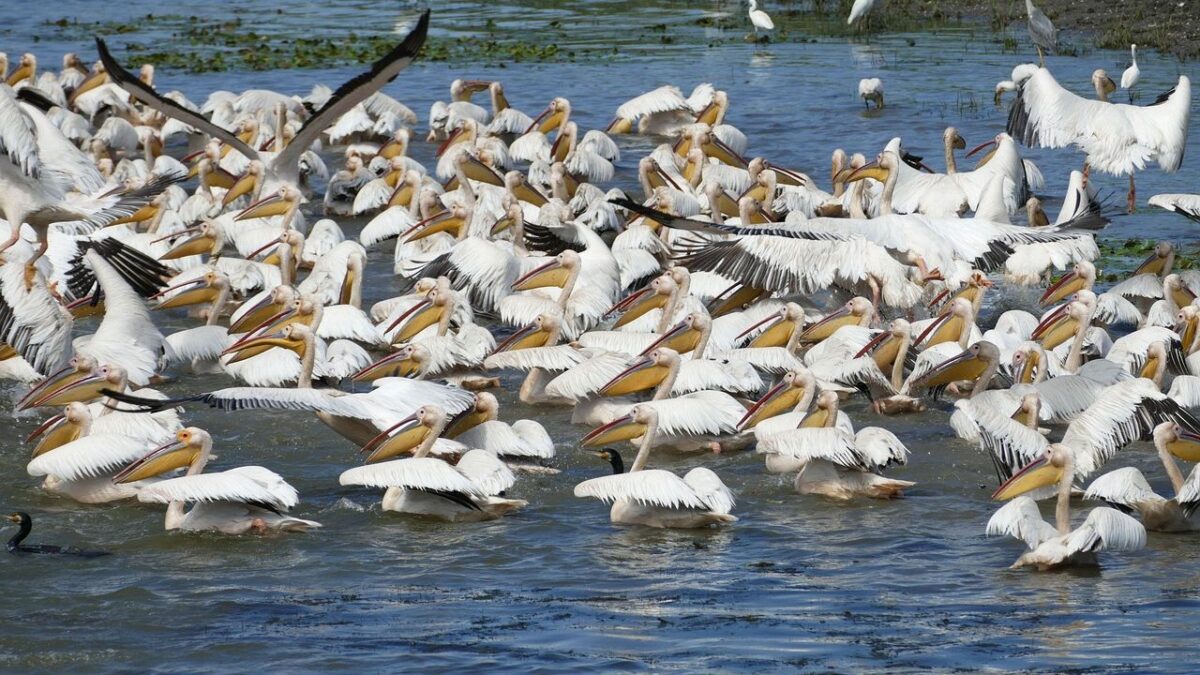
There is something almost supernatural about watching the sky darken with the wings of thousands upon thousands of birds moving in perfect coordination. It is one of nature’s most primal and breathtaking shows, and honestly, no nature documentary ever fully captures the feeling of standing right underneath it all.
Bird migration stands as one of nature’s most spectacular phenomena, with billions of birds undertaking epic journeys spanning thousands of miles each year, crossing vast oceans, towering mountain ranges, and sprawling deserts as they respond to the ancient rhythms of seasonal change. Some of these birds navigate with a precision that puts our best GPS technology to shame. Others travel distances so extreme they seem biologically impossible.
The world has certain places where these journeys collide with geography in a perfect storm of spectacle. These are the destinations where migration becomes something you can feel in your chest. Let’s dive in.
1. Nagaland, India: The Greatest Raptor Gathering on Earth
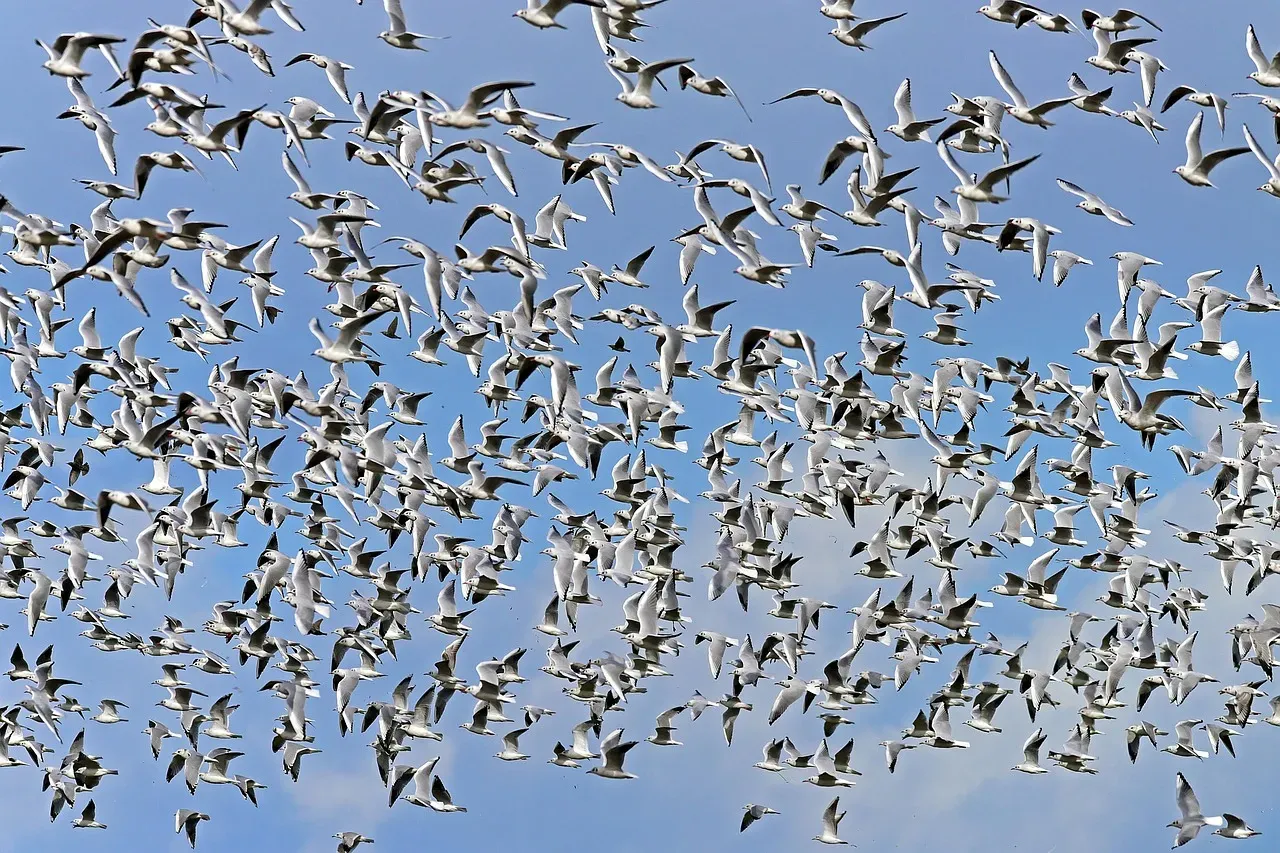
Honestly, this one stops people in their tracks the first time they hear about it. Picture a cloud of falcons so dense it blots out the setting sun over a remote reservoir in northeastern India. That is Nagaland in October, and it is not an exaggeration.
Every year, hundreds of thousands of Amur falcons congregate at the Doyang Reservoir in Nagaland, on their epic annual migration from East Siberia to southern Africa. They then undertake the longest regular overwater migration of any bird of prey, crossing over the Indian Ocean between western India and tropical east Africa, a journey of more than 4,000km.
To fuel up for their big open-water crossing, Amur Falcons stop over in Nagaland to feast on a seasonal eruption of trillions of termites from their underground colonies. It’s a feeding frenzy that feels almost prehistoric. Amur falcons breed in Siberia and northern China and travel over 13,000 miles each fall to southern Africa, and at their autumn stopover in Nagaland the flock can reach half a million birds.
With time, Pangti’s people turned from poachers to protectors, which adds a remarkable human conservation story to what is already one of the planet’s most jaw-dropping wildlife events.
2. Cape May, New Jersey, USA: The Classic American Raptor Funnel
Cape May is to birdwatching what Wimbledon is to tennis. It has history, drama, and devoted pilgrims who return every single year without fail. There is a reason a warbler species is literally named after this place.
In geographic terms, Cape May is a peninsula, an extension of the New Jersey coastal plain bordered to the west by Delaware Bay and to the east by the Atlantic Ocean, which makes it an ideal natural funnel, catching and directing southbound birds to the peninsula’s terminus at Cape May Point.
This New Jersey peninsula is a natural funnel for birds migrating at the junction of Delaware Bay and the Atlantic Ocean, with passage in spring involving more than 100 species and 100,000 birds, while autumn brings huge flights of birds of prey as well as numerous shorebirds, seabirds, and impressive waves of warblers, vireos, thrushes, sparrows and other passerine migrants.
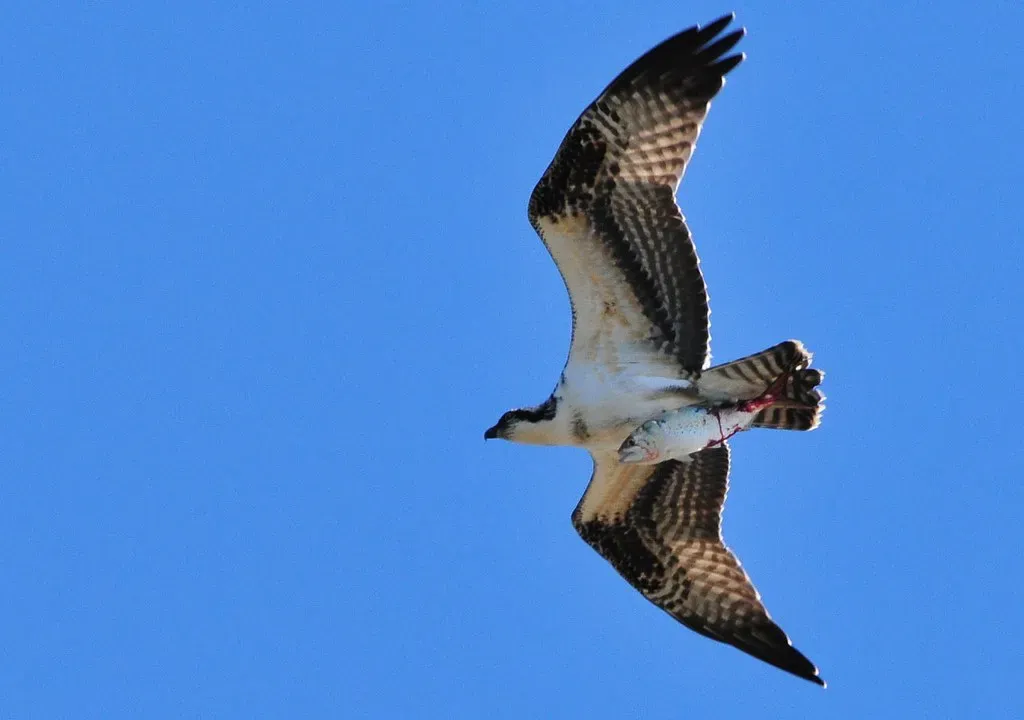
The Cape May Bird Observatory has been conducting its hawkwatch each fall since 1976, with tens of thousands of visitors spending time watching tens of thousands of raptors stream overhead in southbound migration, from Broad-winged Hawks and Ospreys in September to Peregrine Falcons and Merlins in October, and Golden Eagles in November.
3. Panama City, Panama: Six Million Birds Overhead
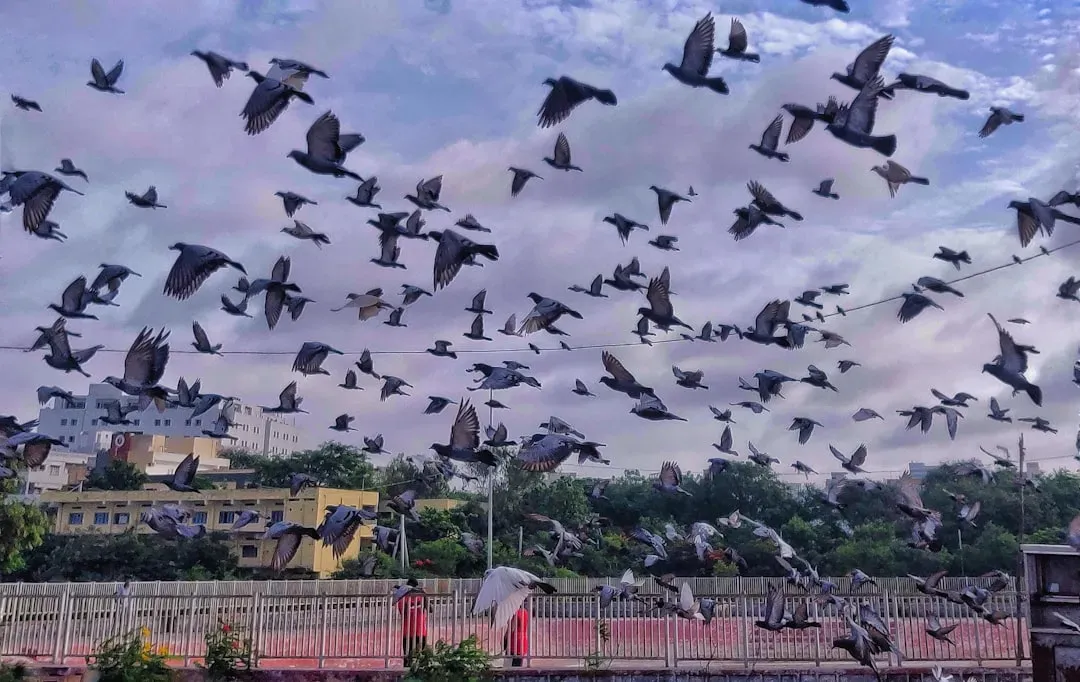
Here is something that sounds genuinely unbelievable. Stand in the middle of a bustling capital city, look up, and watch millions of raptors pour through the sky above you. Panama City pulls off this extraordinary trick every single autumn.
Nowhere on Earth is more spectacular for raptor passage. In autumn, up to six million birds of prey from eastern, central and western North America converge en route to winter quarters in Central and South America. Six million. Let that sink in for a moment.
The skyscrapers of Panama’s capital provide an incongruous backdrop to the streams of kettling raptors migrating between breeding and wintering ranges, while mudflats near the city are recognised as one of the five most important areas for migratory and wintering shorebirds in the Americas, with an estimated 1.3 million shorebirds passing through in autumn.
It’s a destination that feels almost surreal. You’re eating lunch at a sidewalk café and suddenly a river of hawks floods the sky. No nature reserve required. The city IS the nature reserve here.
4. The Platte River Valley, Nebraska, USA: The Crane Spectacle
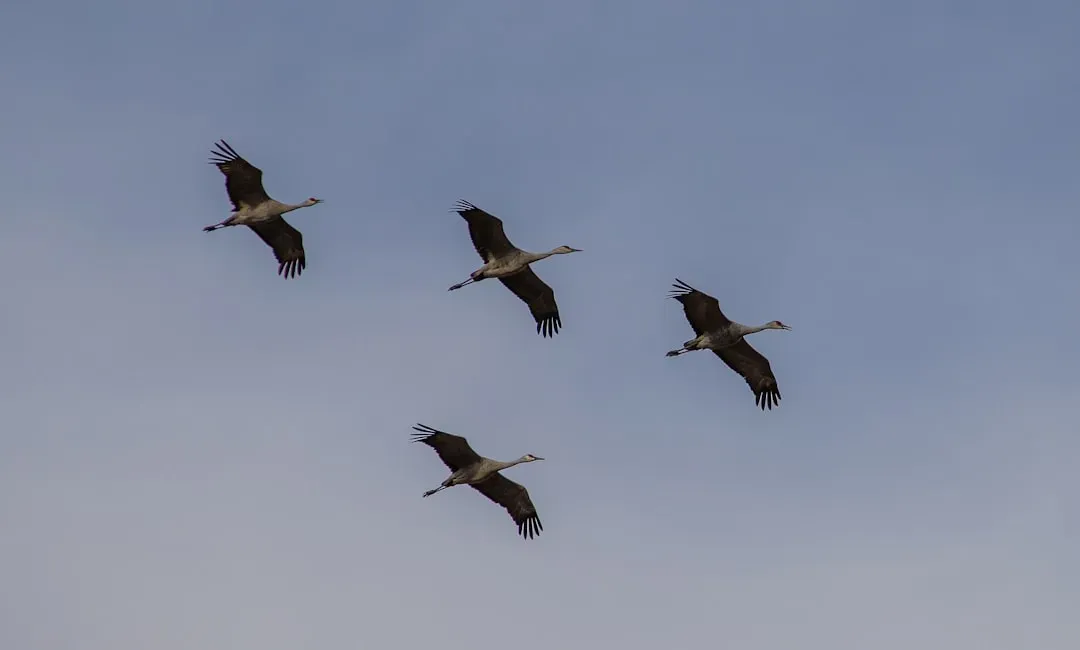
There are some migration events so consistently spectacular that they have become annual pilgrimages for wildlife lovers across the country. The Sandhill Crane gathering on Nebraska’s Platte River is exactly that kind of thing. It is grand. It is loud. It is unforgettable.
Each spring approximately 500,000 Sandhill Cranes and some endangered Whooping Cranes use the Central Platte River Valley in Nebraska as a staging habitat during their migration north to breeding and nesting grounds in Canada, Alaska, and the Siberian Arctic.
Each year, hundreds of thousands of these tall, graceful birds travel from their breeding grounds in the northern United States and Canada to wintering sites in the southern United States and Mexico, and their journey is marked by spectacular gatherings at stopover points where flocks fill the sky and their haunting calls echo for miles.
Sandhill Cranes use the power of community, traveling in family groups and teaching the young to navigate the same paths, making their migration an annual symphony and celebration of continuity and connection. I think this one gets to people on a deeply emotional level in a way that even raptors don’t quite manage.
5. Point Pelee National Park, Canada: The Warbler Capital of the World
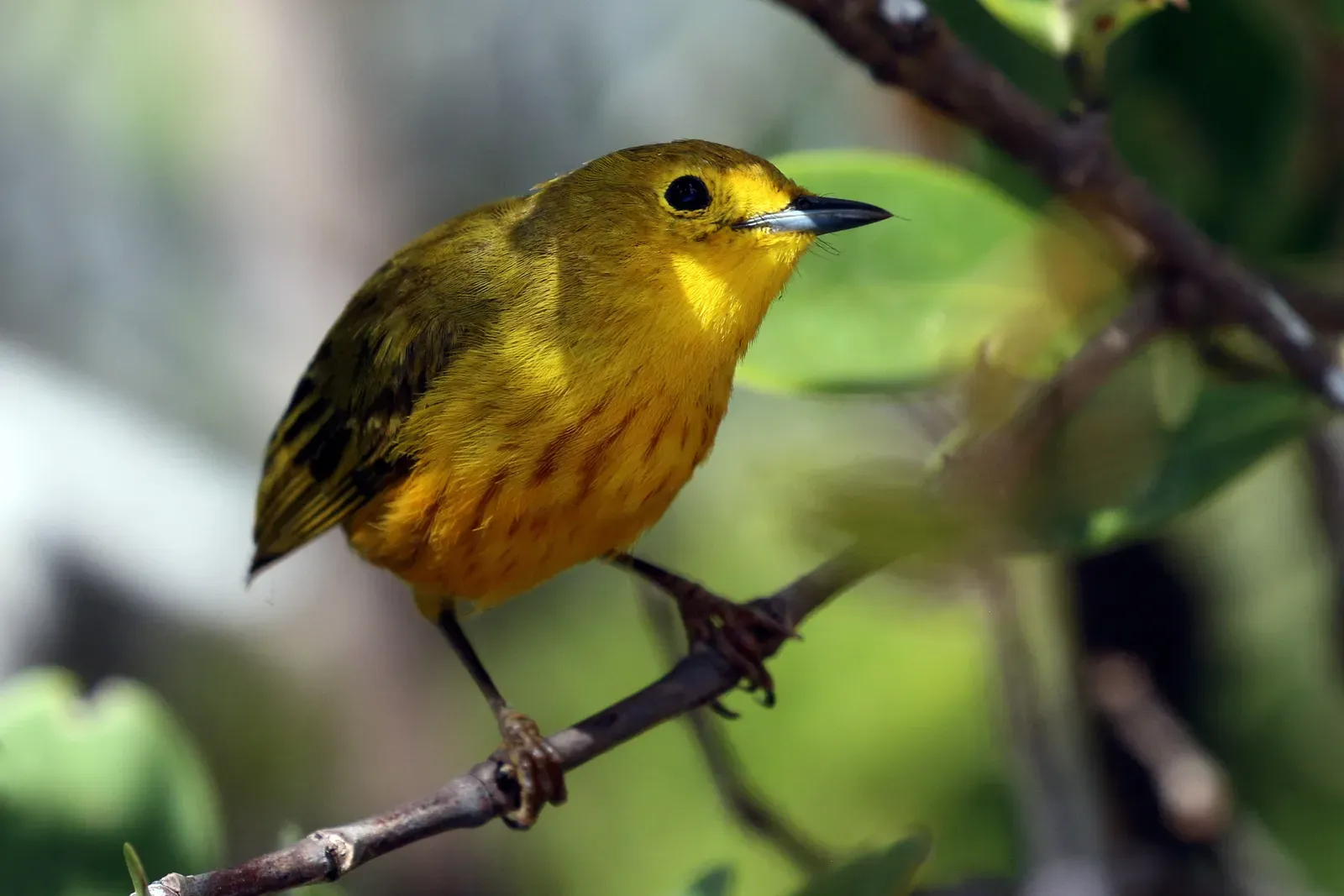
Here’s the thing about Point Pelee. On paper it doesn’t look like much. A small national park on the tip of Ontario’s peninsula jutting into Lake Erie. Nothing fancy. But during migration, it becomes arguably the most concentrated birdwatching hotspot in North America.
Point Pelee National Park is all about migratory species, lying en-route of some significant flyways and on the shore of Lake Erie, meaning that when birds are travelling during their migration they may need to rest, feed and recuperate, and this national park gives a good supply of all the above.
A huge diversity of birds is therefore attracted here during this season, and it’s quite incredible that within the park’s birding area over 390 species have been recorded. Being very central on the continent also means there are some special rare birds seen here on occasion, though the park is most famous for its spring and fall migration.
Think of it like an airport during a snowstorm. Flights are stacked up everywhere because of the water barrier ahead, and every single tree becomes a perching spot for exhausted, colorful warblers desperate to refuel. It’s chaotic, glorious, and utterly addictive.
6. The Wadden Sea, Northern Europe: A UNESCO-Listed Migration Hub
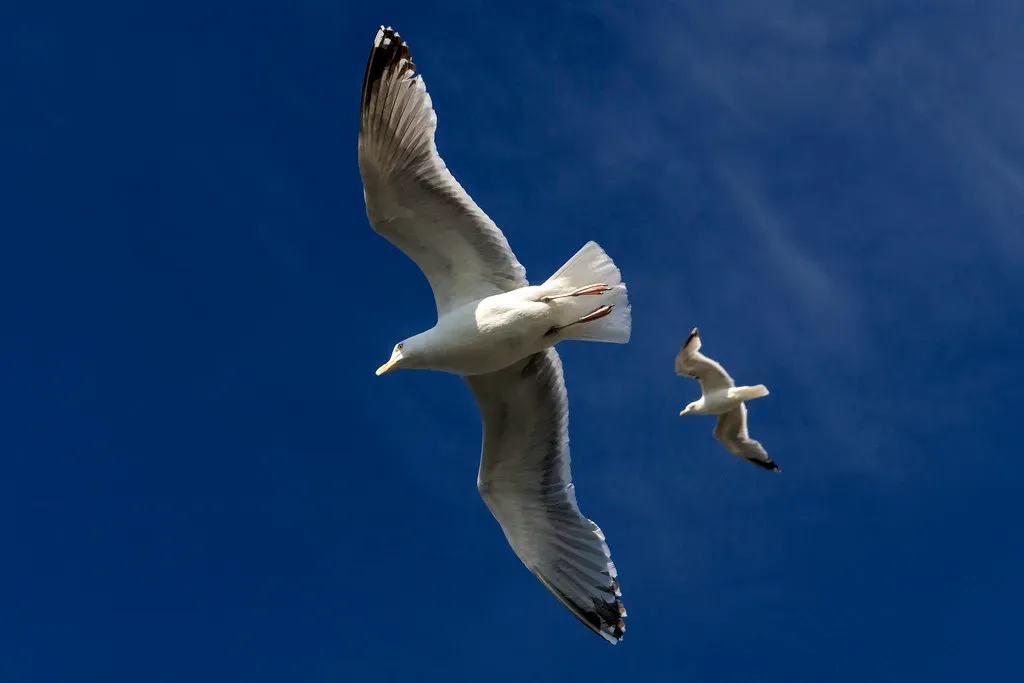
Stretching along the coastlines of the Netherlands, Germany and Denmark, the Wadden Sea is the kind of place that makes you realize how interconnected our planet really is. Birds from across four continents pass through here. It’s a crossroads written in mud and shallow water.
A vast intertidal area shared between the Netherlands, Germany and Denmark, the Wadden Sea is one of the most important hubs for migratory birds in the world, yet it is threatened by fishing, salt mining, gas extraction and climate change.
Soaring across migration routes called flyways, like super highways in the sky, billions of birds cross deserts, mountains and oceans during migration, following set routes that include suitable habitats where they can stop to rest and refuel along the way. The Wadden Sea sits right at the intersection of several of these superhighways.
Its flat, muddy tidal flats look almost boring at first glance. Yet look closer and you’ll see knots, dunlins, godwits, and oystercatchers moving like a living carpet across the surface of the earth. It is subtle, intricate, and deeply, deeply beautiful.
7. The Bosphorus Strait, Turkey: Where Europe’s Raptors Squeeze Through
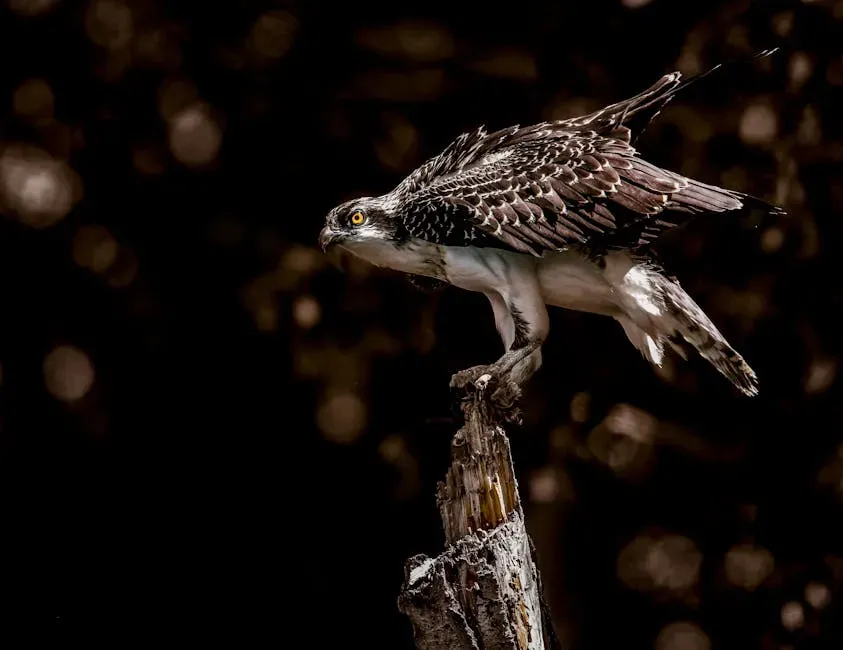
Migration, when you think about it, is governed by one ruthless rule: avoid flying over water whenever possible. Raptors in particular rely on thermal updrafts over land to travel efficiently. So when they hit a body of water, they squeeze together at the narrowest crossing point available.
White Storks rely almost exclusively on soaring flight, using rising thermal air currents to gain altitude before gliding toward their destination. This energy-efficient strategy requires land-based routes, as thermals don’t form over large water bodies. Consequently, European storks funnel through two primary migration corridors, with eastern birds traversing the Bosphorus in Turkey.
The Bosphorus Strait in Turkey is one of those points on the map where lands are close and create a funnel, forcing massive concentrations of birds into a narrow passage. The result is a daily spectacle during peak season where thousands of storks, eagles, harriers and falcons pour overhead. Istanbul is a city of almost unmatched historical grandeur, so watching a sky full of migrating raptors above ancient minarets is, to put it plainly, one of the great experiences of a lifetime.
8. Hokkaido, Japan: Eagles on the Ice
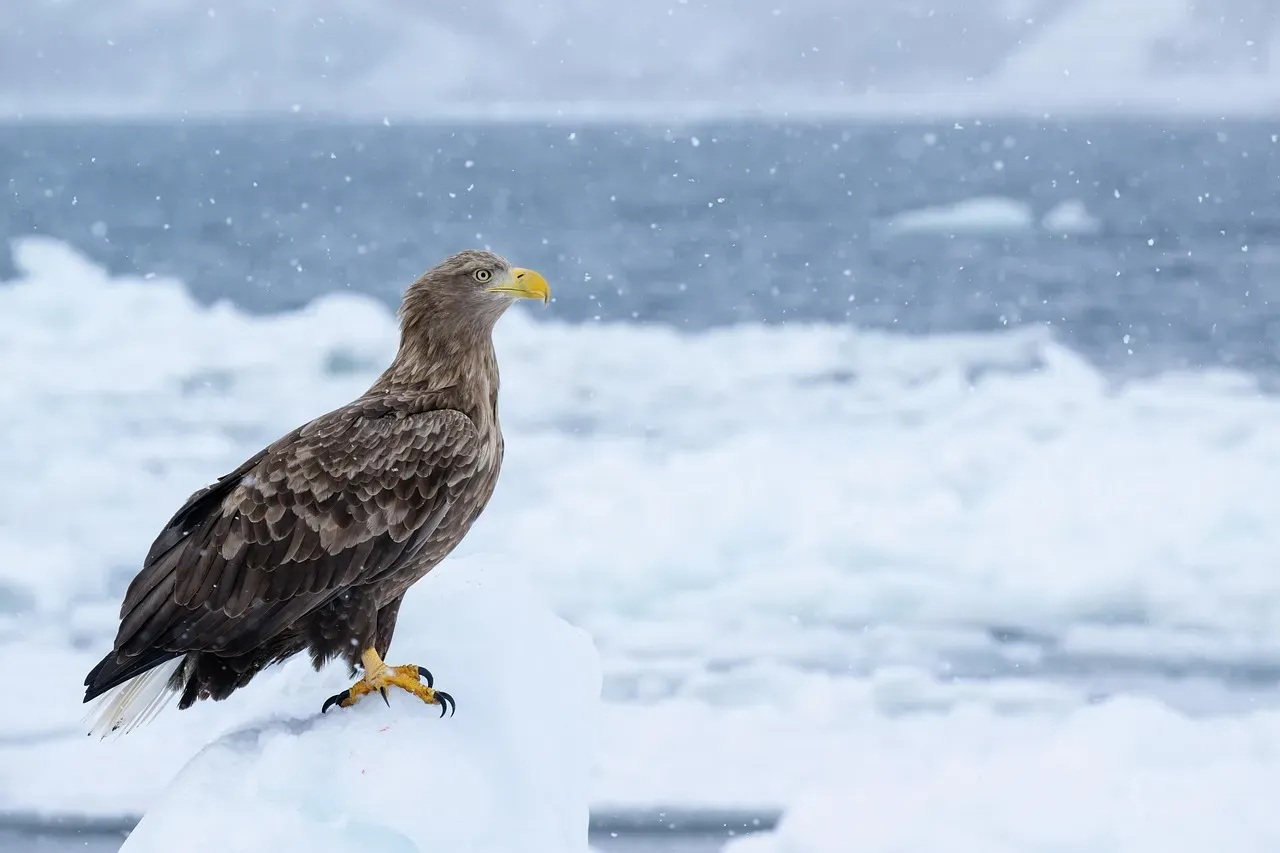
Most people think of cherry blossoms and bullet trains when they think of Japan. Far fewer know that Hokkaido, the country’s northernmost island, offers one of the most dramatic bird migration and wintering spectacles anywhere in Asia. It is, frankly, still underrated on the international birding circuit.
Hokkaido lies along major migratory flyways, and in spring and autumn vast numbers of birds pass through or stop over, offering incredible opportunities to see a wide range of species. Eastern Hokkaido, in particular, becomes a crucial wintering area for magnificent species like the Steller’s Sea Eagle and White-tailed Eagle, drawn by the drift ice and available fishing.
Hokkaido is also the primary home of the elegant Red-crowned Crane, a symbol of Japan and a breathtaking sight, especially during its mating dances in late winter. The island has numerous well-known and managed bird-watching locations, often with facilities like observation decks, hides, and visitor centers.
Steller’s Sea Eagles on the pack ice are among the most visually powerful wildlife sights on the planet. These are enormous, prehistoric-looking birds, and watching them against a backdrop of frozen sea and snow-dusted mountains is the kind of image that stays with you for decades.
9. Hawk Ridge, Duluth, Minnesota, USA: Eye-Level With Eagles
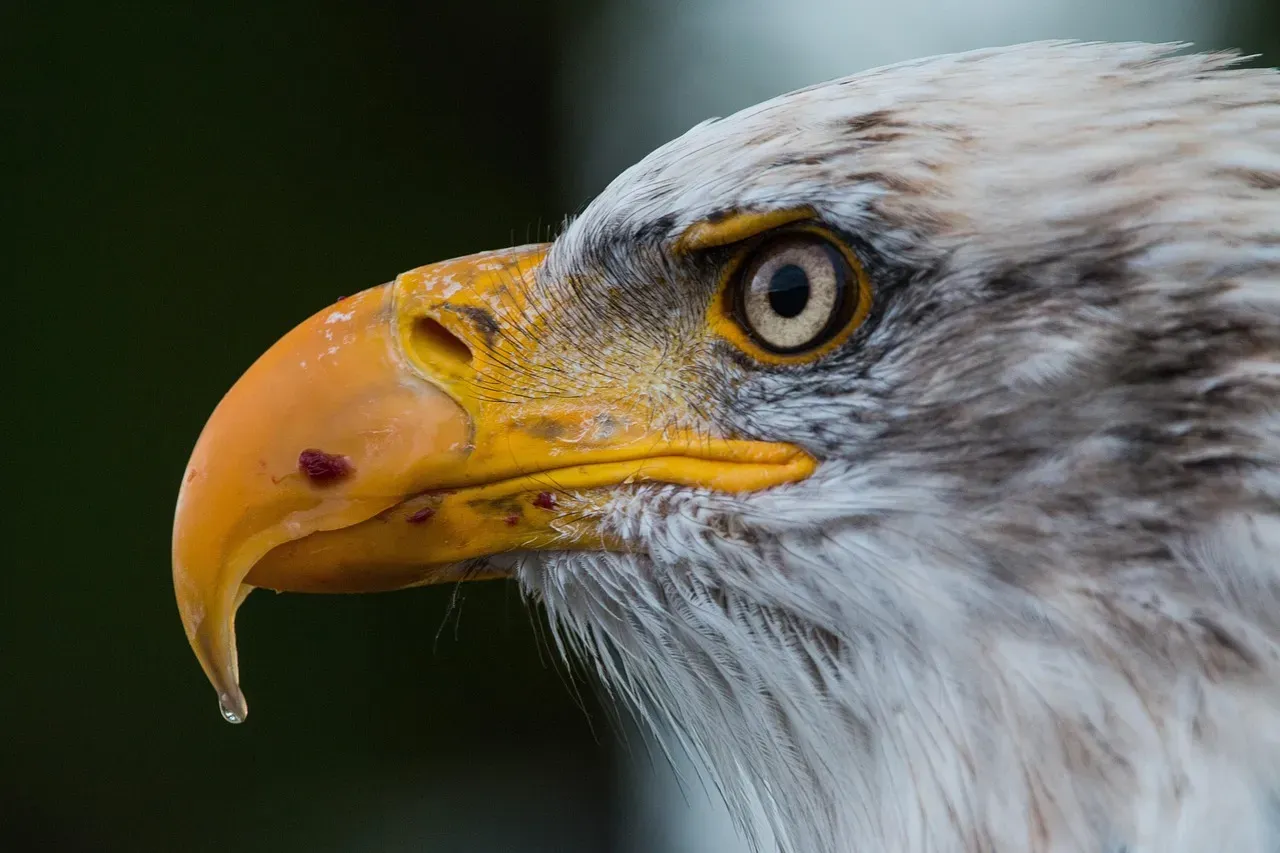
Most hawkwatch sites require you to crane your neck skyward. Hawk Ridge, perched above the city of Duluth at the southwestern tip of Lake Superior, offers something far more intimate. The birds come right past you at eye level, just feet away. It’s one of those places where the scale of migration becomes personal.
Birds build in numbers as they move west-southwest, and on some days impressive flights turn the corner toward the south where the lake ends at Duluth. From Hawk Ridge, which sits above the city, watchers often get eye-level views of the raptors as they glide past, with counters from the Hawk Ridge Bird Observatory keeping the official tally, which averages more than 94,000 birds per autumn.
The most prevalent species is usually the Broad-winged Hawk peaking in September, but Duluth also sees substantial numbers of Sharp-shinned Hawks, Red-tailed Hawks, Bald Eagles, and lesser numbers of other raptors. In late fall this is one of the best places in the world to see the big, powerful Northern Goshawk, with counts topping a thousand in a day in the best years.
It’s hard to say for sure what the best single day at Hawk Ridge feels like, but reports from veteran birders suggest it borders on overwhelming. The kind of experience that makes you cancel all your other plans and just stay.
10. The Danube Delta, Romania: A European Migration Marvel
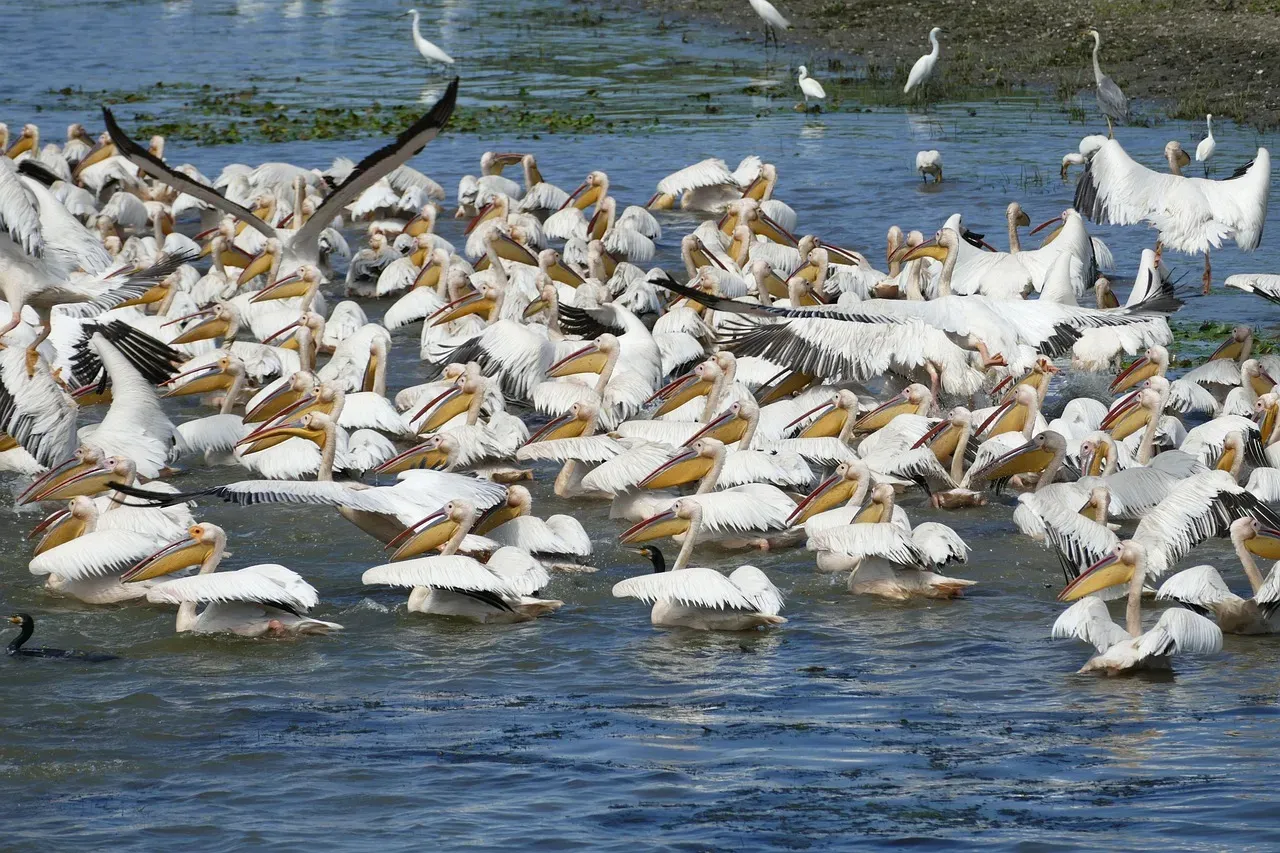
The Danube Delta is the largest and best-preserved delta in Europe, and in terms of sheer ecological richness during migration season, it rivals almost anything on this list. It is one of those places where the landscape itself seems alive, rippling with movement at every scale.
The Danube Delta sits along major migratory routes, particularly the East Atlantic Flyway, meaning that during spring and autumn migrations the delta becomes a crucial stopover and feeding ground for millions of birds travelling between their breeding grounds in the north and their wintering areas in Africa and Eurasia, allowing birdwatchers to witness spectacular concentrations of various species during these periods.
The sheer variety of habitats within the delta creates niches for a vast array of bird species, from open water and dense reedbeds to willow forests and sandy banks, each area attracting different avian life.
Pelicans, herons, spoonbills, glossy ibises, pygmy cormorants. They come in waves, and the delta absorbs them all with an effortless, ancient grace. It remains one of Europe’s least-visited yet most rewarding migration destinations, which honestly just makes it even better for those willing to make the trip.
Conclusion: These Skies Are Waiting for You
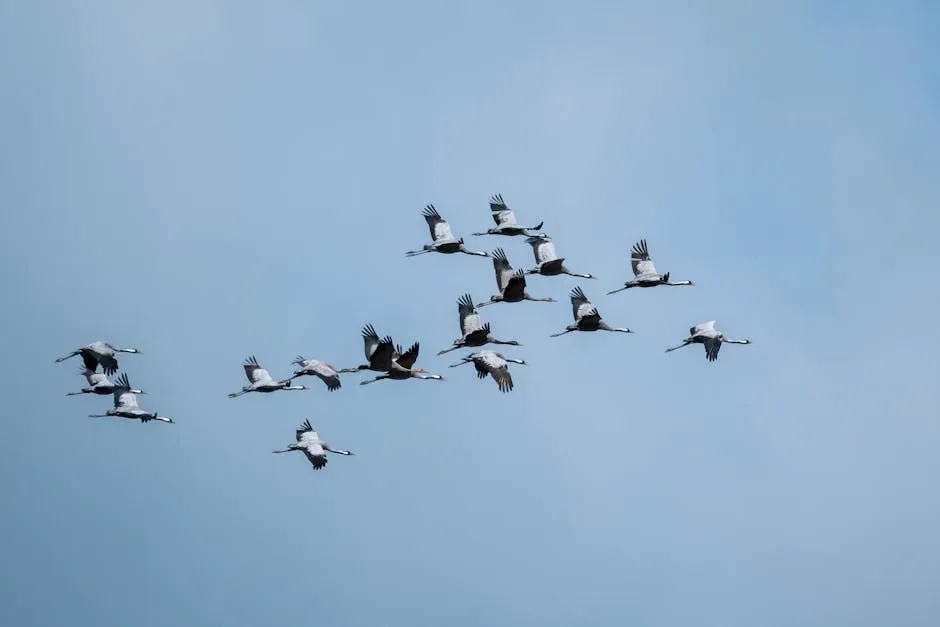
Migration is like a set of super highways in the sky, with billions of birds crossing deserts, mountains and oceans on journeys that have been ongoing for millions of years. These ten destinations give you a front-row seat to that ancient drama.
Some places seem to have a knack for concentrating migrating birds in larger than normal numbers, and these migrant traps often become well known as birding hotspots, typically as a result of local weather conditions, an abundance of food, or the local topography. Each of the destinations on this list has that rare combination in spades.
Whether it’s a half-million falcons swirling above a reservoir in India or cranes bugling across a Nebraska river at dawn, these events remind us that our planet still holds spectacles that no theme park could ever replicate. The sky above us, it turns out, is one of the greatest shows on Earth. Have you witnessed a bird migration that took your breath away? Which of these ten would you visit first?

- Which American Wild Cat Matches Your Element: Fire, Earth, Air, or Water? - August 2, 2026
- 14 Things Hummingbirds Do the Week Before They Disappear for Winter – Most Gardeners Never Catch It - August 2, 2026
- 7 Unique Facts About Arizona - August 2, 2026