
The United States is an extraordinary place for birdwatching. Stretching from Arctic tundra in Alaska to subtropical swamps in Florida, from towering Pacific rainforests to the open deserts of the Southwest, the sheer range of ecosystems means the country plays host to a truly jaw-dropping variety of feathered creatures. Some are famous, instantly recognizable even to non-birders. Others are so strikingly vivid they look more like something you’d expect to find in a tropical jungle than your own backyard.
What makes America’s birds so special? Honestly, it’s the combination of habitat diversity, migration routes, and the raw evolutionary drive toward color and spectacle that makes this country a paradise for bird lovers at every level. Whether you’re a seasoned ornithologist or someone who just noticed a flash of impossible blue outside their kitchen window, this list will surprise and delight you. Let’s dive in.
1. Painted Bunting: The Living Rainbow
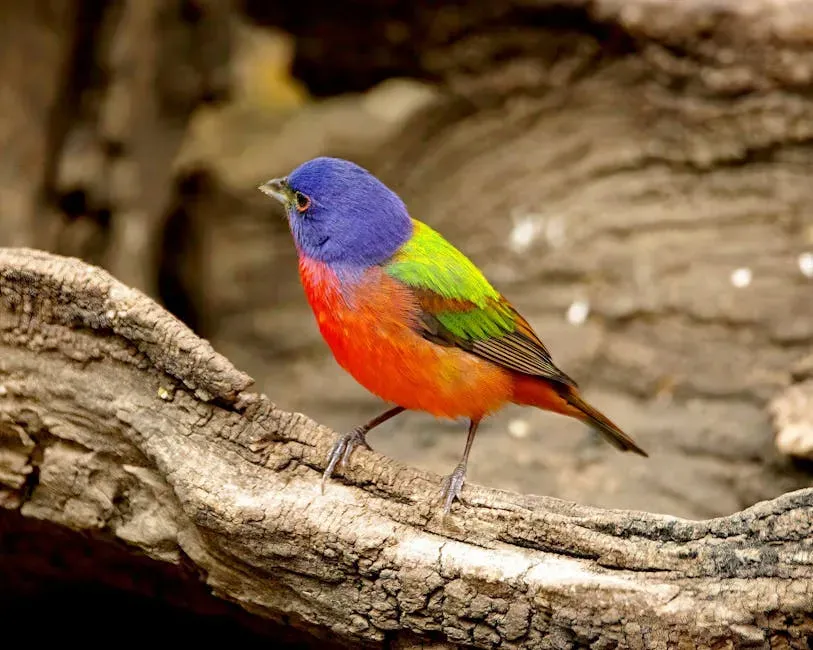
The male Painted Bunting is often described as the most beautiful bird in North America and has earned the nickname “nonpareil,” meaning “without equal.” Its colors – dark blue head, green back, red rump, and underparts – make it extremely easy to identify, though it can still be difficult to spot since it often skulks in foliage even when singing. Honestly, seeing one for the first time feels almost unreal, like nature made a mistake and accidentally painted a tropical parrot into the American South.
All the avenues toward color converge in this little songbird: carotenoids from food lend the red breast, melanin creates the tinge of browns, structural color results in the blues, and the pigment porphyrin contributes to the greens. Painted buntings frequent brushy areas, woodland edges, and marshes all over the Southeast, though many migrate to Florida and the northern Caribbean for the winter, and you can tempt them to your backyard feeder with smaller seeds like white proso millet or sunflower hearts.
2. Wood Duck: A Watercolor Masterpiece
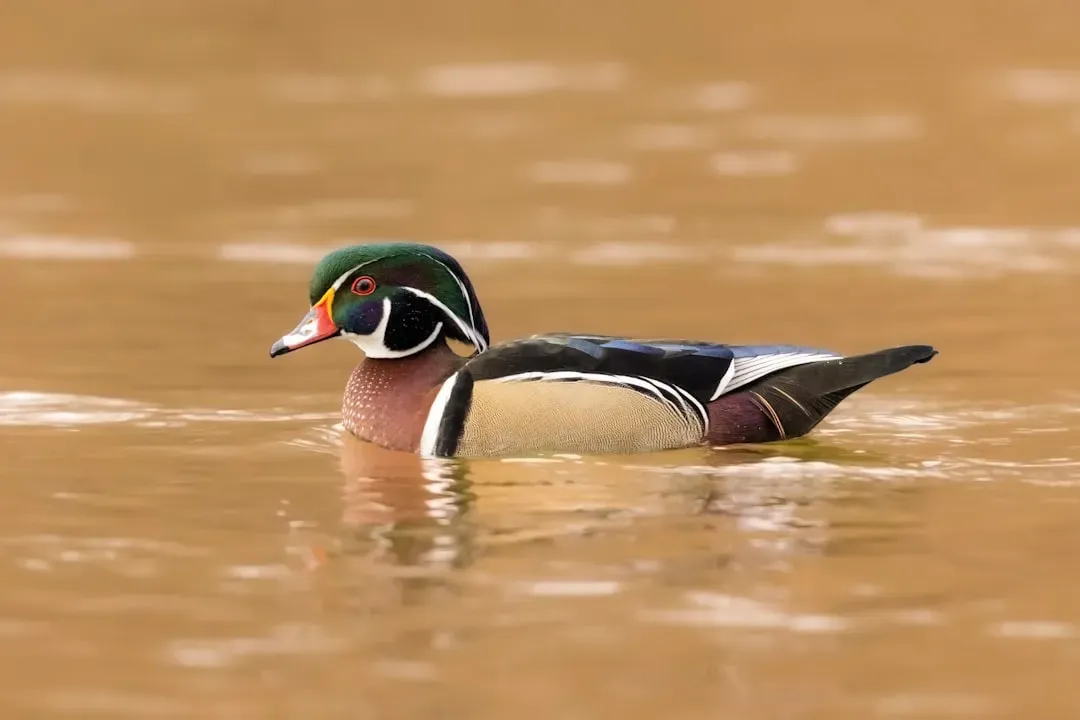
Don’t let the name fool you: the wood duck is one of the most colorful aquatic bird species on the continent. Pigments lay the base for a kaleidoscope of black, brown, red, yellow, green, and violet, and the feather structure lends a final sweep of bluish iridescence by refracting light. Think of it like a luxury sports car that somehow ended up swimming in a forest pond. Nothing about this bird looks ordinary.
In addition to its beauty, the wood duck also represents a conservation success story – it was almost wiped out by years of hunting and habitat loss, but recovery efforts including nesting box installation, habitat protection, and hunting regulations have allowed it to make a remarkable comeback. These ducks are known for their unique nesting habits, often choosing tree cavities near water bodies.
3. Scarlet Tanager: The Fiery Forest Jewel
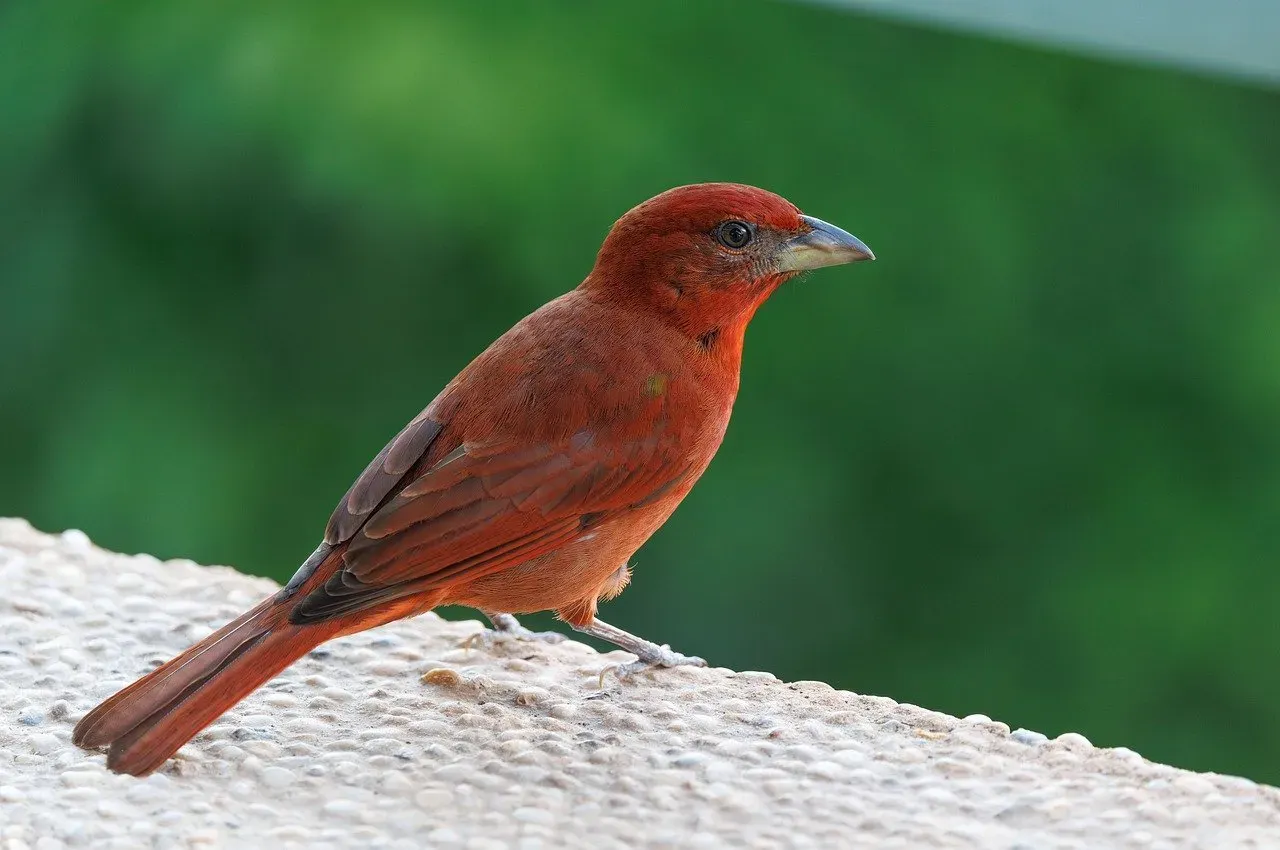
The male Scarlet Tanager is a vivid red with black wings, creating a striking contrast in the green leaves of forest canopies where they reside, while females and non-breeding males are olive-yellow and much less conspicuous. Spotting one high in the canopy feels like catching a burning ember floating through the treetops. It’s genuinely breathtaking.
Their range is mainly the eastern United States and they eat insects and berries, nesting in trees and building their nests fairly high off the ground, sometimes fifty feet or more – which is exactly why you won’t often spot them in your yard and are more likely to see them in the woods. The scarlet tanager’s song is sometimes described as sounding like a sore-throated robin.
4. Northern Cardinal: America’s Backyard Icon
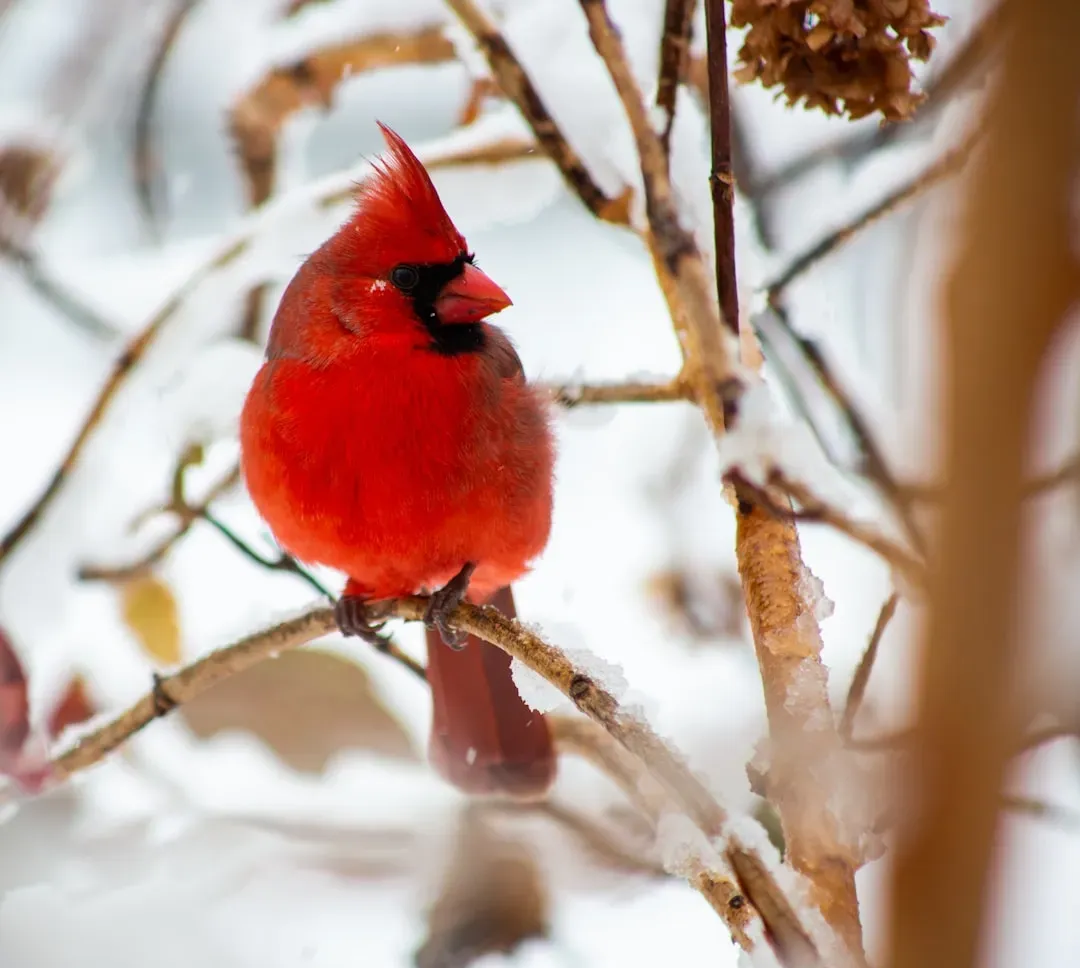
One of the most eye-catching birds in North America is the Northern Cardinal, particularly the male, and it is the one bird that starts people off with birdwatching more than any other, according to the Cornell University Lab of Ornithology. There’s a reason this bird graces so many Christmas cards. That blazing red against fresh snow is simply unforgettable.
One of America’s most popular birds, the Northern Cardinal is the official state bird of no fewer than seven eastern states. Abundant in the Southeast, it has been extending its range northward for decades and now brightens winter days as far north as southeastern Canada, with feeders stocked with sunflower seeds likely aiding its northward spread. These birds are known for their passionate courtship displays and can often be heard singing throughout the day.
5. Roseate Spoonbill: The Pink Wading Wonder
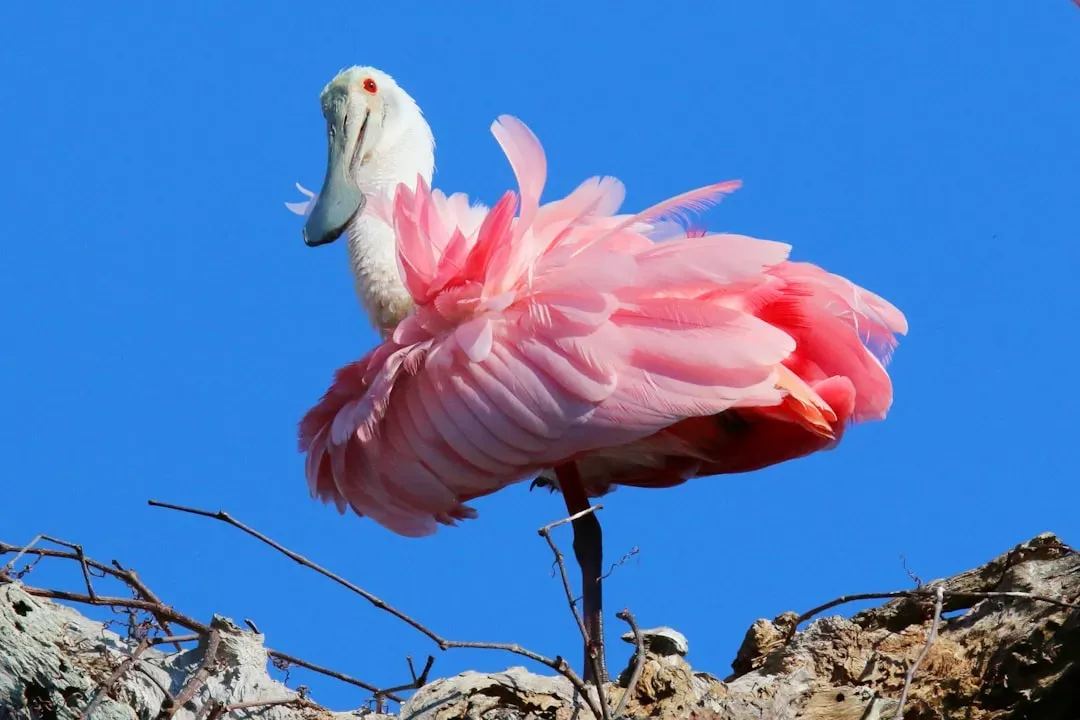
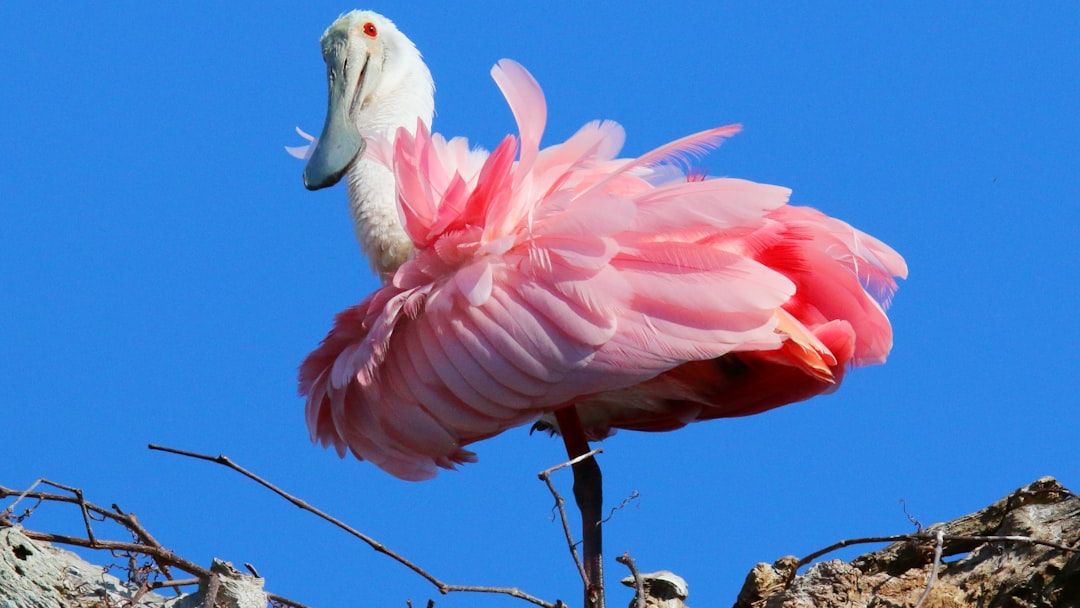
These wading birds sport long spindly legs and wide, flat bills that allow them to forage in the shallow waters and mud flats of coastal Florida, Texas, and southwestern Louisiana – but spot their ombre-pink feathers in flight or popping against green marsh grass, and you won’t forget the sight. I think they’re one of the most genuinely shocking visual surprises in all of American birdwatching.
Like flamingos, roseate spoonbills get their pink coloring from their diet, which includes carotenoid-rich crustaceans and aquatic invertebrates. Though they have been known to pop up along the coasts of the Carolinas and Georgia, and even New York, your best chance to spot them is in Everglades National Park. Nature uses food as paint here, and the result is extraordinary.
6. Baltimore Oriole: Flame on the Wing
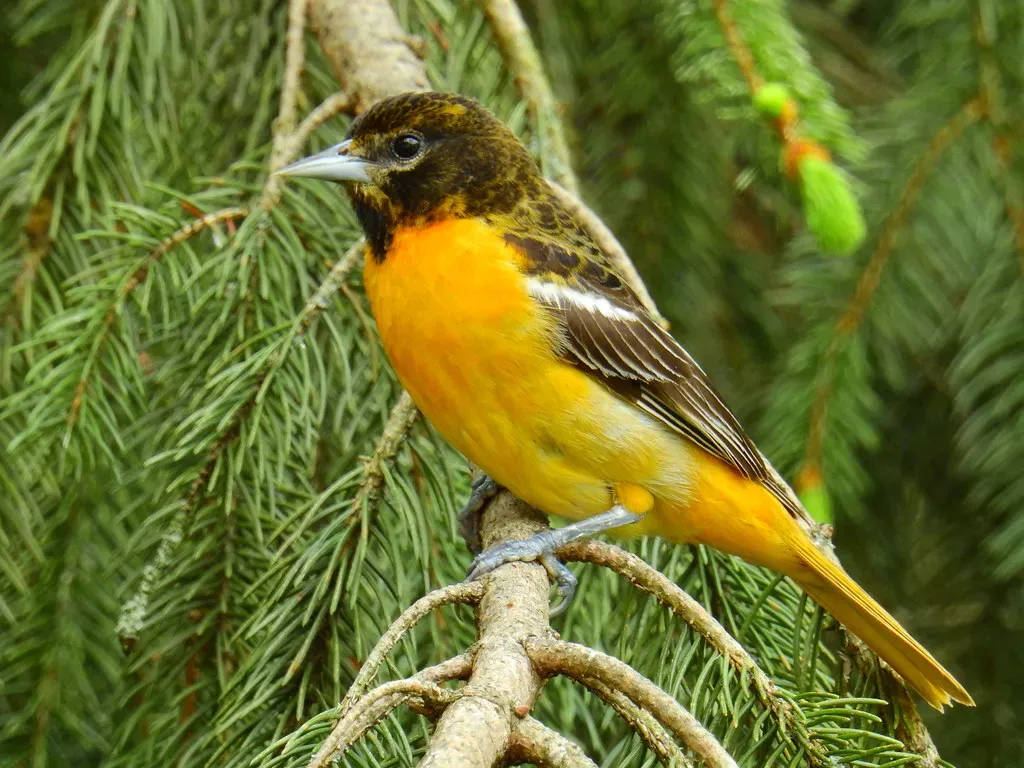
The Baltimore Oriole is a small icterid blackbird common in eastern North America, and it received its name from the resemblance of the male’s colors to those on the coat-of-arms of 17th century Lord Baltimore. The adult male is orange on the underparts, shoulder patch and rump, with some birds appearing a very deep flaming orange and others appearing yellowish orange. It’s one of those birds that makes you stop mid-sentence when it lands nearby.
The Rose-breasted Grosbeak, a member of the cardinal family, can be found throughout the eastern half of the U.S. and sings a gorgeous song high in the treetops – and the Baltimore Oriole shares similarly spectacular wooded habitats across the East during breeding season. While many tanagers live year-round in Central and South America, a handful of species migrate to the U.S. for the summer breeding season, where the insects are abundant and the hours are long – and the oriole follows much the same annual rhythm.
7. Eastern Bluebird: A Tiny Sky-Colored Miracle
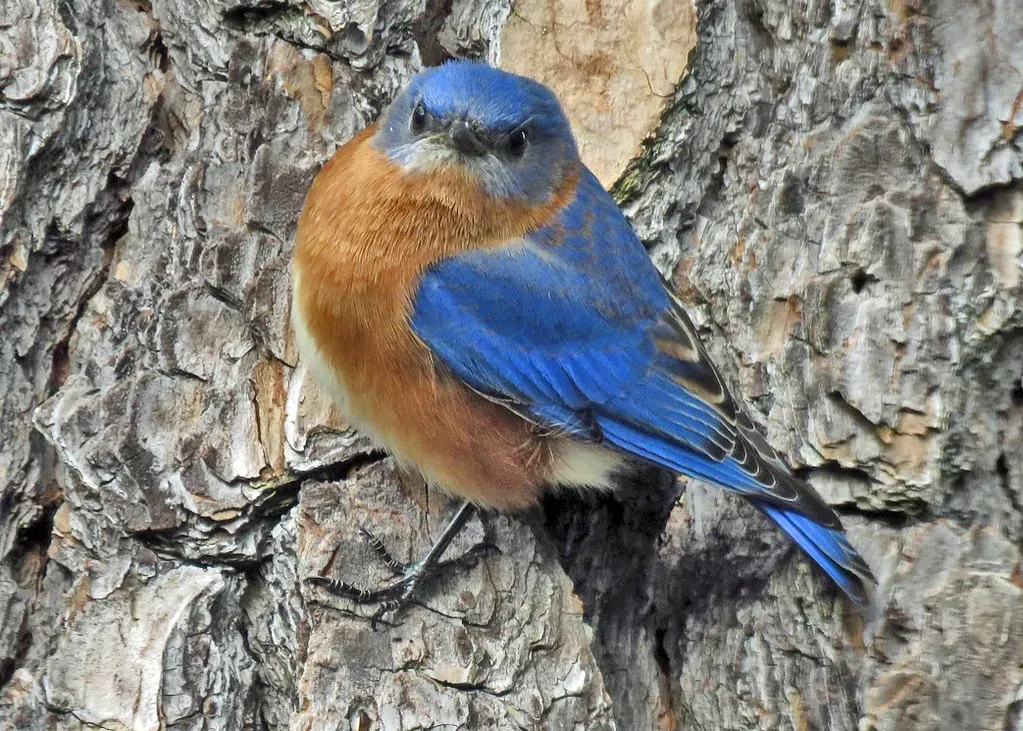
The Eastern Bluebird is a small North American migratory thrush found in open woodlands, farmlands, and orchards, and the bright blue breeding plumage of the male, easily observed on a wire or open perch, makes this species a favorite of birders. There’s something almost emotionally affecting about the Eastern Bluebird. It’s the kind of bird that makes you feel like everything is going to be okay.
Male bluebirds have a bright head, back, and wings, with a brownish-red breast. Females are lighter with gray on the head and back and some blue on their wings and tail, and in females the breast is usually lighter in color than in males, appearing more orange. You’ll find these pretty birds spending time around the eastern to middle sections of the U.S., and don’t be surprised if you catch them perched on fences or power lines.
8. American Goldfinch: The Little Burst of Sunshine
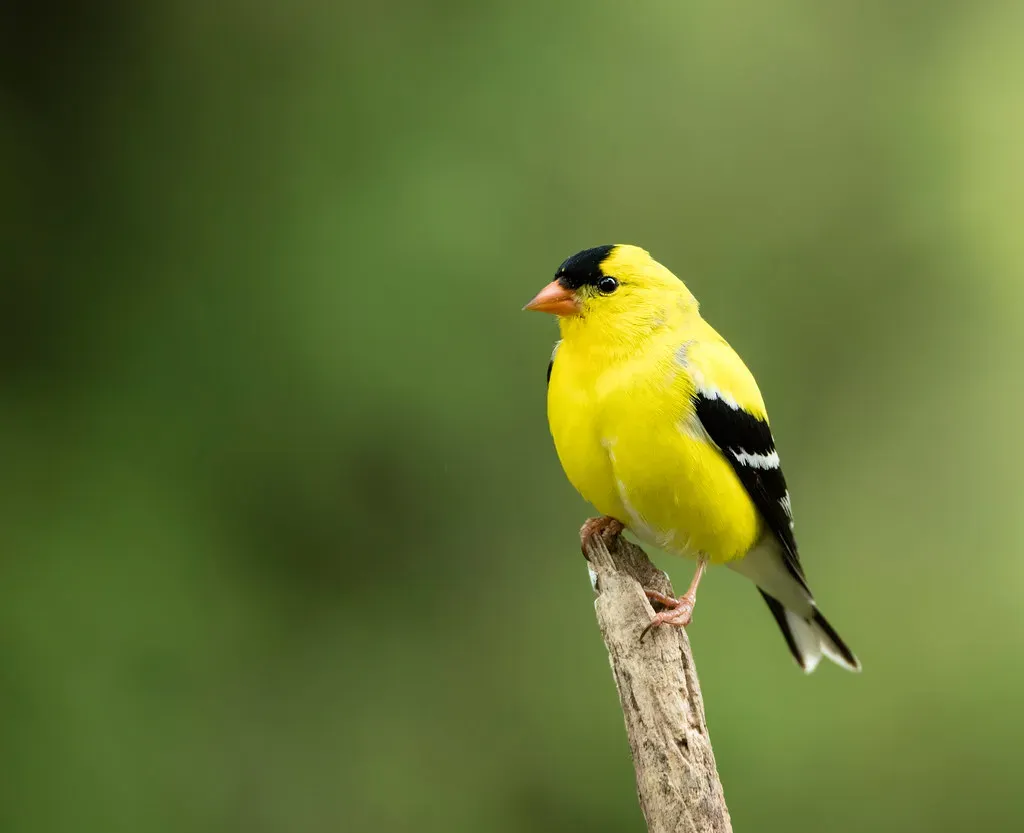
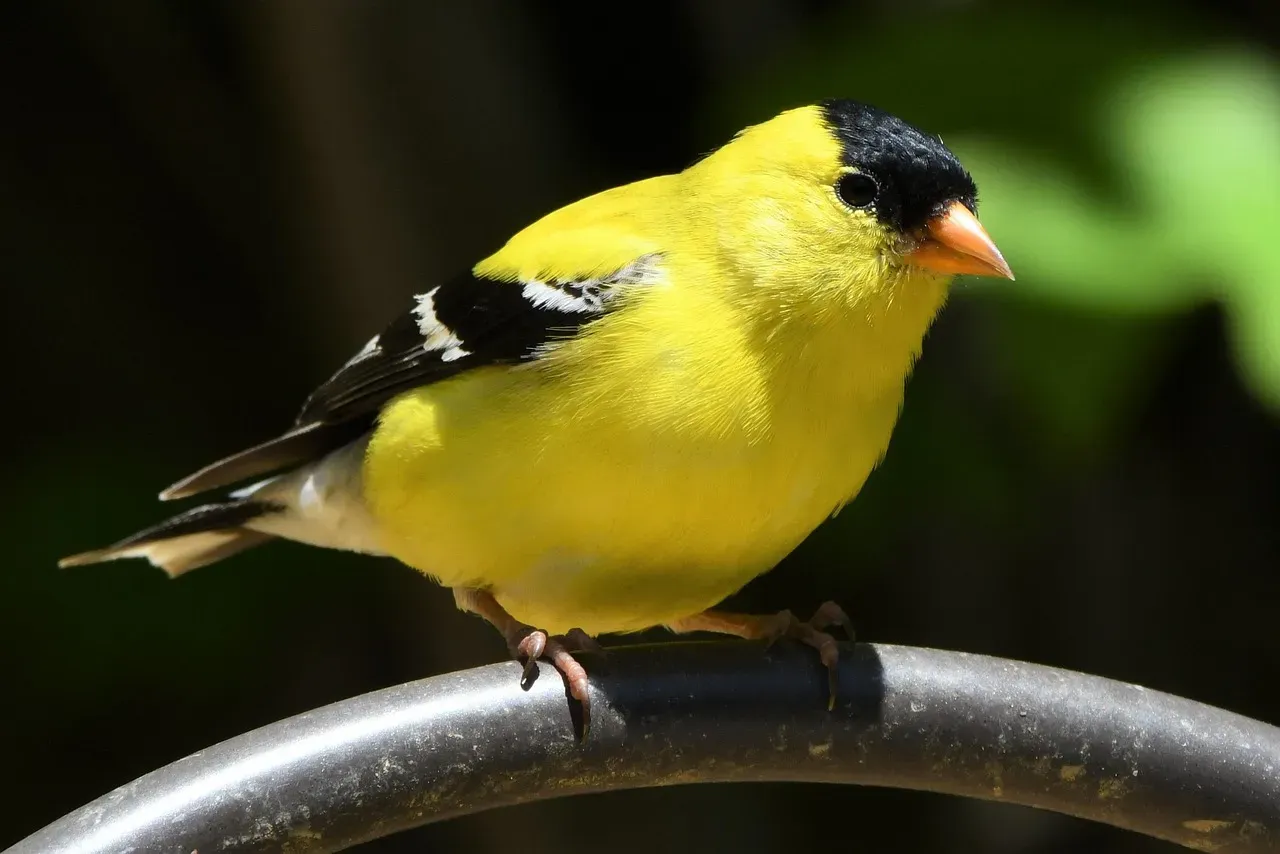
The American Goldfinch is the official bird of three states and is like a little burst of sunshine, with bright yellow feathers and black wings. These lively birds frequent weed patches and semi-open areas in the upper regions of the U.S. but migrate south during winter. In full summer plumage, the male is almost comically bright, like a tiny piece of the sun decided to perch on a sunflower.
To bring them to your backyard, fill feeders with nyjer or sunflower seeds, and you can also grow native plants in your yard like milkweed, zinnias, and thistles. The goldfinch also has a wonderfully bouncing, undulating flight pattern that looks effortlessly joyful – it’s one of those little details that makes watching birds so unexpectedly fun.
9. Cedar Waxwing: The Elegant Wanderer
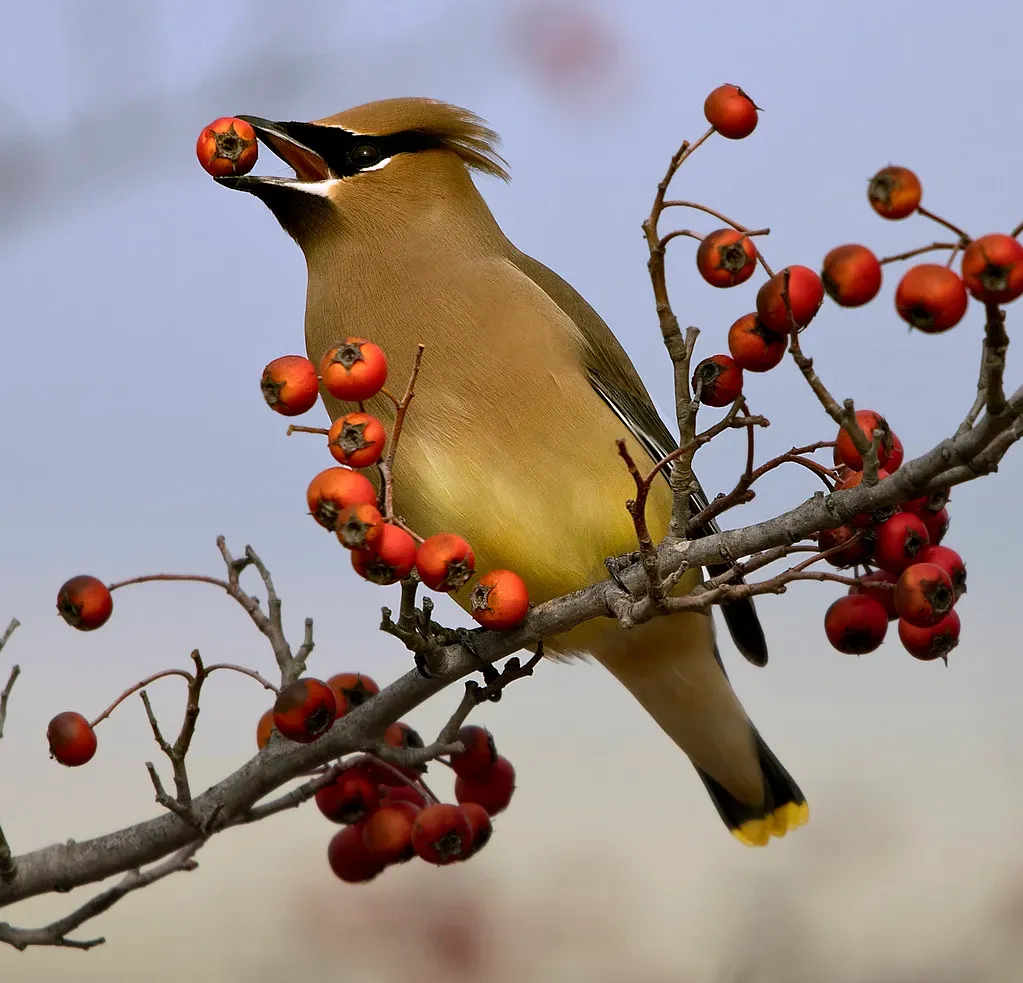
Waxwings have a soft appearance, almost as if they just escaped from a watercolor painting. Sleek and elegant, Cedar Waxwings have a soft brown crest, black mask, and bright yellow tail tip, and are often found in flocks, feeding on fruits and berries. There’s a sophistication to this bird that few others match – it looks like it was designed by a particularly fashion-conscious artist.
The waxy red wingtips and yellow tips on their tail feathers are colored by carotenoids, which are pigments found in fruits the birds consume. It’s hard to say for sure which is more impressive: their striking appearance or their habit of forming large, swooping flocks that can strip a berry tree bare in minutes. Bohemian waxwings roam south to eat fruits and berries in wintertime, sometimes commingling with flocks of cedar waxwings.
10. Green Jay: Tropical Showoff of South Texas
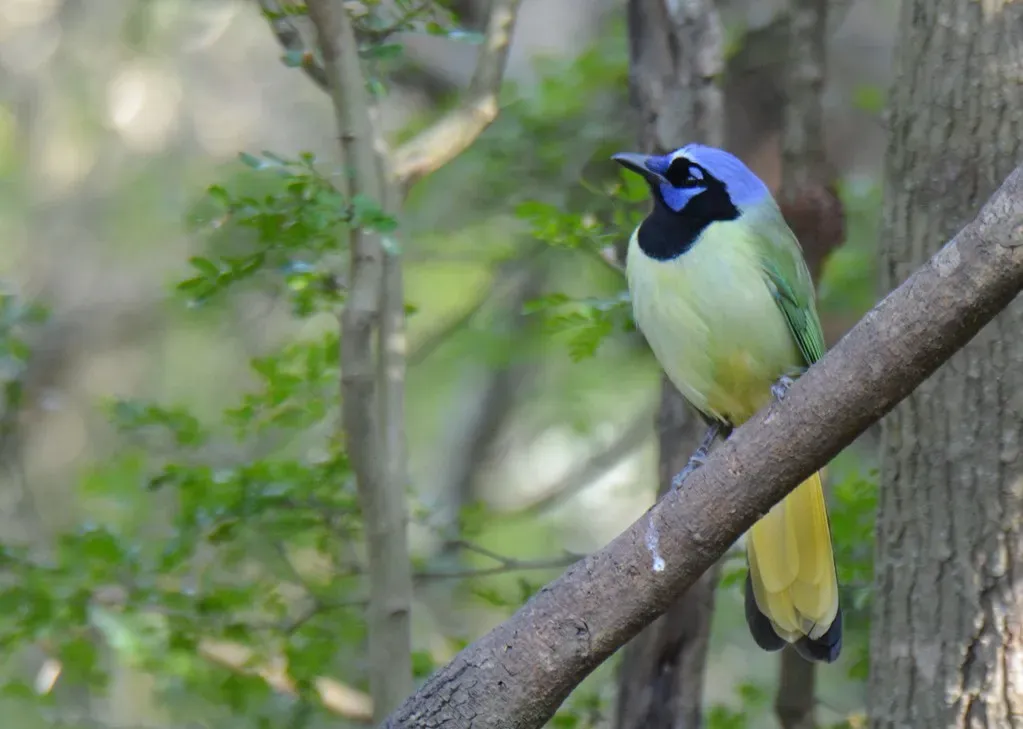
Found only in the southernmost tip of the U.S. in the lower Rio Grande Valley of Texas, this tropical bird is a showstopper. It has a velvet-black bib and crown, a light-blue nape, and a vivid lime-green body and wings, with bright yellow outer tail feathers that flash in flight, confirming its status as one of the most vividly colored corvids in the world. It looks almost too colorful to be real, like a cartoon bird that wandered north by accident.
As loud in volume as they are in color, Green Jays are also one of the few North American birds known to use tools to find insects. Spotting a green jay will require a trip to South Texas, the northernmost part of their range, where they live in family flocks that nest in thorny bushes and travel around feeding on anything from arthropods to fruit. Worth every mile of the drive, honestly.
11. Bald Eagle: Majestic and Unmistakable
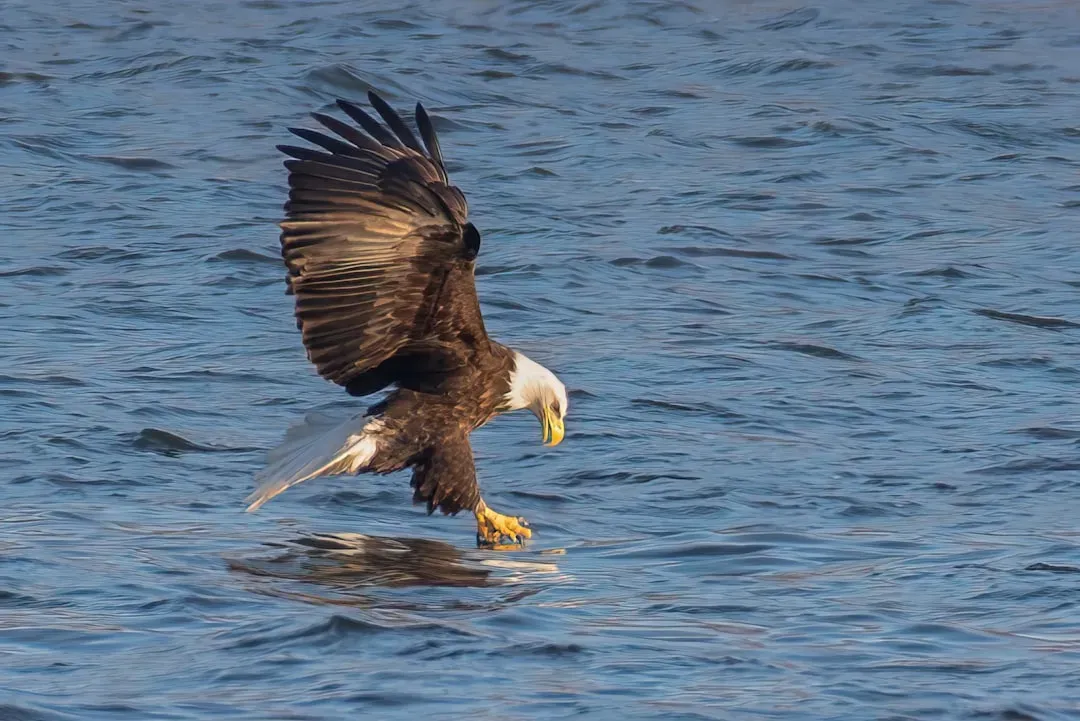
The Bald Eagle holds a pivotal place as the national symbol of the United States. Recognizable by its striking white head, yellow beak, and brown body, this majestic bird of prey primarily inhabits regions near large bodies of water, and despite once nearing extinction, due to conservation efforts, bald eagles have made a remarkable comeback and can be seen soaring gracefully across the country.
Spotting a great blue heron always feels like a treat, but the bald eagle inspires an even more visceral reaction – these regal birds fly with a majestic fluidity and look stately as they glide above rivers and coastlines. There’s something about watching a bald eagle dive toward the surface of a lake to snatch a fish that stops time entirely. Few birds command a scene the way this one does.
12. Snowy Owl: Ghost of the Winter Sky
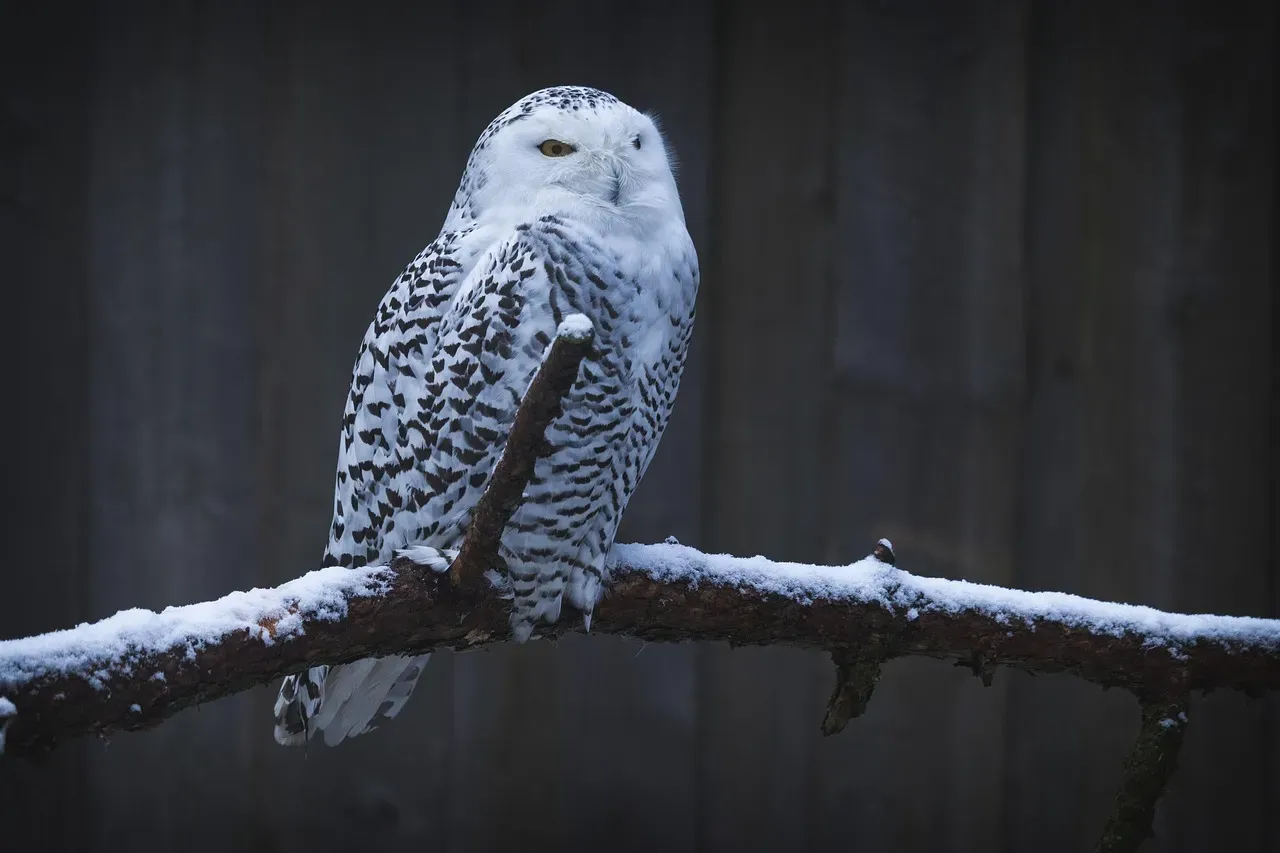
Famed for its appearance in literature and film, the Snowy Owl is instantly recognizable with its snowy plumage and bright yellow eyes. Native to the Arctic, some migrate to the northern U.S. during winter months, and the snowy owl is an effective predator, demonstrating impressive adaptability to different environments. Seeing one perched motionless on a fence post in a snowy field is the kind of moment birdwatchers tell stories about for years.
These impressive owls are known for their predominantly white plumage, which helps them blend into their Arctic surroundings, and they occasionally migrate south in the winter, thrilling birdwatchers across the northern United States. Their calm, almost regal stillness is something else entirely. Unlike most owls that stay hidden in shadows, the Snowy Owl seems almost indifferent to being observed – utterly unbothered and breathtaking for it.
13. Western Tanager: The Mountain’s Golden Gem
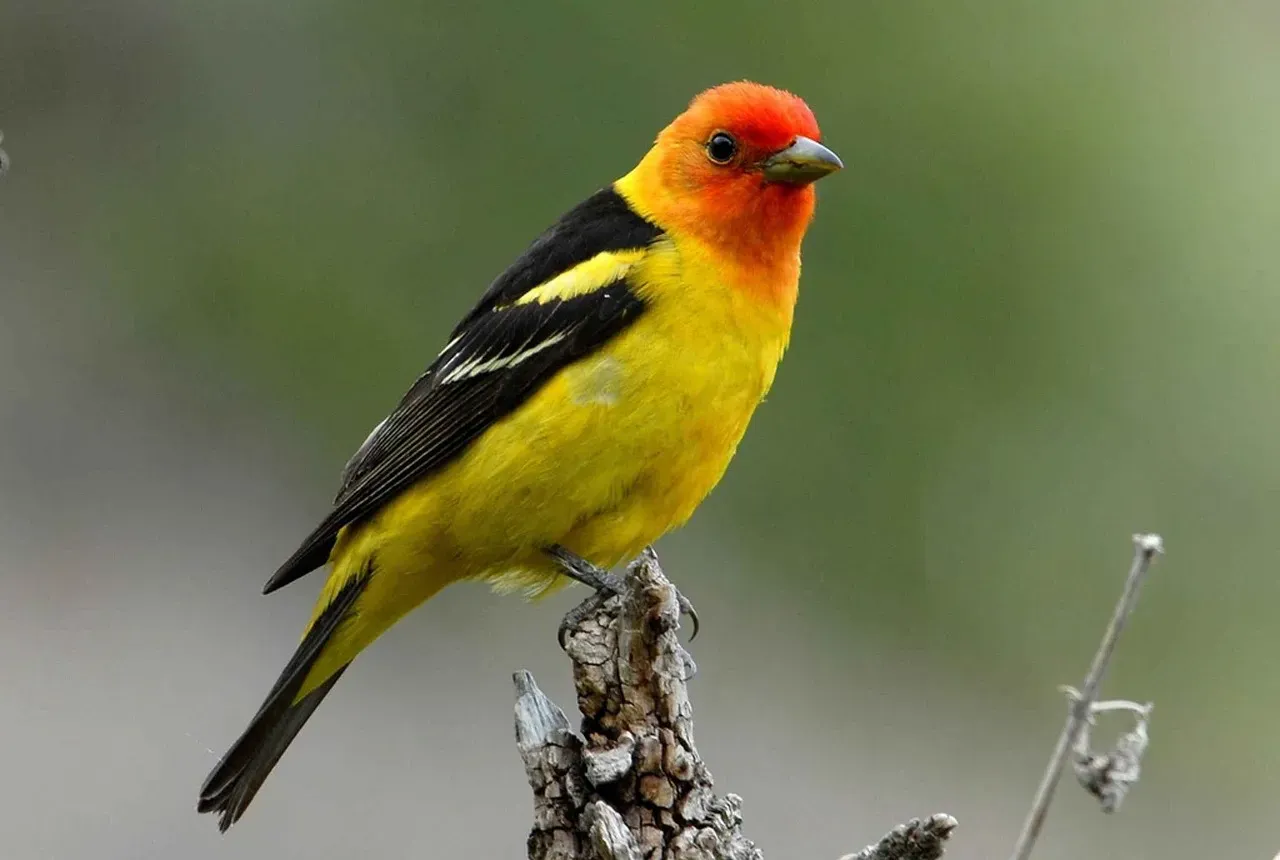
The Western Tanager is a vibrant bird that adds color to the forests of western North America. Males are particularly striking with their bright yellow bodies and fiery red heads, while females sport more subdued yellowish tones. These birds inhabit coniferous forests and are known for their sweet song. It’s the kind of bird that makes hikers in the Rockies suddenly forget their sore legs and reach for their binoculars.
Males have a bright yellow body, black back, and a red head, making them one of the most colorful birds in the western forests, and they are often found in open woods and forests, feeding on insects and fruits. They do not usually visit bird feeders and don’t normally eat seeds, but may visit your backyard if you have fruit-bearing trees or bushes, and a birdbath or small garden pond with moving water may also attract a Western Tanager.
14. Indigo Bunting: The Tiny Blue Flame
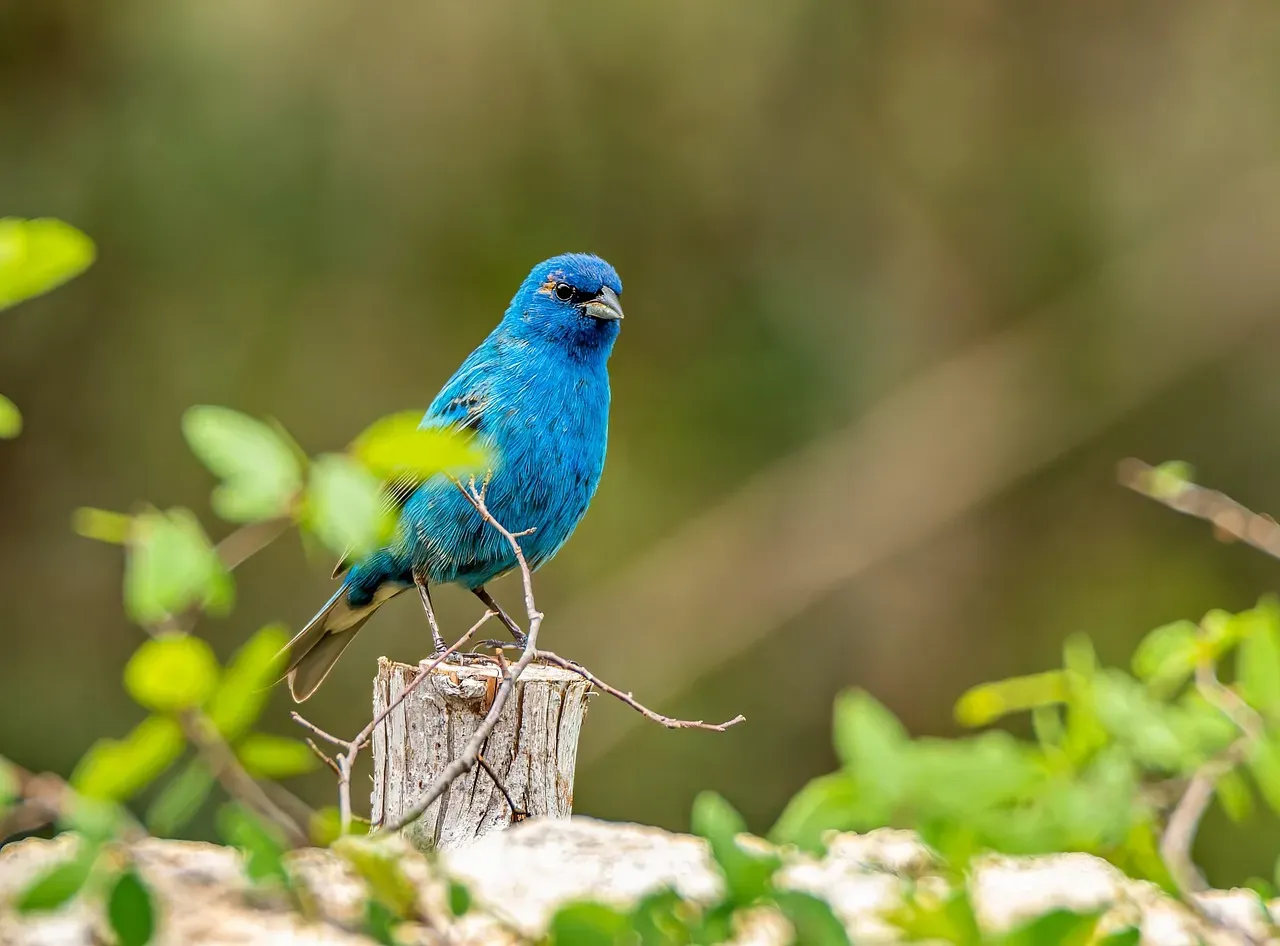
These small birds are strikingly beautiful, with males showcasing a vibrant indigo blue in the breeding season, and they are often found in open woodlands and edges of fields. Here’s the thing: the Indigo Bunting’s blue is actually an optical illusion of sorts. The feathers contain no blue pigment at all – the color comes entirely from the way light scatters off the feather structure. Nature is showing off, and it’s magnificent.
Indigo buntings are quite the sight. Known for their bright blue feathers and rapid musical notes, these pretty birds can be found around brushy and weedy areas throughout the central and eastern parts of the U.S., and to coax them into your space, fill feeders with white millet, sunflower, and nyjer seeds, and plant shrubs and flowers. Their song is complex, cheerful, and unmistakably summer – one of the great small pleasures of the American outdoors.
15. Roseate Spoonbill’s Waterside Neighbor: The Great Blue Heron
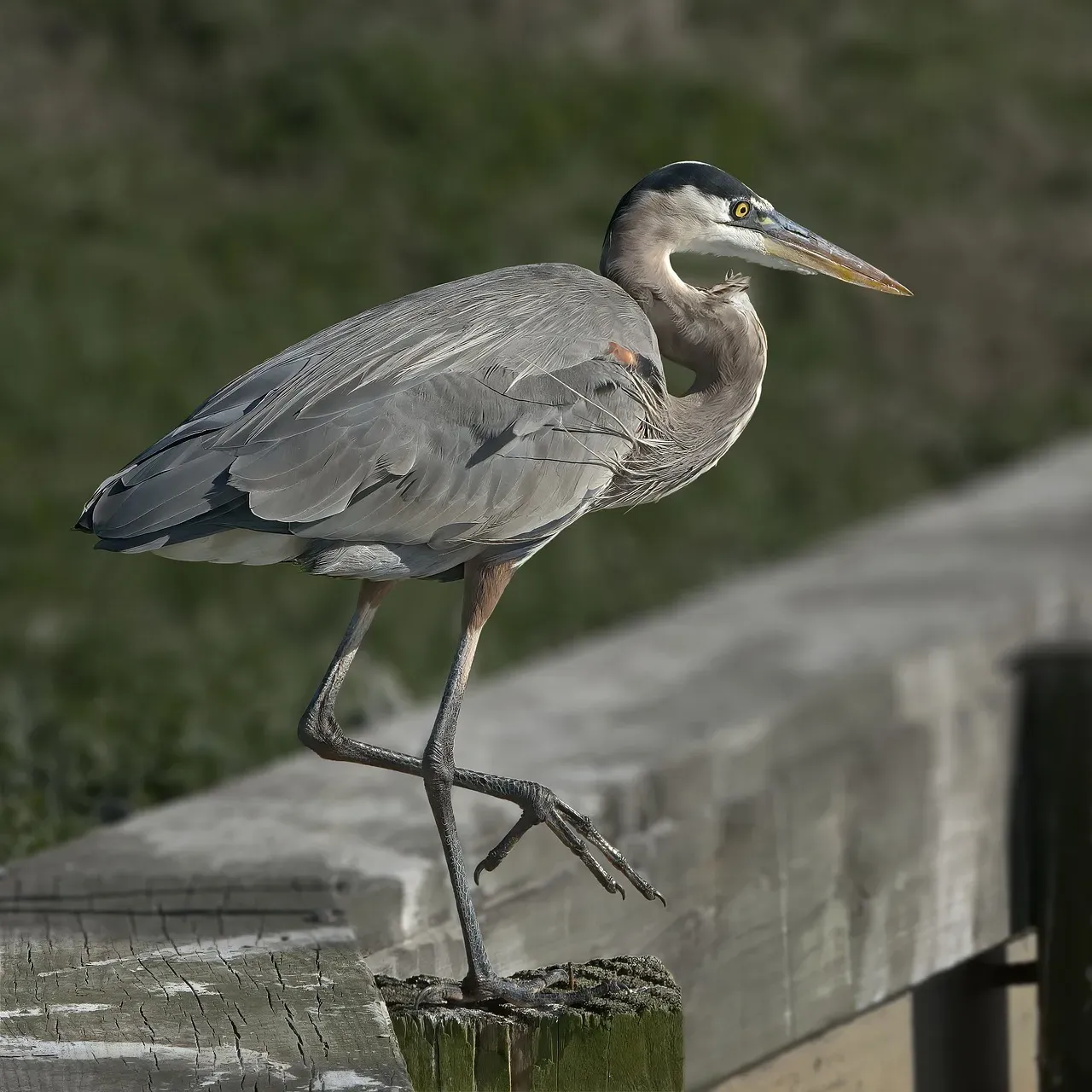
Spotting a great blue heron, a species that is widespread but never overly abundant, always feels like a treat. These regal birds fly with a majestic fluidity and look stately as they stand along the water’s edge, and with a lightning-fast strike, herons easily nab fish or frogs for a meal. Watching one stand perfectly still at the edge of a misty lake at dawn is, I think, one of the most quietly spectacular things nature offers in this country.
Perhaps the one part of the great blue heron that’s not as beautiful is its call – the rough squawk has a guttural, almost prehistoric sound to it. That prehistoric quality is oddly fitting. The great blue heron carries itself with the unhurried confidence of a creature that has been doing this for millions of years and knows it. Massive, elegant, and unexpectedly graceful in flight, it deserves its place at the top of any American birdwatcher’s list.
Conclusion: America’s Skies Are a Gallery Without Walls
The beauty of American birds isn’t just about color, though there’s certainly no shortage of that. It’s about the story each species tells – survival, adaptation, migration across thousands of miles, and the extraordinary relationship between a creature and its landscape. From the almost absurdly painted Painted Bunting in the dense thickets of the Southeast to the ghostly Snowy Owl drifting across a frozen northern field, the USA offers birdwatching experiences that rival anywhere on Earth.
What makes this list so exciting is that many of these birds are accessible. You don’t need to trek into a remote wilderness or spend a fortune on a guided tour. Some of the most stunning species on this list might visit your backyard, perch on your fence, or flash past your car window on a Tuesday morning commute. That’s the real magic. Nature is always performing. The question is whether we’re paying attention.
Next time you hear a rustling in the bushes or catch a flash of color in the tree line, stop for a moment. You might just be looking at one of the most beautiful birds on the planet – and it lives right here at home. Which of these fifteen birds surprised you most? Tell us in the comments.

- 10 Dog Breeds That Are Not Suitable for First-Time Owners - July 22, 2026
- 10 Ways the Creek (Muscogee) Shaped the Early American Southeast - July 22, 2026
- 12 Animals That Have Mastered the Art of Camouflage - July 22, 2026