

Most people assume that getting rid of cockroaches is just a matter of buying the right spray. You blast it behind the fridge, maybe toss a few traps under the sink, and that’s that. Problem solved, right? Wrong. Shockingly wrong, actually.
The reality of cockroach infestations is far more unsettling than most homeowners ever realize. These creatures have been on this planet for hundreds of millions of years, and every single year we spend fighting them, they quietly get stronger. There is a specific, science-backed reason why cockroaches keep winning, and it’s not the one most people talk about. Let’s dive in.
Their Bodies Are Basically Tiny Armored Tanks
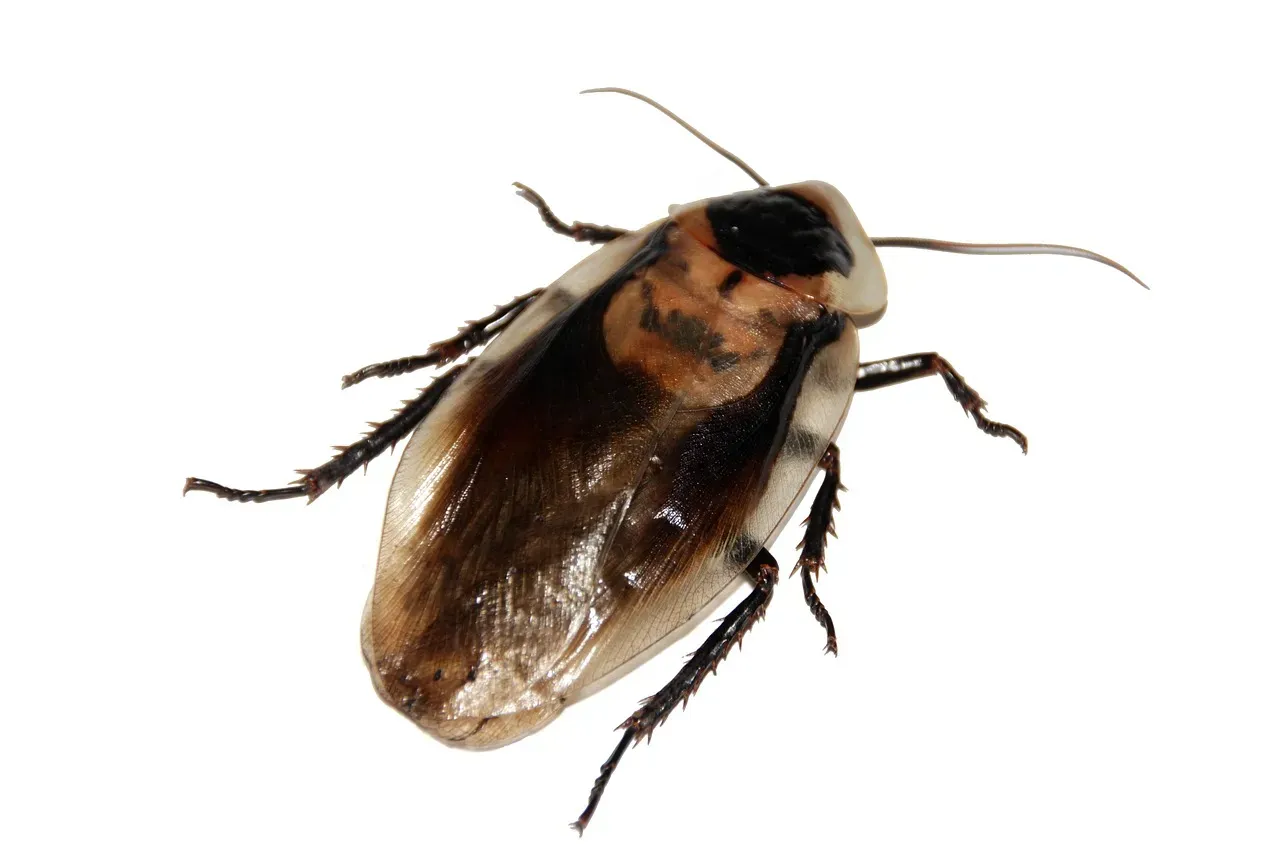
Here’s the thing: before we even get to the really shocking stuff, we need to talk about how physically extraordinary these insects are. Think of a cockroach’s body less like a bug and more like a miniature military vehicle.
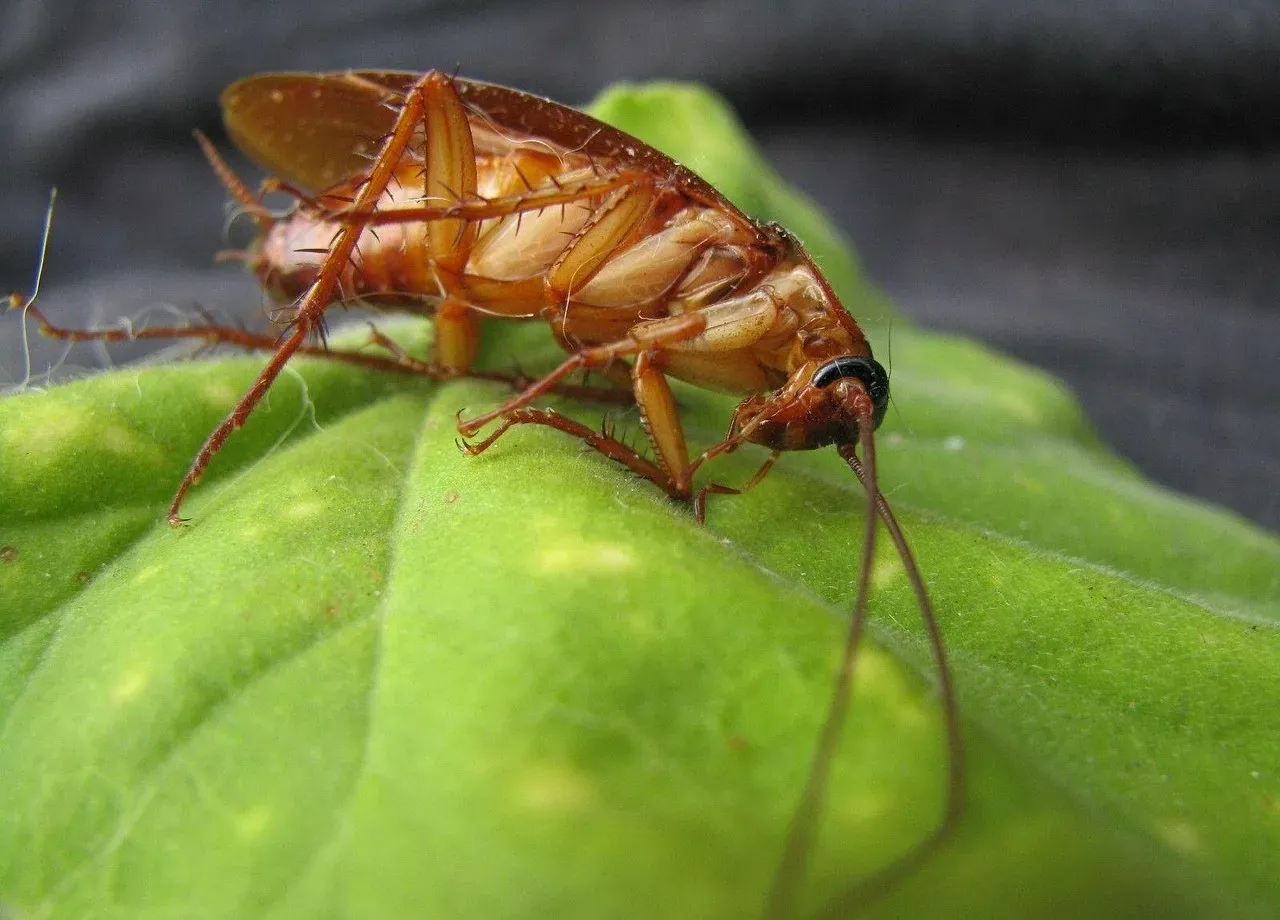
With an exoskeleton of overlapping plates connected via a stretchy membrane, their bodies are extremely flexible and their legs are fast, making cockroaches incredibly hard to kill. Stepping on one is genuinely like trying to crush something wearing flexible armor. It just doesn’t work the way you’d expect.
Their speed allows them to squeeze into the tiniest cracks and crevices and to crawl away quickly as soon as a foe is detected. That famous flicker of movement across your kitchen floor? That’s not panic. That’s millions of years of finely tuned survival instinct kicking in at full speed.
Did you know cockroaches can live for a week without their heads? They need their mouthparts to eat and drink, so after one week they will die from dehydration. However, they can survive up to one month without food if they have access to water. Cockroaches are also able to breathe through tiny holes along their entire bodies, so they don’t need their head for this life-sustaining act. I know it sounds crazy, but a headless cockroach is a real thing. A living, breathing, headless cockroach. Let that sink in.
They Reproduce Faster Than You Can React
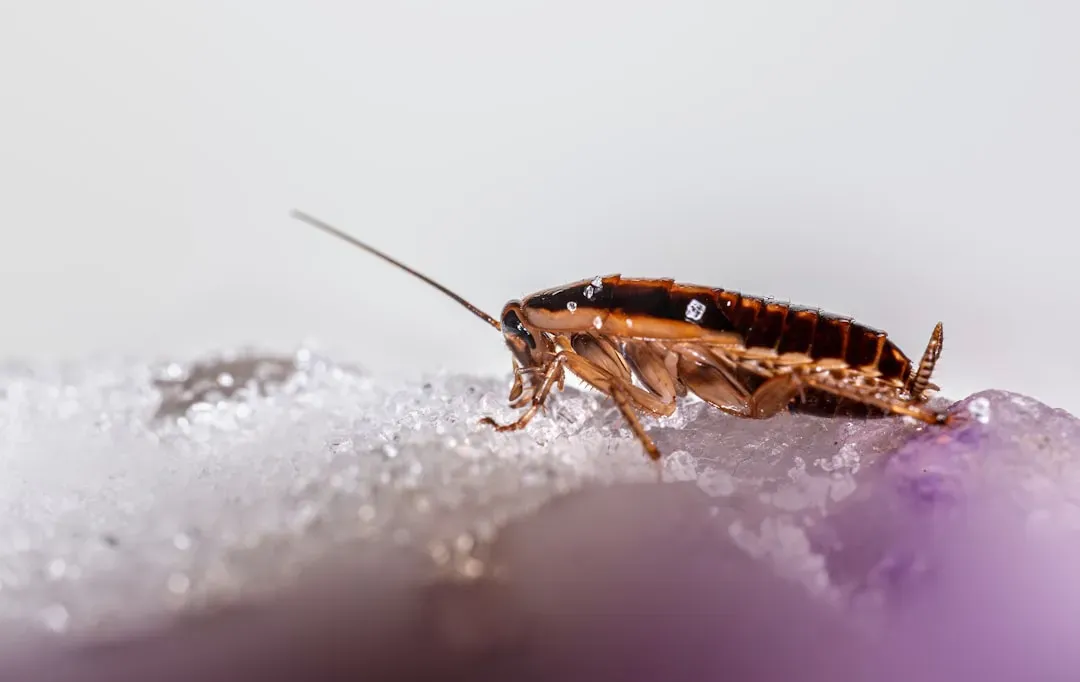
Even if you manage to kill every cockroach you can see, the war is far from over. The real battle is happening somewhere deep inside a wall crack or beneath your refrigerator, completely out of sight.
These pests breed quickly, which can lead to large infestations. On average, one female cockroach can produce 128 eggs. One female. 128 eggs. That’s not a pest problem. That’s a population explosion waiting to happen.
Female cockroaches usually have males around for reproducing. However, when males are scarce or non-existent, females can reproduce asexually through a process called parthenogenesis. This makes it much easier for female cockroaches to create a full-blown infestation in your home. Honestly, that’s the part that keeps pest control professionals up at night.
That new roach skittering across the counter is likely not the same one you saw a week ago. The cockroach life cycle is built for rapid reproduction. So when you think you’re chasing the same individual pest around your kitchen for weeks, you are almost certainly not. You’re fighting a dynasty.
The Real Shocker: They Are Evolving Resistance to Our Pesticides in Real Time
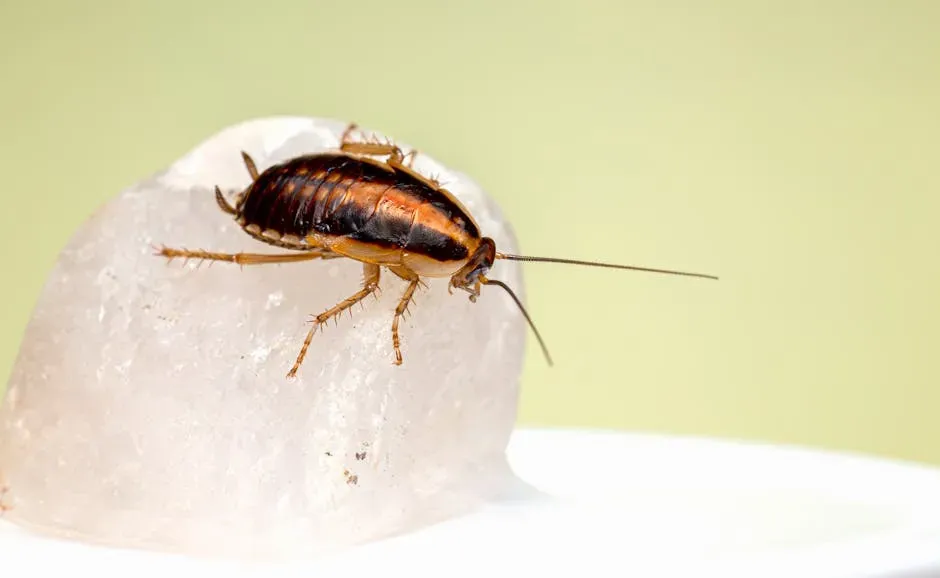
This is the part that genuinely surprised me when I first dug into the research. It’s not just that cockroaches are hard to kill. It’s that our efforts to kill them are actually making them stronger. Not metaphorically. Literally, biologically stronger.
These creepy crawlies are continuing to develop more and more resistance to commonly used conventional pesticides. A 2019 Purdue University study found that the most common type of cockroach, the German cockroach, is developing a resistance to multiple insecticides including those on which exterminators rely. As these cockroaches reproduce, the new generation of cockroaches also showed signs of resistance.
In lab tests of the remaining cockroaches, researchers found that cross-resistance likely played a significant role. A certain percentage of cockroaches would be resistant to a particular class of pesticide. Those that survived a treatment and their offspring would be essentially immune to that insecticide going forward. They also gained resistance to other classes of insecticide, even if they hadn’t been exposed to them and had not had previous resistance.
This species has developed resistance to at least 42 unique insecticide active ingredients across 219 documented cases globally, making it one of the most resistant urban pests. Forty-two. That number is extraordinary. It means the chemical toolkit available to us keeps shrinking, while the cockroach’s biological defenses keep expanding.
A burgeoning body of data suggests some German roach populations have evolved resistance to pesticides, essentially rendering the chemicals useless. A recent study shows that German cockroaches in some southern California residential units can survive exposure to five types of commonly used pesticides. Five types, simultaneously. That is not an insect. That is a tiny, six-legged pharmaceutical researcher.
Your Home Is Practically Designed for Them
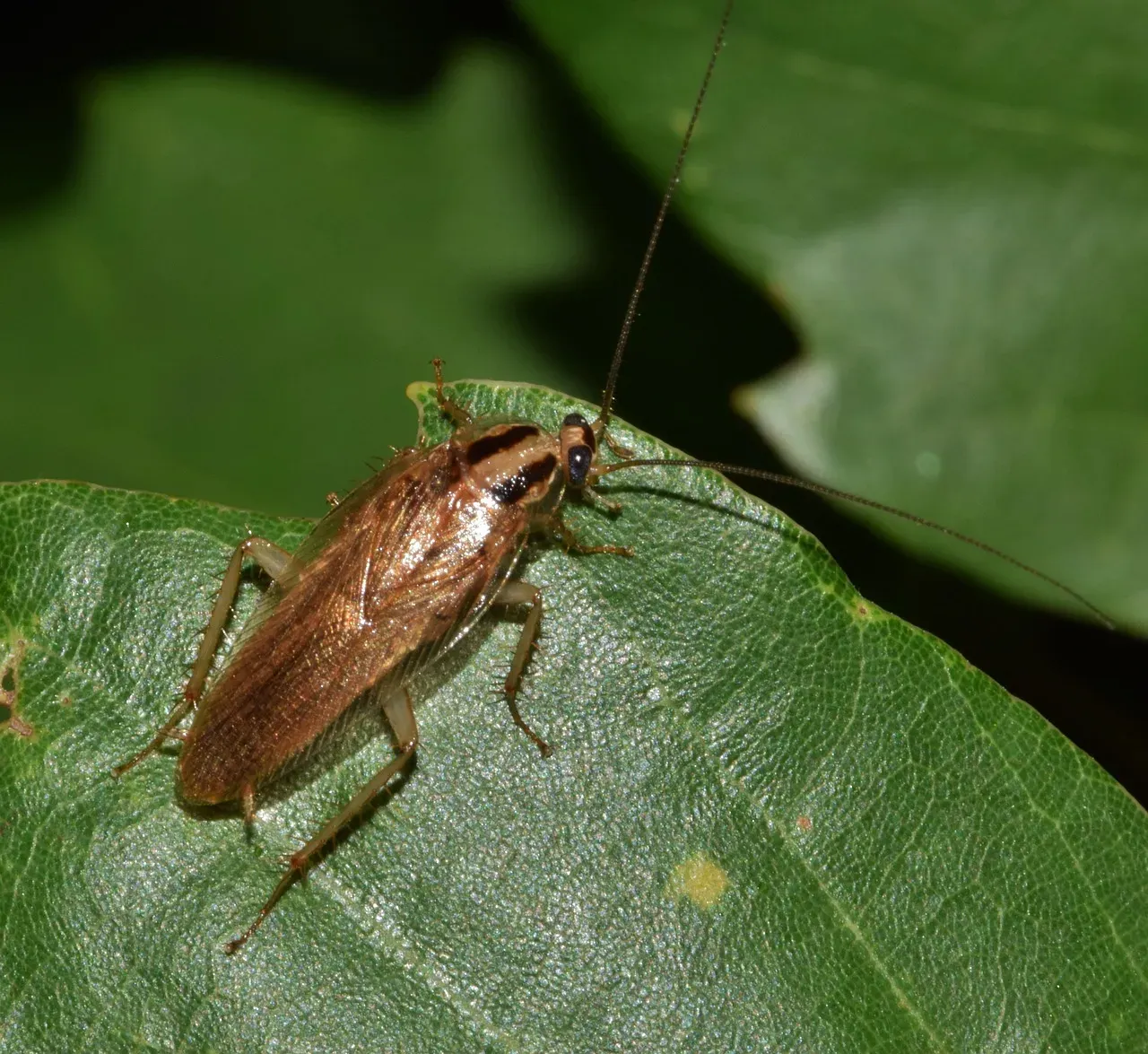
Let’s be real for a second. The modern home, with all its warmth, moisture, clutter, and food accessibility, is essentially a five-star resort for cockroaches. We build these comfortable spaces and then wonder why they keep checking in.
Cockroaches adore humid environments like those found in many homes. This includes areas like behind your refrigerator, bathroom sinks, garages, and basements, where moisture hangs in the air or collects easily. Think of it like this: every dripping pipe, every humid corner, every forgotten crumb under the stove is essentially an advertisement for free real estate.
These pests will eat a variety of things including pantry items, meat, grease, cardboard, book bindings, and other pests. They have an amazing sense of smell and taste, which means they can easily find food sources. Their ability to find food and stay hidden helps them to survive. They are, quite honestly, some of the least picky eaters on the planet. Cardboard. Book bindings. They’ll genuinely eat almost anything your home contains.
German cockroaches are expert hitchhikers. They often find their way into homes by latching onto items such as grocery bags and food packaging, attracted to food sources and entering via contaminated goods from stores. Cardboard boxes, moving supplies, or deliveries can harbor hidden cockroaches or their egg cases. So even a spotlessly clean home is just one grocery delivery away from an infestation starting up quietly in a cupboard corner.
Why Standard Elimination Methods Keep Failing
So you’ve bought the sprays. You’ve laid the traps. You’ve googled every home remedy from baking soda to essential oils. Yet there they still are, every time you switch the kitchen light on at midnight. Here’s why it keeps happening.
Regardless of the different insecticide treatments used, the size of most cockroach populations didn’t drop over time. That was true even when researchers used multiple insecticides at once, a standard practice among exterminators. Think about that. Professional-grade, multi-product treatment strategies were still failing to reduce population sizes. If that doesn’t illustrate the scale of the problem, nothing will.
This creates a feedback loop. Greater exposure creates more opportunities for cockroaches that can survive the pesticide’s effects to survive and then breed, leading to a new, tougher generation of pesticide-resistant roaches. It’s the ultimate bitter irony. The very act of fighting them is selecting for a stronger, harder-to-kill future generation. We are, in a sense, training them.
If these findings hold, widespread resistance could make it impossible to treat cockroach infestations with chemical insecticides alone. Instead, researchers say, people will have to use what’s known as “integrated pest management,” which involves setting traps, cleaning debris off surfaces, and even vacuuming up the insects, in addition to chemical treatments.
Cockroaches breed rapidly, so it’s best to eliminate as many as possible to break the reproductive cycle so future generations don’t have a chance to hatch. Roach baits and powders are especially effective because the toxic food will attract other cockroaches and be shared around the colony, making it easier to eliminate many at once, especially if they’ve nested in hard-to-reach areas. Honestly, the most effective approach today is not chemical warfare. It’s a combination of relentless hygiene, targeted baiting, moisture control, and professional-level intervention when things escalate.
Conclusion: The Uncomfortable Truth About Cockroaches in 2026
Cockroaches are not simply stubborn pests. They are one of the most biologically sophisticated survival machines on the planet. They can reproduce without a partner, survive without a head, eat through your book collection, and evolve resistance to pesticides faster than scientists can develop new ones.
The unexpected reason they are so difficult to eliminate is not laziness on the homeowner’s part, or even a lack of strong products. It is, at its core, the result of millions of years of evolution crashing headfirst into our modern habits. The warmth, food, moisture, and clutter of the average home provide everything they need. Our pesticides, used repeatedly and without strategy, have simply helped them become better versions of themselves.
The silver lining? Understanding this is the first real step to fighting back effectively. Sanitation, targeted baiting, professional support, and moisture reduction remain the strongest tools available. They are not glamorous fixes. They require patience and consistency. Still, armed with this knowledge, the battle is at least a fair one.
The real question worth sitting with is this: if cockroaches have been evolving to outsmart every weapon we throw at them for millions of years, how long before we genuinely run out of new weapons? What do you think? Drop your thoughts in the comments below.
