
Every gardener knows the feeling. You step outside with your morning coffee, take one look at your prized tomatoes or carefully tended flower beds, and your heart sinks. Something has been there overnight. Leaves are riddled with holes, stems are snapped clean, and there are suspicious slime trails across the soil. Welcome to the wonderful, occasionally maddening world of garden pests.
The good news? You do not have to wage chemical warfare to win this battle. There are smart, humane, and surprisingly effective ways to deal with nearly every creature that eyes your garden as an all-you-can-eat buffet. From tiny soft-bodied insects to bold-faced deer who frankly do not care that you can see them, each pest has its own weakness. Let’s dive in.
1. Aphids: The Tiny Vampires of the Plant World
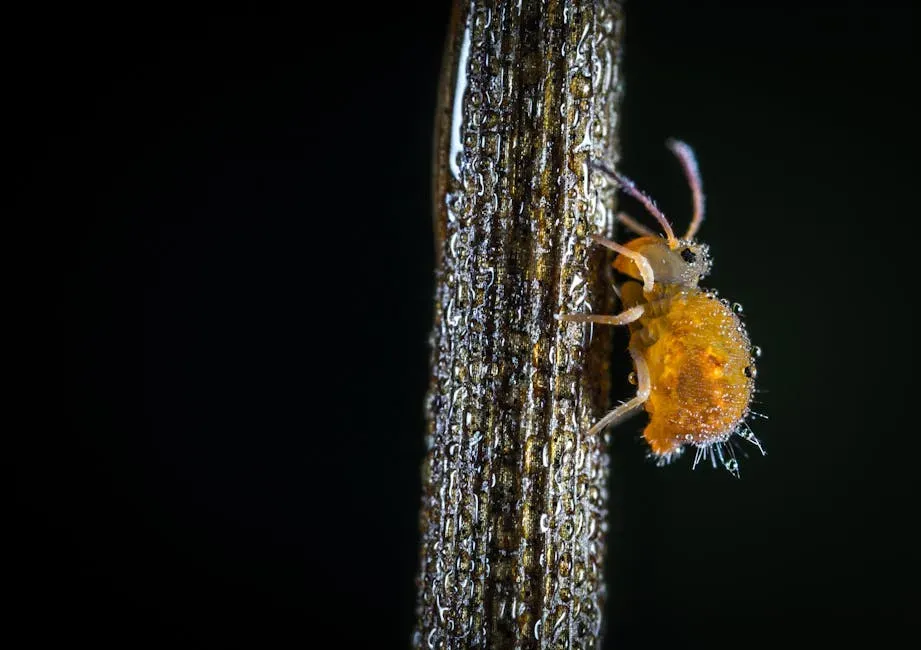
Honestly, if there is one pest that almost every gardener has dealt with, it is the aphid. Yellowing, misshapen leaves covered with sticky residue are a telltale sign of aphids, with clusters of tiny green, yellow, white, or black bugs typically found on the underside of leaves and near plant stems. They are small, sneaky, and multiply at an almost comical speed.
Aphids absorb sugars from your plants by sucking juices from the leaves, which prevents the plants from growing well. They convert the sugars they do not need into a sweet liquid called honeydew, depositing it on the leaf. That sticky residue is not just gross. It can actually attract mold and more insects.
Aphids can be controlled by spraying affected plants with a strong stream of water to dislodge them, or by applying a homemade solution of dish soap, neem oil, and water to remove them naturally. Think of it like a power shower for your plants.
Alternatively, introducing beneficial insects such as ladybugs and lacewings, which are natural predators of aphids, can help control their numbers. Companion flowers such as marigolds and nasturtiums, or vegetable plants like mint, chives, onion, and garlic, are known to repel aphids and can be placed near vulnerable garden plants.
2. Slugs and Snails: The Nighttime Demolition Crew
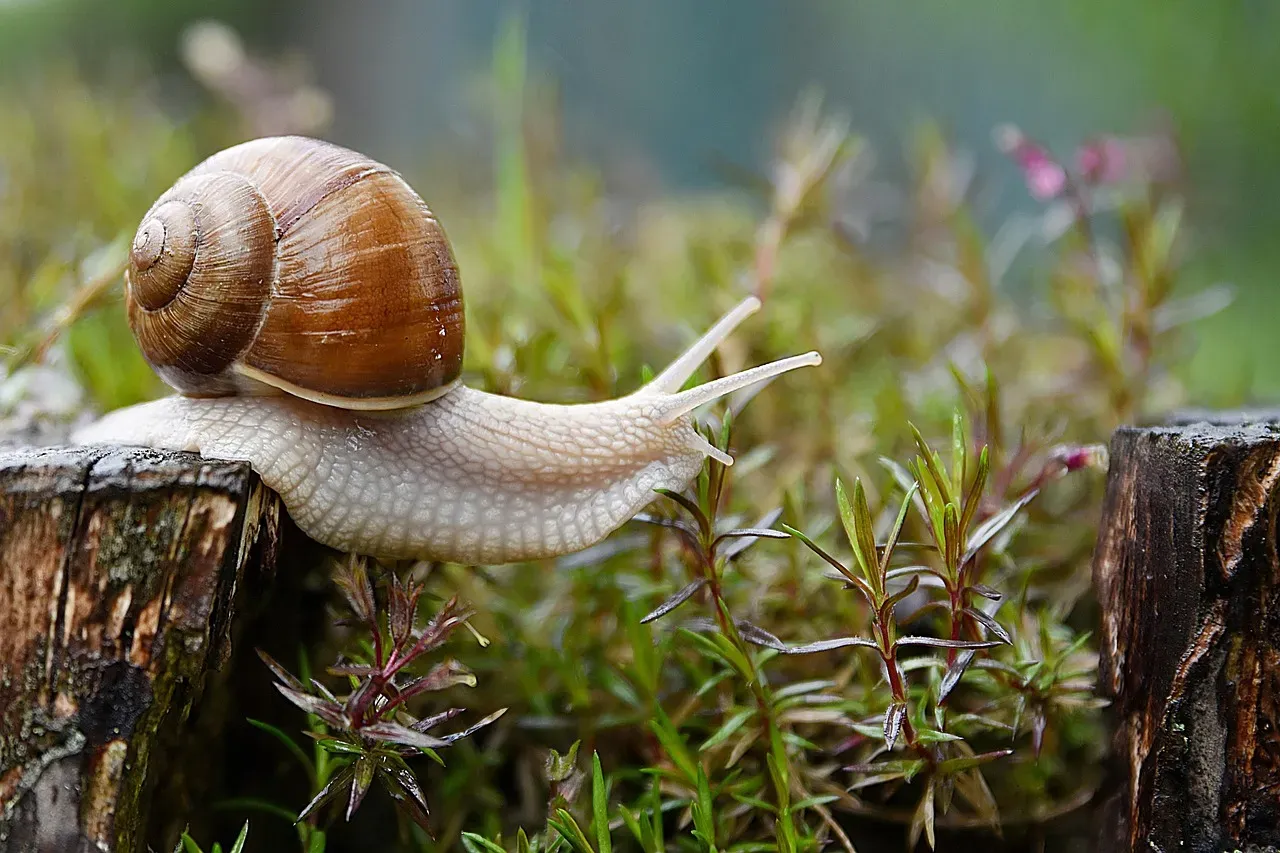
Slugs and snails are among the most common and destructive garden pests, feeding on a wide variety of plants including grass, flower buds, and vegetables. You can usually spot their presence because they leave behind telltale slime trails and irregularly shaped holes in leaves, stems, and roots. Slugs thrive in damp, shady environments and are most active at night or after rainfall.
Even if you may not see them often, they make their presence known by eating up to six times their own weight in plant material per night. These mollusks can leave plants looking like Swiss cheese. That is not a metaphor. I have seen hostas reduced to skeletal remains in a single evening.
A clever trap method involves placing boards in shady areas of the garden where slugs and snails hide during the daytime, then lifting the boards and scraping off the pests. You can do the same with inverted grapefruit rinds in problem areas, turning them over in the morning to collect and dispose of the slugs.
You can also use coarse materials for mulching, such as crushed eggshells or wood ash, to create a rough surface that slugs will avoid crossing. When slugs slither across copper bands, the moisture in their slimy trails sets off an electrical reaction, keeping the pests from continuing their journey up the stem. Copper tape around pots is a surprisingly elegant little solution.
3. Caterpillars: Beautiful in Theory, Devastating in Practice
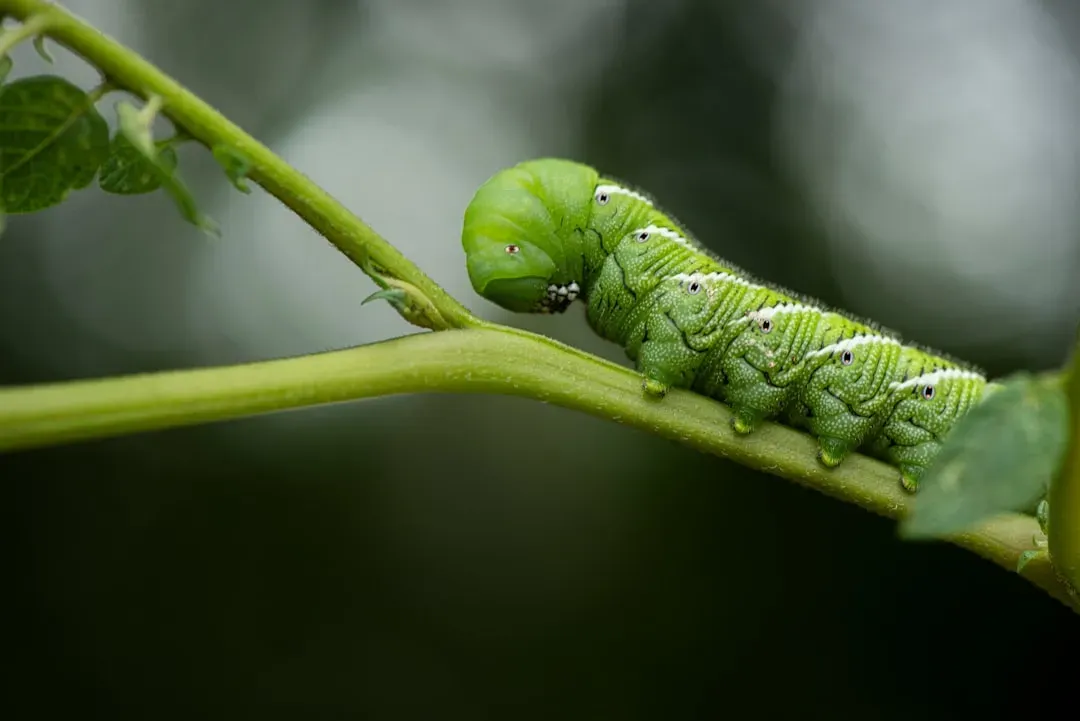
While many species of caterpillars are mostly harmless, some immature moths can cause heavy damage to garden plants. They can descend in large groups to ravage certain plants overnight, and visible damage can include ragged holes in leaves, eaten fruit, and cut-off seedlings and tender shoots.
Here is the thing though: caterpillars will one day become butterflies or moths, which are vital pollinators. If you want butterflies, you also have to accept some caterpillars. They are also important food for birds and parasitic wasps, which eat aphids too. It is all connected, as frustrating as that sounds when your brassicas are in tatters.
Handpicking caterpillars might sound unpleasant, but it is an effective way of getting a serious caterpillar issue under control. A natural bacterial treatment called Bacillus thuringiensis, or Bt, can also be applied to infected areas to eliminate caterpillars without harming other beneficial insects in the garden ecosystem.
Planting oregano and thyme is said to repel caterpillars and help keep populations to a minimum. Simple, aromatic, and useful in the kitchen too. That is what I call a win-win.
4. Japanese Beetles: The Garden Destroyers in Disguise
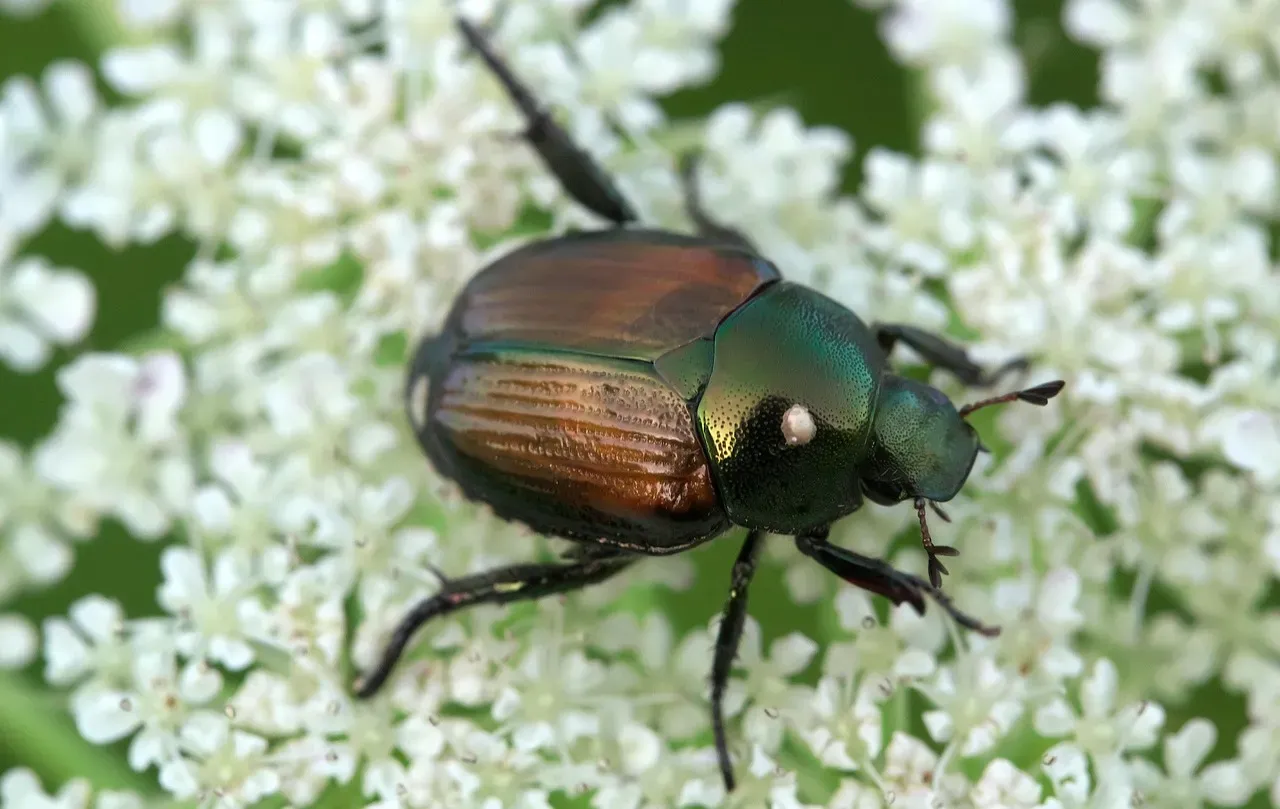
Signs of Japanese beetles are fairly obvious. You will almost certainly spot them flying around as soon as they become an issue, and you will notice brown, skeletonized leaves throughout your garden. They are almost beautiful, with their iridescent green shells. Do not be fooled. They are absolute chaos in insect form.
Homemade pepper spray made from hot peppers and garlic can deter some beetles. Neem oil is effective against cucumber beetles, particularly when they are still in the larvae stage of their life cycle. Getting them early, before they establish, is always the smarter play.
Shaking the base of a plant to remove adult Japanese beetles and dropping them into a soapy jar of water is a simple hands-on removal method. It is oddly satisfying once you get the hang of it. Early morning is the best time to catch them, when they are sluggish and less likely to fly away.
5. Cutworms: The Silent Root Saboteurs
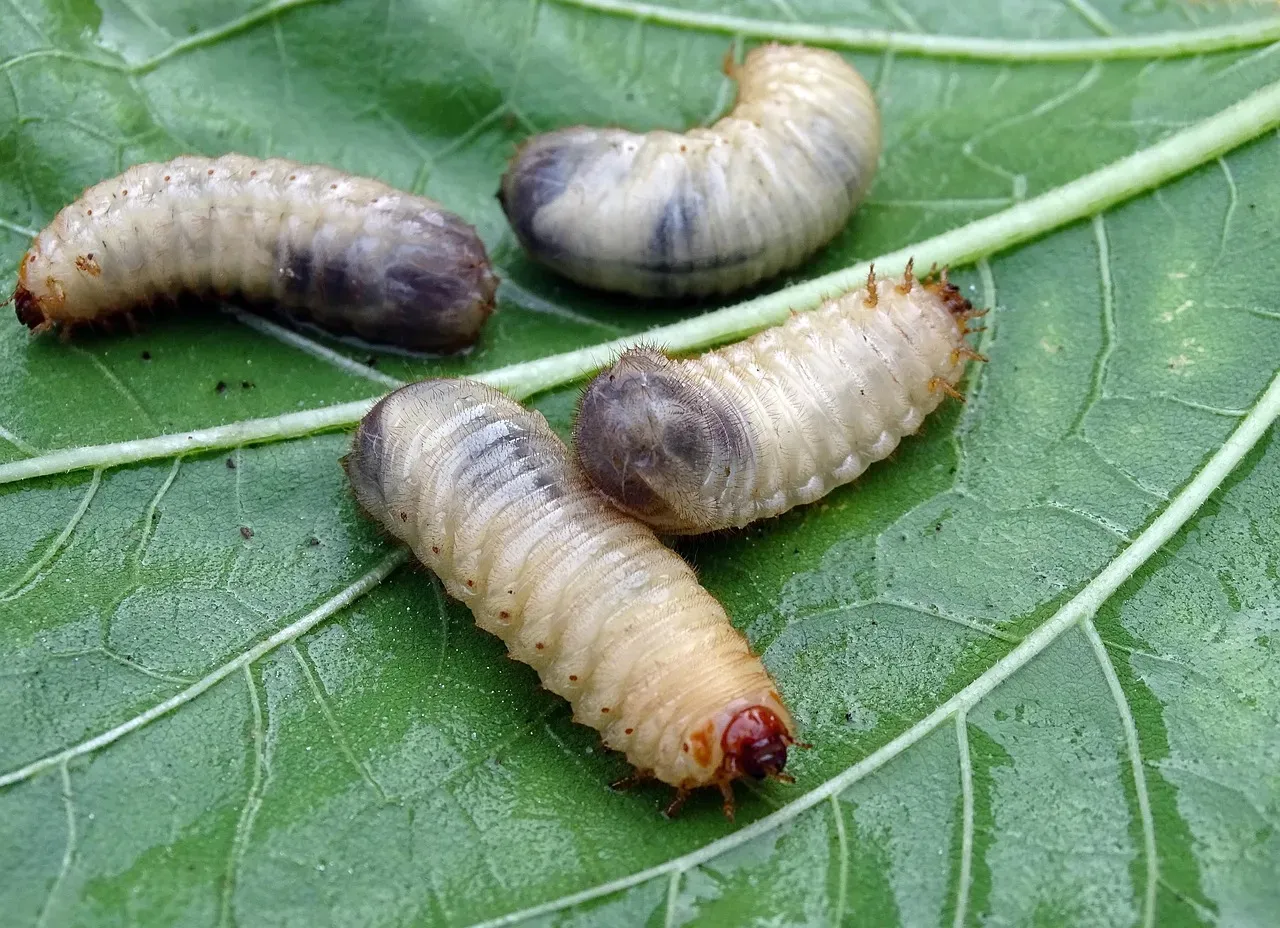
Cutworm larvae feed on grass as well as the stems, roots, and leaves of seedlings, which can have devastating effects on your garden ecosystem as the appetite of these pests continues to grow with their size. If your seedlings are mysteriously collapsing at soil level overnight, cutworms are likely the culprit.
One of the simplest ways to remove cutworms is by picking them off manually at night when they are most active, then dropping them into soapy water. Applying nematodes to the soil is another effective method of biological control, as they target the larvae before they can do significant damage.
A natural bacterial treatment called Bacillus thuringiensis can also be applied to infected areas to eliminate cutworms without harming other beneficial insects. Cutworms lay eggs on grass and weeds, so keeping these trimmed around planting areas can help prevent an infestation. Think of lawn maintenance as pest prevention in disguise.
6. Whiteflies and Spider Mites: The Invisible Enemy
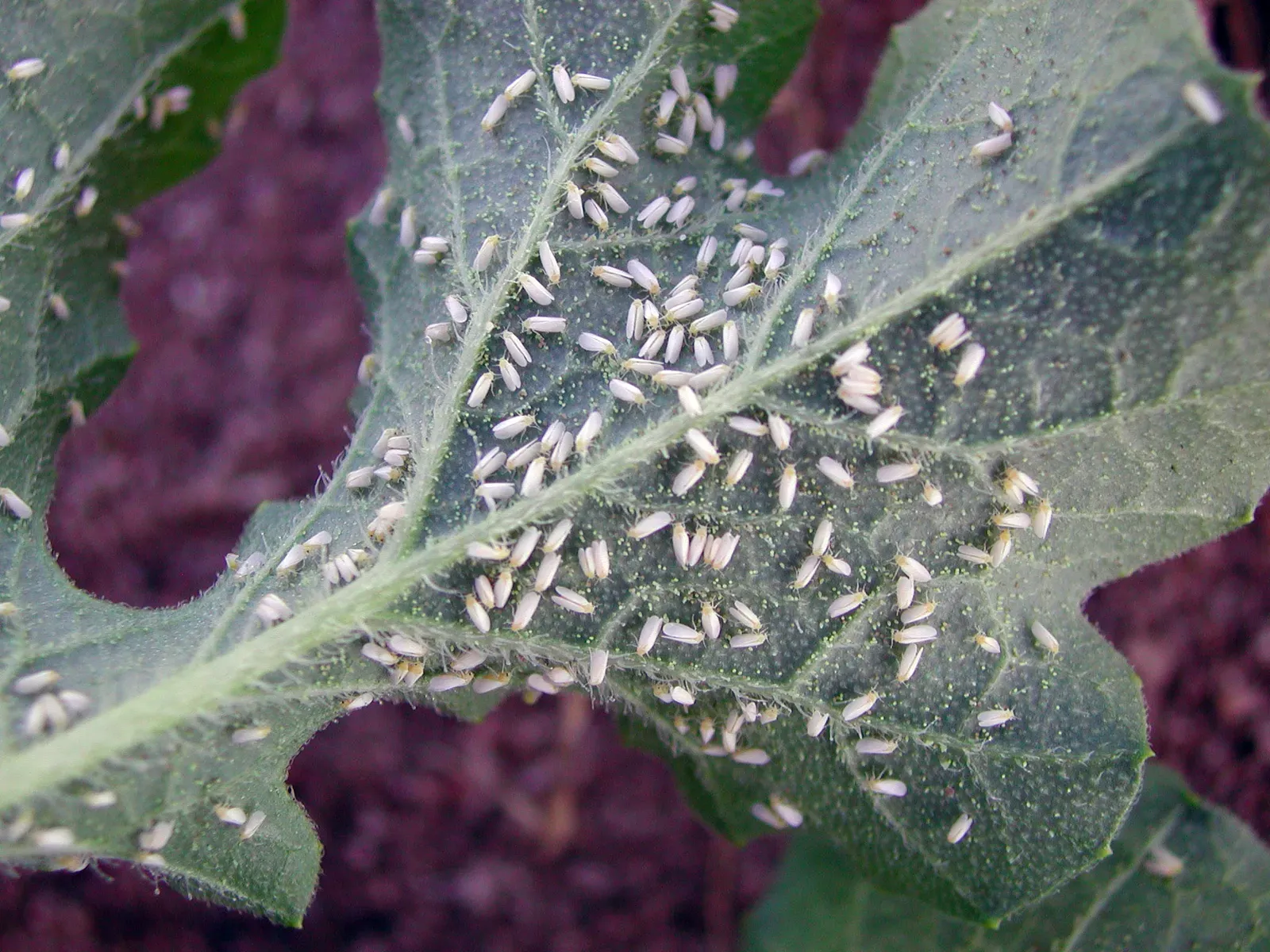
These are the pests you often do not notice until the damage is already done. Mixing isopropyl rubbing alcohol with water creates an effective spray that can kill vegetable garden pests like whiteflies and red spider mites. It is a fast, inexpensive fix you can make at home in about two minutes.
You can also engage in companion planting to keep out bugs that would otherwise feast on your crops. Marigolds will help get rid of whiteflies, and companion planting is a time-tested, integrated form of pest management that fills your garden with sumptuous blossoms.
A thriving garden is less vulnerable to insect outbreaks. Key cultural practices include watering properly, neither under nor overwatering, and spacing plants appropriately to allow airflow. It might sound basic, but a healthy, well-maintained garden really does resist pests far more effectively than a stressed one. Think of it as building your plants’ immune system.
7. Vine Weevils: The Underground Ambush Artists
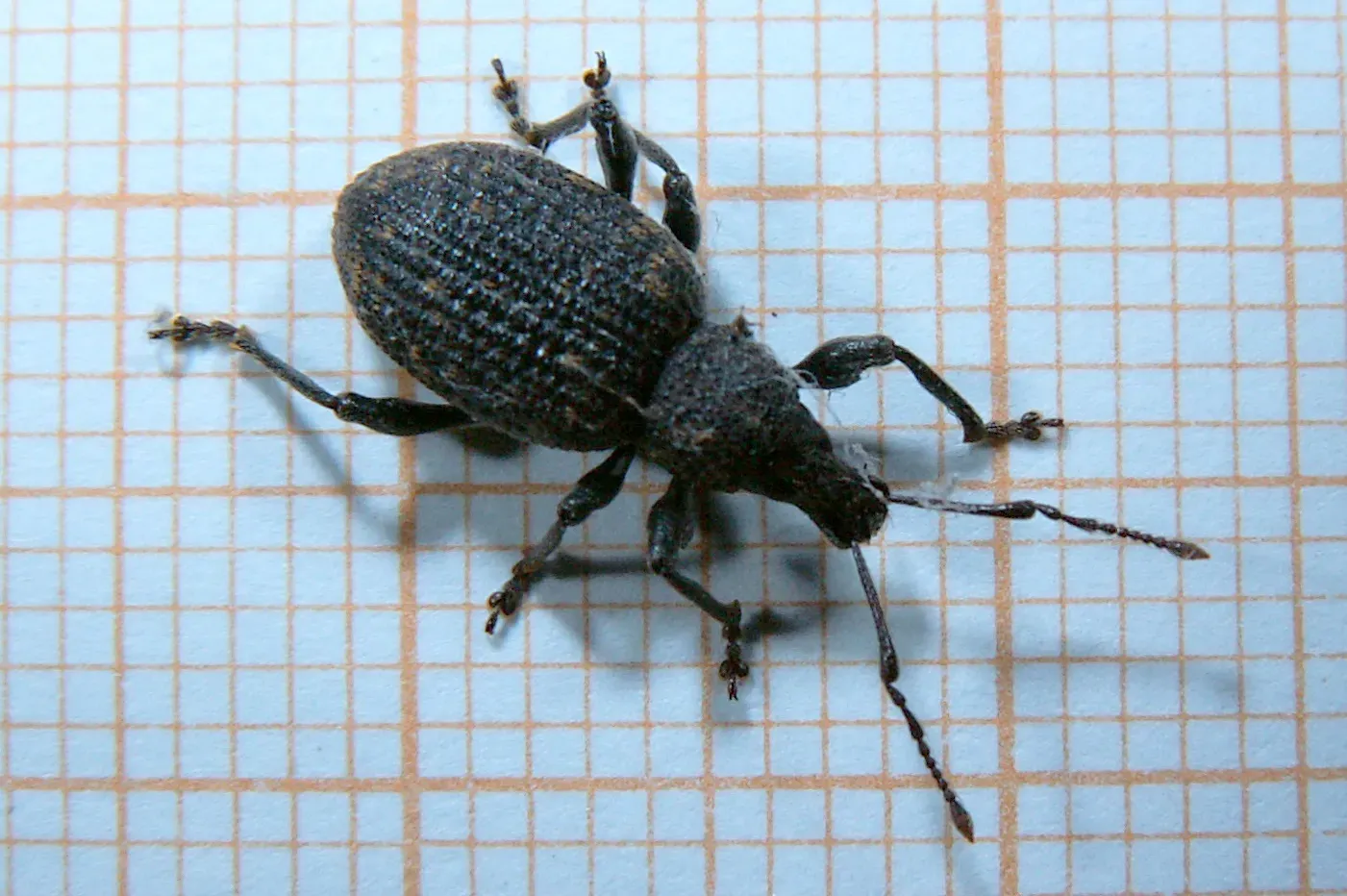
Vine weevils are a particularly troublesome garden pest, with both their larvae and adult forms causing damage. The larvae are white, legless grubs that feed on plant roots, leading to sudden plant collapse. Adult weevils, which are black and about 10mm long, chew irregular notches into leaves. These pests are especially problematic in greenhouse plants, flower beds, and gardens.
Since vine weevils are nocturnal and often hide in soil or leaf litter during the day, they can be difficult to detect before serious damage occurs. That is what makes them so infuriating. By the time you notice, the roots are often already gone.
Beneficial nematodes are microscopic roundworms that can actively seek out and kill pests in the soil, including grubs and weevils. They enter the pest’s body and release bacteria, which multiply and cause disease, ultimately killing the pest. Apply nematodes by mixing them with water and spraying onto the soil surface or applying directly to affected areas. It is biological warfare, just on a very, very small scale.
8. Ants: The Tiny Farmers You Did Not Ask For
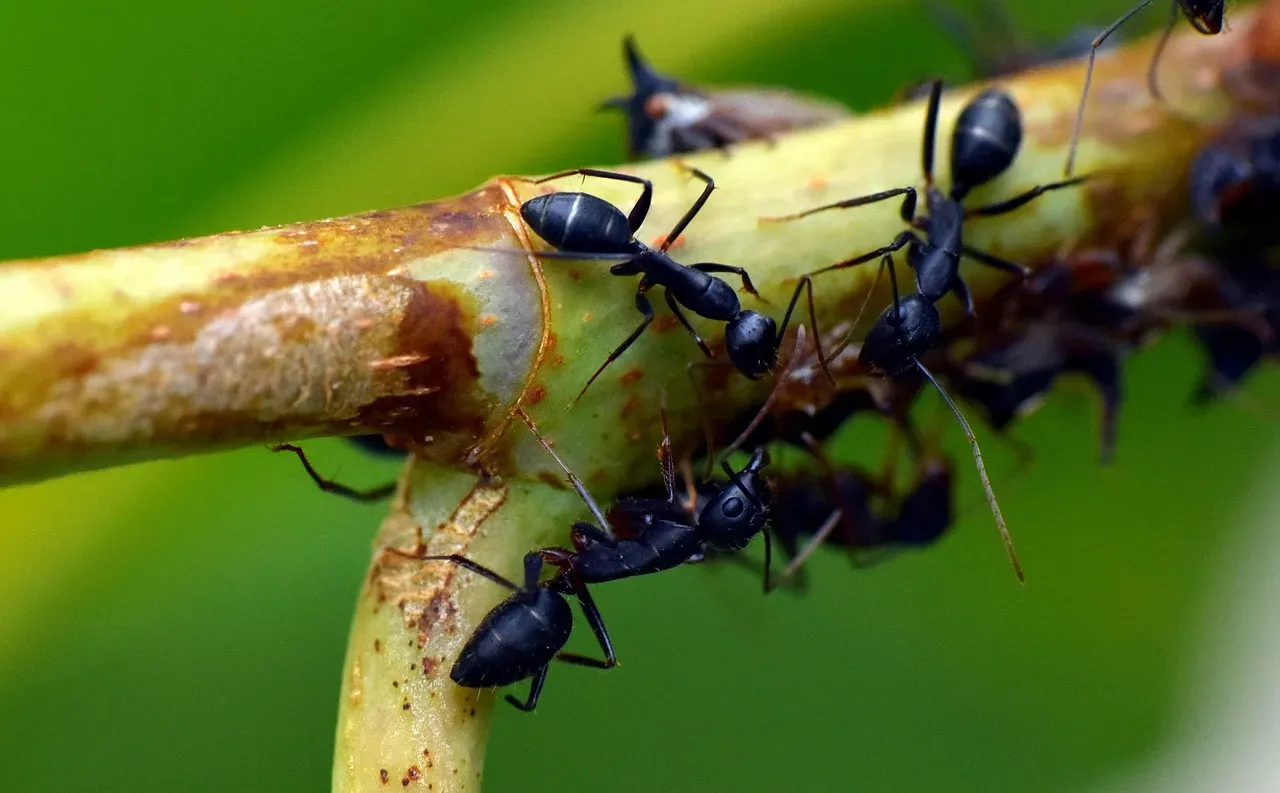
Ants in the garden are a curious case. Ants eat plant roots, which dries out the rest of the plant. They also corral aphids and spread them to other plants. They build nests under tiles, which can cause them to sink. On the other hand, they aerate and mix the soil, eat organic waste, and are themselves food for many other animals. So it is genuinely complicated.
A more humane method of deterrence is to spray a mixture of vinegar or lemon juice along their trails, which can disrupt their movement and force them to relocate. Ants prefer dry, sandy soil, so frequently watering a lawn can also discourage them from nesting.
Diatomaceous earth, a natural powder made from fossilised algae, can be sprinkled around infested areas to dehydrate the ants and reduce their numbers. Aphids and ants have a mutualistic relationship, so by eliminating one, you will likely eliminate the other. That is a surprisingly useful two-for-one outcome.
9. Rabbits: Adorable, Relentless, and Surprisingly Destructive
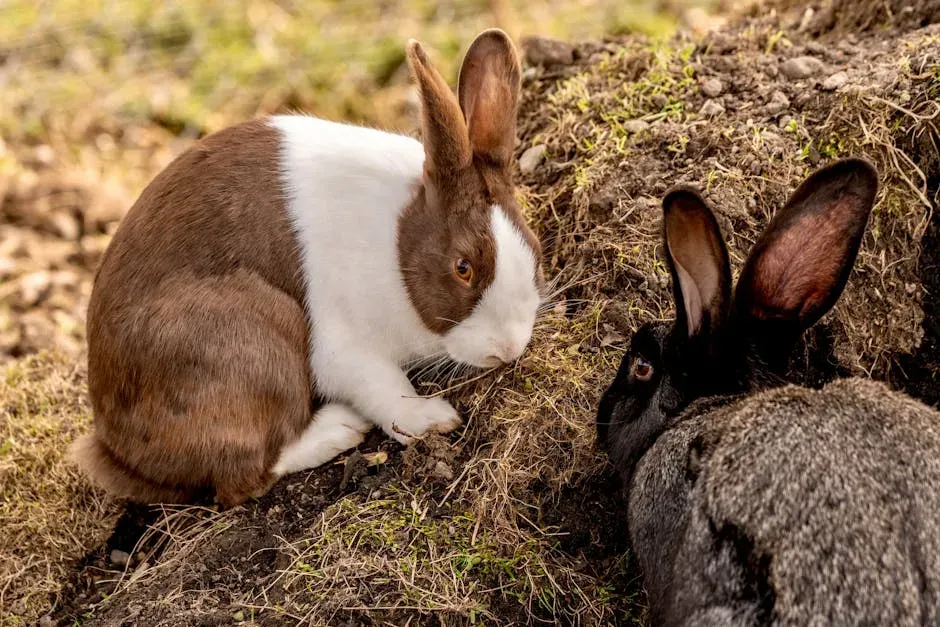
Let’s be real. It is hard to stay angry at a rabbit. They are undeniably cute. But rabbits will dig into the ground, and they will damage and consume flowers, peas, beans, beets, and more. When you have tended your vegetable patch for months, cute only goes so far.
Use chicken wire with one-inch mesh or smaller to create a fence around your garden or garden beds. Keep in mind that rabbits are diggers, so you will need to ensure the chicken wire is at least six inches below ground level. Check your barriers often for holes or signs of nibbling.
Motion-activated sprinklers are a classic solution that also works well for rabbits. The sprinklers activate when they sense movement, which scares the animals off without harming them. If you need to garden without a fence, certain plants with strong scents such as basil, garlic, rhubarb, hot peppers, and mint can help keep rabbits at bay.
10. Deer: The Bold, Beautiful, and Borderline Brazen Garden Visitors
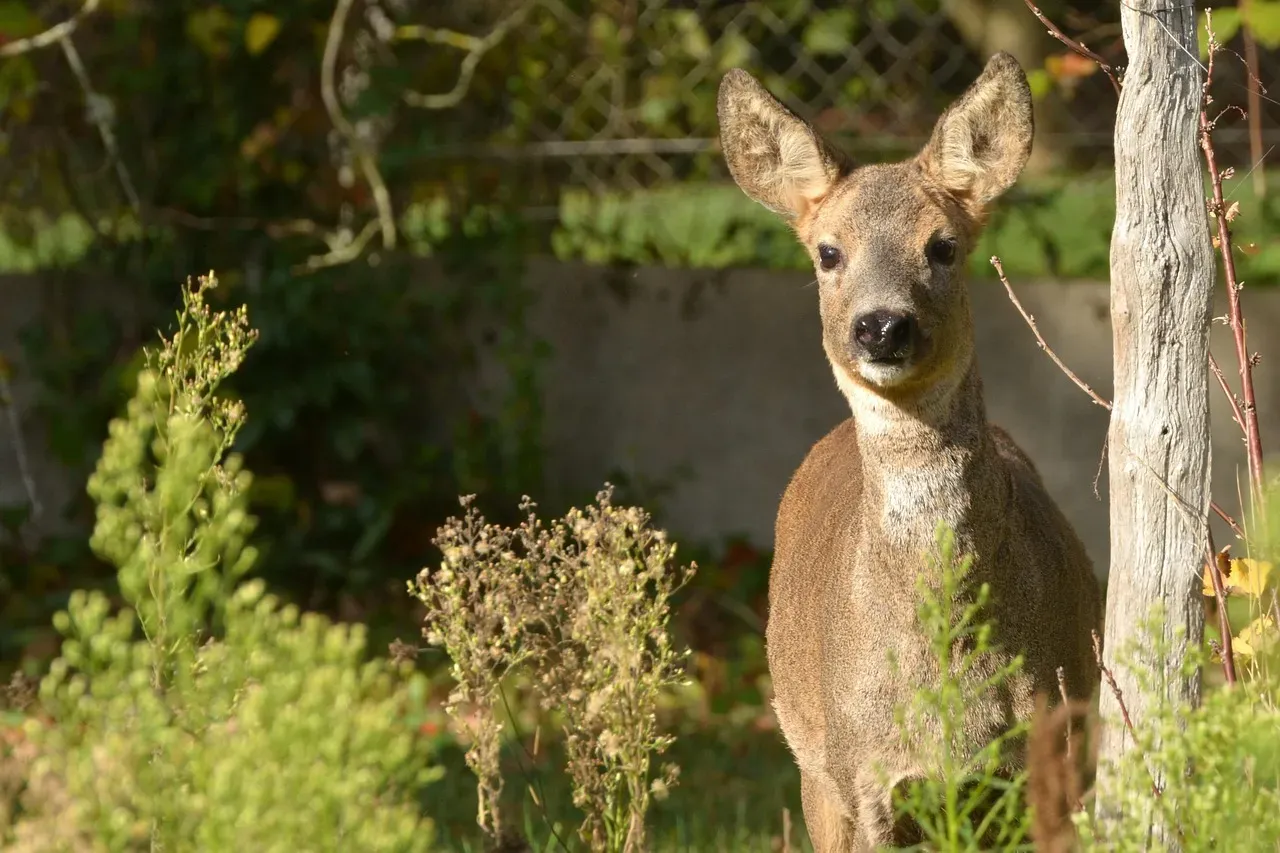
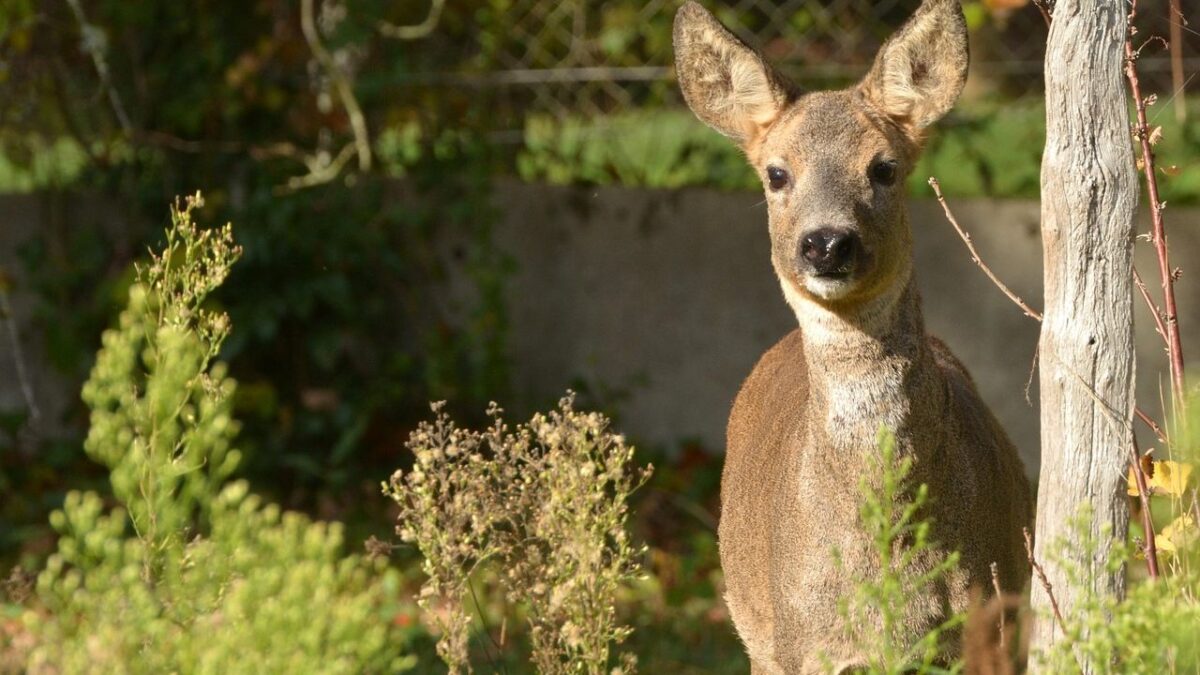
If rabbits are persistent, deer are practically fearless. All it took was a visit from one deer for more to follow every night. They were not really scared of humans either, and even headlights from a car pulling into the driveway would not deter them. They would look up as if to greet you and then continue their feast. I think most gardeners with deer problems will recognise that description painfully well.
A key tactic is to incorporate plants that naturally repel pests. Planting marigolds, garlic, and onions around the perimeter of your garden can serve as a natural deterrent due to their strong scents, which many animals find unappealing. Additionally, herbs like rosemary and mint are known for their repelling properties.
Visual and auditory scare devices, including ultrasonic sound machines, motion-activated water sprayers, and visual scare devices such as reflective tape and faux predators, can also help. The effectiveness of these devices usually diminishes over time as deer may become familiar with them, so plan on changing up your strategies regularly.
11. Moles: The Underground Engineers Nobody Invited
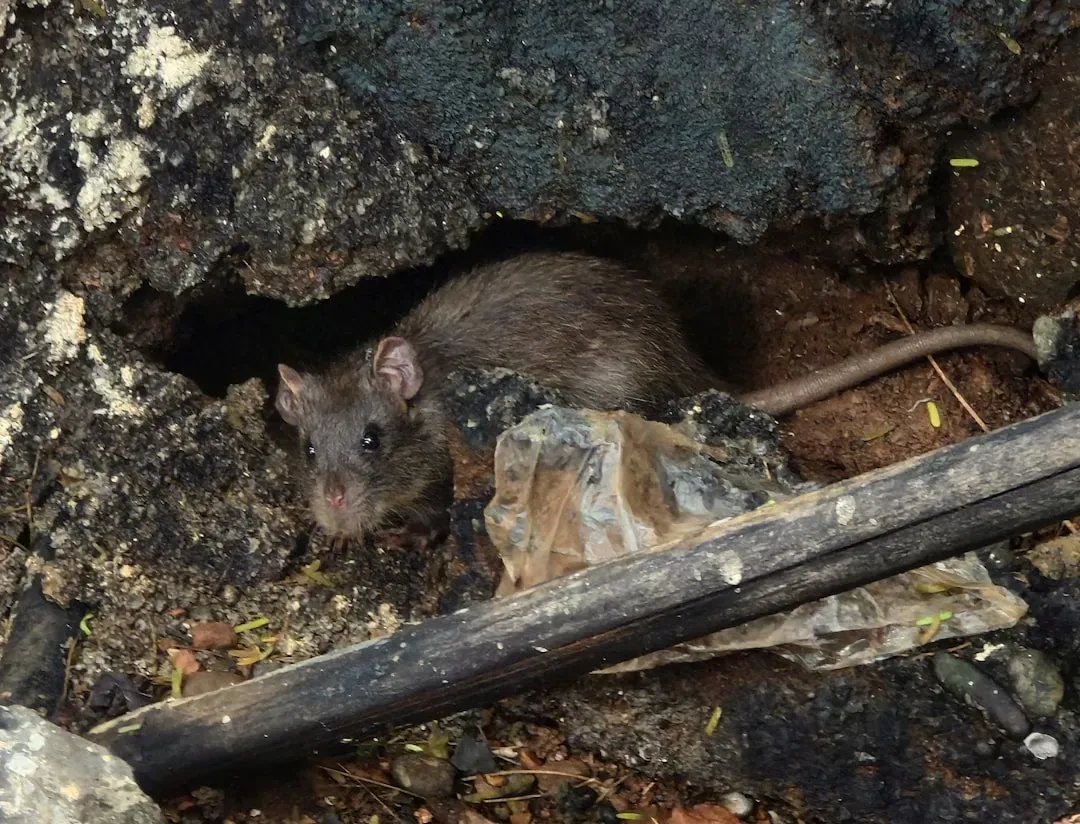
If you have been spending long hours getting your lawn looking smart, it can be unspeakably frustrating to have mole tunnels continually popping up. These small mammals are known for their exceptional burrowing skills, and as they dig through the ground in search of food, they can create a maze of tunnels in a very short span of time.
Interestingly, moles are not entirely villainous. Moles are important members of the ecosystem. They can help control unwanted insects around your property and possibly contribute to healthy soil aeration. Still, their digging abilities can create a conundrum for homeowners. It is a bit like having a very energetic puppy that means well but causes destruction everywhere it goes.
If you choose to trap moles, look for a catch-and-release trap that will allow you to relocate any caught moles without harming them. One of the best tricks for moles is to use eco-friendly milky spore, a naturally occurring bacteria, which will get rid of the larvae that moles feed on in the ground. Removing their food source is often the smartest long-term strategy.
A Garden Worth Protecting
Here is the bigger picture. Every creature on this list, even the ones that make you want to pull your hair out, plays some role in the ecosystem beyond your garden fence. The goal was never total extermination. It was always about balance, coexistence, and protecting the hard work you have put into your green space without causing unnecessary harm.
What sets humane pest control apart from conventional pest management is that humane tactics minimize suffering, stress, and harm for pest species to the extent possible. It recognizes the rights of animals to live, prioritizes their well-being, and leverages tactics like live trapping, relocation, and removal whenever possible.
The simplest truth is that a healthy, well-planned garden is your single greatest defense. The best preventative measure to encourage a pest-free garden is to keep your soil healthy and the pH levels balanced. Layer in companion planting, physical barriers, and a watchful eye, and most pest problems stay manageable. You will never eliminate every intruder, but with the right approach, your garden can absolutely thrive alongside them.
So which pest has been giving you the most grief this season? Drop your stories in the comments. You might just inspire someone else’s solution.

- How a Dog Comforts You In Difficult Times - July 29, 2026
- 10 Cat Breeds That Get Along With Dogs – and 10 That Absolutely Don’t - July 29, 2026
- These 10 US Villages Are So Beautiful They Feel Like a Step Back in Time - July 29, 2026