

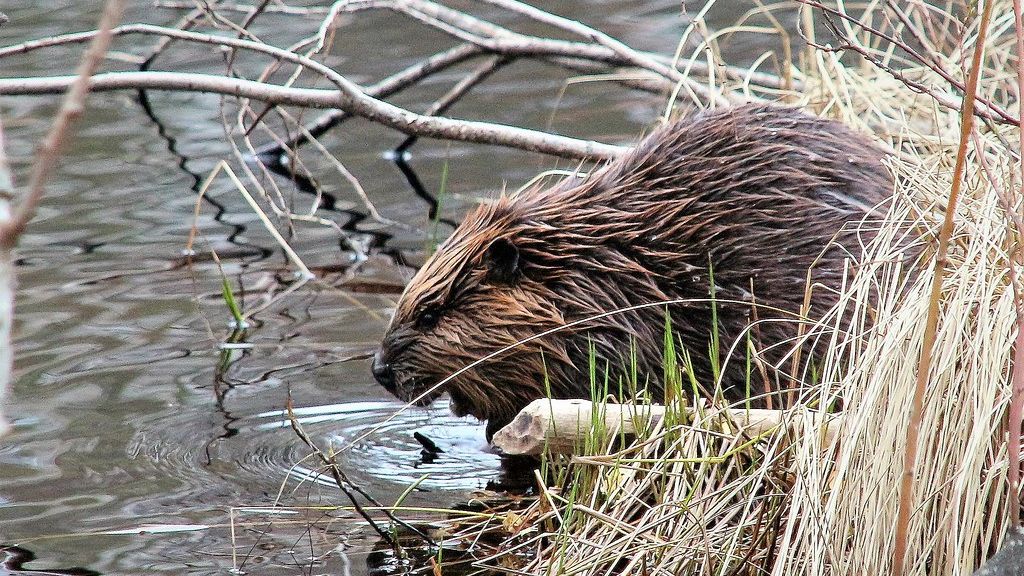
There’s something almost poetic about the idea that one of nature’s most industrious little engineers could be quietly doing more for the planet than most climate policies ever managed. While scientists and governments have been wrestling with how to pull carbon out of the atmosphere, a surprisingly furry solution may have been building dams all along.
New research is shaking up the conversation around carbon sequestration in a big way. It turns out that beavers, those buck-toothed architects of the wetlands, might be sitting at the center of a natural carbon storage system that we’ve been wildly underestimating. Let’s dive in.
The Humble Beaver Gets a Scientific Moment in the Spotlight
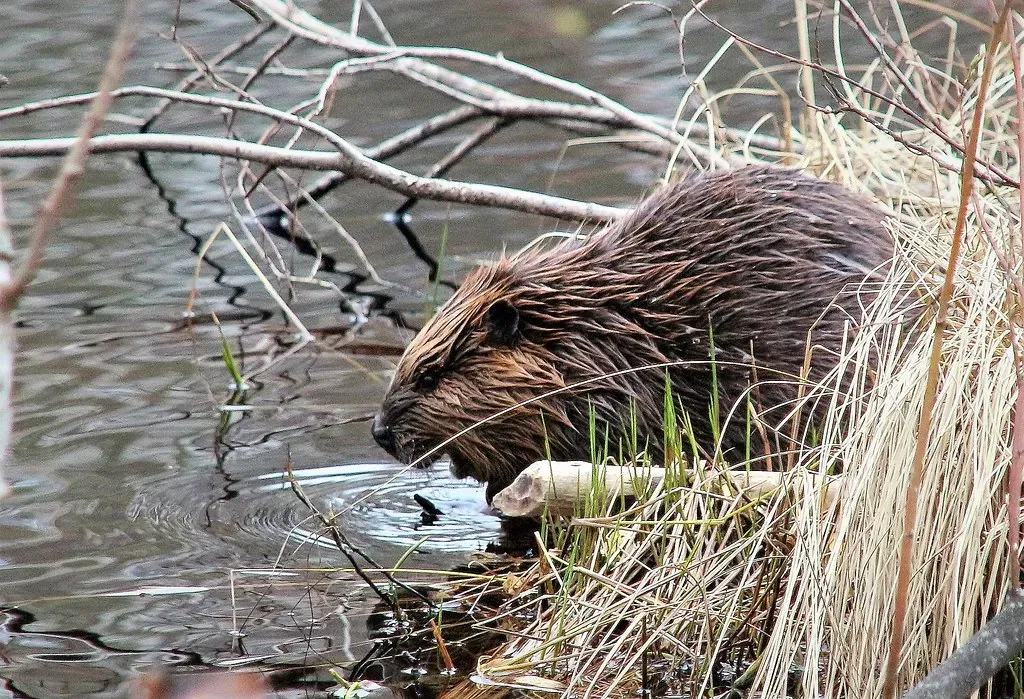
Honestly, beavers have never really gotten their due. They’re the kind of animal that people appreciate in a vague, nature-documentary sort of way, but nobody was exactly putting them at the forefront of climate strategy. That’s starting to change in a significant way.
Researchers have discovered that the wetland environments created by beaver dams are remarkably effective at trapping and storing organic carbon in sediment. When beavers flood an area, the standing water slows decomposition and allows carbon-rich plant material to sink and accumulate at the bottom. It’s essentially a slow-motion carbon vault, built entirely without human intervention.
How Beaver Ponds Actually Trap Carbon
Here’s the thing about carbon sequestration: most people imagine it as something that happens in forests, with trees breathing in carbon dioxide and locking it into their trunks. That’s true, but it’s only part of the story. Wetlands, it turns out, can store carbon at rates that rival and sometimes exceed forests.
When a beaver builds a dam, it creates a pond that captures organic sediment washing in from the surrounding landscape. That sediment is loaded with carbon from decaying leaves, plant matter, and soil. Because the waterlogged conditions limit oxygen flow, that carbon doesn’t get released back into the atmosphere through microbial decomposition. It just sits there, quietly buried, for decades or even centuries.
The Scale of the Discovery Is Genuinely Surprising
Let’s be real: when researchers started crunching the numbers, the results were not what most people expected. The carbon storage potential linked to beaver activity turned out to be far larger than previously assumed. This isn’t a minor footnote in environmental science. It’s a finding that could reshape how we think about natural climate solutions.
Studies looking at beaver-influenced wetlands found that these ecosystems store a substantial amount of carbon per unit area, sometimes rivaling the storage capacity of tropical peat bogs, which are already considered among the most carbon-dense environments on Earth. When you scale that across the vast range where beavers live across North America and Eurasia, you’re suddenly talking about a genuinely meaningful carbon sink. I know it sounds almost too simple, but nature has a habit of finding solutions we weren’t looking for.
Beavers as Ecosystem Architects With Global Reach
What makes the beaver so uniquely valuable in this context is that they don’t just passively inhabit an environment. They fundamentally redesign it. A single beaver colony can transform a dry streambed into a sprawling wetland complex over just a few years. That’s an ecological transformation at a pace and scale that would cost enormous sums to replicate artificially.
These created wetlands don’t just store carbon either. They filter water, reduce downstream flooding, recharge groundwater, and support explosive biodiversity. The beaver is essentially doing several jobs at once, like a one-animal ecological consulting firm. The carbon storage benefit, impressive as it is, is almost a bonus on top of everything else these animals bring to a landscape.
What This Means for Conservation and Climate Policy
The implications of this research stretch well beyond wildlife management. If beaver-created wetlands represent a meaningful natural carbon sink, that changes the calculus around rewilding programs and conservation investment. Suddenly, protecting beaver habitats isn’t just about preserving a species. It’s a climate intervention.
Some researchers are already suggesting that actively encouraging beaver reintroduction in areas where they’ve been historically eradicated could serve as a cost-effective tool for boosting carbon storage. Beavers were once trapped to near-extinction across much of their historical range during the fur trade era, which means vast landscapes that once hosted their wetland-building activity are now ecologically diminished. Restoring those populations could, in theory, help restore those carbon-trapping functions too.
The Complicating Factors Scientists Are Careful to Note
It’s hard to say for sure that beavers are a straightforward climate fix, and the scientists behind this research are appropriately cautious. Wetlands are complex systems, and they don’t just store carbon. Under certain conditions, particularly in warmer climates, waterlogged soils can also release methane, a greenhouse gas considerably more potent than carbon dioxide in the short term.
The balance between carbon storage and methane release depends heavily on local conditions including temperature, hydrology, and the type of vegetation present. So the net climate benefit of any given beaver wetland isn’t a guaranteed positive. Researchers emphasize that location matters enormously, and that blanket policies promoting beaver reintroduction everywhere would need to be informed by careful, site-specific assessments rather than enthusiasm alone.
A Quiet Revolution in How We Think About Natural Climate Solutions
What this research really points toward is a broader shift in scientific thinking. For years, the dominant conversation around carbon removal has leaned heavily on technology, whether that’s carbon capture machines, engineered forests, or ocean fertilization. Natural climate solutions have often been treated as secondary, nice-to-have additions.
The beaver story is a compelling argument for taking nature’s own systems far more seriously. These animals have been engineering wetland habitats for millions of years, long before anyone was counting carbon molecules. The fact that we’re only now beginning to quantify the climate value of what they do says less about beavers and more about the blind spots in how we’ve approached climate science. Perhaps the most powerful carbon capture technology on the planet doesn’t need a power source or a price tag. It just needs a pond and a purpose.
Conclusion: Small Animal, Enormous Implications
The discovery that beaver activity contributes meaningfully to carbon sequestration is one of those findings that makes you step back and reconsider how interconnected ecological systems really are. It’s a reminder that climate solutions aren’t always engineered in labs or debated in policy chambers. Sometimes, they’ve been quietly at work in a reed-fringed pond at the edge of a forest.
Beavers won’t solve climate change on their own. That would be an unfair burden to place on any animal, let alone one that’s still recovering from centuries of overhunting. Still, the evidence that their wetland-building behavior creates lasting, meaningful carbon storage is both exciting and humbling. It raises a worthwhile question worth sitting with: how many other natural processes are we overlooking simply because we didn’t think to measure them yet?

- Urban Coyotes Show Remarkable Adaptability, Learning to Thrive in City Environments - July 22, 2026
- Beavers Are Nature’s Engineers, Creating Vital Habitats for Other Wildlife Species - July 21, 2026
- The Recovery of the California Condor Offers Hope for Other Critically Endangered Birds - July 21, 2026