
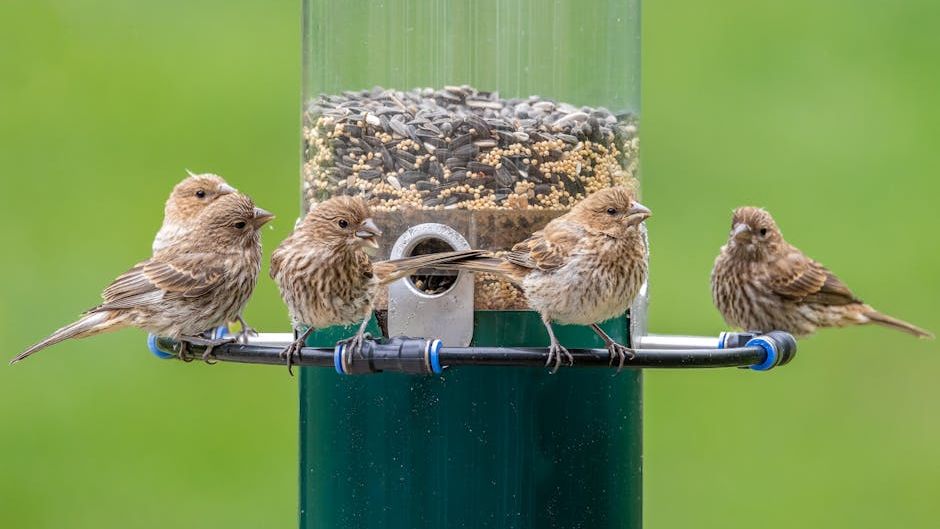
There’s something undeniably wholesome about a bird feeder hanging in the backyard. The flash of a cardinal’s red wings, the chatter of finches, the calm that washes over you while watching nature from a kitchen window. It’s one of those simple pleasures that millions of people genuinely cherish.
Americans now spend over $5 billion a year on bird food and feeders, and honestly, it’s easy to see why. The problem is that most people set up their feeder with the best intentions and never stop to think about what else might be showing up for dinner. The full picture is a lot more complicated, and a little surprising. Let’s dive in.
Your Feeder Is an Open Invitation for Unwanted Guests
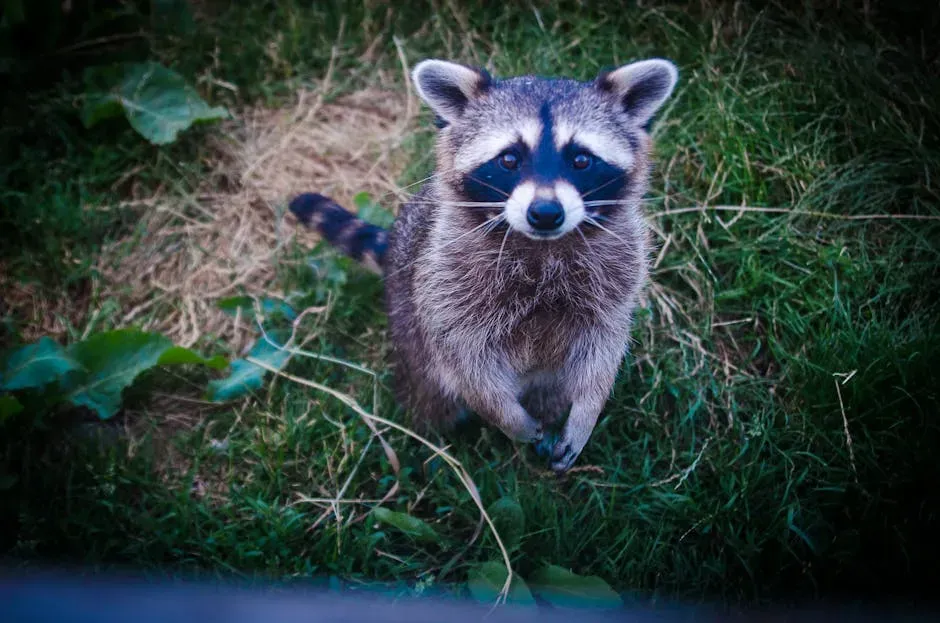
Here’s the thing most people never see coming. That tidy little feeder you hung on a pole is not just a bird magnet. Bird feeders attract more than just birds; they can also draw in a variety of other animals, including rodents.
Some of the creatures that may be drawn to your bird feeder, such as mice and rats, are likely visitors you would rather not have in your backyard. Others, like squirrels and raccoons, can wreak havoc not only on your feeders, but also on your house, electrical wiring, garage, and yard.
It gets wilder than squirrels, though. Research from Kansas State University shows that raccoons are seven times more likely to enter the yard and deer are two times more likely if you have a bird feeder. Think about that for a second. Seven times. That’s not a marginal increase, that’s a transformation of your yard into a wildlife thoroughfare.
Bird feeders are well-known for attracting rodents such as mice, squirrels, and rats, but depending on where you live, you can also attract chipmunks, raccoons, and even bears. In some parts of the country, a bird feeder and a bear encounter are not as far apart as you might think.
The Disease Problem Is Bigger Than Anyone Wants to Admit
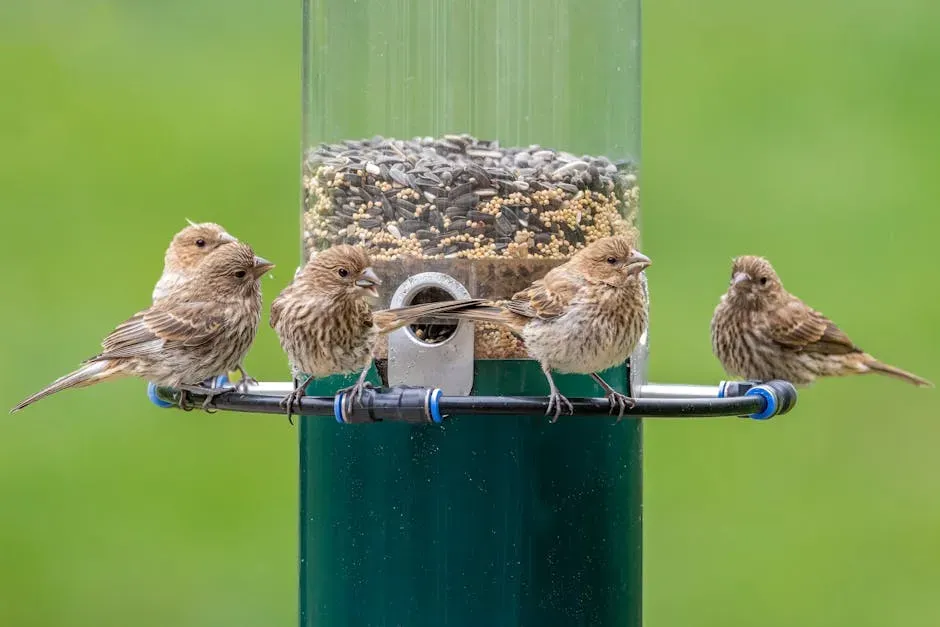
Most feeder owners assume a little bird mess is harmless. Unfortunately, science says otherwise. Bird feeders can fuel the spread of avian diseases, alter migratory behavior, help invasive species outcompete natives and give predators, including free-roaming neighborhood cats, easy access to birds and their nestlings.
According to the National Wildlife Health Center, there are five diseases that affect birds that visit bird feeders. The diseases are salmonellosis, aspergillosis, avian pox, trichomonosis, and mycoplasmosis. All these diseases can lead to bird deaths either directly or indirectly by making the bird more vulnerable to predators.
Think of it like a crowded restaurant with no health inspector. Drawing birds into close contact on shared surfaces makes it easy for them to spread bacteria like salmonella and E. coli. Luring them to the same place on a predictable schedule makes them more vulnerable to predators, like cats and hawks.
New research from the British Trust for Ornithology bolsters the evidence that infectious disease behind the spectacular decline of certain bird species is spread by the very bird-feeders that attract them to our gardens. Honestly, that finding should make every well-meaning backyard birder pause.
It’s not just the birds at risk either. In situations where birdseed is spread out with easy access, like on a platform feeder, birds may poop right into the feed. If another bird eats the contaminated seeds, it can spread salmonella. Rodents attracted to the same seed carry their own dangers. Rodents, raccoons, and skunks attracted to feeders can carry diseases like leptospirosis or rabies, which can spread to pets or even humans.
Predators Follow the Prey – Right Into Your Yard
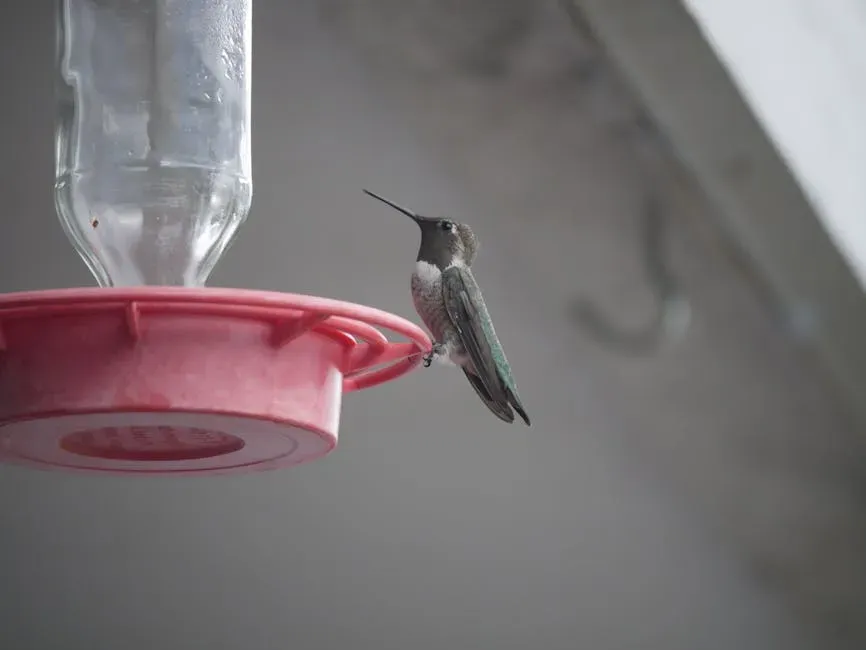
When you set up a feeder, you’re essentially ringing a dinner bell. Not just for birds, but for every creature that hunts birds. It’s a chain reaction, and it’s one most people never anticipate.
Bird feeders don’t just attract our feathered friends; they are also seen as ready-made hunting grounds for predators. Cats have long exploited the fact that when a bird is feeding, their guard is down, and use it as a chance to strike.
Cats kill more than 2.5 billion birds a year in the United States and Canada, one of the largest human-activity-related causes of bird death. A feeder concentrates birds in one predictable spot. Any neighborhood cat learns this fast.
At least once a year, a K-State wildlife specialist gets a call from people wanting to know how to get rid of a hawk hanging around their yard, preying on birds. There is nothing you can do, because an increase in a prey species often leads to an increase in a predator species. You invite the sparrows, the hawk comes free of charge.
According to Scientific American, a study by Ohio State University revealed that bird feeders could also be attracting nest predators to the area they’re located in. So the feeder isn’t just drawing hunters to individual birds. It can endanger entire nests.
The Mess, the Weeds, and the Hidden Cost of Upkeep
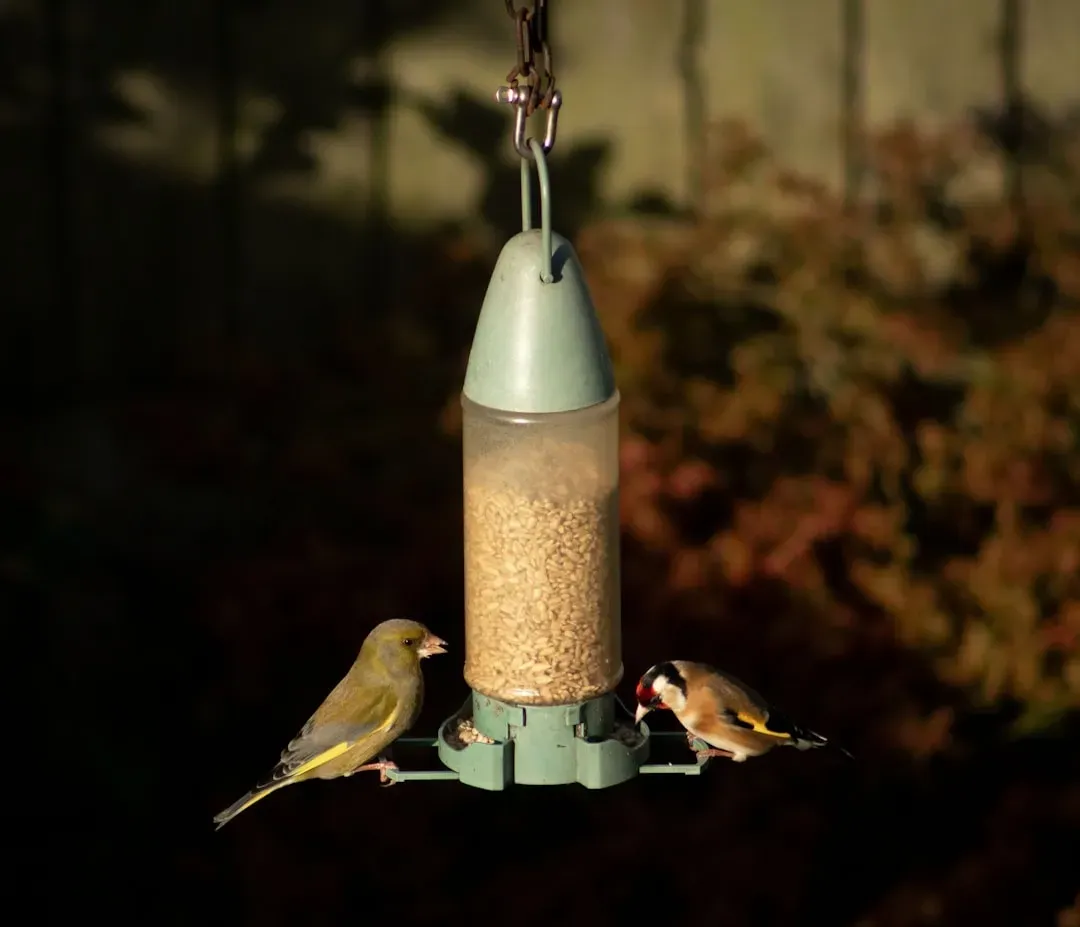
Let’s be real, nobody pictures the downside when they’re unboxing that charming wooden feeder. The mess alone can be genuinely shocking for first-timers.
Commercial bird seed is rife with fillers to bulk it out, such as red millet and sorghum. Birds have a habit of picking these out and discarding them. The downside of all this is that a lot of that seed bypasses the birds’ beaks and bellies and ends up scattered across your yard.
Bird seed is problematic in a well-kept lawn because it has a habit of sprouting and leaving weeds that can spread like wildfire. In next to no time, where once there was lush, green grass, you’ll have an army of weeds to contend with. Not exactly the serene garden vibe you were going for.
One of the biggest problems with bird feeders is their often costly price tag and their required levels of upkeep. Bird feeders aren’t something you can simply buy, hang in the yard, and forget about. They need constant cleaning and restocking if you want them to work in the manner they’re designed for, and more importantly, to keep them safe for visiting birds.
The feeders themselves should be thoroughly cleaned at least once a month, while the ground below them should be swept or raked as often as possible to prevent any accumulation. For many people, that maintenance commitment quietly turns a joy into a chore.
Feeding Birds Can Actually Disrupt Their Natural Behavior
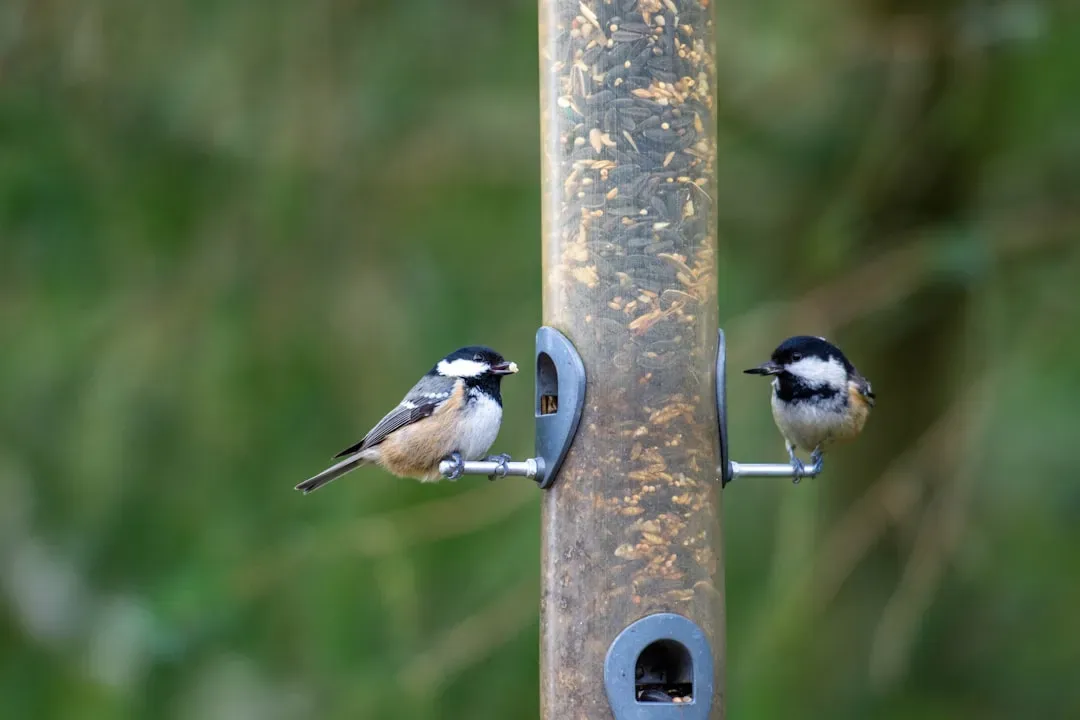
This is probably the most surprising downside of all, and the one that rarely comes up in casual conversation. I think most people assume that giving birds free food is pure generosity. The ecology tells a different story.
Dependable human-supplied meals can alter wild animals’ behavior. In one study, Spanish White storks skipped their typical North-African winter migration in favor of sticking around their landfill-loaded breeding grounds. A free lunch changes the math of survival in ways we don’t fully understand yet.
Sick birds that would normally be subject to migratory culling, meaning they wouldn’t survive the flight, are allowed the chance of continued life, becoming a constant source of exposure to their peers. In other words, the feeder can keep ailing birds in circulation, inadvertently amplifying disease spread through a population.
Regular feeding can lead to wildlife losing their natural fear of humans. Once that boundary dissolves, interactions with wildlife become harder to manage and potentially more dangerous. Think of it like feeding a stray cat. It seems kind at first, then suddenly there are six cats and no going back.
Bird feeding is fine, as long as feeders are viewed as supplements to, not replacements for, native habitat. Planting native vegetation, it turns out, may be far more beneficial for local bird populations than any bag of seed.
Conclusion: Beautiful Habit, Real Consequences
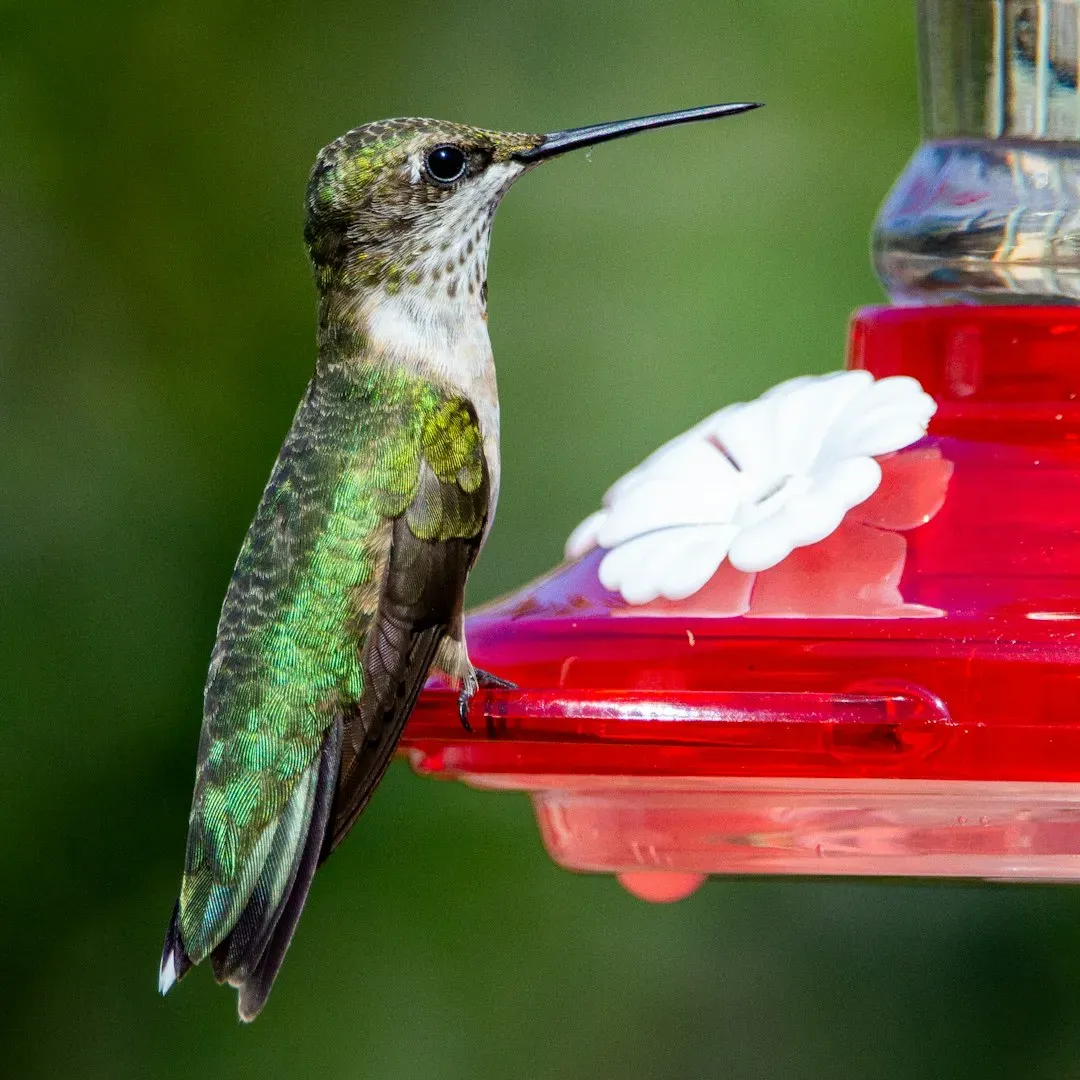
There’s no need to demonize the humble bird feeder. The joy it brings is real, and for many people, watching birds is one of their most meaningful connections to the natural world. That connection matters.
Still, the full picture is worth knowing. Uninvited rodents, surging predator activity, spreading disease, creeping weeds, and disrupted migration patterns are not minor footnotes. They are genuine consequences that come bundled with every feeder.
The good news is that most of these risks can be managed with consistent cleaning, smarter feeder design, and a little awareness. Bird feeding is fine as long as feeders are viewed as supplements to, not replacements for, native habitat. Wildlife needs habitat, not handouts. Native plants supply not only seeds but fruits, nuts, nectar, pollen and the insects the vast majority of backyard birds need as a primary food source.
Perhaps the most honest takeaway is this: feeding birds is ultimately something we do for ourselves, not for the birds. And there’s nothing wrong with that, as long as we go in with open eyes. So before you fill that feeder again, ask yourself: are you truly helping your feathered visitors, or just creating a beautiful problem? What do you think? Drop your thoughts in the comments below.

- 8 Signs Your Pet Is Trying to Tell You Something Important (and How to Listen) - July 22, 2026
- 15 Dog Behaviors That Are Actually Signs of Affection (Not Mischief) - July 22, 2026
- 10 Fierce Facts About Jaguars - July 22, 2026