
Think about the last time you got lost without your phone. Stressful, right? Now imagine crossing an entire ocean, navigating thousands of miles through open skies or dark water, with no map, no signal, and no one to ask for directions. That is the everyday reality for countless animals on this planet. They do it flawlessly, season after season, generation after generation.
What is perhaps even more mind-blowing is how they pull it off. Some see invisible forces. Others hear frequencies we can’t detect. A few literally feel the electricity in the air. The natural world is brimming with navigational superpowers that make our smartphone GPS look almost embarrassingly primitive. Let’s dive in.
The Magnetic Sixth Sense: Nature’s Built-In Compass
Here’s the thing that still blows scientists’ minds: a huge variety of creatures can literally feel the Earth’s magnetic field. Magnetoreception is a sense which allows an organism to detect the Earth’s magnetic field, and animals with this sense include arthropods, molluscs, and vertebrates such as fish, amphibians, reptiles, birds, and mammals. That is not a small list. That is almost everyone.
Earth’s magnetic field provides animals with different sorts of information, which can be used for different purposes in navigation, as compasses and as maps. Think of it this way: it is as if every tree, whale, and butterfly has access to a live feed of planetary data. We walk around completely oblivious to the same invisible signal.
The planet is basically a bar magnet with two poles, which produces the polarity that gives direction to a compass, while magnetic intensity varies across the globe. That geomagnetic field is always present and, unlike the sun or stars, it gives navigational cues for both the map and the compass. That dual function, serving as both a map and a compass at once, is something no human technology managed to replicate in a biological system.
Homing Pigeons: Living Mail Carriers With an Impossible Skill
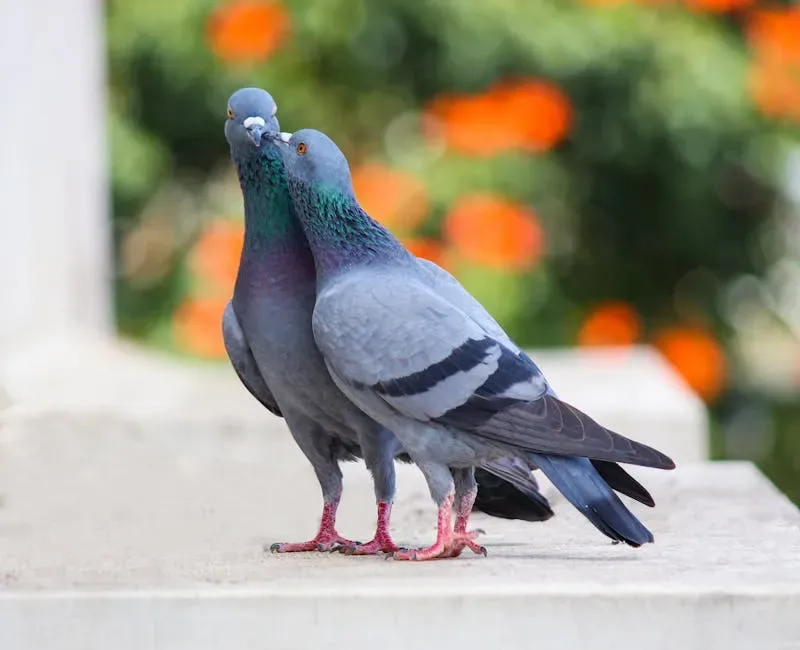
Homing pigeons are famous for being able to navigate extremely long distances, and their homing reliability was so trusted that they were used in World War I and World War II to deliver messages over enemy lines. Honestly, that fact alone deserves a moment of appreciation. Soldiers trusted their lives to birds.
Researchers have discovered a small spot on the beak of pigeons and some other birds that contains magnetite, a magnetized rock, which may act as a tiny GPS unit for the homing pigeon by giving it information about its position relative to Earth’s poles. Tiny particles of mineral rock. Functioning like a satellite receiver. Inside a bird’s face.
William Keeton showed that time-shifted homing pigeons are unable to orient themselves correctly on a clear, sunny day, attributed to time-shifted pigeons being unable to compensate accurately for the movement of the sun. Conversely, time-shifted pigeons released on overcast days navigate correctly, suggesting that pigeons can use magnetic fields to orient themselves. So on cloudy days, pigeons actually perform better. I know it sounds crazy, but the magnetic sense kicks in when vision fails.
Sea Turtles: Returning Home Across Entire Oceans
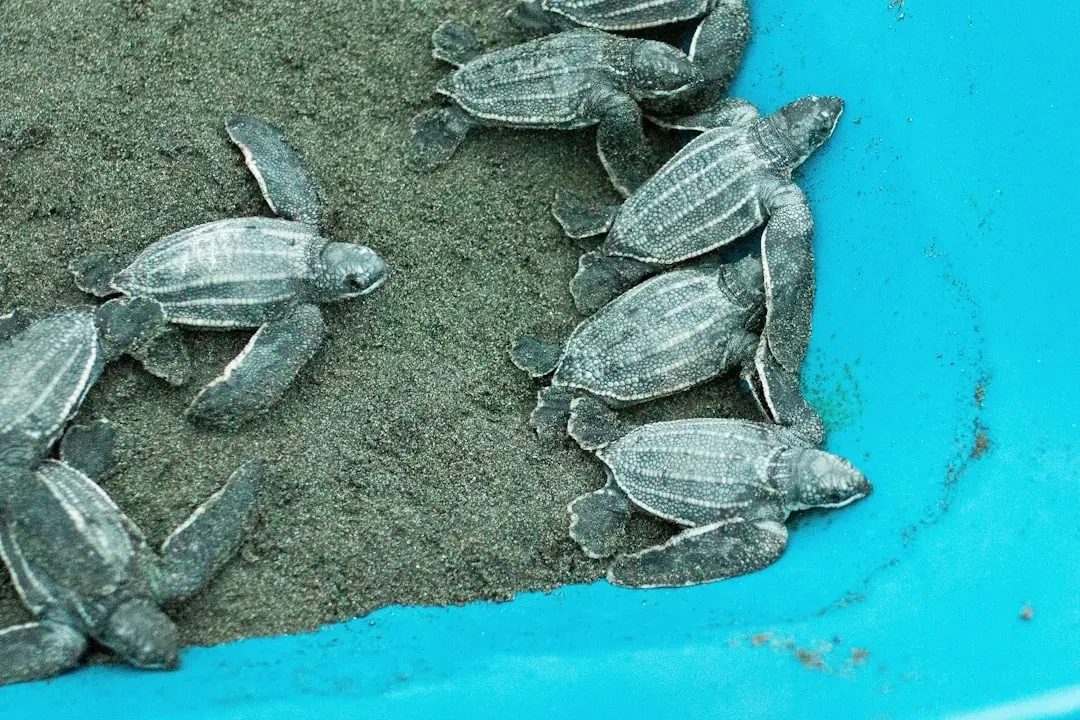
As hatchling turtles make their way to the ocean, they are in geographic learning mode, sensing the Earth’s magnetic fields and feeling the ocean currents, which they store in their brains until instinct brings them back years later. Ridley Sea Turtles make one of the greatest migrations amongst the animal kingdom, with most species swimming thousands of kilometres to lay their eggs in the same sand where they were born.
Turtles swam in different directions when exposed to magnetic fields that exist at different locations along their migratory route, demonstrating that they can use Earth’s field to assess their geographic position in the ocean. Researchers proved this in lab conditions. Change the magnetic field, and the turtle changes course. The precision is staggering.
Species like sea turtles, salmon, spiny lobsters, and homing pigeons may use magnetite-based sensors to determine not just direction but also position, functioning somewhat like an internal GPS that helps guide long-distance migrations with remarkable precision. What gets me is that a turtle that hatched on a beach in Costa Rica can find that same stretch of sand years later, after years spent roaming the open Atlantic. That is not instinct alone. That is a full navigational system.
Migratory Birds and the Quantum Compass in Their Eyes
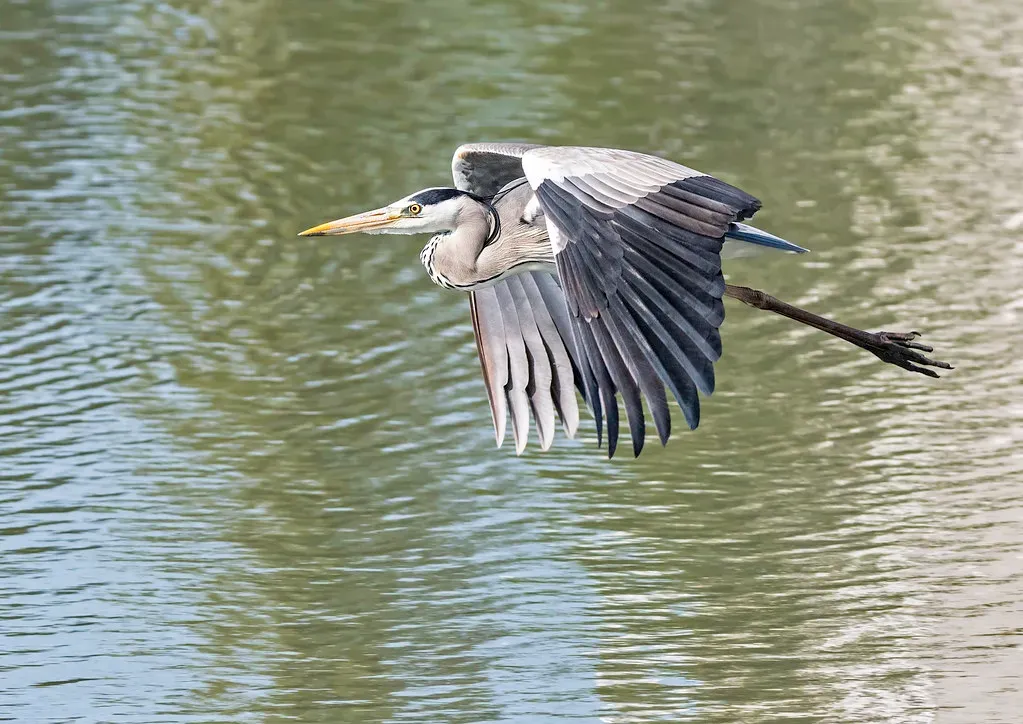
This one sounds like science fiction. Experiments on migratory birds provide evidence that they make use of a cryptochrome protein in the eye, relying on the quantum radical pair mechanism to perceive magnetic fields. This effect is extremely sensitive to weak magnetic fields, and readily disturbed by radio-frequency interference, unlike a conventional iron compass.
In birds, cryptochromes are concentrated in the retina, where they detect directional information via light-dependent chemical reactions. Light excites cryptochrome molecules in the eye, creating reactive pairs of electrons whose spin states can be subtly altered by Earth’s magnetic field. These spin changes affect the outcome of chemical reactions. The resulting visual signals may produce an overlay, a sort of magnetic “filter” in the bird’s field of vision, revealing directional information.
In other words, some birds may literally see the magnetic field as a visual overlay, like a heads-up display in a fighter jet. Research at the University of Oldenburg found that a brain region called Cluster N, which receives and processes visual information, is by far the most active part of the brain when certain night-migrating birds are using their magnetic compass. If Cluster N is dysfunctional, research in migratory European Robins showed the birds can still use their sun and star compasses, but they are incapable of orienting using Earth’s magnetic field. Multiple backup systems. Nature doesn’t mess around.
Monarch Butterflies: The Tiniest Long-Haul Navigators
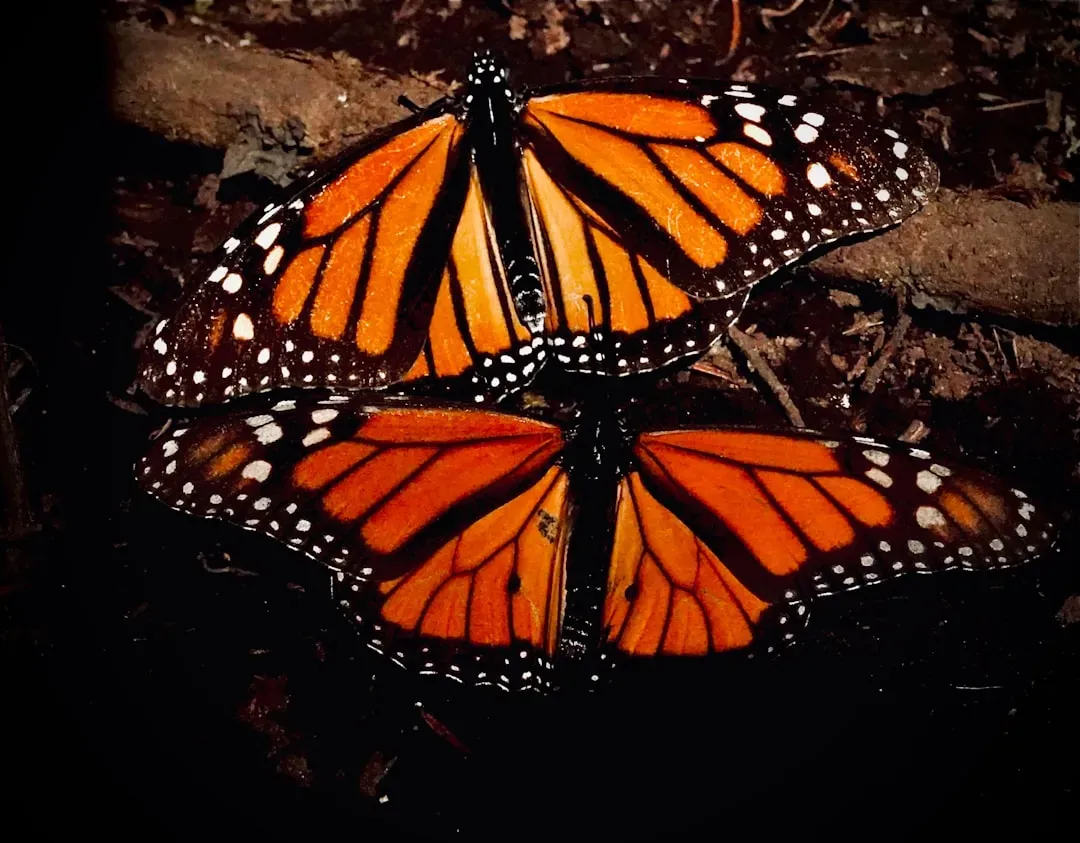
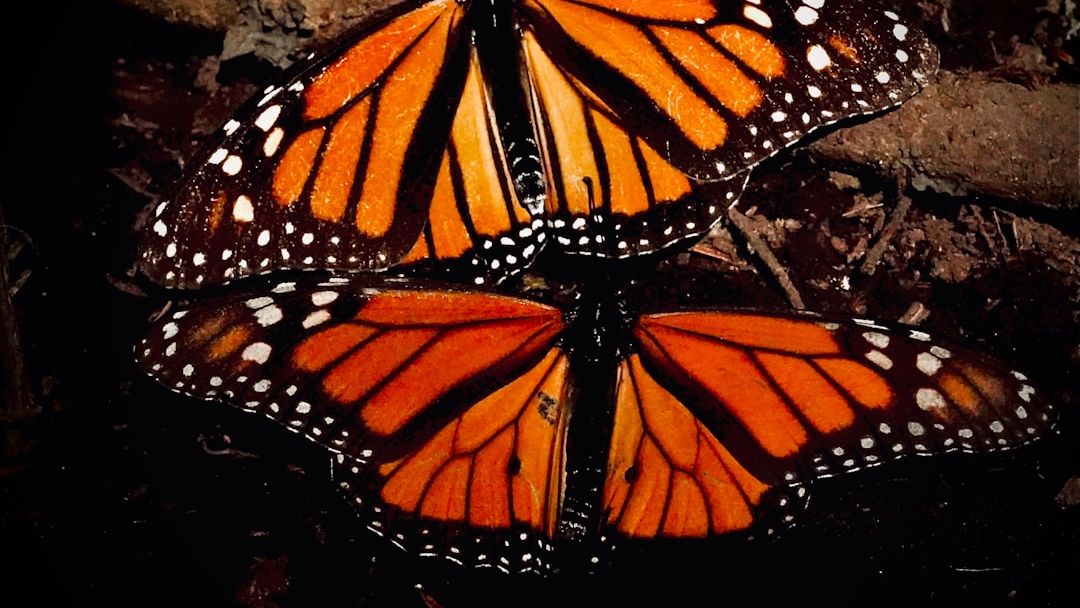
Migrating monarch butterflies use a time-compensated sun compass to navigate from eastern North America to their overwintering grounds in central Mexico. That is a journey of thousands of miles, achieved by an insect that weighs less than a paperclip. Worth pausing on that for a second.
Skylight cues, such as the sun itself and polarized light, are processed through both eyes and are integrated in the brain’s central complex, the presumed site of the sun compass. Time compensation is provided by circadian clocks that have a distinctive molecular mechanism and that reside in the antennae. Their antennae are essentially biological clocks that synchronize the compass. The whole system is layered and redundant in the best possible way.
The butterflies are known to be able to use polarized light on partly cloudy days to calculate the position of the sun. They still fly in the right direction on completely overcast days. This is likely thanks to a sort of magnetic compass also in the insect’s brain. Multiple systems, all working together in a brain smaller than a pinhead. It is genuinely humbling.
Salmon: Following the Scent of Home
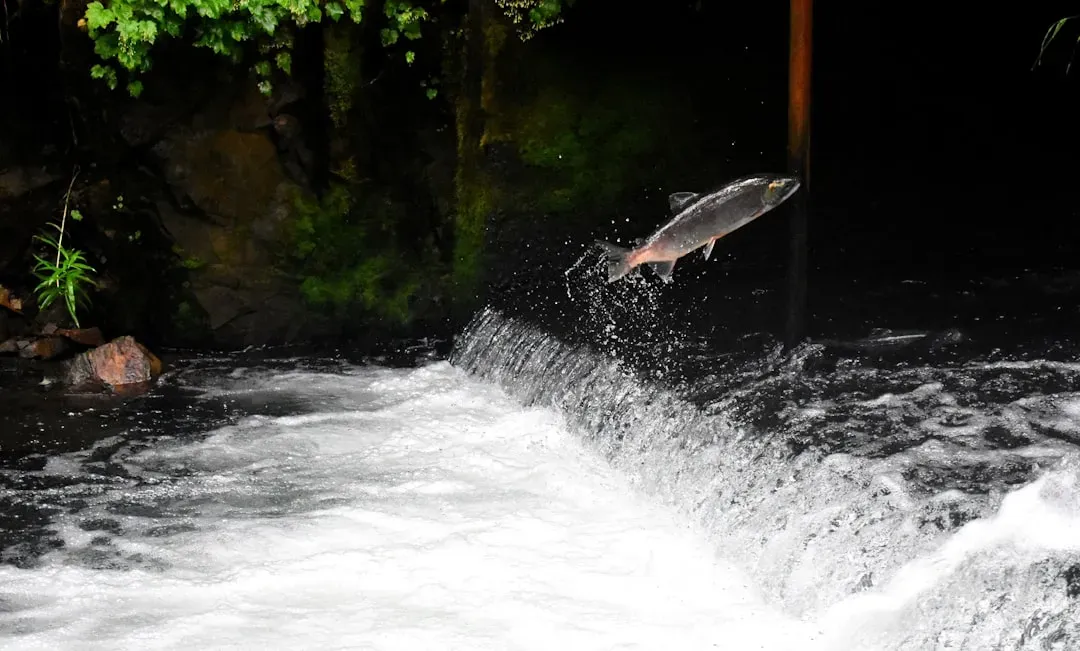
Salmon hatch in freshwater streams and swim towards the ocean. After hatching, salmon cover thousands of miles before eventually returning to lay eggs in natural streams. Years later, salmon head back to the freshwater streams that they call home. That journey home is one of the most emotionally powerful migration stories in nature, if you ask me.
Salmon use scents in rivers to find spawning areas to lay their own eggs, in the same area where they were hatched. There is something poetic about the idea of a salmon carrying the chemical memory of its birthplace across thousands of miles of open ocean, holding onto it like a mental postcard. The olfactory memory involved is extraordinary.
Sea turtles, salmon, and a few other animals use magnetic cues to navigate during long-distance migrations. So salmon use both smell and magnetism, combining two completely different sensory systems to triangulate their way home with almost flawless accuracy. It’s a navigational double act that scientists are still working to fully understand.
Sharks: Sensing Electricity and Using It to Navigate
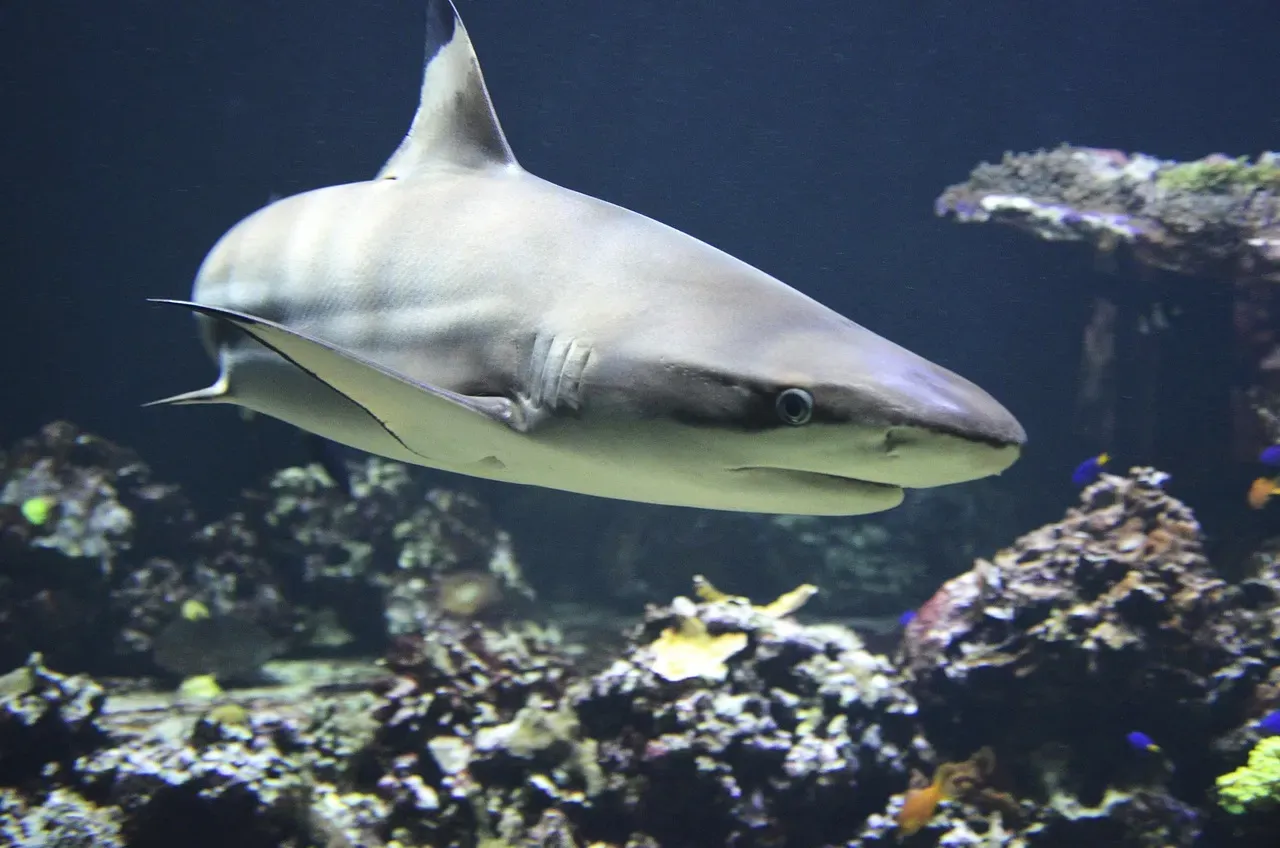
If there is one animal that genuinely seems like it came from another planet in terms of its senses, it is the shark. Electroreception is the ability to detect electrical fields in the environment. It’s a genuine sixth sense that humans completely lack, used by hundreds of species to find food, navigate, and communicate. Sharks are the most famous example, capable of sensing voltage changes as small as 0.05 microvolts per centimeter.
Sharks possess an intricate network of electroreceptors called ampullae of Lorenzini, which detect minute electrical fields generated by all living organisms. These specialized organs, appearing as small pores dotting their snouts, allow sharks to navigate, hunt, and interact with their environment with extraordinary precision, even in complete darkness. Even in pitch black. Even under sand. There is essentially nowhere to hide.
A shark swimming from north to south will detect very little change in the electrical field because it is running in parallel to the Earth’s own magnetic field. But when they change direction, they produce a different electric field around their head and know which way they are moving based on the magnitude of that field. Scientists believe this is how sharks are able to navigate huge distances across the oceans, often without any visual cues or landmarks. Navigation and hunting rolled into one biological system. Efficient beyond words.
Foxes: Using Magnetic Fields Like a Precision Rangefinder
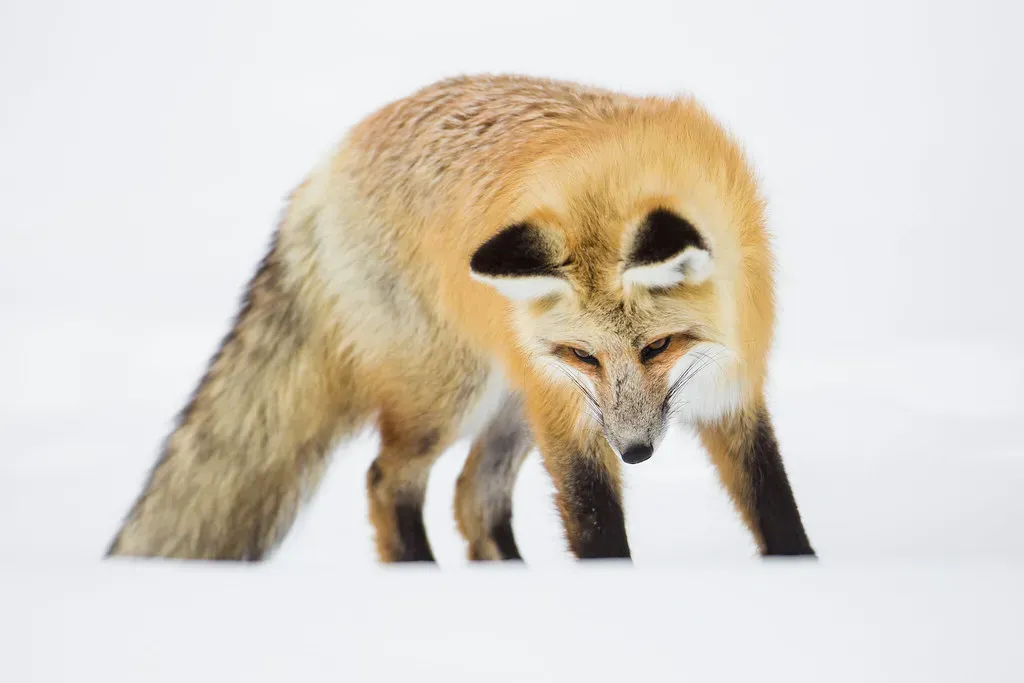
This one genuinely surprised me when I first came across it. Red foxes hunting small animals such as rodents show a specific behavior known as “mousing,” where they listen for a mouse and approach the area slowly, then jump high to surprise prey by falling from above, using magnetoreception to help them catch their prey. Biologists have found foxes prefer to direct their jumps in the northeastern direction.
Research has hypothesized that magnetic alignment in foxes helps the animals to estimate distances to their prey. The fox uses the Earth’s magnetic field like a rangefinder used for golf or hunting to accurately estimate their distance to its prey. It uses the magnetic field as a built-in laser distance measurer. That is not navigation across continents, but it is arguably one of the most creative uses of a magnetic sense in the animal kingdom.
Foxes use a protein in their eyes known as cryptochrome which is sensitive to the Earth’s magnetism. This has been known to allow them to see the Earth’s magnetic field as a patch within their vision. So the fox literally has a magnetic overlay in its eyesight that helps it calculate jump distance. The more you learn, the stranger and more wonderful it all becomes.
Humpback Whales: Navigating Straight-Line Routes Across Entire Ocean Basins
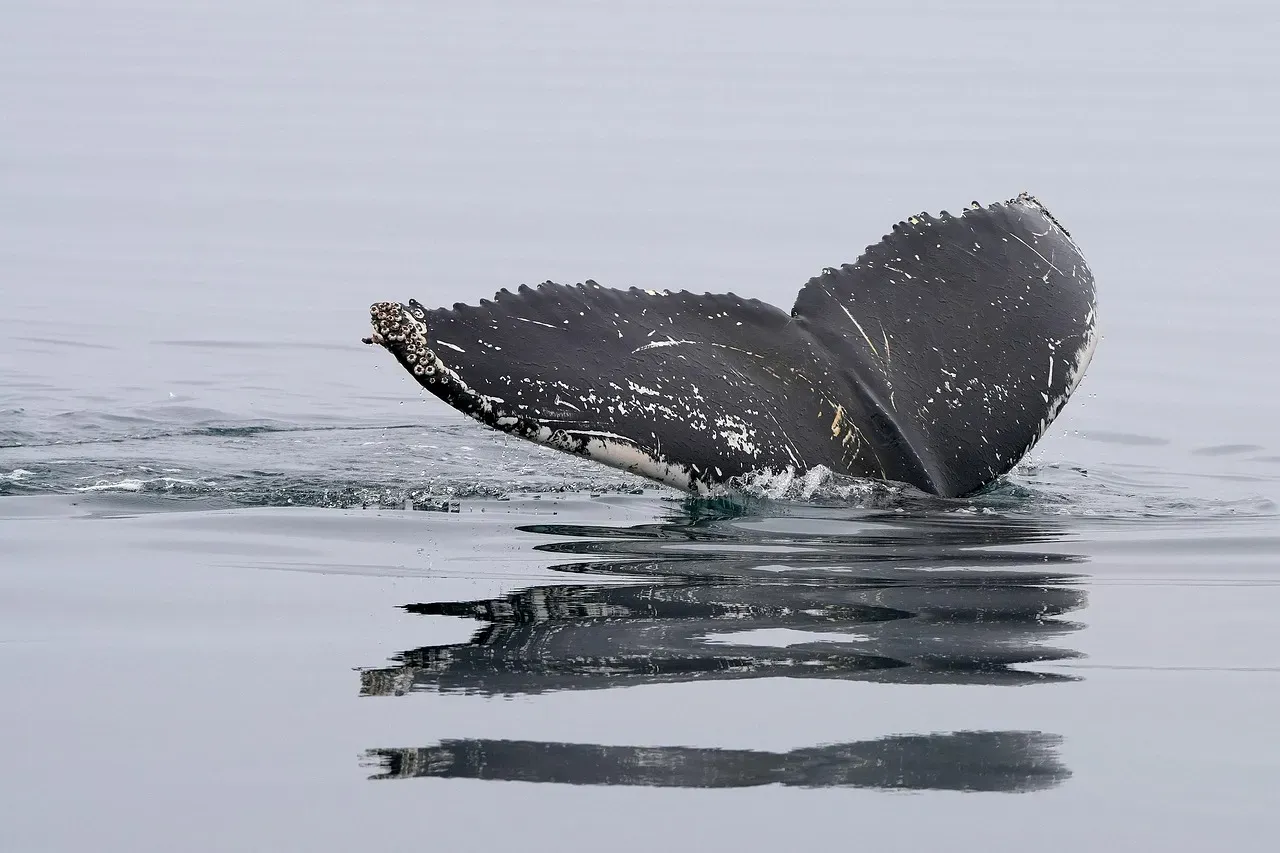
Let’s talk about scale. The humpback whale holds the record for the longest migration on Earth. Humpbacks have been tracked making a journey over 9,500 kilometres from breeding areas in Brazil all the way to Madagascar. That is roughly the distance from New York to London, twice over, completed across open ocean without a landmark in sight.
Humpbacks exhibit high route fidelity, meaning year after year they travel in near-straight lines using the exact same route with outstanding accuracy. Near-straight lines. Across 9,500 kilometres of featureless open water. That level of precision is almost incomprehensible. Whales are known to have a small quantity of magnetite in their skull, which is believed to help them use the Earth’s magnetic field for navigation.
Whales also use sound to tell each other where they are and where they are headed. So it is not just magnetism. Whale song, those haunting, beautiful vocalizations, may actually serve a practical navigational function. The ocean, dark and vast as it is, becomes a communication network for these ocean giants.
Desert Ants and Honeybees: Small Creatures, Extraordinary Internal Maps
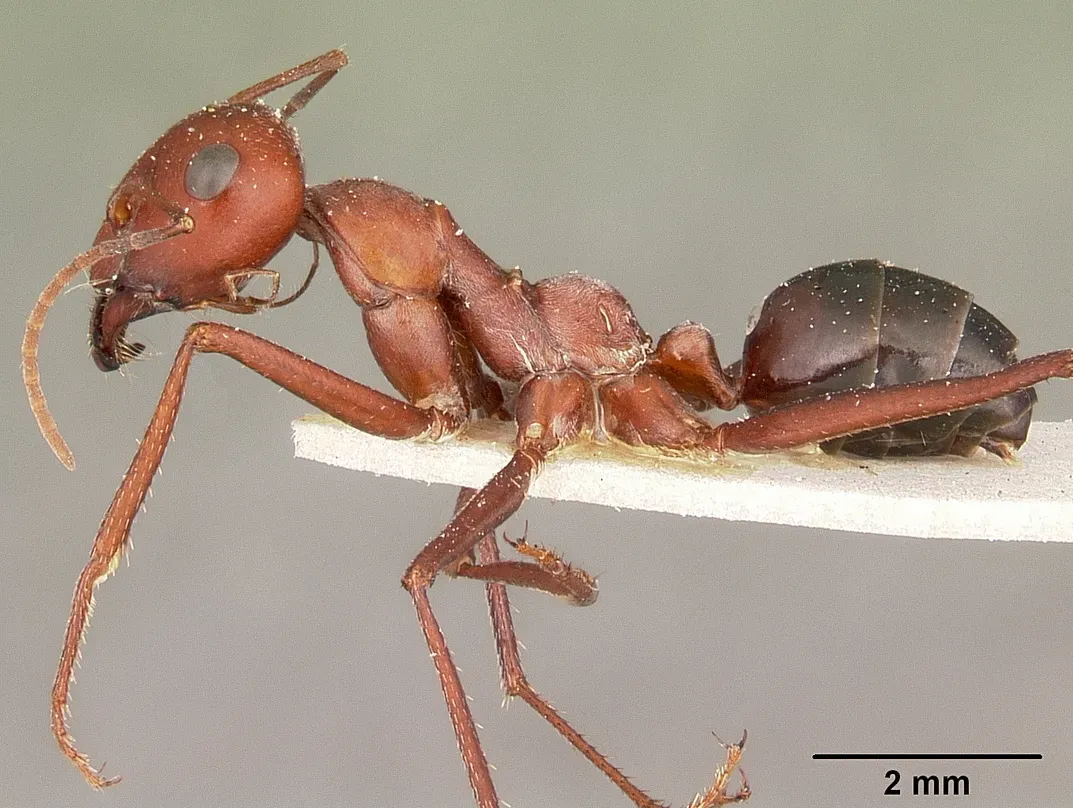
You don’t need to be large to be a masterful navigator. Desert ants are practically legendary in the research community. Desert ants use environmental olfactory cues and odour plumes, clouds of scent dispersed by the wind moving odour molecules, to navigate their way both to food sources and back to their nests. In a featureless desert, that is a remarkable feat of spatial awareness.
Butterflies and bees can perceive polarized light, or light waves that move in only one direction. Bees use their perception of polarized light to navigate to and from their hives. Some scientists have suggested that butterflies may use polarized light to move around their habitat and to migrate. Polarized light is invisible to the human eye. Yet bees use it as casually as we might use a road sign.
Magnetoreception has been studied in detail in insects including honey bees, ants and termites. Even termites. The deeper scientists look, the more it seems like magnetic sensing is not the rare exception but closer to the rule across the animal kingdom. The humble ant navigating a featureless landscape with a built-in magnetic compass is, in its own quiet way, breathtaking.
Migratory Songbirds and the Star Compass

Migratory songbirds use a star compass, knowing that dots of light in the night sky rotate around a centre corresponding to north or south depending on the hemisphere. These birds do not simply look up and follow a single star the way sailors once followed Polaris. They identify the rotational axis of the entire night sky.
By blocking out different constellations during experiments, researchers found that birds could still orient themselves. Only by blocking a specific star, such as the North Star, did researchers discover that birds are finding a point of axis and using this to monitor changes to the sky. It is an extraordinarily sophisticated spatial skill. Think of it as the bird running a live analysis of the entire sky rotation and extracting a single bearing from the pattern.
Migratory birds regularly recalibrate their night compass by reference to the magnetic compass in order to take account of changes in the configuration of constellations as the migratory bird moves south in autumn and north in spring. So the star compass and the magnetic compass are not two separate tools. They talk to each other, check each other, and stay synchronized throughout the entire journey. By combining magnetic, solar, star, and olfactory cues, birds continuously correct their paths, ensuring they reach their destinations despite weather changes or challenging terrain. It is a navigational symphony, and we are only just beginning to read the sheet music.
Conclusion: Nature Had GPS Long Before We Did

The more you look into how animals find their way, the more humbling it becomes. We spent billions of dollars building satellite networks to achieve what a butterfly or a sea turtle accomplishes with nothing more than biology, instinct, and a few specialized proteins.
A vast array of species, from beetles to birds to dogs, demonstrate amazing abilities to travel long distances without the use of electronic GPS, something many humans have perhaps become over-reliant upon. That line hits differently when you’ve just read about salmon navigating by magnetic maps and foxes using quantum chemistry in their eyes to estimate jump distances.
There is something worth sitting with here. These animals are not outliers or evolutionary flukes. They are the norm. The natural world is saturated with navigational intelligence so elegant, so layered, and so perfectly adapted to its environment that our best technology is still playing catch-up. The planet’s magnetic field, its stars, its electric currents, its chemical signatures, every one of these has been put to use by creatures that never once needed a charging cable.
Next time you lose cell signal and panic, just remember: somewhere out there, a monarch butterfly weighing less than a dollar bill is navigating from Canada to a specific grove of trees in Mexico. Without Wi-Fi. What would you have done in its wings?

- 7 Greatest Cosmic Threats to Life on Earth - July 23, 2026
- Abandoned and Unwanted This Dog Has Been Chained Up For 8 Years With No Socialization - July 23, 2026
- The Cheetah: The Speed King of the Animal Kingdom - July 23, 2026