
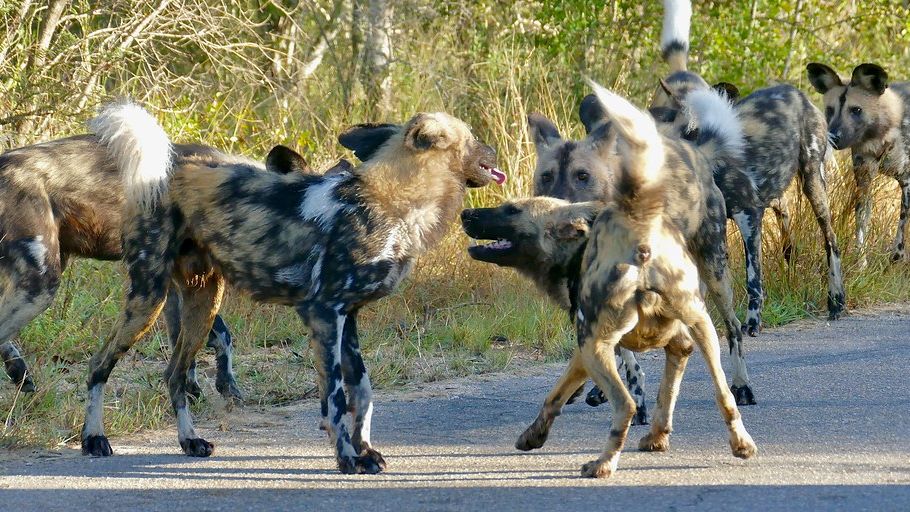
Picture this: a pack of sleek, spotted dogs huddled together, ears twitching, tails wagging furiously. Suddenly, sneezes erupt like tiny explosions amid excited chatter. These aren’t allergies kicking in. They’re votes on whether to chase down dinner.
Researchers uncovered this bizarre yet brilliant system in Africa’s wilds. It turns out sneezes hold the key to group decisions for these endangered hunters. Let’s dive into the details that make this discovery so fascinating.[1][2]
The Study That Blew Everyone Away
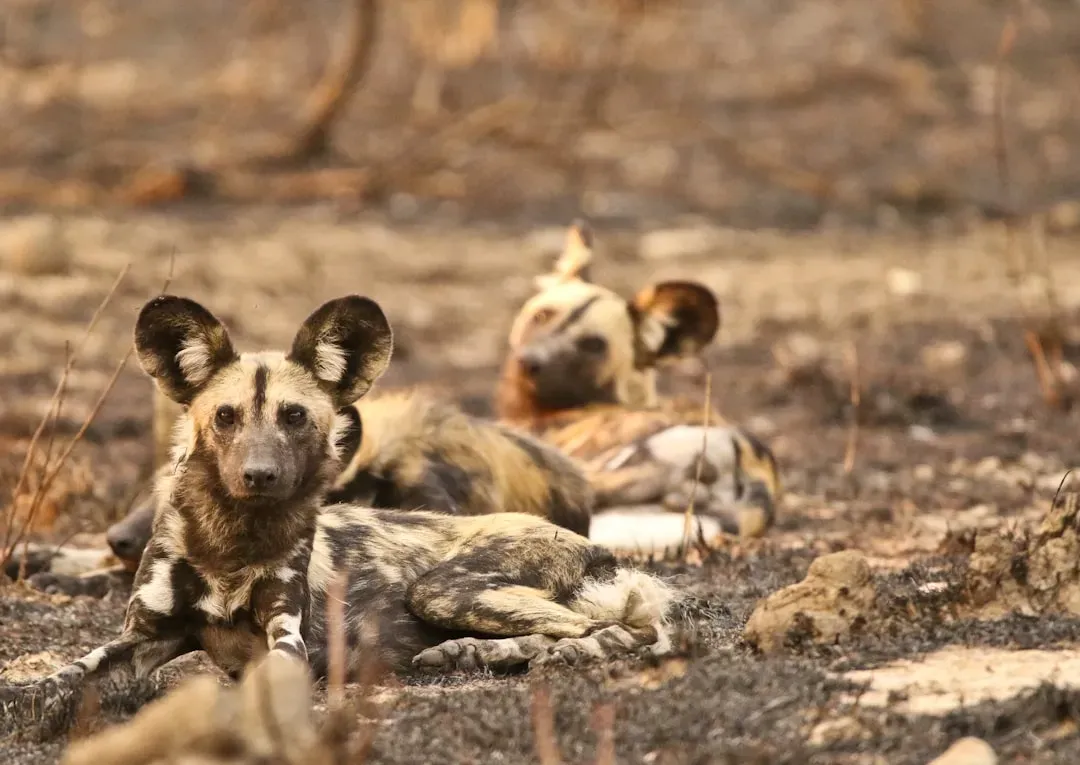
Scientists from Swansea University, along with teams from Australia and the US, headed to Botswana’s Okavango Delta. They watched five packs of African wild dogs over months at the Botswana Predator Conservation Trust. What they documented challenged everything we thought about canine communication.[3]
The team recorded 68 social rallies in total. These gatherings happen right before big moves, like hunts. Sneezes emerged as the star signal, predicting if the pack would bolt or stay put.[2]
Honestly, who would’ve guessed a sneeze could sway a whole pack? Yet the data showed clear patterns. Successful rallies averaged over seven sneezes, while flops had barely one.[2]
Social Rallies: The Pre-Hunt Party
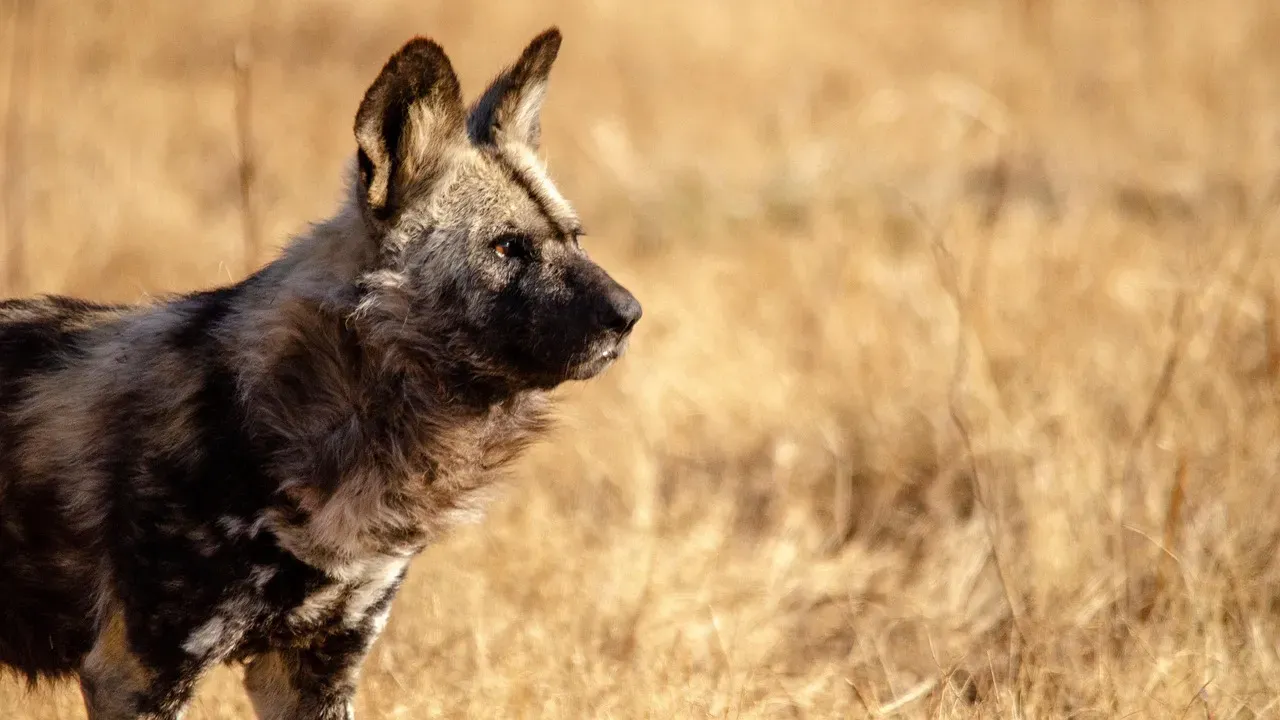
African wild dogs, or Lycaon pictus, live in tight-knit packs of up to 40 members. Before hunting, they kick off with these lively social rallies. Everyone greets each other with twitters, twitter-patters, and body slams. It’s pure energy, building consensus.[3]
Not every rally leads to action. Packs rest after meals or regroup at dawn. The real decider? Those explosive sneezes amid the chaos.
Think of it like a family meeting where excitement boils over. The more “yes” sneezes, the quicker they hit the trail. Fewer, and they lounge longer.[1]
Researchers noted sneezes peak just before departure. This timing screams intention. No coincidence here.[2]
Sneezes: One Vote Per Honk
Each sneeze counts as a vote in this democratic dash. The total tally determines if the hunt launches. More sneezes mean higher odds of success, plain and simple.
Stats from the study paint a vivid picture. Rallies with lots of sneezes almost always ended in movement. Low sneeze counts kept the pack stationary.[2]
Here’s the thing: sneezes aren’t random. They’re deliberate signals, like raised hands in a vote. Packs boast an 80 percent hunt success rate, thanks to this buy-in.[4]
I know it sounds wild, but data doesn’t lie. This voting flips the script on dominant-led packs.
Dominants Tip the Scales, But Not Always
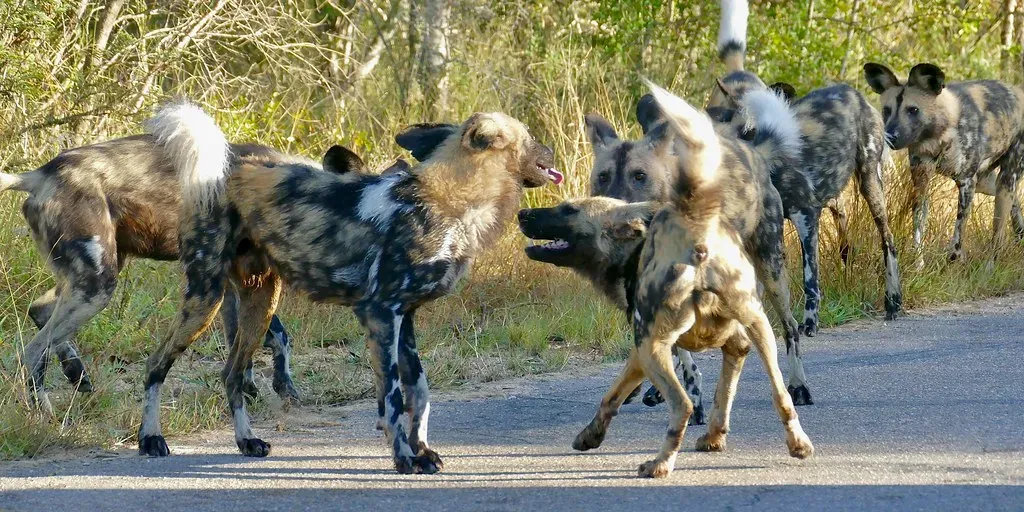
Dominant dogs hold sway, yet subordinates push back with numbers. If the top dog starts the rally, just three sneezes seal the deal. Lower-ranked starters need ten or more.[1]
This variable quorum keeps things fair. Dominants boost chances, but the group’s will prevails with enough sneezes. No single boss overrides the majority.
Imagine a boardroom where the CEO’s vote weighs double, but employees can outvote anyway. That’s the vibe. It fosters unity crucial for survival.[2]
Rallies initiated by alphas never failed with at least three sneezes. Power matters, but consensus rules.
Why This Matters for Wild Dogs Today
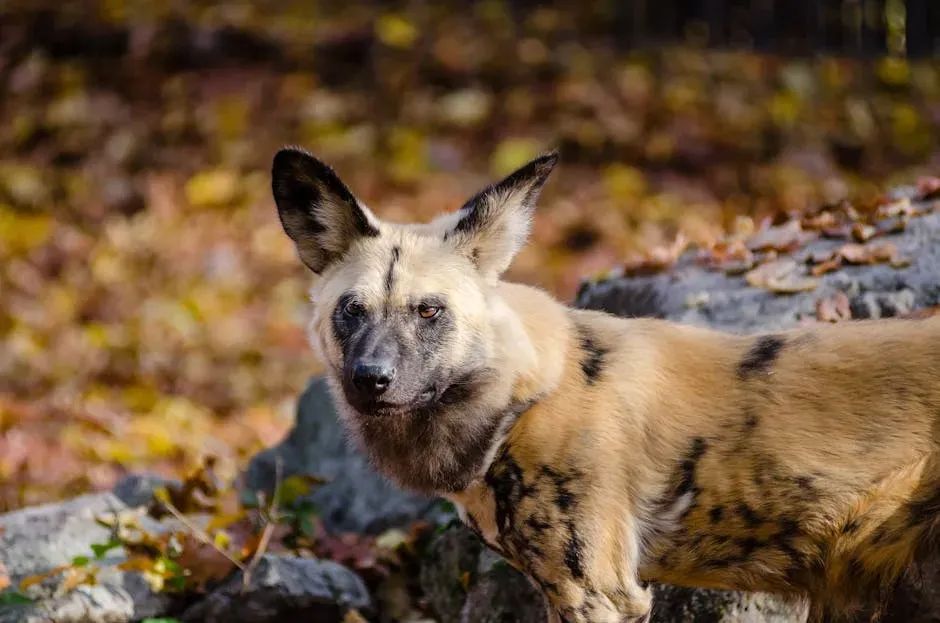
African wild dogs face steep declines from habitat loss and human conflict. Understanding their social smarts aids conservation. Packs need space for these rallies to thrive.[3]
This sneeze system highlights their cooperative edge. High hunt success stems from group agreement. Disrupted rallies could spell trouble.
Researchers call sneezes a fresh communicative tool. It bridges despotic and democratic traits. Protecting these packs preserves a unique wild democracy.
Next time you sneeze, think of these hunters. Their method ensures everyone signs on before the chase. What a lesson in teamwork.

- 10 Amazing Facts About Penguins - July 24, 2026
- 8 Ways to Create a Wildlife-Friendly Backyard Oasis for Local Critters - July 24, 2026
- How to Keep Your Pet Safe from Household Hazards - July 24, 2026