
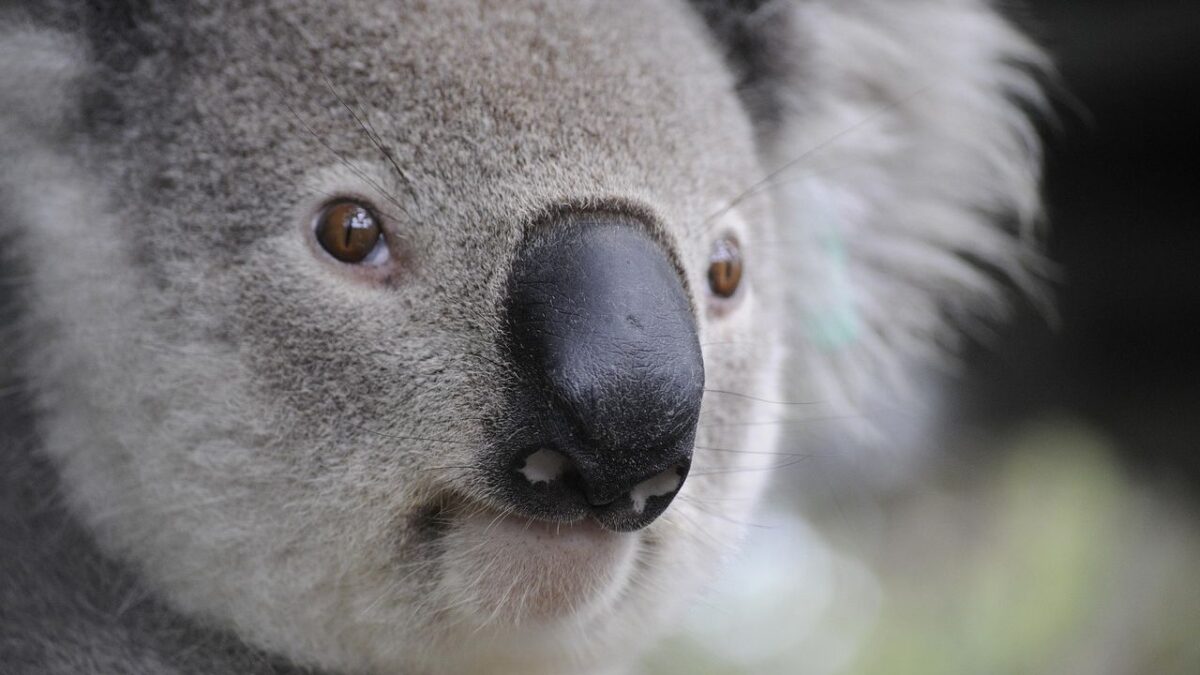
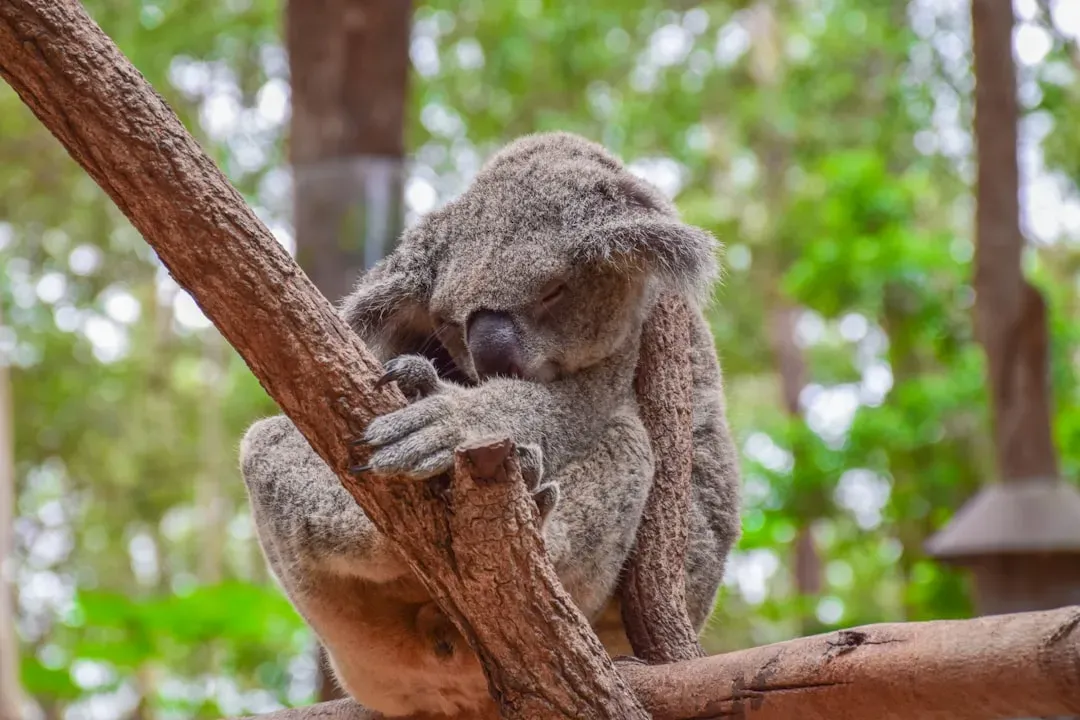
Picture a fluffy, round-eared creature dozing peacefully in the fork of a eucalyptus tree, looking for all the world like a stuffed animal that someone left behind in the treetops. That is the koala most people know. Peaceful. Slow. Drowsy. Honestly, kind of adorable.
But here is the thing – beneath that cuddly exterior lives an animal engaged in a surprisingly sophisticated, and sometimes brutal, campaign for dominance. Scent. Sound. Claws. The works. Welcome to the world of koala territorial warfare, where the battles are often won not with teeth, but with stench.
If you think this sounds too wild to be true, you are in for a serious surprise. Let’s dive in.
The Koala’s Secret Weapon: A Chest Full of Stink
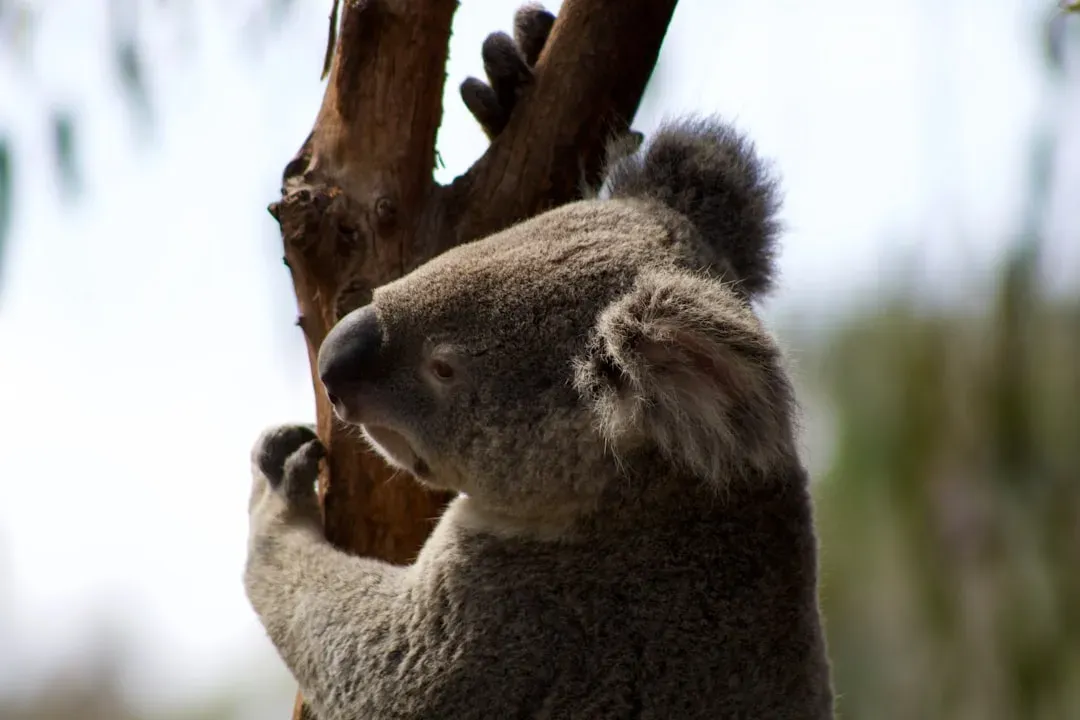
Forget what you thought you knew about these eucalyptus-munching marsupials. Male koalas carry a large, bare-skin gland right in the centre of their chests, and mature males develop the most prominent version of this sternal scent gland, from which a sticky, oily secretion oozes out. It is their calling card, their warning sign, and their weapon – all rolled into one pungent, waxy patch.
The koala rubs his chest onto tree trunks, leaving an oily stamp of ownership, and this stamp communicates to every koala that comes near how big the marker is, how often he visits, and when he was last there. Think of it like a living, smellable Facebook profile. Except instead of a profile picture, it is a dark, oily smear on a gum tree.
Koala scent varies by age and sex, with adult males producing stronger, musky odors used for communication and territory marking. Younger males have far less developed glands. Scent glands in younger males are smaller and seem to grow as they approach maturity. So in a very real sense, the size and potency of a male’s scent gland is a direct signal of his power and age.
Reading the Trees: How Koalas Decode Scent Messages
Here is what makes all of this truly jaw-dropping. These scent deposits are not just simple “I was here” tags. They are complex chemical messages. The suite of scent compounds produced by this gland, both in complexity and quantity, is greatest during the mating season, suggesting that males might be communicating information on their presence, individual identity, health status, sexual maturity, dominance rank, and genetic makeup.
Research has demonstrated that male koalas can discriminate between the scent gland secretions of different unfamiliar individuals, and male koalas spend significantly more time investigating scent from unfamiliar males than familiar males, supporting the hypothesis that they differentiate between conspecifics based on familiarity. In other words, a koala approaching a strange tree is essentially reading the chemical biography of whoever marked it last.
Koalas can smell deposited scents for days, possibly even weeks after they have been left, and they can pick up minute differences in the scent chemistry to identify certain individuals. I think that is genuinely staggering. A message left on a tree, silently broadcasting for weeks. No noise. No confrontation. Just chemistry doing all the heavy lifting.
Home Turf: The Social Map of Koala Territories
Let’s be real – people assume koalas just wander around trees randomly. They absolutely do not. Koalas live in complex social groups and are, contrary to popular opinion, not migratory animals but highly territorial, with individual members of koala society maintaining their own home range areas.
A home range consists of a number of home range trees and food trees, which provide the koala with food, shelter, and places for social contact that will support it for the term of its natural life. These trees are everything. Lose them, and you lose your place in the social hierarchy.
What is especially eerie is what happens after a koala dies. Even after a koala has died, other koalas usually will not move into the empty home range for about a year, which is the time it takes for the scent markings and scratches of the old owner to disappear through weathering and the decortication of the bark. The ghost of a koala’s scent literally holds territory from beyond the grave. That is how powerful these chemical signals are.
Among dominant males, some have very large, long-term home ranges with almost no overlap with neighbouring males, while many other males have home ranges with a large degree of overlap, considered sub-dominant and not truly territorial. It is a layered social system, more like a feudal kingdom than a simple animal pecking order.
When Scent Is Not Enough: The Bellow and The Brawl
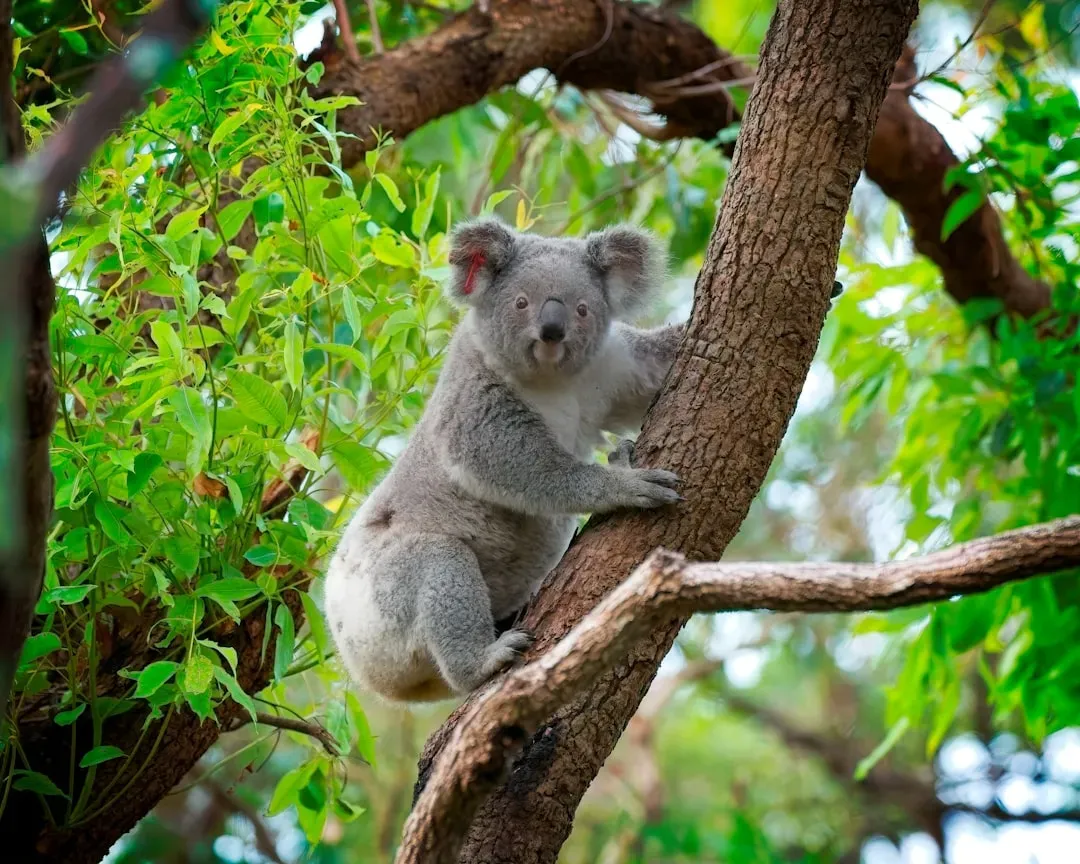
Sometimes, chemical warfare just does not cut it. When two males wind up in the same space, things can escalate fast. Despite their cuddly appearance, koalas can be quite aggressive when it comes to defending their territory, and male koalas are known to engage in fierce battles to establish dominance and secure a mating partner.
Before it comes to actual claws and biting, though, males have another tool. There is a deep grunting bellow which the male uses to signify its social and physical position, and males save fighting energy by bellowing their dominance while also allowing other animals to accurately locate their position. Picture it as a warning siren before the strike. A chance for a rival to back down.
These bellows are commonly referred to as a koala’s “bellow” and can be heard over a kilometre away, most often during the breeding season when males use them to establish territory and attract mates. When actual physical confrontations do occur, male koalas fight in a head-on collision manner, trying to bite each other, and the koala that gets injured gives up and runs away, though there has never been a documented fight to the death.
Aggression most often occurs when one animal enters an occupied tree, and the usual response to aggression is submission, with actual attacks between males involving major fights rarely observed. So yes, it can get violent – but the system is designed to avoid all-out war. Smart, honestly.
The Breeding Season: When the Stink Wars Hit Their Peak
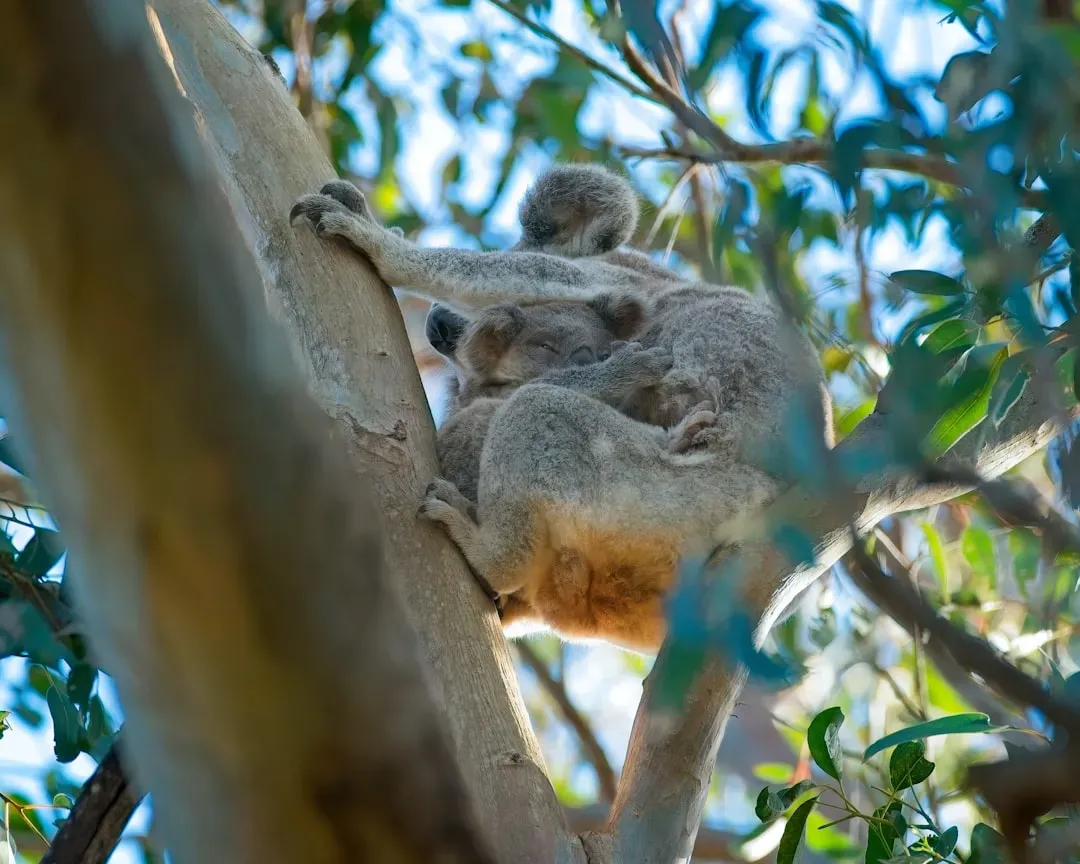
All of this territorial behaviour reaches a fever pitch during mating season. Koala scent marking becomes more frequent in the breeding season, and males are more likely to scent-mark a tree that has been occupied by another male. Think of it as a kind of aromatic arms race, where each male is desperately trying to out-scent his rivals.
Breeding season is when you are most likely to come across koalas fighting, as males become very territorial while looking for a mate and conflicts occur if one strays into another’s home range. The normally languid, sleepy-looking creatures suddenly have a reason to move fast and be bold.
Resident males appear to be territorial and dominant, and the territories of dominant males are found near breeding females, while younger males must wait until they reach full size to challenge for breeding rights. It is a patience game for the younger generation. Although male koalas reach breeding age at about two to three years old, they often will not mate until they are four or older, because they are not yet large enough to compete with older males.
The dominant male not only marks its territory but also sends warnings to rival males through his scent, with the secretion area clearly visible within the chest of the adult male koala, known as the sternal gland area. It is a full sensory assault, combining smell, sound, and the threat of physical force into one remarkably evolved communication system.
Conclusion: Never Underestimate the Sleeping Giant in the Gum Tree
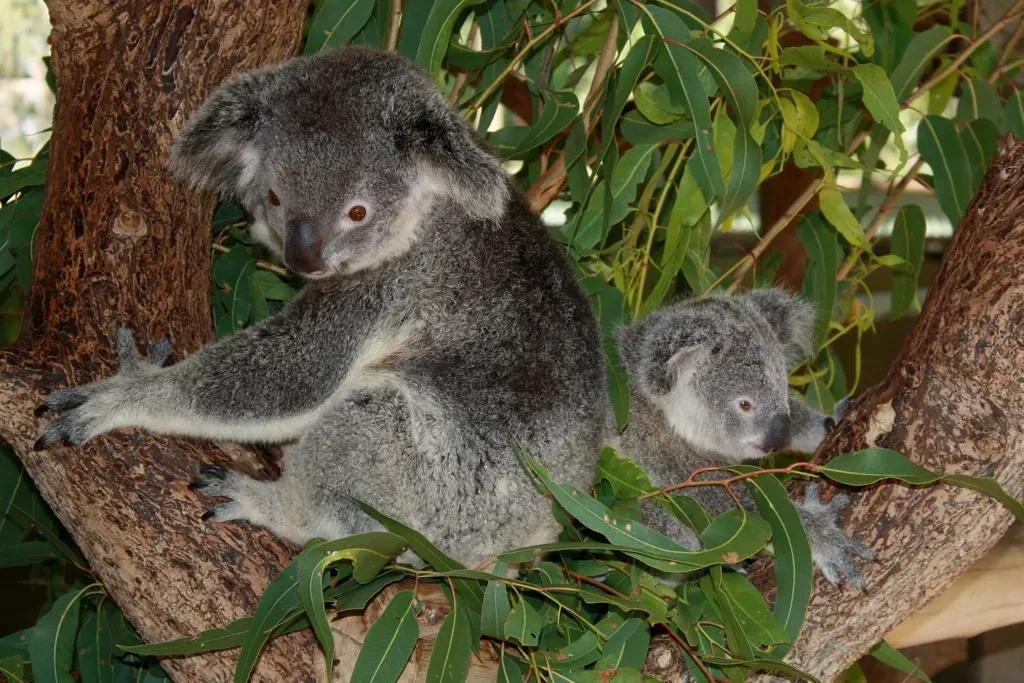
There is something genuinely humbling about realising that an animal most people dismiss as a slow, sleepy little puffball is actually running a sophisticated campaign of chemical espionage, acoustic dominance displays, and territorial negotiations that would make a military strategist raise an eyebrow.
The koala’s sense of smell serves two main purposes – communication and chemical analysis of a potential meal – and in both cases the ability to conduct a degree of chemical analysis is involved, meaning the koala olfactory ability is above most mammals. They are, in the truest sense, walking laboratories of sensory intelligence.
The next time you see a koala looking like it has absolutely nothing going on, remember this: it has probably just read three rival males’ scent profiles, assessed the dominance of its nearest competitor, and made a calculated decision about whether to challenge, retreat, or simply leave a counter-message on a nearby tree. All without moving a muscle.
Koala stink wars are real, they are complex, and they are far more fascinating than anyone gives these creatures credit for. So the question worth sitting with is this – what else are we completely wrong about when it comes to the animal kingdom?

- 10 Ways Pet Birds Show Love That Owners Often Overlook - July 25, 2026
- The 10 Unusual Attractions in San Francisco - July 25, 2026
- 8 Fascinating Facts About the Comanche: The Horse Masters of the Great Plains - July 25, 2026