

There’s something deeply unsettling, and honestly a little fascinating, about the idea that one of the most powerful predators on the planet doesn’t always rely on brute strength to catch a meal. Tigers have long captured the world’s imagination with their fiery coats, their thunderous roar, and their sheer, terrifying size. Yet hidden beneath all that raw power is something far more cunning, a trick so clever it almost sounds like science fiction.
Most people picture a tiger’s hunt as a physical performance. Muscles, speed, stealth. What almost nobody pictures is a tiger opening its mouth and producing the sound of the very animal it plans to kill. That’s the rabbit hole we’re diving into today. Get comfortable, because this is one of those facts that, once you know it, you can never quite see tigers the same way again.
The Trick That Makes Tigers Truly Terrifying
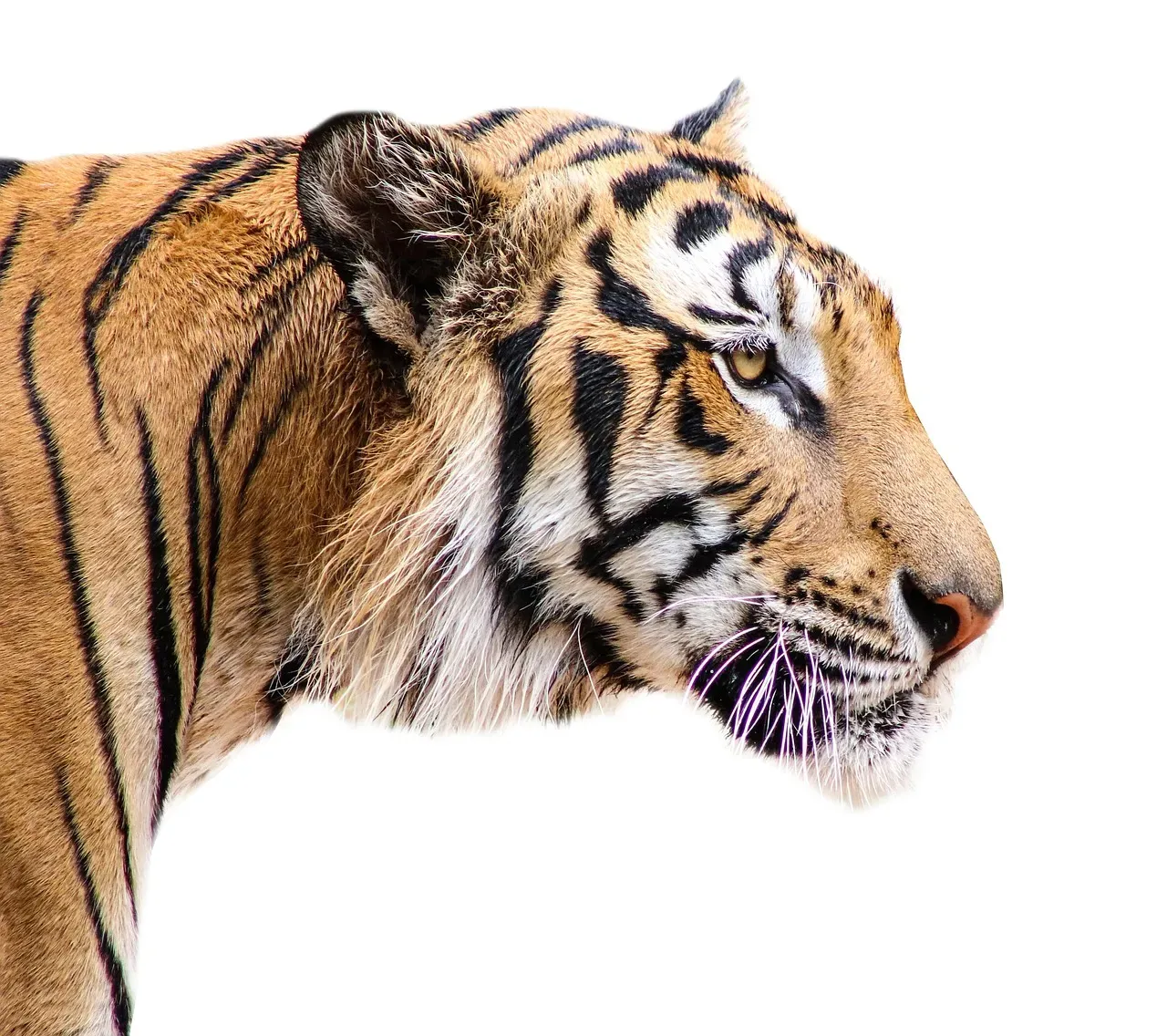
Here’s the thing most wildlife documentaries conveniently leave out: tigers don’t just stalk their prey from the shadows. Despite little recorded evidence of the phenomenon, many witness accounts report tigers in India mimicking the sound of prey to lure their targets out into the open. Think about that for a moment. A 250-kilogram apex predator, choosing deception over brute force.
The tigers can send out calls that sound similar to that of their prey, which attracts the poor unsuspecting animals. Very few animals are able to deploy this advanced hunting strategy, making tigers one of the most effective predators alive today. It’s the wild equivalent of a con artist, and it works.
This ability helps them deceive prey by mimicking the sounds of animals like deer or monkeys, luring them into a trap. This deceptive mimicry is a rare skill in the animal kingdom and highlights the tiger’s cunning hunting strategies. Rare is actually an understatement. Most predators of this size don’t bother with vocal trickery at all.
Many species of wild cats engage in this deception. For example, tigers are known to mimic the vocalizations of their prey animals to draw them in closer. It’s predatory ventriloquism, and it is equal parts brilliant and bone-chilling.
The Sambar Deer Call: Nature’s Most Dangerous Invitation
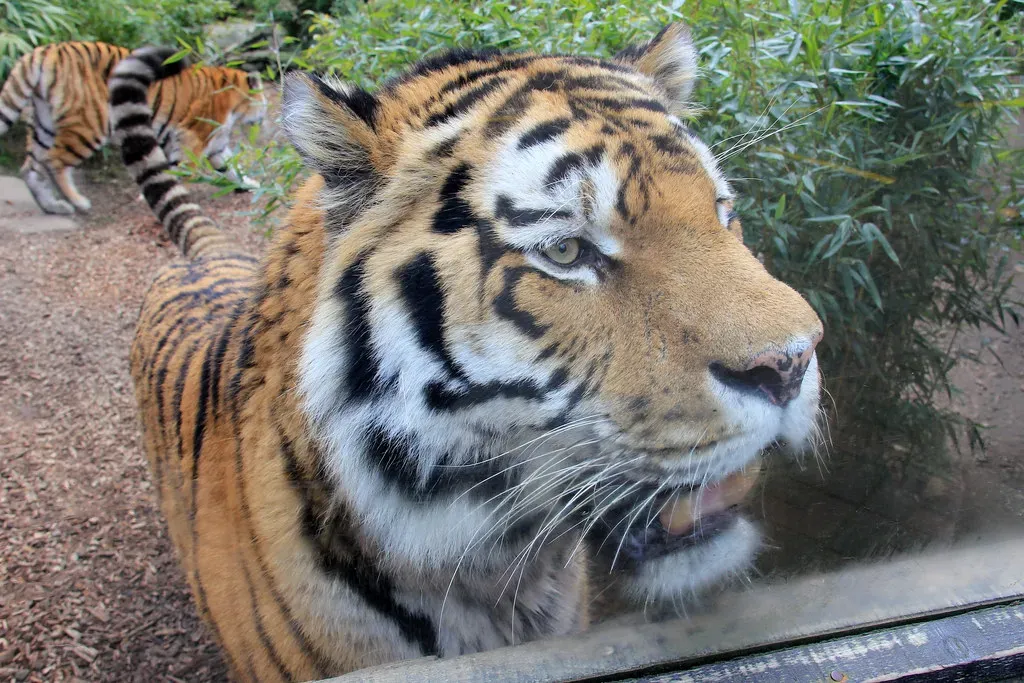
“Pooking” is an interesting vocalization where the tiger imitates the alarm call of the sambar deer. This may be used by the tiger to attract and capture the deer, which is one of its favourite food. I know it sounds crazy, but a tiger can essentially summon a deer by calling out in its own language.
The sambar deer is one of the tiger’s most prized and common prey animals across South Asia. The alarm call that the deer uses to warn others of danger becomes, in the tiger’s mouth, a lure. It’s like using someone’s own warning system against them. Devious doesn’t even begin to cover it.
The Siberian tiger might mimic the sounds of a deer to draw a male into its territory. When the deer approaches, the tiger launches a surprise attack. The deer never stands a chance. It thinks it’s responding to one of its own kind. Instead, it’s walking straight into an ambush.
The high frequency “roar” can be heard from a distance of 3 miles, while the low frequency “prusten” is heard over a short distance. Tigers control the volume and style of their voice with remarkable precision, choosing the right sound for the right moment. That’s not instinct alone. That’s genuine tactical thinking.
A Voice Like No Other: The Remarkable Vocal Range of Tigers
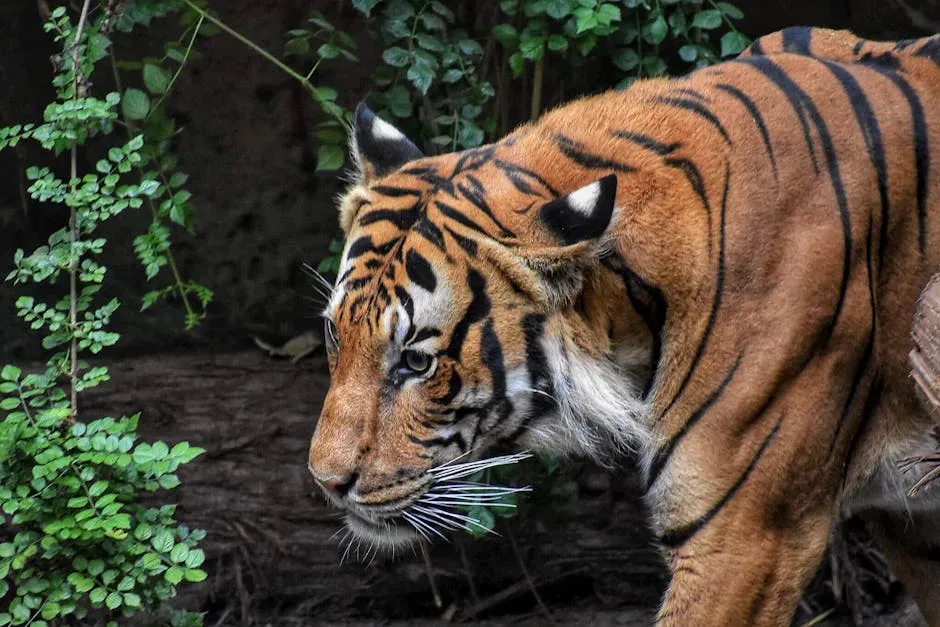
The vocal repertoire of tigers is vast: they grunt, growl, roar, moan, snarl, chuff, hiss, and gasp. It’s thought that each vocalisation is used to communicate different things. No other big cat comes close to this sheer range of expression. Think of it like a musician who can switch between genres in an instant.
The “prusten” is used to greet other tigers in a friendly fashion and is a gentle puffing sound. So the same animal that mimics prey calls to set deadly traps also has a soft, gentle greeting sound it reserves for its own kind. Honestly, that contrast is remarkable.
Some researchers suggest that tigers use imitation not only for hunting but also for communicating with their peers. For example, tigers might use specific sounds and movements to convey information about their intentions or state. This pushes the mimicry conversation well beyond hunting. It hints at a deeper communicative intelligence that science is still working to fully understand.
The tiger has various other variations of vocalization including “coughing,” “groaning,” “moaning,” and “snarling.” “Coughing” is used when they are nervous in situations such as facing another animal or being challenged in the wild. The idea of a tiger nervous enough to cough is both oddly relatable and strangely charming.
The Bigger Picture: A Hunter Built for Deception at Every Level
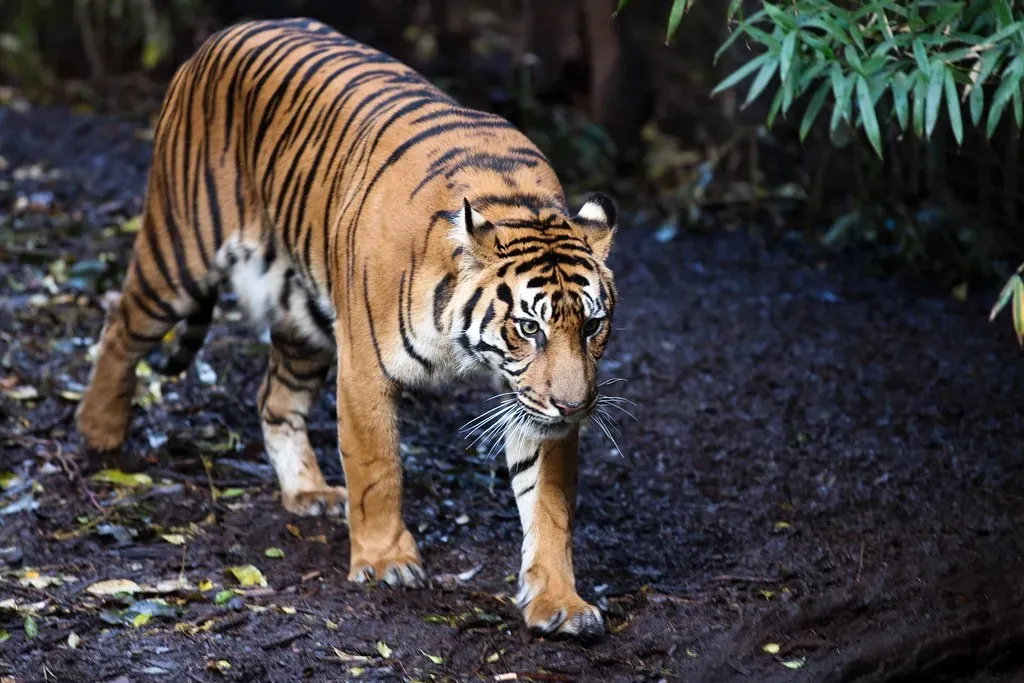
Vocal mimicry doesn’t exist in isolation. It sits inside a much larger architecture of deception that tigers have perfected across millions of years. Tigers are highly adaptable hunters, capable of adjusting their strategies based on the environment and the behavior of their prey. Whether stalking, ambushing, or chasing, tigers are able to use their adaptations to effectively hunt and capture their prey.
Their stripes blend with the mottled sunlight and shadows, producing an optical illusion that renders them almost undetectable in the forest underbrush. Even their whiskers serve a purpose during stalking, helping them gauge whether gaps in vegetation are wide enough to pass through silently. Sound, sight, touch. Every single sense becomes a hunting tool.
By carefully placing each step, they minimize noise and vibrations. Tigers also employ a deliberate, slow gait when stalking. This methodical approach helps them remain unnoticed until they are within striking distance. The mimicry, then, is simply the final layer of a strategy that is deceptive from beginning to end.
Still, even with all these tools, success is far from guaranteed. Despite their prowess, tigers face a low success rate in hunts, capturing prey only about 10 to 20 percent of the time. Roughly only one in every ten attempts results in a meal. That’s a humbling reminder that nature never makes anything easy, not even for its most spectacular predators.
What This Tells Us About Tiger Intelligence
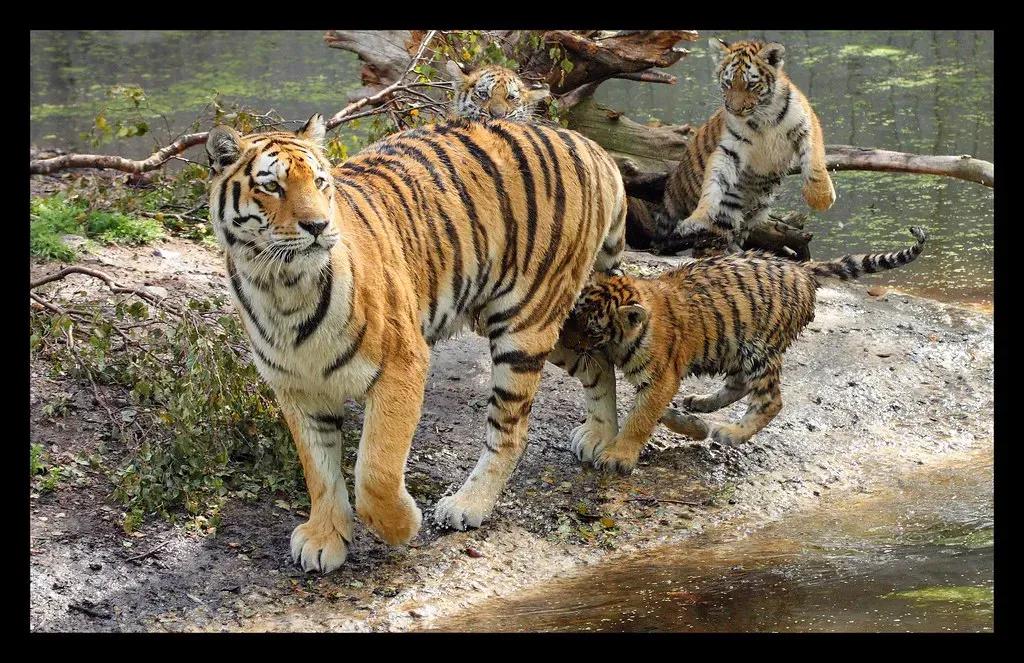
Let’s be real for a second. If a tiger were simply a muscle-bound killing machine, vocal mimicry would never have evolved. The very existence of this behavior demands something else entirely. It demands planning. It demands learning. It demands a mental map of what the prey will do before the prey even does it.
These big cats are known for their power, agility, and intelligence, which they use to capture prey in a variety of ways. The hunting strategies of tigers are diverse and depend on factors such as the type of prey, the terrain, and the availability of resources. The intelligence required to select the right mimicry call for the right prey, in the right terrain, is not a small thing.
The entire kill sequence, from final approach to death, typically lasts only a few minutes at most. This efficiency reflects millions of years of evolution, resulting in a predator that combines raw power with precise technique to minimize risk while maximizing hunting success. The mimicry fits perfectly into that pattern. Why exhaust yourself chasing prey when you can simply call it to you?
Tigers primarily hunt deer, but as opportunistic predators, they can also eat wild boars, birds, fish, rodents, amphibians, reptiles, and even insects. A large deer can provide a tiger with one week’s food, but only one out of every ten hunts is successful. Given those stakes, every advantage matters enormously. Vocal mimicry, then, isn’t just clever. It’s survival.
Conclusion
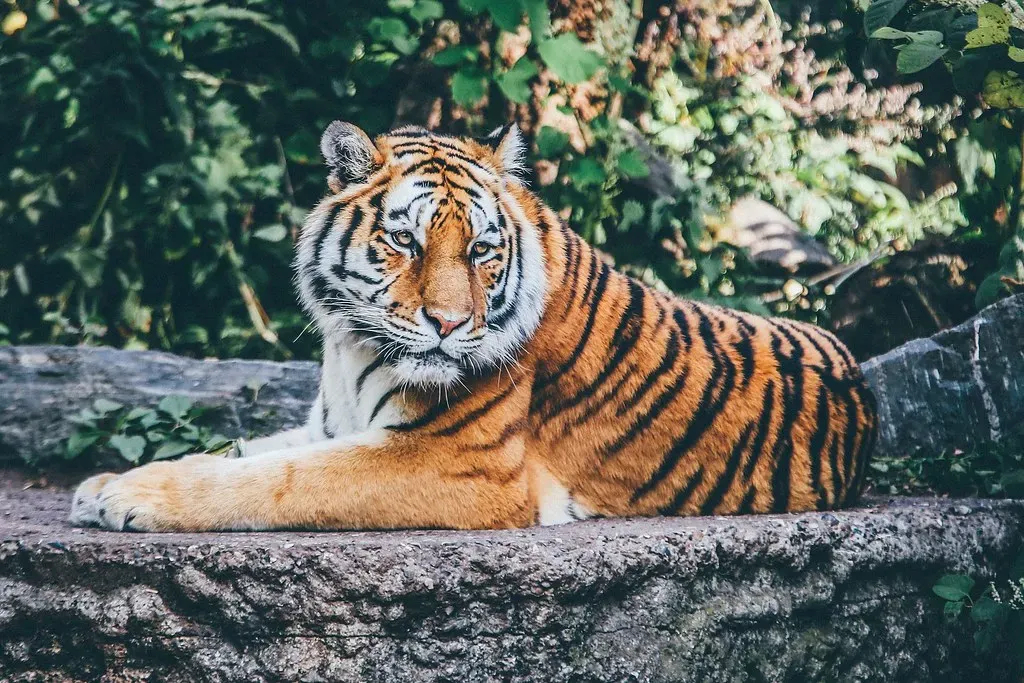
The tiger’s ability to mimic the calls of its prey is one of those rare facts that reshapes how you think about an animal entirely. We spend so much time marveling at the tiger’s physical power that we almost forget to look at what’s happening above the shoulders. The truth is that behind those amber eyes lives a mind capable of deception, adaptation, and something that feels remarkably close to strategy.
It’s hard to say for sure just how widespread or precisely refined this mimicry becomes across different subspecies and habitats. Wildlife research in dense jungle terrain is notoriously difficult. Yet the accounts persist, from India to Siberia, from naturalists to field researchers, all pointing to the same startling conclusion.
The tiger is not merely nature’s greatest athlete. It may also be one of nature’s most cunning actors. Next time you hear a sound in the jungle and something feels just slightly off about it, well, you’ve been warned. What does it change for you, knowing that the world’s most powerful cat also happens to be one of its greatest deceivers? Tell us your thoughts in the comments below.

- 14 Signs Your Aging Cat Is Growing Older With Grace and Comfort - July 23, 2026
- The Silent Language of Deer Reveals Complex Social Bonds in US Forests - July 23, 2026
- The US States With The Deadliest Tornado Strikes in History - July 23, 2026