
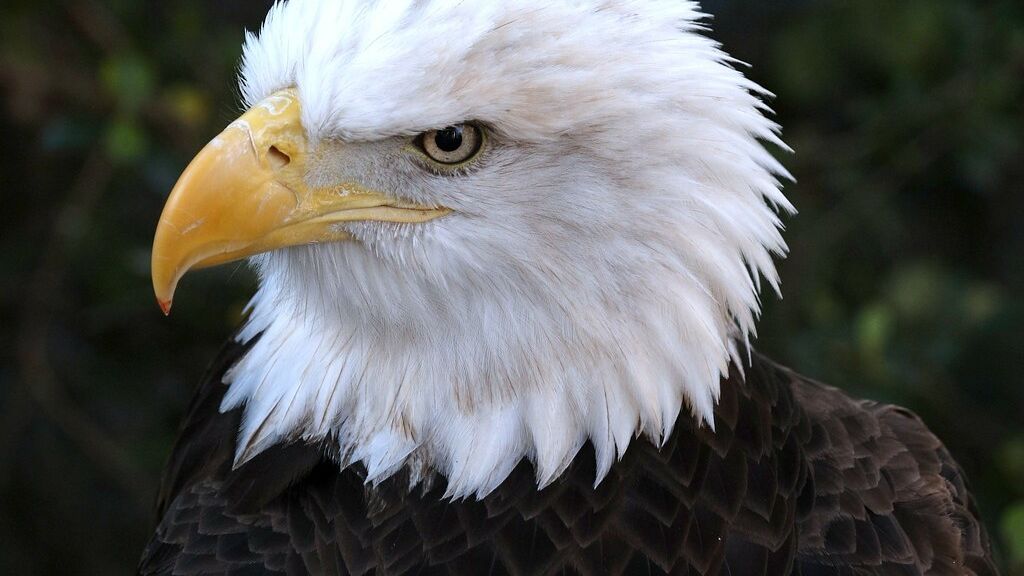
There are moments in nature that genuinely take your breath away. Spotting a bald eagle gliding effortlessly over a river, its white head catching the winter sun, is one of them. It feels almost unbelievable when you remember how close we came to never seeing that sight again.
Across much of their range, bald eagles had fallen to near-extinction levels due to the effects of pesticides, as well as habitat loss and illegal shooting. In 1963, only 417 nesting pairs had been documented in the lower 48 states. That’s a terrifyingly small number for a bird that was already the national symbol of the most powerful country on earth. Somehow, remarkably, the story did not end there.
As a result of conservation efforts, the bald eagle population has risen from a mere 417 nesting pairs in 1963 to more than 71,400 nesting pairs and an estimated 316,700 individual birds in the Lower 48 today. That is the kind of turnaround that honestly makes you rethink what’s possible. Let’s dive into the 11 states where this comeback is most vivid, most inspiring, and frankly, most astonishing.
1. Alaska: The Undisputed Eagle Capital of America
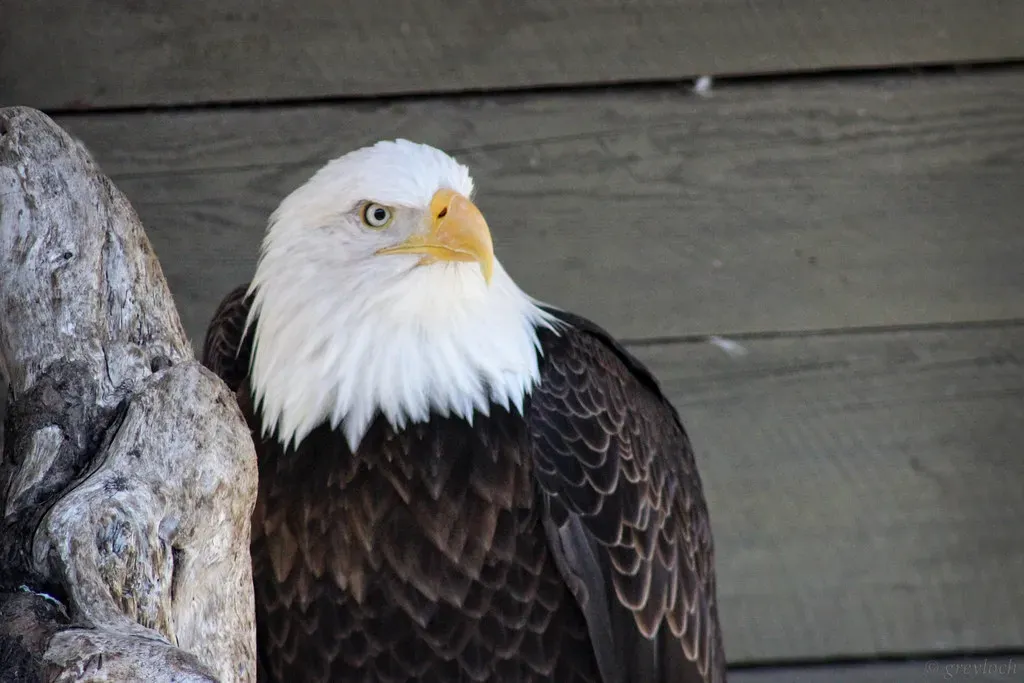
If you want to see bald eagles in sheer, staggering numbers, Alaska is the place. Alaska leads the pack with an estimated population of around 30,000 bald eagles, making it one of the prime habitats for these iconic birds. That’s more than all other states combined by a wide margin.
The reason comes down to geography and food. Alaska’s pristine coastline, salmon-rich rivers, and vast undisturbed forests create a near-perfect environment for these apex predators. Think of it like putting a tiger in the world’s most well-stocked jungle. The birds simply thrive.
The eagle population continues to grow in many regions, especially in areas where habitat restoration projects and the protection of wetlands and forests have been successful. Alaska didn’t need much help, honestly. It just needed to be left alone.
2. Minnesota: The Great Lakes Giant
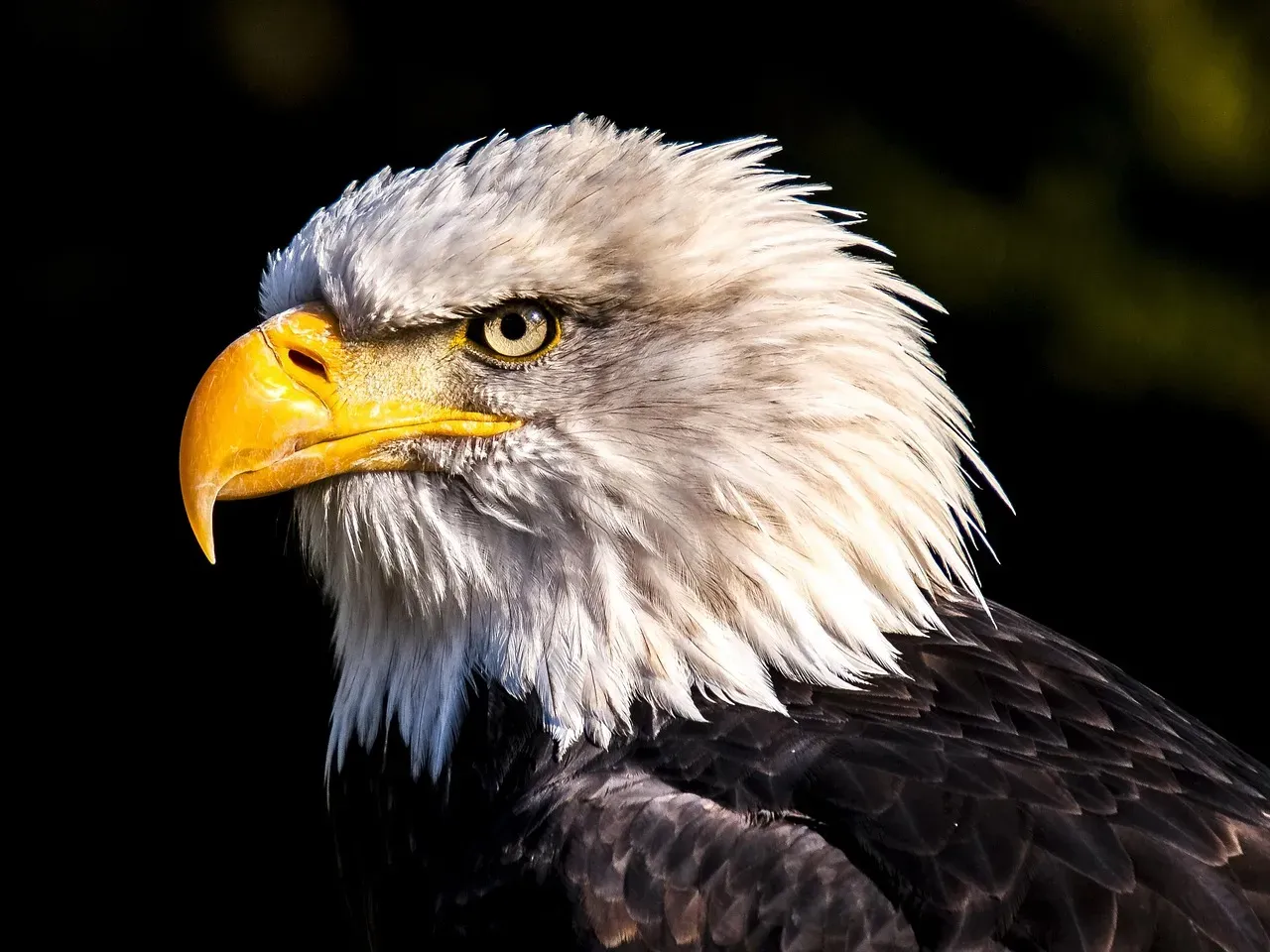
Minnesota is a quiet overachiever in the eagle world. Minnesota follows closely behind Alaska with approximately 9,800 bald eagles, showcasing the species’ thriving presence in the region. That is a remarkable concentration of birds in a single state.
Minnesota has a large, healthy bald eagle population. According to the state’s Department of Natural Resources, this includes 30 nesting pairs in the Twin Cities metropolitan area. Let that sink in for a moment. Thirty nesting pairs of bald eagles right next to a major metropolitan area. That’s not a wilderness refuge story. That’s eagles adapting alongside people.
The abundance of lakes and rivers across the state essentially acts like a giant, open-air food court for these birds. Where there is water and fish, eagles follow. Minnesota has both in extraordinary abundance.
3. Florida: Sun, Swamps, and Soaring Numbers
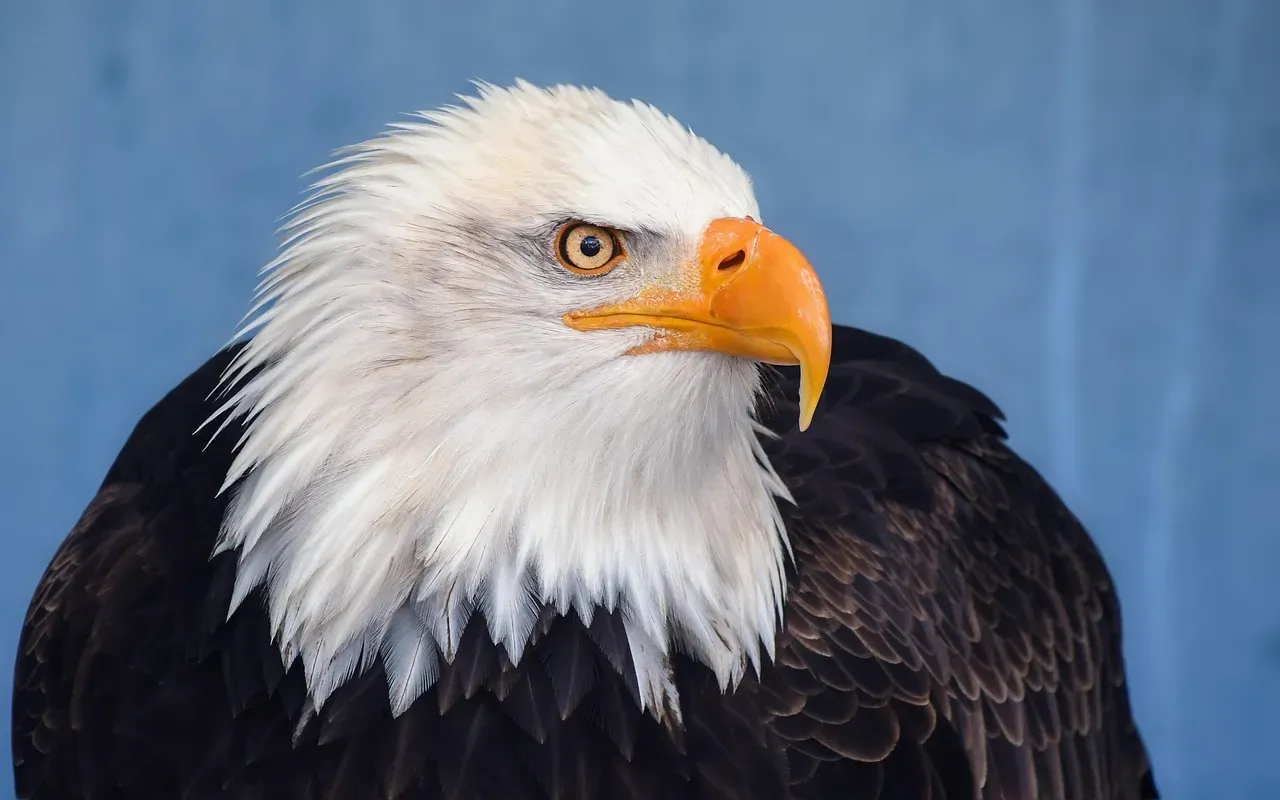
Florida is not just a snowbird destination for humans. In states like Florida and Wisconsin, bald eagle populations have rebounded impressively, with around 1,500 individuals in each state. Florida’s warm climate, sprawling wetlands, and coastal waterways make it one of the most important year-round habitats in the lower 48.
According to the Florida Fish and Wildlife Conservation Commission, bald eagles live along most coastal areas, rivers, and lakes of the state. Florida is also a favorite stop for visiting eagles. It is one of those rare states where you can spot an eagle during any month of the year.
Honestly, for a state that’s also battling overdevelopment and urban sprawl, Florida’s eagle numbers are a minor miracle. The state’s aggressive habitat protections along key waterways deserve real credit for this outcome.
4. Maryland: The Chesapeake Bay Miracle
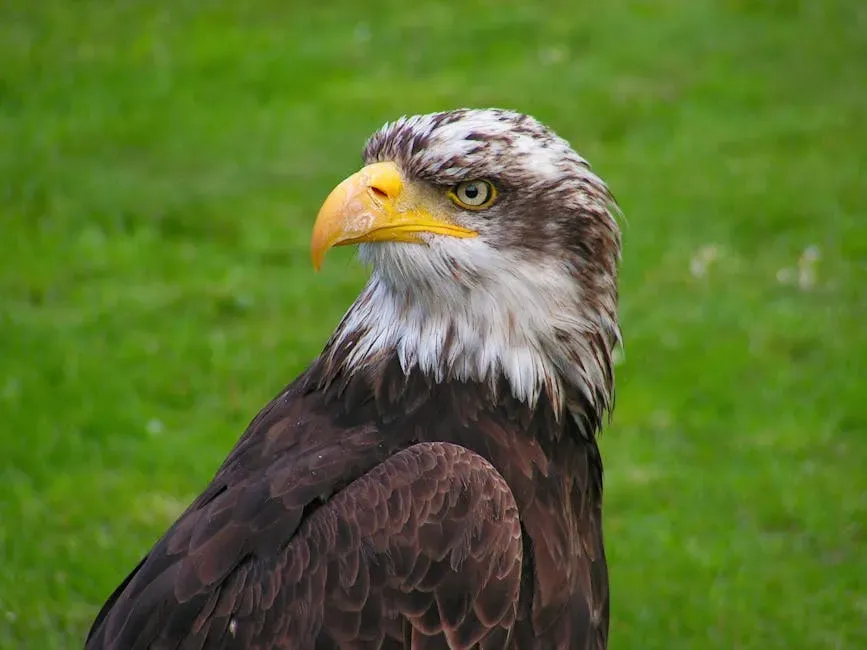
Here is where the story gets genuinely emotional. DNR’s bald eagle survey in 1977 recorded only 44 nesting pairs of the iconic bird of prey in Maryland. It was a crisis measured in dozens, not thousands. Fast-forward to today, and the transformation is almost unreal.
In 2025, the Maryland Bird Conservation Partnership estimates there are over 1,400 breeding pairs in Maryland. That is a leap so dramatic it would be unbelievable in a novel. The Chesapeake Bay is now home to one of the largest populations of the bird in the U.S.
The Chesapeake Bay Protection Act of 1984 established protections for “critical areas” within 1,000 feet of tidal waters, which safeguarded bald eagle nest sites from development and disturbances. Targeted, specific legislation like that made all the difference. It is proof that smart policy, not just good intentions, drives real conservation results.
5. Wisconsin: Nesting in Every Corner
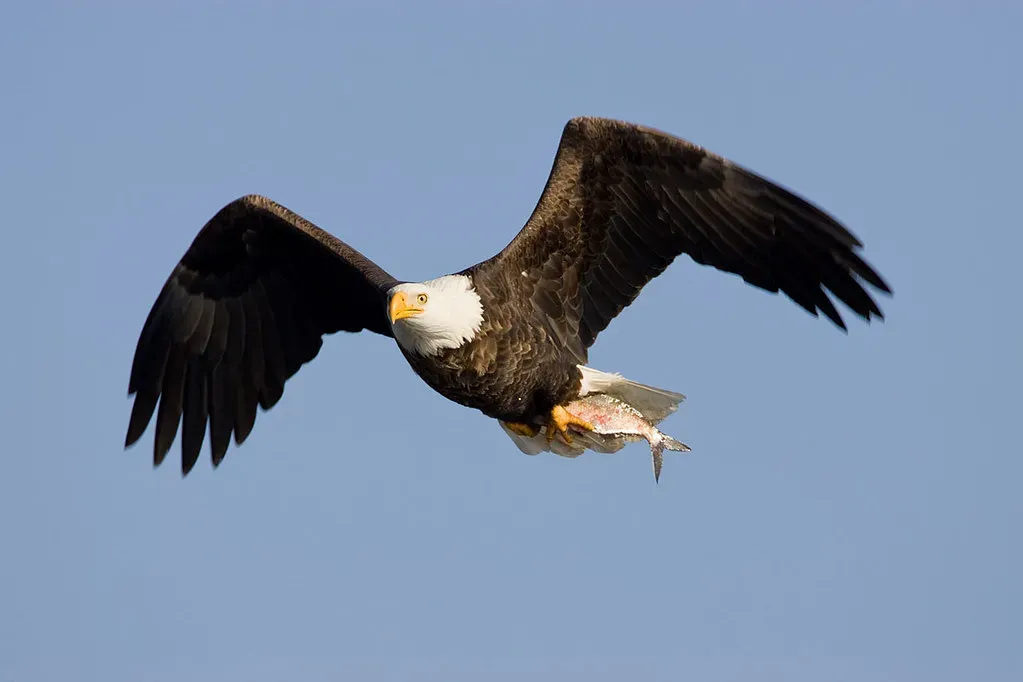
Wisconsin’s story is one of remarkable geographic spread. Wisconsin’s wildlife officials say there are bald eagle nesting sites in all but one of the state’s 72 counties. That is essentially blanket coverage. An eagle presence in nearly every county of a state is not just recovery. That is total reclamation of lost territory.
In states like Florida and Wisconsin, bald eagle populations have rebounded impressively, with around 1,500 individuals in each state. These numbers reflect the success of conservation initiatives aimed at preserving critical habitats and nesting sites for bald eagles.
Wisconsin’s network of freshwater lakes, the Great Lakes shoreline, and dense northern forests provide the kind of layered habitat that eagles love. It’s a bit like the perfect hotel chain for raptors. They check in, and they don’t check out.
6. Washington State: Delisted and Thriving
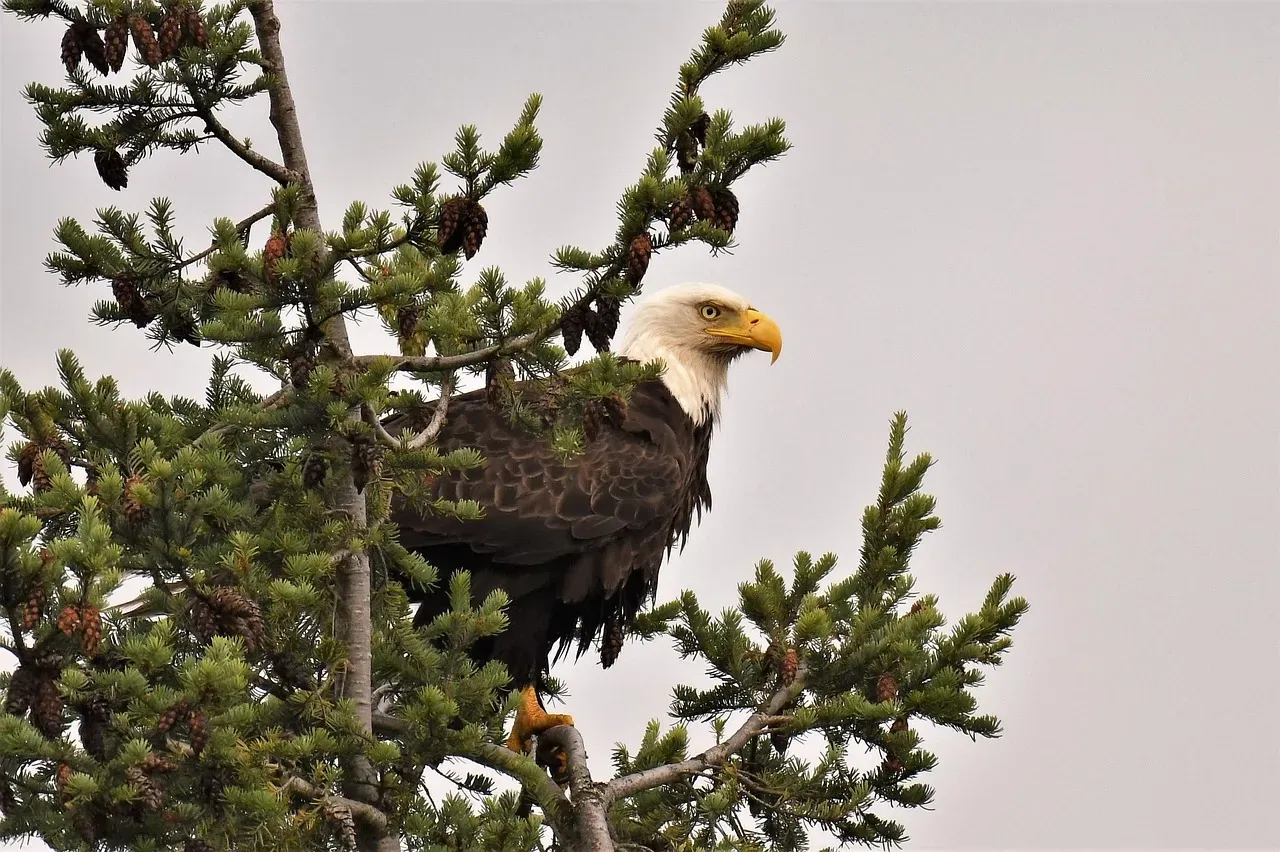
Washington’s eagle recovery is one of the cleaner, more satisfying conservation tales you’ll find. The bald eagle was delisted at the state level by the Fish and Wildlife Commission in 2016 and the species has continued to prosper. Delisting is the conservation equivalent of a patient leaving the ICU. It means the patient not only survived but is doing well enough to no longer need intensive care.
Bald eagles are abundant in Washington, and the species will continue to be an important and thriving part of the state’s avifauna for the foreseeable future. The Pacific Northwest’s rivers are legendary for salmon runs, and salmon is essentially premium eagle fuel.
With the restrictions placed on the use of DDT and the decline in use of other environmental contaminants, the bald eagle population has rebounded, despite contaminants that remain in the environment. Remaining threats are minor and current analyses indicate that the population continues to grow. That last part matters. Growth is still happening, even now.
7. New York: From One Pair to Hundreds
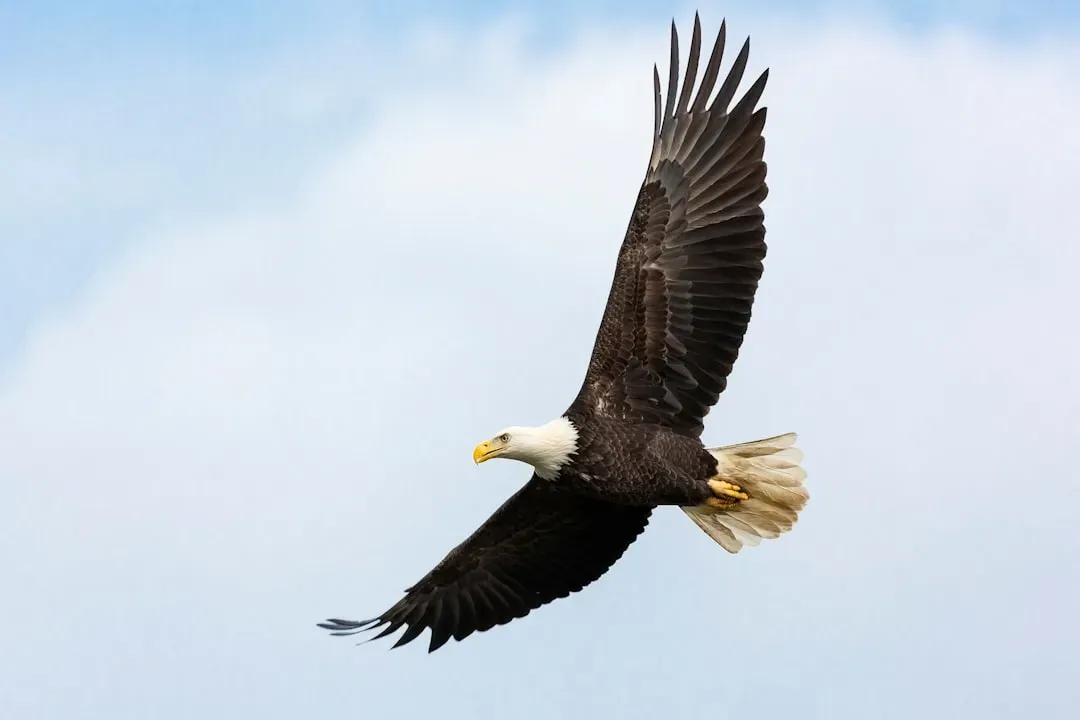
This one is jaw-dropping. In 1972, there was a single pair of nesting American bald eagles left in New York state. One pair. In an entire state of nearly 20 million people and thousands of square miles of wilderness. That is how close New York came to losing eagles forever.
By 2014, the number of nesting bald eagle pairs had grown to about 600 pairs in New York and Pennsylvania combined. The rebound from one pair to hundreds is the kind of trajectory that makes wildlife biologists quietly pump their fists. It took decades of patient, persistent effort.
The areas around the Saint Lawrence and Hudson Rivers attract many eagles in the winter. New York’s majestic waterways now serve as winter gathering grounds, drawing eagles from across the region. The comeback here is nothing short of extraordinary.
8. California: A Quiet and Steady Climb
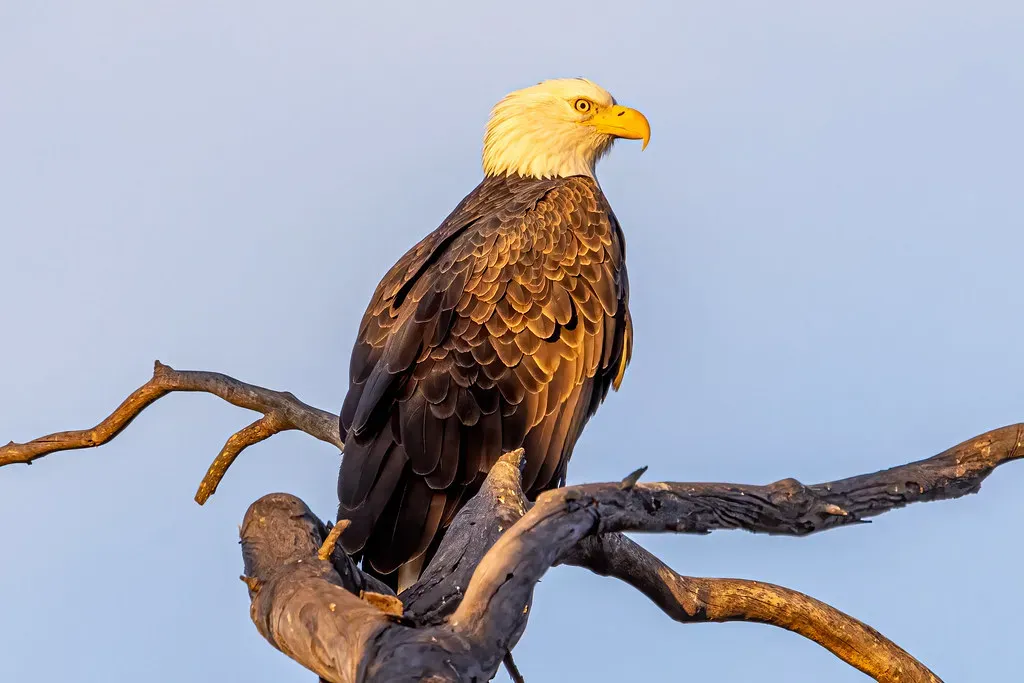
California’s eagle story doesn’t get as much attention as it deserves. In central interior California alone, the known bald eagle population in this region increased by an annual average of 19% from four known nesting pairs in 2011 to 31 pairs in 2024. That is sustained, compounding growth over more than a decade.
Seventy-seven percent of nesting attempts successfully fledged young, and productivity averaged 1.29 young per occupied nesting territory, both of which are consistent with a sustainable and increasing population. Those reproductive numbers are genuinely impressive. A successful population needs to keep producing, and California’s eagles are doing exactly that.
I think what makes California’s story interesting is that it’s happening in a state synonymous with sprawl and development pressure. The causes for bald eagle range and population expansion in central interior California likely include banning of DDT, reduced persecution and lead poisoning, and habitat protection and management. Multiple factors converging at once. That’s how real recovery works.
9. Michigan: Bouncing Back from the Brink
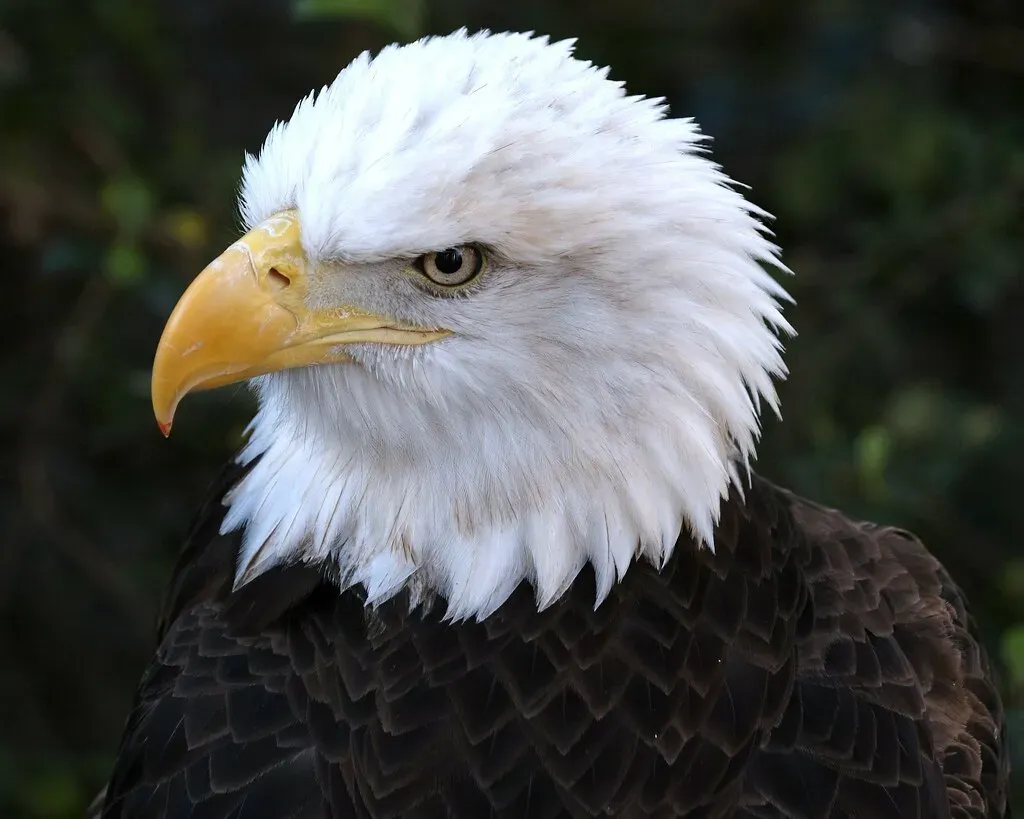
Michigan came terrifyingly close to losing its eagles entirely. After being driven to near extinction in Michigan, the bald eagle has made an impressive recovery. Eagles now nest along Lake Michigan, rivers, and inland lakes. The Great Lakes shoreline turned out to be the perfect rebuilding ground.
Here’s the thing about Michigan’s geography: it is essentially surrounded by water. With two peninsulas and one of the longest freshwater coastlines in the world, the state is practically designed to support eagles. Once the chemical poisons were removed and legal protections kicked in, nature did the rest.
Conservationists worked to protect and restore bald eagle habitats. A key aspect of this involved creating safe, suitable environments for the eagles to nest and raise their young. Efforts were made to protect known eagle nests from human disturbance, and wildlife managers established regulations to prevent logging or other development activities near critical eagle habitat areas. Michigan benefited directly from all of these coordinated efforts.
10. Vermont: The Late Starter Who Met Every Goal
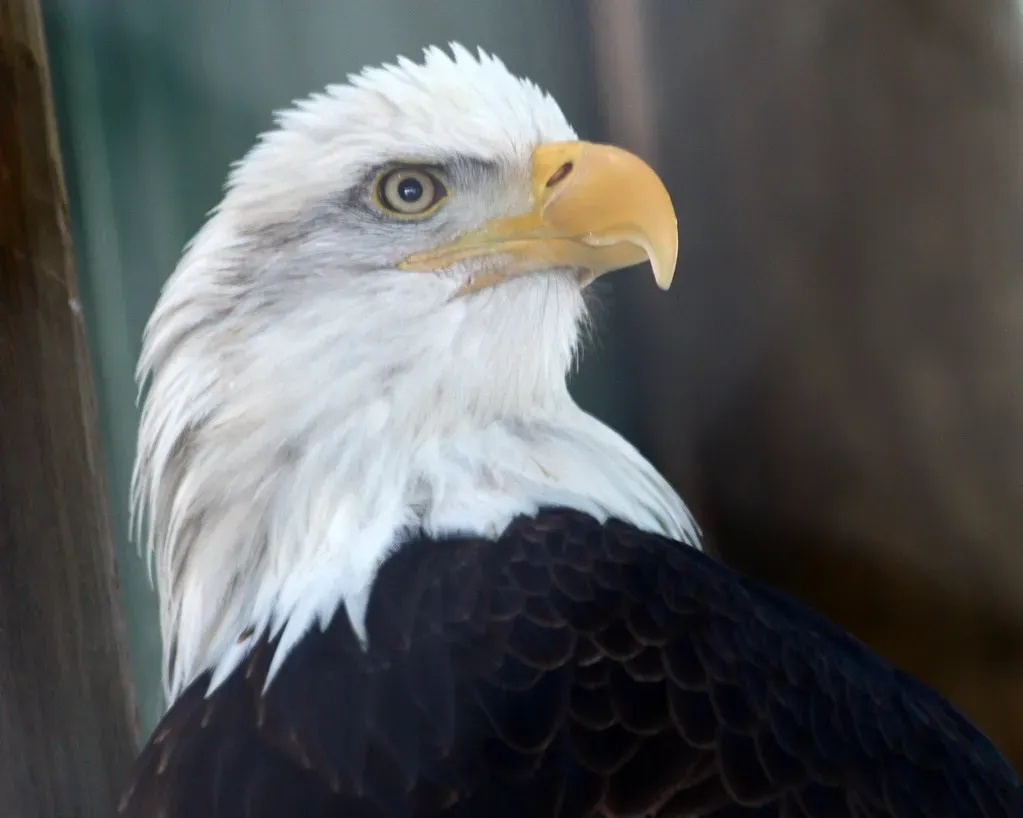
Vermont’s eagle story is about patience and persistence. Vermont was one of the last states to reintroduce bald eagles. It did so in 2003, and it has seen a steady increase in its bald eagle population since then. In 2020, the state met its recovery goal with 68 breeding pairs. That may sound modest, but for a state that had zero eagles not long ago, 68 breeding pairs is a full-blown triumph.
The state and numerous conservation groups have said that Vermont can safely delist the bald eagle from its Endangered Species List. Reaching the point of delisting is like graduating. The hard work was real, and Vermont earned it.
Vermont’s mountains and forested river valleys created challenges for reintroduction that simply didn’t exist in flatter, lake-heavy states. The fact that eagles not only survived but thrived and bred successfully speaks to the resilience of the species itself. Give them a fighting chance, and they will take it.
11. New Jersey: The Hacking Program That Changed Everything
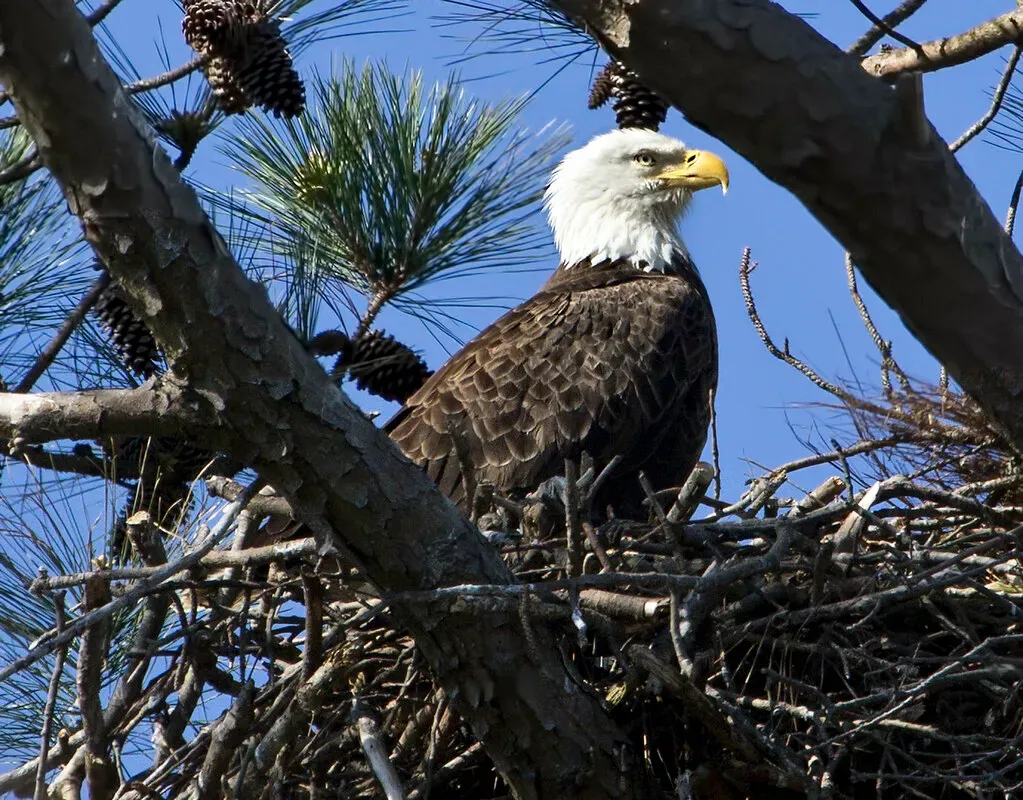
New Jersey’s eagle recovery story deserves its own documentary. At one time, New Jersey was home to more than 20 pairs of nesting bald eagles. DDT reduced that number to one pair by 1970. The ban on DDT and efforts by biologists with the NJ Division of Fish and Wildlife’s Endangered and Nongame Species Program effectively restored the bald eagle to 150 pairs by 2015.
The state’s “hacking program,” where young eagles were placed in specially designed platforms and raised in the wild by wildlife biologists, became a model for reintroduction efforts across the country. Think of it like a foster care program, except the goal is to produce wild, self-sufficient predators. It worked spectacularly.
New Jersey is probably not the first state that comes to mind when you think about wilderness and wildlife. It’s densely populated and heavily developed. Yet that is precisely what makes its eagle recovery so inspiring. Not only has the bald eagle population grown, but the range of the species has expanded as well, pushing into corners of America, like New Jersey, that almost nobody expected.
Conclusion: What the Eagle Teaches Us
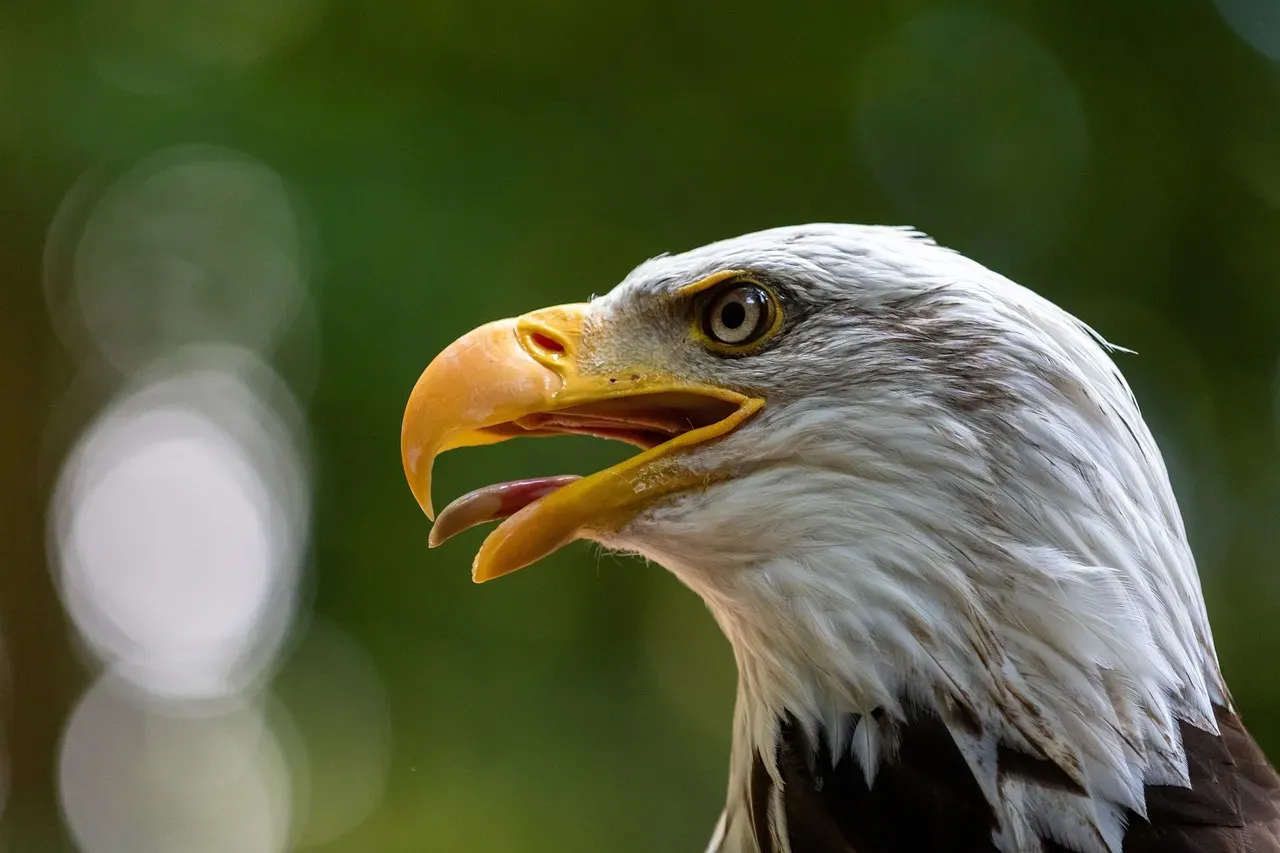
The bald eagle’s comeback is one of those rare stories where the ending is genuinely happy, at least for now. The number of bald eagles in the lower 48 U.S. states, a population once on the brink of extinction, has quadrupled in the last dozen years to more than 316,000, federal wildlife officials say. That is not a small statistical uptick. That is a resurrection.
Scientists have attributed the large part of the recovery of bald eagles to the banning of DDT, a common pesticide that built up in the bodies of many birds and resulted in reproductive failure and the thinning of eggshells. One policy decision, one ban, changed the trajectory of an entire species. It’s almost hard to believe something so monumental came down to a single regulatory action.
Still, the work is far from finished. Illegal shooting and lead poisoning remain among the primary threats to bald eagles. Habitat loss, power line electrocution, and collisions with vehicles and structures also play a role in eagle deaths. The eagle is not invincible, and complacency is the most dangerous predator of all.
What the bald eagle truly teaches us is that nature is astonishingly resilient when given the right conditions. It doesn’t ask for much. Clean water, safe nesting sites, and protection from poison. In exchange, it fills the sky with something majestic. If we could replicate that kind of focused, collective effort for other struggling species, the results might just take our breath away all over again. What do you think – which state’s comeback surprised you the most? Tell us in the comments.

- 10 Amazing Facts About Penguins - July 24, 2026
- 8 Ways to Create a Wildlife-Friendly Backyard Oasis for Local Critters - July 24, 2026
- How to Keep Your Pet Safe from Household Hazards - July 24, 2026