

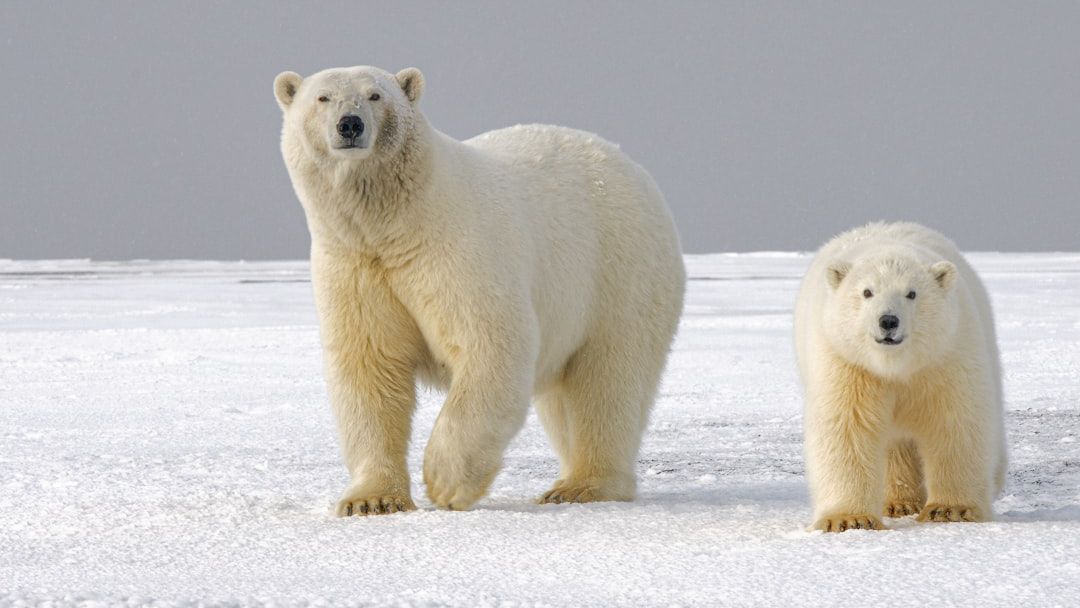
There’s something almost poetic about the polar bear. Massive, white, impossibly photogenic against a backdrop of melting sea ice. For decades, conservation campaigns have leaned hard on this animal as the face of climate change in the Arctic. It’s an image that works. It fundraises. It sells magazine covers.
But here’s the thing – what if that iconic image is actually misleading us? What if rallying around the polar bear is causing us to overlook the full, complex picture of Arctic ecosystems in crisis? A growing body of research is now challenging the assumption that a single “umbrella species” can adequately represent an entire habitat. Let’s dive in.
The Umbrella Species Concept and Why It Matters
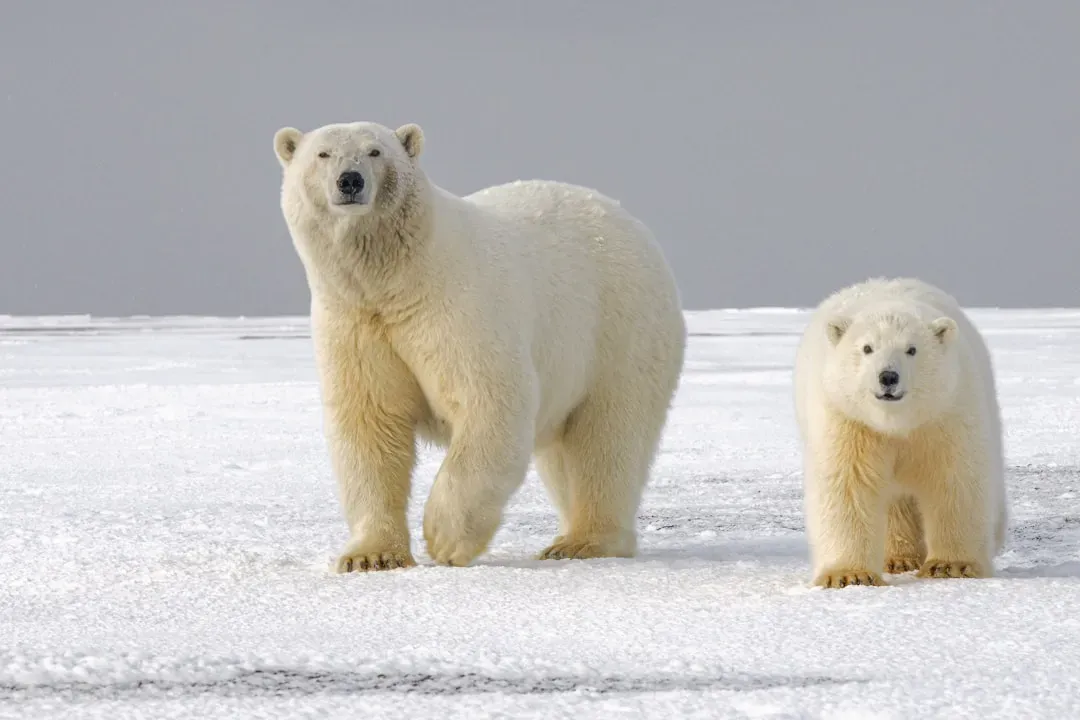
The idea behind umbrella species is straightforward enough. You protect one high-profile animal, and everything living under its ecological “umbrella” benefits too. It’s a practical shortcut in conservation, especially when resources are limited and public attention is fickle.
The polar bear became the Arctic’s umbrella species almost by default. It’s charismatic, it’s threatened, and its dependence on sea ice makes it a neat symbol for ice loss driven by climate change. Scientists and conservation groups embraced it, and honestly, it made a lot of strategic sense at the time.
The problem is that ecological reality doesn’t always cooperate with marketing strategies. Researchers are now questioning whether any single species can truly represent the staggering biodiversity of a polar ecosystem, especially one changing as rapidly as the Arctic is today.
What New Research Is Revealing About Arctic Ecosystems
Recent studies have started pulling back the curtain on just how inadequate the single-species approach can be. The Arctic is home to an enormous web of life, from microscopic ice algae to bowhead whales, and these organisms don’t all respond to environmental pressures in the same way.
Some species are thriving even as sea ice retreats. Others are collapsing quietly, with almost no public attention. The disconnect between what polar bear populations signal and what’s actually happening across the broader ecosystem is, honestly, more significant than most people realize.
It’s a bit like using the health of one tree to assess an entire forest. The tree might look fine while fungi, insects, and understory plants are quietly disappearing below your eyeline. That’s roughly the situation conservation scientists are now grappling with.
Species That Fall Through the Cracks
When conservation focus narrows around the polar bear, certain species inevitably get overlooked. Ice-dependent invertebrates, specific seabird populations, and Arctic fish species don’t generate the same emotional response in fundraising campaigns. They’re not going to appear on a tote bag anytime soon.
Yet these organisms are often critical to ecosystem function. Arctic cod, for instance, occupies a pivotal role in the food web, linking microscopic sea life to larger predators including, yes, the animals that polar bears depend on for food. If Arctic cod populations falter, the ripple effects travel upward through the entire system.
There’s something genuinely troubling about a conservation framework that, by design, draws attention toward the visible and away from the foundational. The species doing the quiet, unglamorous work of holding an ecosystem together deserve better representation in both science and public discourse.
The Limits of Charisma in Conservation Science
Let’s be real: conservation has a charisma problem. The species that attract funding and public sympathy tend to be large, visually striking, and emotionally legible. A polar bear on ice ticks every box. A ringed seal is somewhat compelling. An amphipod living beneath sea ice? Practically invisible to the average donor.
This creates a structural imbalance in how conservation resources get allocated. Scientists have noted for years that invertebrates, which form the base of most marine food webs, are dramatically underfunded relative to their ecological importance. The charisma bias isn’t new, but in a rapidly changing Arctic, its consequences are becoming more serious.
I think there’s also something worth examining in how we communicate ecological risk to the public. Simplifying a crisis into one powerful symbol works beautifully for raising awareness but can create a false sense of comprehension. People believe they understand what’s at stake because they recognize the symbol. That’s not the same as actually understanding the system.
Rethinking the Umbrella: Multi-Species Approaches
Some conservation scientists are now advocating for what you might call a “multi-species umbrella” framework. Instead of anchoring protection strategies around a single charismatic animal, this approach tracks a diverse portfolio of indicator species across different parts of the food web.
Think of it like monitoring the health of a city not just through its tallest, most famous building but through water quality, air pollution levels, traffic patterns, and community well-being simultaneously. More data points, more accuracy, more honest picture of what’s actually happening on the ground.
The challenge, as always, is turning scientific nuance into public engagement. Asking people to care about a multi-species index rather than a single polar bear takes a different kind of storytelling. It’s harder. It requires more trust between scientists and the public. Still, several conservation organizations are beginning to experiment with exactly this kind of broader, more ecologically honest communication.
Climate Change Is Reshaping What “Polar” Even Means
Here’s something that doesn’t get enough attention: the Arctic is not simply becoming a warmer version of itself. It’s becoming a fundamentally different place. Species from subarctic regions are moving northward, creating ecological competition that didn’t exist before. The traditional picture of a pristine, isolated polar ecosystem is already outdated.
This makes the choice of an umbrella species even more complicated. The polar bear evolved in a particular Arctic environment, and its presence signals something about the persistence of that environment. However, if the ecosystem is transforming into something new, a species adapted to the old conditions may be a poor indicator of what’s thriving or collapsing in the emerging one.
New research is increasingly pointing toward the need for dynamic monitoring systems that can adapt as the ecosystem itself adapts. Static symbols, however beloved, may be a luxury that modern Arctic conservation simply cannot afford.
What This Means For the Future of Conservation Strategy
The takeaway from all of this isn’t that we should abandon the polar bear as a symbol or stop caring about its survival. That would be a dramatic overcorrection, and honestly, a little absurd. The polar bear is genuinely threatened, and its story continues to move people in ways that matter.
The real question is whether we’re willing to build something more comprehensive around that emotional foundation. Using the polar bear to open the door is fine. Assuming the polar bear tells us everything we need to know about what’s behind that door is where the trouble begins.
Conservation in the 21st century has to grapple with complexity on a level that previous generations didn’t face. Ecosystems are shifting faster, interactions between species are changing in ways we’re still mapping, and the margin for error is shrinking. Relying on a single species as a proxy for systemic health isn’t just scientifically incomplete. In a rapidly transforming environment, it could lead us to protect the symbol while losing the system it was meant to represent.
Conclusion: The Bear Isn’t Enough
Polar bears will, I suspect, remain on the posters for a long time to come. They’re simply too powerful as a visual metaphor to disappear from conservation communication. There’s nothing wrong with that on its own terms.
What needs to change is the underlying assumption that protecting one iconic animal translates automatically into protecting the web of life it inhabits. The Arctic is telling us something more complicated than a single species can express. Whether we’re willing to listen, and to build conservation strategies sophisticated enough to respond, is the genuinely urgent question.
What do you think – should conservation campaigns move beyond the single iconic animal model, or does keeping it simple remain the most powerful way to protect ecosystems under threat? Share your thoughts in the comments.

- Urban Coyotes Show Remarkable Adaptability, Learning to Thrive in City Environments - July 22, 2026
- Beavers Are Nature’s Engineers, Creating Vital Habitats for Other Wildlife Species - July 21, 2026
- The Recovery of the California Condor Offers Hope for Other Critically Endangered Birds - July 21, 2026