
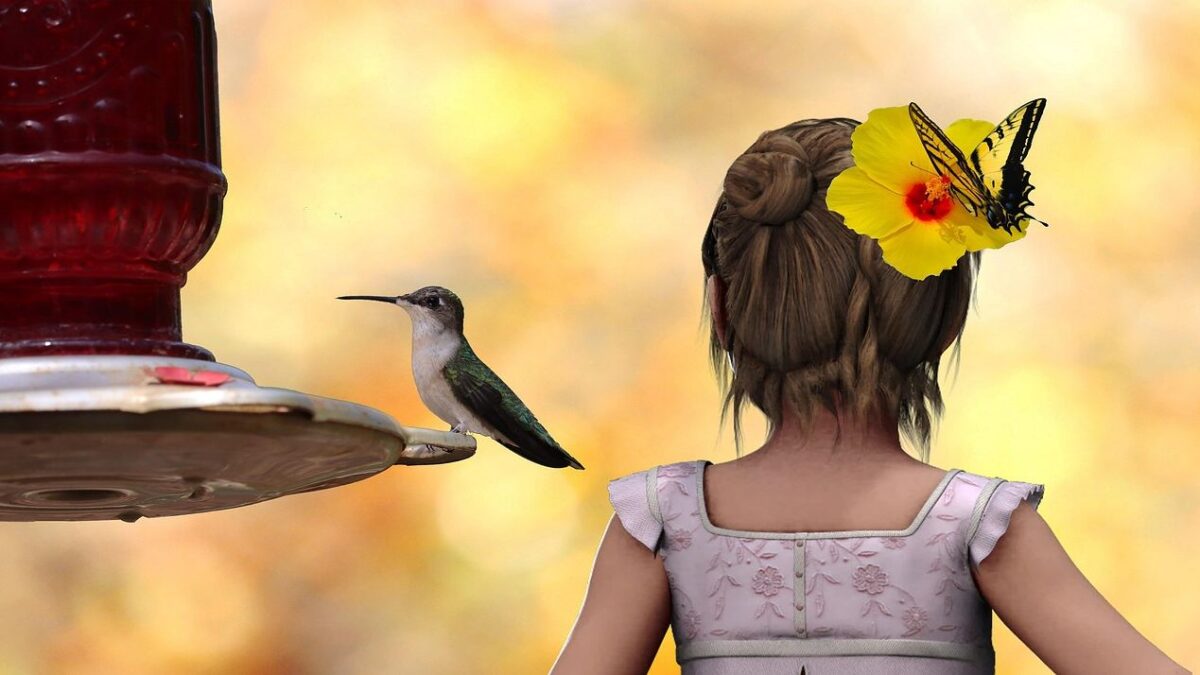
There’s something almost magical about watching a hummingbird zip into your backyard and hover in front of a feeder. Those iridescent wings, that needle-sharp beak, the impossibly fast movements – it’s one of nature’s most stunning tiny performances. Most people who put out a feeder genuinely want to help these birds.
Here’s the uncomfortable truth, though. Many well-meaning backyard birders are accidentally doing the opposite. Some of the most common habits around hummingbird feeders – things that seem totally harmless or even thoughtful – can quietly make these birds very sick. Honestly, the list might surprise you more than you’d expect. Let’s dive in.
Not Cleaning the Feeder Regularly Enough
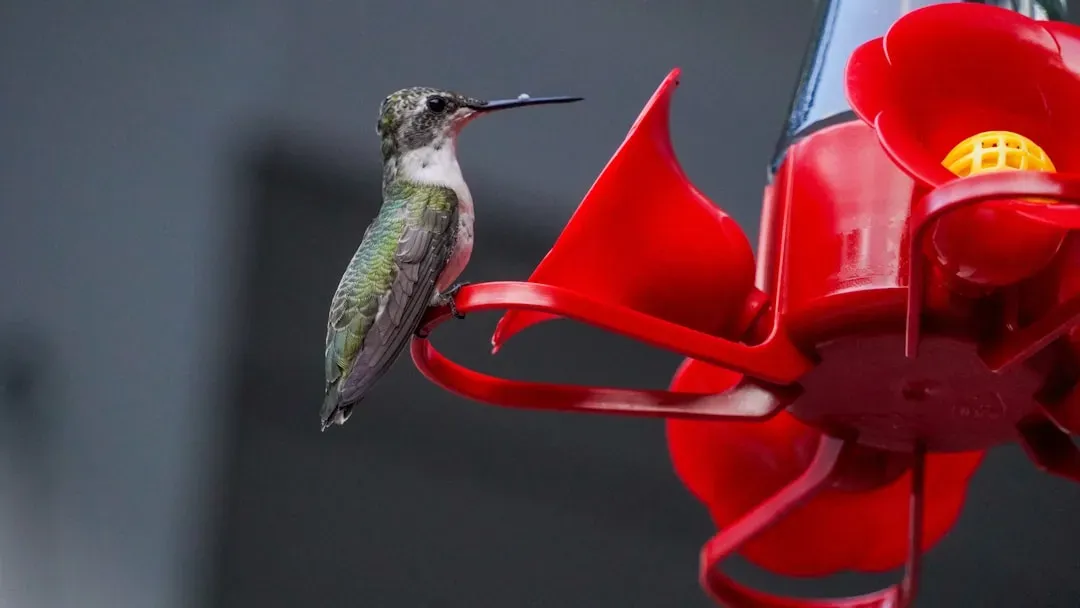
This is the big one. The mistake that probably harms more hummingbirds than anything else on this list. If you don’t maintain your hummingbird feeders, your backyard friends could be harmed by mold, bacteria, or germs that accumulate from droppings or from sick birds. Think of it like this: your feeder is essentially an open sugar bowl sitting outside in the heat. It’s going to get gross fast.
Multiple birds use the feeders and each time they drink, they leave a little of their saliva in it. Add heat from the sun, and in a few days, you have a container of sugar water that is growing bacteria and fungus. One sick bird will contaminate the feeder, and time and heat from the sun will make the germs grow. This sickens the birds.
In hot weather, the feeder should be emptied and cleaned every day or every other day. In temperate weather, every three days. In cooler weather, twice per week is enough. Most people clean once a week at best. Rethink that schedule immediately, especially in summer.
Using the Wrong Sweeteners in the Nectar
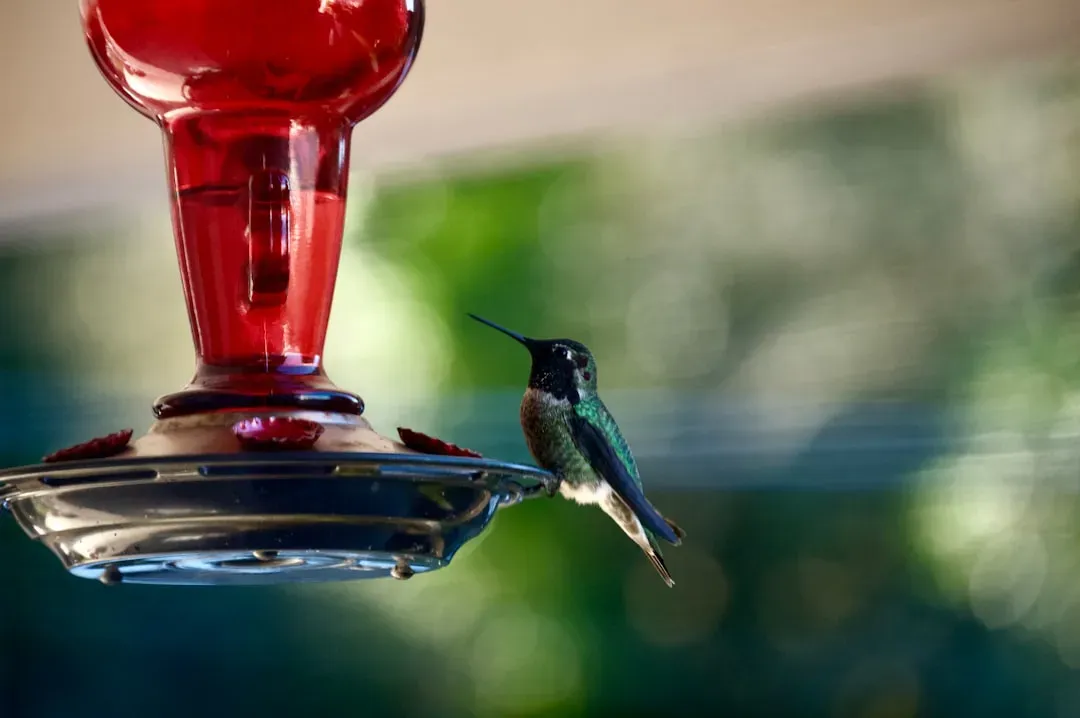
Honey sounds like a natural and loving choice, right? It’s sweet, it’s wholesome. Surely it’s better than plain white sugar? Wrong – and this is one of those mistakes that can genuinely kill a bird. Honey’s sticky consistency is especially dangerous to hummingbirds as it can act like a glue if it gets caught on their tongues and potentially weld their bills shut. Likewise, honey gums up feeders and attracts insects that can cause harm to hummingbirds. Honey also has a high level of natural sugar causing it to rapidly ferment alcohol. If a hummingbird consumes this toxic liquid, it could become sick or die.
Brown sugar contains molasses, which can hurt hummingbirds because of its high iron content. Many people also reach for powdered sugar thinking it dissolves more easily. It doesn’t belong in the feeder either. Keep it simple. The best solution for your feeder is a 1:4 solution of refined white sugar to tap water. That’s one quarter cup of sugar in one cup of water. Bring the solution to a boil, then let it cool before filling the feeder.
Adding Red Food Dye to the Nectar
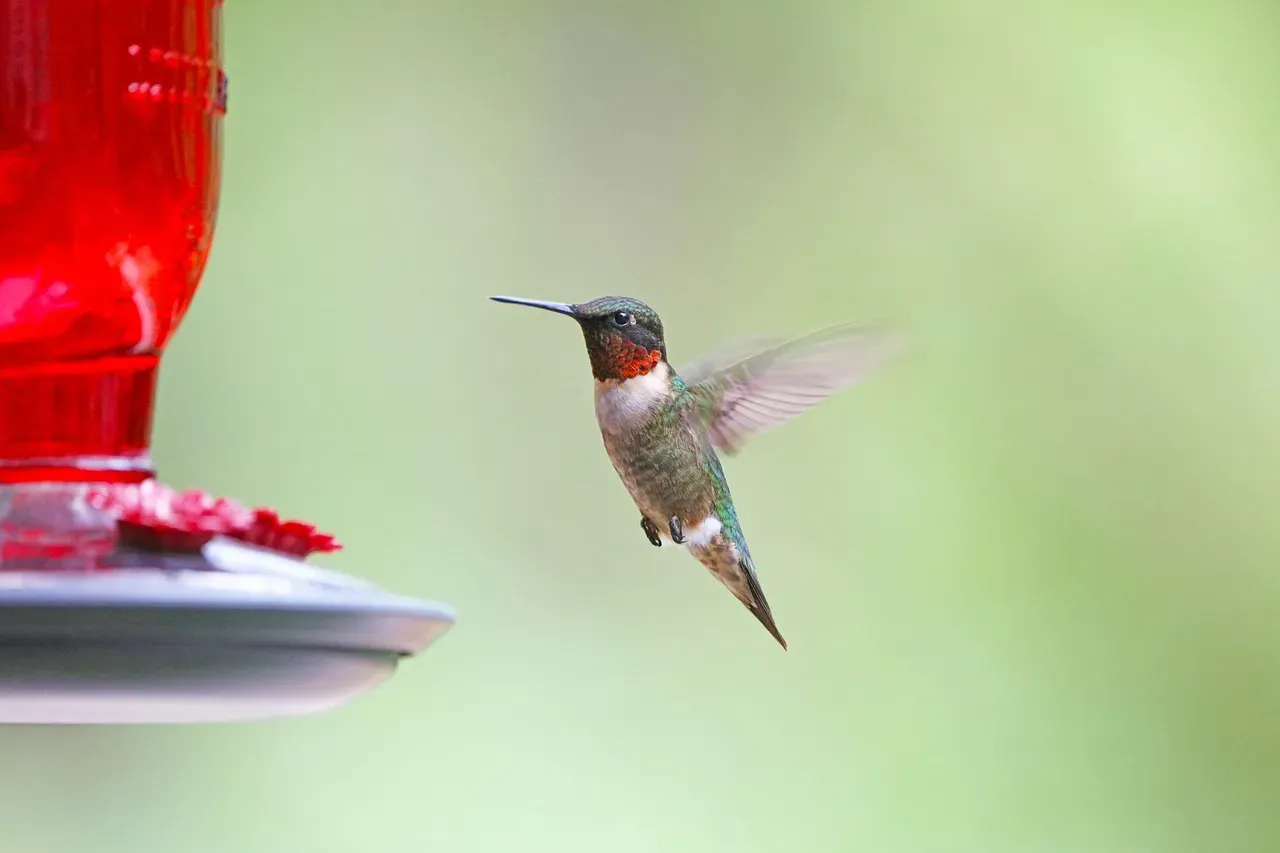
Walk into a garden store in spring and you’ll likely find pre-dyed red hummingbird nectar right there on the shelf. It looks appealing. After all, hummingbirds love red. But it can be tempting to turn sugar water red since hummingbirds are attracted to the color red, but the potential harms outweigh any benefits. The artificial ingredients in red dye could hurt the birds.
Food coloring may seem harmless, but it’s linked to health issues for all sorts of animals. Recent medical research suggests common food dye can cause inflammatory bowel issues in animals and humans, among other things. There’s also a practical problem that most people overlook. There are several reasons to avoid using red dye in sugar water for hummingbirds. One reason is that the red coloring may make it harder to see when the solution turns cloudy, or when mold begins to form. In other words, red dye can hide the very signs that your nectar has gone bad.
While it’s true that hummingbirds are more attracted to red, orange, and yellow colors, you don’t need food dye for that. Choosing a bird feeder with a warm color will do all the work needed to attract hummingbirds to your patio or backyard. A vibrant red glass feeder is the safest and most effective way to catch a hummingbird’s eye.
Leaving Nectar Out Too Long Without Changing It
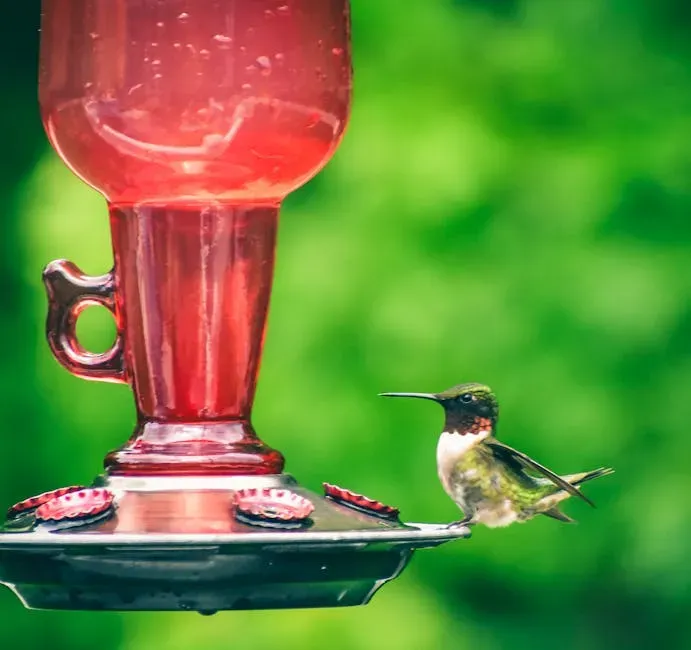
You filled the feeder three days ago. The birds have visited a few times. There’s still plenty left. Seems fine, right? Not necessarily. Fermented or moldy nectar can cause serious fungal infections in hummingbirds’ tongues and throats. In hot weather, sugar water can ferment in as little as two days, while cooler temperatures might give you four to five days before it needs changing.
Heat accelerates the fermentation process, leading to the nectar going bad quicker. Sunlight exposure can cause the nectar to break down and promote mold growth. External contaminants can also introduce harmful bacteria, affecting the nectar’s freshness. Think of nectar like a cold glass of milk left on a sunny counter. You’d throw it out. Your hummingbirds deserve the same consideration.
Hummingbird nectar should be changed at least once a week, even if the feeder isn’t empty. Adding fresh nectar to an old batch can cause bacteria and mold growth, which can make your feeder dirty and harm the hummingbirds that come to drink from it. Never top off. Always dump and start fresh.
Hanging the Feeder in Direct Sunlight
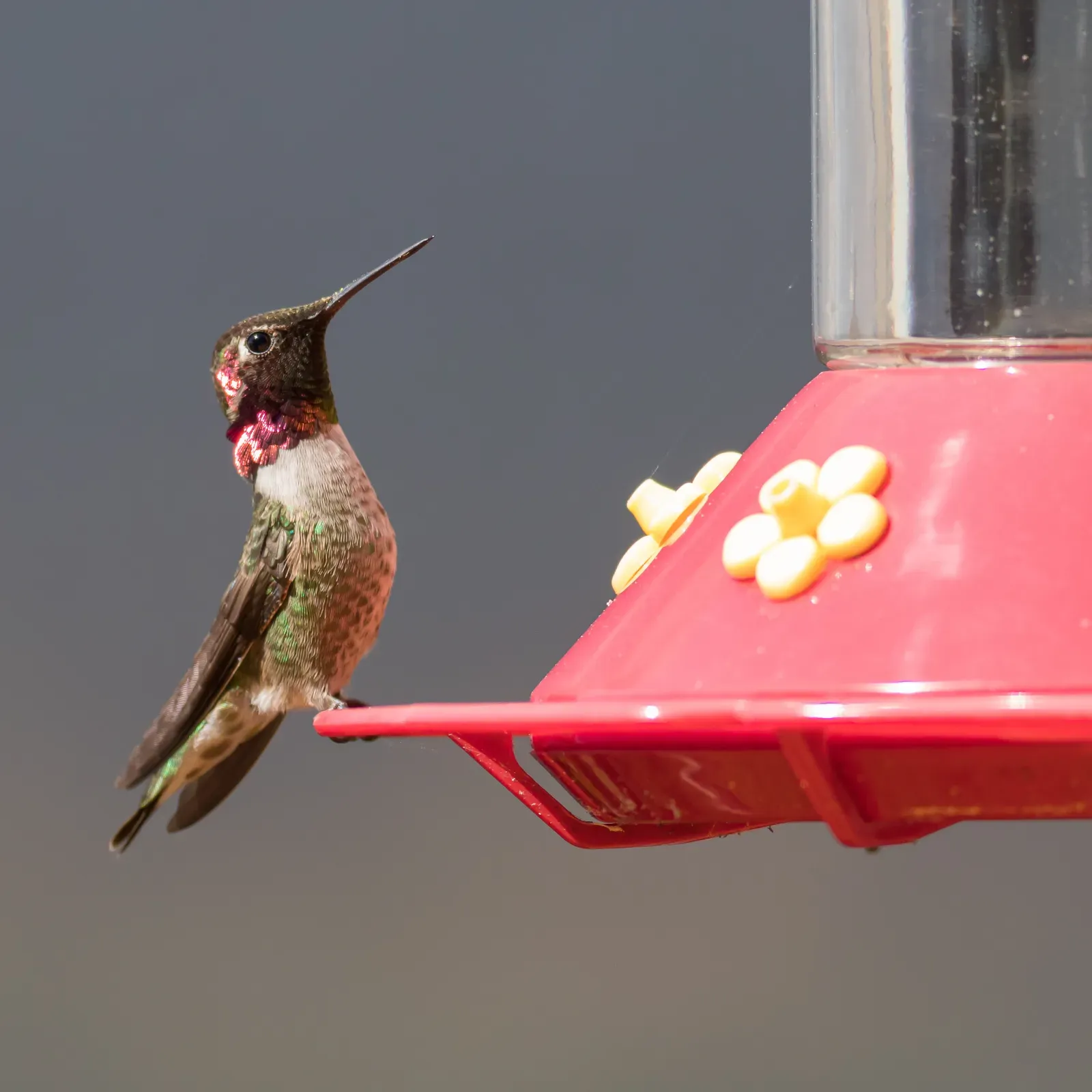
This one catches a lot of people off guard. Sunlight feels natural, even inviting. You should never put hummingbird feeders in full sun. Exposure to sunlight accelerates the fermentation process of the nectar: what was once a sweet, nutritious meal quickly becomes a boozy, potentially harmful concoction.
Sugar water ferments quickly in heat, sometimes spoiling within just a day in hot weather, potentially making birds sick. The sun’s intensity also encourages rapid growth of harmful bacteria and mold in the nectar. What started as a healthy meal can quickly become dangerous to the very birds you’re trying to help. Hot feeders can actually burn tiny hummingbird tongues when the metal parts heat up.
An ideal spot would be an area that receives morning sun but is shaded during the hottest parts of the afternoon. Placing feeders near trees or under eaves can provide natural protection. It’s a small adjustment that can make an enormous difference to the health and safety of your visitors.
Using Soap or Harsh Chemicals to Clean the Feeder
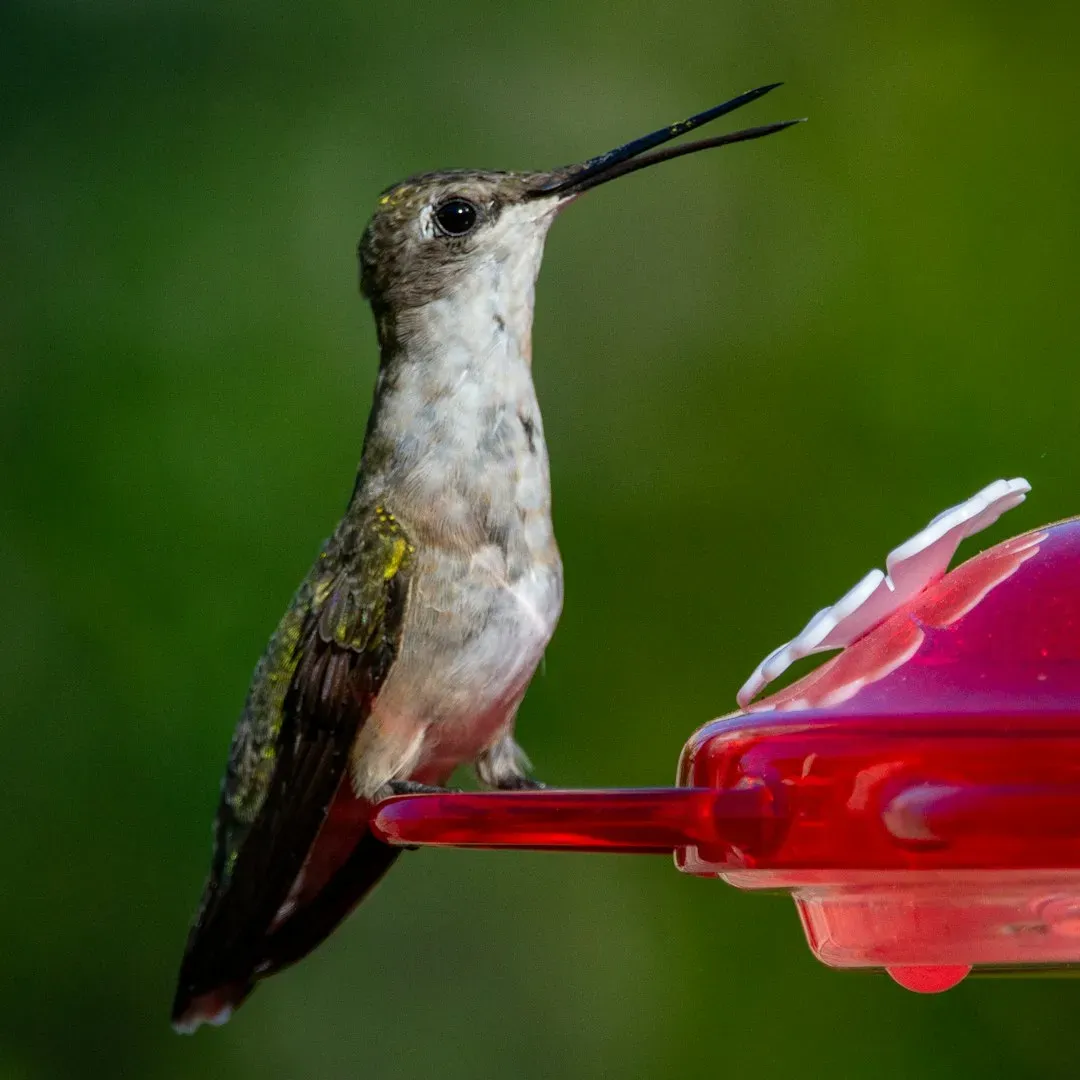
Here’s one that’s genuinely counterintuitive. You want a clean feeder – so you reach for dish soap. That seems like the responsible thing to do. The problem is that soap residue is surprisingly persistent and very harmful. Avoid using dish soaps, as this can leave harmful residue in the feeder.
Don’t use any dish soap, which may leave residue behind. Not only will the soap residue possibly deter hummers away from the feeder, but accidental ingestion could make them sick. Similarly, hummingbirds can get sick or die if they get grease or oil on their feathers or if they ingest grease, oil, dish soap, or pesticides that were put on or near the feeder to discourage pests.
You can use a solution of hot water and three percent hydrogen peroxide to safely clean your hummingbird feeder, scrubbing all of the components. Another option is soaking the feeder in distilled white vinegar for several hours. Dilute it well, using one cup of vinegar to two cups of water, pouring the solution through the ports to remove all of the spoiled nectar. Rinse well to remove any remaining vinegar traces, then let fully dry before you refill with nectar.
Ignoring Mold Growing Inside the Feeder
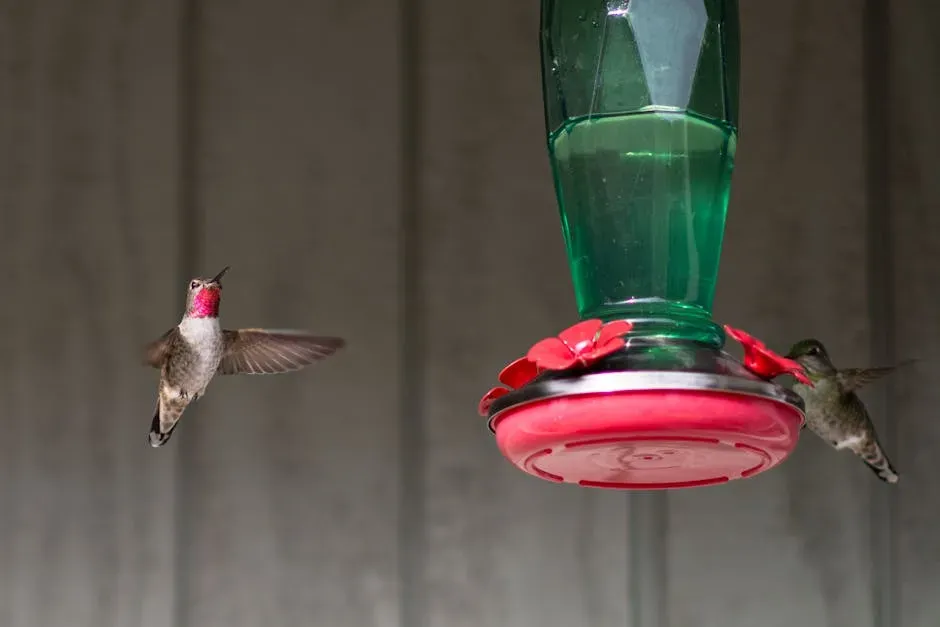
Let’s be real – mold is easy to miss, especially on a dark-colored or opaque feeder. But the consequences of ignoring it are genuinely frightening. Sugary water is an excellent medium for the growth of pathogens, which means it easily develops mold and mildew. Black mold can cause a horrid infection in hummers. It’s called candidiasis, and it causes a swollen tongue, leading to a death of slow starvation. It can also be transmitted from an infected mother hummingbird to her nestful of youngsters when she feeds them.
Four of the diseases that hummingbirds can contract eating food infected with mold and bacteria are aspergillosis, candidiasis, avian poxvirus and salmonellosis. These organisms can adversely affect the birds in many ways, including attacking their beaks and tongues and causing gastrointestinal problems.
Mold in hummingbird feeders is usually black, green, or gray. It frequently shows up as little dots or slimy residue, although it can float in the nectar itself. You might also spot it around the feeding ports and along any grooves or seams. Inspect your feeder every single time you refill it. Catching mold early could save a life.
Using Pesticides Near the Feeder
Many gardeners treat their plants and lawns with pesticides without ever thinking about the impact on their feeders. This is one of the sneakiest dangers on this entire list. Using pesticides or insecticides near feeders is an absolute no-go, as even residual amounts can be lethal to hummingbirds.
Gardens treated with chemicals pose serious dangers to hummingbirds. These tiny birds have extremely fast metabolisms, making them particularly vulnerable to even small amounts of toxins that might not immediately affect larger animals. Pesticides don’t just contaminate plants but also the insects hummingbirds eat. That last point is important. Hummingbirds don’t survive on nectar alone – they eat tiny insects for protein too. Poison those insects, and you’ve poisoned a food source.
While hummingbirds primarily consume nectar, insects like gnats and spiders provide essential protein, especially during nesting season. Neonicotinoids can drastically reduce these insect populations, indirectly starving the hummingbirds. Avoid using pesticides in your yard. If you do a pesticide treatment, take the feeders down until the fumes dissipate.
Only Putting Out One Feeder
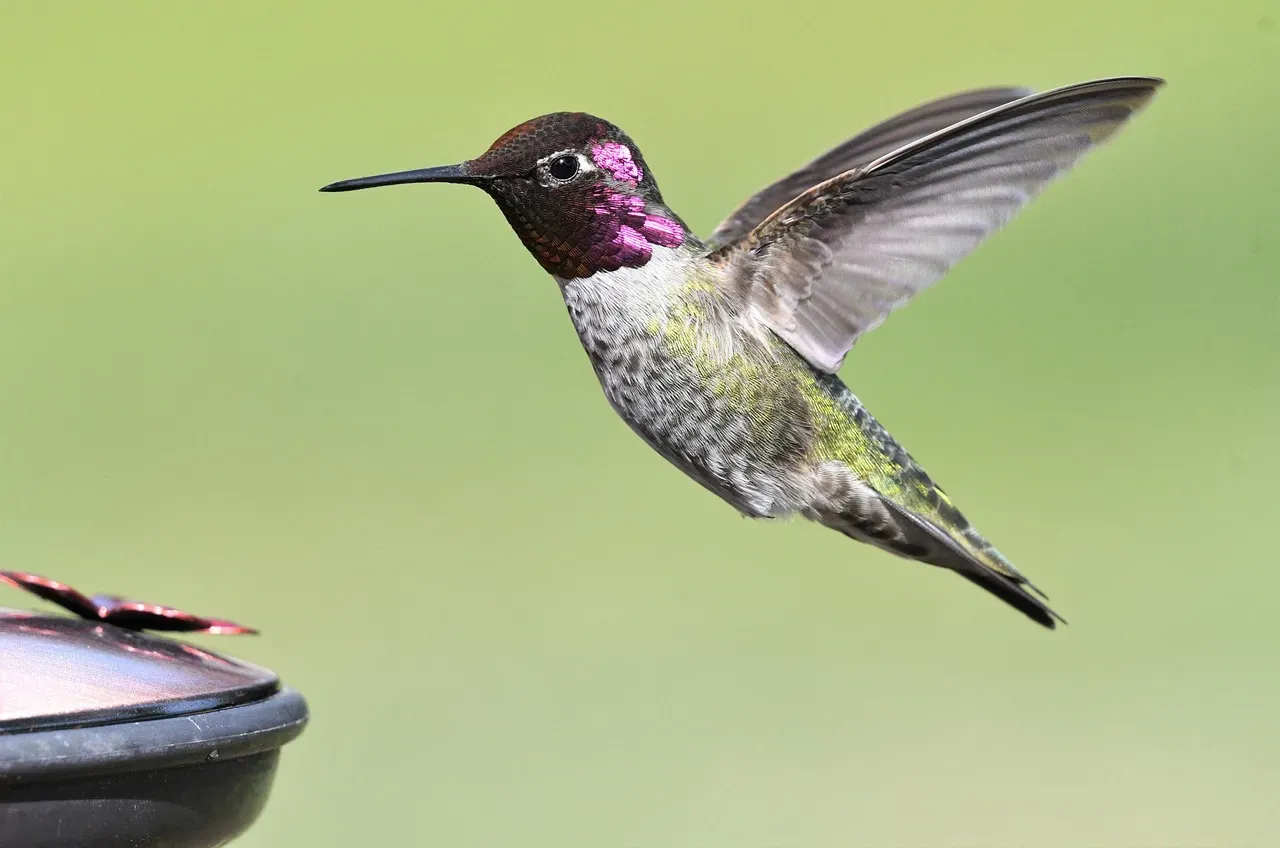
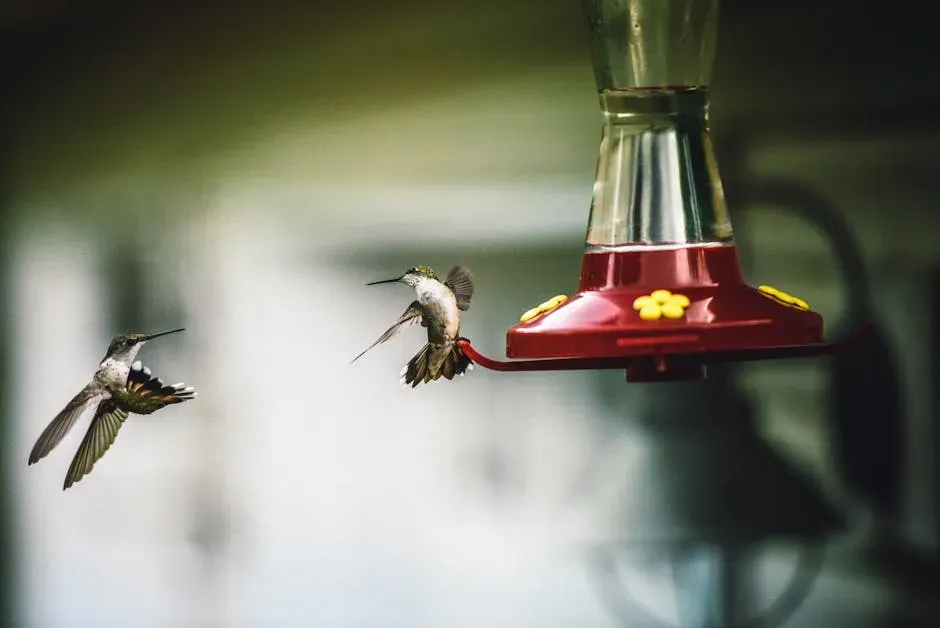
This mistake doesn’t exactly make the nectar toxic, but it absolutely creates a stress environment that can harm birds over time. It’s no secret that hummingbirds can be very territorial. If you’re only setting out one sugar water feeder, a single bully hummingbird might wind up hogging the whole thing. Then, the rest of the hungry hummers in your backyard will have to look elsewhere.
Male hummingbirds are fiercely territorial around food sources, often spending more energy chasing away rivals than actually feeding. Placing multiple feeders too close together creates constant battles that stress the birds and reduces feeding opportunities for all visitors. Dominant birds will try to guard all nearby feeders if they can see them from one position. This territorial behavior means only one bird gets to feed despite your efforts to provide for many.
If you see constant fighting, consider adding a second feeder at least fifteen feet away from the first. Some dominant males will guard multiple feeders, so placing them out of sight from each other works best. Think of it like placing two snack stations on opposite sides of a room. Everyone gets a turn.
Using a Feeder That Is Damaged or Too Large
It’s hard to say for sure how many people never inspect their old feeders for wear and tear, but honestly, it’s probably a lot. Over time, plastic feeders can develop cracks or sharp edges from sun damage and temperature changes. These imperfections can injure hummingbirds’ delicate tongues or beaks, which they use up to twelve times per second while feeding. Inspect your feeders regularly and replace them at the first sign of damage.
Feeder size matters too, and not in the way most people expect. Bigger is not better here. Larger feeders may seem convenient, but they can cause nectar to ferment sooner due to less frequent refills. It’s crucial to make sure that hummingbird nectars are changed regularly, especially in warm temperatures where fermentation occurs more rapidly.
Unclean feeders can clog the feeding ports and prevent hummingbirds from feeding, resulting in malnourishment and starvation. A small, simple feeder that gets cleaned and refilled often is far safer than a large, fancy one that gets topped off occasionally and left to fester in the sun. Match feeder size to the actual number of birds visiting your yard.
Conclusion: A Little Effort Goes a Very Long Way
The good news is that none of these mistakes are hard to fix. There’s no expensive equipment involved, no complicated science. Clean regularly, use only plain white sugar and water, skip the dye, hang the feeder in the shade, and check for damage. That’s genuinely most of it.
It’s worth remembering that no one puts up a hummingbird feeder thinking it will do more harm than good. However, small mistakes can snowball into big problems for hummingbirds if you are not careful. These are fragile, fast-living creatures. With a wingspan of about three to four inches and weighing less than a nickel, hummingbirds must feed frequently to sustain their rapid metabolism. This high-energy lifestyle makes them particularly susceptible to toxins in their food sources, such as contaminated nectar or insects poisoned by pesticides.
Your feeder should be a sanctuary, not a slow-motion hazard. Take another look at your setup today. You might be surprised by what small changes can make the biggest difference for the tiny, spectacular birds counting on you. Which of these mistakes were you making without realizing it?

- 9 Surprising Facts About Ladybugs - July 25, 2026
- The Zodiac Signs Most Drawn To a Forest Dwelling - July 25, 2026
- 8 Surprising Things You Never Knew About Sloths - July 25, 2026