

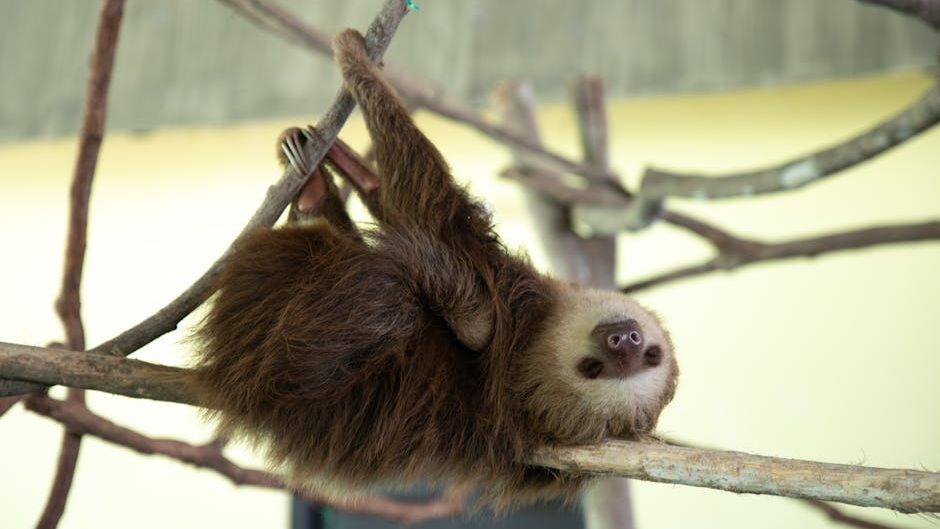
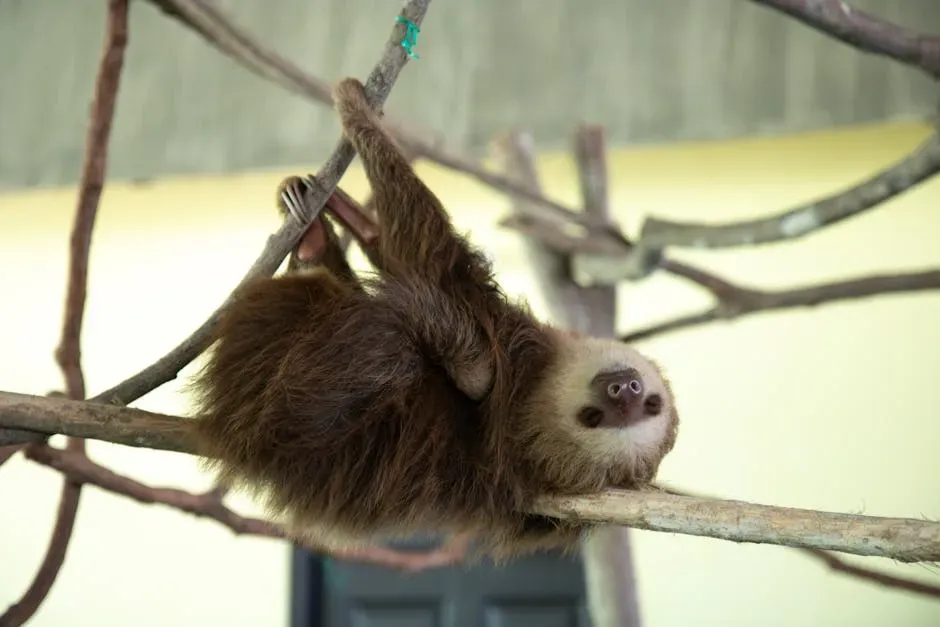
In the lush wilds of Venezuela, a female sloth faced a nightmare of parasites that nearly proved fatal. Fundación Chuwie, renowned for their swift interventions, stepped in just in time. What followed was a meticulous effort to restore her health, drawing global attention to the plight of these slow-moving creatures. This story, highlighted just yesterday, reminds us how fragile wildlife hangs in the balance amid habitat pressures.
Here’s the thing: sloths like her often end up grounded due to deforestation, making them easy prey for ticks. The team’s careful work not only saved her but showcased the raw power of dedicated conservation.
Fundación Chuwie’s Swift Intervention Saves a Life
Rescuers from Fundación Chuwie in Miranda, Venezuela, discovered the sloth in dire straits, covered in an astonishing 40 ticks. Led by experts like co-founder Juan Carlos Rodríguez, the team prioritized gentle handling to avoid stressing the sensitive animal. Each tick required precise removal to prevent further blood loss or infection. Their protocol ensured no parasites were overlooked, a critical step given sloths’ low metabolic rates. This operation unfolded with the precision of seasoned wildlife handlers, turning desperation into hope. Success here bolsters their track record of hundreds of annual rescues.
The Grave Dangers Ticks Pose to Sloths
Sloths’ sluggish lifestyle and cooler body temperatures usually deter heavy tick loads, but ground time from habitat loss changes that equation. Species like the giant Amblyomma varium burrow deep, siphoning blood and risking anemia or disease transmission. In this case, 40 ticks represented a life-threatening burden, capable of weakening immunity fatally. Tropical forests amplify these risks as deforestation pushes sloths into tick-infested undergrowth. Experts note such infestations spike mortality by up to 30 percent without aid. Let’s be real – without groups like Chuwie, outcomes would be grim far too often.
Post-Bath Bliss Marks Turning Point
After tick extraction, a thorough bath cleansed her fur of debris and irritants, revealing immediate relaxation. Muscles unclenched, and her demeanor shifted to one of evident comfort, a testament to relief from prolonged torment. This step eliminated any lingering threats, paving the way for recovery. Observers couldn’t miss the transformation, fueling viral interest in sloth welfare. Such moments highlight how simple interventions yield profound changes. The sloth’s calmer state signaled boosted spirits alongside physical healing.
Navigating the Delicate Rehabilitation Path
Rehab demands patience, with Chuwie using specialized enclosures to mimic natural conditions. Monitoring vital signs, appetite, and weight gain follows closely, supplemented by species-specific leaves and nutrients. Stress minimization through minimal handling respects sloths’ biology, aiding steady progress. Fur regrowth and skill-building precede wild release, with high success rates from their protocols. Volunteers trained in parasite management ensure humane care throughout. This phase turns rescues into thriving returns to the canopy.
Ticks’ Rising Threat Amid Environmental Shifts
Climate changes and forest fragmentation surge tick populations, forcing sloths into riskier zones. In Venezuela’s biodiversity hotspots, closer ground contact spells trouble for arboreal dwellers. Conservation data underscores early detection’s role in averting die-offs across species. Chuwie’s advocacy pushes for habitat restoration and natural repellents. Public stories like this drive donations for monitoring programs. Proactive measures now define survival strategies.
Final Thought
This sloth’s journey from infestation to ease embodies conservation’s triumphs. It spotlights Fundación Chuwie’s vital role in Venezuela’s wilds. What strikes hardest is one rescue’s ripple effect on global empathy. How can we support similar efforts in your view?
Source: Original YouTube Video

- Urban Coyotes Show Remarkable Adaptability, Learning to Thrive in City Environments - July 22, 2026
- Beavers Are Nature’s Engineers, Creating Vital Habitats for Other Wildlife Species - July 21, 2026
- The Recovery of the California Condor Offers Hope for Other Critically Endangered Birds - July 21, 2026