
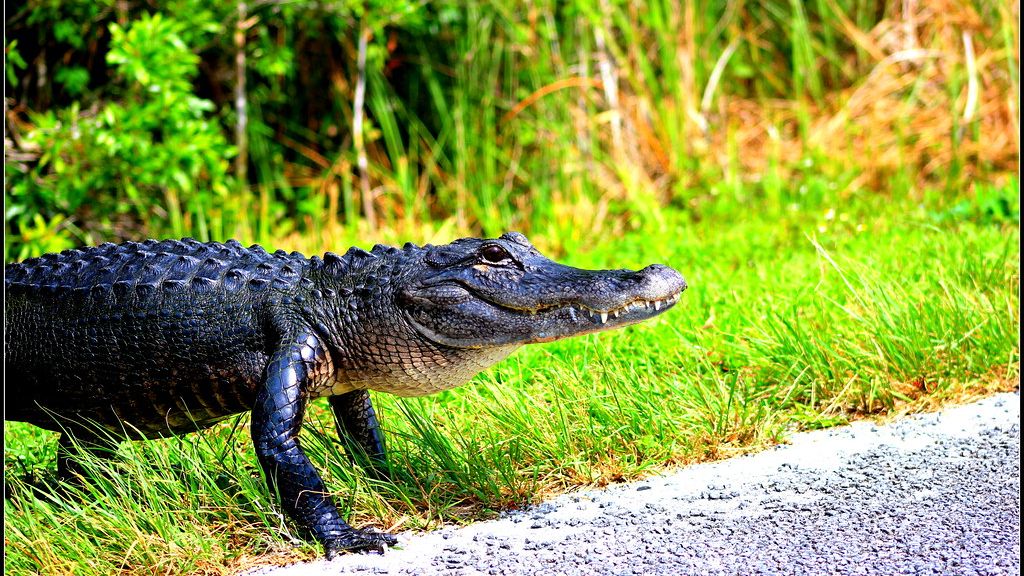
Picture this: a prehistoric beast lurking in the shadows of your local swamp, eyes glowing like embers in the dusk. Alligators, once on the brink of extinction, are staging an epic comeback across the American South. Warmer weather and smart conservation have turned the tide, pushing their numbers skyward in surprising spots.[1][2]
By 2026, the U.S. boasts over 4 million wild alligators, a testament to nature’s resilience. Yet some states stand out for their explosive surges. Let’s dive into the hotspots where these toothy giants are multiplying fastest.[1]
Louisiana: The Unrivaled Gator Powerhouse
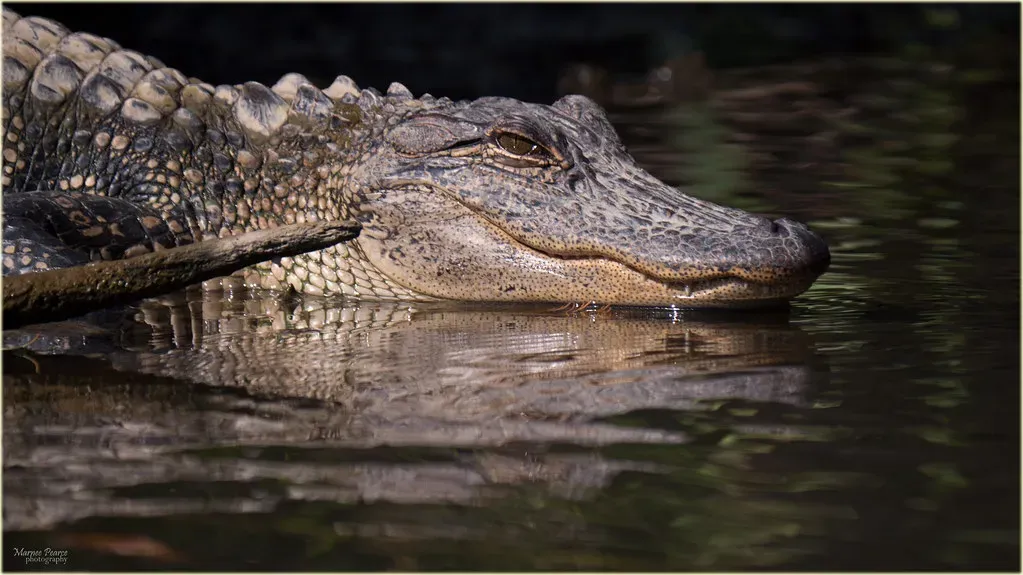
Louisiana reigns supreme with around 2 million wild alligators, nearly half the national total. This boom stems from decades of protection after near-extinction in the 1960s, when numbers dipped below 100,000. Recent harvests hit record highs in 2024, signaling a population that’s not just stable but thriving.[1][3]
Experts note growth even in central and northern areas, prompting extended hunting seasons. Swamps and bayous provide perfect nurseries. Honestly, it’s like the state turned into one giant alligator Airbnb.[4]
Texas: Expanding into New Territories
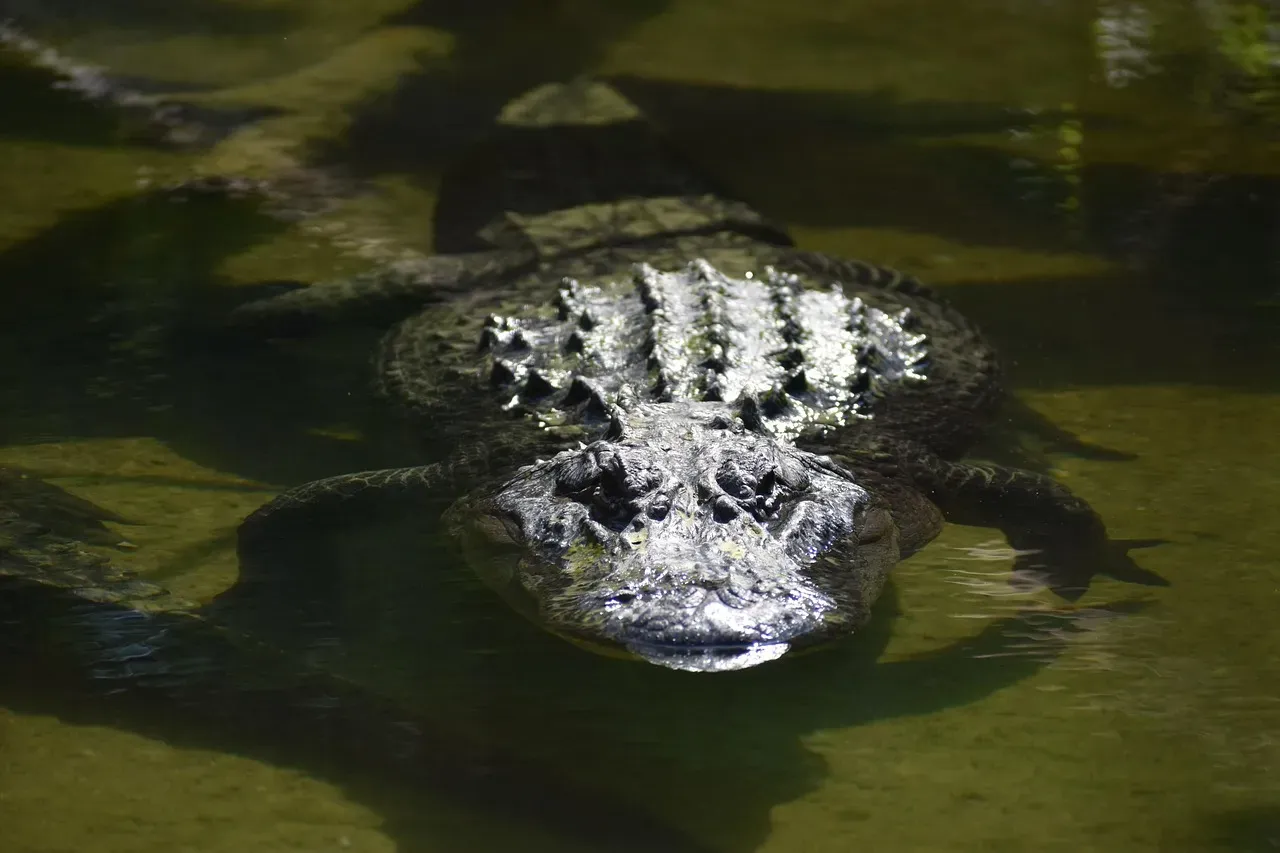
Texas packs 400,000 alligators across 120 counties, from the Sabine River to coastal marshes. Populations have swelled thanks to abundant wetlands and milder winters. Sightings are up, especially near the Gulf, where young gators are popping up more frequently.[1][2]
The state’s vast size lets these reptiles spread without much fuss. Conservation efforts mirror Louisiana’s success. Here’s the thing: Texans are spotting gators in places they rarely ventured before, like a subtle invasion.[5]
Climate shifts help too, warming edges of their range.
Georgia: Steady Surge South of the Fall Line
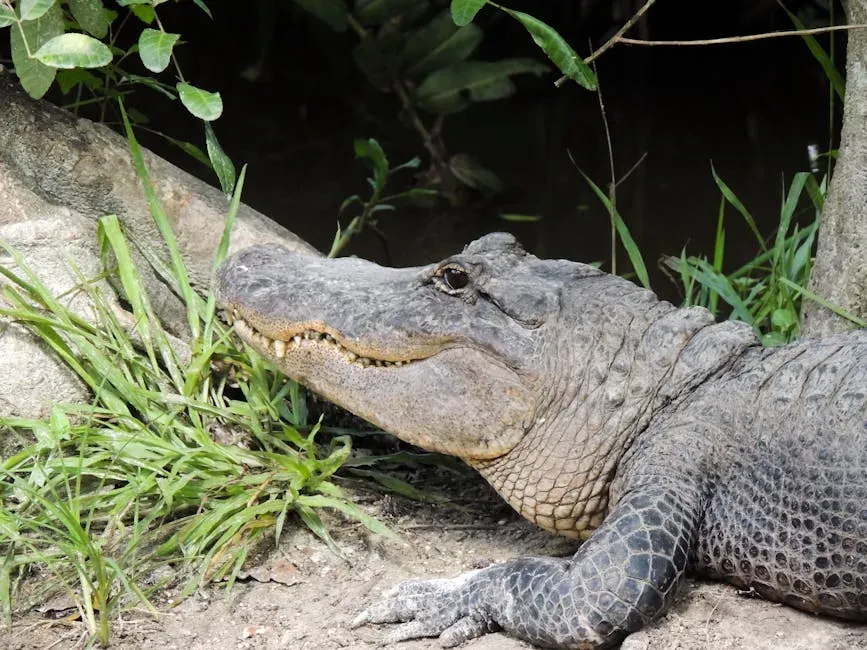
Georgia hosts 200,000 to 250,000 alligators, mostly south of the fall line through cities like Macon. Numbers have climbed steadily since protections kicked in, filling rivers and lakes. Breeding grounds thrive in coastal lowlands, boosting nest success rates.[1][2]
Recent surveys show denser clusters, hinting at ongoing growth. Wetlands restoration plays a big role. I think it’s wild how these ancient survivors are reclaiming space once lost to development.
South Carolina: Coastal Hotbed of Increase
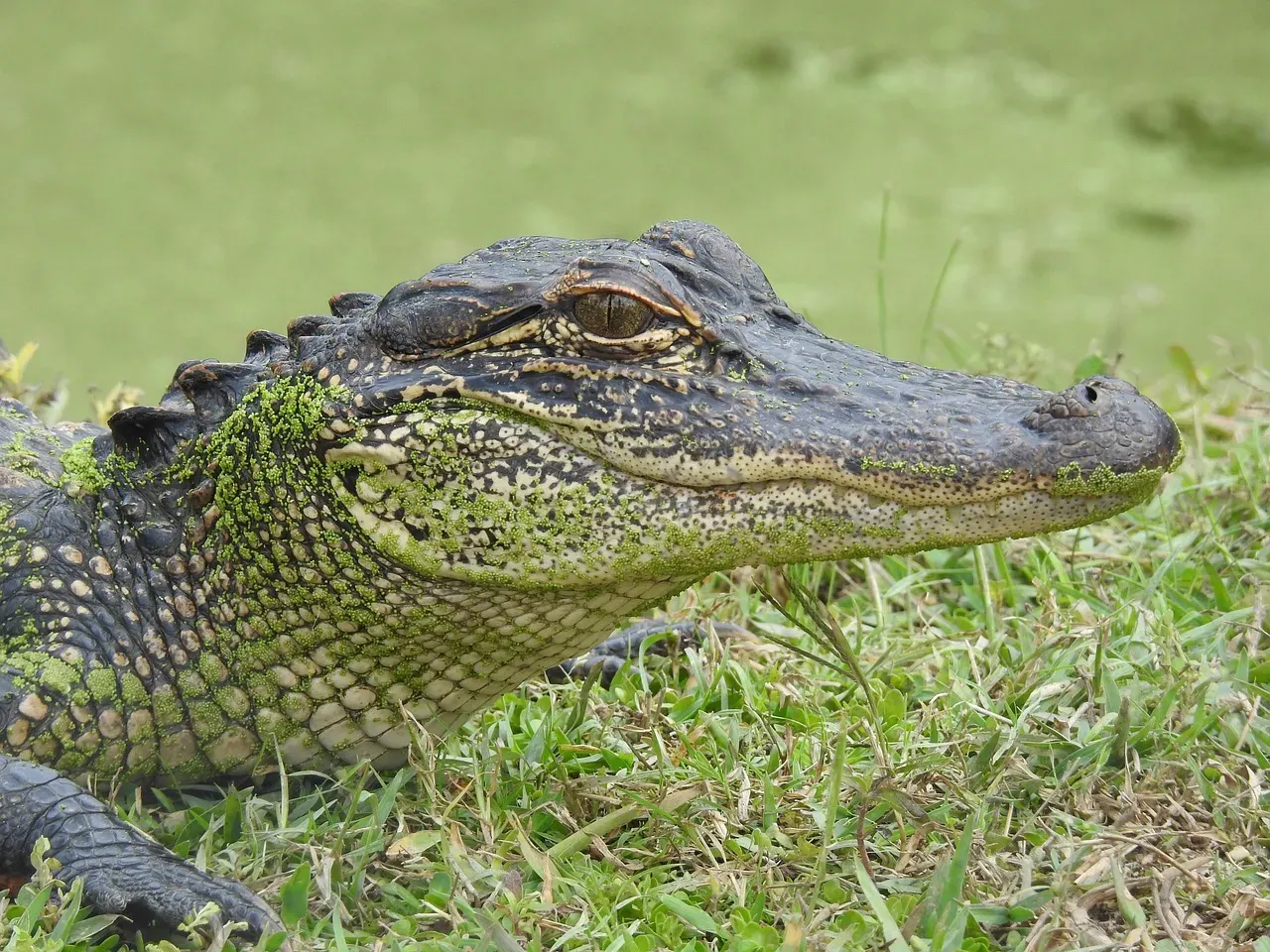
South Carolina’s 100,000 alligators cluster in southern marshes and coastal plains. Populations are rebounding fast in prime breeding zones, with young ones surviving better each year. Warmer waters extend their active season, leading to more offspring.[1]
Numbers drop northward due to chill, but the core areas explode. State wildlife tracks rising encounters. Let’s be real, these lowcountry lurkers are turning quiet creeks into adventure zones.
Arkansas: The Northern Frontier Boom
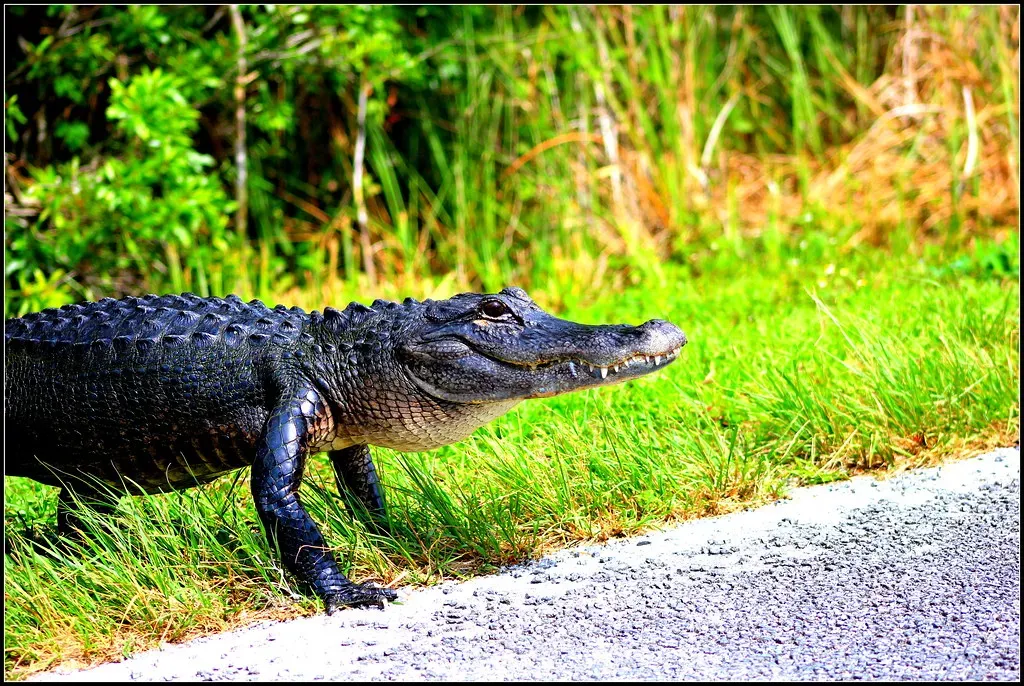
Arkansas surprises with 2,000 to 3,000 alligators, but they’re growing yearly in the southeast and southwest. Climate change warms winters, letting gators push north into new wetlands. Densities remain low, yet reproduction ticks upward.[1][2]
This edge-of-range expansion feels like watching evolution in fast-forward. Low numbers mean rapid relative growth. It’s hard to say for sure, but sightings suggest they’re here to stay.[6]
Conservation keeps it balanced.
Conclusion: A Thriving Legacy with Caution
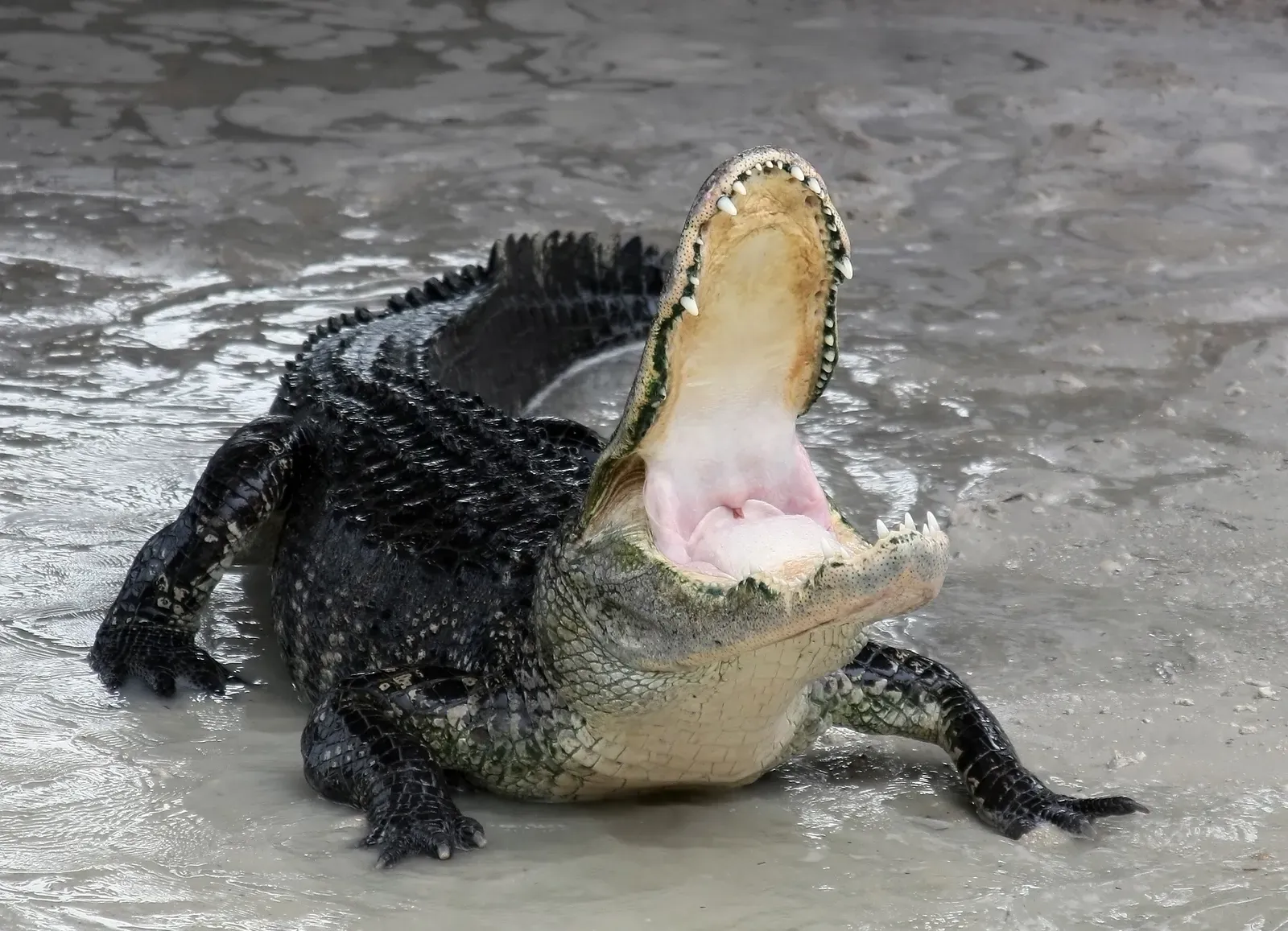
From Louisiana’s millions to Arkansas’s bold push, alligator populations signal environmental wins after decades of peril. Conservation turned the tide, but warmer trends fuel faster spreads. These states remind us nature bounces back fiercely.
Still, more gators mean more backyard surprises. What steps should we take next? Share your thoughts below.[7]

- 10 Remarkable Facts About the African Cheetah: The Lightning of the Grasslands - July 29, 2026
- 10 Most Heroic Horses in History - July 29, 2026
- Why You Should Never Play Dead When Attacked by a Black Bear - July 29, 2026