
There’s a moment, when you first see certain animals, where your brain simply refuses to accept them as real. You stare. You blink. You maybe even scroll back up to double-check what you just looked at. The truth is, our planet is home to creatures so jaw-droppingly strange, so impossibly designed, that they make the aliens from Hollywood blockbusters look positively ordinary by comparison.
Evolutionary biology isn’t always about survival in a way that looks logical to the human eye. Sometimes it produces creatures so structurally defiant they look like CGI assets from a big-budget sci-fi film, breaking every known rule of symmetry and aesthetics. Hidden in our oceans, rainforests, and wetlands, these living oddities are waiting to be discovered. So buckle up, because what comes next might just change everything you thought you knew about life on Earth. Let’s dive in.
1. The Axolotl – Nature’s Smiling Immortal
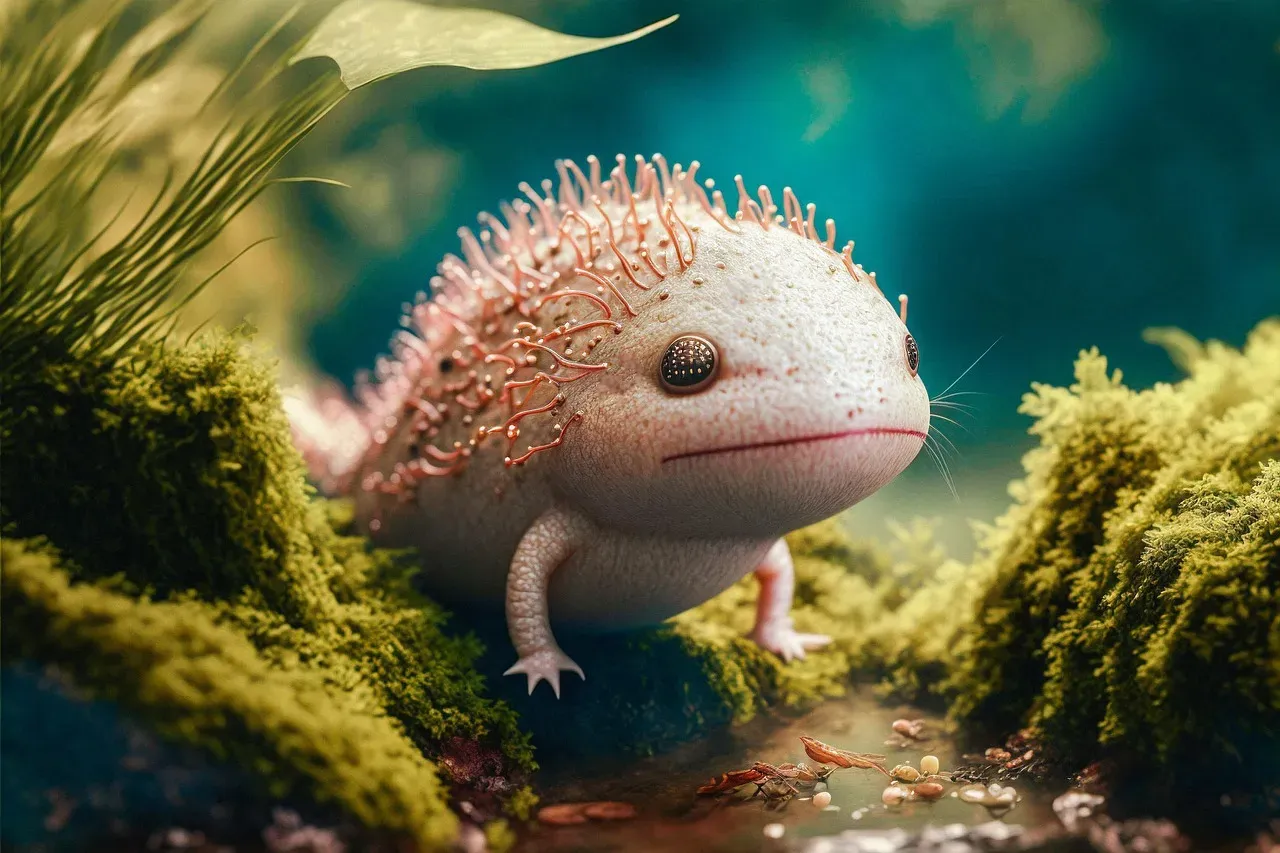
Let’s be real, the first time most people see an axolotl, they assume it’s a cartoon. With its permanent grin and frilly pink gills, the axolotl looks like a creature from another dimension. Unlike most amphibians, it never undergoes metamorphosis, keeping its larval features throughout its life. Think of it like a teenager who never grows up, except this one is genuinely fascinating rather than frustrating.
Even more astonishing, it has the incredible ability to regrow limbs, spinal cords, and even parts of its heart and brain. Scientists are studying this unique creature to unlock the secrets of regeneration. That’s not just cool, that’s the stuff of science fiction made completely, undeniably real.
Axolotls are critically endangered because they only live in Lake Xochimilco and Lake Chalco in Mexico. Their biggest threats are habitat loss and the introduction of non-native predators such as carp and tilapia. A creature capable of regrowing its own brain, and we’re the ones threatening its existence. That’s a humbling thought.
2. The Barreleye Fish – The Alien With a See-Through Head
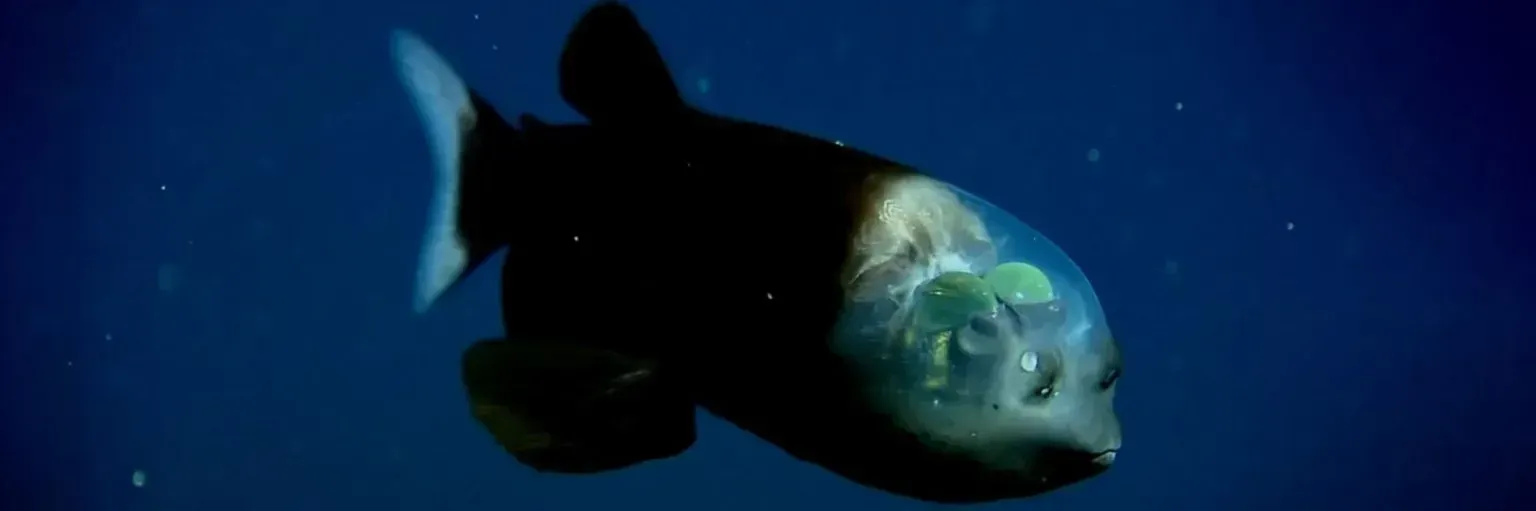
The barreleye fish has one of the strangest adaptations in the animal kingdom: a completely transparent skull. This deep-sea fish’s eyes are housed inside its head, allowing it to see straight through its own body. Scientists believe this adaptation helps it detect faint bioluminescent prey in the pitch-black depths.
Imagine walking around with a glass forehead. Uncomfortable, sure. Effective? Apparently very much so. It has a transparent forehead revealing a pair of glowing green, tubular eyes aimed upward, able to rotate, allowing the fish to track prey above while keeping its body motionless. Its diet mainly consists of jellyfish and other soft-bodied creatures floating in the deep. The clear dome on its head protects its eyes while allowing the faintest traces of light to enter.
Hardly anyone ever sees one alive. Remote submersibles captured the first clear footage only in the 2000s, yet it is now a favorite example of how bizarre deep-ocean evolution can be. Honestly, discovering this thing on video must have felt like finding actual alien footage.
3. The Star-Nosed Mole – Nature’s Most Overengineered Face
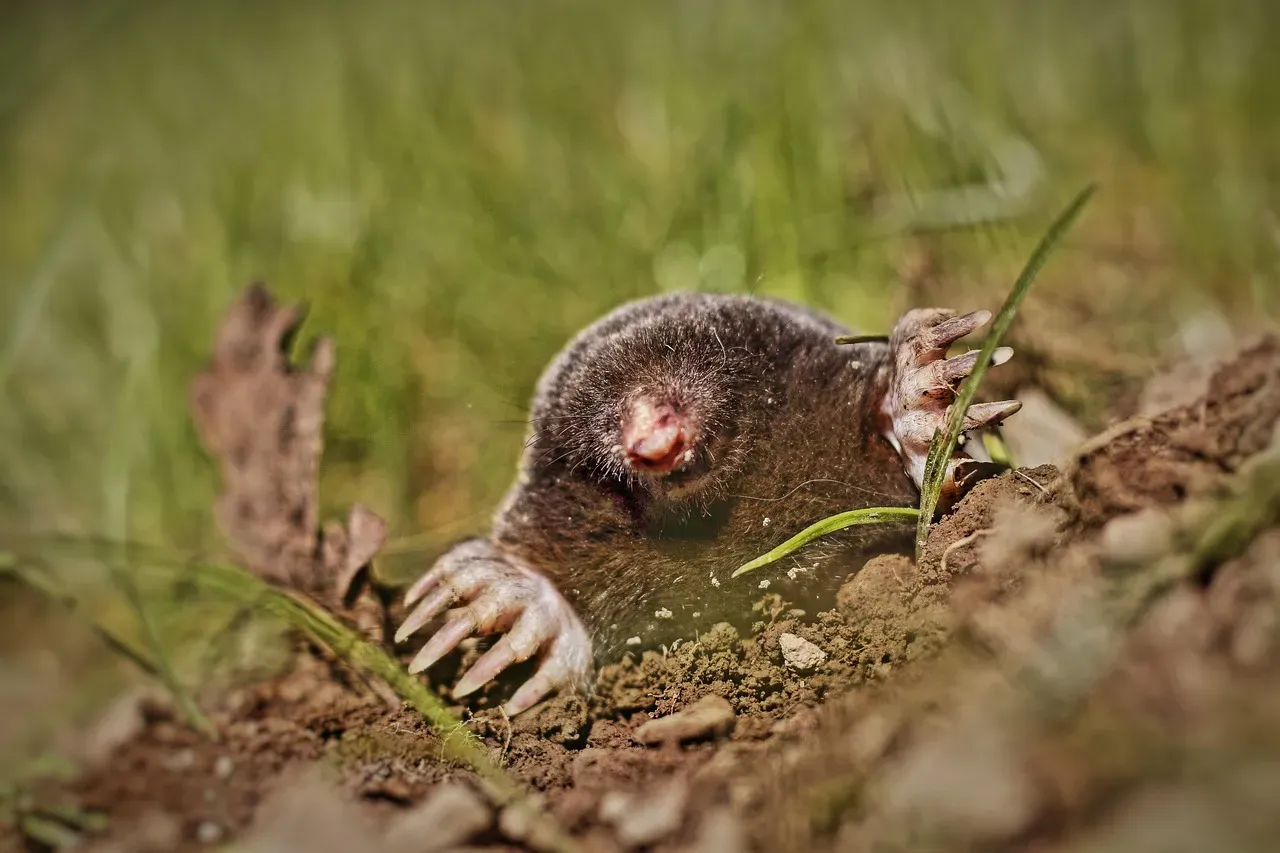
There’s no disputing that the star-nosed mole is one of the most bizarre mammals in the world. Found in wetlands across eastern North America, this small burrowing mammal has a fleshy pink “star” of 22 tentacles sprouting from its snout. Each tentacle is loaded with sensory cells, over 25,000 in total, allowing the mole to detect and identify prey faster than the blink of an eye.
That nose isn’t decoration. It’s a biological supercomputer crammed onto the tip of a mole’s face. Their odd nose functions like a built-in radar, allowing them to hunt efficiently even in total darkness. They can even use it underwater to exhale bubbles to smell prey below the surface.
Star-nosed moles make tunnels underground that are up to 2.5 inches in diameter and extend up to 2 feet below the ground. They typically live in wetland areas and feed on invertebrates such as the larvae of beetles, as well as aquatic insects, annelids, and even small fish. Living in wetlands, star-nosed moles are good swimmers that regularly enter the water and can even swim beneath the ice. Basically, it hunts everywhere and fears nothing.
4. The Goblin Shark – A Living Fossil From the Deep
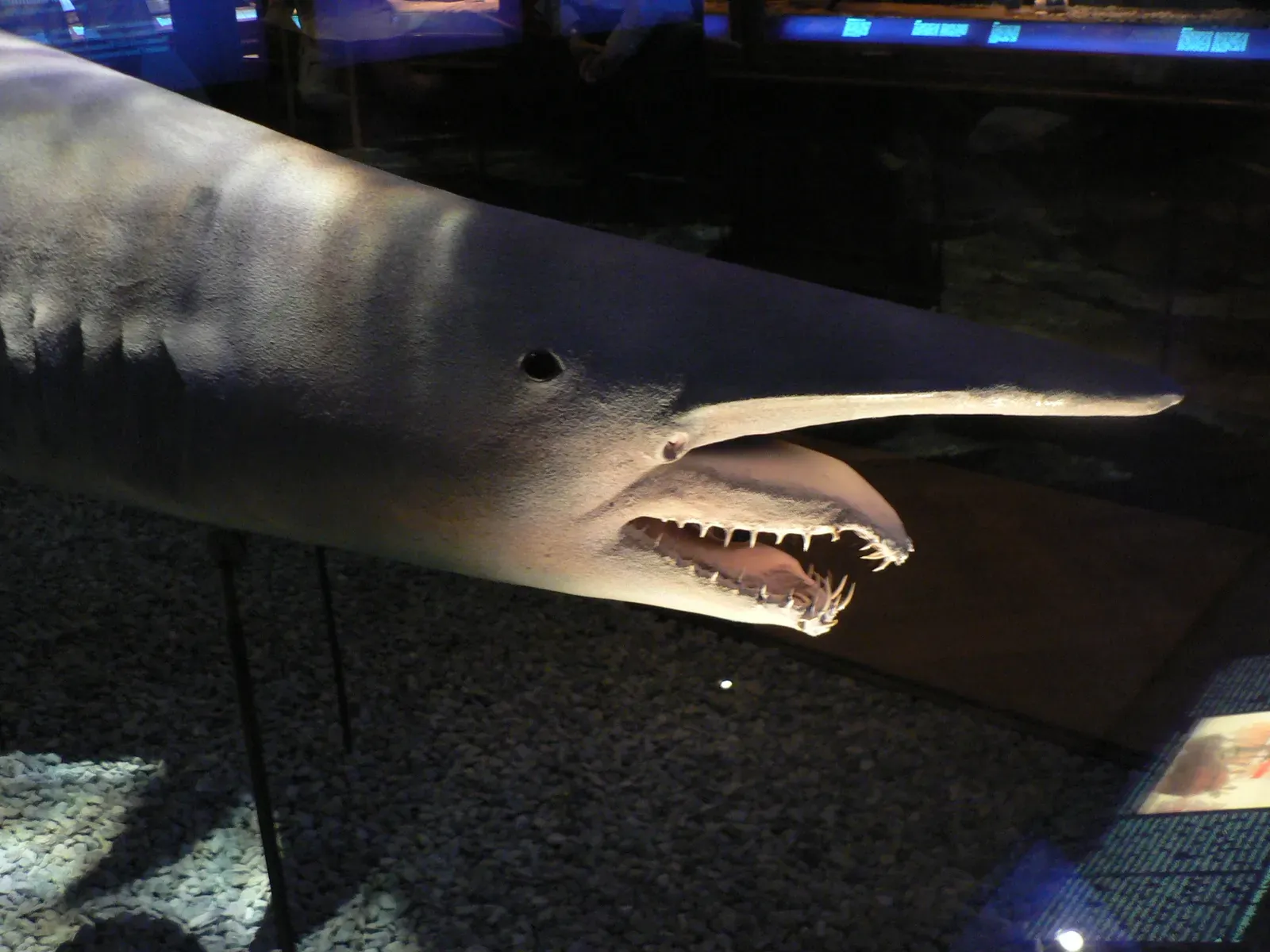
If nightmares had a preferred animal form, they’d probably pick the goblin shark. The goblin shark lurks in the deep waters off Japan and the Atlantic. Growing up to 12 feet long, it sports a flat snout and jaws that snap forward like a slingshot to catch prey. Those jaws don’t just open, they lunge outward. It’s the stuff of horror movies.
Goblin sharks have been around for about 125 million years. They have been able to survive the depths of the deep ocean in the benthopelagic zone, diving to depths of up to 3,000 feet. They can be found in the Atlantic, Pacific, and Indian Oceans, although encounters with these species are rare because of how far down in the ocean they live.
I think what makes the goblin shark truly unsettling isn’t the teeth or the protruding jaw. It’s the idea that something this ancient, this unchanged, has been silently prowling the deep for longer than dinosaurs roamed the surface. The goblin shark is a deep-sea shark that has an elongated, flattened snout, and within it are weird protruding jaws filled with teeth that resemble nails. Existentially terrifying, to say the least.
5. The Aye-Aye – Madagascar’s Own Little Nightmare
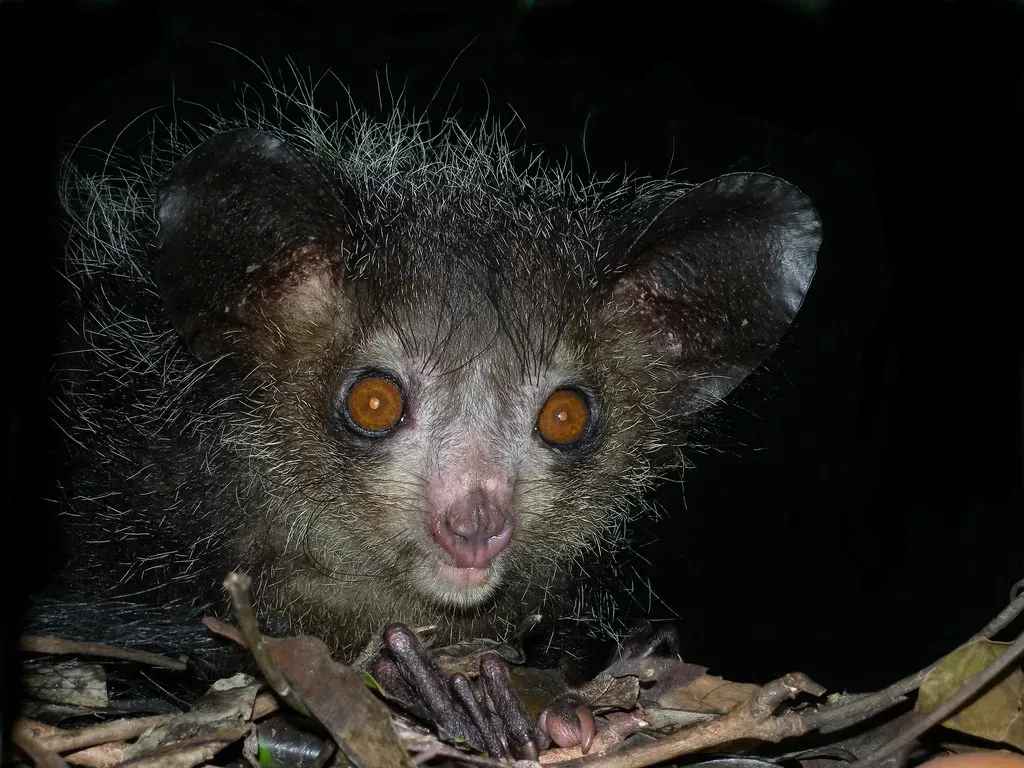
The aye-aye, native to Madagascar, is a primate that seems to have leapt from the pages of a science fiction novel. Small in size but huge in personality, the aye-aye sports bat-like ears, piercing eyes, and a bushy tail longer than its own body. Its most shocking feature is a long, thin middle finger, which it uses like a tool to tap on trees and fish out insects, a method known as percussive foraging.
Here’s the thing, it literally evolved its own built-in woodpecker finger. That’s not evolution being lazy. That’s evolution showing off. The aye-aye is the world’s largest nocturnal primate. It has rodent-like teeth that grow perpetually, and a special middle finger that is long, thin, and skeletal in appearance.
There are under 10,000 aye-ayes left in the world as of 2023. The aye-aye is a somewhat adorable, somewhat grungy-looking primate native to Madagascar. Unfortunately, local superstition in some areas of Madagascar considers the aye-aye a bad omen, which has historically contributed to its persecution. A genuinely tragic situation for one of the most unique animals alive.
6. The Shoebill – The Bird That Looks Like It Wants to Speak to Your Manager
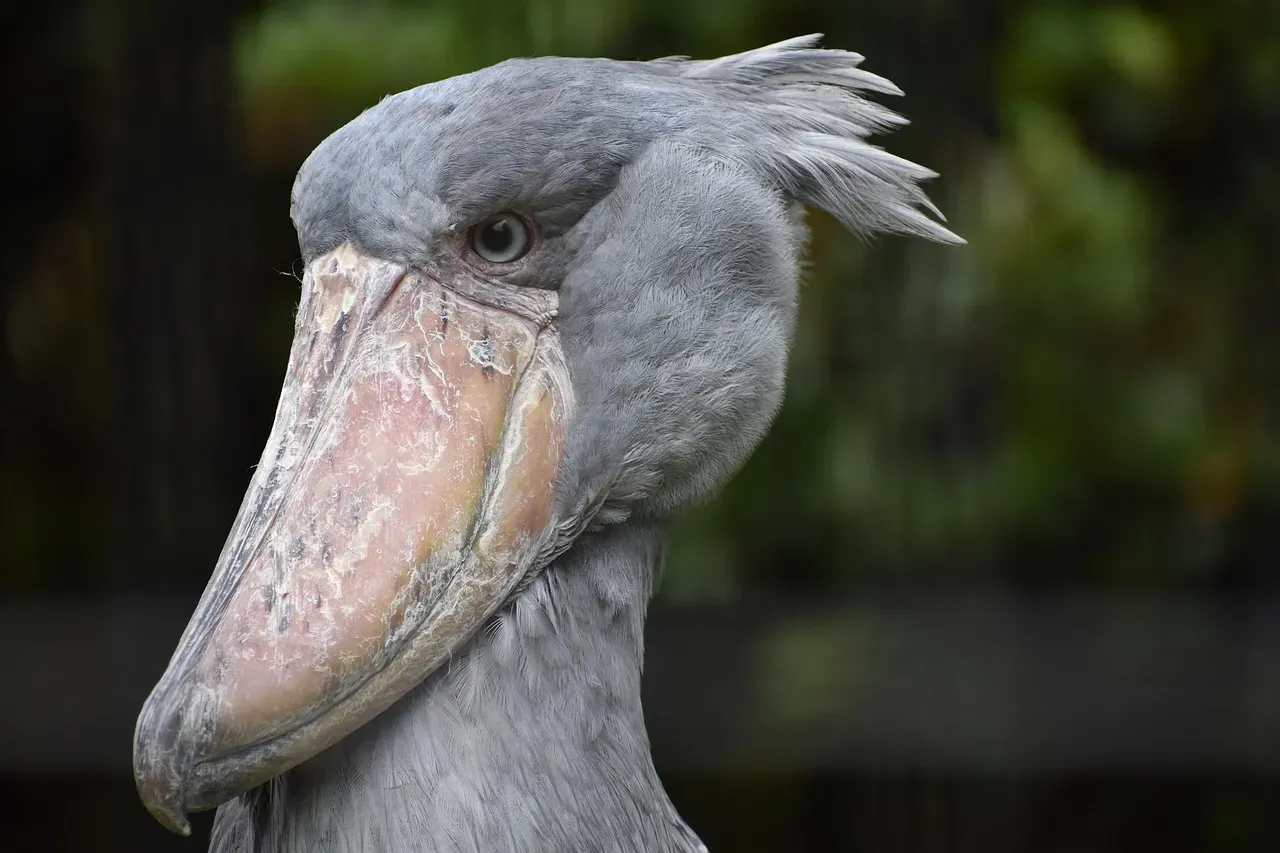
The shoebill, also known as the whale-headed stork, resembles a character from a cartoon. Its giant, shoe-shaped bill and piercing gaze make it one of the most unusual and even eerie birds. Known scientifically as Balaeniceps rex, the shoebill is a large bird that looks as though it could strike at any moment.
And strike it does. Its hunting method, known as “the collapse,” involves the bird remaining motionless for long periods before suddenly lunging at its prey with such force that escape is impossible. That stillness is deceptive. Like a statue come to life, but angrier and hungrier.
Shoebills not only impress with their appearance but also their sounds. Although these birds are generally silent and deter predators with their stern look, they can become very noisy. During nesting, shoebills make a sound reminiscent of machine-gun fire. This distinctive call is used for communication among the birds, though it often frightens and creates a tense atmosphere. A prehistoric-looking bird that machine-guns you with sound. Incredible.
7. The Pangolin – Earth’s Only Scale-Armored Mammal
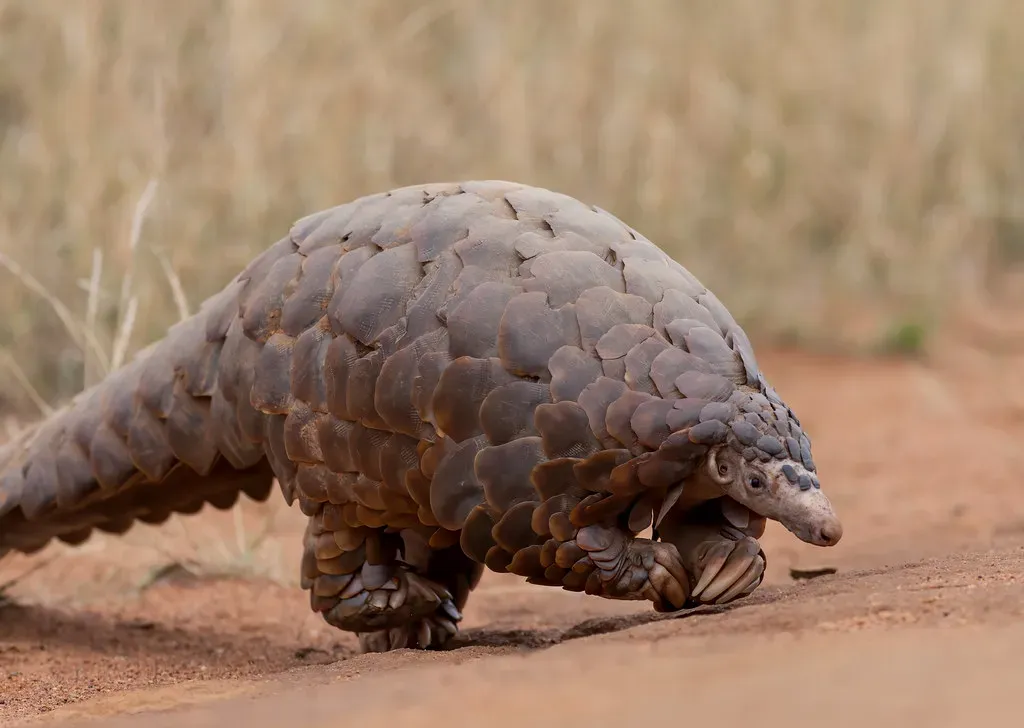
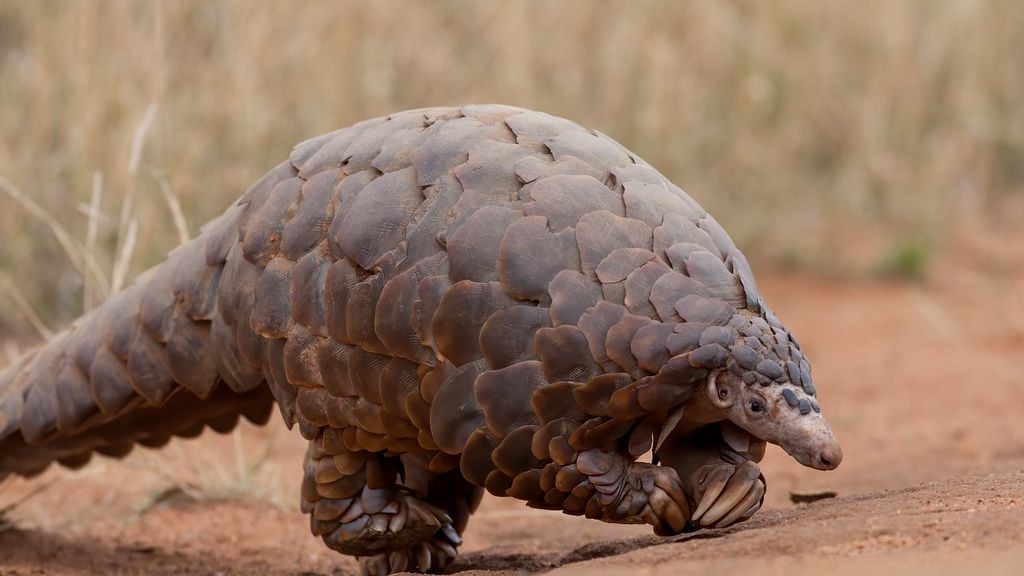
If you asked someone to design a mammal that looked like it was built from scratch on a completely different world, they might land somewhere close to the pangolin. The pangolin appears to be always ready for battle. Its scales are a natural armor, among the most effective in the animal kingdom. This insectivorous mammal lives in Africa and Asia, and when threatened, curls into a ball for extra protection.
Their scales, composed of keratin, the same protein that forms human nails and hair, grow throughout their lives. These scales overlap from head to tail, giving the pangolin its distinctive appearance. Essentially, wearing your fingernails as a full body suit. Functional, if a little strange to think about.
When foraging, pangolins rely on their keen sense of smell to detect termites, and their powerful claws enable them to dig deep into the ground. Upon locating an insect nest, they use their long, sticky tongues to feed. Interestingly, despite their protective armor, pangolins are proficient swimmers and climbers. Sadly, all eight pangolin species are currently threatened or endangered, making them one of the most trafficked mammals on the planet.
8. The Dumbo Octopus – The Gentle Ghost of the Deep Sea
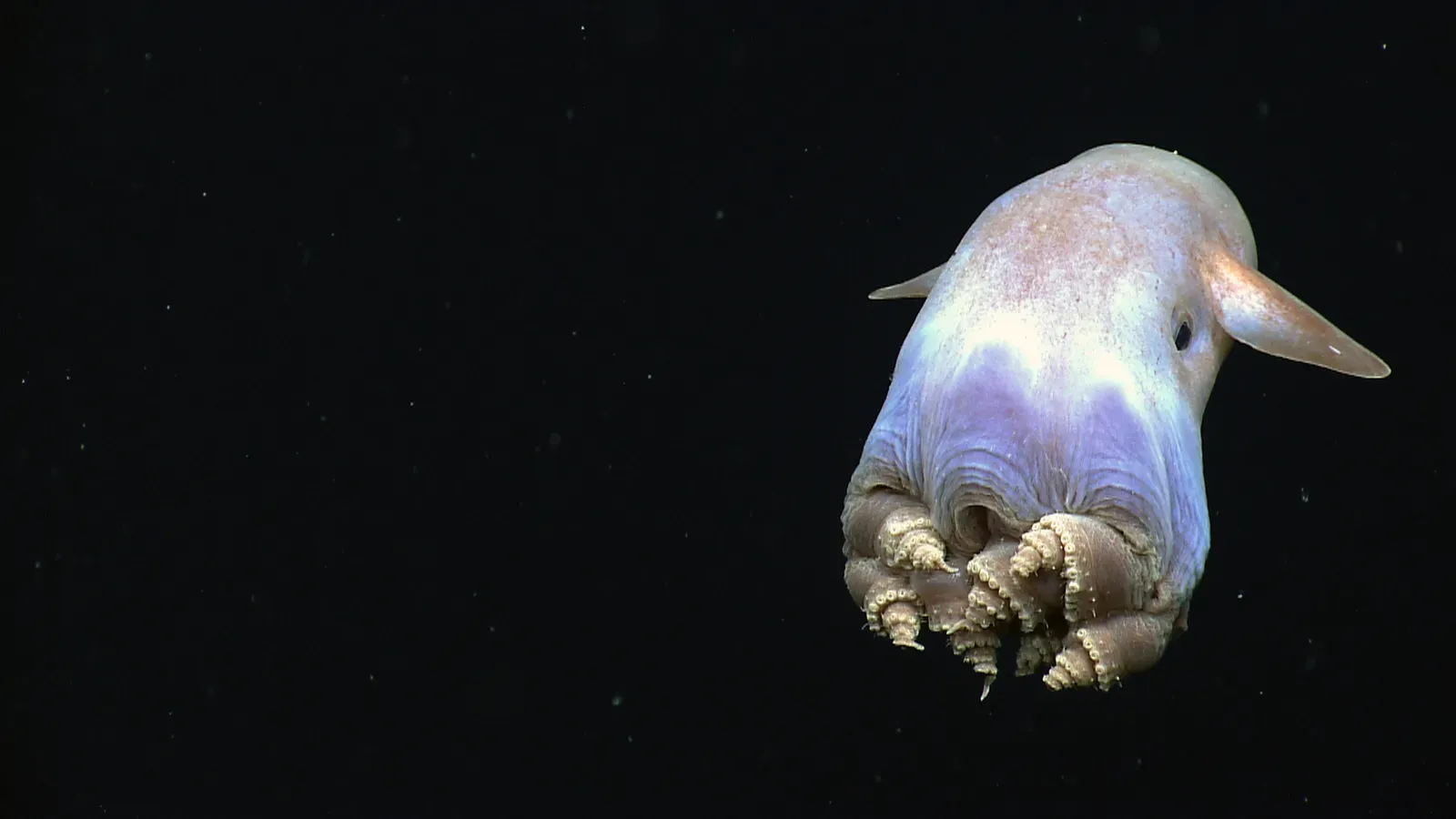
Somewhere between adorable and deeply otherworldly sits the dumbo octopus. The dumbo octopus, named for its adorable ear-like fins that resemble Disney’s famous elephant, is as enchanting as it is strange. Living thousands of meters below the ocean’s surface, it sports a soft, gelatinous body and wide, curious eyes. Its fins flap gently as it swims, propelling it through the dark waters with an almost magical grace.
The dumbo octopus lives in the deep open ocean at depths of 13,100 feet or deeper in the Atlantic and Pacific Oceans. At that depth, there is no sunlight whatsoever. It exists in total, crushing blackness. Yet it floats there, gently flapping its little ear-fins, completely unbothered.
Unlike many of its relatives, the dumbo octopus relies on stealth and camouflage rather than ink to evade predators. Its playful appearance and mysterious lifestyle have made it a favorite among deep-sea explorers and ocean lovers alike. It’s hard not to feel a strange kind of tenderness toward it. Something about a tiny, big-eared creature floating alone in the absolute darkness of the abyss is unexpectedly moving.
9. The Leafy Sea Dragon – The Ocean’s Greatest Illusionist
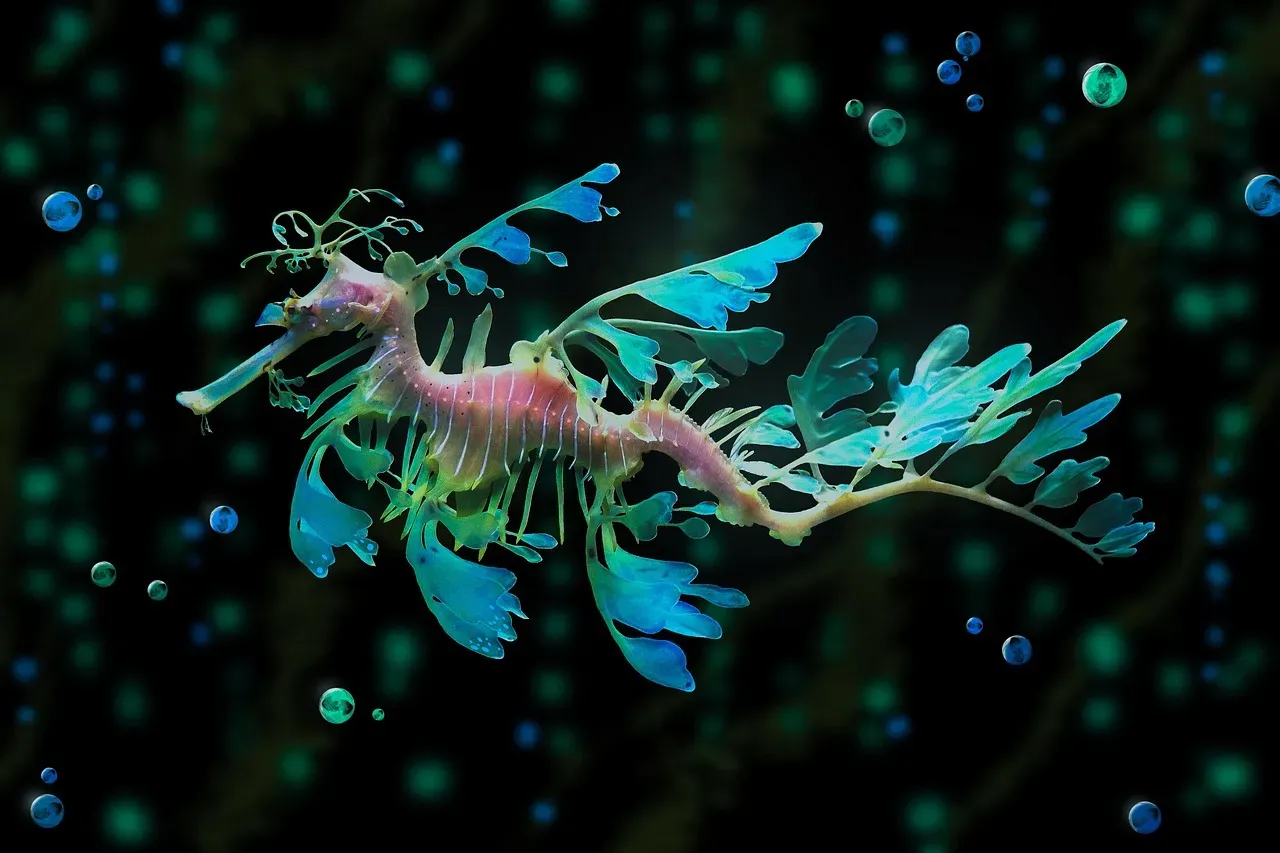
Floating like a piece of drifting seaweed, the leafy sea dragon is a marine marvel found along Australia’s southern and western coasts. With delicate, leaf-like appendages trailing from its body, this fish is a master of disguise, blending seamlessly with its underwater home. Its body undulates gently as it moves, appearing more plant than animal, which helps it avoid predators.
Think of it as the ocean’s version of a spy in perfect costume. You’d swim right past one and never know. There’s something almost philosophical about an animal so committed to not being seen that it essentially becomes part of the scenery.
Despite their alien look, leafy sea dragons are shy and peaceful, gliding gracefully through kelp forests. They pose no threat, eat tiny shrimp and plankton, and mostly just drift through life looking like botanical art. Found along the southern and western coasts of Australia, the leafy seadragon is a marine fish with long leaf-like protrusions coming from all over the body, that serve as camouflage. Nature’s most elegant magician, if you ask me.
10. The Saiga Antelope – The Steppe’s Strangest Survivor
The saiga antelope’s oversized, drooping nose gives it an alien, almost cartoonish appearance. This unusual feature helps it filter out dust in arid environments and warm cold air before it reaches the lungs. It’s a nose built by evolution for pure practicality, which somehow makes it even more fascinating. Beauty and weirdness, perfectly packaged.
This saiga, spread around the Eurasian steppe, is known for its extremely unusual, oversized, flexible nose structure, the proboscis. It is a critically endangered antelope. That remarkable nose, the very thing that makes it look so alien, is the same feature that has helped it survive in one of the harshest environments on Earth for thousands of years.
It’s hard not to feel a deep admiration for an animal that wears its adaptations so openly, so unapologetically. The saiga never got the memo that it was supposed to look “normal.” It just kept evolving, kept surviving, and kept being gloriously, defiantly strange. These evolutionary oddities remind us that the planet is still full of secrets, many of which are currently under threat from habitat loss and climate change.
The World Is Weirder Than We Think
Here’s the takeaway that I keep coming back to: we spend so much time looking up at the stars, imagining what alien life might look like, when genuinely alien life has been right here with us all along. Earth is home to some truly bizarre and otherworldly creatures that look like they belong in a science fiction movie rather than in nature. From glowing deep-sea horrors to strangely beautiful land dwellers, these rare animals challenge our perception of life on this planet. Their unusual shapes, colors, and adaptations make them seem alien, but they are very much a part of our world.
The extraordinary and sometimes fantastic appearance of deep ocean creatures is due to the evolutionary adaptations they have developed to survive in extreme conditions. These adaptations make deep ocean animals look like creatures from science fiction, but they are actually the result of millions of years of evolution, allowing them to survive in one of the most inhospitable environments on Earth. Millions of years of pressure, darkness, and competition produced these remarkable forms. No human designer could have dreamed them up.
Every single one of these animals is a living argument for why biodiversity conservation matters urgently. These evolutionary oddities remind us that the planet is still full of secrets, many of which are currently under threat from habitat loss and climate change. Protecting these bizarre creatures isn’t just about saving animals. It’s about preserving the most creative “glitches” in the matrix of life. Lose them, and we lose something irreplaceable.
So, which of these ten creatures surprised you the most? Drop your thoughts in the comments, because honestly, the conversation about Earth’s alien life forms is one worth having.

- How A Smart Harness Can Help You Understand Your Dog - July 30, 2026
- 9 Astonishing Facts About the Shoebill: The Bird That Looks Prehistoric - July 30, 2026
- What Is the Native American Zodiac Animal Sign for Aries? - July 30, 2026