
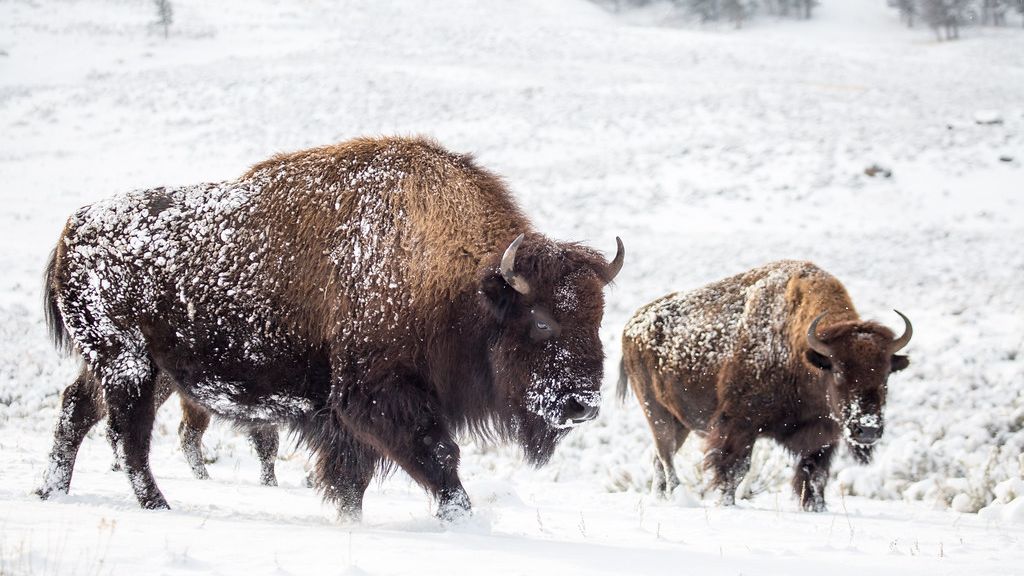
There is something almost mythological about the American bison. Standing nearly six feet tall at the shoulder, weighing up to a ton, moving in great dark waves across open grassland – this animal once defined an entire continent. It shaped landscapes, fed civilizations, and inspired awe in everyone who witnessed it. Then, in an astonishing act of destruction, it was nearly gone in a matter of decades.
The story of what happened to the bison is devastating. The story of what is being done to bring them back is, honestly, one of the most remarkable conservation journeys in human history. From Yellowstone to Tribal lands, from Montana to Colorado, something big is stirring on the Great Plains. Let’s dive in.
From Sixty Million to a Few Hundred: The Almost-Extinction of a Giant
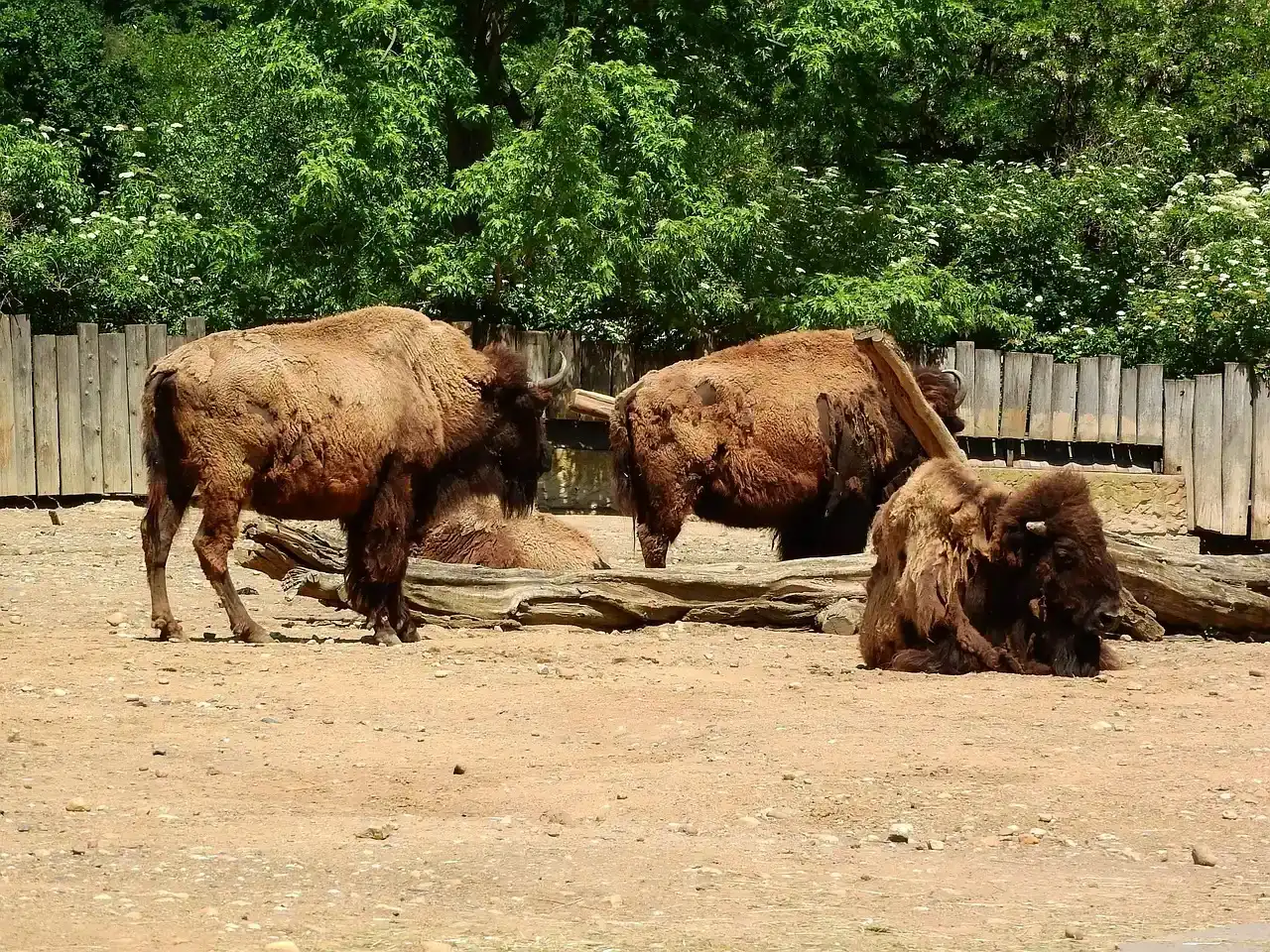
It’s hard to fully grasp the scale of what was lost. American bison once numbered around 60 million in North America, with the population anchored in what is now the central United States. Think about that for a moment. Sixty million animals. That’s a living carpet stretching horizon to horizon.
In the 19th century, bison were nearly driven to extinction through uncontrolled hunting and a U.S. policy of eradication tied to intentional harm against and control of Tribes. By 1889, only a few hundred wild bison remained. It happened with shocking speed – within a single human lifetime.
In the late 19th century, the U.S. government encouraged mass hunting of bison in an organized effort to destroy the livelihoods of Plains Indians. The bison wasn’t just an animal. It was a food source, a spiritual anchor, a shelter, a tool. The near extinction of the species during the 19th century unraveled fundamental ties between bison, grassland ecosystems, and indigenous peoples’ cultures and livelihoods.
The persecution of bison contributed to the decline of healthy grassland ecosystems and, eventually, to the Dust Bowl in the 1930s. The loss of this keystone species, coupled with land conversion, led to declines of other important grassland wildlife, such as migratory birds and pollinators. In other words, when the bison fell, entire ecosystems fell with them.
The Keystone Giant: Why Bison Are So Much More Than Just Big Animals
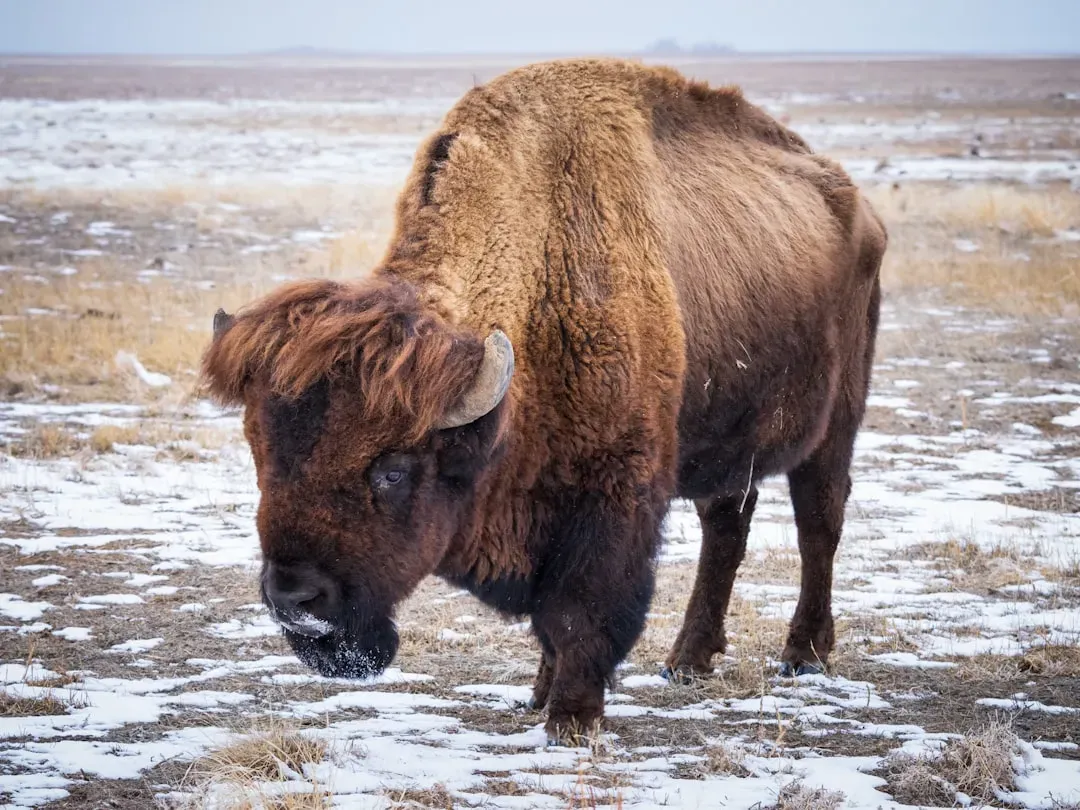
Here’s the thing that most people don’t realize: bison don’t just live on the prairie. They build it. Bison are a keystone species. This means that bison shape the ecosystem to such a degree that if their presence is lost, it would change drastically and have negative impacts on many other species that depended on them. For thousands of years bison created a mosaic of habitats and provided influences on the landscape that hundreds of species evolved with and depended on.
Living in herds, bison shape prairies by grazing, trampling, and wallowing, supporting countless other species. Their wallowing behavior – where they roll in the earth, creating depressions – is especially fascinating. Their wallowing behavior crafts depressions in the earth that serve as watering holes for other creatures, fostering a thriving grassland ecosystem that provides numerous benefits to people near and far, including the storage of vast amounts of carbon.
Known for roaming great distances, bison move continuously as they eat and aerate the soil, providing suitable habitat for many other species. Bison are adapted to the extreme weather conditions of the Great Plains, from summer heat to winter cold and blizzards. Think of them like slow-moving, continent-scale gardeners. They graze, churn, fertilize, and shape. Remove them, and the whole garden falls apart.
This effort of rewilding buffalo in the plains has been so successful that their impact on the landscape can be seen from space. That’s not a metaphor. Satellite imagery has captured the visible greening and restructuring of grassland areas where bison have returned. It’s the kind of detail that makes you stop and realize just how powerful nature can be, when given even half a chance.
The Long Road Back: From 500 Animals to a Slow-Growing Recovery
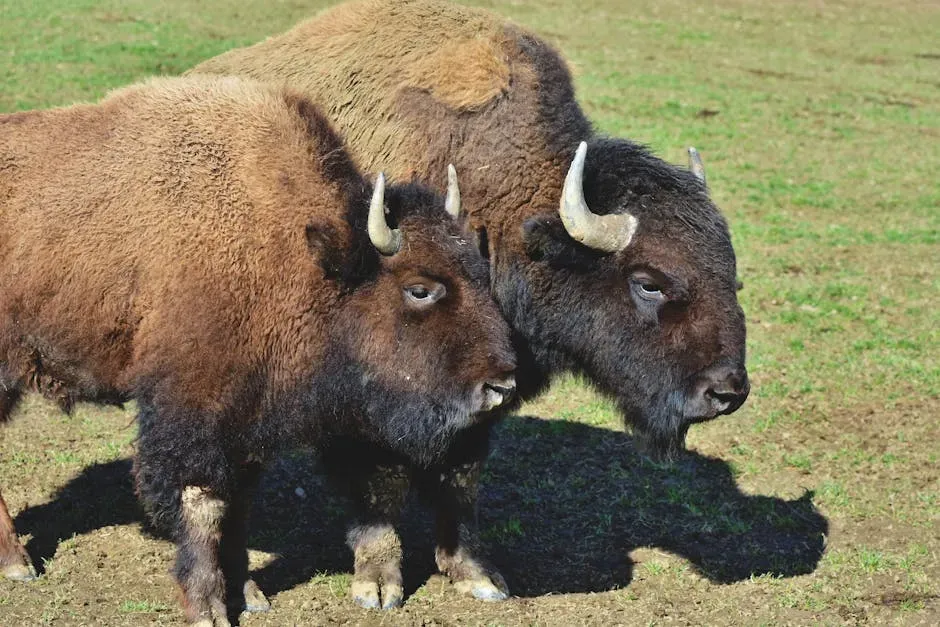
The recovery of the American bison is, depending on how you look at it, either a conservation triumph or a work very much in progress. Probably both. Beginning in the early 20th century with the support of President Theodore Roosevelt, conservationists and scientists made a collective effort to restore the American bison. Since then, careful conservation and restoration efforts have increased the number of wild bison in the United States from fewer than 500 to more than 15,000.
When taxidermist William Temple Hornaday saw that bison were on the verge of extinction, his mission changed from hunting bison for display to preserving them in the wild. The American Bison Society was formed in 1905 with Hornaday as its president to support bison recovery efforts. Theodore Roosevelt, named honorary president of the society, used his position as U.S. President to help the New York Zoological Society and the American Bison Society secure land, procure buffalo from ranchers, and promote bison reintroduction projects.
A small herd of buffalo had escaped the slaughter and found refuge in the newly established Yellowstone National Park. This small remnant of two dozen individuals marked the starting point for a monumental conservation journey. Today, Yellowstone remains central to everything.
Today there are only three truly free-ranging bison herds in the United States: Yellowstone Park (approximately 3,500 bison), and the Henry’s Mountains and Book Cliffs herds in southern Utah (about 500 bison). That number is sobering when you set it against sixty million. Still, the direction of travel is the right one. In early 2026, the Bison Conservation Transfer Program completed its largest transfer yet – approximately 220 animals – having relocated the largest number of live Yellowstone bison to American Indian Tribes in the world.
Tribal Lands and the Sacred Return: Indigenous Communities Lead the Way
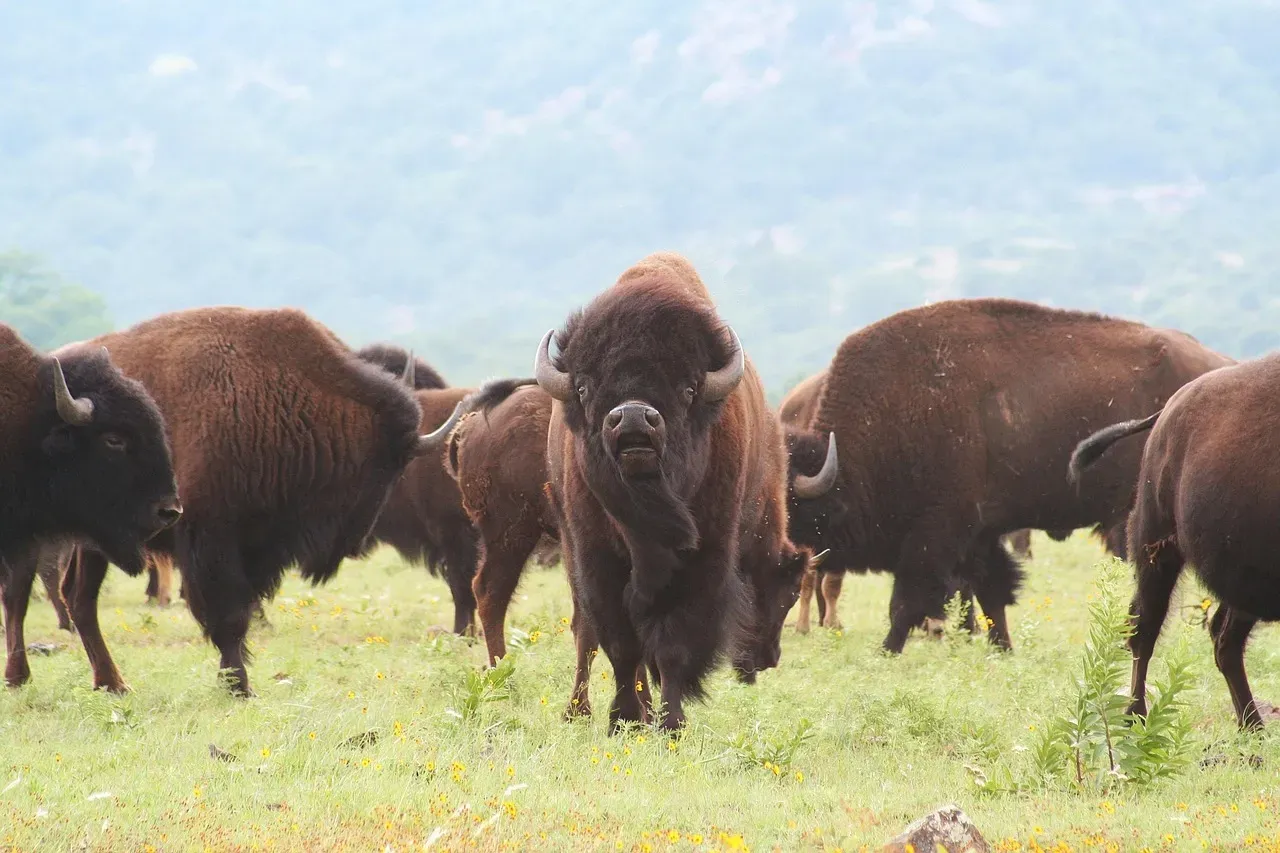
I think this is the most moving part of the entire story. The return of the bison to Tribal lands isn’t just an ecological event. It is cultural resurrection. Plains bison hold tremendous cultural and spiritual significance. They are considered relatives among many of North America’s Indigenous people who historically relied on them for food, shelter, and clothing.
Conservationists, including Indigenous people, have successfully restored the plains bison to a population of approximately 45,000 in Tribal and conservation herds. Of those, roughly 20,000 are managed in the public interest by governments and environmental organizations, and an estimated 25,000 are managed by Native Nations.
A significant effort called the Tribal Buffalo Lifeways Collaboration supports 85 member nations and is a joint effort between the InterTribal Buffalo Council, Native Americans in Philanthropy, The Nature Conservancy, and WWF. Its mission is to stabilize, establish, and expand Tribal-led bison restoration, and foster cultural, spiritual, ecological, and economic revitalization within Native communities.
In recent years, many Tribal nations have restarted bison hunts which promotes a resurgence in cultural practices and increases Tribal food sovereignty. The importance of reconnecting the sacred bison and Indigenous peoples in North America cannot be overstated, and as bison populations grow, this is becoming a reality. The Buffalo Treaty of 2014, signed by original Native Nations, called for Indigenous peoples and bison to once again live together in relationship with the land. The goal of the Bison Conservation Transfer Program is to rehome Yellowstone-origin bison to Native American Tribes and support the ecological and cultural conservation of this iconic species. This program reconnects bison and Tribes, reduces the number of animals that are slaughtered, and preserves the unique genetic makeup of Yellowstone bison.
The Challenges Ahead: Genetics, Land, Politics, and Climate
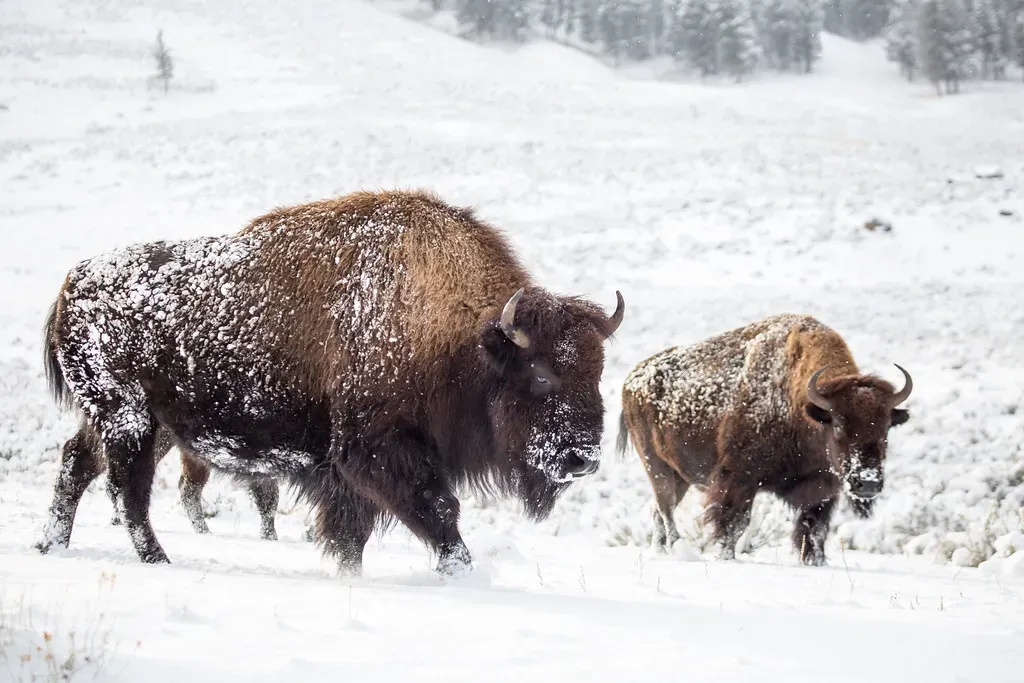
Let’s be real – the path forward is not without serious obstacles. The bison’s recovery, as inspiring as it is, still faces a tangle of complex and sometimes deeply political challenges. While most bison in North America are raised as livestock for meat, leather and other commercial uses, only about eleven percent of all bison are managed for ecological and conservation goals.
Hundreds of thousands of bison remain in North America today, with most being raised for commercial uses in herds on small acreages behind fences. Less than ten percent of existing bison are managed for conservation or as a wild species. That is a profound distinction. Being alive is not the same as being wild. While the security of the species is a conservation success worth celebration, bison remain functionally extinct to both grassland systems and the human cultures with which they coevolved.
Bison naturally traverse large distances, which is difficult in a western landscape dominated by fenced ranches, highways, towns, and farms. Currently bison are rarely allowed to roam free. Ranchers and local governments often resist expansion, worried about disease transmission to cattle and property damage. The nomadic behavior of wild herds, and legal jurisdiction add further impediments. Brucellosis, introduced by European cattle, infected wild elk and bison. The potential spread of the disease remains an impediment to recovery efforts.
Then there is the looming threat of climate change. Human presence and the fruition of predicted climate changes could present significant challenges for the continued management and restoration of bison, particularly in the Great Plains. A 2026 scientific study modeled a potential northwest shift in suitable bison habitat as temperatures rise across the continent, adding another layer of urgency to the restoration mission. One recent breakthrough came when Colorado Governor Jared Polis signed the “Protect Wild Bison” bill in April 2025, which designated bison in Colorado as wildlife in addition to livestock. Small steps, perhaps. But each one matters enormously.
Conclusion: A Nation Reclaiming Its Icon
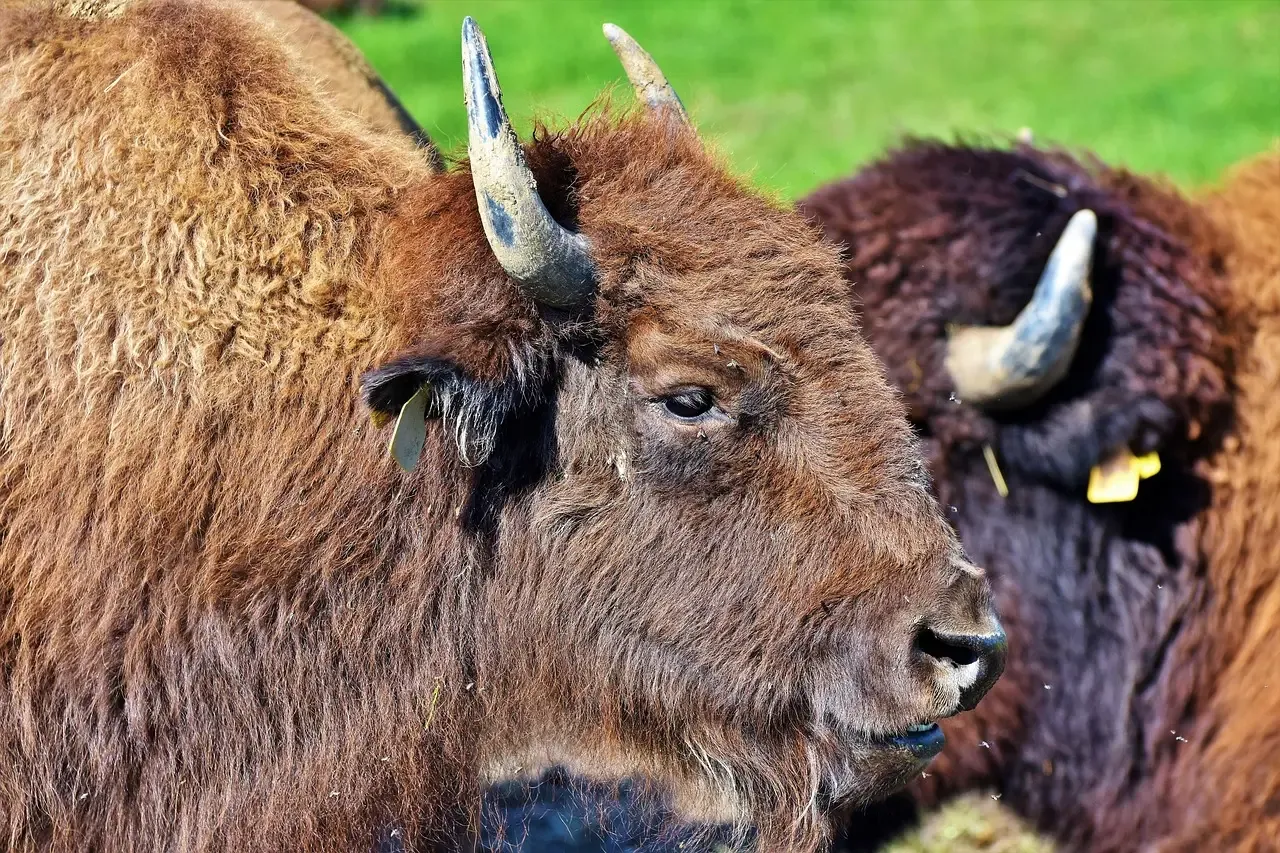
The American bison is the national mammal of the United States. It thundered across this land for over two and a half million years before humans nearly silenced it in less than two decades. That near-erasure tells a story about power, greed, and the fragility of even the mightiest of things.
The restoration work being done today – on Tribal lands, in national parks, through federal investment, through Indigenous-led conservation, and through the sheer determination of people who refuse to let this animal disappear – is nothing short of extraordinary. The American bison is a huge conservation and recovery success story, and one that could be used as a lesson for other large mammal restoration projects in North America.
The vision is a future where wild bison are restored to Tribal lands and other conservation areas across the West, where Yellowstone bison roam freely outside the park boundary. That vision is still imperfect, still partial, still fighting for space in a crowded and complicated modern landscape. Honestly, though, the fact that it exists at all – and that the herds are growing – feels like a small miracle.
The buffalo are coming back. The real question is whether we’ll give them enough room to truly come home. What do you think – are we doing enough to restore one of America’s greatest natural icons? Share your thoughts in the comments.
