
Arizona has a reputation for sunshine, saguaros, and jaw-dropping red rock scenery. What the travel brochures conveniently leave out, however, is that the desert floor and rocky canyon walls are home to some of the most formidable predators on the entire continent.
Arizona is the only state that has all four North American deserts: the Sonoran, Mojave, Chihuahuan, and Great Basin. That means four distinct wild ecosystems, each with its own cast of creatures capable of making you deeply regret wandering off trail without looking down. Honestly, the sheer variety is both fascinating and a little unsettling. So let’s dive in.
1. The Western Diamondback Rattlesnake: The Desert’s Most Iconic Killer
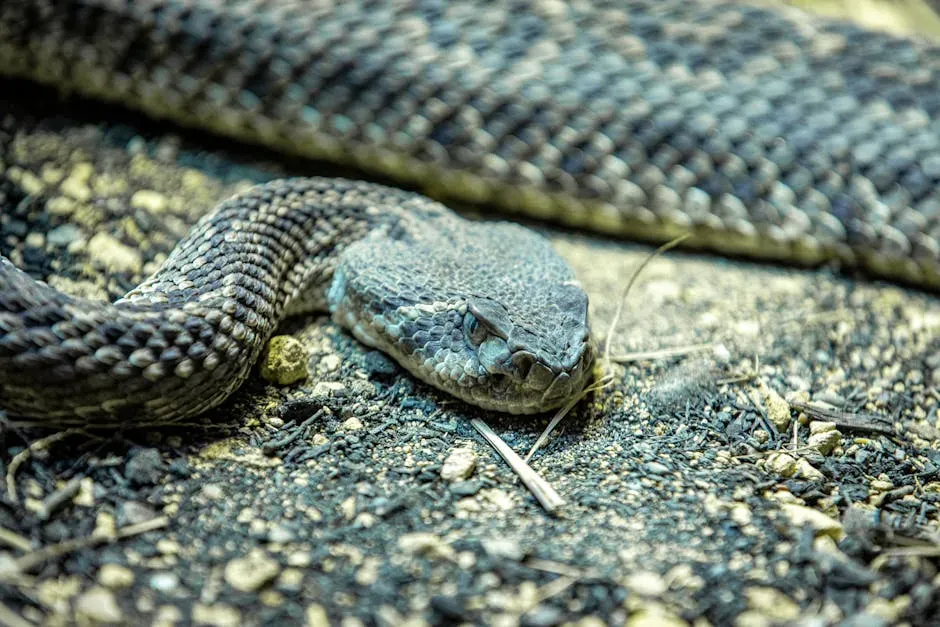
Here’s the thing about the Western Diamondback – it is not just another snake. While not the only species of rattlesnake in the Arizona desert, the Western Diamondback is the largest and most common, and it is also one of the most venomous snakes in North America. That’s not a small claim to make on a continent filled with dangerous wildlife.
This epic hunter grows four to six feet in length, and in Arizona’s deserts, rattlers hunt rabbits, gophers, lizards, and ground-dwelling birds in the underbrush at night, sensing their body heat with a pit located behind each nostril. It’s basically a heat-seeking missile wrapped in scales.
Due to their camouflage and tendency to remain motionless, they can be challenging to spot. Think of stepping over a rock and finding one coiled inches from your boot. Physical symptoms of a rattlesnake bite can include pain, swelling, bruising, and bleeding, and their venom can interfere with the blood system, making it harder for it to clot. If you encounter one, give it serious space and back away slowly.
2. The Mountain Lion: A Ghost That Hunts in Silence
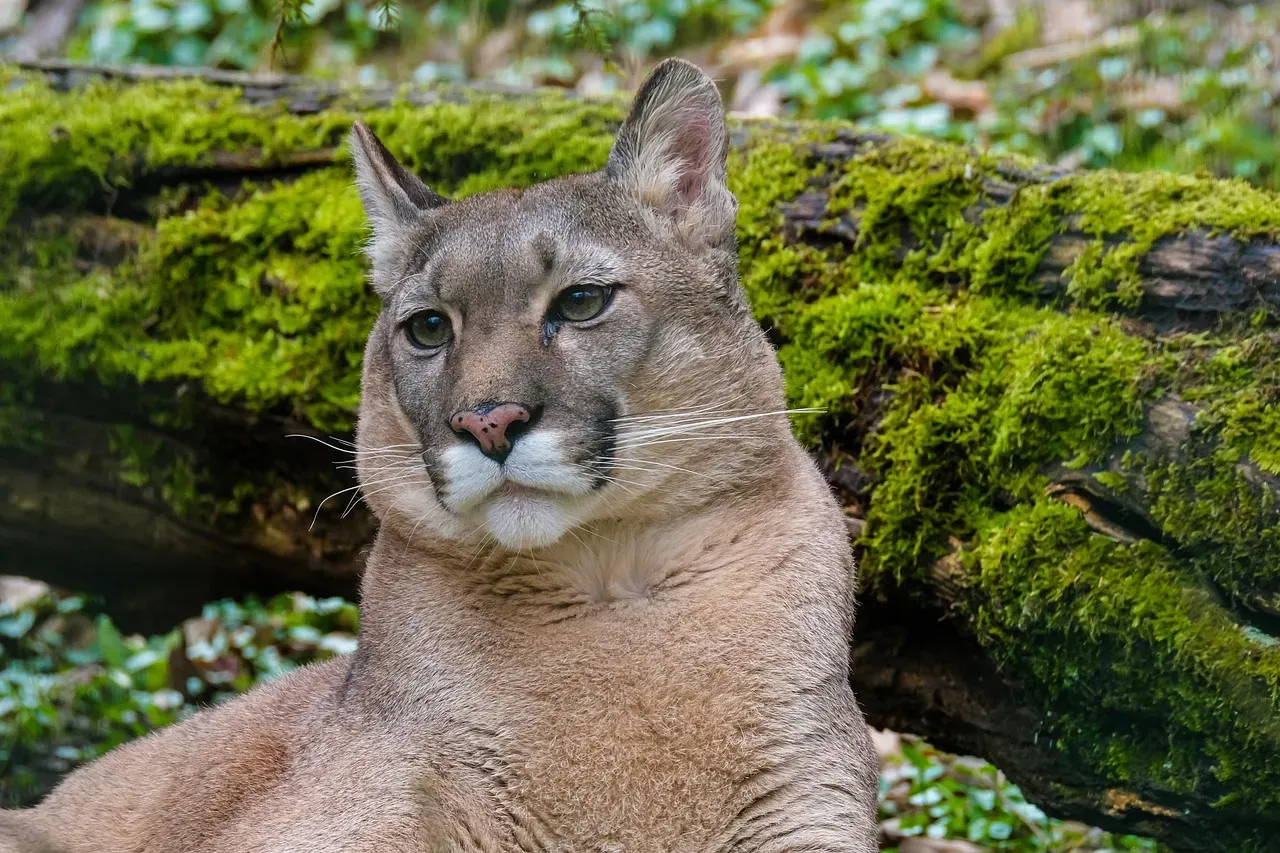
Most people who hike Arizona’s deserts and canyons will never see a mountain lion. That does not mean one hasn’t seen them. Mountain lions, also known as cougars, are apex predators and may view humans as prey. Attacks, though rare, can be fatal.
Mountain lions are apex predators in Arizona, primarily preying on deer but also known to hunt smaller mammals. Think of them as the desert’s silent executive – efficient, invisible, and operating entirely on their own terms.
Most of the time, they remain out of sight of humans, though signs can be found in their tracks and scat. Due to their shrinking habitat, mountain lions may occasionally prey on humans, pets, or livestock. I think that last point deserves far more attention than it usually gets. Their territorial nature can sometimes spill over into conflicts with humans, and in particular, mothers with young cubs are known to stalk and lunge at hikers.
3. The Arizona Bark Scorpion: Small, Pale, and Terrifyingly Venomous
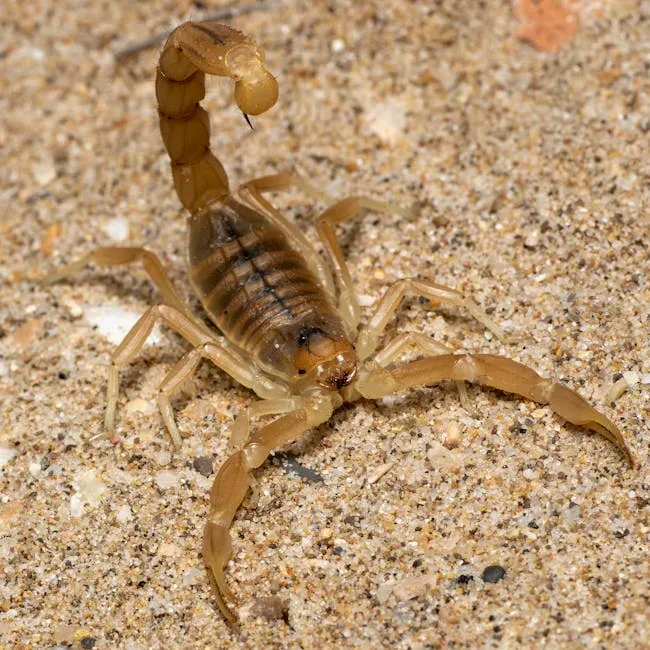
Nobody expects the scorpion to be one of the most medically significant threats in Arizona. Yet here we are. Scorpions are iconic desert dwellers, and Arizona is home to several species, including the infamous Arizona Bark Scorpion. These arachnids are nocturnal hunters, preying on insects such as crickets, cockroaches, and other small arthropods.
Arizona has the highest number of reported scorpion bites in the US, with an annual average of 11,500 per year. That number is staggering. Roughly thousands of people each year finding out the hard way what a bark scorpion sting feels like.
They can sneak into your home through a crack as small as a credit card, and once inside, can scurry across your floor, climb your walls, and even hang from the ceiling. A bark scorpion sting can kill a human, but it’s a rare event. Still, the elderly, young children, and those with certain allergies face the greatest risk, and that is not something to shrug off.
4. The Gila Monster: Slow, Stubborn, and Venomous to the Bone
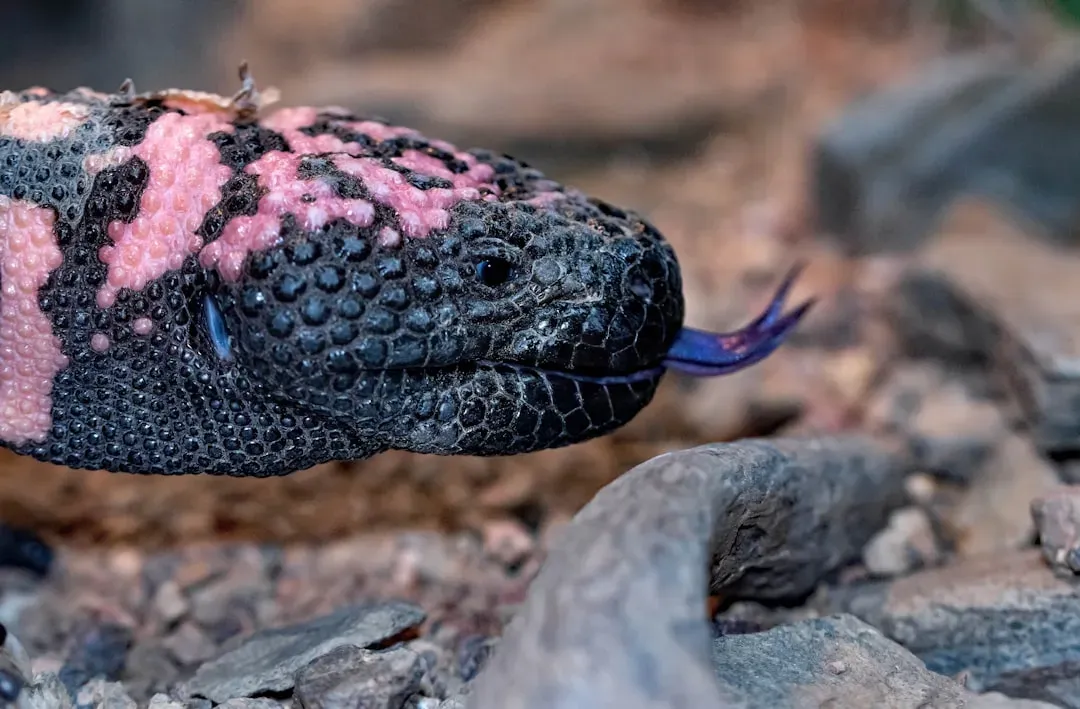
The Gila Monster looks prehistoric because, in many ways, it is. The Gila Monster is the only venomous lizard native to the United States, and its habitat stretches across the Sonoran Desert of the Southwest USA and northern Mexico. Finding one sunning itself on a desert trail is both a thrill and a genuine warning sign to keep your distance.
They grow to be around 22 inches in length, weighing up to one pound, with short, rounded bodies and a big head. Gila monsters produce venom in their lower jaw, delivering it through chewing on their victim – the more they bite, the more venom they excrete. It is less like a snake bite and more like a slow, grinding nightmare.
When they bite, it is often hard to get them to release without the use of a hard object. Although these bites are very rare and often not cause for concern, repeat or prolonged exposure, a dirty bite wound, or a bite on a child can be a medical emergency and potentially fatal. Let’s be real – the name alone should be enough of a warning.
5. The Africanized Honey Bee: Killer Bees Are Not Just a Myth
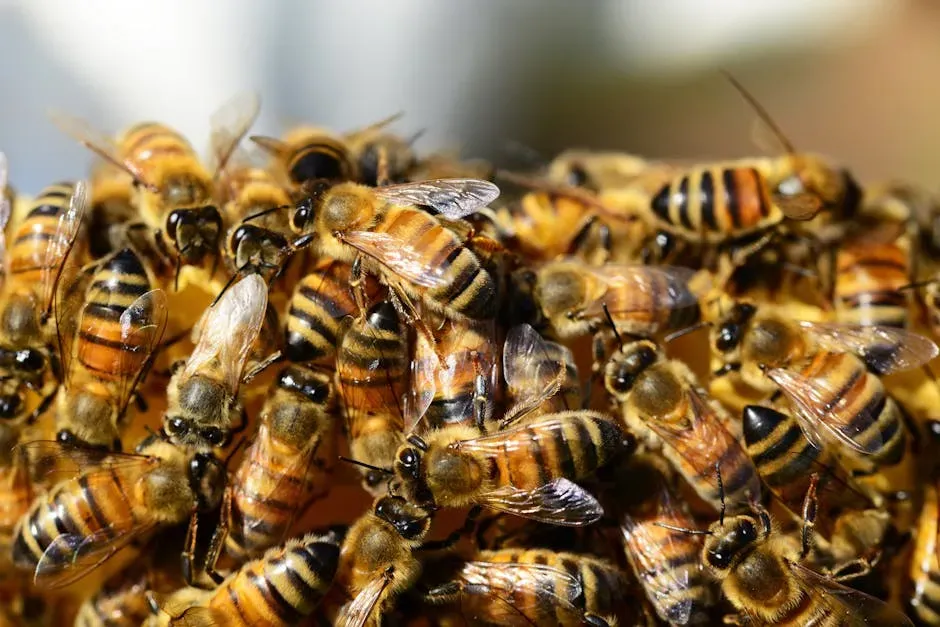
If you grew up watching old disaster movies about killer bees, you might be surprised to learn that they are very real, and they call Arizona home. Arizona is home to Africanized honey bees, a hybrid species known for their aggressive behavior. They are a cross between African honey bees, which were brought to the Americas in the mid-20th century, and European honey bees.
Sometimes called “killer bees,” Africanized bees can swarm and attack in large numbers, posing a significant threat to those who disturb their nests. Since 1956, their attacks have killed more than 1,000 people. That is a sobering global figure that puts their danger firmly in perspective.
The terrifying thing about these bees is not any single sting – it’s the sheer volume of an attack. A disturbed colony can pursue a threat for over a quarter mile, stinging relentlessly along the way. Hikers, joggers, and even homeowners have been caught off guard by nests tucked inside hollow cacti, old fence posts, or abandoned equipment. You never see it coming.
6. The Black Widow Spider: Beauty With a Lethal Bite
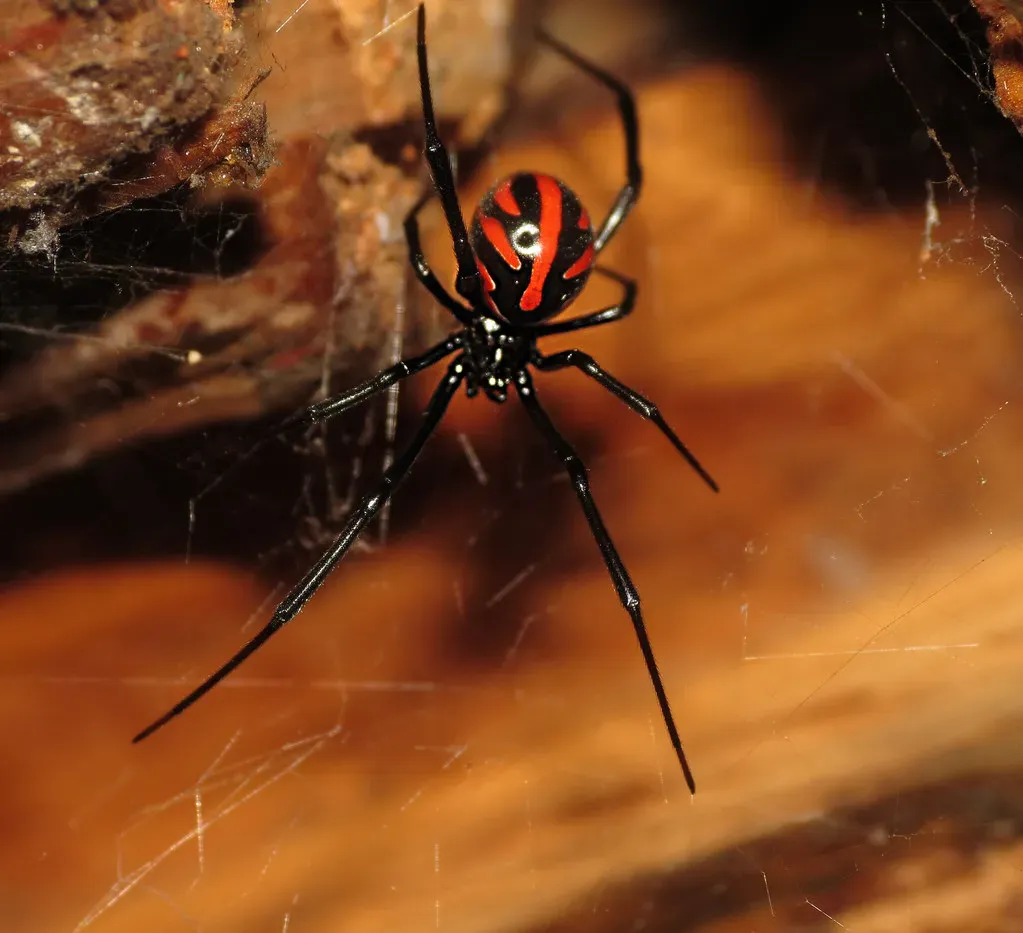
There is something almost theatrical about the Black Widow. That perfect black body, the iconic red hourglass marking – it practically announces its own danger. Arizona is home to two of the more dangerous spiders in North America: the Black Widow and the Arizona Recluse. Black Widow spiders can be identified by the red hourglass-shaped marking on the underside of their abdomen.
They can be found all across Arizona, but are especially prevalent in metropolitan areas like Phoenix and Tucson. Typically, Black Widows do not bite unless attacked or threatened, but when they do bite, their venom can cause breathing problems, muscle cramps, hypertension, nausea, and sweating.
A black widow bite can lead to severe pain, difficulty breathing, and cramping, but very effective antivenom is widely available in medical centers throughout the state. It’s hard to say for sure exactly how many undetected bites occur annually, but in the US, roughly 2,500 black widow bites are reported annually, though fatalities are extremely rare, with the last reported fatality in 1983. Modern medicine has tipped the odds in our favor – but only if you seek help quickly.
7. The Coyote: The Desert’s Cunning and Underestimated Predator
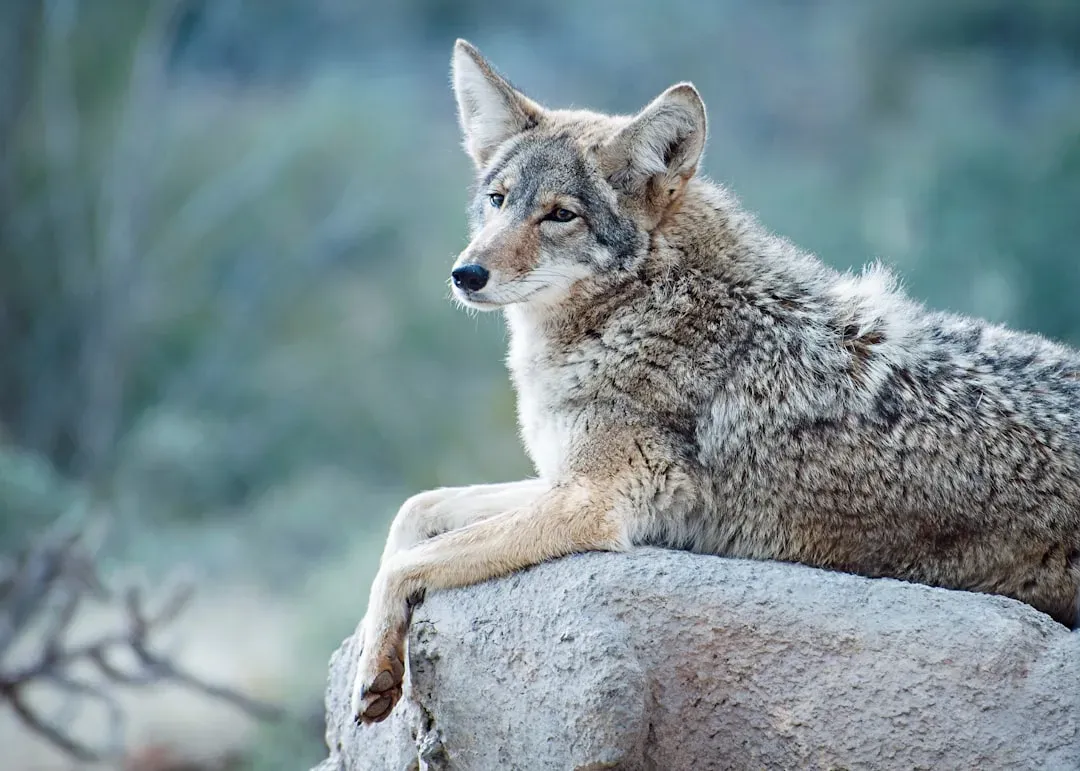
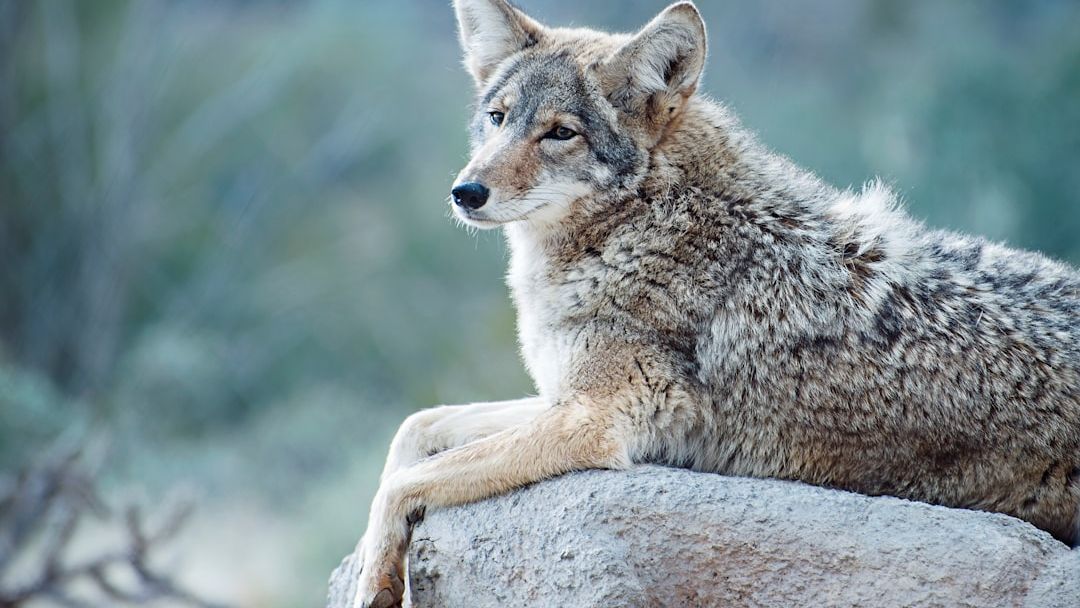
Most people hear “coyote” and picture a scrawny, skittish dog howling at the moon. That mental image sells this predator dangerously short. Coyotes can be found statewide and occur in nearly every natural Arizona state park. They are great hunters and really keep the rodent populations in check.
Coyotes are one of the most common animals in Arizona, thriving in deserts, forests, and even urban areas. Opportunistic and highly adaptable, they feed on rodents, reptiles, birds, and carrion, playing a crucial role in desert ecosystems. That adaptability is precisely what makes them so effective, and occasionally so dangerous.
They have been known to take larger prey species, although small mammals, reptiles, and birds are typically within their preferred diet. Small pets, however, are very much at risk. Coyote sightings near suburban areas have increased significantly as urban sprawl presses further into desert habitat, turning backyards into hunting grounds. They are bold, fast, and utterly fearless when hungry – a combination that deserves genuine respect.
Conclusion: The Desert Is Beautiful, But Never Truly Safe
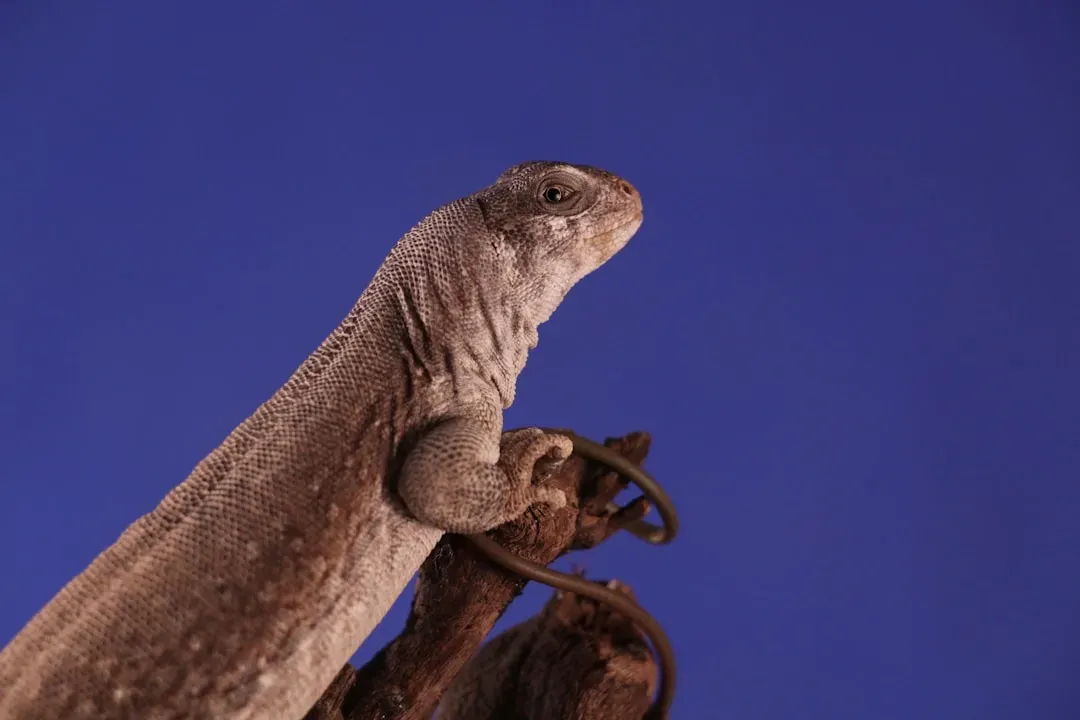
Arizona’s desert is one of the most breathtaking landscapes on the planet. The sunsets are otherworldly, the silence is restorative, and the wildlife diversity is genuinely astonishing. Arizona’s wildlife species are as varied as the habitats they call home, and from the low cactus-studded flats of the Sonoran Desert to the highest alpine peaks, the diversity may surprise you.
The seven predators on this list are not here to scare you away from exploring. They are here to remind you that the desert is not a theme park – it is a living, breathing ecosystem with its own rules. As terrifying as an encounter with any one of these creatures can be, generally, dangerous critters don’t want anything to do with you. If they can, they will move away at your approach.
Respect the landscape, watch where you step, and never reach into a crevice or under a rock you haven’t fully inspected. The desert rewards the curious and the cautious in equal measure. The real question is: which one will you be the next time you lace up your hiking boots and head out into the wild?

- How A Smart Harness Can Help You Understand Your Dog - July 30, 2026
- 9 Astonishing Facts About the Shoebill: The Bird That Looks Prehistoric - July 30, 2026
- What Is the Native American Zodiac Animal Sign for Aries? - July 30, 2026