
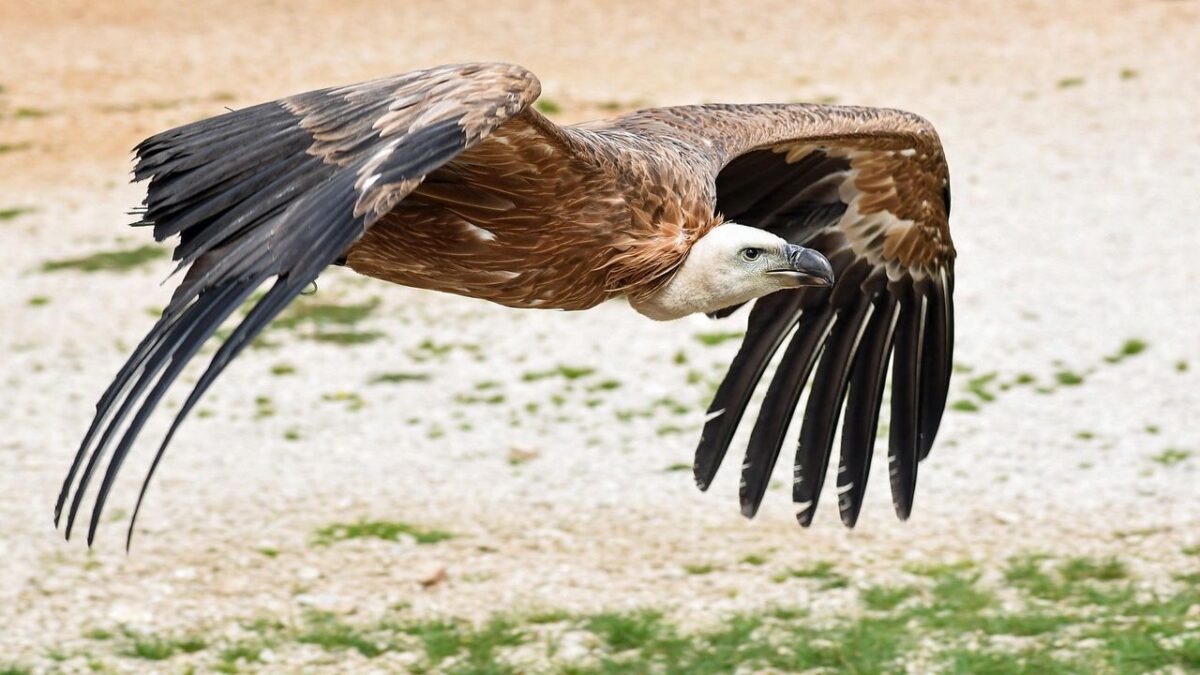
Most people, if asked to name their favorite bird, would probably say an eagle or an owl. Something noble. Something that looks good on a coat of arms. Very few would pick a vulture. Honestly, that’s a shame, because is one of the most extraordinary creatures soaring through our skies today.
This bird is ancient, powerful, ecologically essential, and packed with surprises. From its almost supernatural flying ability to its stomach that can safely digest anthrax, the Griffon Vulture deserves far more admiration than it typically receives. Let’s dive in.
1. A Wingspan That Rivals a Small Aircraft
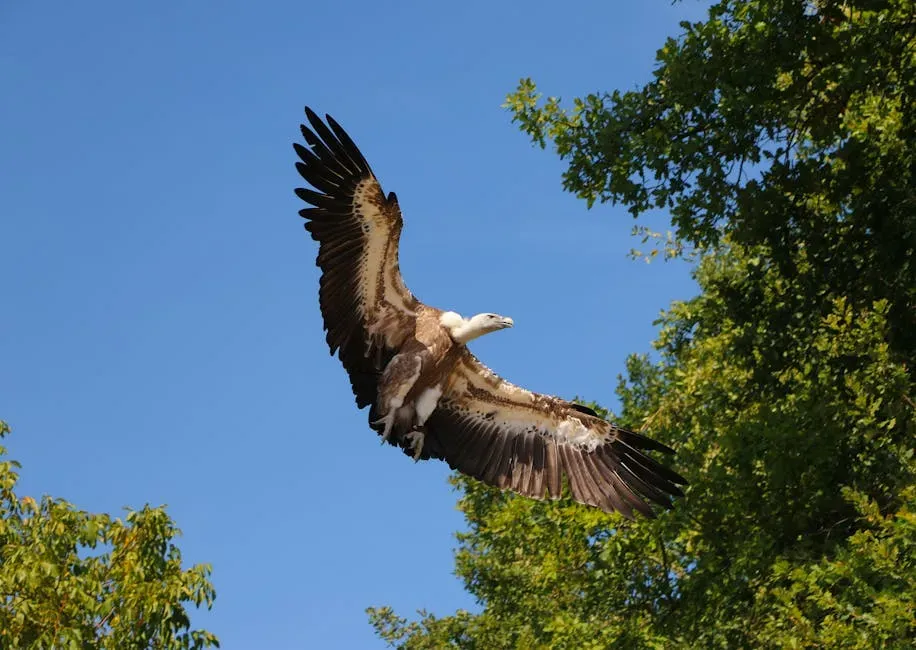
Let’s start with the sheer, jaw-dropping size of this bird, because that’s often where people’s minds completely short-circuit. The Griffon Vulture measures between 93 and 122 centimeters in length, with a wingspan stretching from 2.3 to 2.8 meters. To put that in perspective, imagine standing next to someone and stretching both arms out simultaneously – that barely touches the outer edge of this bird’s wingspan.
A bald eagle has a wingspan of around seven feet, whereas a Griffon Vulture’s wingspan sits between eight and nine feet. It’s bigger than an eagle in almost every measurable dimension. I think that fact alone should earn it a lot more respect at the dinner table of popular bird culture.
2. A Master of Effortless Flight
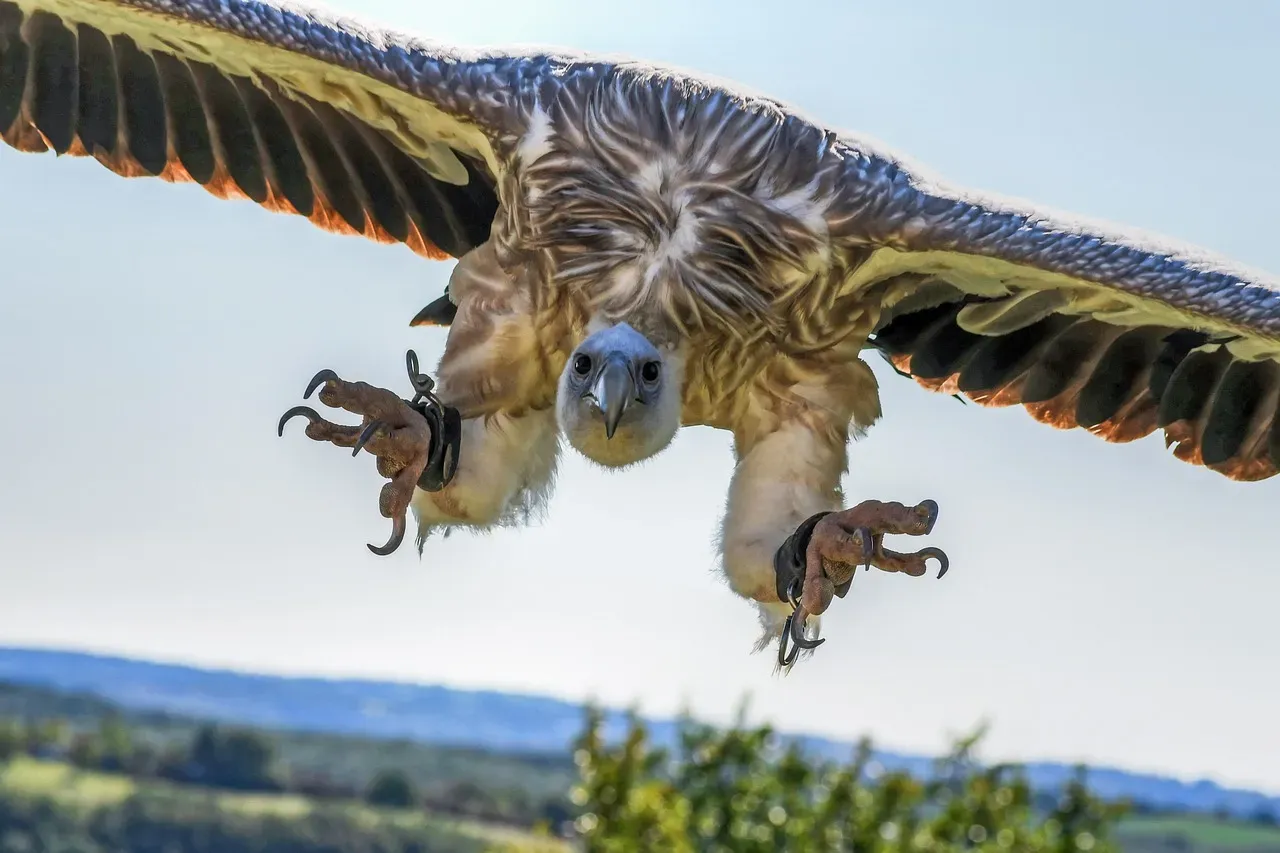
Here’s the thing – carrying a body that weighs up to 11 kilograms through the air is no small feat. An 11 kg bird is not easy to lift, so Griffon Vultures wait for the later part of the morning when the sun is in full swing, using the reflected heat of the mid-morning sun to get airborne with surprising ease. It’s almost like they know how to work smarter, not harder.
Compared to other birds, which elevate their metabolic rate to upwards of 16 times their basal metabolic rate in flight, soaring Griffon Vultures expend only about 1.43 times their basal metabolic rate in flight. That is extraordinary energy efficiency. Think of it like driving a sports car that somehow gets the fuel economy of a bicycle.
3. Eyesight So Sharp It Seems Almost Unfair
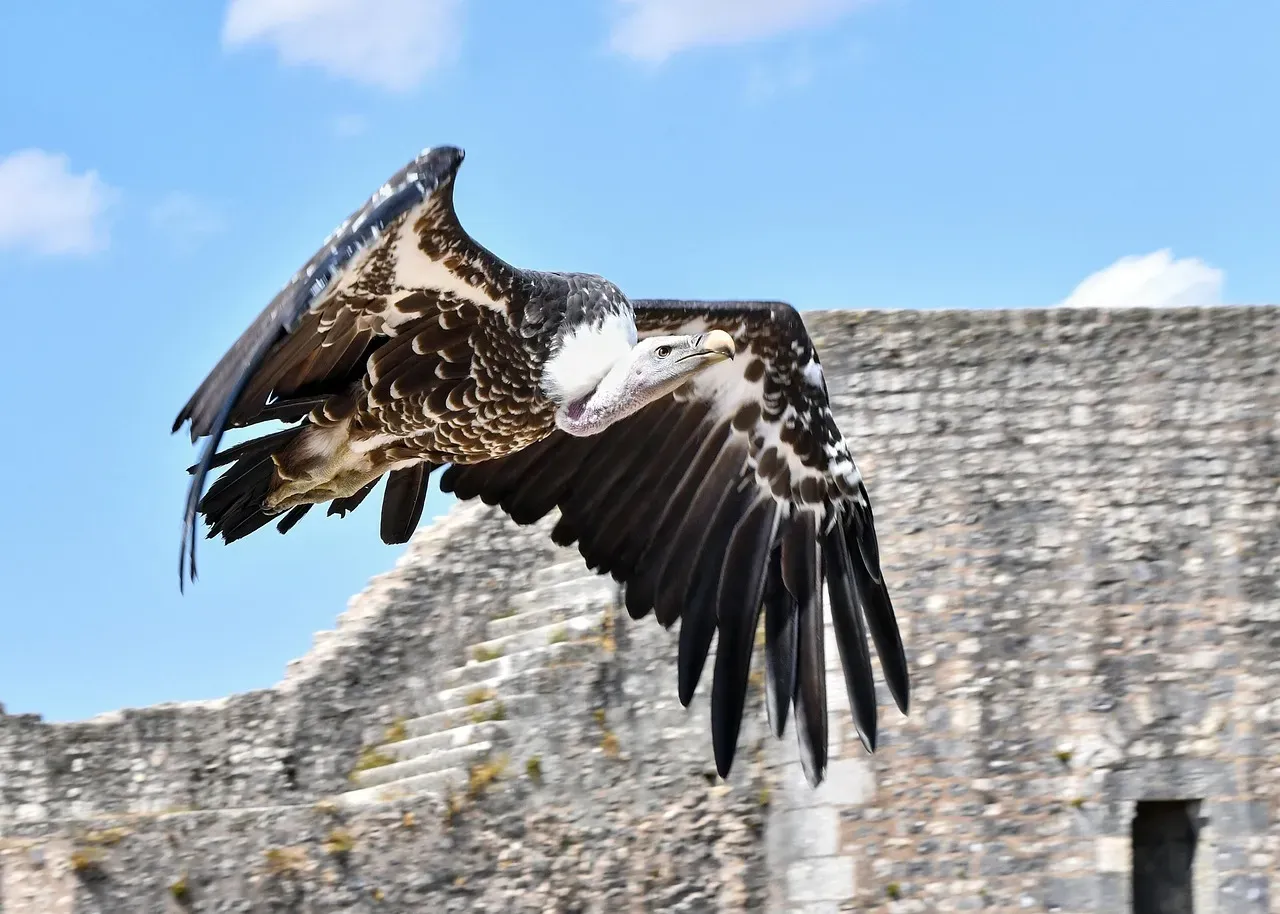
The Griffon Vulture doesn’t just fly well – it sees with almost unnerving precision. This large short-tailed vulture has excellent eyesight and in flight can spot an animal carcass from a distance in excess of five kilometres. Five kilometres. That’s roughly the distance from one end of a major city boulevard to the other, spotted from thousands of feet up in the air.
Despite their large size and formidable appearance, Eurasian Griffons rely primarily on their keen eyesight rather than their sense of smell when foraging, and they often engage in a behavior known as “following the leader,” where they trail behind other scavengers to locate potential food sources. It’s a brilliant, collaborative system – almost like a living, airborne search network.
4. A Stomach That Can Handle the Unthinkable
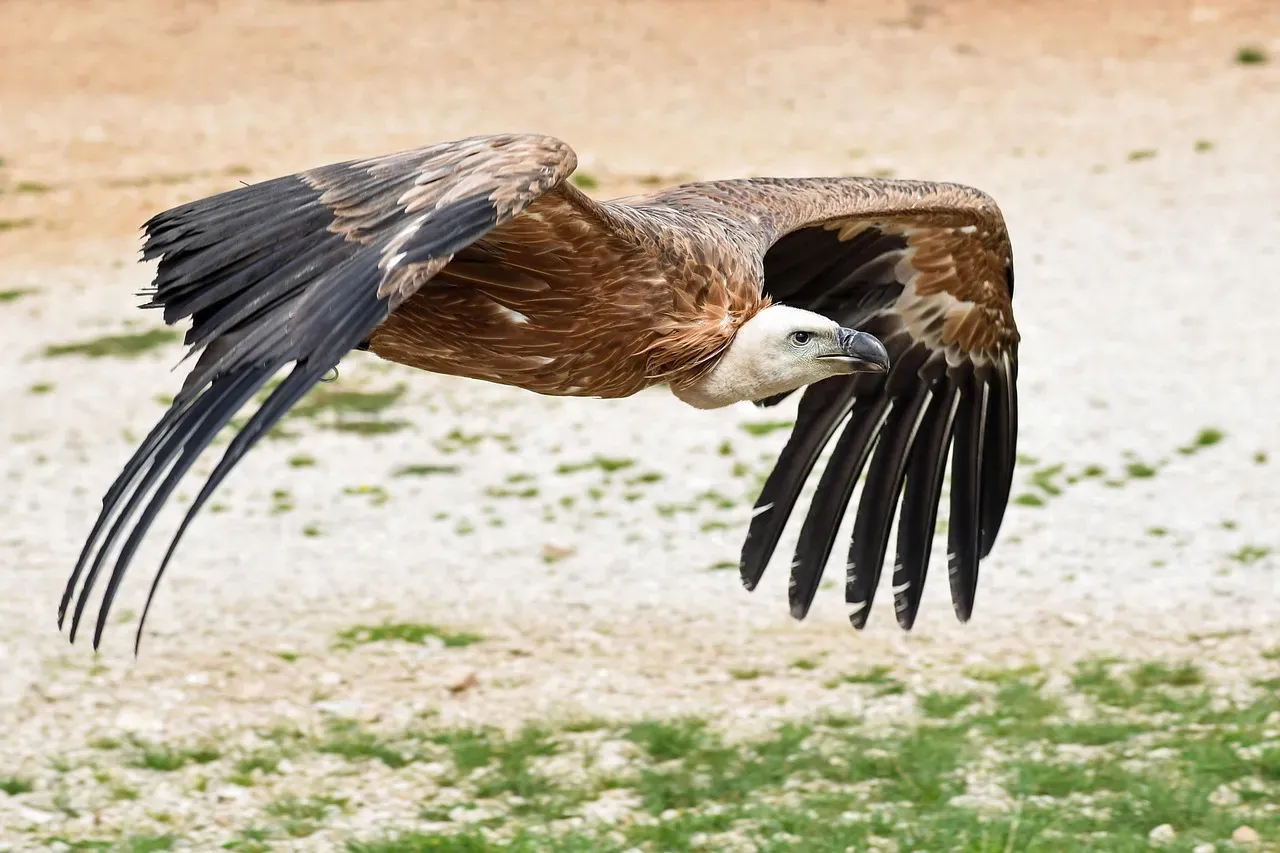
This is arguably the most mind-blowing fact on this list, and I genuinely struggled to believe it the first time I read it. Griffon Vultures have been found capable of ingesting some terrifying bacteria such as anthrax, botulism, and cholera, and as a result of evolving to eat such rotten material, they’ve developed a remarkable tolerance to these diseases and help to remove them from circulation. Their digestive system is essentially a biological decontamination unit.
The diet of consists almost exclusively of carrion, making it an essential scavenger that helps keep ecosystems clean and free of disease, and by consuming the remains of dead animals, they prevent the spread of diseases that could affect other wildlife and livestock. In a very real sense, these birds are doing critical public health work – for free, and without any recognition.
5. They Are Deeply, Surprisingly Social Creatures
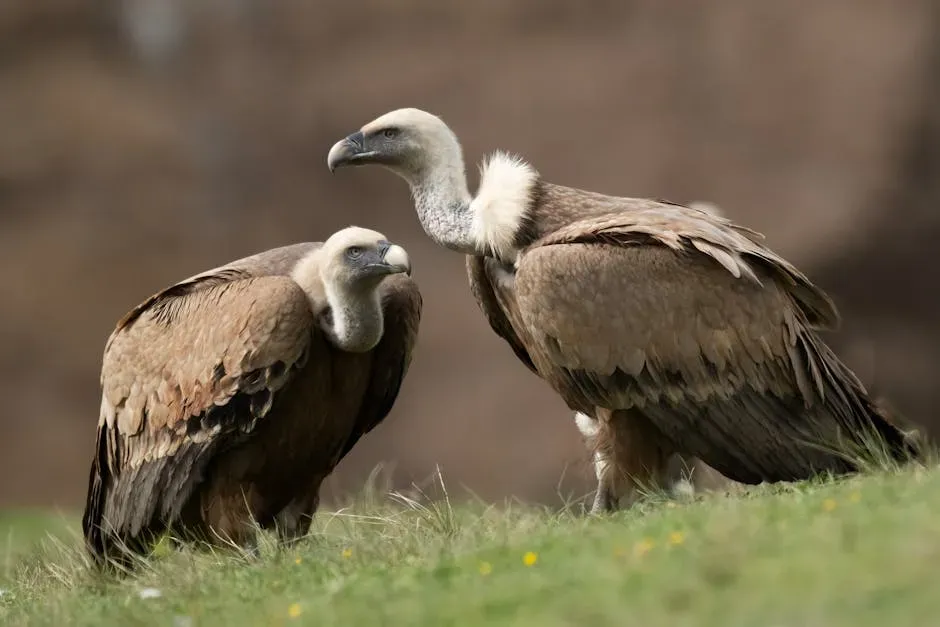
Forget the lone, brooding image of a vulture hunched on a dead tree. The Griffon Vulture is one of the most socially wired birds in existence. Griffon Vultures are very social in comparison to other vulture species – they forage in groups and breed in colonies on steep cliffs. Their social lives are rich and structured in ways most people never imagine.
Griffon Vultures often live together in colonies and benefit from each other while foraging for food. When one vulture stoops down after spotting an animal carcass, this alerts all other vultures for miles around, who follow the first one to the carcass. It’s like a communal alarm system built right into their behavior. Nobody eats alone.
6. Devoted, Lifelong Partners and Parents
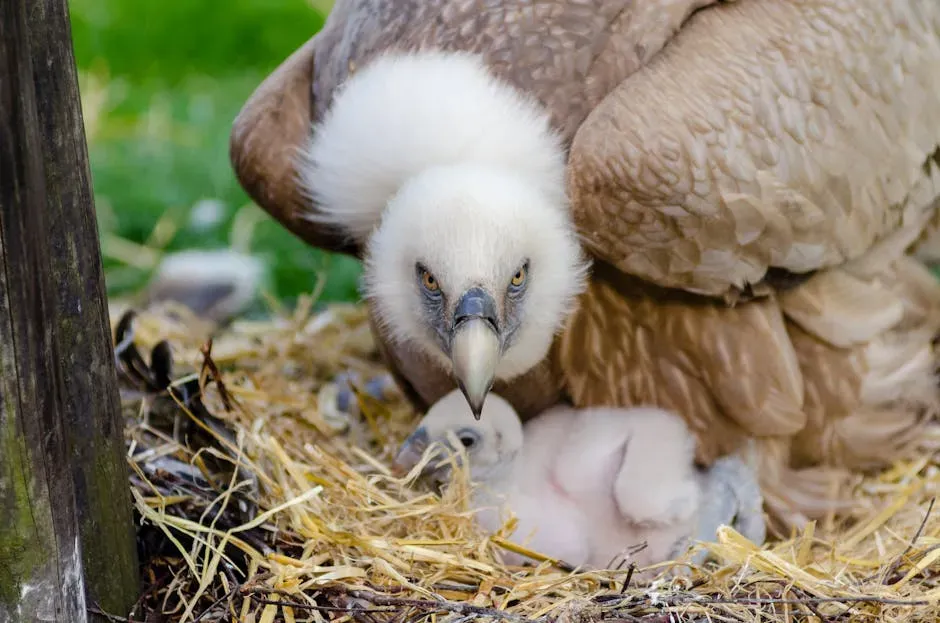
The Griffon Vulture’s romantic life is honestly rather touching. Reproduction in Eurasian Griffon Vultures involves monogamous pairs that mate for life, often returning to the same nest year after year. There’s something poetic about a bird associated with death being, in its personal life, a model of loyalty and commitment.
Both adults in a breeding pair will incubate a single egg, and this process goes on for almost two months before the juvenile hatches. The chick is then fed by both parents until around four months old, after which it starts to become independent, though it still receives care for another three months. This intensive parental care takes place in large, social breeding colonies in which multiple breeding pairs look out for one another. The level of dedication here rivals that of many mammals.
7. A Remarkable Ability to Regulate Body Temperature
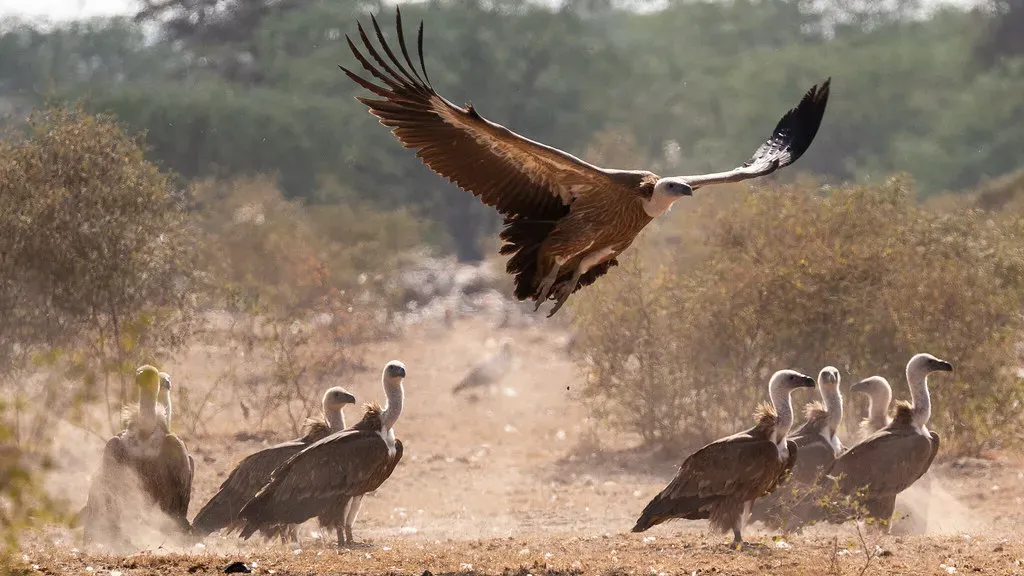
The Griffon Vulture’s bald head isn’t just an odd aesthetic choice. It’s a sophisticated biological tool. Vultures use their bald heads as a means to thermoregulate in both extreme cold and hot temperatures. Changes in posture can increase bare skin exposure from roughly seven percent to nearly a third of their body surface, allowing for more than a doubling of convective heat loss in still air. It’s like having a built-in radiator that they can dial up or down.
Griffon Vultures have also been found to tolerate increased body temperatures as a response to high ambient temperatures, and by allowing their internal body temperature to change independently of their metabolic rate, they minimize their loss of water and energy in thermoregulating. These adaptations have allowed the Griffon Vulture to have one of the widest thermal neutral zones of any bird. In a warming world, that’s a genuinely impressive biological advantage.
8. An Astonishing Lifespan
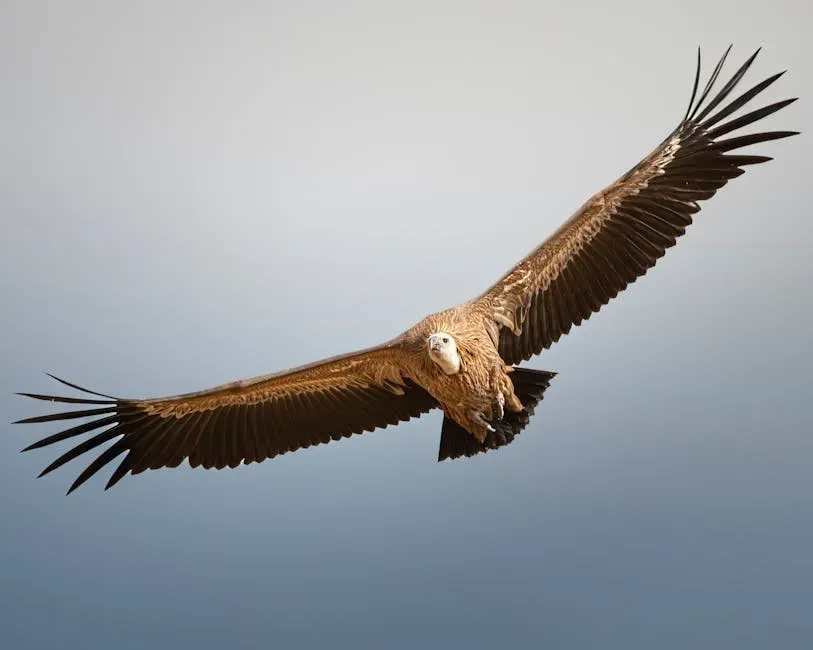
Let’s talk about how long these birds actually live, because the numbers are genuinely startling. With a maximum age of 55 years recorded in captivity, has the longest lifespan of all European raptors. That is longer than many domestic cats, dogs, and in some parts of the world, even people.
The typical lifespan of in the wild is 30 to 40 years. That means a wild Griffon Vulture could potentially have been soaring above European mountains since the late 1980s and still be going strong today. There is something deeply humbling about that thought.
9. A Wide Range Across Three Continents
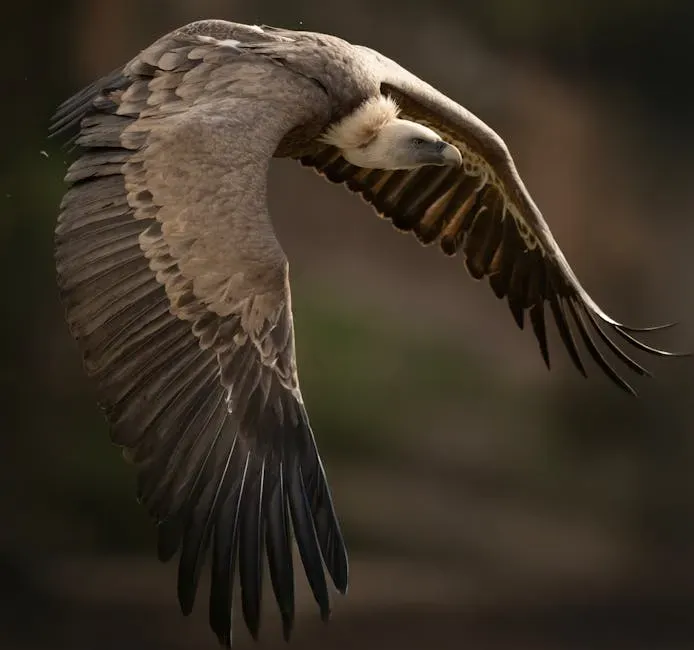
is not a bird that stays in one place. Its range is sweeping and genuinely global in scale. is resident in parts of the Iberian Peninsula, the eastern Atlas Mountains, the eastern Alps, parts of Anatolia and the Caucasus, parts of the Arabian Peninsula and the Iranian plateau, and in the Tian Shan and Altai Mountains. That is an extraordinary geographic footprint for a single species.
is doing very well across most of its range, and it is thought that there are close to a million individuals spread out over three continents, with populations increasing. is the most common vulture species in Europe, with a total population estimated at about 26,000 pairs, of which the vast majority breed in Spain. Spain, in particular, has become something of a Griffon stronghold.
10. Conservation Wins – but Threats Remain
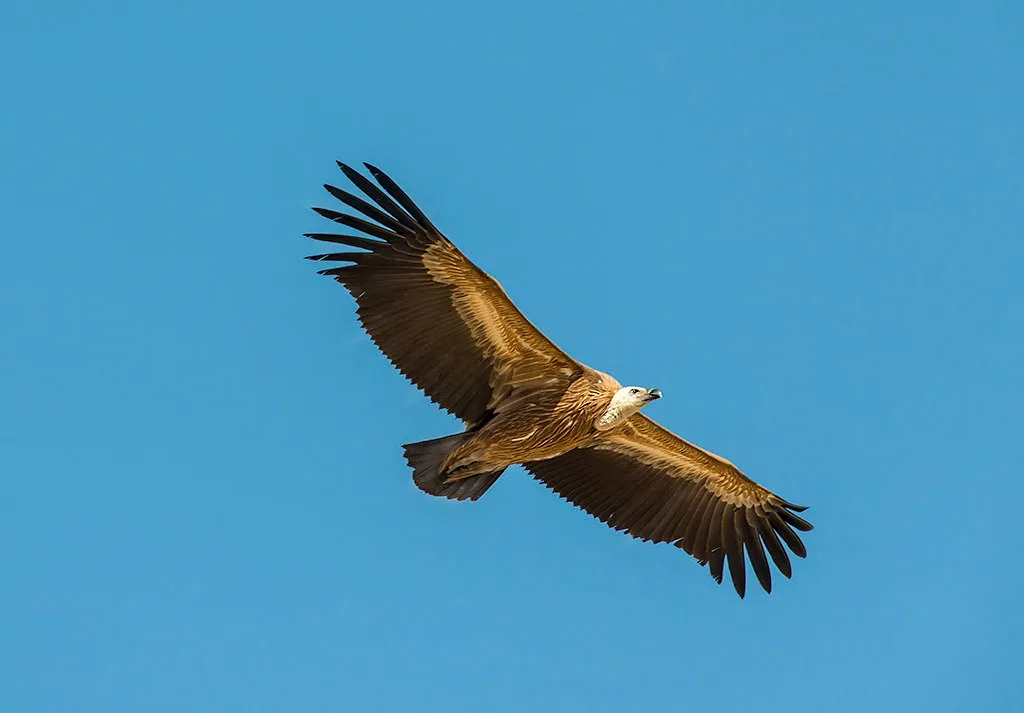
The story of the Griffon Vulture’s conservation is genuinely one of the more inspiring wildlife comeback tales of recent decades. Following a decline in the 20th century caused by poisoning, hunting, and decreasing food supplies, the species has increased dramatically in some areas, particularly in Spain, the French Pyrenees, and Portugal, with the breeding population in Europe now numbering between 19,000 and 21,000 pairs. That’s a real success story worth celebrating.
However, the battle is far from over. While currently listed as Least Concern, Griffon Vultures face threats from habitat loss, poisoning, and collisions with wind turbines, and conservation efforts focus on protecting nesting sites, establishing feeding stations, and reducing the use of harmful veterinary drugs in livestock that can poison vultures. A very successful reintroduction effort in central France has resulted in a dramatic population increase in that region, which is a very hopeful sign for the future of this species. The work continues, and so does the progress.
Conclusion: More Than Just a Scavenger
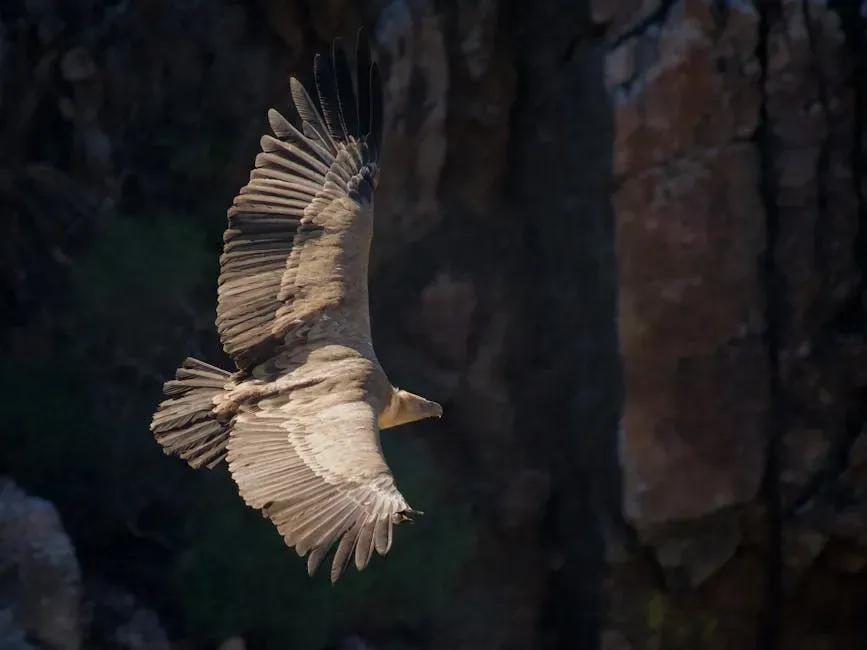
is, without question, one of the most underrated animals on the planet. It is an aeronautical genius, a devoted partner, a disease-fighting ecosystem engineer, and a long-lived survivor that has weathered centuries of human persecution. It is not grim or ghoulish. It is extraordinary.
Next time you see footage of these massive birds circling high above a Spanish mountain range or spiraling silently on a thermal current over the Caucasus, take a moment to really look. You are watching one of nature’s most perfectly designed creatures doing exactly what it was built to do. That, honestly, deserves a little more awe than most of us usually give it.
So – did any of these facts surprise you more than you expected? Drop your thoughts in the comments below. The Griffon Vulture has been flying under the radar for too long.

- What Is the Native American Zodiac Animal Sign for Aries? - July 30, 2026
- 15 Cutest Dog Breeds Everyone Falls In Love With - July 30, 2026
- 6 Common Plants That Attract Pollinators and Boost Your Garden’s Health - July 30, 2026