

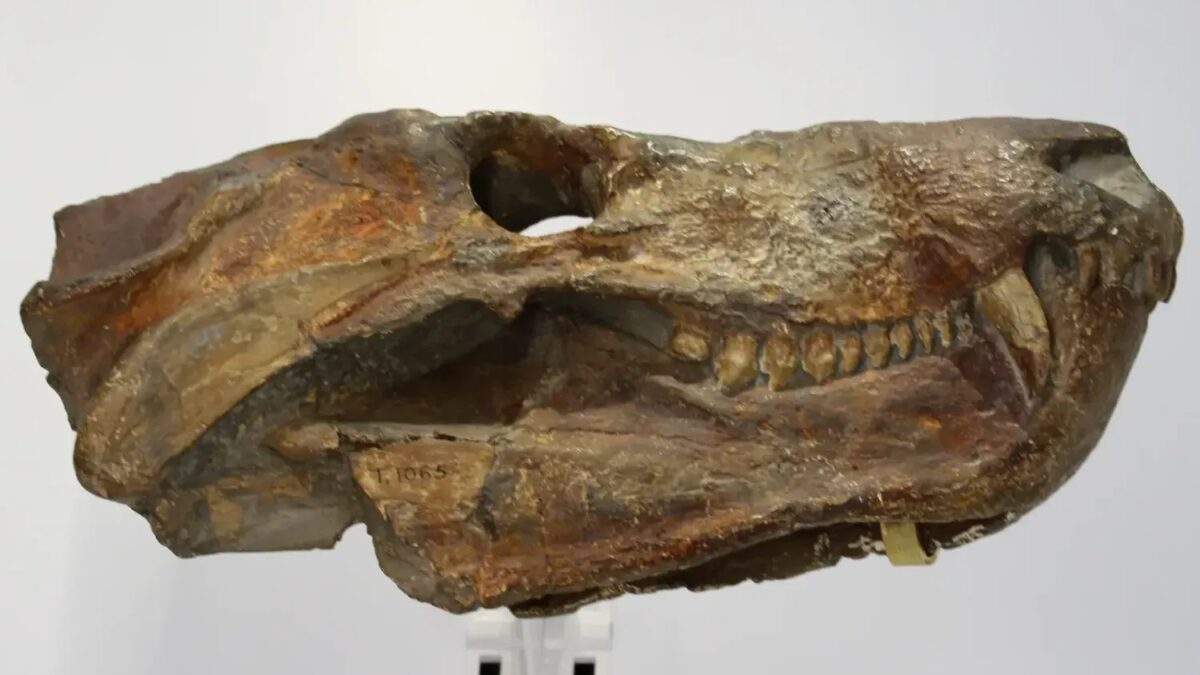
Somewhere beneath the ancient soils of South Africa, a creature lay hidden for roughly 280 million years. Nobody knew it existed. Scientists just found it, and honestly, the discovery is the kind of thing that makes you stop and reconsider everything you thought you knew about early predators on this planet.
This isn’t just another fossil announcement. This is a window into a world that existed long before the dinosaurs even showed up, a time when the rules of predation were still being written. So let’s dive in.
A Fossil Discovery That Almost Didn’t Happen
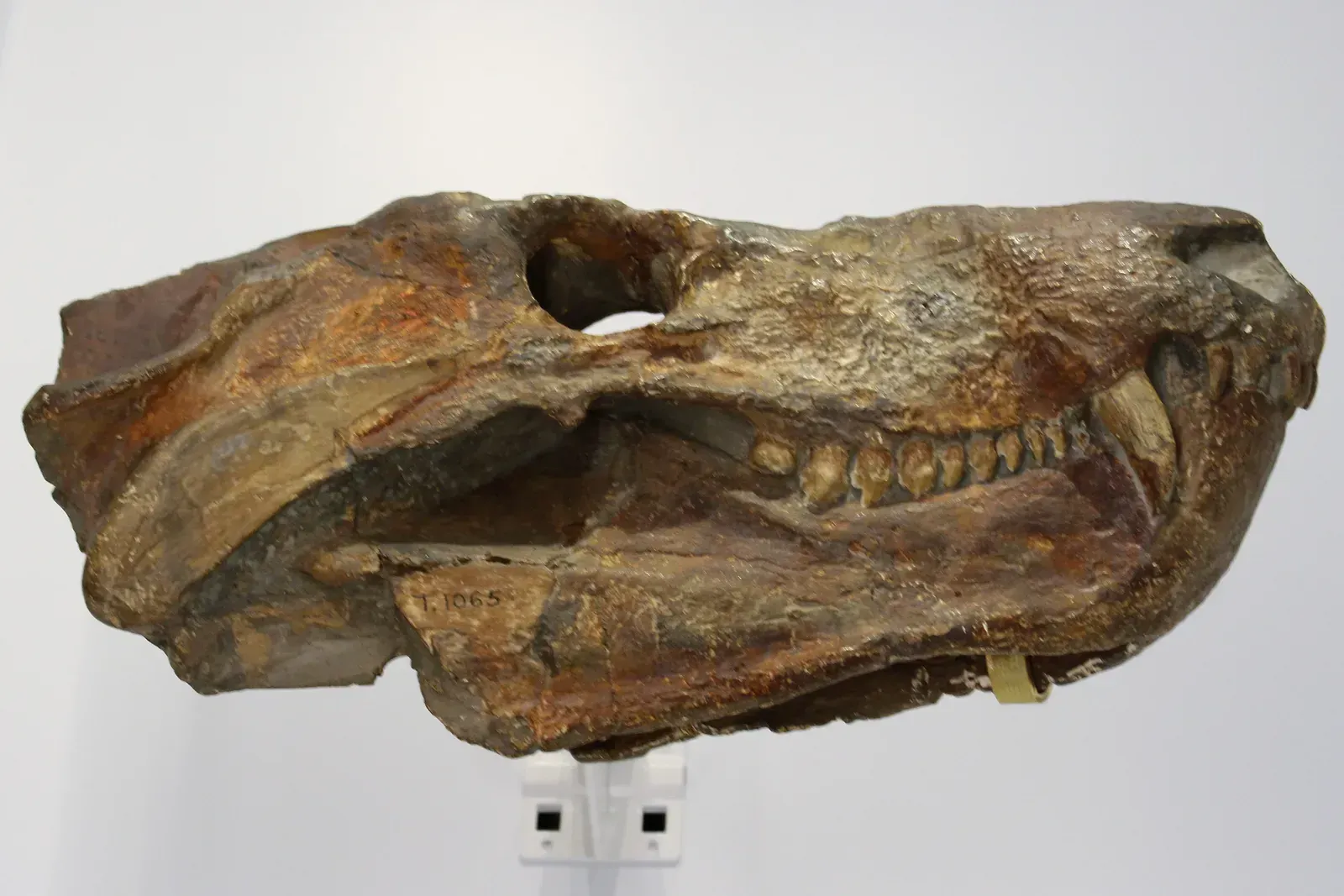
Let’s be real, most groundbreaking fossil discoveries involve a combination of scientific expertise and sheer luck. This one was no different. The ancient predator’s remains were found in the Karoo Basin of South Africa, one of the richest fossil-bearing regions on the entire planet. Researchers had been working the region for years before this particular specimen came to light.
What makes this find so remarkable is just how well-preserved portions of the fossil turned out to be. Paleontologists were able to extract meaningful anatomical detail from material that had been sitting underground since before the age of dinosaurs. That kind of preservation after nearly three centuries of millions of years is, frankly, extraordinary.
Meet the Creature: What Scientists Have Named It
The newly identified species belongs to a group known as gorgonopsians, a name that sounds like something from a fantasy novel but refers to a very real and very terrifying lineage of ancient predators. These animals were not dinosaurs. They were actually more closely related to mammals, sitting on a branch of the evolutionary tree called the synapsids.
The newly described species adds important detail to what scientists understand about the diversity within this group. Gorgonopsians were apex predators of their time, and finding a new species expands the picture of just how varied and widespread these creatures actually were. Think of it like discovering a previously unknown species of large cat in the fossil record. It shifts the whole map.
How Big Was This Ancient Hunter?
Here’s the thing about gorgonopsians: some of them were absolutely massive. The largest known species could reach lengths comparable to a modern rhinoceros. The newly discovered South African species appears to fall into the mid-to-large size range, suggesting it was a dominant force in its ecosystem.
Its skull structure and dentition tell a vivid story. The animal had large, saber-like canine teeth, a hallmark of the gorgonopsian group, designed for seizing and killing prey. These weren’t subtle hunters. They were built for raw, decisive predation, and their anatomy leaves very little room for misinterpretation.
What the Karoo Basin Tells Us About Ancient Life
South Africa’s Karoo Basin is basically a time capsule for the Permian period. The geological layers there preserve an almost unbroken record of vertebrate life stretching back hundreds of millions of years. It’s one of those places where the earth itself seems to be holding its breath, keeping secrets intact for anyone patient enough to look.
Scientists have recovered thousands of specimens from this region over the decades, but new species still emerge regularly. That consistency is actually what makes it so scientifically valuable. Every new creature found there adds another data point to our understanding of how complex terrestrial ecosystems formed and evolved long before anything resembling a modern animal walked the earth.
The Permian World This Predator Lived In
To really appreciate this discovery, you have to try to picture the Permian period. This was a world without flowering plants, without birds, without any of the familiar animals we associate with nature today. The landscape would have looked deeply alien. Scrubby vegetation, unusual reptile-like creatures, and a sky that had never heard a bird’s call.
In this environment, gorgonopsians were essentially the lions of their day. They occupied the top of the food chain and shaped the ecological dynamics around them. The presence of a newly identified species in southern Africa suggests the region was even more ecologically diverse during this period than previously understood. It’s humbling, honestly, to consider how rich and complex life was so incredibly long ago.
Why This Discovery Matters for Evolutionary Science
Every new species discovery is a new data point, but some data points carry more weight than others. This one matters because gorgonopsians are directly relevant to understanding the lineage that eventually gave rise to mammals, and by extension, to us. It’s not dramatic to say that studying these animals is essentially studying our own deep evolutionary heritage.
The more species researchers can identify and describe within this group, the clearer the picture becomes of how early synapsids diversified and competed for dominance. It also raises fascinating questions about why gorgonopsians eventually went extinct during the catastrophic Permian-Triassic extinction event, the largest mass extinction in Earth’s history. Understanding what they were before they vanished tells us something profound about the fragility and resilience of life itself.
What Comes Next for the Research Team
Paleontologists working on this discovery are not done yet. Further analysis of the specimen is ongoing, and researchers are expected to continue investigating the anatomical features that set this species apart from its relatives. Comparative studies with other gorgonopsian fossils from across Africa and beyond will likely follow.
It’s hard to say for sure exactly what additional revelations might emerge from continued study, but the scientific community is watching closely. Discoveries like this have a way of triggering follow-up expeditions, fresh excavations, and entirely new research questions. The Karoo Basin has been yielding surprises for generations of scientists, and there is every reason to believe it still has more to reveal. The ground there, it seems, is never quite finished talking.
A Window Into Our Own Origins
There is something deeply moving about a creature that ruled its world 280 million years ago finally getting a name in 2026. It lived, it hunted, it shaped an ancient ecosystem, and then it disappeared entirely, leaving only bones pressed into stone for millennia. Now, a team of dedicated scientists has pulled it back into existence, at least in our understanding.
I think that’s worth pausing on. Not just as a scientific milestone, but as a reminder of how much remains unknown beneath our feet. We share this planet with an almost incomprehensible depth of history, and discoveries like this one make that history feel suddenly, startlingly real. What else might be waiting, just beneath the surface, for someone patient enough to find it?

- Urban Coyotes Show Remarkable Adaptability, Learning to Thrive in City Environments - July 22, 2026
- Beavers Are Nature’s Engineers, Creating Vital Habitats for Other Wildlife Species - July 21, 2026
- The Recovery of the California Condor Offers Hope for Other Critically Endangered Birds - July 21, 2026