
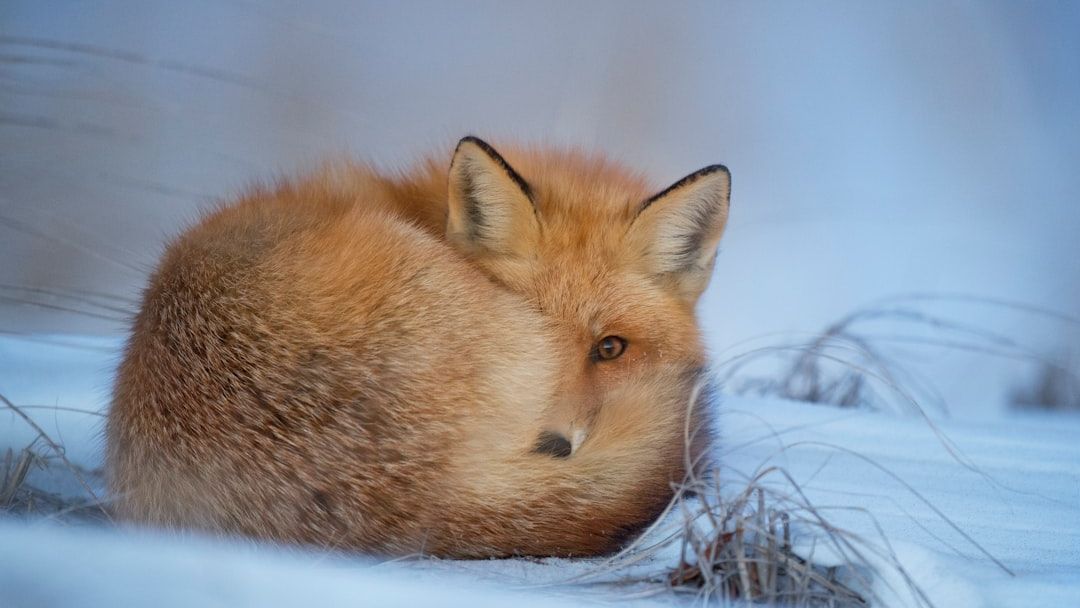
Every autumn, something quietly extraordinary happens beneath the forest floor, inside hollow logs, and deep in limestone caves. Millions of animals essentially vanish from the world. Not dead, not quite alive in any familiar sense, just suspended, hovering at the razor-thin edge between existence and something that looks shockingly like the end of it. Honestly, the more you dig into hibernation, the more mind-bending it becomes.
Most of us grew up thinking hibernation was just a long, cozy winter nap. A bear yawning, curling up in a den, waking up refreshed in spring. Simple. Cute. But the reality? It is something far stranger and far more remarkable than a bedtime story. Let’s dive in.
Hibernation Is Not Sleep, Not Even Close
Here’s the thing that trips most people up. Despite what you may have heard, species that hibernate don’t “sleep” during the winter. Hibernation is an extended form of torpor, a state where metabolism is depressed to less than five percent of normal. That is a staggering drop. Think of it like the difference between a car idling in the driveway and a car engine that has been almost completely switched off.
Unlike sleep, which is primarily a mental change, hibernation involves drastic physiological changes, and waking a hibernating animal can be fatal due to the high energy cost of rewarming. Let that sink in for a moment. Waking an animal from deep hibernation is not just an inconvenience, it could literally kill it.
In hibernation, the brain never rests – it exhibits the same activity as an awake brain but with suppressed activity. Crazily enough, animals that rise from hibernation show signs of sleep deprivation and often have to sleep for days to be rested. So, in a strange twist, hibernators actually need real sleep once they wake up. Hibernation and sleep are totally different biological events.
The Body Goes to Extremes: Temperature, Heart Rate, and Breathing
Hibernation is a seasonal heterothermy characterized by low body temperature, slow breathing and heart rate, and low metabolic rate. But when you look at the actual numbers, “low” is a remarkable understatement. The body’s transformation during hibernation borders on the miraculous, or the terrifying, depending on your perspective.
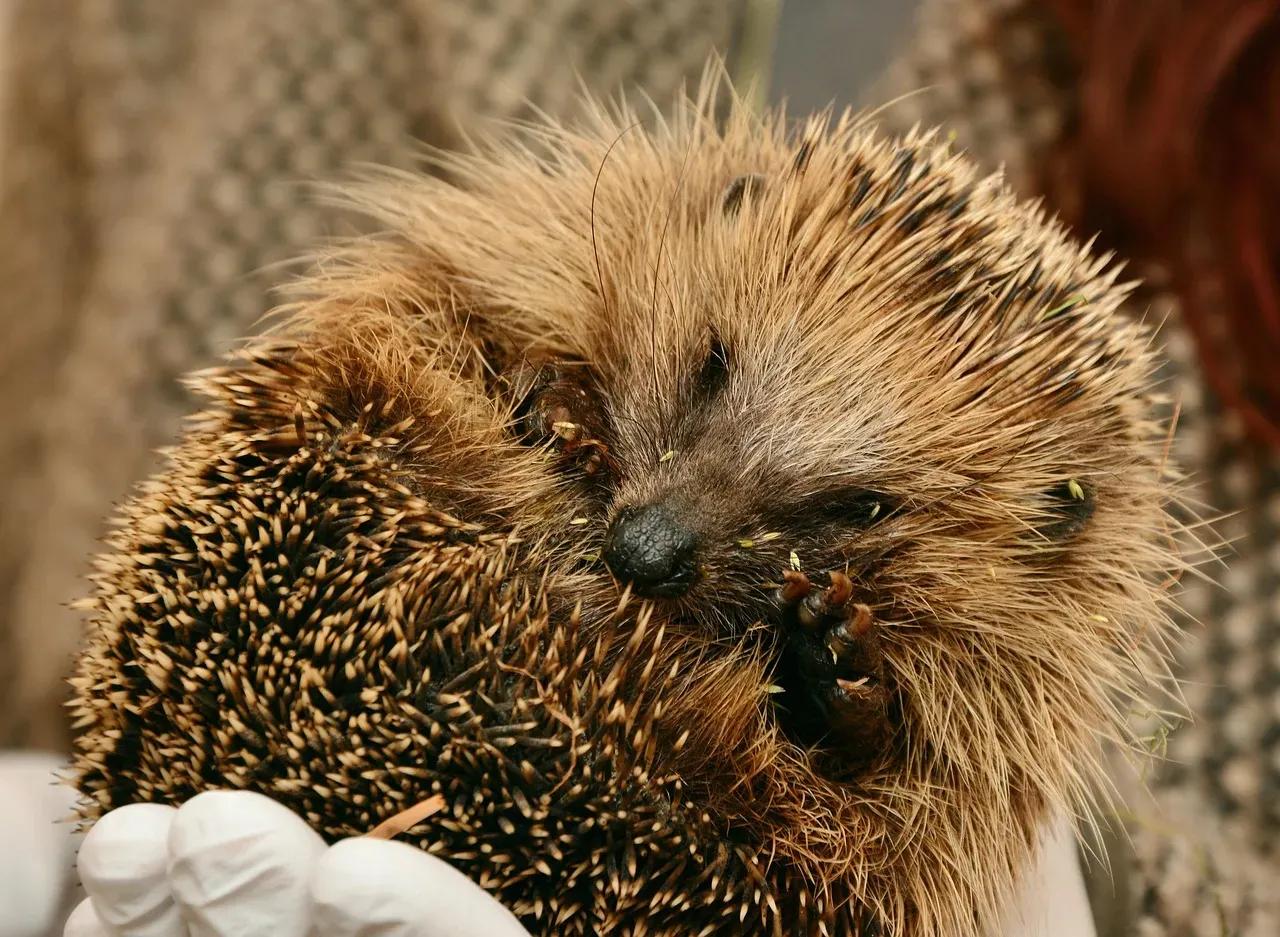
When dwarf lemurs hibernate, they reduce their heart rates from over 300 beats per minute to fewer than six. Instead of breathing about every second, they can go up to 10 minutes without taking a breath. Ten minutes without a breath. Imagine that. Meanwhile, bats breathe once every two hours and their heartbeat drops from 1000 beats per minute to only 25. The chipmunk’s heart rate decreases from 200 beats per minute to 5. Hedgehogs breathe only once every 3.5 hours.
Arctic ground squirrels, who usually have a body temperature of 99 degrees Fahrenheit, can drop as low as 27 degrees Fahrenheit. This below-freezing body temperature can last for a few weeks before the squirrels have to briefly wake up and warm up. A mammal with a body temperature below the freezing point of water, still alive, still ticking. I know it sounds crazy, but that is absolutely real science.
Breathing and heart rate can decrease to being near-nondetectable, the body can become cold and stiff in deep hibernation, and brain activity can be nearly absent. Yet the state of hibernation defies death – it allows the organism to exist in another dimension, a sort of death-like deathlessness.
The Big Eat: How Animals Prepare for Hibernation
If you knew you had to fast for potentially seven months without a single meal, you would probably eat everything in sight first. Hibernating animals, with their millions of years of evolutionary wisdom, do exactly that. Before entering hibernation, animals need to store enough energy to last through the duration of their dormant period, possibly as long as an entire winter. Larger species become hyperphagic, eating a large amount of food and storing the energy in their bodies in the form of fat deposits.
The edible dormouse can grow to triple its body weight before entering hibernation, which lasts up to 11 months. Triple its body weight. That is the equivalent of a 180-pound person ballooning to over 500 pounds, all in preparation for a winter of doing absolutely nothing.
Hibernation is triggered by various factors, including temperature, food availability, and photoperiod, and is controlled by the endocrine system through hormones like melatonin and insulin. It is not a random impulse, it is a finely tuned biological clockwork that the animal’s body follows with remarkable precision season after season. Smaller species, like squirrels and mice, store food to eat slowly over the course of the winter, rather than relying on fat alone, showing just how varied hibernation strategies can be across species.
Bears: The Surprising Debate About What Counts as “True” Hibernation
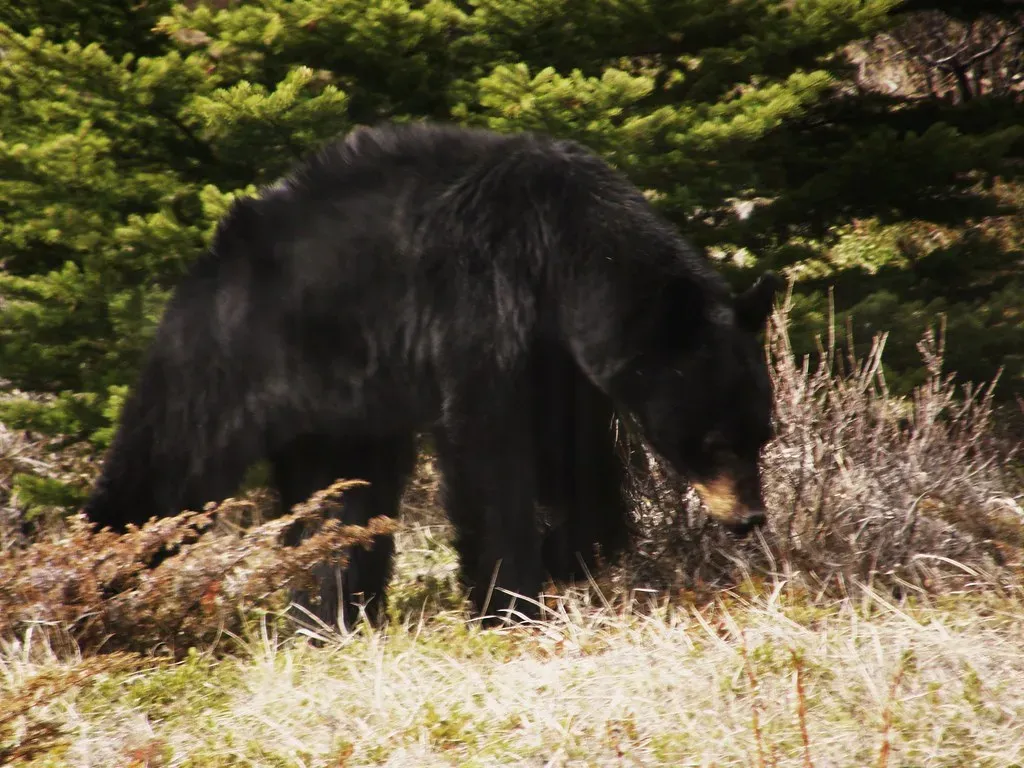
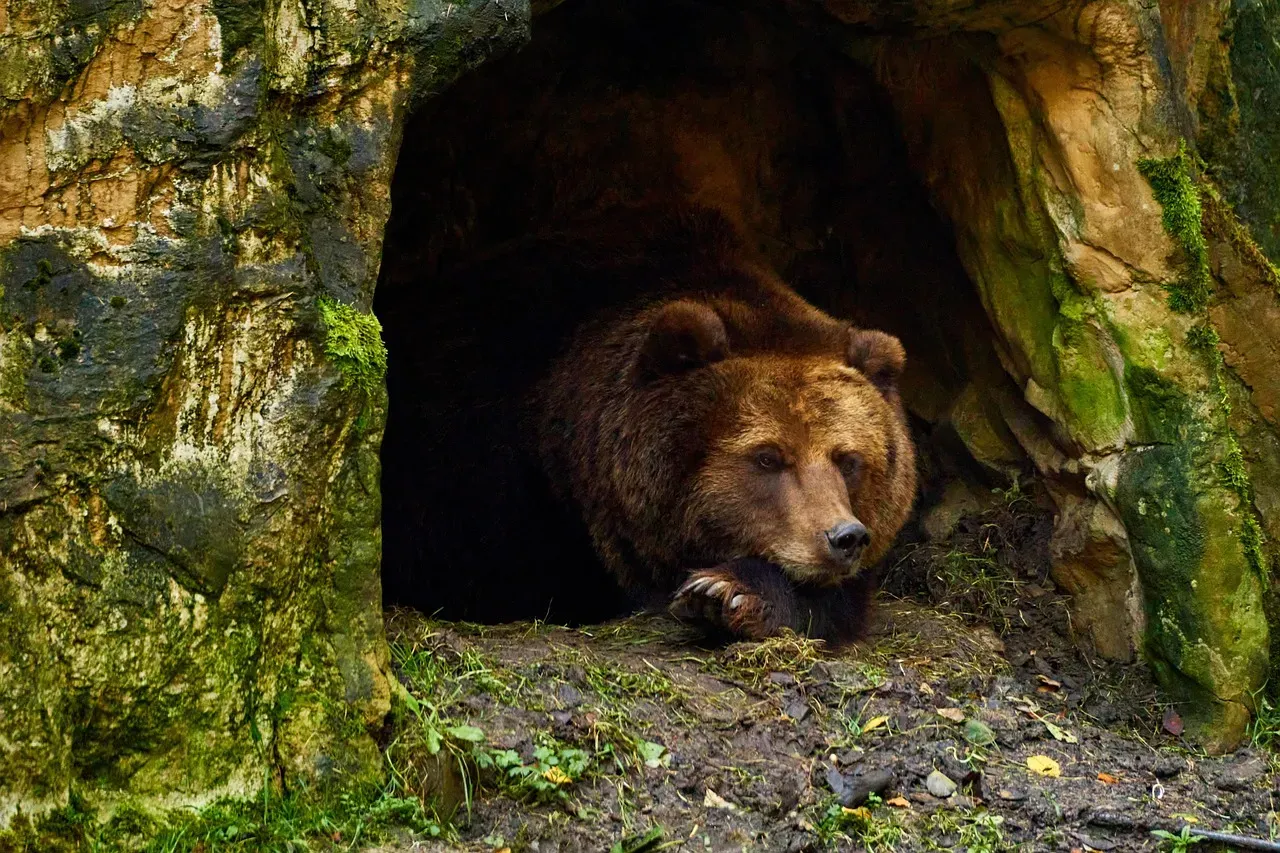
Here is something that might shock you. The animal most of us picture when we think of hibernation, the bear, is actually at the center of a long-running scientific debate. Bears aren’t true hibernators because their body temperatures don’t drop during the winter. That’s right, bears technically don’t hibernate. However, they are really good at dormancy.
During their winter snooze, bears’ body temperatures remain relatively high, only dropping by about 5 degrees Celsius. They can also move around, with mothers able to suckle their young. For this reason, some people prefer to call it a “winter sleep” rather than hibernation. Still, dismissing bears entirely from the hibernation conversation feels wrong, because the metabolic reality tells a different story.
The metabolic rates of bears during this time are comparable to those of other hibernators; their heart rates slow to around just 4 beats per minute, and oxygen consumption drops by roughly three quarters, with the bears taking only one or two breaths per minute. This suggests that the same physiological processes are at play in overwintering bears as in hibernating animals. So the debate goes on, and it is more about scientific definitions than biology itself. It is hard to say for sure where the exact line gets drawn.
Some species of mammals hibernate while gestating young, which are born either while the mother hibernates or shortly afterwards. For example, female black bears go into hibernation during the winter months in order to give birth to their offspring. Giving birth in a frozen den while barely breathing. That is motherhood taken to an extreme that puts everything else to shame.
The Muscle Mystery: Why Hibernators Don’t Waste Away
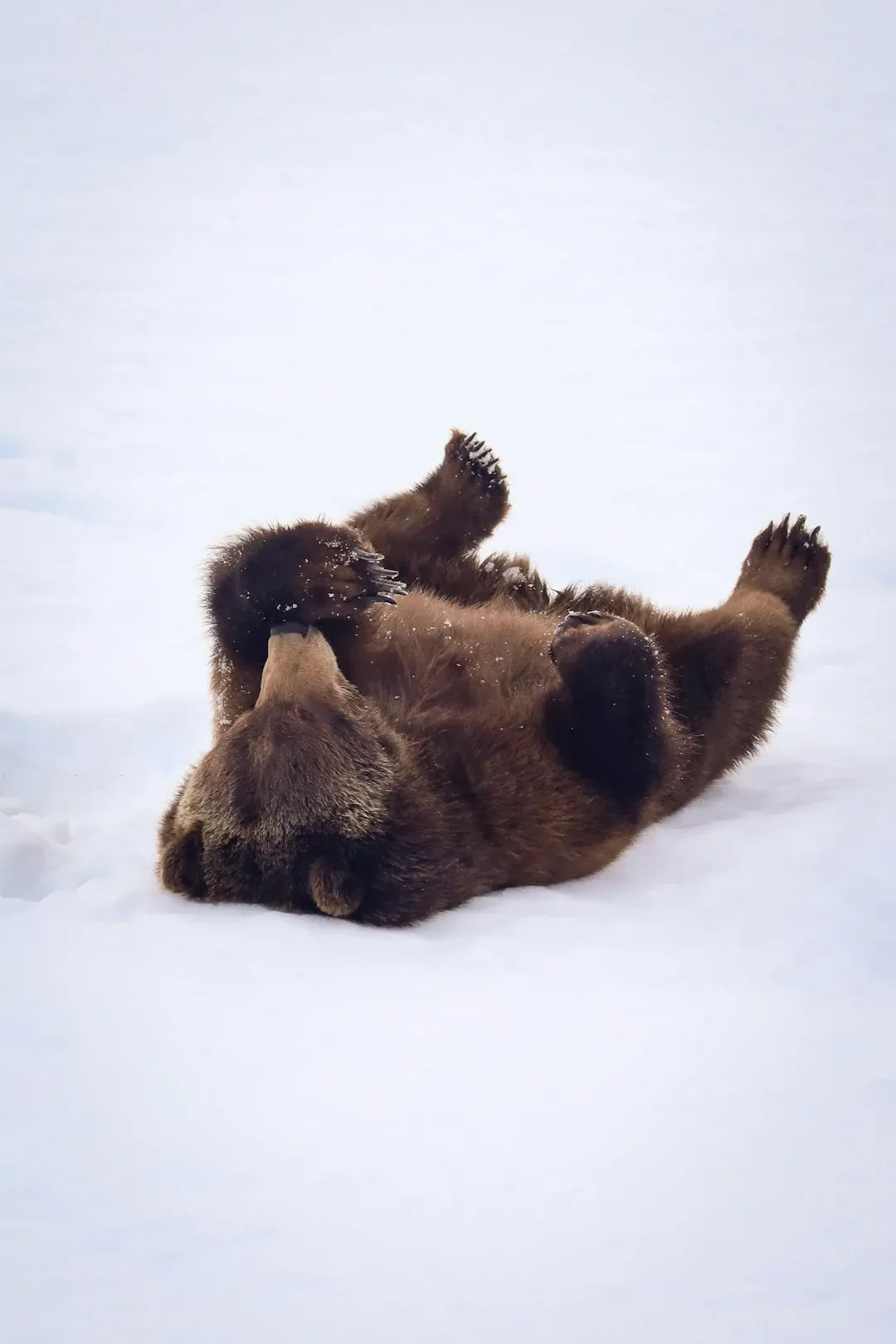
This is where hibernation science gets seriously exciting, and genuinely useful for human medicine. If you or I lay perfectly still for five months without eating, our muscles would deteriorate dramatically. Though physical inactivity and malnutrition generally lead to profound loss of muscle mass and metabolic dysfunction in humans, hibernating bears show limited muscle atrophy and can successfully maintain locomotive function.
When spring arrives, they leave their dens with their muscles largely intact. For humans, the same period of inactivity would usually mean severe muscle loss, weakness, and long-term health problems. The contrast is almost offensive, honestly. We work so hard to maintain muscle and yet a bear does nothing for months and walks out almost exactly as strong as it went in.
During hibernation, their muscles contain fewer mitochondria, but the ones that remain work more efficiently. Rather than allowing their energy systems to deteriorate, bears streamline them. They reduce what is unnecessary and preserve what is essential. It is similar to shutting down some power stations during low demand, while upgrading the remaining ones to run more smoothly.
During hibernation, animals rely on stored energy reserves, particularly fats, to sustain their bodily functions. The metabolic slowdown allows hibernators to conserve energy and endure long periods of food scarcity and harsh environmental conditions during winter. The body essentially becomes an extraordinarily efficient machine, prioritizing only what matters for survival and nothing else.
What Hibernation Could Mean for Human Science and Medicine
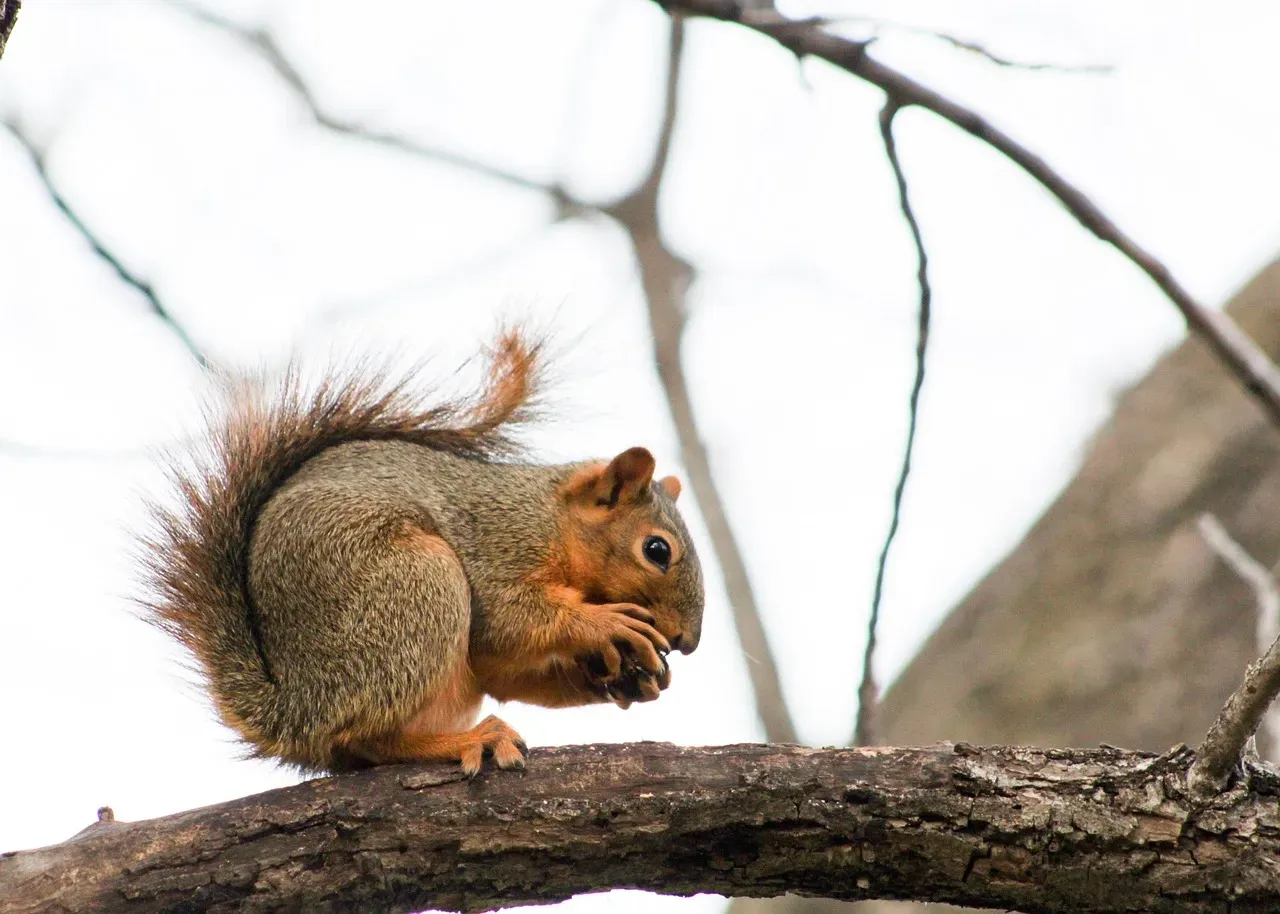
Scientists are not just fascinated by hibernation for its beauty, they are fascinated because it could hold the keys to some of our most stubborn medical problems. How could you control hibernation as a therapy to help people recover from strokes or heart attacks, or administer it to astronauts to help them endure a yearslong trip to Mars? These are not idle daydreams, they are actual research questions being pursued right now in 2026.
Scientists at Oregon Health and Science University have embarked on a first step to exploring these questions by inducing a state of hibernation in rats, which don’t normally hibernate. The implications of that single experiment ripple outward in all directions. If hibernation can be triggered in animals that never evolved to do it naturally, the door opens to an entirely new class of medical treatments.
A gene cluster called the “fat mass and obesity (FTO) locus” plays an important role in hibernators’ abilities, and intriguingly, humans have these genes too. Researchers identified hibernator-specific DNA regions that are near the FTO locus and that regulate the activity of neighboring genes. They speculate that adjusting the activity of neighboring genes allows hibernators to pack on the pounds before settling in for the winter, then slowly use their fat reserves for energy throughout hibernation.
A recent study of half-a-million-year-old fossilized remains found in Spain suggests that early humans did hibernate, which adds an almost poetic layer to all of this. Perhaps the capacity for something like hibernation is not entirely alien to us. Maybe it is just deeply, deeply dormant, waiting for science to wake it back up. While many animals have mastered the ability to enter torpor, it’s something that eludes us humans. Curiously, despite decades of research, human hibernation remains among the few questions that still belong to both science and science fiction.
Conclusion: Nature’s Most Elegant Survival Trick
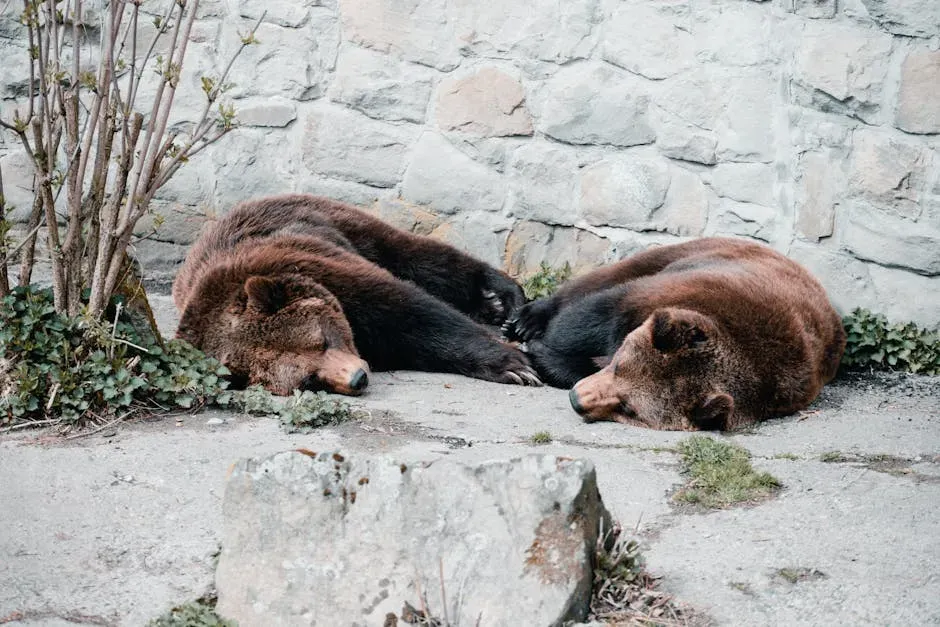
Hibernation is, at its core, nature’s most audacious bet. An animal bets its very life on the fact that it can shut down, survive the worst that winter has to offer, and come roaring back to life in spring with its muscles still intact and its senses sharp. That is extraordinary. Not just biologically, but almost philosophically extraordinary.
The science we have uncovered so far, from near-frozen body temperatures to heart rates of just a few beats per minute, from muscle preservation that defies medical understanding to genetic keys hiding inside our own DNA, is breathtaking. Every answer reveals three new questions. Every discovery pushes the frontier a little further into the unknown.
There is still so much we do not understand about why hibernators periodically rouse during winter, how their brains survive extreme cold without damage, and whether we will ever genuinely unlock these mechanisms for human benefit. What we do know is that these animals have been quietly perfecting this art for millions of years, and we are only just beginning to appreciate how extraordinary they truly are.
Next time you think about a bear sleeping through winter, remember: it’s not sleeping at all. It’s doing something far more remarkable. What part of this astonishing biology surprised you most? Drop your thoughts in the comments below.
