
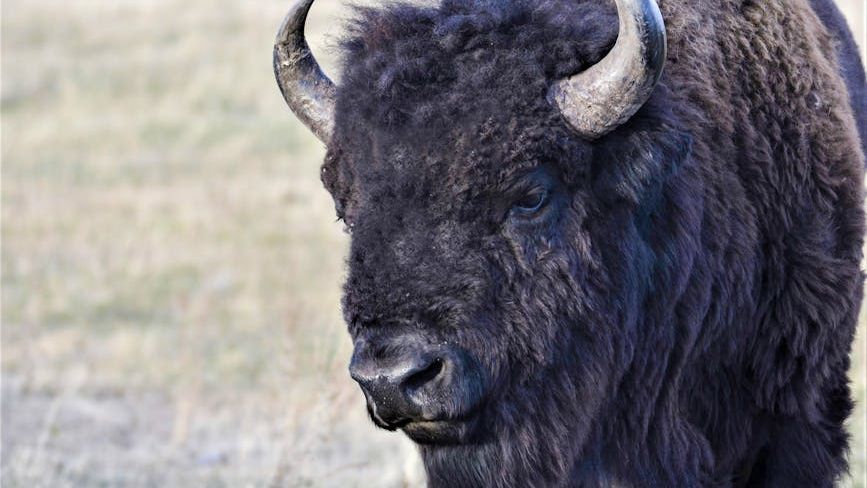
There are few animals in human history that have carried the weight of an entire civilization on their shoulders. The American buffalo, technically the bison, is one of them. For countless generations, this thundering creature shaped the spiritual world, the daily lives, and the very identity of Native American peoples across the continent in ways that are, honestly, breathtaking to consider.
What makes the buffalo so extraordinary is not just its size or its power. It is what the animal represents at every level of existence, from the food on a family’s table to the prayers spoken around a sacred fire. If you think you know the story of the buffalo, be prepared to discover just how deep this connection truly goes.
The Sacred Foundation: Why the Buffalo Was No Ordinary Animal
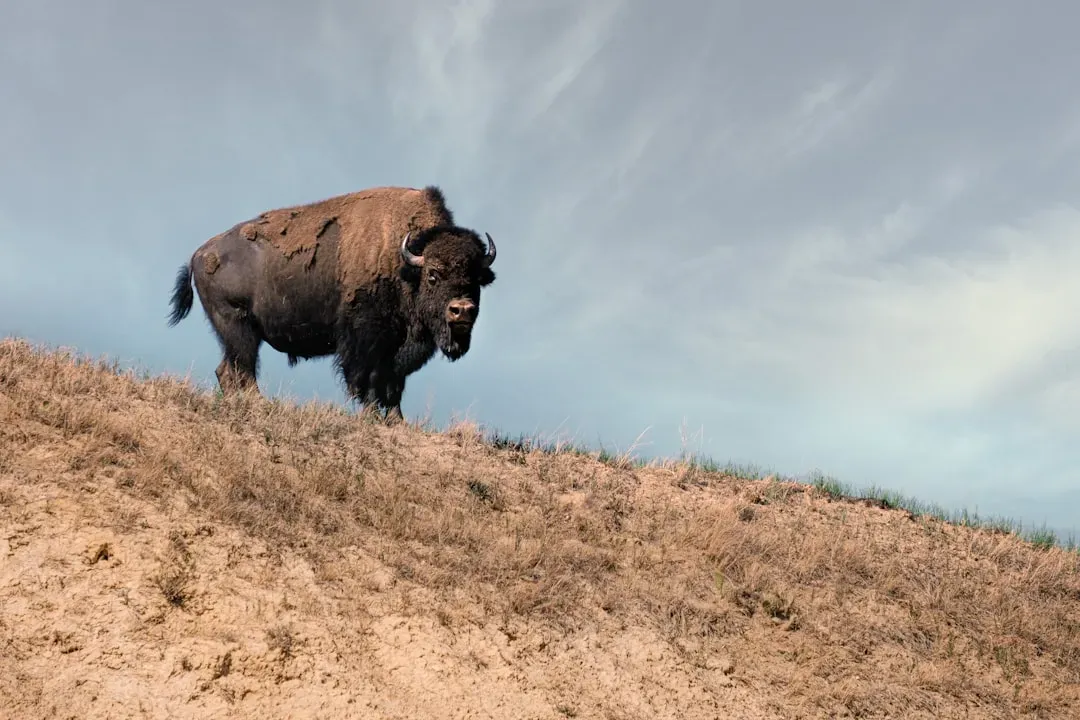
The buffalo, often referred to as the American bison, has held a special place in the spiritual and cultural heritage of countless indigenous peoples across North America. This was no casual admiration for a large mammal. It was something far more profound, a sacred bond woven into the fabric of life itself.
For thousands of years, the American bison has been far more than just an animal to the Indigenous peoples of North America. This magnificent creature stood at the center of Native American spiritual beliefs, economic systems, and daily life, particularly for the Plains tribes. Think of it like the sun in a solar system. Everything else orbited around it.
This relationship was so fundamental that many Plains tribes referred to themselves as “the Buffalo People,” signifying their inseparable connection to the animal. That is not a metaphor. That is identity. That is ancestry. That is everything.
Tatanka: The Buffalo as a Gift from the Creator
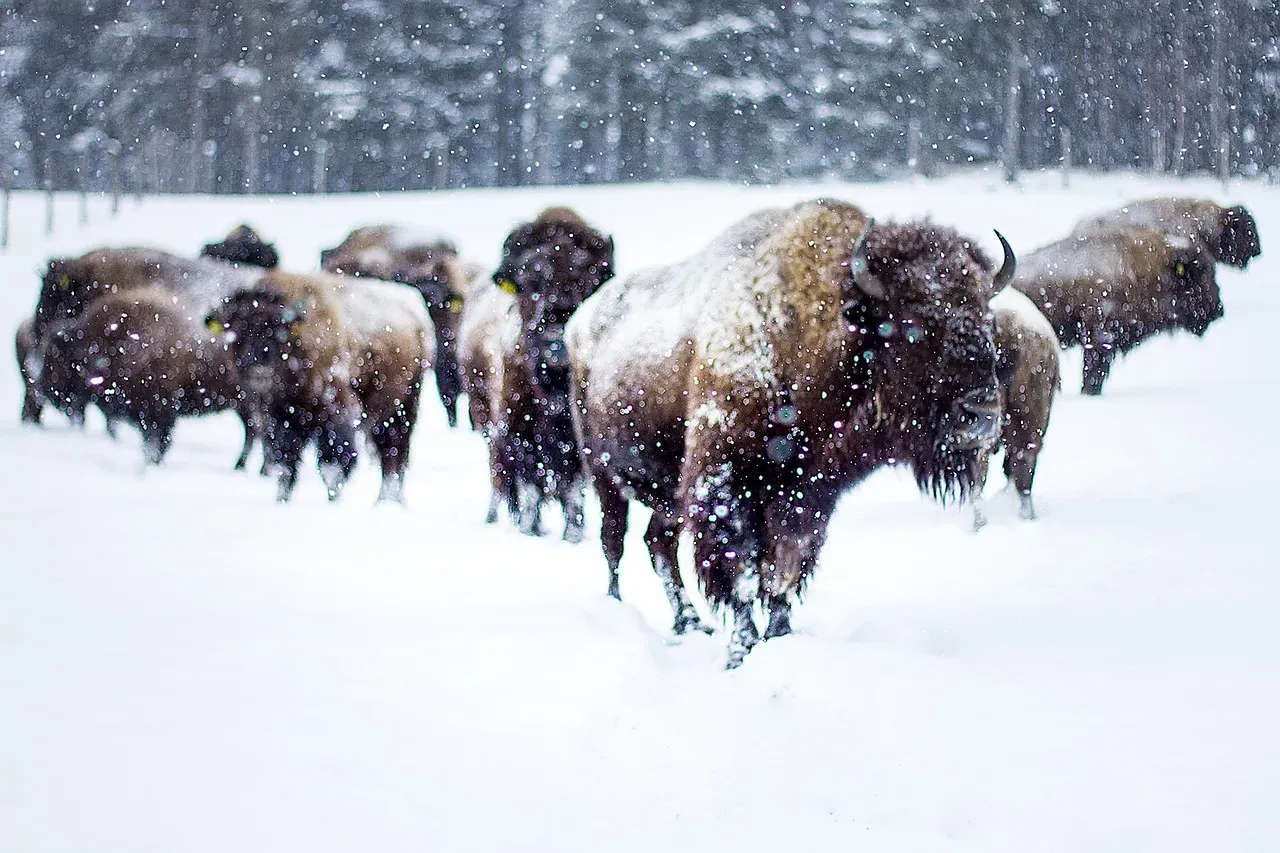
Many tribes believe that the bison were a gift from the Great Spirit, sent to provide for their needs. In Lakota creation stories, the bison emerged from the earth to sustain the people. You can almost feel the gravity of that belief when you sit with it, knowing that an entire nation’s creation story centers on this one animal.
The Blackfeet believe that certain lakes and rivers are sacred areas because they are the home of the Suyiitapi, the supernatural underwater persons, and the place where bison emerged from underneath the water. The Lakota, similar to the Blackfeet, consider bison sacred and a gift from the Divine. For the Lakota, however, bison did not come out of water, they came from inside the earth. According to anthropologist Patricia Albers, the Lakota believe that both bison and humans emerged onto the Great Plains from what is now Wind Cave National Park in the Black Hills in South Dakota.
It is respected as a symbol of the divine because for Native Americans, the buffalo was a “banquet” for the people. The buffalo gave up its own flesh and life to feed the Native American people. That sense of willing sacrifice is central to how tribes understood and honored the animal. It was not prey. It was kin.
The Buffalo as a Totem: Strength, Abundance, and Unity
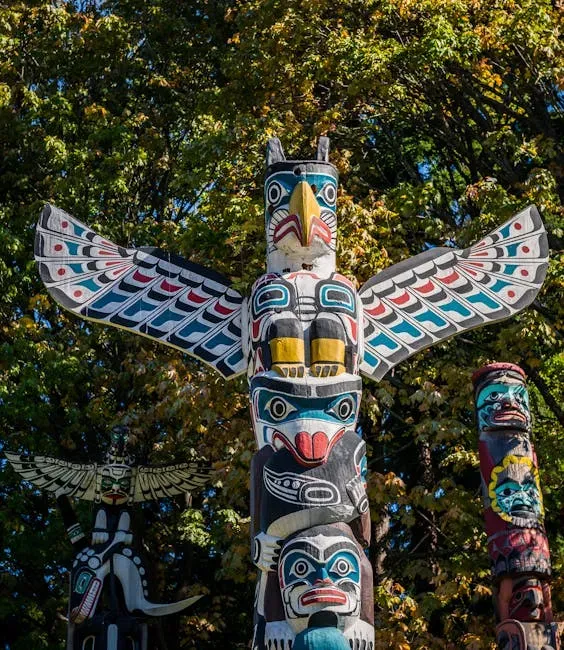
In Native American culture, totems are symbols that represent a tribe, clan, or individual. Totems are believed to possess spiritual and protective qualities, and they serve as a connection between humans and the natural world. The buffalo is one such powerful totem. Let’s be real, few totems carry the same sheer cultural weight as this one.
The buffalo totem represents abundance, strength, and unity. It symbolizes the importance of community and the need to work together for the greater good. There is a lesson there that feels remarkably timeless. A lone buffalo is strong. A herd is unstoppable. Much like any community worth belonging to.
In Native American culture, totem animals are important and can be used in place of spirit animals. It is regarded as a great honor to have a buffalo as your totem animal. Carrying the buffalo totem was not something taken lightly. It came with responsibility, a call toward generosity and grounded living.
Every Part Used: The Buffalo as Total Provider
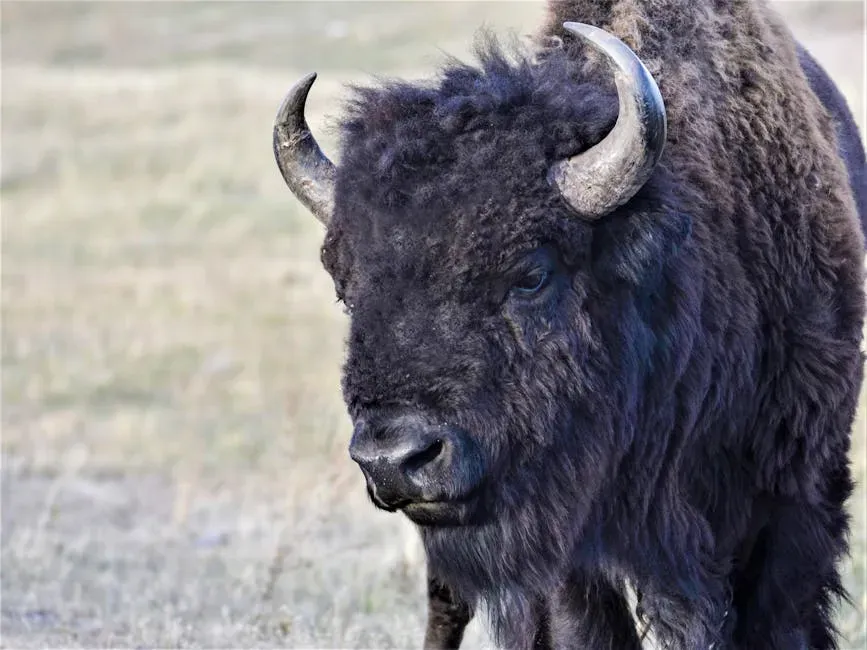
Native Americans used the buffalo in every aspect of their lives: their wool for warmth, meat for sustenance, skins for clothing, and bones for tools, weapons, and jewelry. This was zero waste long before zero waste became a modern trend. It was simply a way of life rooted in deep respect.
The hides of bison were utilized for clothing and shelter, providing warmth and protection against harsh weather conditions. Bones and horns were crafted into tools and weapons, demonstrating the resourcefulness and ingenuity of Native communities. When resources on the Great Plains were scarce, the buffalo was not just helpful. It was everything.
Beyond the obvious, practical uses of the bison, this animal played other roles in Amerindian societies as well. The hunting and processing of the bison became amongst the most important ways for Great Plains Amerindian cultures to pass on their knowledge, prayers, and traditions. The hunt was a classroom. A ceremony. A thread that linked generations together.
Sacred Ceremonies: Where the Buffalo Lived in Ritual
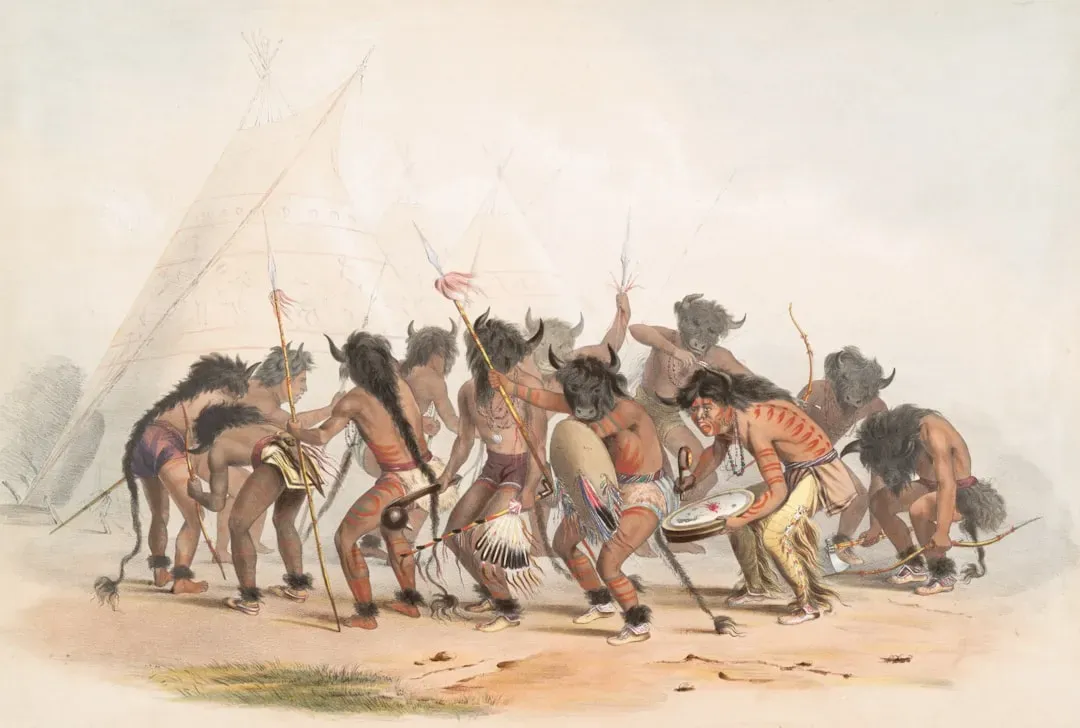
Bison were also central to many Native American ceremonies and rituals. The Sun Dance, a pivotal religious ceremony among Plains tribes, often involved the use of bison hides and skulls. Bison were seen as intermediaries between the physical and spiritual worlds, and their sacrifice during these ceremonies was believed to ensure the prosperity and well-being of the tribe.
Before hunts, tribal members performed ceremonies seeking permission from the bison spirits and expressing gratitude for the upcoming harvest. This spiritual framework established a relationship of reciprocity rather than exploitation, a key distinction from later European approaches to wildlife. That distinction matters enormously. It speaks to an entirely different understanding of humanity’s place in nature.
Some stories tell us that it was Buffalo who gave the tribes knowledge of medicine and the use of the Peace Pipe. The buffalo was not just a physical provider. In the sacred oral traditions, it was a teacher. A messenger from something far greater than itself.
White Buffalo Calf Woman and the Sacred Pipe
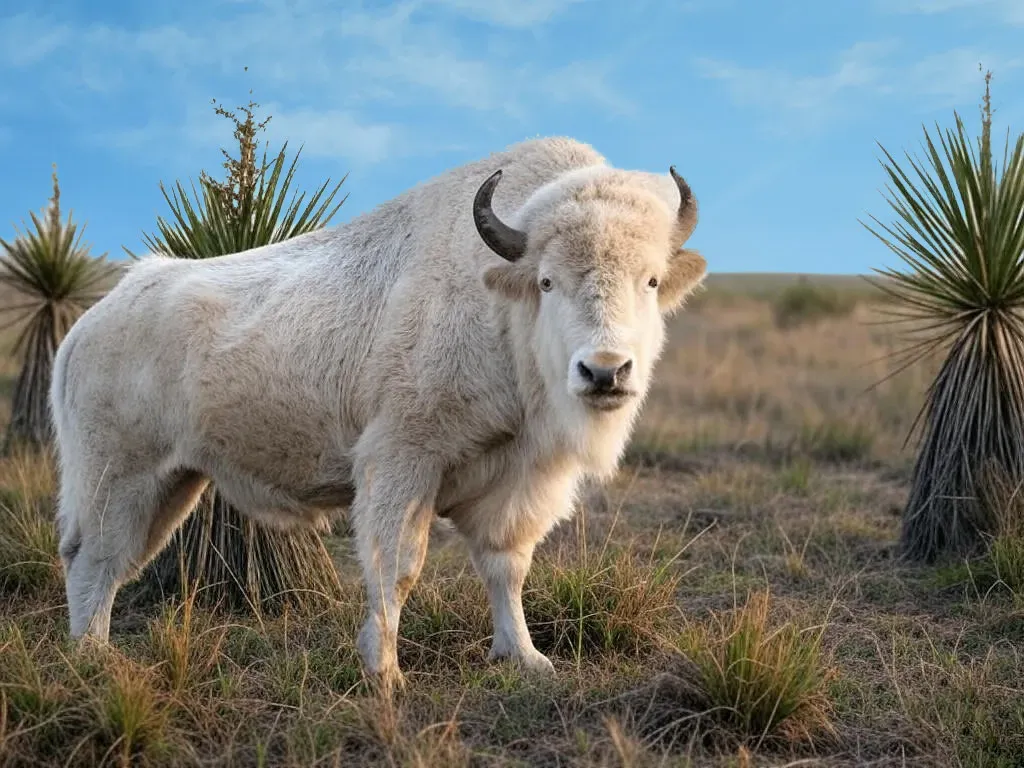
For the Lakota, the White Buffalo Calf Woman, who brought the sacred pipe and essential teachings to the people, was intrinsically connected to bison spirituality, establishing sacred protocols for how the animal should be hunted and honored. This is one of the most powerful origin stories in all of Native American tradition, and it sends chills down the spine when you hear it told in full.
A white Buffalo is particularly important, being an omen of unity, hope, and positive transformation. White is the color of the Divine, and to the Native Americans, seeing the sacred White Buffalo was the same as when others see Angels. The rarity of a white buffalo made every sighting feel like the universe itself was speaking.
The Peace Pipe, a vital tool in many tribal ceremonies, often incorporates buffalo symbolism. This powerful animal’s spirit is believed to bring healing, unity, and spiritual guidance. The buffalo and the sacred pipe were inseparable in Lakota tradition, two halves of a single spiritual covenant.
Community and the Herd: What the Buffalo Taught About Living Together
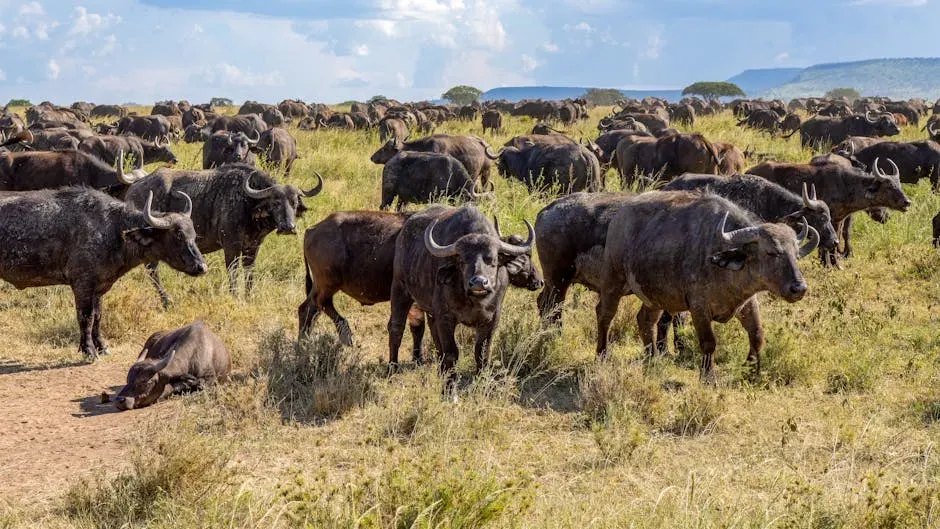
The buffalo’s spiritual significance is deeply tied to the concept of community. Buffalo live in herds, supporting one another for survival. This sense of interconnectedness is a core element of Native American spirituality, emphasizing the importance of community, unity, and shared resources.
Buffaloes are social animals that often move in herds, symbolizing strong family bonds, community, and the power of collective action. Think of a herd moving across the open plain. No individual breaks formation without consequence. That image is a perfect metaphor for a society built on mutual care and collective responsibility.
A great number of common cultural motifs amongst Great Plains societies can be traced back to watching bison interact and modeling social behavior upon them. For example, many Amerindian nations of the Great Plains have very strict rules about treating the elderly with respect, raising young children as a community, using resources responsibly, and maintaining healthy diets. In a very real sense, watching the buffalo taught people how to be human.
Near Extinction: A Catastrophe Written in Blood and Loss
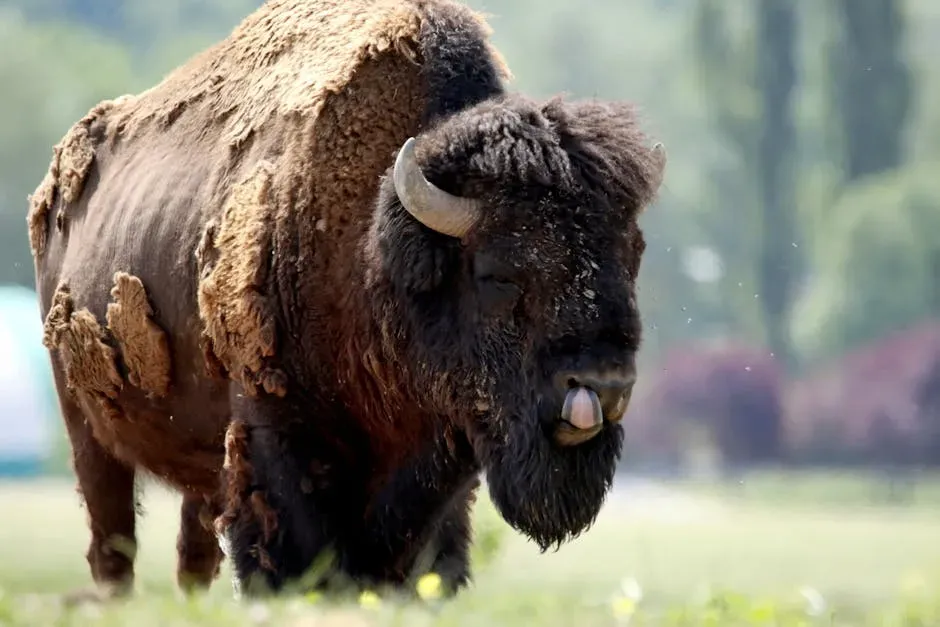
Railways, rifles, and an international market for buffalo hides led to “the Great Slaughter” from about 1820 to 1880, when the bison population plummeted from 30 to 60 million to fewer than 1,000 animals by the 1890s. That is not a decline. That is an erasure. A deliberate, catastrophic one.
While often presented as merely economic exploitation, the destruction of bison herds was also explicitly tied to U.S. military strategy against Plains tribes. General Philip Sheridan declared, “When the buffalo are gone, the Indians will cease to resist,” acknowledging the direct connection between bison eradication and breaking Indigenous resistance to westward expansion.
The near-extinction of the bison had profound consequences for Native American communities. The loss of this crucial resource led to widespread starvation and forced many tribes to abandon their traditional ways of life. The cultural dislocation and economic hardship that followed were immense. Destroying the buffalo was not just an ecological disaster. It was a direct attack on Indigenous identity, spirit, and survival.
Tribal Diversity in Buffalo Symbolism
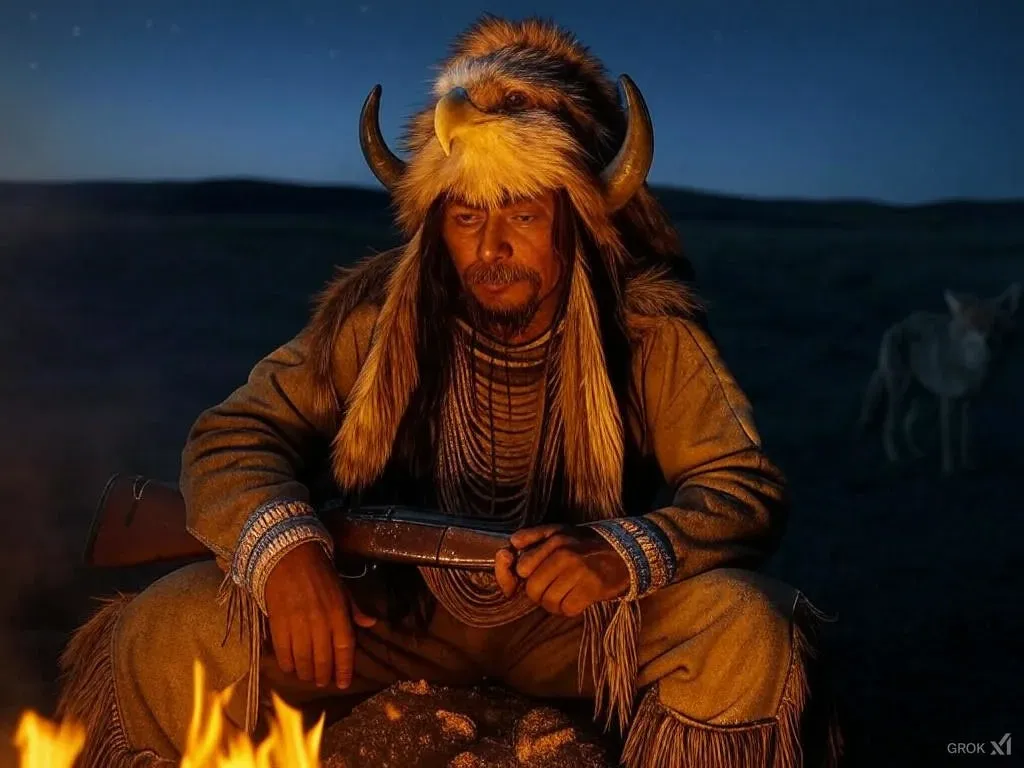
Buffalo symbolism can be different among Native American tribes. Each tribe has its own customs, stories, and ceremonies, and these traditions change how they see and use the buffalo symbol. Here’s the thing: too many people lump all Native American beliefs together as one monolithic worldview. The truth is far richer and more nuanced than that.
For the Zuni people, the buffalo represents abundance and prosperity. The buffalo’s strong communal nature mirrors the Zunis’ closely-knit communities. The buffalo’s hide is also used in their traditional clothing and ceremonial items, emphasizing its significance in their culture. Among the Hopi, the buffalo is linked to the Katsina spirits, which play a pivotal role in their religious ceremonies.
Buffalo are seen as spiritually powerful in many tribes, especially in the Great Plains region; their horns and hides were often used for regalia and religious artifacts, and they are viewed as symbols of honor and generosity. Honor and generosity. Those two values alone speak volumes about the character of the cultures that revered this animal.
The Buffalo’s Return: Healing the Land, Healing the People
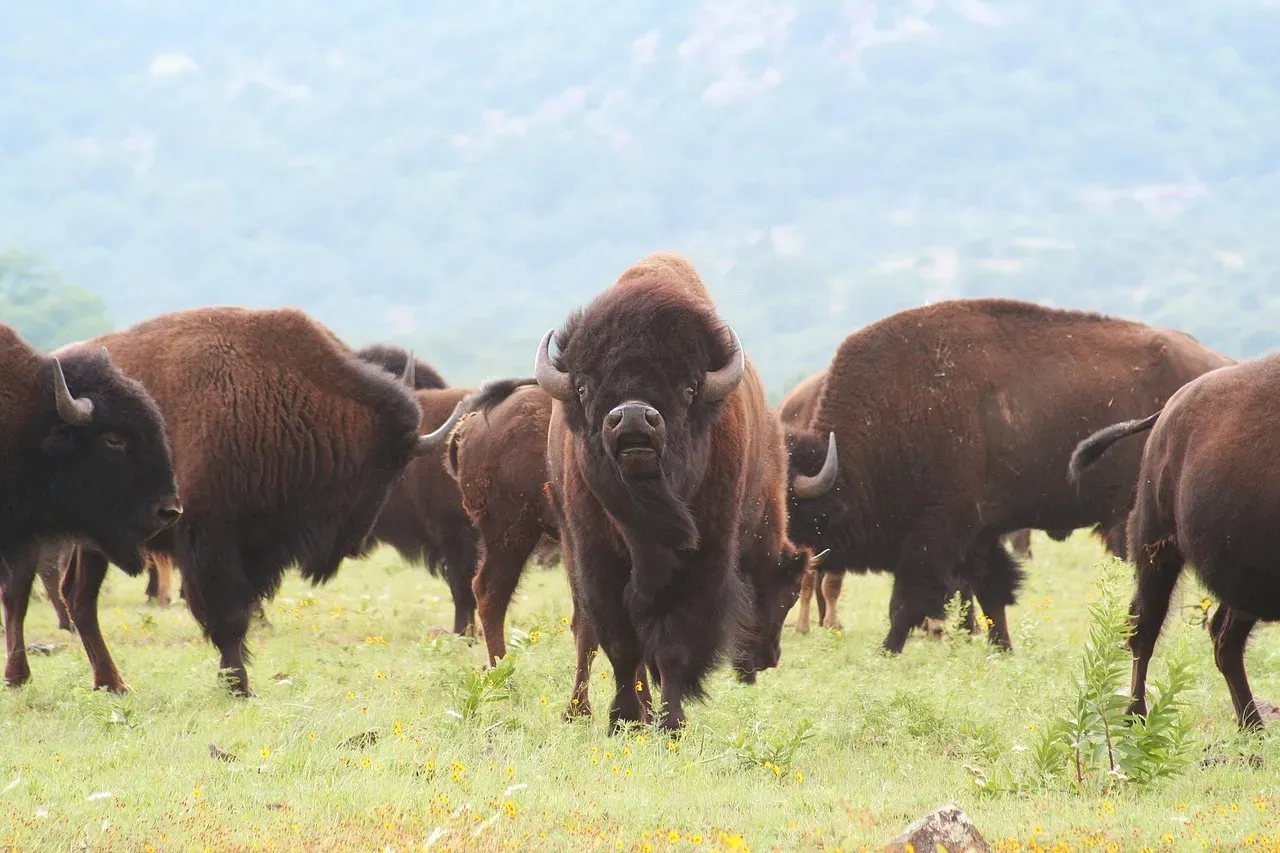
Today, over 60 Native American tribes united as the Inter Tribal Buffalo Council are aiming to return bison to Native American lands in states throughout the United States. These tribes hope restoring bison populations would bring economic gain, as well as cultural revival. This is not nostalgia. This is a living, breathing movement with very real stakes.
The Council believes that reintroduction of the buffalo to tribal lands can help to heal the spirit of Indian peoples and protect the traditional relationships between Indian people and the buffalo. Read that again slowly. Heal the spirit. The return of the buffalo is as much a spiritual act as it is an ecological one.
Today, bison are central to many American Indian traditions, spiritual rituals and healthy diets, and more than 60 tribes are bringing their sacred Brother Buffalo back to their families, lands and ways of life. The American Bison continues to be a symbol of resilience and renewal, and efforts to conserve and restore bison populations are ongoing, reflecting a commitment to honoring and preserving this integral part of Native American heritage.
Conclusion: The Buffalo Still Speaks
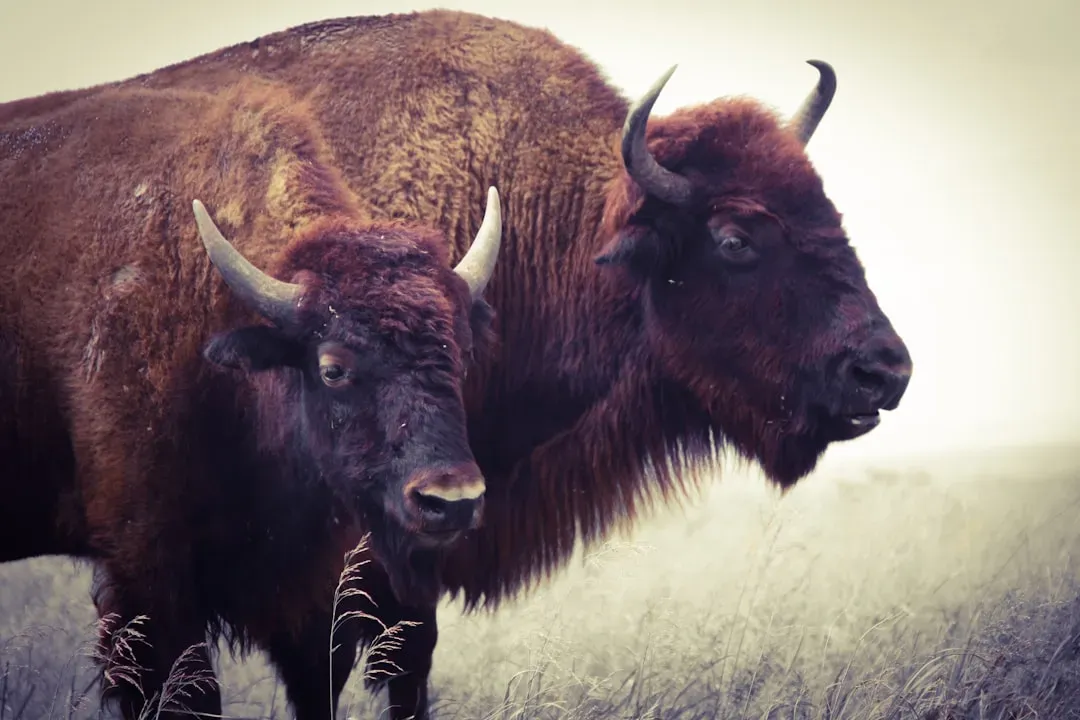
The story of the buffalo is one of the most powerful stories this continent has ever told. It is a story of life, sacrifice, community, near-total destruction, and remarkable return. To look at a buffalo today is to look into the soul of an entire cultural world that refused to be extinguished.
The symbolism of the buffalo inspires us to value transformation, strength, and simplicity while teaching us important lessons for living a happy and meaningful life. Those lessons are as relevant in 2026 as they were ten thousand years ago on the open prairie.
The buffalo did not just provide food and shelter. It provided a way of seeing the world, a philosophy of gratitude, reciprocity, and belonging that modern life, for all its noise, still desperately needs. The question worth sitting with is this: what would it look like if we all carried a little more of the buffalo’s spirit within us?

- Wild Animals Have Secret Societies You Never Knew Existed - August 2, 2026
- What Mythical Animal Fits Your Zodiac Sign’s Energy? - August 2, 2026
- The Enduring Power of Animal Bonds: Stories of Unlikely Friendships in Nature - August 2, 2026