

Most pet owners would do anything to keep their furry companions safe. You lock the doors, schedule vet checkups, buy the best food. Honestly, it feels like you’ve thought of everything. Yet some of the most serious threats to your dog or cat aren’t lurking outside – they’re already sitting inside your home, disguised as perfectly ordinary objects.
Some of the most serious dangers are hiding in plain sight. Many everyday items, perfectly harmless to people, can be extremely toxic to dogs and cats. That’s the part that catches most pet owners completely off guard. It’s not dramatic. There’s no skull and crossbones. It’s just a bottle of pain reliever on your nightstand, or a pretty plant by the window. Let’s dive in – because what you learn here might genuinely save your pet’s life.
1. Human Medications: The Silent Killer on Your Nightstand
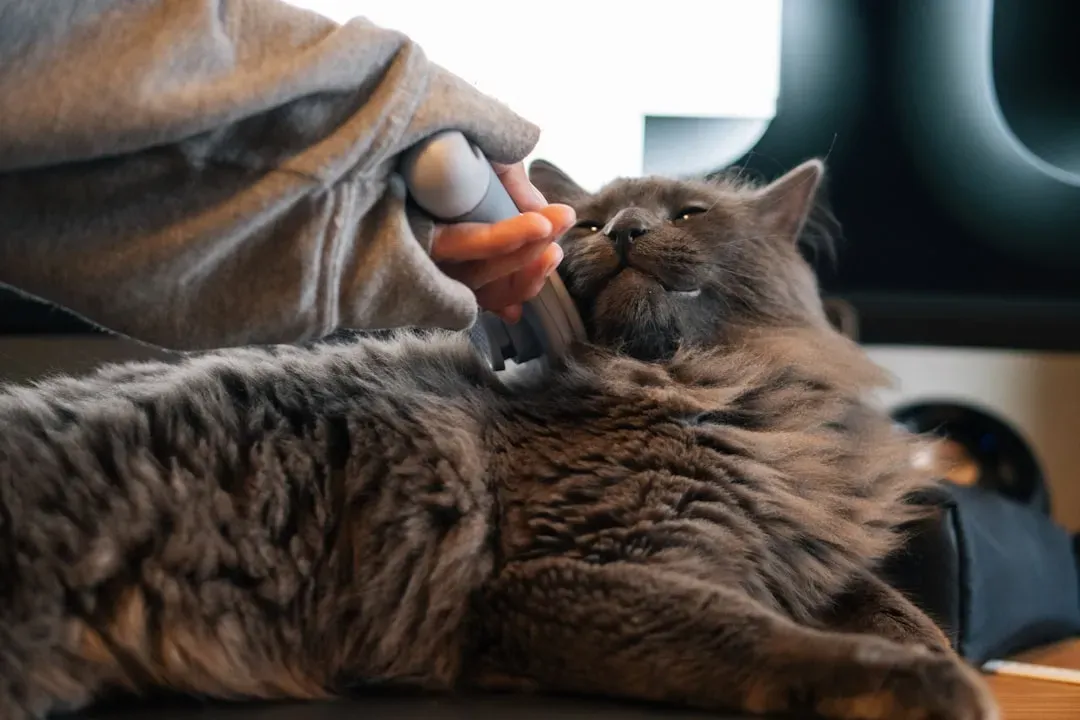
Here’s a sobering thought – the thing most likely to send your pet to an emergency vet is probably sitting in your medicine cabinet right now. Medications used to treat human conditions are among the top causes of reported pet poisonings in the U.S. That’s not a rare occurrence. It’s an everyday reality.
One of the most frequent and dangerous situations is a pet ingesting medication meant for people. A pet’s metabolism is very different from a human’s, and a standard dose for you could be fatal for them. Think of it like a tiny child accidentally getting into an adult’s full prescription – except the consequences can be even more severe and immediate.
Acetaminophen (Tylenol) is extremely toxic to cats, causing severe liver and red blood cell damage. NSAIDs like ibuprofen and naproxen can lead to stomach ulcers and kidney failure in dogs. These are medicines most of us reach for without a second thought. Prescription medications for depression, heart conditions, or ADHD are also highly poisonous. Keep every pill, bottle, and blister pack locked safely away – always.
2. Household Cleaning Products: What’s Lurking Under the Sink
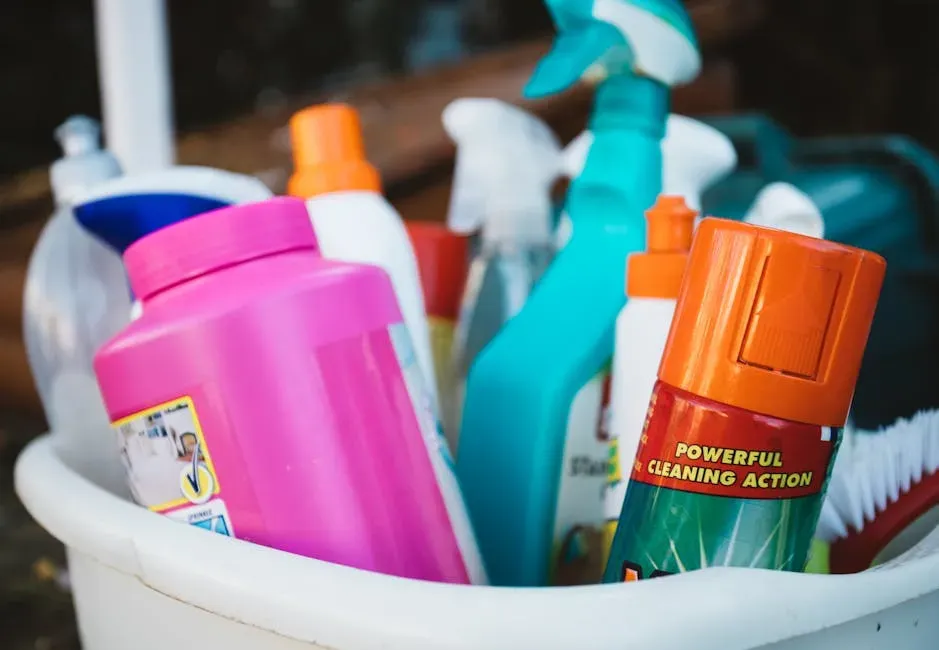
The products we use to keep our homes sparkling are often filled with harsh chemicals. We spray them, scrub with them, and rinse them away – thinking nothing of it. The trouble is, pets walk on those freshly mopped floors and then lick their paws. It’s that simple, and that dangerous.
Bleach, ammonia-based cleaners, toilet bowl scrubs, and drain openers can cause chemical burns in the mouth and throat, respiratory issues, and severe stomach pain if ingested. That’s an alarming list, and almost every one of those products is probably in your home right now.
Most laundry dryer sheets, especially those that are unused, contain cationic detergents. These detergents can cause severe chemical burns and ulcers to the pet’s mouth, esophagus and stomach. Additionally, the sheets can pose a risk of a foreign body obstruction in the stomach or intestines and can be a medical emergency. A used dryer sheet tossed casually on the floor. Your curious dog finds it. The outcome can be shocking. Store these products high and out of reach – always.
3. Common Houseplants: Beautiful But Potentially Deadly

I think this is the one that surprises people the most. Plants feel so natural and benign – how could a flower harm a cat? The answer, unfortunately, is very easily. Many popular houseplants and garden flowers contain toxins that can cause everything from mild stomach upset to severe organ failure if ingested.
All parts of a true lily – such as Easter, Tiger, and Stargazer varieties – are extremely toxic to cats. Ingesting even a small amount of pollen while grooming can lead to acute, irreversible kidney failure. That’s terrifying when you consider how cats are constantly grooming themselves. A single brush against a lily plant could be enough.
Sago Palm, a common decorative plant, is highly toxic to both dogs and cats. The seeds are especially potent and can lead to severe vomiting, liver failure, and seizures. Oleander, azaleas, and rhododendrons contain toxins that can disrupt the heart’s normal function and cause serious cardiac complications. Before bringing any new plant into your home, check a reliable toxic-plant database – it takes two minutes and could save your pet’s life.
4. Everyday Human Foods: The Kitchen Danger Zone
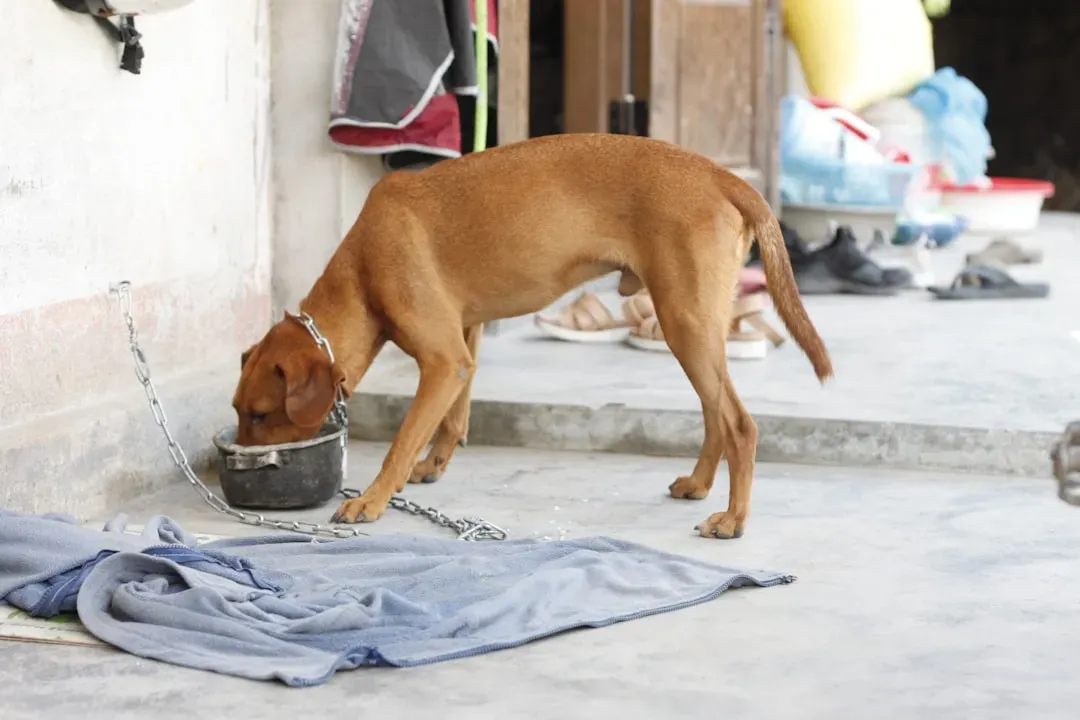
Sharing a bite of your dinner feels like a loving gesture. Let’s be real – most of us have slipped a dog a little something under the table at some point. Guilty as charged. The problem is that some of those “treats” can trigger a trip to the emergency vet within hours.
Chocolate contains theobromine and caffeine, two stimulants that pets cannot metabolize effectively. The danger depends on the type and amount eaten; dry cocoa powder and baking chocolate are the most dangerous, while milk chocolate is less concentrated but still potentially harmful. Signs of chocolate toxicity may include vomiting, diarrhea, restlessness, tremors, abnormal heart rhythms, and seizures.
Xylitol, an artificial sweetener found in sugar-free gum, candy, peanut butter, and baked goods, triggers a massive insulin release in dogs, leading to life-threateningly low blood sugar and liver damage. Grapes and raisins contain tartaric acid, which can cause acute kidney failure in dogs. Unfortunately, the exact toxic dose is unknown, and even a small amount – sometimes as little as a single grape – can be harmful to some pets. Read labels. Be vigilant. The kitchen is more dangerous for your pet than you might think.
5. Rodent and Pest Control Products: A Hidden Hazard With a Cruel Twist
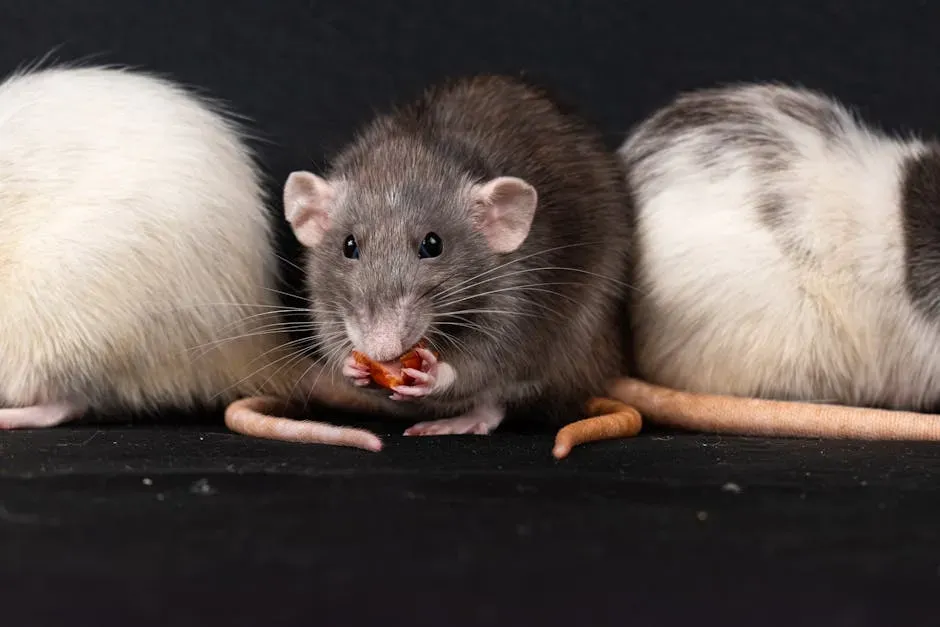
Here’s the cruel irony with rat poison – it is specifically designed to be appealing to small animals. Rodent bait is scented and flavored to attract rats and mice, so dogs mistake it for food or treats and consume large quantities. It essentially markets itself to curious pets.
Rat and mouse baits are designed to kill rodents through uncontrollable bleeding, brain swelling, or sudden kidney failure. Unfortunately, these poisonous products affect all mammals, including pets, the same way. There is absolutely nothing species-specific about the suffering they cause.
Rodenticides are especially dangerous, as different types cause different effects, from internal bleeding to brain swelling. Snail baits containing metaldehyde can cause uncontrollable seizures. Cats and dogs can also experience secondary toxicity if they consume a poisoned rat or mouse. It’s a layered threat. Keeping these products completely out of your pet’s environment – or using pet-safe alternatives – is the only truly safe approach.
6. Batteries and Small Sharp Objects: Everyday Items That Cut and Burn

Pets are innately curious and opportunistic, meaning they’ll steal, chew, and ingest whatever they can get their muzzles on. While mischievous pets can be adorable and funny, their behavior can have dangerous – sometimes life-threatening – consequences if they consume a hazardous or toxic item. Nowhere is this truer than with batteries.
Batteries aren’t only a choking hazard, but also contain harmful chemicals. These highly corrosive acidic or alkaline chemicals leak out when pets bite or chew on batteries and can lead to serious internal burns. Pets can suffer from painful tissue damage in the oral cavity or anywhere along the digestive tract, including the esophagus, stomach, or intestines.
Long or linear items, such as string, ribbon, or dental floss, look innocent enough, but once ingested, these everyday items can have catastrophic consequences. Linear items can wrap around or under your pet’s tongue and obstruct blood flow. Small items that fall on the floor can easily be swallowed by a curious pet – these include coins, buttons, batteries, small children’s toys, medicine bottles, jewelry, nails, and screws. The result may be damage to your pet’s digestive tract, and surgery may be needed to remove the object. It’s hard to say for sure which everyday item might catch your pet’s attention next, which is exactly why vigilance matters so much.
7. Antifreeze and Garage Chemicals: Sweet-Smelling and Deadly

This one genuinely shocks people. Something stored in your garage – not your kitchen, not your bathroom – is considered one of the most potent pet toxins in any home. Ethylene glycol, the active ingredient in most antifreeze products, is one of the most potent pet toxins, with as little as one teaspoon in cats and one to two tablespoons in dogs enough to cause irreversible kidney damage. Those are terrifyingly small amounts.
The active ingredient in most automotive antifreeze has a sweet taste that pets find appealing. Tragically, a single lick can be enough to cause irreversible kidney failure. Signs of antifreeze poisoning include a “drunken” appearance, excessive thirst, and lethargy. By the time those symptoms appear, the damage is often already underway.
Pet antifreeze poisoning is also extremely rapid, and immediate veterinary attention is essential for survival. Treatment must be administered within 8 to 12 hours for dogs and three hours for cats, because once kidney damage begins, poisoning is often fatal. That window is shockingly narrow. Plugged-in electrical cords can also cause burns or electrocution when pets chew on them. Protect your pets by using cord covers and blocking access to cords and wires. The garage and utility spaces deserve a thorough safety sweep – think of it as pet-proofing from the ground up.
Conclusion: Your Home, Seen Through Your Pet’s Eyes
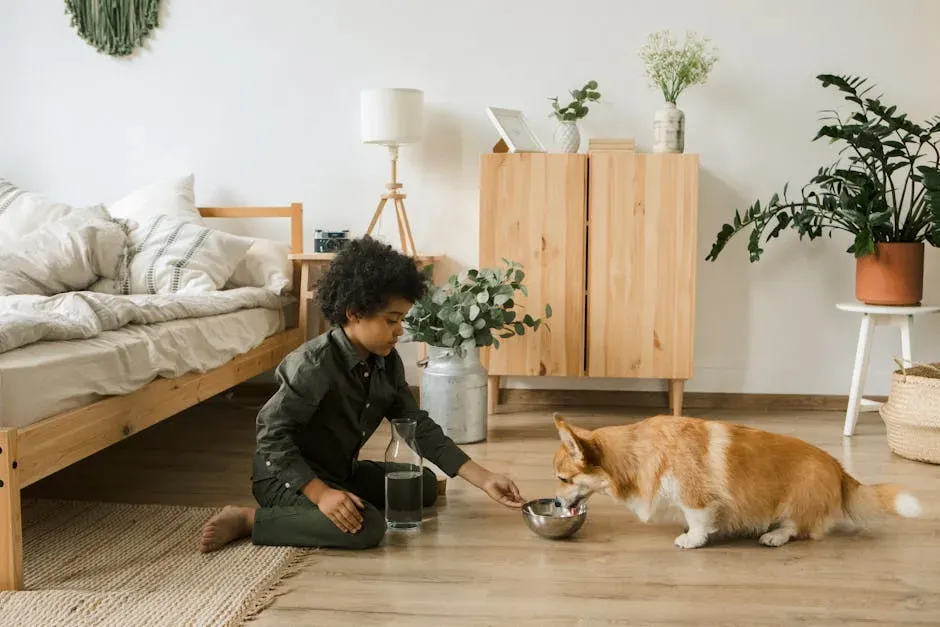
The hardest part about all of this is that none of these dangers announce themselves. There’s no warning label on your houseplant, no alarm on the medicine cabinet. Even in the most well-kept homes, hidden dangers can lurk in plain sight. Many everyday items that are perfectly harmless to people can be surprisingly toxic to dogs and cats, leading to accidental poisonings.
The good news is that awareness is genuinely powerful here. You don’t need to overhaul your entire home – you just need to see it differently for a moment. Walk through each room and ask yourself: what could my pet reach, chew, lick, or swallow? That simple exercise changes everything.
If you suspect your pet has been exposed to any toxic substance, contact your veterinarian or call poison control immediately at (888) 426-4435. Time is often the critical factor, and acting fast truly makes the difference between a frightening close call and a tragedy. Your pet trusts you completely with their safety – and honestly, that’s a responsibility worth taking seriously. What would you have guessed was the most dangerous item in your home?
