

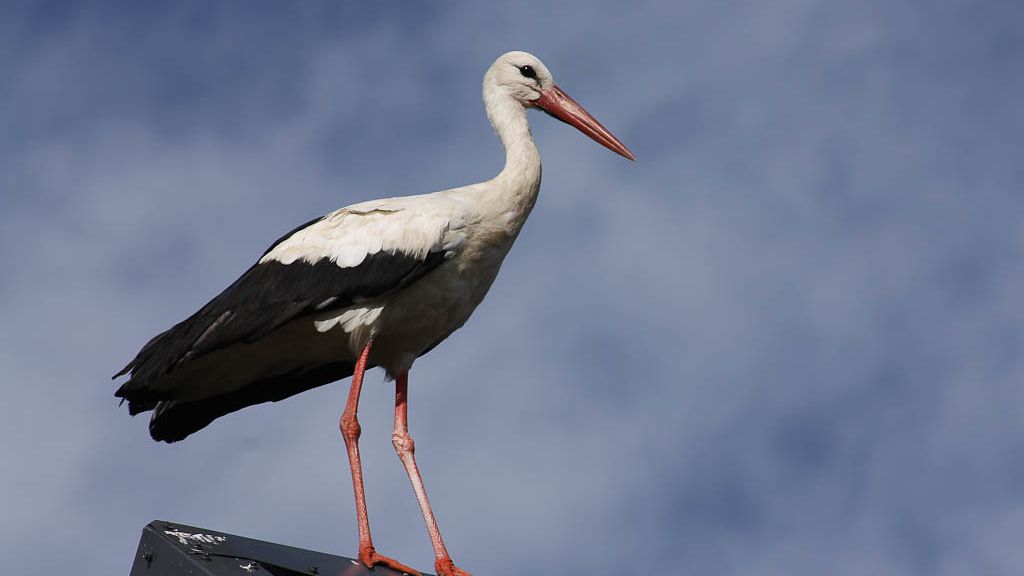
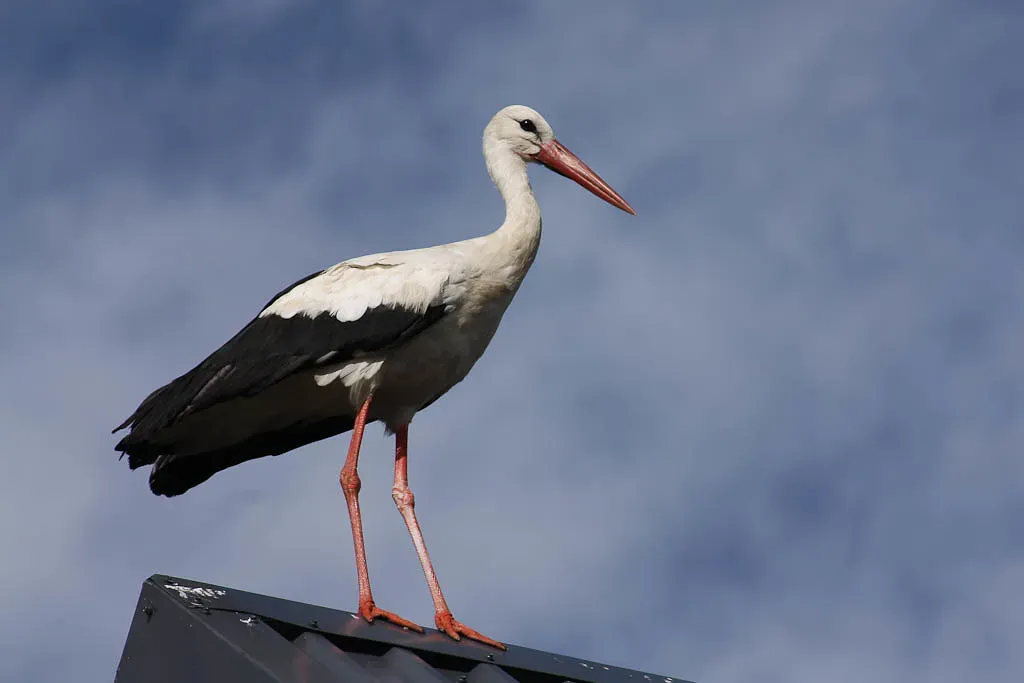
In the heart of South Africa’s Kruger National Park, a Marabou stork pulled off an astonishing feat of self-defense against two prowling jackals. Eyewitness Alet Evert captured the electrifying moment during a January 3 visit, turning a routine game drive into pure wildlife theater. This clash has gripped enthusiasts worldwide, reminding everyone that in the bushveld, size and speed can trump numbers. Here’s the thing: moments like these reveal the raw ingenuity baked into nature’s playbook.
Eyewitness Alet Evert’s Front-Row Seat to the Drama
Alet Evert, no stranger to Kruger’s wild surprises, spotted the unfolding action while exploring the park’s vast savanna. The stork had been foraging peacefully when the jackals closed in, forcing an instant reaction from the bird. Evert described the scene as straight out of an action flick, with the stork using every ounce of its agility to hold the line. Park rangers value these visitor reports, as they help track local predator-prey patterns in real time. Self-drive safaris like Evert’s often yield these unfiltered glimpses into animal survival. What stands out is how one person’s lucky timing fuels broader conversations about wildlife behavior.
Stork’s Aerial Agility: A Masterclass in Anti-Predator Moves
Marabou storks boast long legs and impressive wingspans, tools that proved vital in this standoff. The bird launched itself skyward in a move echoing martial arts precision, creating vital space from the jackals’ snaps. This vertical leap leverages gravity and momentum, a strategy refined over generations in predator-packed habitats. Ornithologists point to powerful leg muscles capable of two-meter jumps as the secret weapon here. Such displays challenge views of storks as mere scavengers, spotlighting their hidden combat skills. Encounters this clear are gold for researchers studying avian escapes.
Jackals’ Pack Hunt Goes Awry in Classic Bushveld Twist
Black-backed jackals excel at opportunistic strikes, often teaming up to overwhelm distracted targets. These cunning canines slunk in stealthily, betting on their duo advantage against the foraging stork. Yet the bird’s explosive response threw off their rhythm, sending them circling before backing down. In Kruger, jackals feast on insects to small antelopes, but bold plays like this carry real risks. Stable populations thrive thanks to plentiful small game across the reserve. This failed raid underscores the fine line between hunter and hunted.
Kruger National Park: Biodiversity Hotspot for Epic Clashes
Stretching nearly 20,000 square kilometers, Kruger hosts over 500 bird species alongside lions, leopards, and more. Diverse landscapes from grasslands to riverine forests breed constant interspecies tension, much like this stork-jackal face-off. Visitor sightings of such drama are climbing, boosted by better roads and viewing spots. The park draws over 1.8 million tourists yearly, pumping life into South Africa’s economy. Anti-poaching patrols keep these spectacles safe for generations. Truly, Kruger operates as a live lab for predator-prey insights.
Broader Lessons on Survival and Conservation
This event spotlights the evolutionary tug-of-war between birds and mammals in African wilds. Storks rely on height and flight, but ground defenses like high jumps show deeper adaptability. Climate shifts could amp up these interactions by tweaking food and water sources. Conservationists push for habitat protection to let these skills shine. Social media hype around sightings fuels wildlife corridor campaigns. Ultimately, the stork’s win celebrates nature’s tough resilience.
Final Thought
The stork’s bold stand proves even underdogs pack surprises in the wild. It leaves you wondering: what other hidden talents lurk in Kruger’s feathered residents? Share your wildest park encounters in the comments below.
Source: Original YouTube Video

- Urban Coyotes Show Remarkable Adaptability, Learning to Thrive in City Environments - July 22, 2026
- Beavers Are Nature’s Engineers, Creating Vital Habitats for Other Wildlife Species - July 21, 2026
- The Recovery of the California Condor Offers Hope for Other Critically Endangered Birds - July 21, 2026