
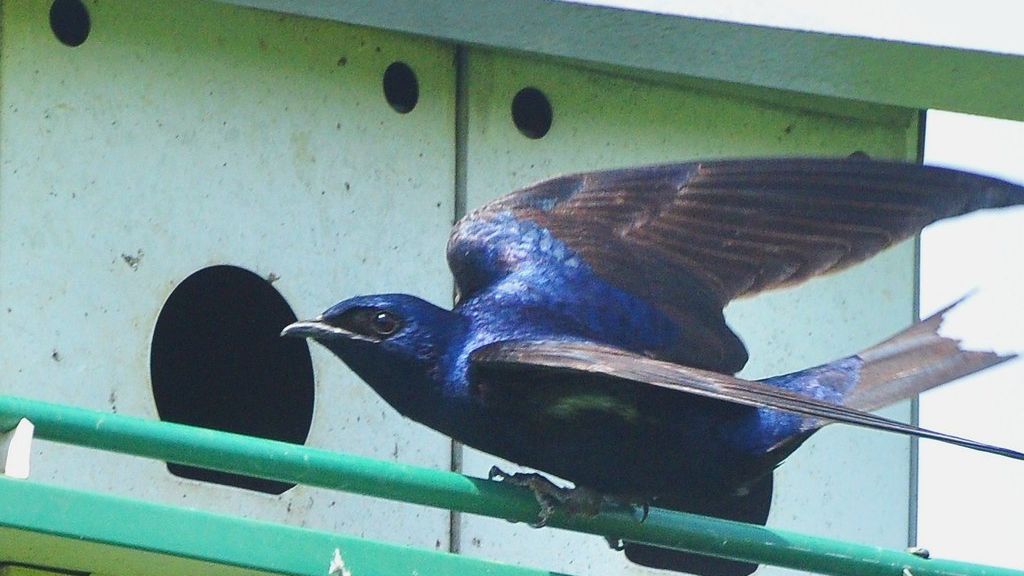
There’s something genuinely spellbinding about watching a colony of purple martins swirl through a summer sky. They dive, glide, twist, and bank with a kind of effortless elegance that feels almost theatrical. Honestly, I think they’re one of the most underappreciated birds in all of North America.
Purple martins are gorgeous backyard birds, known for their iridescent feathers and mid-sky acrobatics, and as North America’s largest swallows, they are integral to the ecosystem, consuming thousands of insects each day. Yet despite all this, many backyard enthusiasts struggle to attract them. The good news? With the right setup, you can turn your yard into a martin paradise. Here’s everything you need to know to make it happen. Let’s dive in.
1. Set Up the Right Multi-Compartment Housing
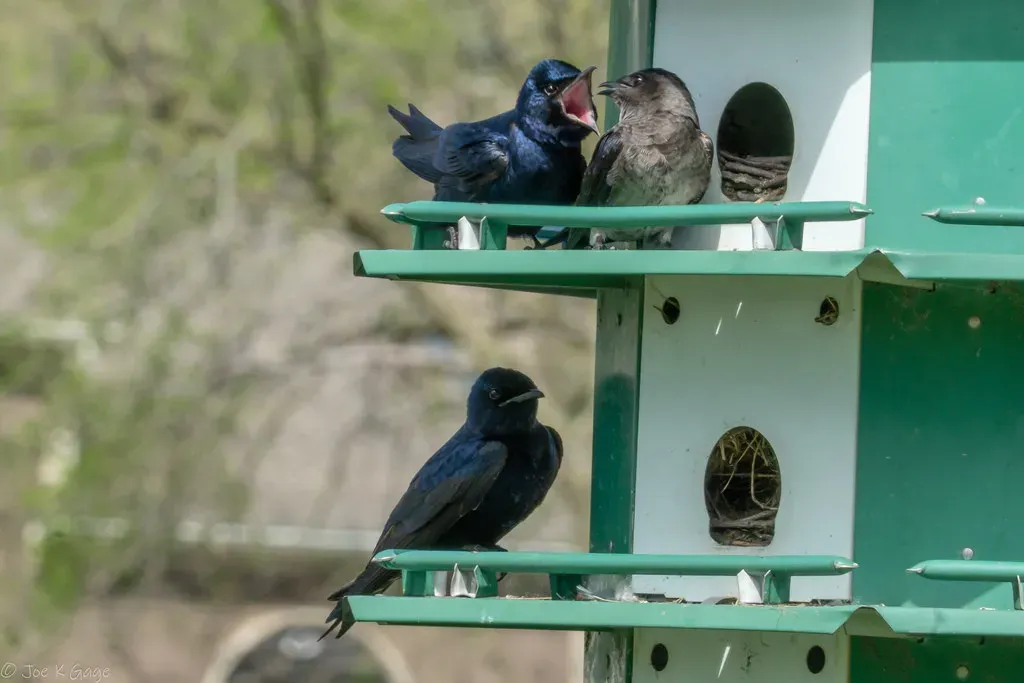
Today, purple martins primarily nest in man-made structures, and your best way to get them to visit is to offer multi-compartment houses or gourds specifically designed for them. Think of it like building a small apartment complex for birds. One single birdhouse just won’t cut it.
Purple martins exhibit colonial nesting behavior, preferring to nest in groups, and it is recommended to provide a minimum of four cavities, with between six and twelve cavities being a great start for a colony.
The minimum size for compartments is six by six inches, but research has shown that larger compartments measuring seven by twelve inches offer greater protection from predators and the elements, with gourds being no less than eight inches in diameter, as adult martins are seven and a half inches long and compartments must be large enough to accommodate four to six nearly-grown nestlings and both parents. Size really does matter here.
2. Choose White-Colored Housing
Here’s something that surprises a lot of first-timers: the color of the birdhouse genuinely matters. It’s not just an aesthetic thing. Aluminum, thick plastic, wood, and natural gourds are all suitable materials for martin housing, provided that the exterior of the house is white in color, as white reflects heat and keeps housing cooler in hot temperatures.
Plastic houses and gourds should be of thick, preferably UV-resistant material and should not allow light to filter through the walls, as transparency creates a greenhouse effect that increases temperatures which can be deadly for nestlings.
Think of it like wearing a white shirt on a scorching summer day versus a black one. The birds notice the difference, and so will their chicks.
3. Mount Housing at the Right Height and Location
Place your purple martin houses in an open area that is 40 to 60 feet away from trees and at least 12 to 18 feet above the ground. This is one of the most critical decisions you’ll make in your whole martin-attracting journey.
Martins evolved to avoid predators by staying in open areas where they can spot approaching threats. A house surrounded by trees makes them nervous about hawks and owls hiding nearby, and the more open sky access your martin housing has, the more attractive it becomes to these sociable birds.
Unoccupied martin housing that has tall bushes and shrubs around the bases of the pole, or vines growing up the pole, will rarely if ever attract breeding martins, as they tend to avoid such housing since it is much more accessible to ground-based predators such as cats, raccoons, snakes, and squirrels. Clear the area around your pole. No exceptions.
4. Install Housing on a Telescoping Pole
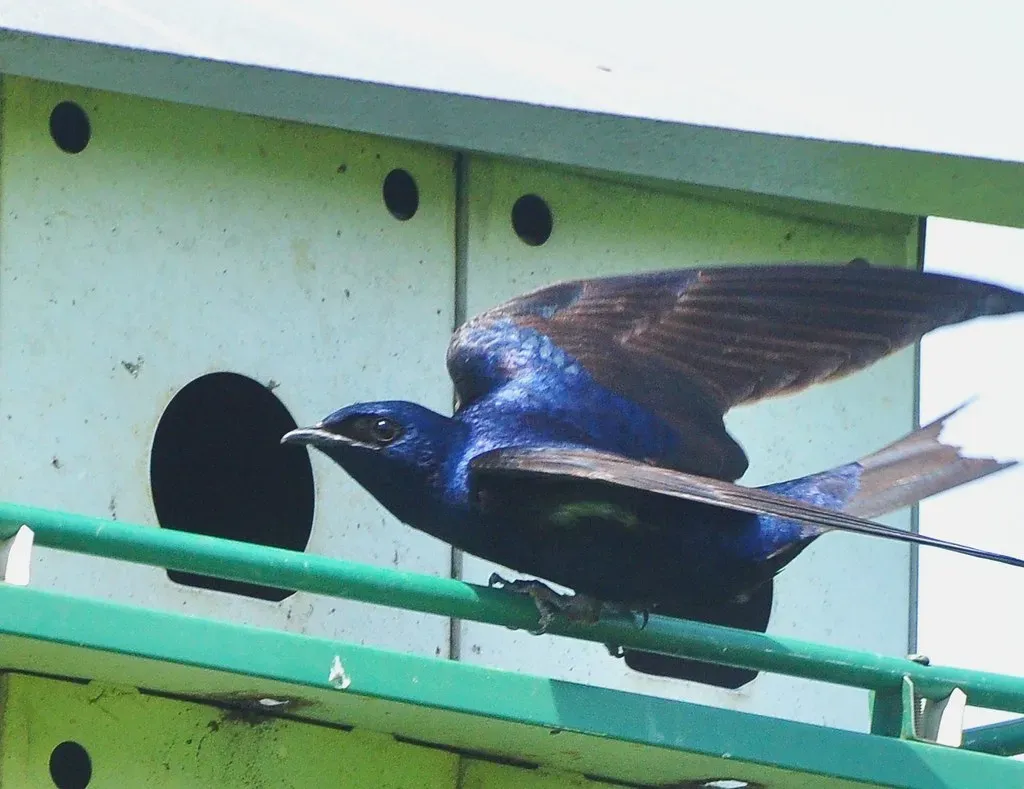
Martin housing should raise and lower vertically on a telescoping, pulley, or winch system, as housing will need to be lowered sometimes on a daily basis to remove competitor nests and to monitor the nests, and each cavity should open for easy access while the purple martins are nesting.
If you have such a system, don’t be afraid to lower your houses often to check on your martins. You’ll actually raise more martins if you know exactly what’s going on, and such disturbances will not cause martins to abandon their nests or their colony site.
It sounds counterintuitive, right? Lowering the house won’t scare them off. In fact, hands-on management is exactly what makes the difference between a thriving colony and an empty birdhouse.
5. Time Your Setup Perfectly
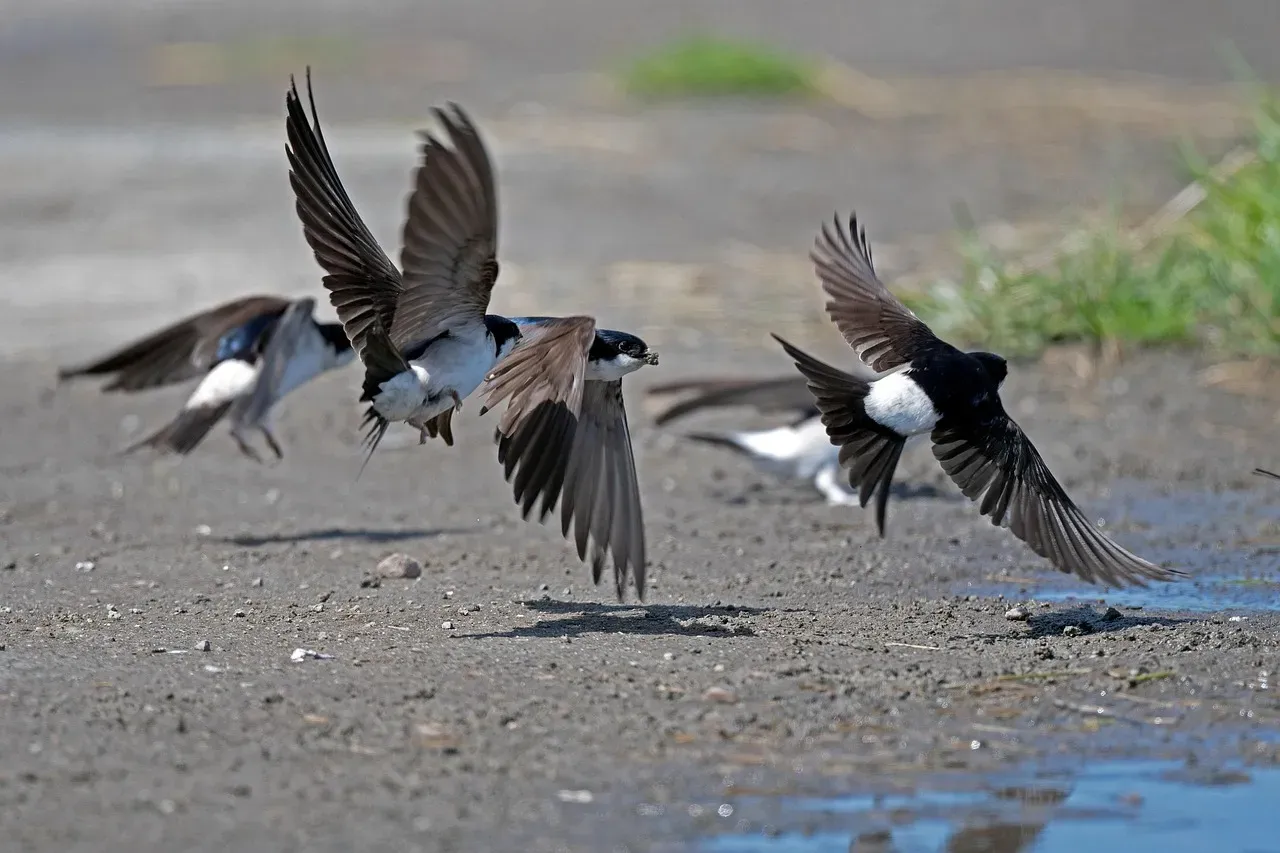
Timing is everything with purple martins, and this is where a lot of enthusiastic beginners go wrong. Purple martins return to the United States in early spring, in February in the south and April to May in the west, looking for nesting sites.
Timing matters when it comes to purple martin housing. Set up your martin houses by mid-February in southern regions or early March in northern areas, as these early birds begin scouting for homes weeks before they settle in for nesting.
They will come back each year to the same nesting site. So if you get them once, you’ve essentially made a long-term commitment. That’s actually a beautiful thing when you think about it.
6. Use Purple Martin Decoys
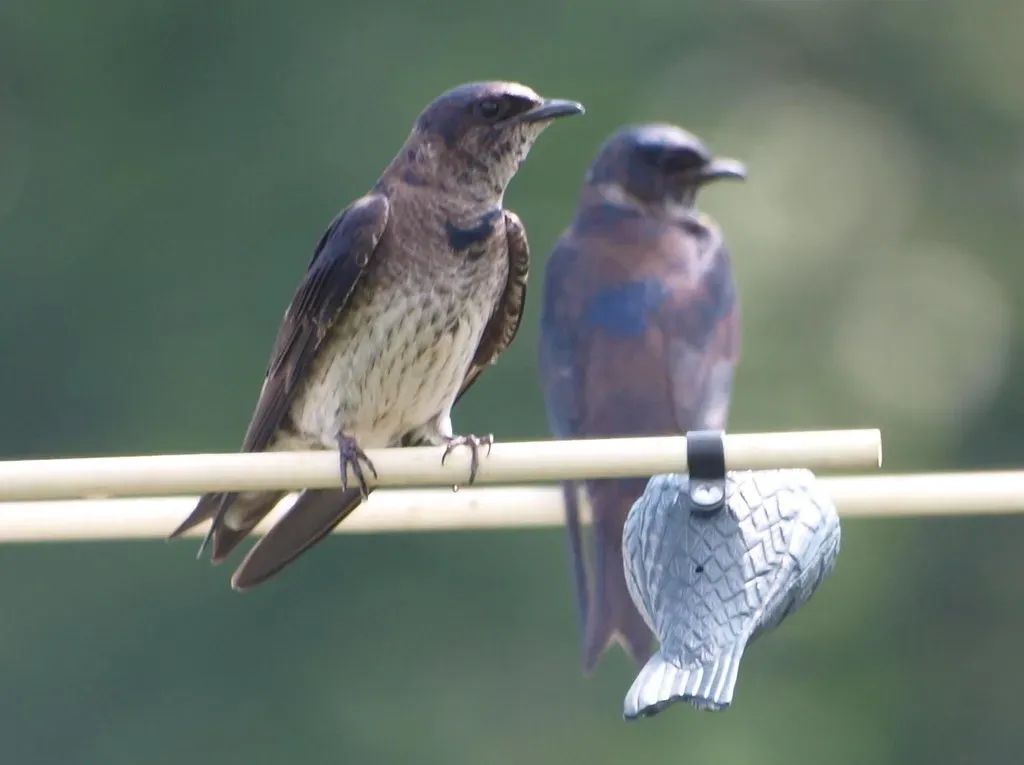
Let’s be real – purple martins are social creatures, and they are deeply influenced by what their neighbors are doing. These birds are social and will be attracted to your birdhouse when they spot another of their species. They also don’t want to be the first to settle in a new nesting box, but if they spot a decoy, they are more likely to swoop down to check out the home.
Decoys create the illusion of an established colony, which can be reassuring to arriving martins, and they are typically placed on top of or near the purple martin housing, making them highly visible.
Position a few decoys in natural poses, some perched at entrances, others seemingly relaxed on porches. The whole idea is to make your housing look occupied and welcoming before anyone actually moves in. It’s a bit like staging a house for sale. First impressions count.
7. Play Recorded Martin Calls
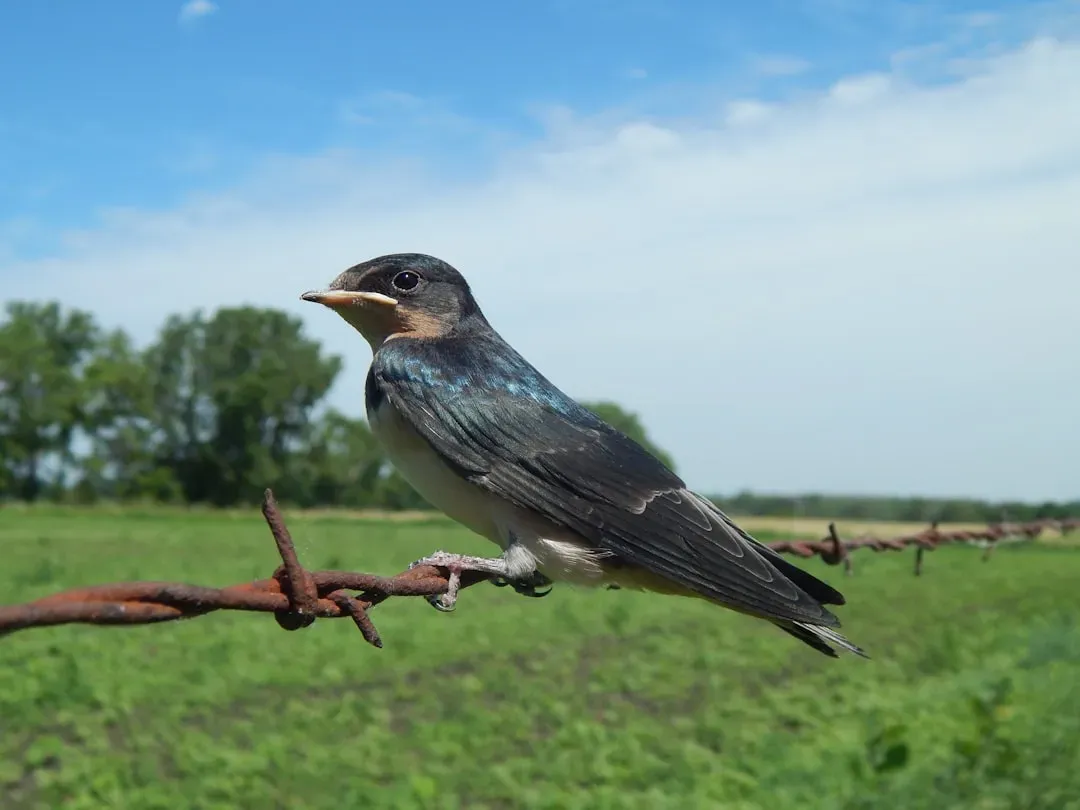
Playing recordings of the purple martin’s dawn song can help lure in potential residents, but be sure to stop the recordings once purple martins start to nest in your birdhouse. This is a detail many people miss. Continuing to play the calls after birds have settled in can actually cause stress and confusion.
Various recordings are available, including dawn song, chatter calls, and arrival calls, and these can be used at different times of day to maximize their effectiveness.
The combined use of sound and decoys creates a powerful attractant, as the sound draws the birds in and the decoys provide visual confirmation that the area is safe and suitable for nesting. It’s a one-two punch that really works, especially during those early spring mornings when scouts are flying overhead.
8. Install Predator Guards on the Pole
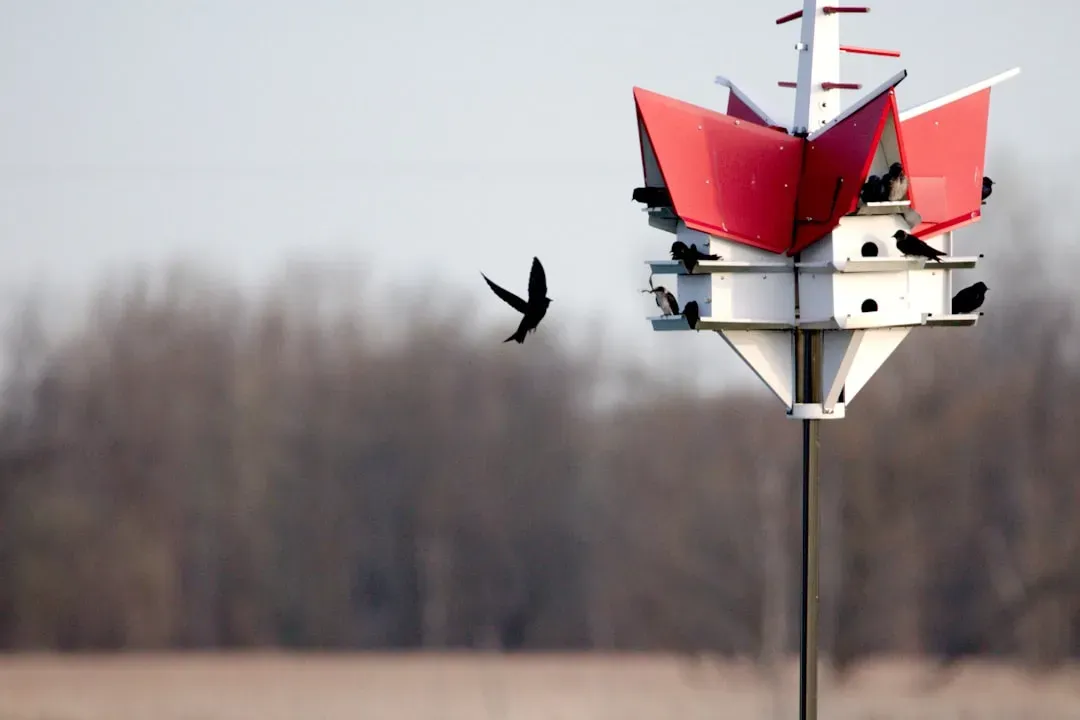
Here’s the sobering reality: one predator attack can end everything. One raid by a predator and the site will be abandoned and the birds will not return. If the birds have not settled in yet, they will look the place over very intently, and if they do not feel safe, they will simply leave.
Raccoons, snakes, and hawks pose serious threats to martin colonies, and a metal pole with a properly installed baffle prevents climbing predators from reaching nests.
Predator guards are cheap, easy to make, and are well worth the money and effort to install. Honestly, this is non-negotiable. Think of it as the lock on the front door. You wouldn’t leave your home wide open at night.
9. Block Out Competing Bird Species
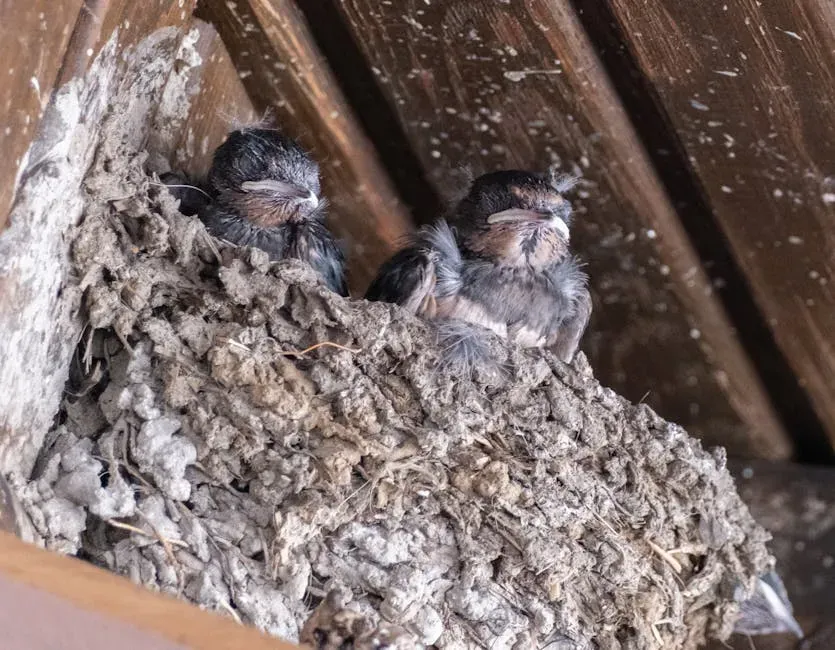
Increased competition from invasive bird species like house sparrows and European starlings has negatively affected purple martins throughout the U.S., and these nonnative species have pushed purple martins out of their natural nesting areas.
You can deter them from nesting in the boxes by keeping the houses closed until it’s time for the purple martins to arrive in your area. Many purple martin nesting boxes are sold with doors you can keep closed until you begin to see purple martins arriving, or you can place plastic cups over the entrance holes to prevent sparrows or starlings from nesting before the purple martins have a chance to arrive.
If any other species is allowed to settle into a martin house before martins have established themselves, that site will rarely attract nesting martins, because birds set up territories around their nest sites and defend them against other birds. Guard those entrances like a hawk.
10. Add a Water Source Nearby
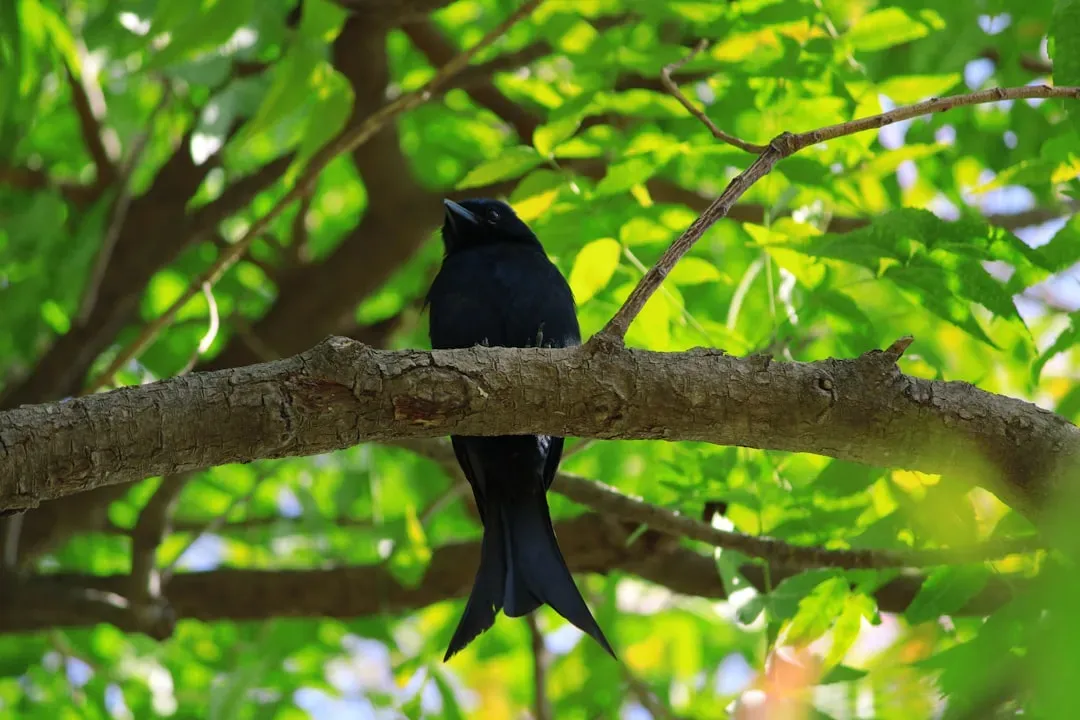
Purple martins appreciate convenient water sources, as they drink by skimming water surfaces during flight and also collect water for nestlings, and a small pond, birdbath, or decorative fountain within sight of your martin housing adds major appeal.
The sight and sound of moving water also helps attract migrating martins scouting for ideal colony locations in spring.
You should also add a water feature such as a birdbath, retention pond, or small pond for drinking water in the summer months when mosquitoes breed rapidly and provide another source of food for purple martins through aquatic insects like dragonflies, damselflies, and other invertebrates which emerge from the water at night. A pond is like a buffet and a swimming pool rolled into one for these birds.
11. Avoid Pesticides and Keep Natural Insect Populations Thriving
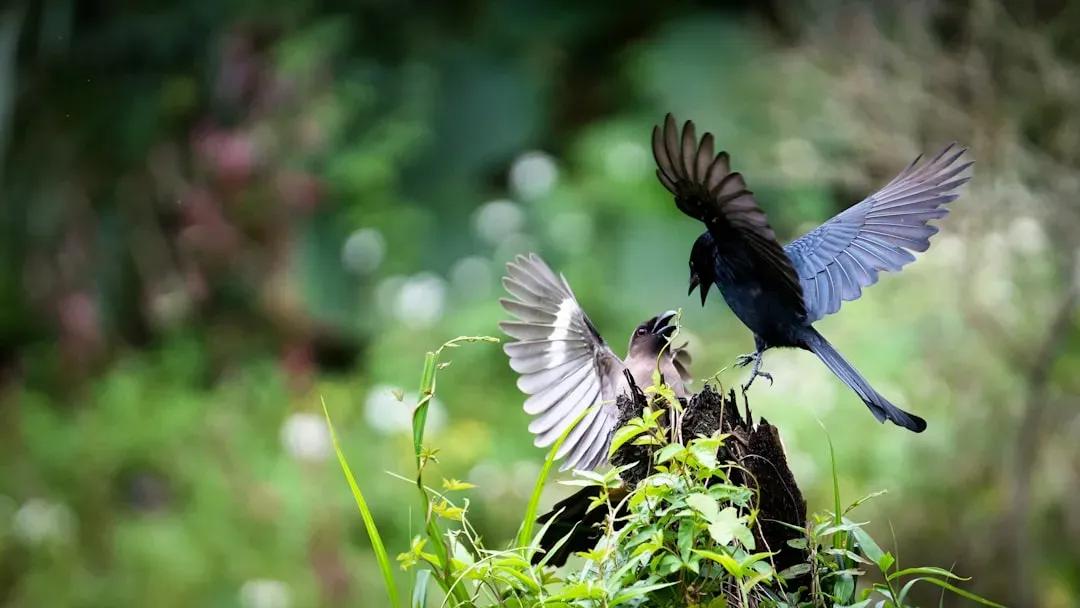
This one might seem obvious, but it gets overlooked all the time. Insecticides kill insects that provide food for purple martins, making attracting them to your yard difficult, and you want your backyard to naturally attract flying insects, which makes your nesting sites more attractive.
Purple martins are among nature’s best insect-eating machines. Not only do they consume beetles, moths, horseflies, and wasps, they do so in astounding numbers, and in fact they can consume a thousand or more insects each and every day.
Spraying pesticides is essentially removing the very reason they came to your yard in the first place. It’s like opening a restaurant and then throwing out all the food. Avoid pesticides, as martins rely on insect availability, and let martins handle your backyard pest control naturally.
12. Provide Nesting Materials and Crushed Eggshells
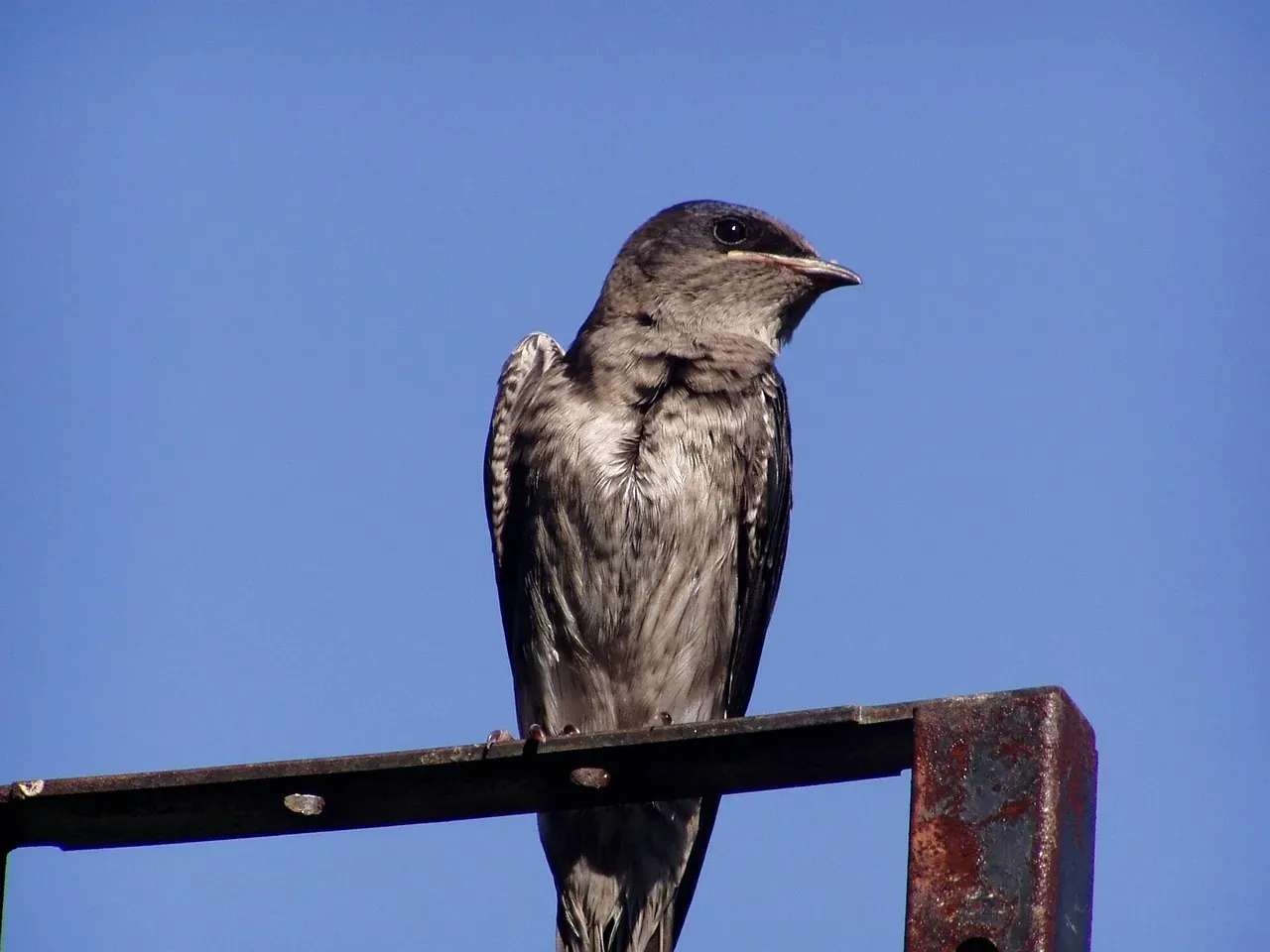
Purple martins typically build their nests out of straw, twigs, and pine needles, and they may also build a mud dam in the front of the nest, with the final stage of nest building being the lining of the bowl with fresh, green leaves.
Leave twigs, grass clippings, and leaves around your yard, as martins use these materials and mud to build nests, and easy access to nest materials encourages settlement.
Crushed eggshells can be a calcium supplement for nesting purple martins. Purple martins won’t eat bird seed and don’t need you to keep a bird feeder. However, if you place some finely crushed eggshells around, they will eat them to get extra calcium during their nesting season. It’s a small touch that can make a surprisingly big difference during breeding time.
Conclusion: Patience Pays Off With Purple Martins
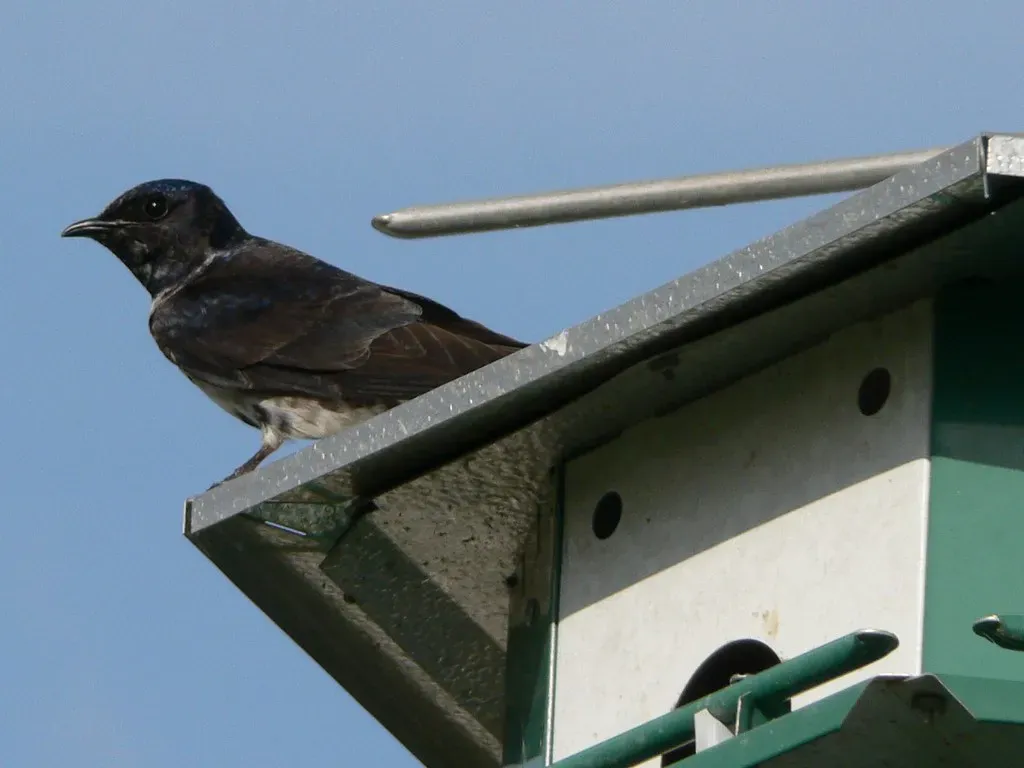
Attracting purple martins is not a same-day project. It takes preparation, the right setup, and yes, a fair amount of patience. But once that first colony establishes itself in your backyard, something remarkable happens. Once you attract a colony of nesting purple martins, your summers will never be the same. Year after year, they’ll return to bring you the joy of watching their mating, nesting, and feeding habits close up.
The relationship between humans and purple martins is genuinely one of the most beautiful in the bird world. Europeans contributed to purple martins now being almost entirely dependent on human-provided housing east of the Rocky Mountains, but there is now a huge groundswell of people who give specially designed birdhouses and gourds for nesting, and this unique relationship between humans and a wild bird species is quite remarkable.
Start with the basics: good housing, open space, predator guards, and the right timing. Build from there. Once you hear that first cheerful song echoing across your yard on a warm spring morning, every bit of effort will feel completely worth it. So the real question is: what’s stopping you from becoming a purple martin landlord this season?

- 10 Heartwarming Signs Your Rescue Pet Truly Feels Safe and Loved with You - August 2, 2026
- What Happens to Animals During Droughts? - August 2, 2026
- 9 Reasons Why Some Animals Exhibit Altruistic Behavior in the Wild - August 2, 2026