

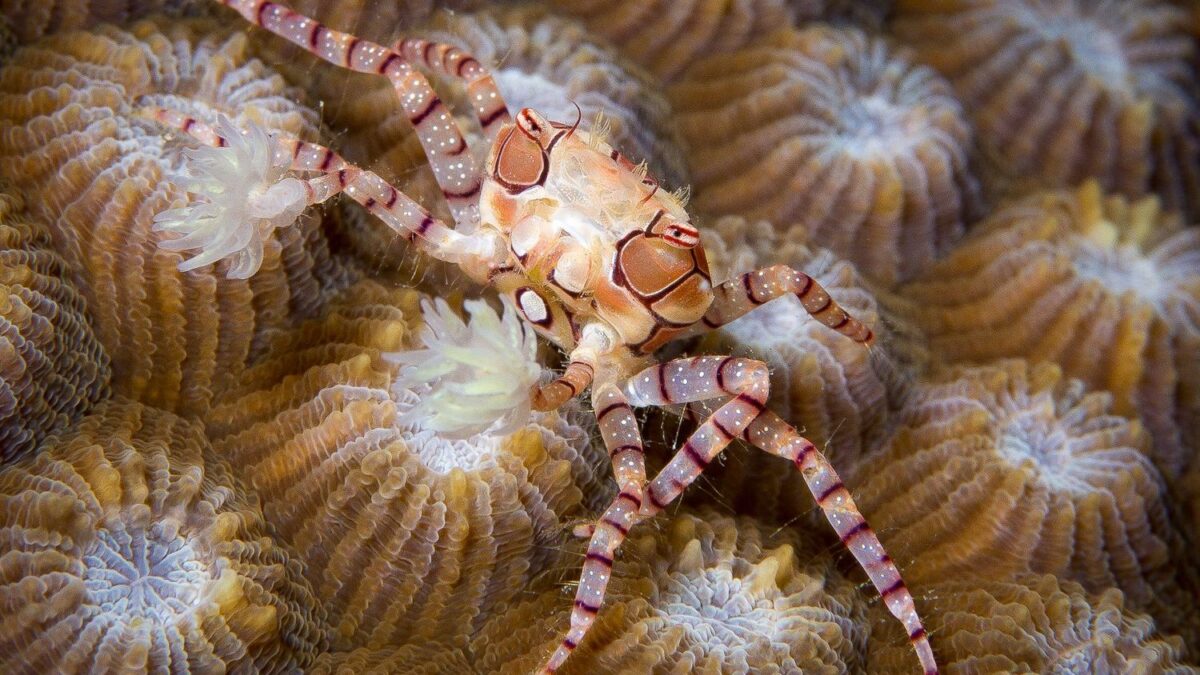
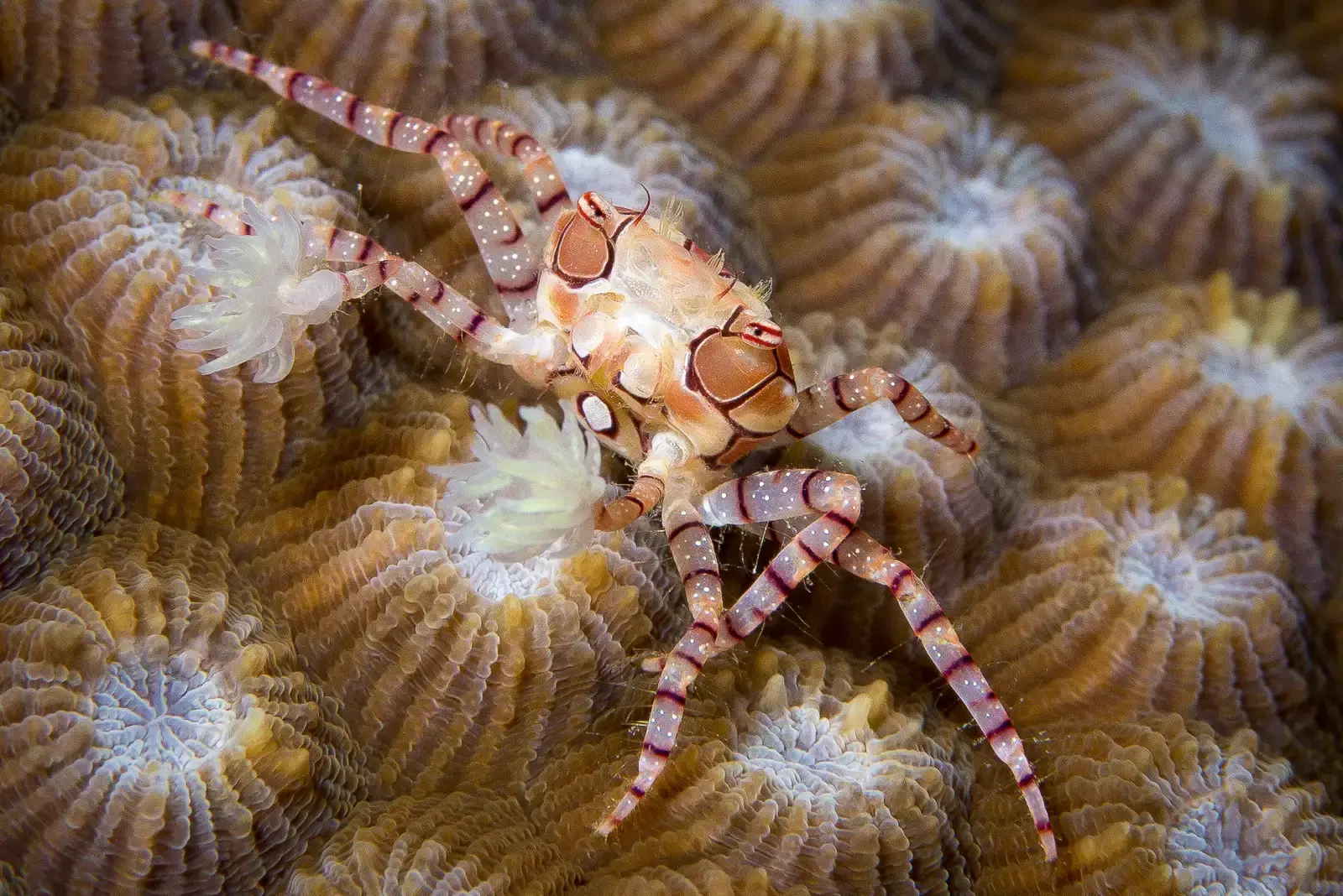
Picture a tiny crab, no bigger than your thumbnail, standing sentinel over a clutch of more than 1,000 precious eggs in the treacherous coral reefs of the Indo-Pacific. She’s armed not with claws alone, but with living sea anemones gripped like pom-poms, their stinging tentacles ready to zap any predator foolish enough to approach. Recent close-up observations from marine biologists reveal her secret weapon: when one anemone goes missing, she clones it right there on the spot. This isn’t just survival; it’s a masterclass in maternal resourcefulness that has scientists buzzing.
What elevates this behavior to legendary status lies in its precision and rarity among invertebrates. Coral reefs teem with threats, yet this boxer crab, known scientifically as Lybia leptochelia, turns scarcity into strength. Let’s dive into how she pulls off this biological feat.
A Symbiotic Arsenal Against Reef Predators
Boxer crabs clutch sea anemones in each claw, waving them like boxing gloves to fend off fish, rival crabs, and other intruders. The anemones’ nematocysts – those harpoon-like stingers – deliver paralyzing jolts, making the crab a nightmare snack. Mothers feed their anemone partners scraps, nurturing the bond while multitasking defense and sustenance.
This mutualism shines brightest during brooding. Stationary for weeks, the crab forgoes meals to prioritize her eggs, her anemone-clad claws in constant motion. Cloned anemones grow fast, often doubling size in weeks, ensuring a robust shield. Predation drops dramatically for armed mothers, with survival rates soaring above 80 percent compared to over 50 percent for unprotected clutches.
Here’s the thing: this setup isn’t passive. The crab actively grooms and positions the anemones for maximum threat deterrence. Such ingenuity thrives in the reef’s cutthroat arena.
The Cloning Marvel: From One to Two in Days
Losing an anemone in a tussle doesn’t spell doom; the crab triggers transverse fission, stretching and tearing the survivor into identical clones. This asexual split happens swiftly, often within days, yielding two fully armed weapons. Lab studies confirm the crab initiates over 90 percent of these events, manipulating the anemone with surgical claw work.
Genetic tests show the duplicates match perfectly, as potent as the original. A single anemone thus stocks the entire arsenal needed for brood protection. Researchers from places like the California Academy of Sciences have captured this in aquariums and dives, marveling at the crab’s proactive role.
Cloning proves vital when anemones prove scarce in dynamic reefs. It underscores how these thumbnail-sized warriors outsmart their environment. Nature’s hacks don’t get much cleverer.
This process demands patience and precision, turning potential loss into gain every time.
High-Stakes Brood Care in Perilous Waters
Carrying over 1,000 eggs under her abdomen represents a huge gamble, exposed to relentless predators. The mother hunkers down, anemones flashing warnings, her vigilance unyielding. Eggs hatch into mini-adults primed to snag their own anemones, but reaching that point hinges on her defenses.
Without cloning, replenishing lost weapons would falter, spiking risks. Her strategy correlates directly with fledging success, a testament to evolved parenting. In the wild, this stationary stance lasts weeks, body and soul committed to the clutch.
Few species match this intensity. The crab’s dedication flips the odds in a predator-packed world.
Evolutionary Edge and Broader Lessons
In shallow Indo-Pacific reefs, anemone scarcity drove this cloning adaptation over millions of years. Lybia species split from unarmed kin, gaining a survival boost that bolsters populations against bleaching and disruptions. Convergent evolution echoes in other symbioses, hinting at reef-wide patterns.
Conservation angles sharpen: safeguarding biodiversity preserves these innovations amid climate threats like acidification. Bio-engineers eye the claw grip for robotics, mimicking resource scarcity solutions. The crab’s tale inspires across fields, from ecology to invention.
Let’s be real – such stories remind us oceans brim with unsolved puzzles. Ongoing research probes cloning under stress, vital for marine futures.
Final Thought
The boxer crab’s anemone-cloning prowess redefines maternal might in the reef’s chaos, proving tiny packages pack epic punches. What other secrets lurk in these ecosystems? Share your wildest ocean guess in the comments.
Source: Original YouTube Video

- Urban Coyotes Show Remarkable Adaptability, Learning to Thrive in City Environments - July 22, 2026
- Beavers Are Nature’s Engineers, Creating Vital Habitats for Other Wildlife Species - July 21, 2026
- The Recovery of the California Condor Offers Hope for Other Critically Endangered Birds - July 21, 2026