
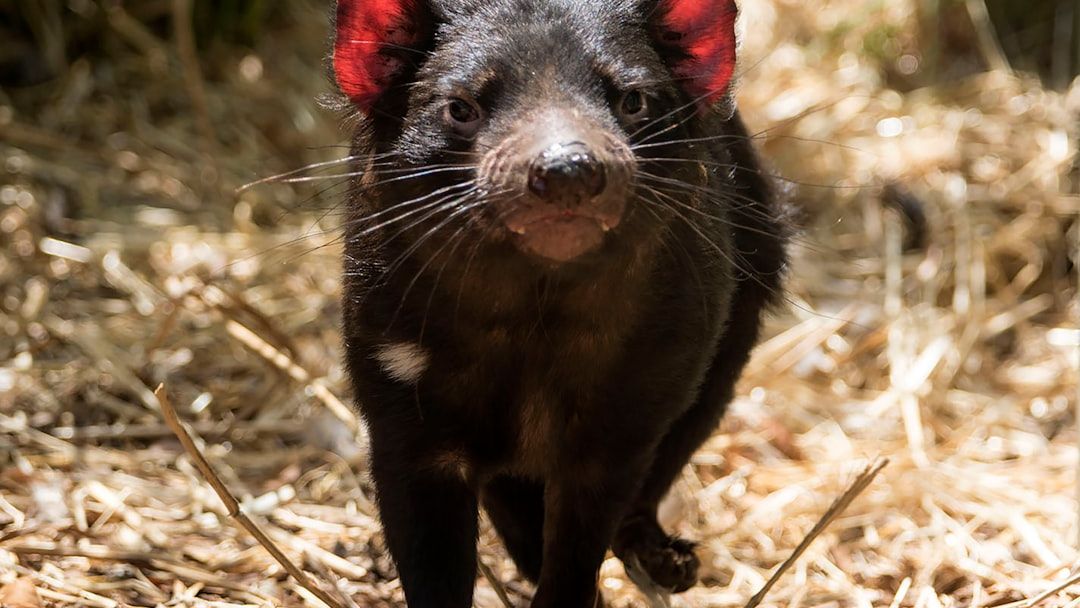
Most people hear the name “Tasmanian devil” and immediately picture a spinning, snarling, tornado of a cartoon character from a classic animated show. Honestly, that image is so deeply burned into popular culture that it has completely overshadowed the real animal, which is, in many ways, far more fascinating and far more complex than anything a cartoon could dream up.
The true Tasmanian devil is a creature of extremes. It bites with bone-crushing force, raises its young in a pouch, faces a cancer that spreads like a virus, and plays a role in an entire ecosystem that no other animal can fill. There are layers here that most people never get to explore. So let’s dive in.
The World’s Largest Carnivorous Marsupial, Living on a Single Island
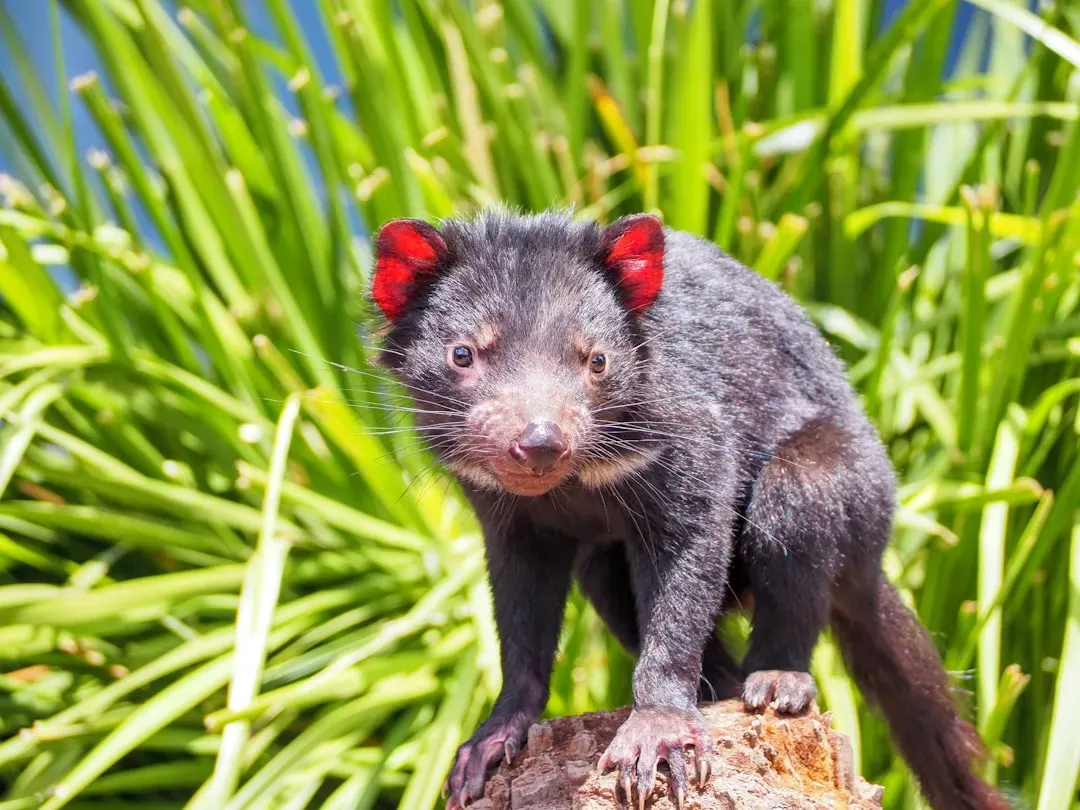
Here’s something that surprises almost everyone: the Tasmanian devil is a carnivorous marsupial belonging to the family Dasyuridae and was formerly present across mainland Australia, but became extinct there around 3,500 years ago. It is now confined to the island of Tasmania. Think about that. An animal that once roamed an entire continent is now squeezed onto one island.
The size of a small dog, the Tasmanian devil became the largest carnivorous marsupial in the world following the extinction of the thylacine in 1936. So it holds that heavyweight title almost by default, and yet it manages to wear it surprisingly well. There is nothing timid about this animal.
Known locally as “Tassie Devils,” these nocturnal carnivorous marsupials typically inhabit dry eucalypt forests and woodlands and are found across the whole island. They are not rare in their home territory. The trouble, as we will explore later, comes from something far more sinister than habitat loss alone.
That Jaw Is Not a Joke
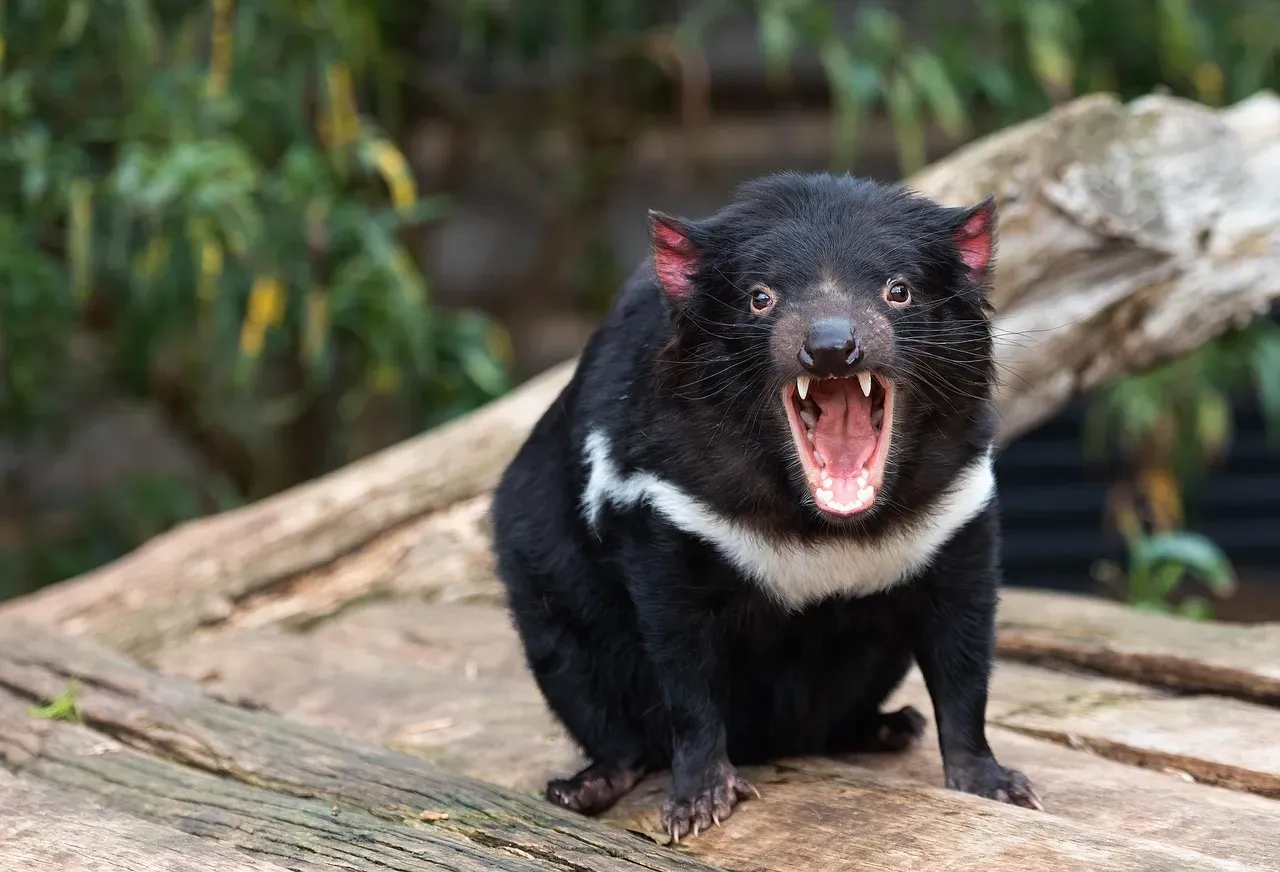
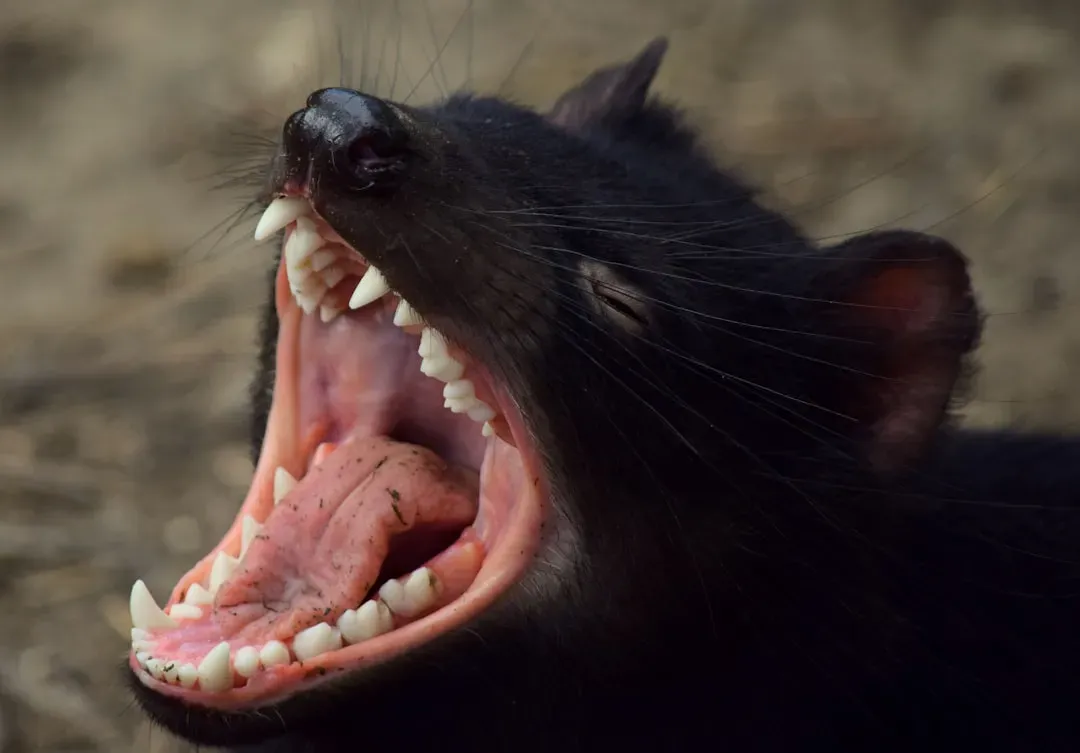
The Tasmanian devil’s most defining physical feature is not its fur, its size, or even its screech. It’s the jaw. The Tasmanian devil’s large head and neck allow it to generate among the strongest bites per unit body mass of any extant predatory land mammal. Pound for pound, that is a jaw that puts even large predators to shame.
Opening their jaws up to 80 degrees wide gives them the strongest bite for their size of any mammal in the world. Their jaws carry enough bite force to bite through metal cages and even crush bone. Because of this ability, Tasmanian devils rarely leave anything leftover of the carcasses they feed on.
I think most people picture a small, manageable creature when they hear “the size of a small dog.” The jaw changes that picture entirely. This is an animal that devours its prey wholesale, bones and all. Nature’s most efficient clean-up crew, really.
The Screech That Named Them
There’s a reason European settlers came up with such a dramatic name for this animal. The reason Tasmanian devils earned their name was because of the sound they make. When European settlers first landed on Tasmania, they began to hear unearthly shrieks and growls coming from deep within the bush, making them feel as if they were surrounded by hidden demons. That’s quite an introduction to a new neighbor.
These animals make all sorts of sounds such as coughs, growls, screeches, and snorts in order to scare off other animals. It’s a full vocal repertoire designed to intimidate. Tasmanian devils are regarded with some awe because of the blood-curdling shrieks and growls they use, particularly when a group is scavenging a carcass.
The irony is that much of this dramatic sound display is driven by fear rather than aggression. While Tasmanian devils are not dangerous to people, when they feel threatened they perform a strange yawn that can look quite fierce. However, this display is actually more a display of fear than of aggression. The monster, it turns out, is mostly just scared.
Their Ears Literally Turn Red When Angry
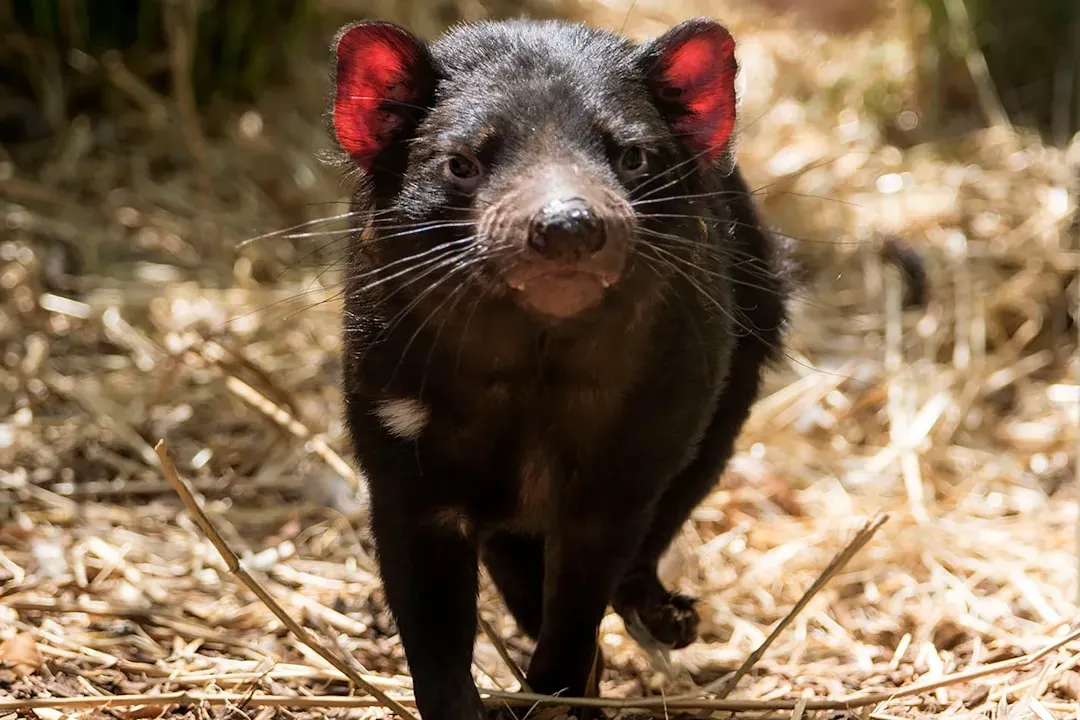
Here’s something that sounds almost too dramatic to be real. One of the Tasmanian devil’s most striking physical features is its ears. These small, rounded structures are often a vibrant pink or red, especially when the animal is agitated. The color change is caused by increased blood flow, which occurs during moments of stress, excitement, or confrontation. This reddening serves as a visual cue to others, potentially signaling aggression or dominance.
It’s like a built-in mood ring that actually works. The ears are also sensitive and play an important role in detecting sounds, such as the movement of prey or the presence of competitors. Given their nocturnal lifestyle, the ability to hear well in the dark is vital for their survival.
The Tail Tells the Health Story
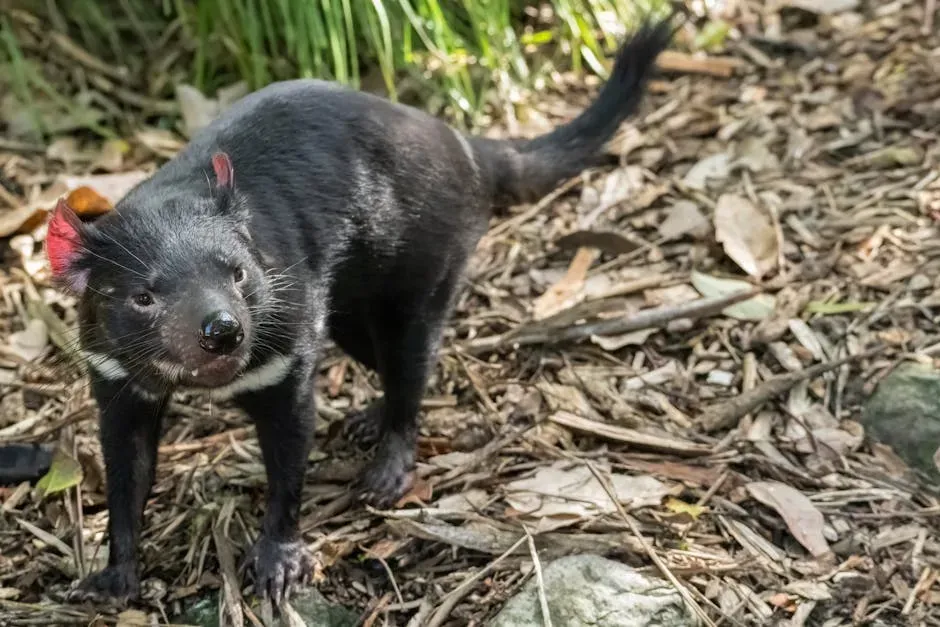
Marsupials have some remarkable biological adaptations, and the Tasmanian devil’s tail is one of the stranger ones you’ll come across. As with all marsupials, Tasmanian devils store fat in their tails. Their body can draw out energy and nutrients from their tail when food is scarce. A chubby tail indicates a healthy and well-fed Tasmanian devil, while a thin tail can tell you when a Tasmanian devil is potentially malnourished.
It’s a bit like a camel’s hump, just located at the back end and far less conspicuous. A wildlife observer can essentially read a devil’s recent dietary history just by glancing at its rear. The Tasmanian devil has a squat, thick build, with a large head and a tail that is about half its body length. Unusually for a marsupial, its forelegs are slightly longer than its hind legs, and devils can run up to 13 km/h for short distances.
They Actually Sleep Inside Carcasses
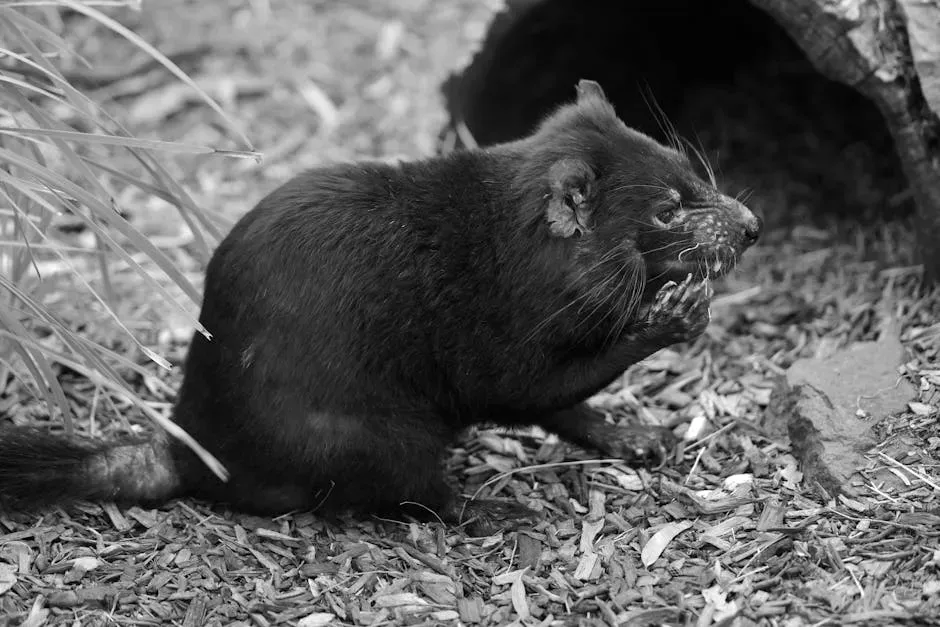
If you thought the jaw thing was intense, this one might genuinely surprise you. Tasmanian devils have a habit of falling asleep inside the rotting carcasses of the animals they’re feeding on. They do this so as to protect their food as well as so they can wake up and continue eating. It is a highly practical, if deeply unsettling, strategy.
Let’s be real: no cartoon version of this animal would ever get away with that scene in a family show. With powerful jaws and strong teeth, Tasmanian devils can eat every part of their prey. Upon inspection of their droppings, you will likely observe splinters of bone. Every part gets used. Nothing gets wasted.
Possums, wallabies and wombats are their key food sources, however, they are also scavengers. Their strong sense of smell allows them to easily locate animal carcasses at long range, from fish washed up on the beach, to deceased domestic sheep and cows. Essentially, if something is dead and edible within range, a Tasmanian devil already knows about it.
A Reproductive Window That Leaves Almost No Room for Error
derivative work: Purpy Pupple (talk), CC BY-SA 3.0)
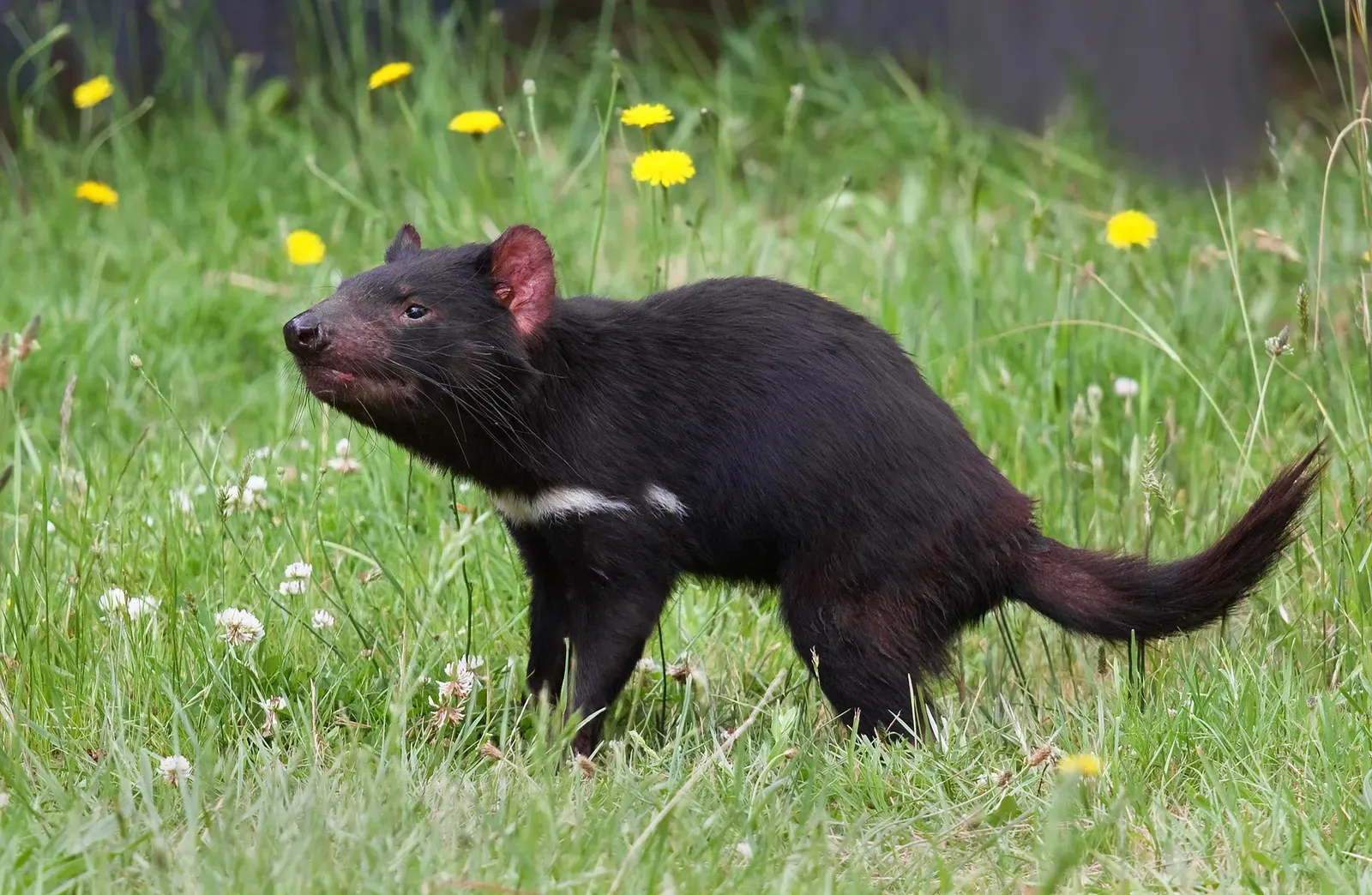
The Tasmanian devil’s reproductive biology is both fascinating and, honestly, a little heartbreaking given what the species faces today. Tasmanian devils are polygynandrous, meaning both males and females have multiple mates. They usually mate in March, producing offspring in April. The gestation period lasts for 21 days, yielding a litter of 2 to 3 babies, which climb into the pouch of their mother, living there for the first 4 months of their lives.
Mating occurs in March, with females giving birth to up to four young three weeks later. She will carry these in her pouch until August, at which point she will drop them in her grass-lined den. By the following February, they are weaned and independent. Life expectancy is relatively short, at just six years.
Six years is not long. Females become sexually active at two years, meaning there are finite opportunities for reproduction. When you factor in a devastating disease that targets sexually mature adults, that narrow window becomes even more precarious.
A Cancer That Spreads Like a Contagious Disease
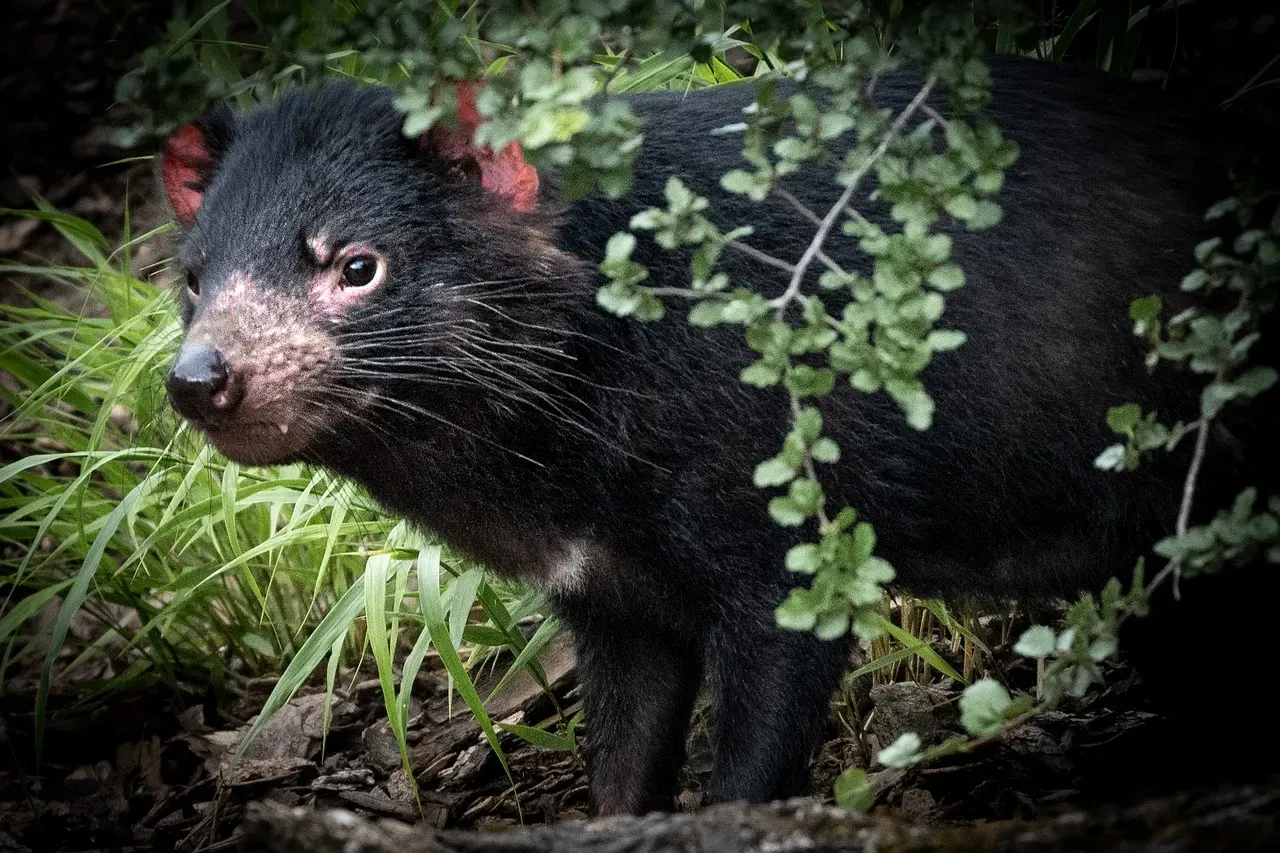
This is where the story of the Tasmanian devil takes a genuinely harrowing turn. Devil facial tumor disease, or DFTD, is a rapidly spreading condition. It is a rare contagious cancer that causes large lumps to form around the animal’s mouth and head, making it hard for it to eat. The animal eventually starves to death.
DFTD is extremely unusual as it is only one of a small number of recorded cancers that can spread like a contagious disease. The cancer cells themselves are the infectious agent, passed from devil to devil through biting. Devil facial tumor disease was discovered in 1996 to have originated from a female devil, is nearly 100% lethal, and has spread from east to west throughout most of the devil’s geographic range.
Researchers estimate the wild devil population peaked at around 53,000 in 1996. DFTD spread rapidly through high-density areas, with spread velocity slowing in areas of low host densities. By 2020, DFTD occupied more than 90% of the species’ range, causing massive declines in local densities and reducing the total population to around 16,900. Those numbers are staggering. It’s hard to say for sure whether the worst has passed, but there are cautious signs of hope.
Some Devils Are Fighting Back Evolutionarily
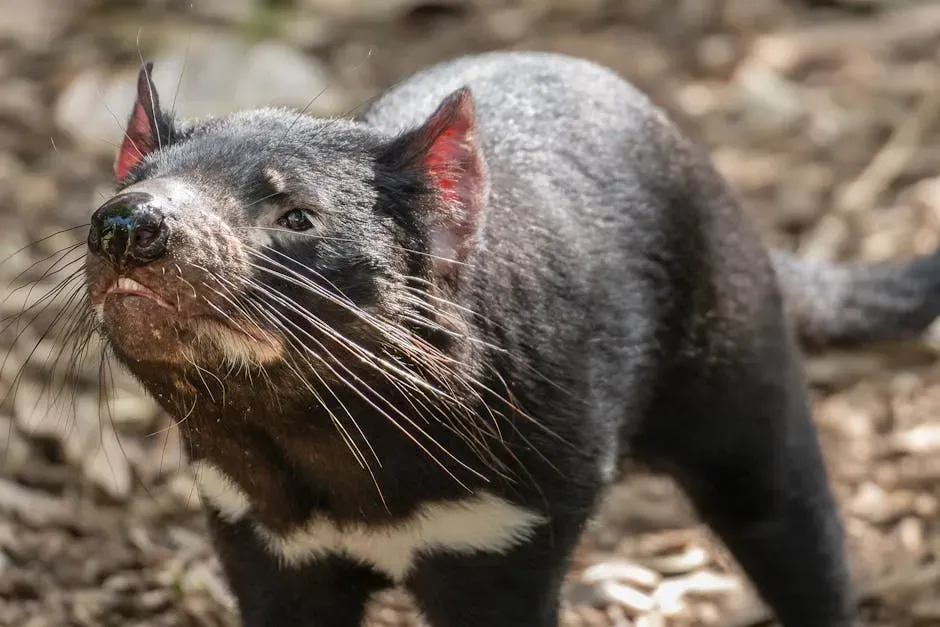
Here is where the story takes a genuinely hopeful turn. Scientists have observed something remarkable happening in populations that have been exposed to the disease for several generations. Evidence suggests that DFTD will become an endemic disease rather than a species-ending one. As evidence for evolution has occurred within four to six generations of local disease outbreak, it is unlikely that devils will become extinct.
Of 40 devils monitored in one study, five showed evidence of anti-DFTD antibodies. This suggests that these five devils had been exposed to DFTD and their immune response was activated, protecting them against the disease. This is encouraging evidence that some devils can produce an immune response against DFTD.
Research is actively pursuing the development of a vaccine that could protect wild devils from DFTD. There is also a focus on identifying and managing naturally resistant devils, as some wild populations have shown signs of rapid evolutionary adaptation and even tumor regression. Evolution is working in real time, right in front of researchers’ eyes. That is genuinely extraordinary.
They Were Brought Back to Mainland Australia After 3,000 Years
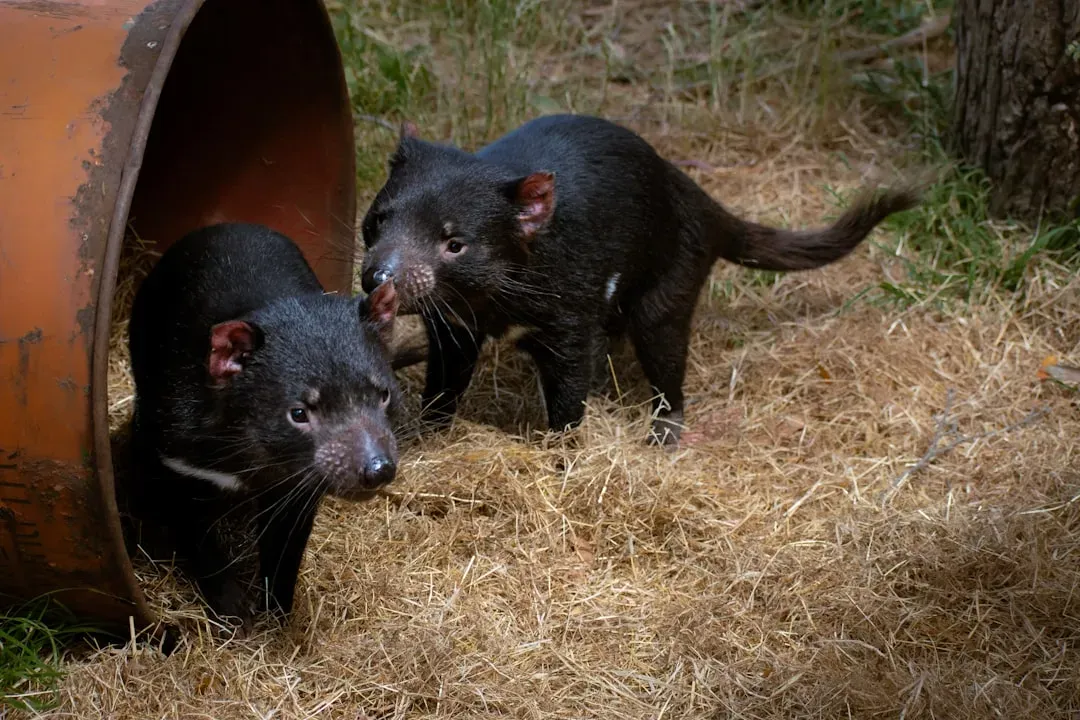
In one of the most remarkable wildlife conservation stories of recent times, conservationists worked with partners to bring the Tasmanian devil back to mainland Australia for the first time in 3,000 years. The reintroduction of 26 devils in 2020 to an expansive new sanctuary on Barrington Tops in New South Wales represents a historic first step in a journey to rewild Australia.
As top predators, the devils push back feral cats and foxes, allowing Australia’s native small mammals to recover. Think of it like the reintroduction of wolves to Yellowstone. One predator returns, and the entire ecosystem begins to rebalance. Devils don’t usually eat cats, but instead force them to hunt during dusk and dawn to avoid run-ins with the nocturnal devils. This small shift in behavior can actually protect night-dwelling native species, such as bandicoots, several species of which are considered endangered in Australia.
Aussie Ark founded a Tasmanian devil breeding program in 2011 with 44 individuals. Over the years, nearly 500 joeys have been born and raised at Aussie Ark in a way that encourages and fosters their natural behaviors, helping ensure that they maintain all the skills they need to survive in the wild. That is a conservation success story worth celebrating, no matter what you think about cartoons.
Conclusion
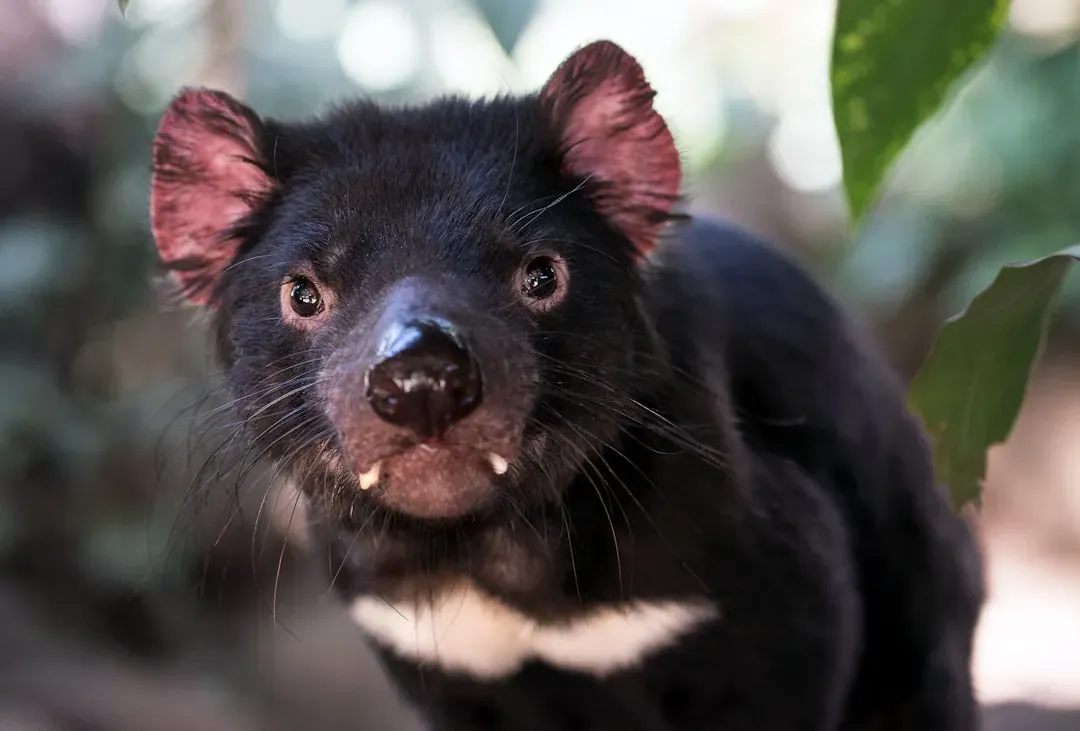
The real Tasmanian devil is nothing like the spinning chaos machine that pop culture sold us. It is a nuanced, biologically extraordinary animal facing one of the most unusual threats in the natural world, and somehow, stubbornly, fighting back. From a jaw that crushes bone to ears that flush red with emotion, from a cancer that defies the rules of infectious disease to a 3,000-year homecoming on the Australian mainland, this creature earns its reputation not through cartoon antics but through sheer biological wonder.
The next time someone mentions a Tasmanian devil, I hope the image that comes to mind isn’t the cartoon. I hope it’s something closer to the truth: a small, ferocious, scientifically fascinating marsupial that has survived on the edge of extinction and may yet write one of conservation’s most improbable comeback stories.
What surprises you most about the real Tasmanian devil? Drop your thoughts in the comments below.

- What If You Never Groomed Your Dog? - August 1, 2026
- Why Is Dog Socialization So Crucial (Or Else)? - August 1, 2026
- Are You Your Horse’s Favorite Human? 7 Signs They’ve Truly Bonded With You - August 1, 2026