
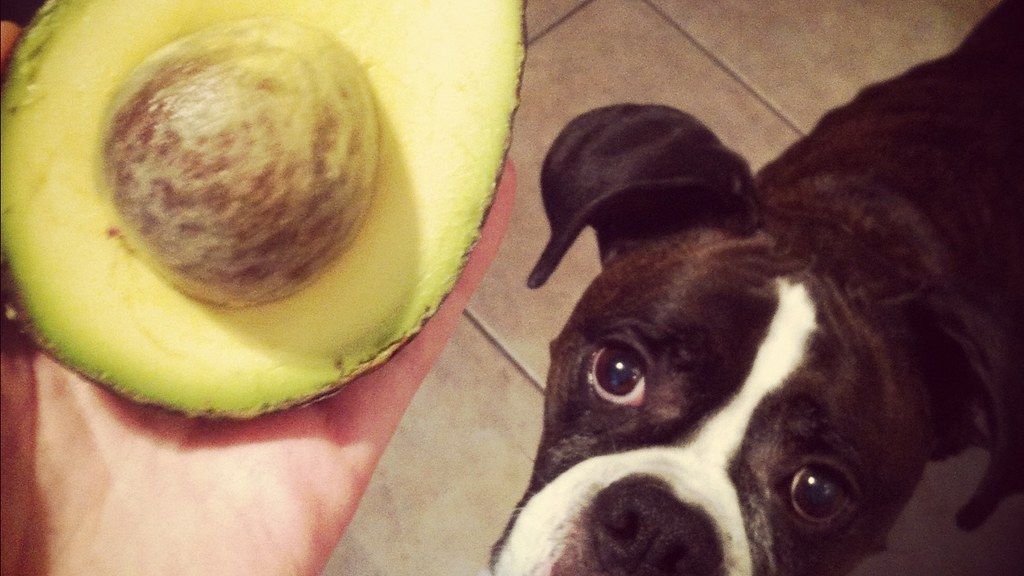
Most dog owners know the basics. Keep chocolate away from your pup. Don’t let them near the trash. But here’s the thing – the list of genuinely dangerous foods goes far deeper than most people realize, and some of the offenders will genuinely shock you. We’re talking about foods that sit on your kitchen counter every single day, foods that seem wholesome, natural, even healthy.
Your dog’s metabolism works in completely different ways from yours. Something that gives you energy or nourishment can send them straight to the emergency vet. Many foods and food additives that are fine for human consumption can cause serious health problems if consumed by our pets. The scary part? The vast majority of animal poisonings are accidental and acute in nature and occur near or at the animal owner’s home. So let’s dive in – because what you don’t know could seriously hurt your best friend.
1. Grapes and Raisins – The Tiny Killers
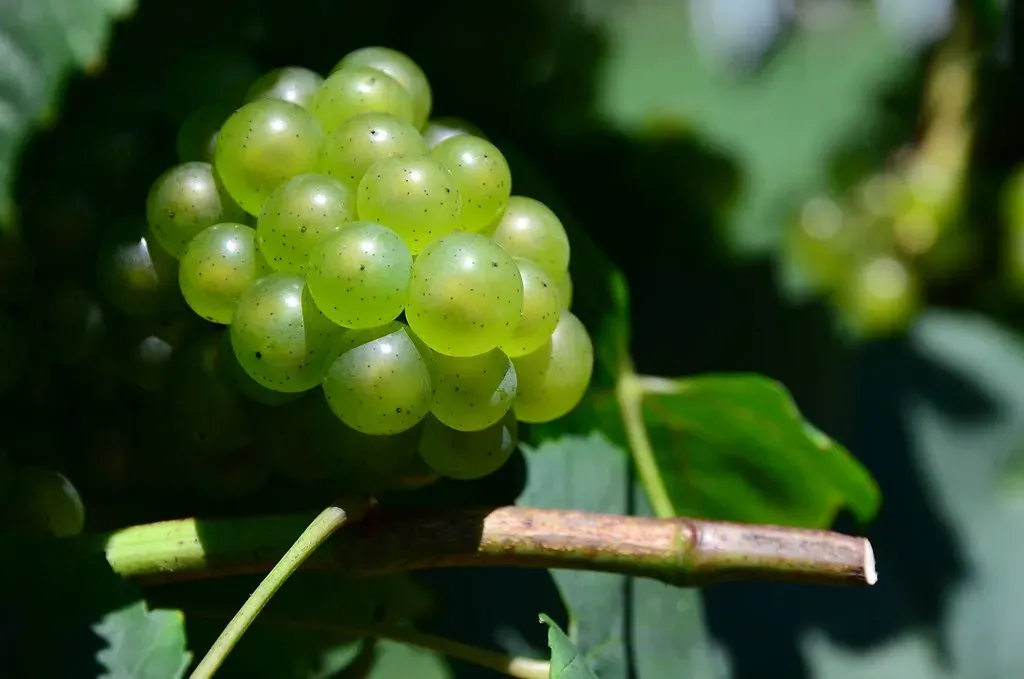
It sounds almost absurd that something as innocent as a grape could be lethal to a dog. Grapes are a healthy snack for humans, a lunchbox staple, a farmers market favorite. Yet for dogs, they’re alarmingly dangerous.
It takes only a few grapes or raisins to potentially cause sudden kidney failure in your dog. Honestly, “a few” is terrifyingly small. Think about that next time you leave a bowl of grapes on the coffee table.
Tartaric acid is speculated to be the toxic component in grapes and raisins, and since dogs are not able to process it, exposure can lead to kidney damage. Even more unsettling is that even a few grapes or raisins can cause acute kidney failure in some dogs, and there’s no clear threshold – some dogs get sick from just one, others don’t. Don’t gamble with those odds. And remember, other foods containing grapes, such as grape juice, are also poisonous.
2. Chocolate – More Dangerous Than You Think

Chocolate is one of the most well-known canine toxins, but many dog owners underestimate how dangerous it really is. Most people assume a little nibble won’t hurt. That’s a mistake.
Dogs chocolate because it contains toxic substances called methylxanthines, which stop a dog’s metabolic process. Even just a little bit, especially dark chocolate, can cause diarrhea and vomiting. A large amount can cause seizures, irregular heart function, and even death.
The darker the chocolate, the higher the theobromine content – just one ounce of baker’s chocolate can be life-threatening to a 20-pound dog. Think about that the next time you’re baking holiday brownies and your dog is giving you those irresistible puppy eyes from across the kitchen.
3. Xylitol – The Hidden Sweetener Lurking Everywhere
This one genuinely catches people off guard. Xylitol isn’t some exotic chemical – it’s sitting in your pantry right now, probably without you even knowing it.
Candy, gum, toothpaste, baked goods, and some diet foods are sweetened with xylitol, which can cause your dog’s blood sugar to drop and can also cause liver failure. Early symptoms include vomiting, lethargy, and coordination problems.
Used in sugar-free gum, mints, peanut butter, and baked goods, xylitol can cause a rapid insulin spike in dogs. Within 30 minutes, blood sugar can crash, causing weakness, collapse, or seizures. It’s also linked to liver failure. Always check the label on your peanut butter before using it as a treat for your dog. I know it sounds like overkill, but it really isn’t.
4. Onions and Garlic – The Allium Family’s Dark Secret
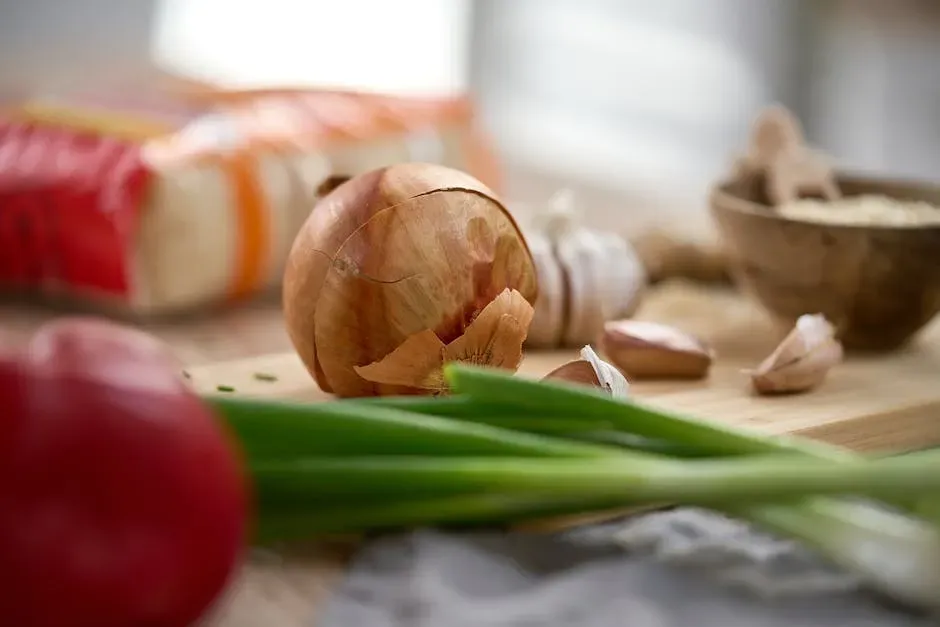
Here’s one that surprises almost everyone. Onions and garlic are staples of virtually every cuisine on the planet. They smell amazing. They make food taste incredible. For your dog, though, they’re a genuine threat.
Like onions, leeks, and chives, garlic is part of the Allium family, but it’s five times more toxic to dogs than the rest of the Allium plants. That’s a striking gap. Garlic can create anemia in dogs, causing side effects such as pale gums, elevated heart rate, weakness, and collapse. Poisoning from garlic and onions may have delayed symptoms, so if you think your dog may have eaten some, monitor them for a few days, not just right after consumption.
All onions are toxic to dogs, including red, white, and yellow onions, and they remain toxic in any form – cooked onions, dehydrated onions, and sauces that contain onions are all dangerous. That means the gravy on your roast dinner, the sauce in your pasta, even some baby foods could be a silent hazard.
5. Avocado – The Superfood That Isn’t Super for Dogs
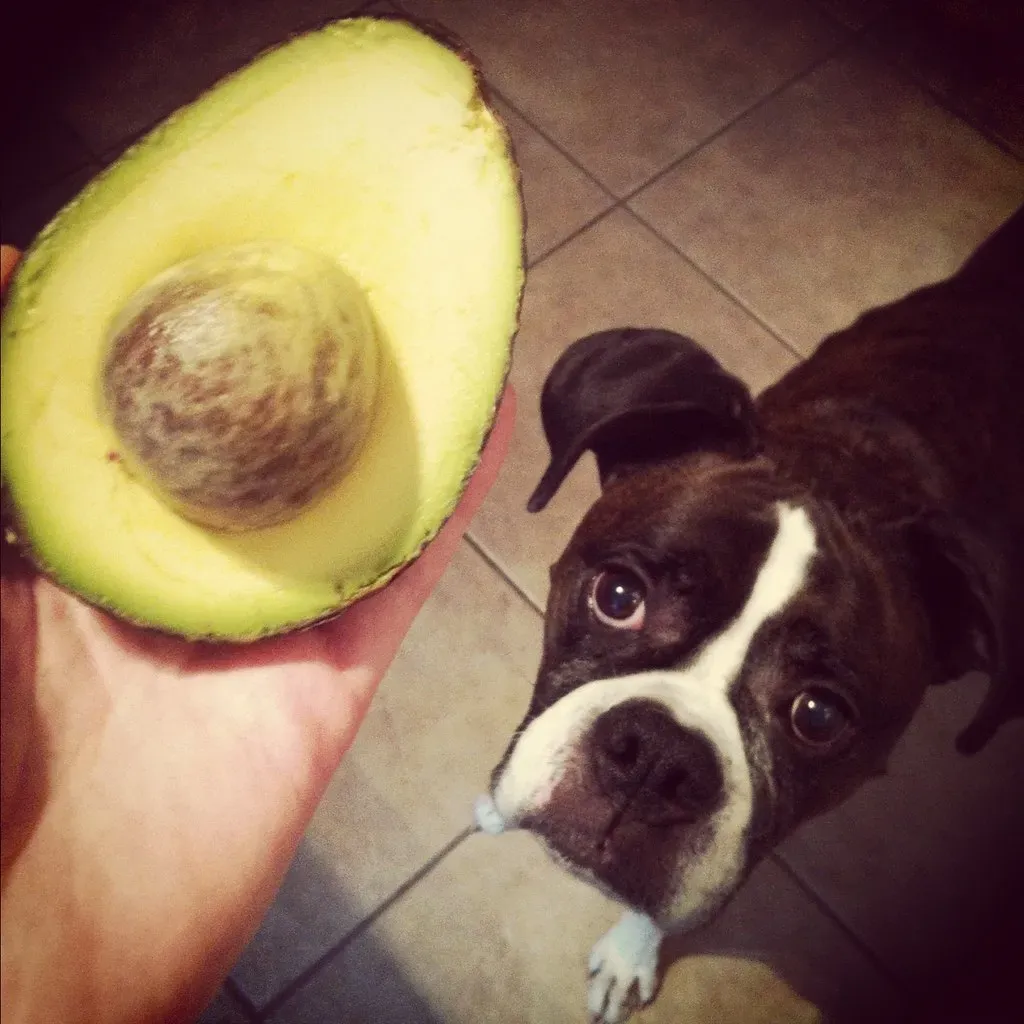
Avocado has practically become a cultural icon. Toast, salads, smoothies – it’s everywhere, and for good reason. Nutritionally, it’s fantastic for humans. For your dog? Not so much.
Avocados are poisonous food for dogs. Avocado plants contain a substance called persin which is in its leaves, fruit, and seed and can cause vomiting and diarrhea in dogs. There’s more to it than digestive upset, too.
Avocado pits can put your dog at risk of an intestinal obstruction, and although avocado is considered a healthy fat for humans, it is too high in fat for dogs, putting them at risk of pancreatitis. That’s a double danger in one single fruit. Think of the avocado like a bouncer at a club – great for the right crowd, terrible for everyone else.
6. Macadamia Nuts – Small Nuts, Big Problems
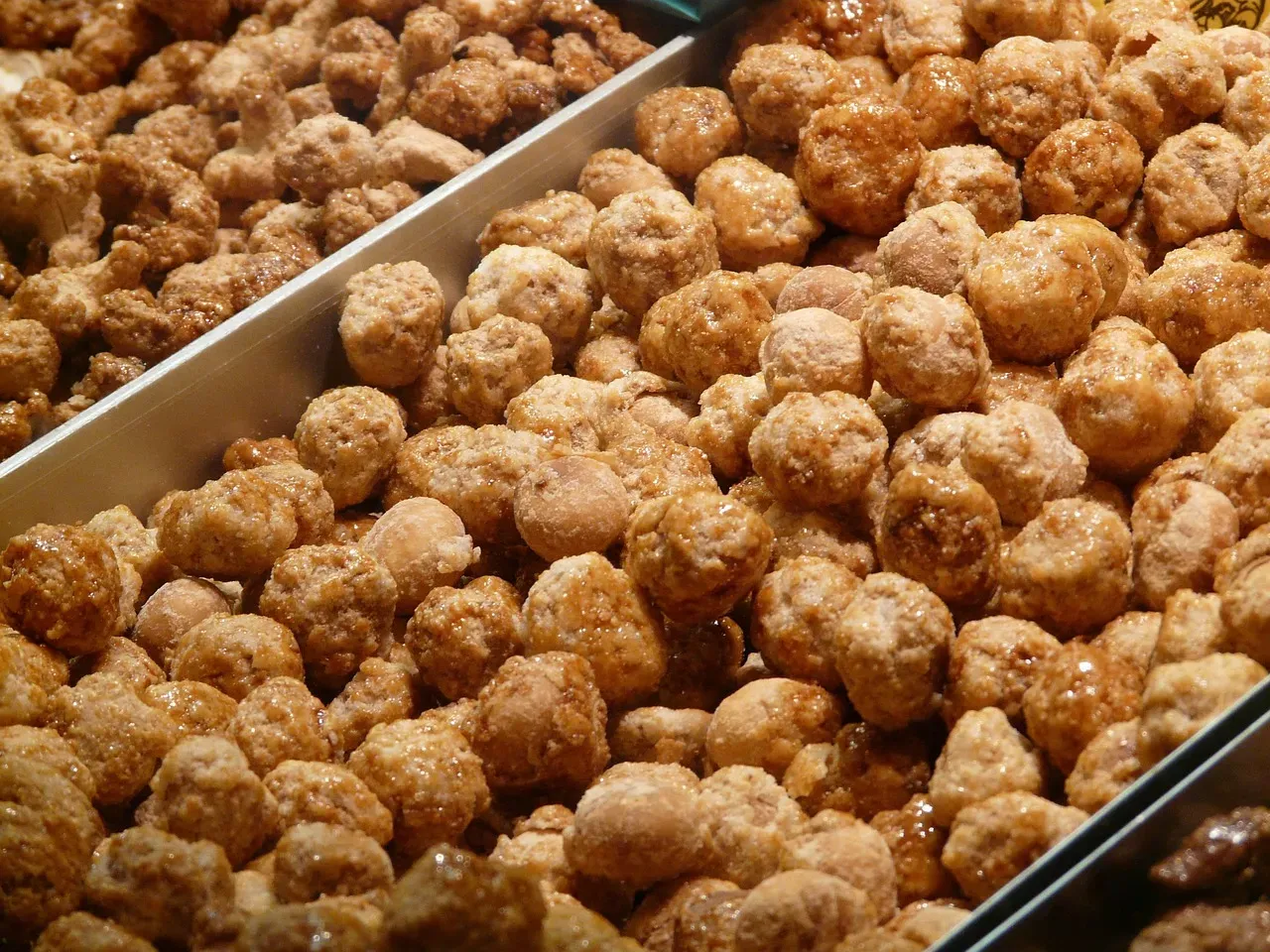
Macadamia nuts are delicious. Rich, buttery, often found in cookies and trail mixes. They also happen to be surprisingly toxic to dogs, even in relatively small amounts.
Macadamia nuts can cause weakness, incoordination, depression, vomiting, tremors, and hyperthermia in dogs. Symptoms usually appear within 12 hours of ingestion, with recovery expected within 24 to 72 hours.
Macadamia nuts contain a toxin that can affect your dog’s muscles and nervous system, resulting in weakness, swollen limbs, and panting. It’s hard to say exactly why macadamias hit dogs so hard while other nuts are less problematic, but the evidence is consistent enough that every vet will tell you the same thing: keep them out of reach entirely.
7. Raw Bread Dough – A Rising Danger
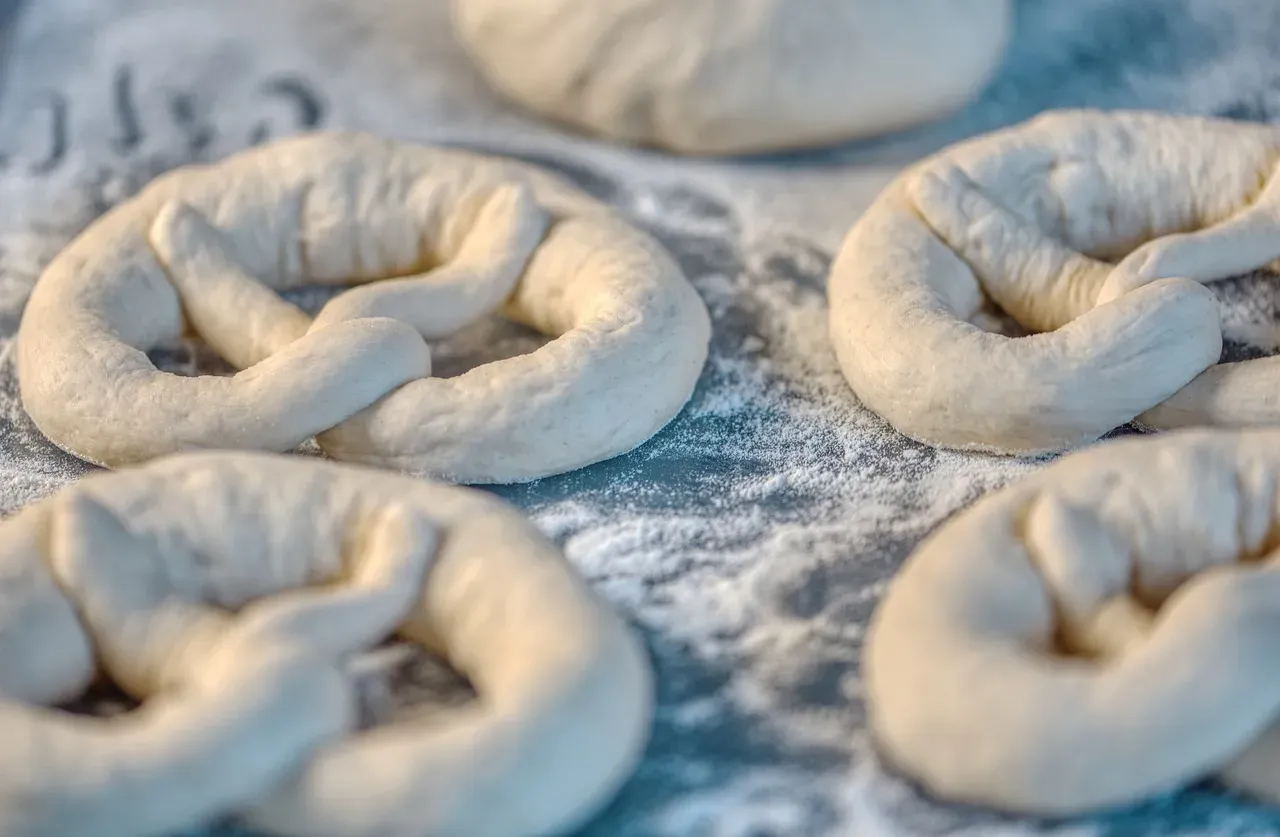
This one genuinely shocks most people. Not the bread itself – baked, plain bread in small quantities is generally fine. It’s the raw dough that turns into a nightmare scenario, and it’s actually a two-pronged threat.
Yeast dough can rise and cause gas to accumulate in your pet’s digestive system. This can be painful and cause the stomach to bloat, and potentially twist, becoming a life-threatening emergency. Imagine what happens in a warm oven – now imagine that happening inside your dog’s stomach. That’s basically the reality.
The yeast also produces alcohol as a by-product in the stomach environment once ingested, so raw bread dough exposures can develop complications of alcohol toxicity as well. So that little ball of dough on the counter? Think of it as a tiny ticking time bomb. Keep it well away from curious paws.
8. Alcohol – Even the Tiniest Amount Is Too Much
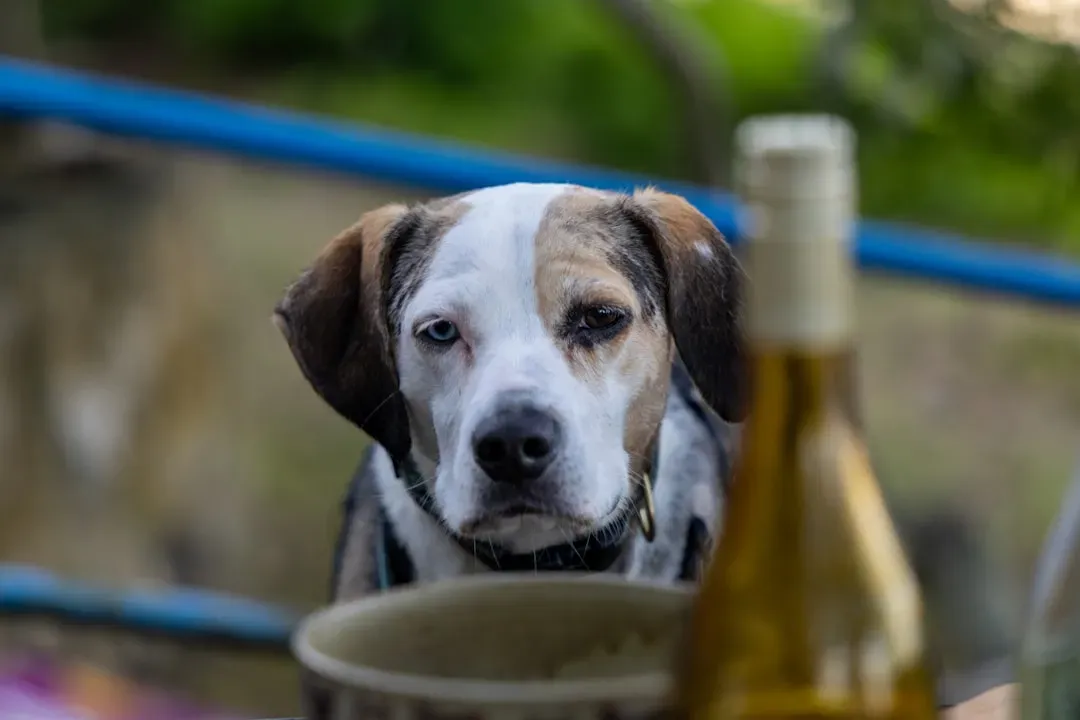
Nobody is pouring their dog a glass of wine intentionally, of course. Still, alcohol exposure in dogs is more common than people realize, and it hides in places you’d never expect.
Alcohol is highly toxic to all pets. Alcohol can lurk in places beyond the obvious beer or cocktail – some desserts, like rum cake and tiramisu, are flavored with alcohol. Fermented fruit, including fermented apples, can also contain it.
Alcohol is dangerous for your pets because it can cause dehydration, low blood sugar, electrolyte imbalances, and kidney and liver issues. The scary thing about dogs is that their bodies process alcohol drastically faster than a human’s, and their size means even a fraction of a human dose can cause serious harm. That boozy dessert at the holiday table needs to be completely off limits.
9. Coffee and Caffeine – Your Morning Ritual Is Their Emergency

Your morning cup of coffee is a sacred ritual. We get it. It gets the world moving. For your dog, though, even a small accidental exposure to caffeine can be genuinely dangerous.
Coffee grounds, energy drinks, tea bags, and even chocolate-covered espresso beans can all be deadly. Dogs metabolize caffeine much more slowly than humans. That slow processing is the real problem – what passes through your system quickly just keeps building up in theirs.
Chocolate, coffee, and caffeine are similar in that their toxicity concerns stem from their methylxanthine concentrations. When ingested by pets, methylxanthines can cause vomiting and diarrhea, panting, excessive thirst and urination, hyperactivity, abnormal heart rhythm, tremors, seizures, and even death. Keep coffee grounds in a sealed container and never leave a mug unattended near an eager sniffer.
10. Corn on the Cob – An Unexpected Blockage Risk
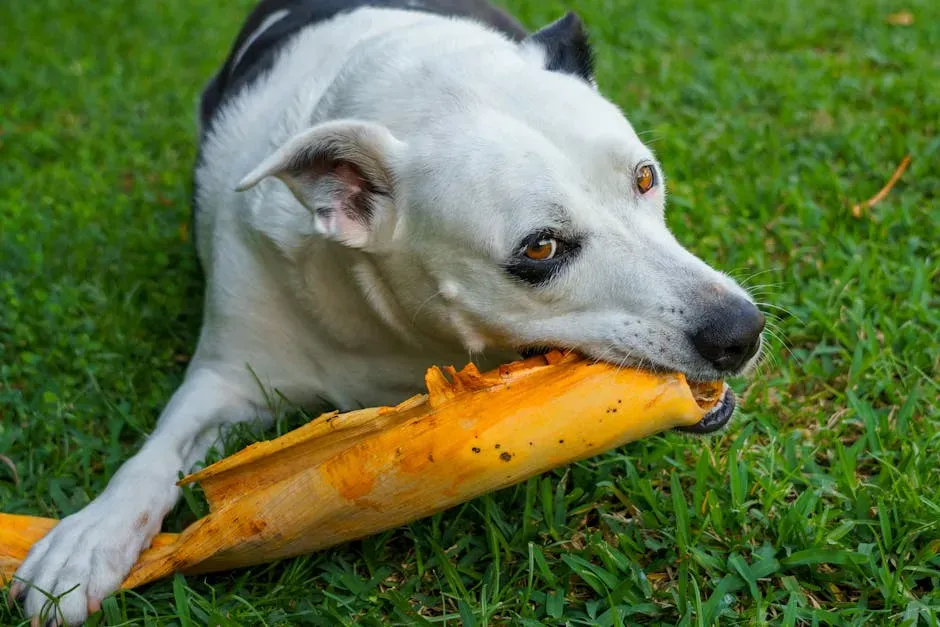
Here’s one that catches people completely off guard. The corn itself isn’t the villain here. It’s the cob. Many owners toss a cob to their dog like it’s a chew toy, thinking they’re giving them a fun, natural treat. That’s a dangerous assumption.
Corn on the cob could potentially be fatal if eaten by a dog. Although the corn is digested by dogs, the cob can cause a blockage in the dog’s intestine. The cob is dense, non-digestible, and sized almost perfectly to become lodged in a dog’s digestive tract. Think of it like swallowing a piece of pipe.
The terrifying part is that intestinal blockages often require emergency surgery to resolve, and the longer they go undetected, the worse the outcome. Your dog will seem fine for a while, maybe even hours, before things take a sharp turn. It’s not worth the risk for something as throwaway as a corncob.
11. Raw Salmon and Raw Meat – The Raw Deal
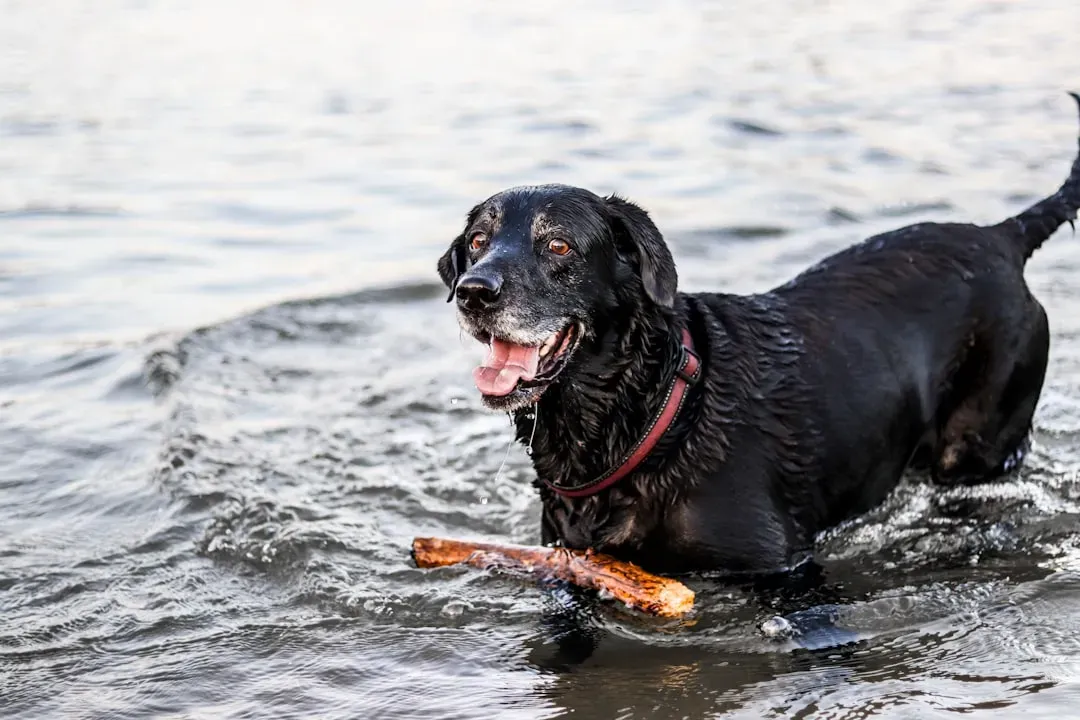
There’s a popular trend right now around raw feeding for dogs. Honestly, the conversation around raw diets is complex, but one thing is very clear – raw salmon especially carries a specific and serious risk that goes beyond regular food safety concerns.
Raw meat and raw eggs can contain bacteria such as Salmonella and E. coli that can be harmful to pets and humans alike. Raw eggs contain an enzyme that can interfere with absorption of certain vitamins, leading to skin and coat problems.
Never feed your dog raw or undercooked meat, as the possible Salmonella or E. coli sometimes found in raw meat can be harmful to dogs too, not just humans. Your dog can also choke on the bones in raw meat. Raw salmon in particular carries the risk of a parasite-related illness that is uniquely dangerous to dogs. If you suspect your dog has ingested any raw fish, contact your vet promptly without waiting for symptoms to develop.
The Bottom Line: Your Dog’s Safety Is in Your Hands
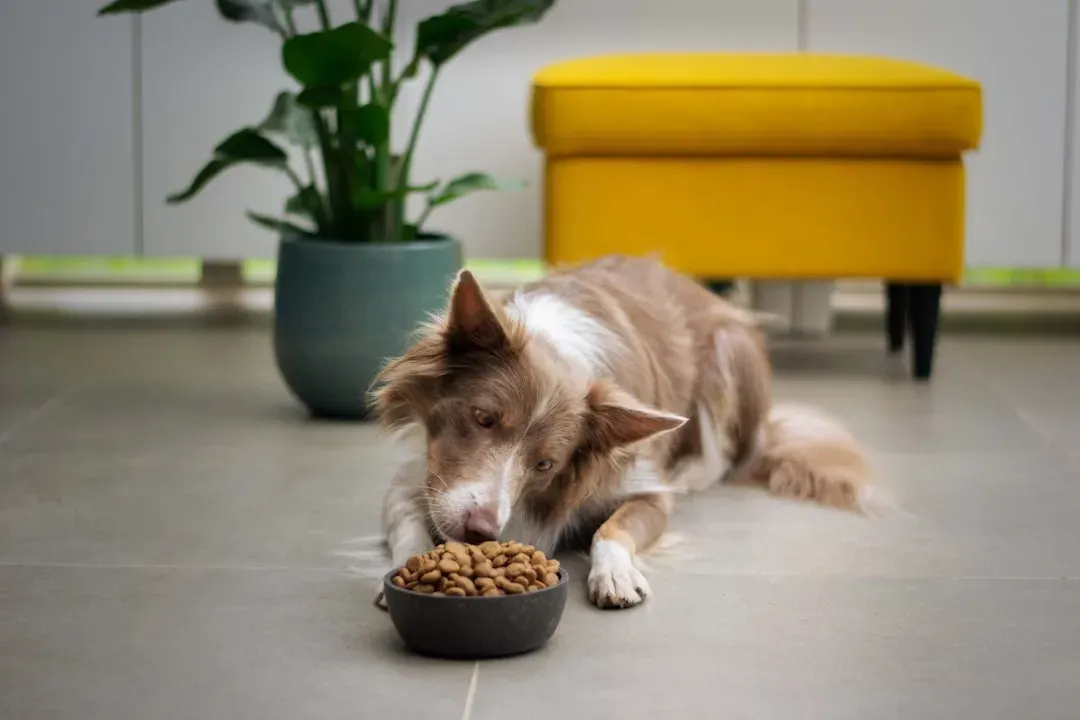
It’s easy to feel a little overwhelmed after reading all of this. The kitchen, the pantry, the fruit bowl – suddenly everything feels like a potential hazard. The good news is that awareness is the most powerful tool you have. Once you know, you can act accordingly.
If your precautions don’t work and your dog eats something toxic, be prepared so you can act fast. Keep contact information easy to find for emergency veterinarians available 24/7, including on holidays, or for poison control. If your dog eats toxic food, get help as quickly as possible.
Dogs trust us completely. They don’t know that the grape rolling off the counter or the raisin cookie left within reach could hurt them. That responsibility falls entirely on us. The key is simple habits: reading food labels, securing the trash, and being extra vigilant during holidays and gatherings when food is out and distractions are high. Keep this list somewhere you can refer to it – and maybe share it with anyone else who loves your dog. Because the foods most likely to hurt them are usually the ones nobody suspects.
Did any of these surprise you? Share this with a fellow dog owner who might not know – it could genuinely save a life.
