

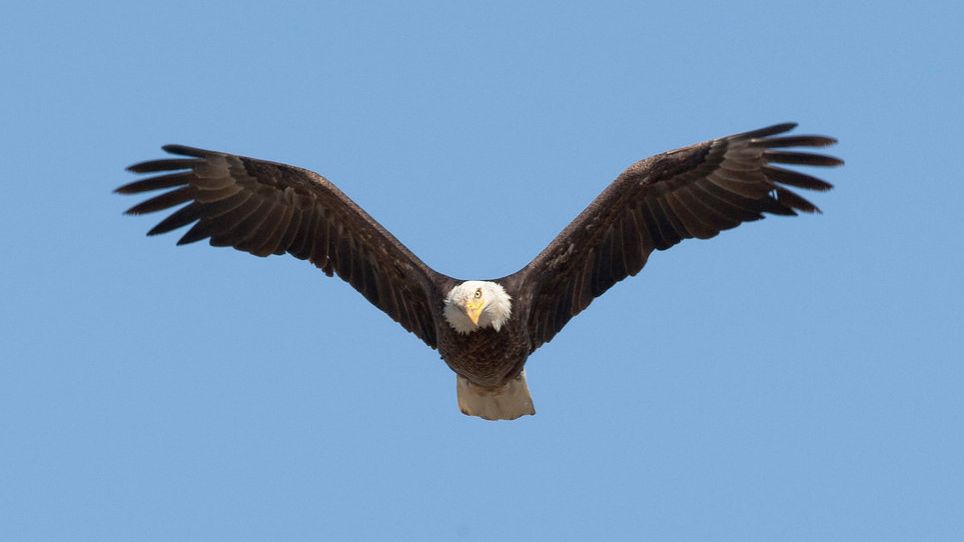
Bald eagles have always carried a kind of mythic weight in American culture. They’re symbols of freedom, wildness, something untamed. So when researchers started noticing shifts in where and how these birds actually move across the continent, it wasn’t just a wildlife story. It felt like something bigger was unfolding in the skies above us.
What’s happening with eagle migration patterns right now is genuinely surprising, even to seasoned ornithologists. These birds are rewriting the rules scientists thought they understood, and honestly, the implications stretch far beyond bird watching. Let’s dive in.
The Unexpected Discovery That Started It All
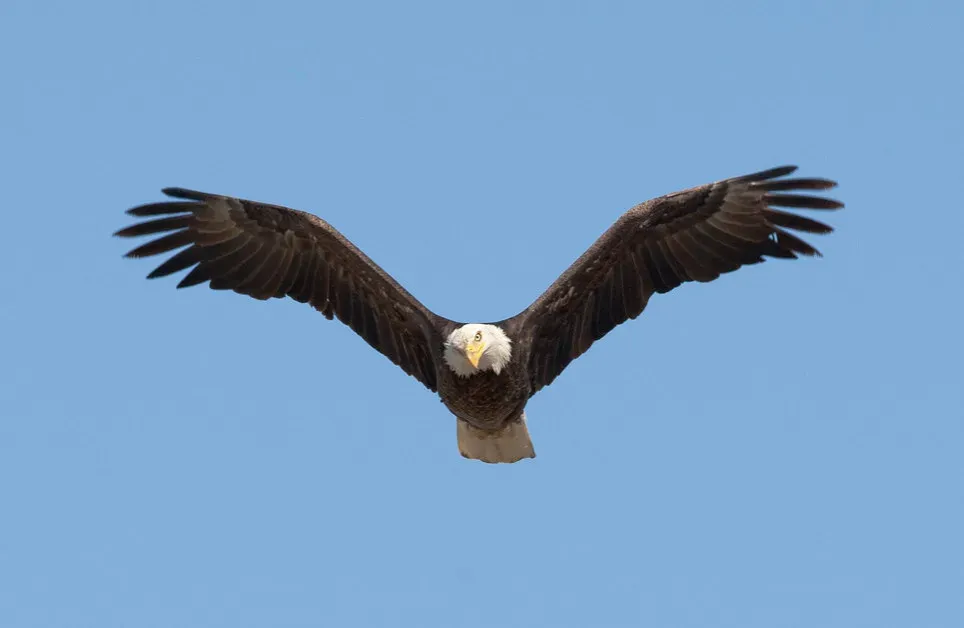
Here’s the thing most people don’t realize: not all bald eagles migrate the same way. Some fly thousands of miles. Others barely move at all. Scientists have known this on a surface level for years, but recent tracking data has revealed just how dramatic the variation really is, and how much the patterns are shifting.
Researchers using modern GPS transmitters attached to eagles across North America have been collecting movement data with unprecedented precision. What they’re finding challenges older assumptions about eagle behavior in ways that are genuinely exciting.
The data is showing that eagles wintering in the southern United States are increasingly staying put rather than flying north in spring. Meanwhile, northern populations are adjusting their timing in ways that correlate directly with temperature changes. It’s like watching a biological clock get quietly reset.
How Tracking Technology Is Revealing the Full Picture
Modern wildlife tracking has come a long way from the old days of simple leg bands and hopeful observations. Today’s GPS transmitters are lightweight, solar-powered, and capable of logging a bird’s precise location multiple times per day. This level of detail was simply impossible even a decade ago.
Scientists affiliated with programs like the Eagle Scout Project and various university research initiatives have been tagging birds across multiple flyways, from the Pacific Northwest to the Great Lakes region to the Chesapeake Bay. The resulting datasets are enormous, covering thousands of individual journeys over multiple years.
What makes this especially compelling is that researchers can now trace not just where eagles go, but when they leave, how fast they travel, where they stop, and how long they rest. The granularity of the data turns each eagle into something like a living weather vane, responding to environmental cues in real time.
Warmer Winters Are Quietly Rewriting Migration Routes
Let’s be real: climate change gets thrown around so often that it’s easy to tune out. But the eagle migration data offers a strikingly concrete illustration of how shifting temperatures are affecting animal behavior at an individual level. This isn’t abstract modeling. It’s happening right now.
Eagles historically moved south in winter largely because frozen lakes and rivers made fishing impossible. No open water means no food. As winters have grown milder across large parts of the Midwest and Northeast, more eagles are finding open water year-round, reducing their need to migrate at all.
Some researchers describe this as a kind of behavioral relaxation. The urgency to fly south diminishes when the environmental pressure disappears. Roughly about a third of the eagle population in certain monitored areas is now showing what scientists call “partial migration,” where individuals within the same population make completely different choices about whether to move.
The Role of Food Sources in Shaping Eagle Movement
Eagles are supremely pragmatic. They go where the food is. It sounds obvious, but the implications of that simple truth are enormous when you’re talking about a species that can see a fish from hundreds of feet in the air and travel dozens of miles in a single day.
Beyond fish, bald eagles are highly opportunistic feeders. Carrion, waterfowl, and even discarded food near human settlements all factor into their winter survival strategy. As human development has expanded and deer populations have grown in many regions, roadkill and deer carcasses have become surprisingly significant food sources for wintering eagles.
This is one of those details that honestly sounds a little unglamorous for such a majestic bird. The great American eagle, scavenging alongside crows on a rural highway. Yet it’s precisely this adaptability that has helped the species recover so dramatically from near-extinction in the late twentieth century. Flexibility, it turns out, is a survival superpower.
What Population Recovery Means for Migration Science
The bald eagle’s comeback story is one of conservation’s genuine success stories. Listed as endangered in the 1970s, the species has rebounded to the point where hundreds of thousands now exist across North America. That recovery itself is now influencing migration science in fascinating ways.
As eagle populations have grown and spread into new areas, birds are now breeding in regions where they were absent for generations. This means younger eagles born in previously unoccupied territories may have never experienced traditional migration routes. They’re essentially figuring things out fresh, without a generational template to follow.
Scientists are particularly interested in how these pioneer breeding populations are establishing new behavioral norms. It’s a little like asking someone who grew up in a different country to navigate a city they’ve never seen. They’ll get there, but the route they take might surprise you.
Eagles as Indicators of Broader Environmental Health
There’s a reason researchers get so excited about long-term eagle data. These birds sit at the very top of aquatic food chains. When something shifts in eagle behavior or population health, it’s often a signal that something deeper is changing in the ecosystems below them.
Contaminant levels, fish population changes, wetland degradation, and even agricultural practices all show up eventually in eagle health data. Tracking migration also reveals which landscapes eagles depend on during different life stages, information that’s directly useful for conservation planning across entire regions.
Honestly, thinking of eagles as biological sensors rather than just charismatic predators changes how you see the whole project of studying them. Each GPS-tagged bird is essentially filing environmental reports from every county it crosses. The data is that valuable.
What This Means for the Future of Eagle Conservation
The shifting migration patterns pose new questions for wildlife managers. If eagles are spending more time in areas they previously only passed through, land use decisions in those regions suddenly matter in new ways. Wind energy development, urban sprawl, and water management policies all become eagle issues.
Conservation organizations and government agencies are already starting to use migration data to refine protected area boundaries and seasonal management guidelines. The old maps are being redrawn, essentially, based on where the birds are actually going rather than where biologists once assumed they went.
What’s clear is that understanding eagle migration is no longer just an academic exercise. It’s a practical tool for protecting one of North America’s most visible conservation success stories during a period of rapid environmental change. The eagles are adapting. The real question is whether our conservation strategies can keep up with them.
Conclusion: The Skies Are Telling Us Something
Eagle migration might sound like a niche topic, but pull back the lens and it becomes a story about resilience, adaptation, and the ways nature quietly responds to a world that’s changing faster than most of us are comfortable admitting.
These birds survived near-extinction once already. Now they’re navigating a shifting climate, altered landscapes, and entirely new food webs, and they’re doing it without anyone telling them the rules have changed. There’s something almost inspiring about that. Something worth paying attention to.
The eagles are already adjusting. The bigger question might be: are we watching closely enough to learn from them? What do you think about how wildlife is adapting to our changing world? Share your thoughts in the comments.

- Urban Coyotes Show Remarkable Adaptability, Learning to Thrive in City Environments - July 22, 2026
- Beavers Are Nature’s Engineers, Creating Vital Habitats for Other Wildlife Species - July 21, 2026
- The Recovery of the California Condor Offers Hope for Other Critically Endangered Birds - July 21, 2026