
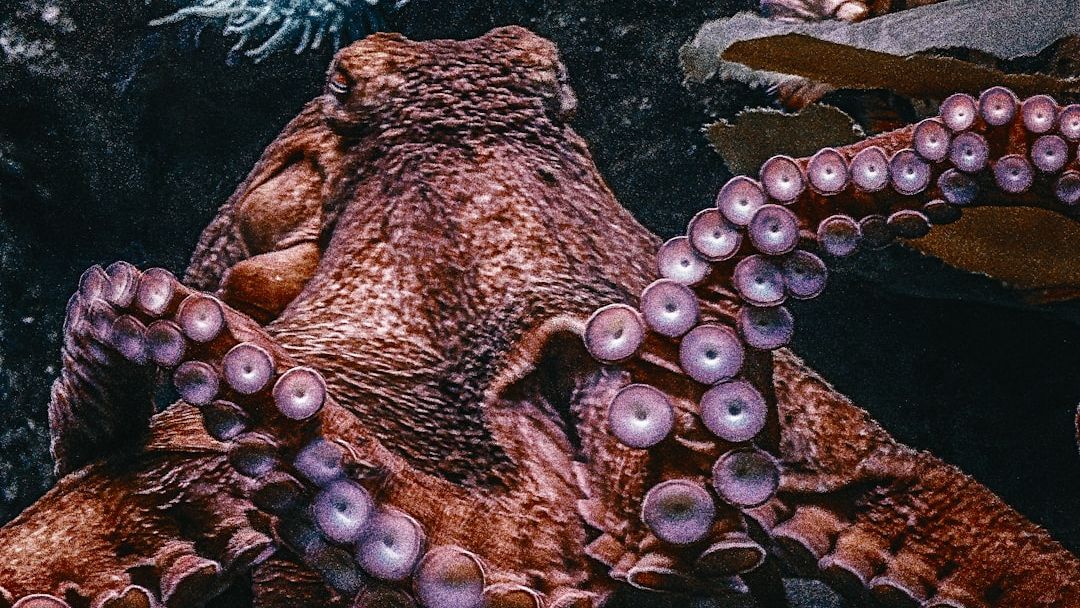
There is something deeply unsettling, in the best possible way, about staring into the eye of an octopus. Behind that alien gaze is a mind that evolved over 500 million years along a completely separate branch of the evolutionary tree from ours. Yet somehow, it arrived at a place eerily close to where we are.
Scientists have long suspected that octopuses were more than just eight-armed escape artists. What research over the past decade has uncovered, however, goes far beyond curiosity. These creatures think, remember, plan, and problem-solve in ways that are forcing researchers to completely rethink how intelligence evolves. Let’s dive in.
A Brain Unlike Anything Evolution Has Ever Produced
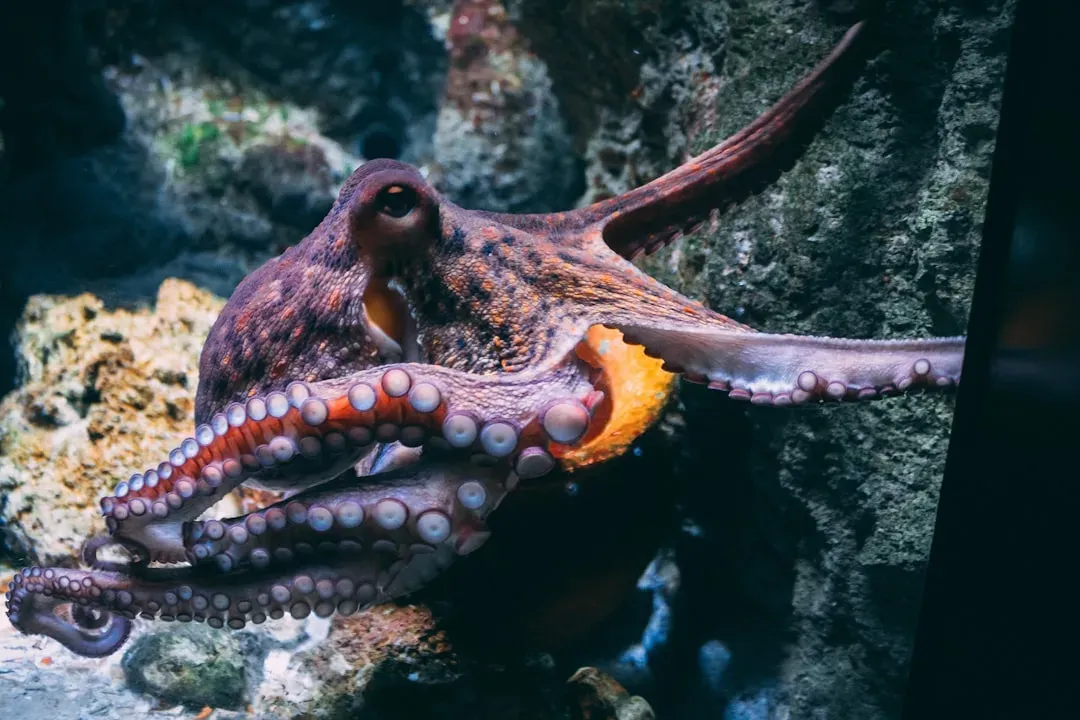
Let’s be real for a moment. When most people imagine a highly intelligent animal, they think dolphins, chimpanzees, maybe dogs. They rarely think of a soft-bodied sea creature with no skeleton and three hearts. Yet the octopus quietly earns a place in that conversation.
The common octopus, Octopus vulgaris, has around 500 million neurons. That sounds impressive on its own, until you realize exactly where those neurons are located. Each of their eight tentacles has clusters of neurons that act as a mini brain to control movement, touch, and taste independently from their central brain, and in fact, two-thirds of octopus neurons are found outside of the central brain.
Think of it like having eight independent co-pilots operating the same aircraft simultaneously. Unlike vertebrates, octopus arms have their own neurons and do not require input from their central brain to function, with two-thirds of the neurons sitting in the nerve cords of their arms, capable of complex reflex actions entirely without brain input.
This intelligence is particularly remarkable because it evolved completely independently from the vertebrate brain. While mammals developed intelligence through the expansion of the cerebral cortex, octopuses took an entirely different evolutionary path. Honestly, that alone should make your brain do a double-take.
Puzzle Boxes, Jar Lids, and the Art of Figuring Things Out
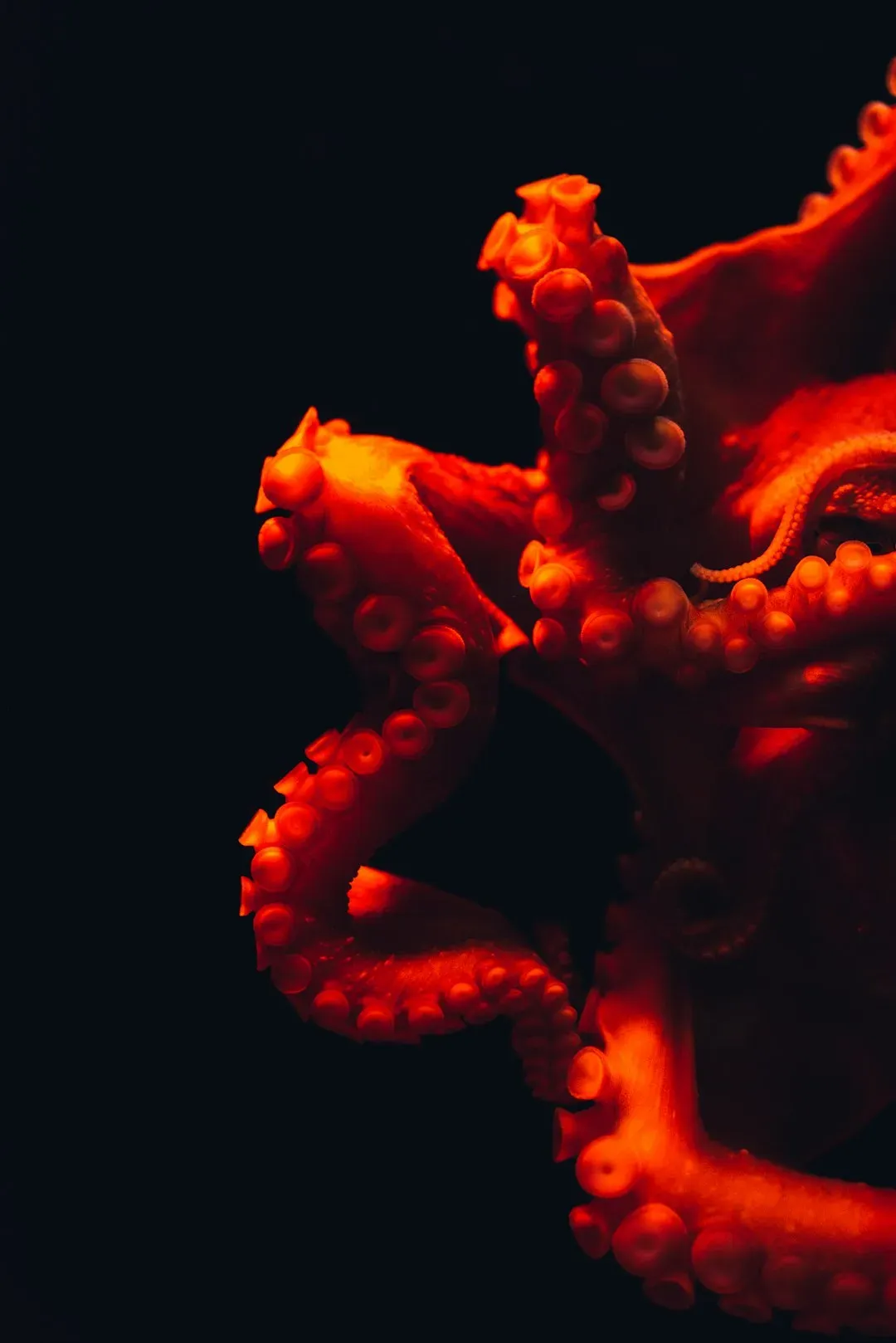
Here is where things get genuinely exciting. Octopuses can solve complex puzzles requiring pushing or pulling actions, unscrew the lids of containers, and open the latches on acrylic boxes to obtain food inside. They can also remember solutions to puzzles and learn to solve the same puzzle presented in different configurations.
They carry coconut shell halves across the ocean floor, reassemble them into a shelter when threatened, combining tool use, planning, and multi-step problem-solving in a single behavior. That is not instinct. That is planning ahead.
What makes these feats particularly impressive is that octopuses solve these problems through observation and experimentation rather than through instinct alone. Research published in the Journal of Comparative Psychology demonstrated that octopuses can solve novel problems they’ve never encountered before, suggesting genuine cognitive flexibility rather than fixed behavioral patterns.
They have also been observed shooting jets of water at laboratory equipment they apparently find annoying, which researchers interpret as play behavior, and they recognize individual human faces and behave differently toward different people. Play behavior and facial recognition. In a mollusk. The bar for “intelligent life” may need some serious recalibration.
Personality, Individuality, and the Octopus Who Held a Grudge
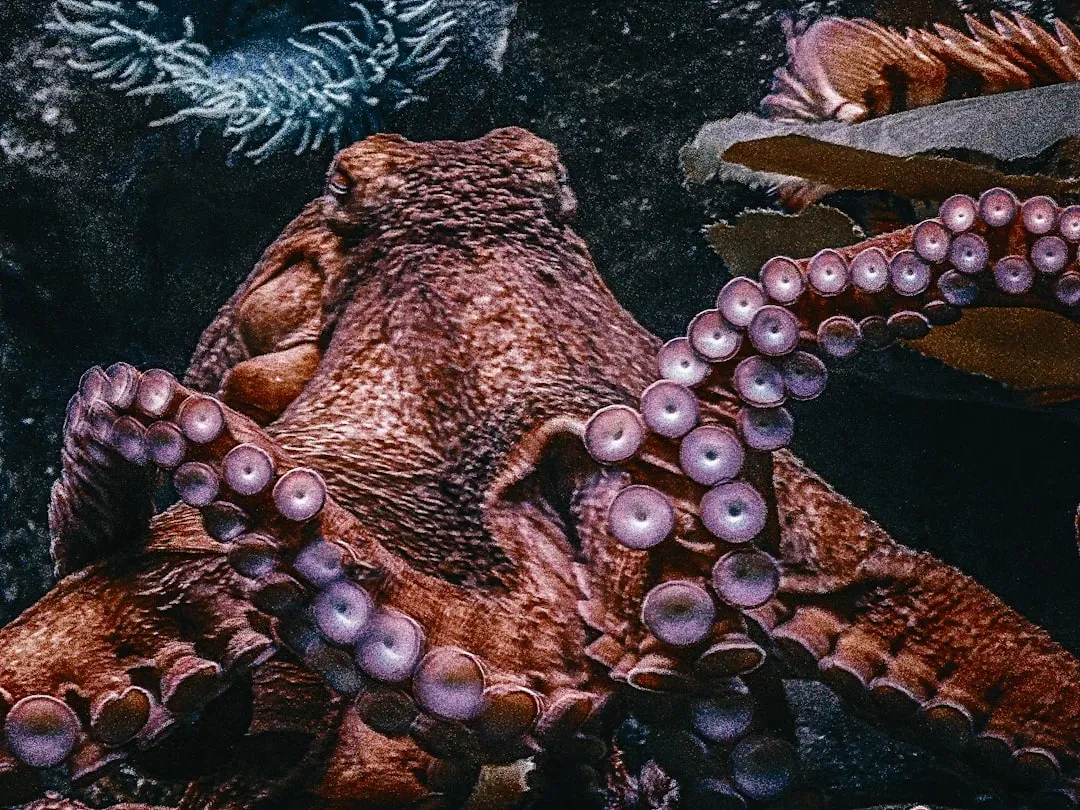
One of the more surprising findings to emerge from recent research is that octopuses are not just smart as a species. They are individually distinct. Researchers discovered that octopuses have individualized differences when solving a task instead of mimicking behaviors from each other. Each one essentially approaches a problem in its own personal style.
A 2023 study in Current Biology demonstrated that some species display individual personality differences in problem-solving: neophilic octopuses approached puzzle boxes faster but didn’t necessarily solve them faster than more cautious individuals, suggesting that octopus cognition involves multiple independent cognitive traits that don’t all scale together.
It’s hard to say for sure whether this constitutes “personality” in the way we experience it, but the evidence is hard to dismiss. With this higher intelligence comes sentience. Octopuses are capable of experiencing pleasure and pain, stress, and excitement. They also have individual personalities, meaning some will be more curious while others will be terrified.
Biologists at the Seattle Aquarium designed an experiment to test the recognition abilities of the giant Pacific octopus. Over two weeks, one person fed a group of octopuses regularly while another person touched them with a bristly stick. At the end of the experiment, the octopuses behaved differently toward the ‘nice’ keeper and the ‘mean’ one. One octopus holding a grudge is funny. An entire research experiment confirming it is extraordinary.
The Genetic Secret They Share With Us
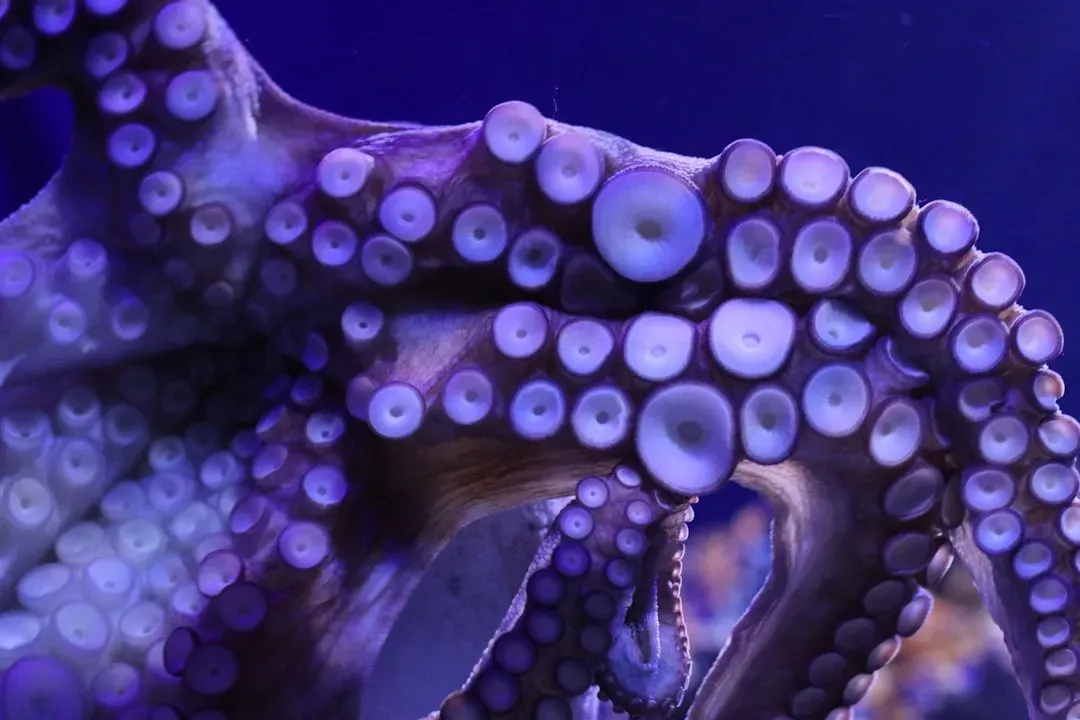
Here is something that genuinely surprised researchers, and honestly it surprised me too. Perhaps the most striking finding in recent octopus neuroscience is the discovery that octopus brains and human brains share the same “jumping genes,” transposable elements called LINEs that are active in the parts of the brain responsible for cognitive abilities. In humans, these transposons are particularly active in the hippocampus, the region most associated with learning and memory. In octopuses, the same family of transposons is active in the vertical lobe, the brain region most associated with learning and memory.
Even though octopuses aren’t closely related to animals with backbones, they nonetheless demonstrate behavioral and neural plasticity that’s similar to that of vertebrates. These animals, like mammals, have the ability to adapt continuously and solve problems, and this evidence hints that the similarity may originate at the genetic level.
Researchers have found that octopus brains have become more complex by using a lot more regulatory RNAs to control gene activity, just as vertebrates did. Two completely separate branches of life arriving at nearly the same cognitive solution. Evolution, it turns out, may have a favorite blueprint.
What Octopus Intelligence Means for Science, Ethics, and Our Future
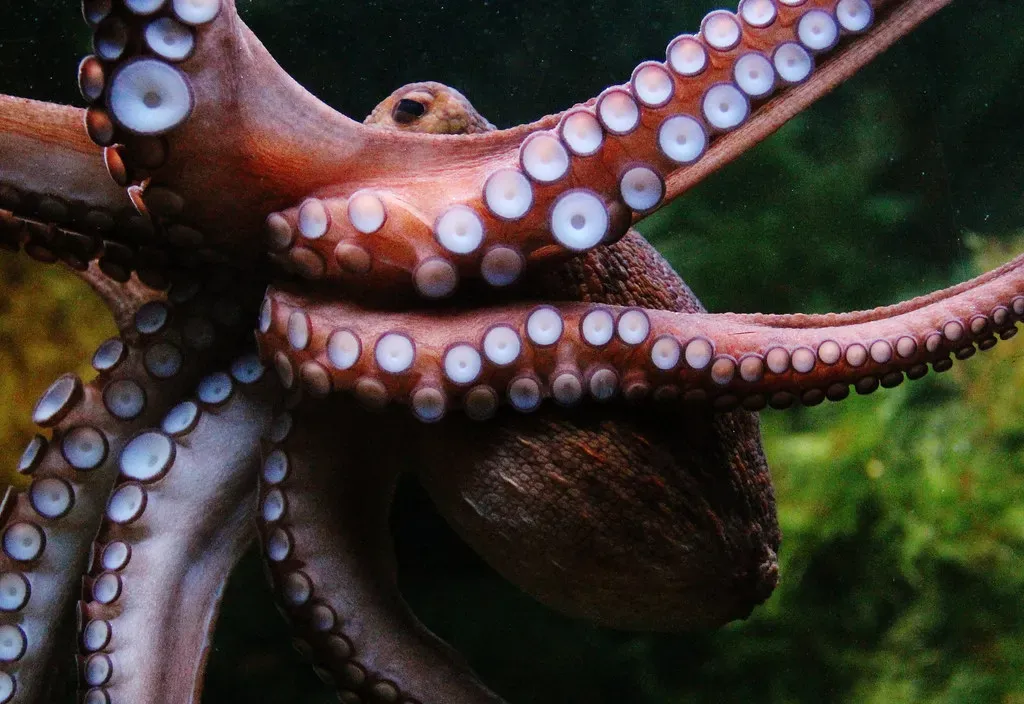
Scientists now believe that cephalopods are intelligent creatures that possess some cognitive abilities that are comparable to those of non-human primates. That is a statement that carries enormous implications, not just for biology but for how we treat these animals in the real world.
Several countries, including the United Kingdom, Canada, Australia, and New Zealand, have extended special protections to octopuses not granted to other invertebrates, recognizing their unique cognitive status. In 2012, the Cambridge Declaration on Consciousness explicitly included octopuses among animals possessing consciousness, placing them alongside mammals and birds.
The octopus’s intelligence is embodied, spread across its body, reacting fluidly to its environment. This decentralized system represents a fundamentally different way of processing information, one that evolved independently from mammalian or avian intelligence. Researchers in AI and robotics are paying close attention. The number of related research papers increased from 760 in 2021 to 1,170 in 2024, a growth rate of nearly fifty-four percent in five years, with studies exploring how humans can learn from the physiological characteristics of octopuses for sensor design, actuator development, and intelligent optimization algorithms.
Intelligence, it seems, can evolve wherever survival demands flexible problem-solving. The octopus did not need language, society, or a formal education. It just needed the ocean, a few million years, and a very strong evolutionary reason to be clever.
Conclusion
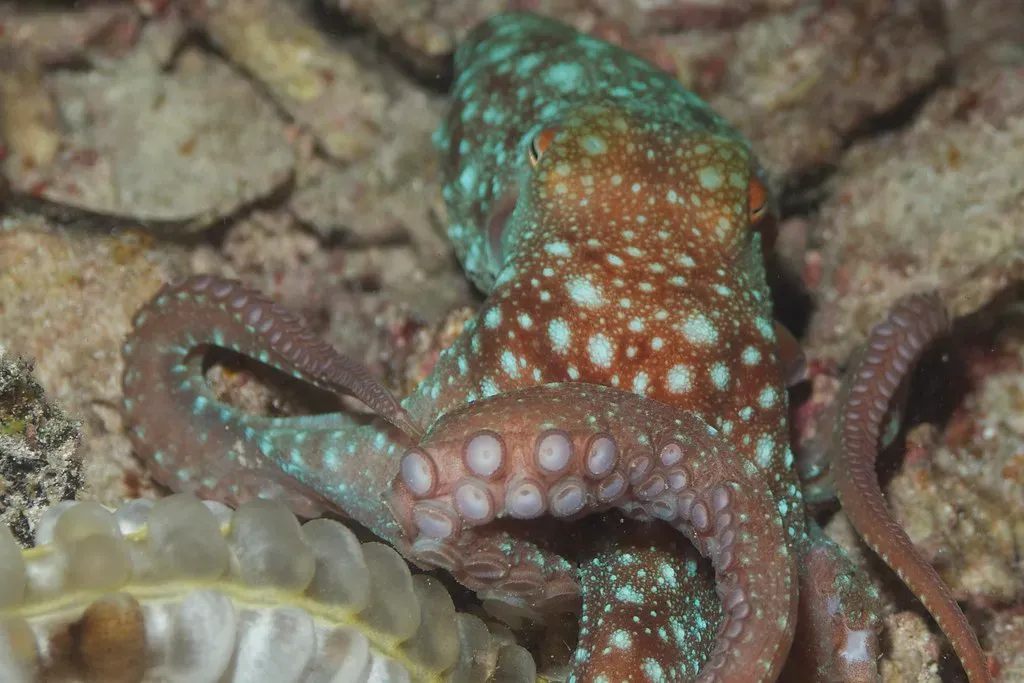
The octopus is not just a fascinating animal. It is a philosophical challenge. It forces us to confront how narrowly we have always defined intelligence, and how quickly that narrow definition crumbles when confronted with a creature that opens jars, holds grudges, plays with objects for fun, and shares genetic machinery for learning with the human brain.
Ultimately, the octopus teaches us that intelligence is not a single formula. It is an adaptive trait shaped by context, environment, and necessity. That is perhaps the most humbling lesson these eight-armed wonders have to offer.
We spent centuries assuming that complex cognition was the exclusive territory of animals that looked at least somewhat like us. The octopus, staring back with those unsettling golden eyes, begs to differ. What does it make you think about the other minds quietly sharing this planet with us?

- Ancient Civilizations Revered Animals for Their Wisdom and Strength - August 5, 2026
- 10 Reasons Why Your Dog Follows You Everywhere - August 5, 2026
- 10 Amazing Animals That Can Change Their Color - August 5, 2026